Artwork
Okänd flicka
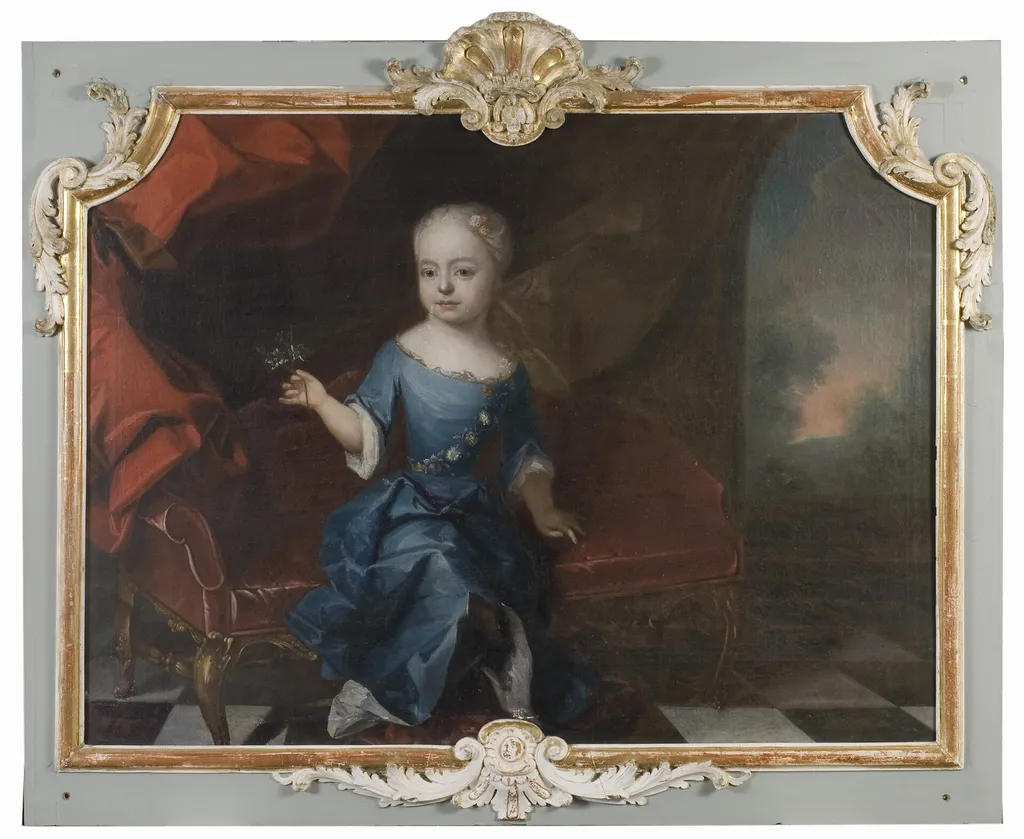
Okänd flicka is an oil painting by Unknown. It is held in the collection of the Nationalmuseum. This oil painting depicts an unidentified young girl seated on a red velvet chair against a dark background.
About this work
Overview
The checkered floor and draped curtain suggest a formal interior setting, reinforcing the composed, restrained demeanor of the subject.
This oil painting depicts an unidentified young girl seated on a red velvet chair against a dark background. Her blue dress, trimmed in white and patterned with floral motifs, contrasts with the rich tones around her. A small object rests in her raised right hand, while a delicate flower adorns her hair. The checkered floor and draped curtain suggest a formal interior setting, reinforcing the composed, restrained demeanor of the subject.
Subject & Meaning
The identity of the girl remains unknown, and no narrative context is provided by the artist. Her poised posture and formal attire suggest a portrait commissioned for familial or social documentation. The held object, though indistinct, may imply a token of status or personal significance. The absence of overt symbolism points to an emphasis on presence rather than story, typical of quiet domestic portraiture in its period.
Technique & Style
The artist employs controlled brushwork to render fabric textures—delicate floral patterns on the dress, the plushness of velvet, and the sheen of the floor. The dark background isolates the figure, drawing attention to her form and attire. Subtle lighting models the face and hands with soft gradations, avoiding dramatic contrast. The composition is balanced and symmetrical, reflecting conventions of 18th- or early 19th-century portraiture.
History & Provenance
The painting’s origin and early ownership are undocumented. No signature or inscription is visible, and no archival records link it to a known artist or collection. It likely entered private hands shortly after creation, remaining outside public institutions until recent cataloging. Its survival without attribution suggests it was not considered exceptional in its time, but valued as a personal keepsake.
Context
Created during an era when portraiture served as a marker of social standing, this work reflects the visual language of middle- or upper-class domestic life. Similar depictions of children in elaborate clothing appear across Europe, often commissioned to affirm family identity. The inclusion of a floral accessory and patterned dress aligns with contemporary fashion trends, while the restrained setting avoids theatricality common in aristocratic portraits.
Legacy
Though unsigned and unattributed, the painting endures as an example of anonymous portraiture that captures the quiet dignity of childhood in a formal setting. It contributes to broader studies of non-elite visual culture, offering insight into how ordinary families expressed identity through commissioned art. Its preservation underscores the value placed on such images, even when their creators were forgotten.
Artist & collection

 Domestic Scene
 Giacomo and Cardinal Marco, investing Andrea, Abbot of San Zeno, with his Benefice
 The Nymph of Fontainebleau
 Portrait of a Woman
 Madonna and Child with Saints in the Enclosed Garden
 Venus and Minerva
 Family Group of Four on Sofa
 Wall painting from Room H of the Villa of P. Fannius Synistor at Boscoreale
 Marie-Louise de France (1728-1733), dite Madame Louise / Madame Troisième
 Portrait of Maria Luisa of Savoy, Queen of Savoy
 Portrait of a Child
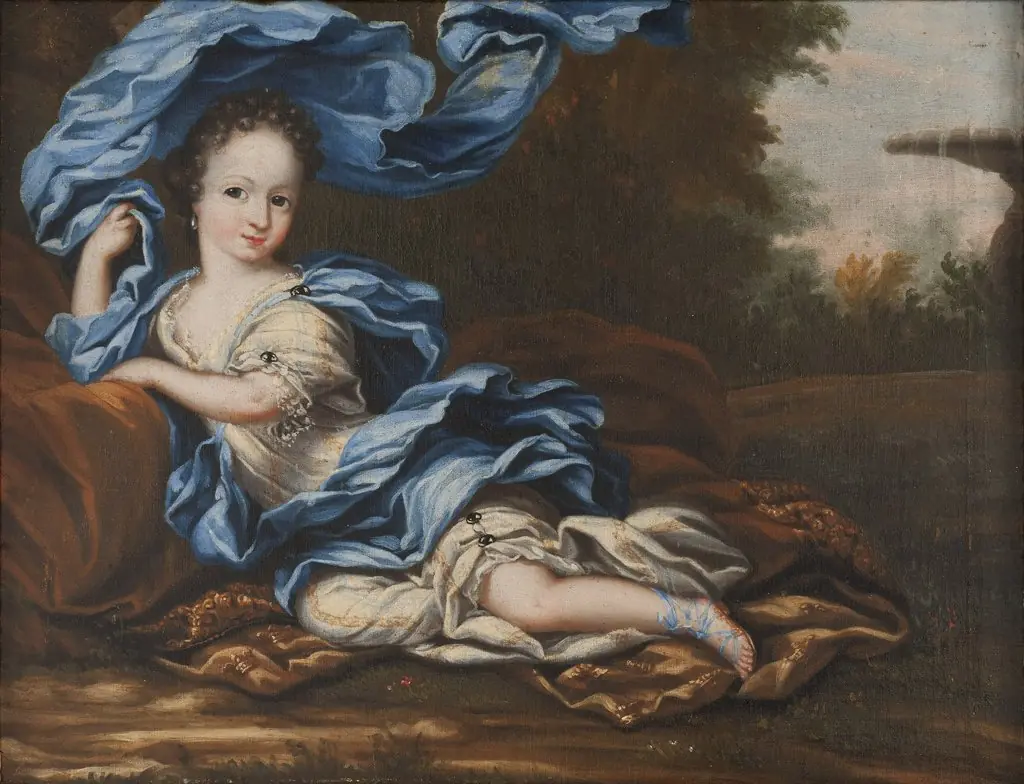 Hedvig Sophia of Sweden (1681–1708), Swedish princess and a Duchess Consort of Holstein-Gottorp, Spouse Frederick IV, Duke of Holstein-Gottorp
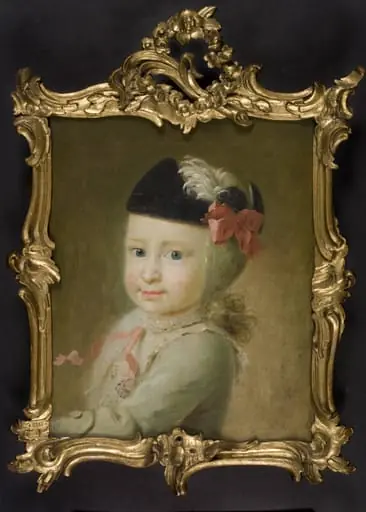 Portrait of Carl Christian Laurentius Birch
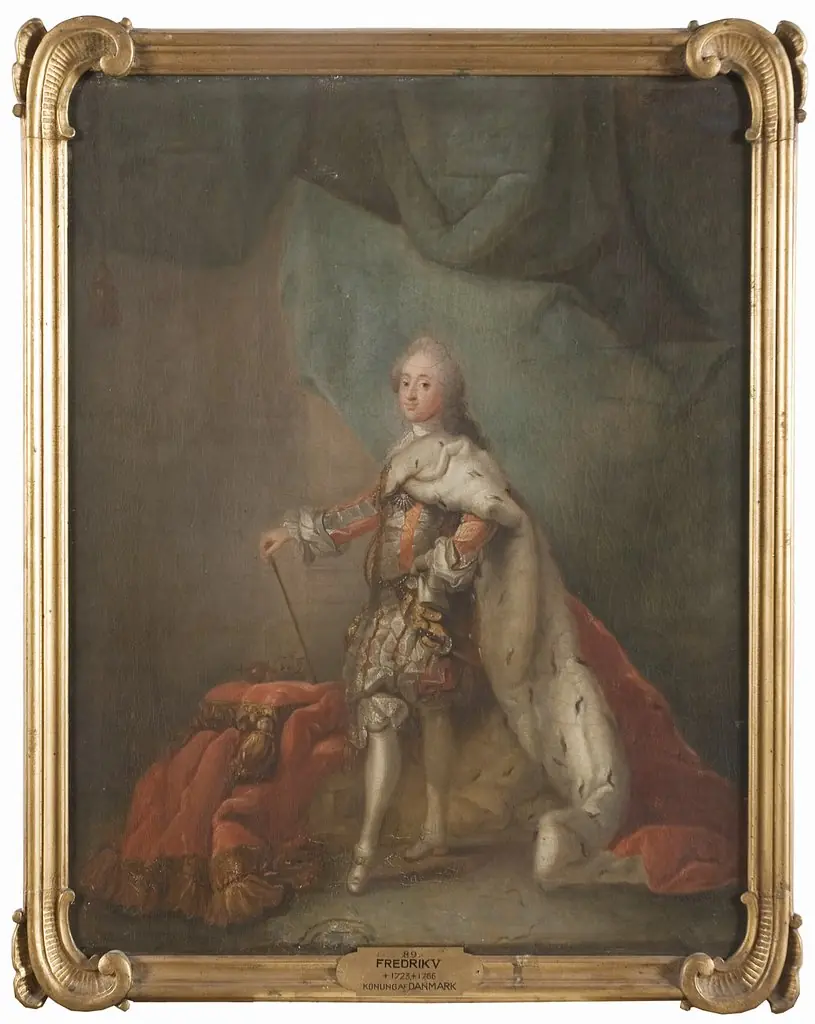 Fredrik V, 1723-66, konung av Danmark och Norge
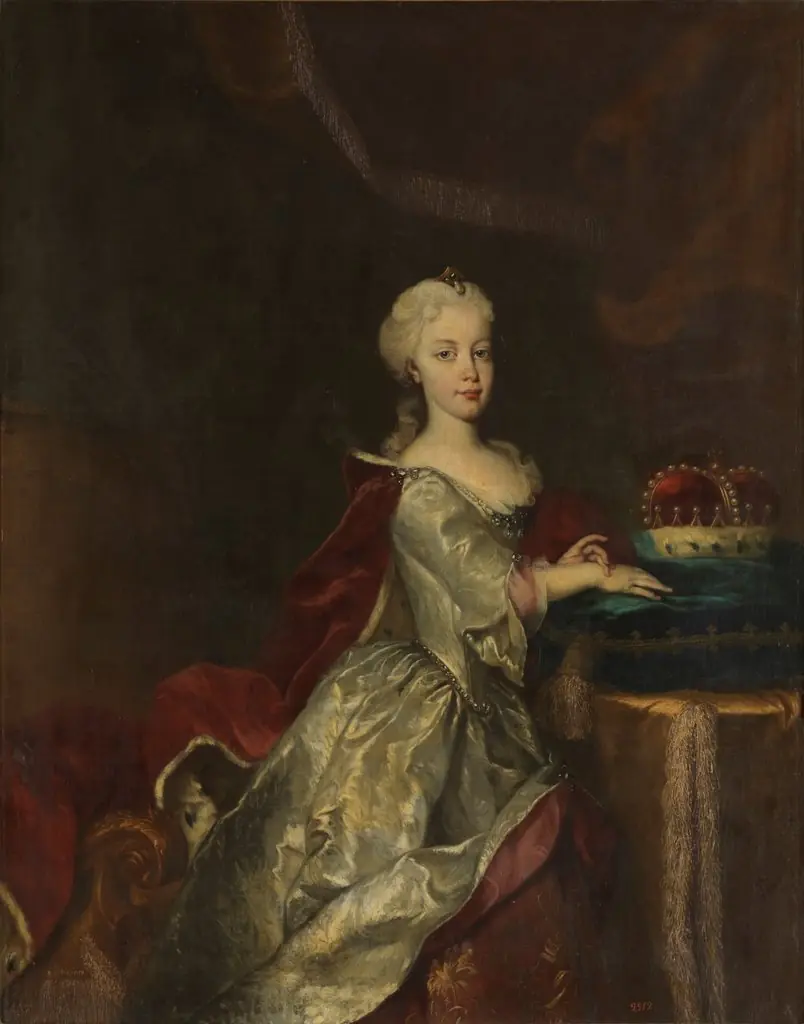 María Teresa archiduquesa de Austria
 Et barn med blomster
 Barbara Villiers (1640–1709), Duchess of Cleveland
 Et barn med blomster
 María Amalia de Habsburgo archiduquesa de Austria
 Okänd gosse