Artwork
Saint John the Baptist
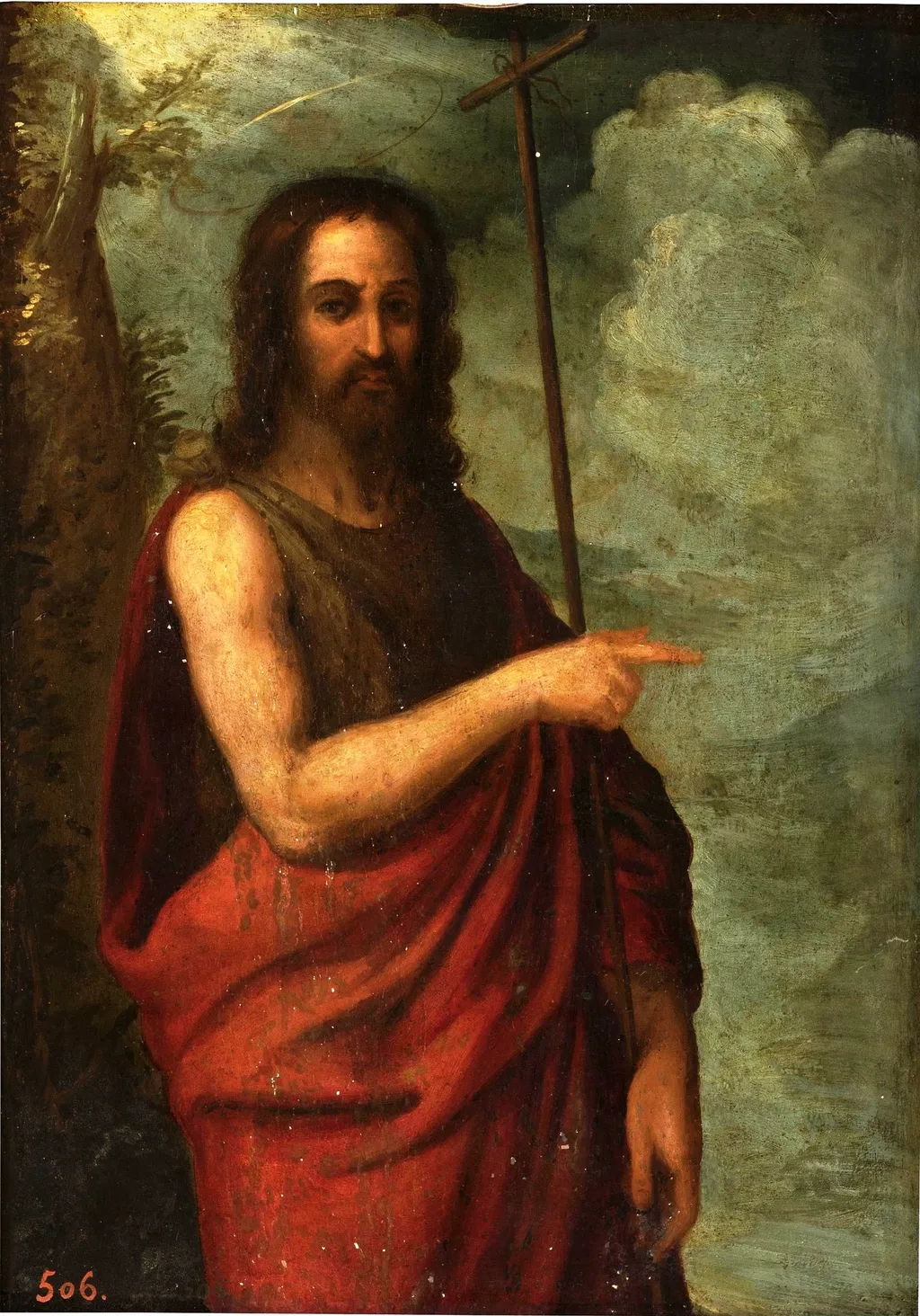
Saint John the Baptist is an oil painting by the High Renaissance artist Leonardo da Vinci. It dates from 1501 and is held in the collection of the Museo del Prado. Created in 1501, this oil painting portrays the biblical figure John the Baptist.
About this work
Overview
Created in 1501, this oil painting portrays the biblical figure John the Baptist. Executed by Leonardo da Vinci, a leading artist of the High Renaissance, the work is part of the collection at Madrid’s Museo del Prado. The composition centers on a solitary, bearded man in a vivid red garment, set against a subdued, shadowy backdrop.
Subject & Meaning
The figure represents John the Baptist, the forerunner of Christ, identifiable by his ascetic attire and the staff he holds. His right hand gestures outward, a traditional sign of preaching, while his solemn expression underscores the saint’s role as a prophetic voice urging repentance.
Technique & Style
Leonardo employs a pronounced chiaroscuro, allowing light to strike the saint’s face and torso while the surrounding darkness recedes. This contrast creates a three‑dimensional presence and emphasizes the tactile qualities of the red robe and the delicate rendering of flesh, hallmarks of Leonardo’s observational approach.
History & Provenance
After its completion, the painting entered various collections before being acquired by the Spanish national museum in the 19th century. It has remained in the Prado’s holdings, where it is displayed among other works from the Italian Renaissance, providing scholars a reference point for Leonardo’s late period.
Context
The work belongs to a phase when Leonardo explored religious subjects through a synthesis of scientific study and artistic expression. Its somber atmosphere and focus on a single figure reflect the period’s shift toward individualized, emotionally resonant portrayals of saints, aligning with broader High Renaissance ideals.
Own this work as a print
Artist & collection
Artist
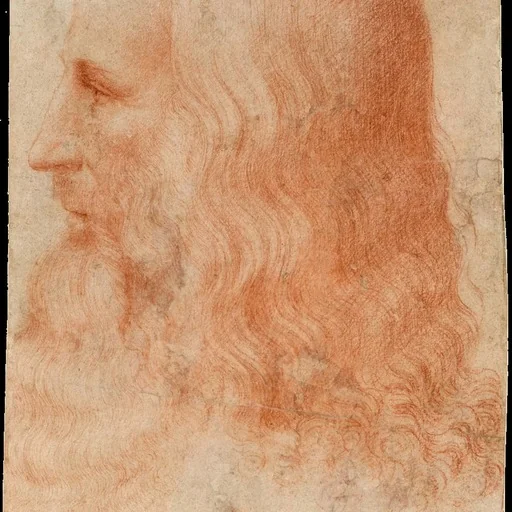
Leonardo di ser Piero da Vinci (15 April 1452 – 2 May 1519) was an Italian polymath of the High Renaissance who was active as a painter, draughtsman, engineer, scientist, theorist, sculptor, and architect.

 Saint John the Baptist
 Saint John the Baptist
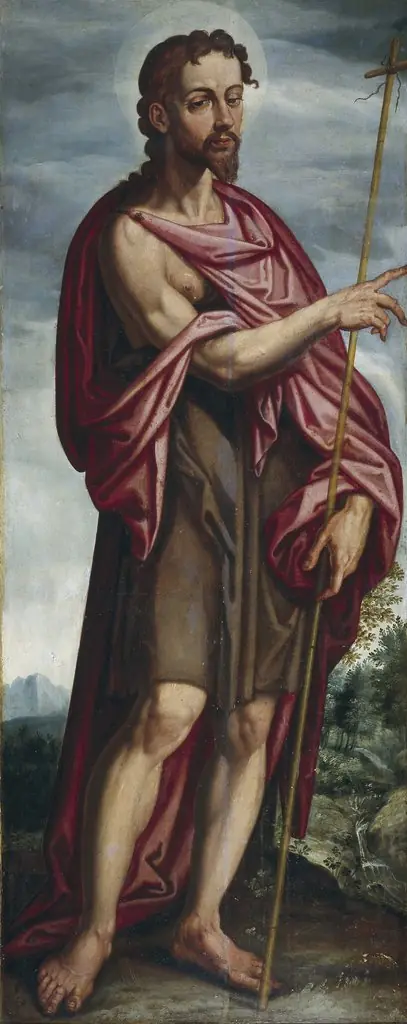 Saint John the Baptist
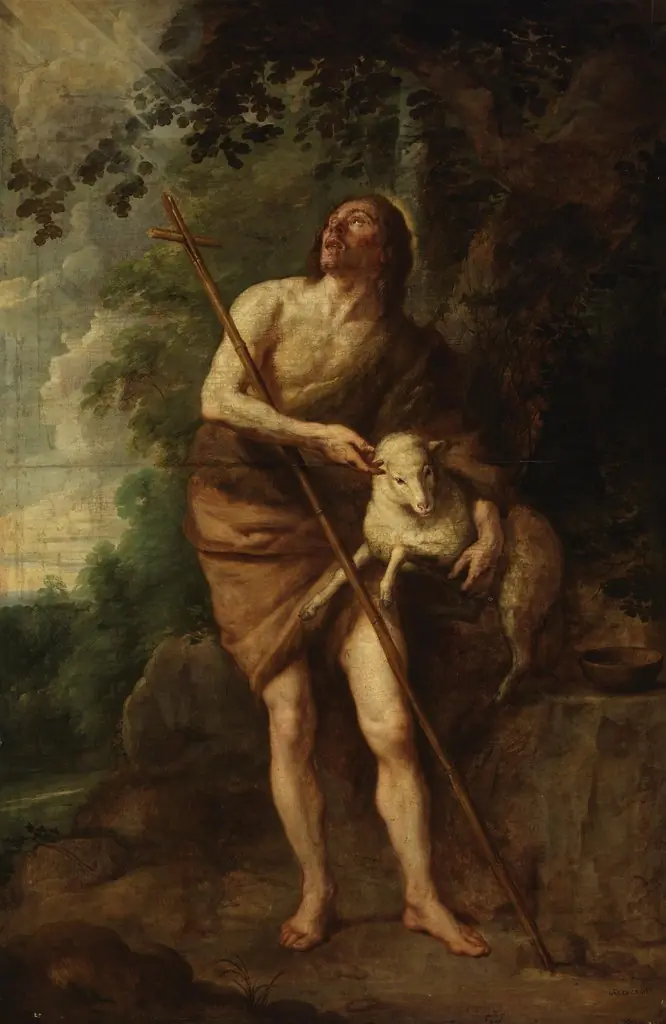 Saint John the Baptist
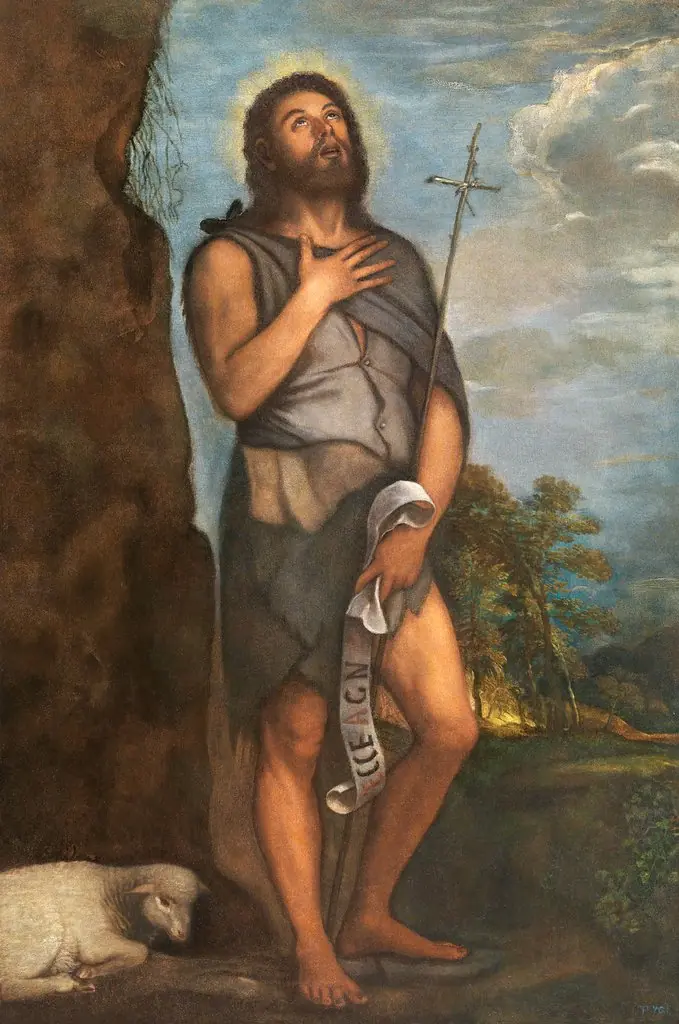 Saint John the Baptist
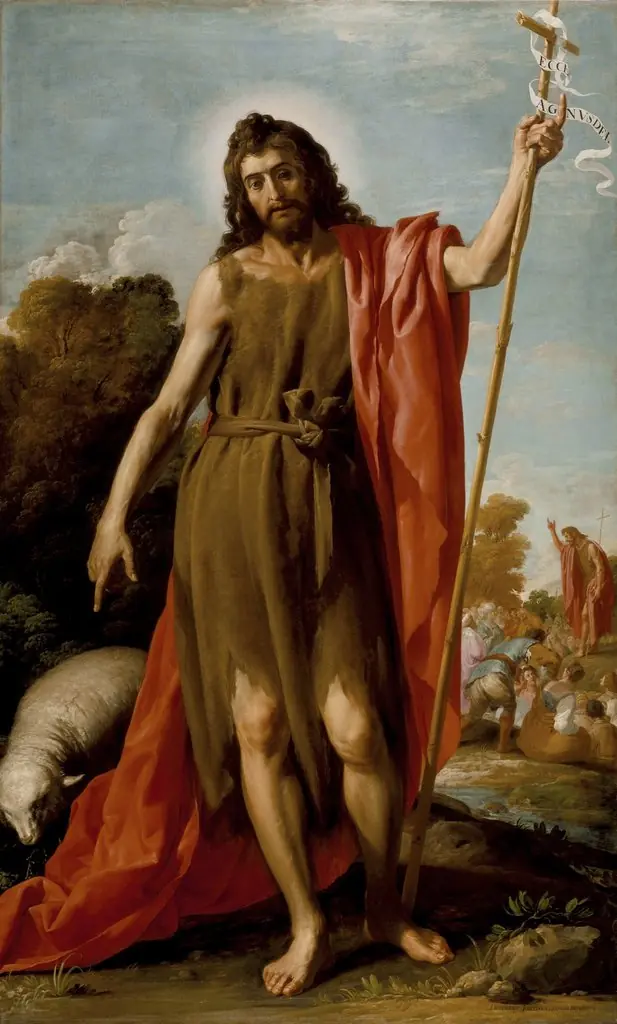 Saint John the Baptist in the Wilderness
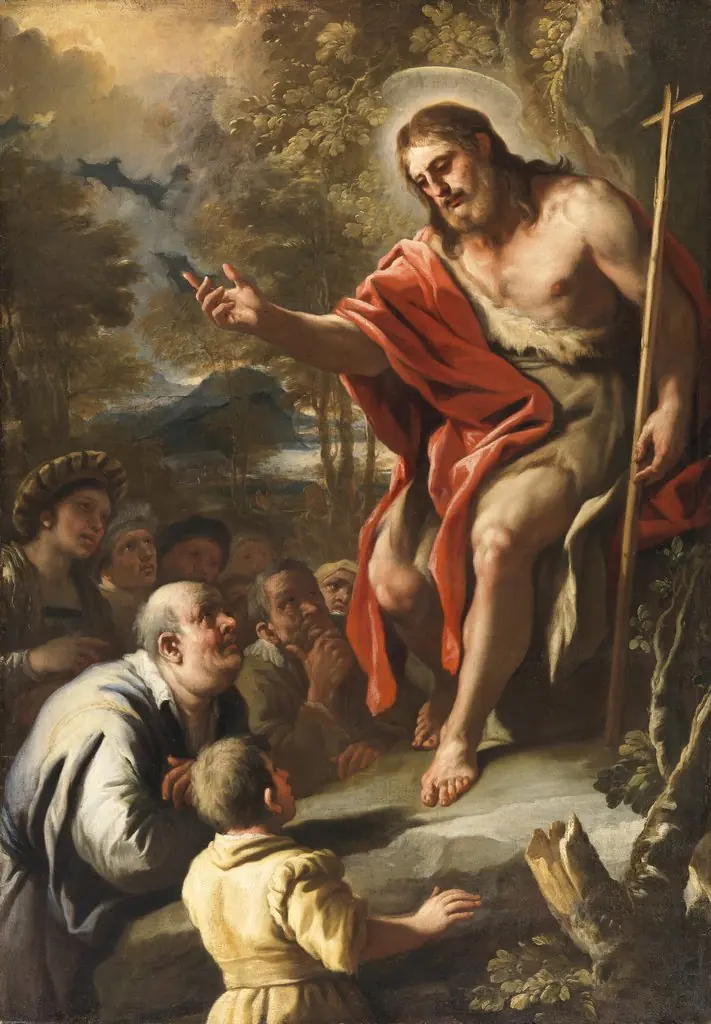 Saint John Preaching in the Wilderness
 Landscape with Diana and Actaeon (Ovid, Metamorphoses, III, 193)
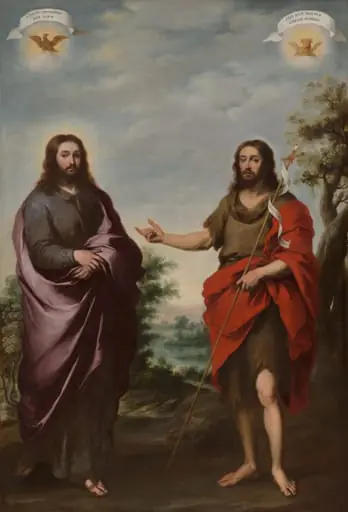 Ecce Agnus Dei
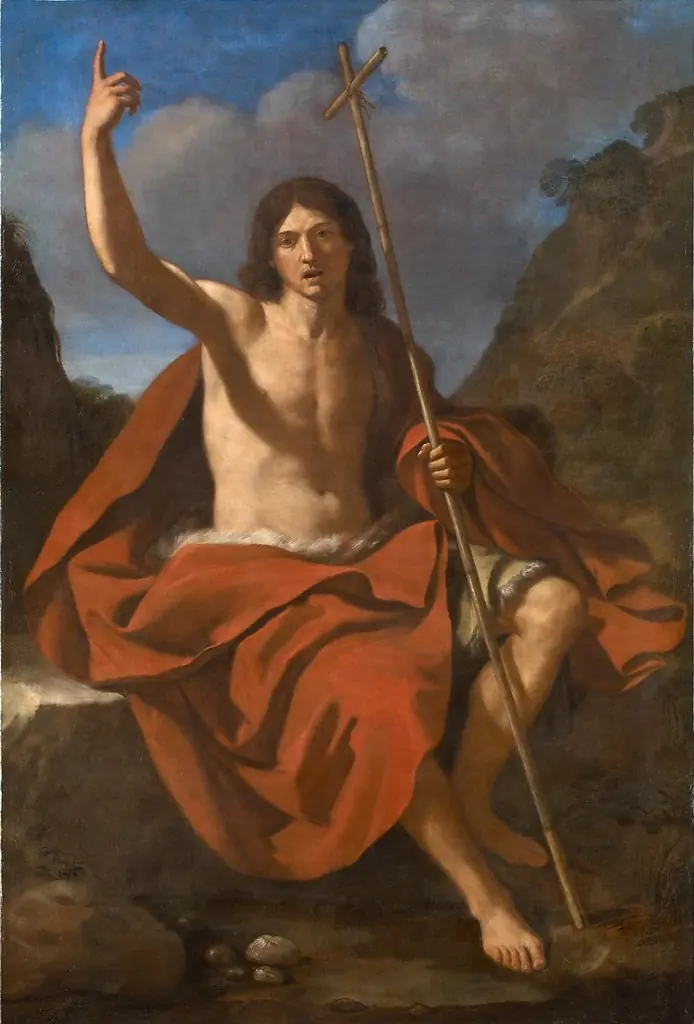 St. John the Baptist
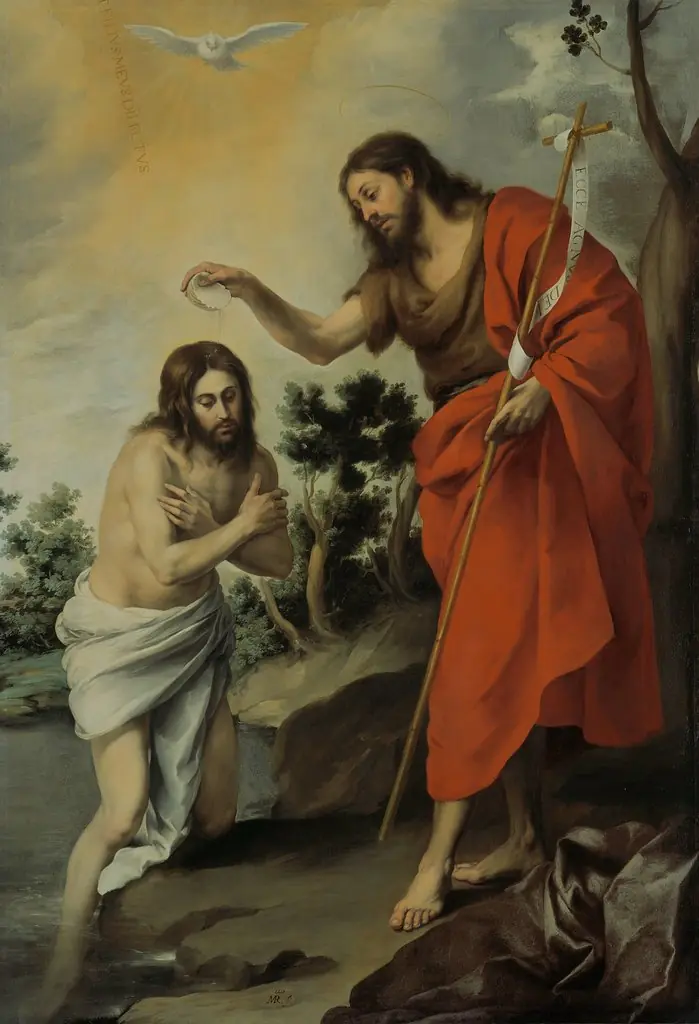 The Baptism of Christ
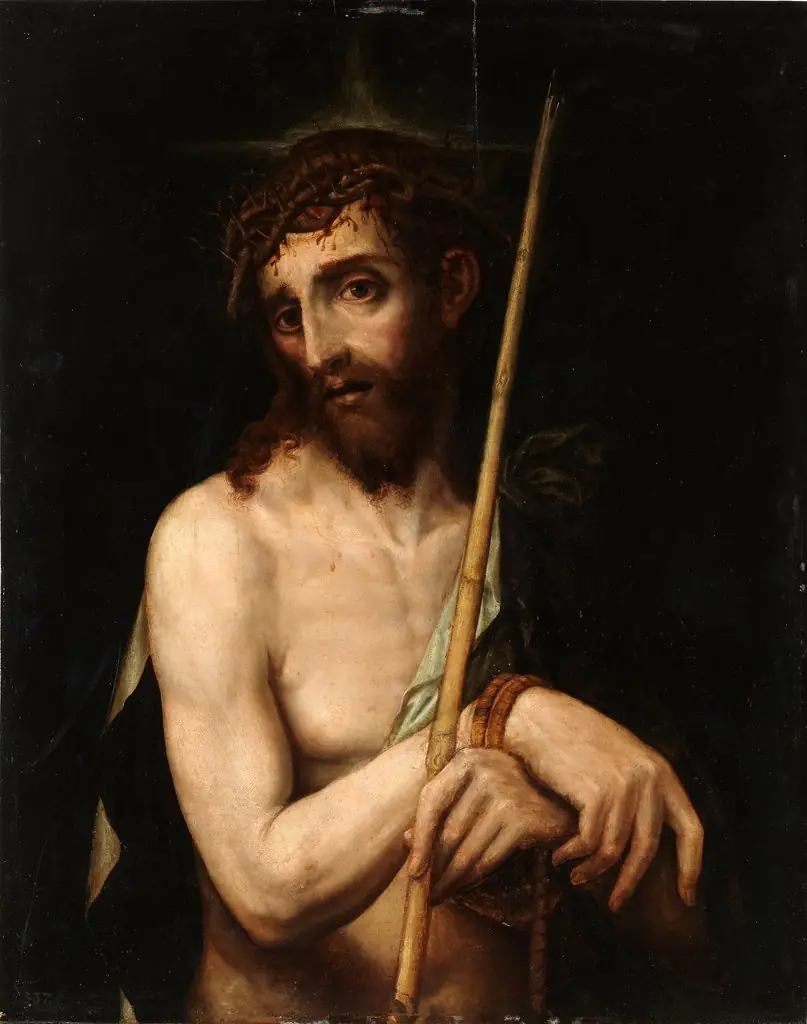 Ecce Homo