Artwork
The Rich Man and Lazarus
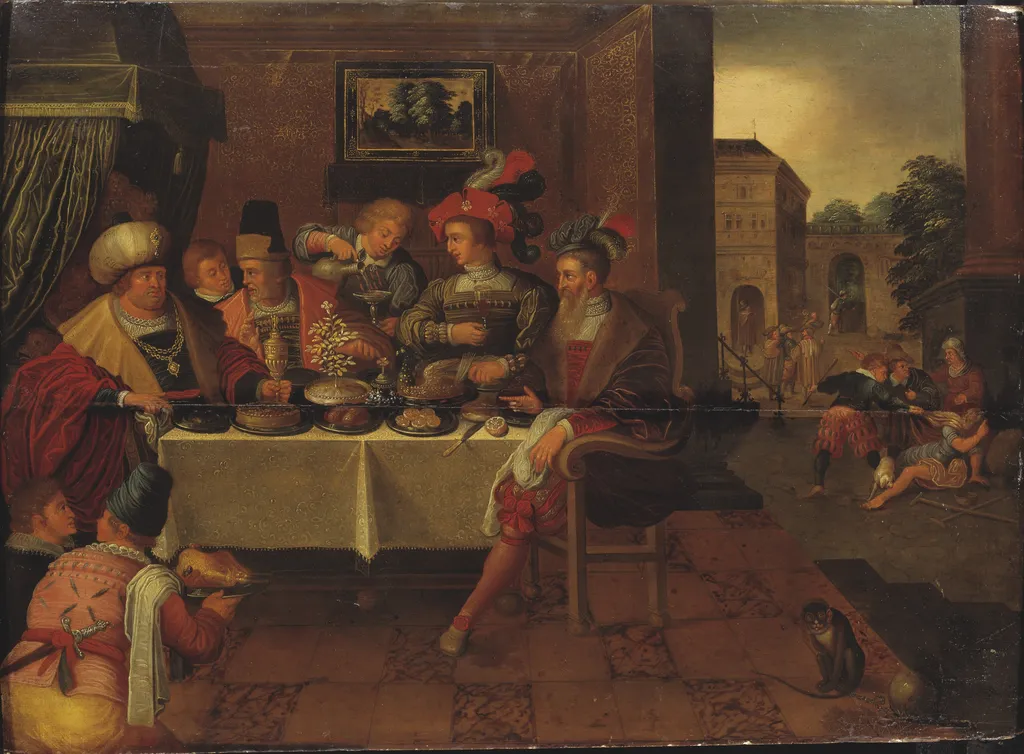
The Rich Man and Lazarus is an oil painting by the Dutch Golden Age artist Unknown. It dates from 1658 and is held in the collection of the Nationalmuseum.
About this work
Overview
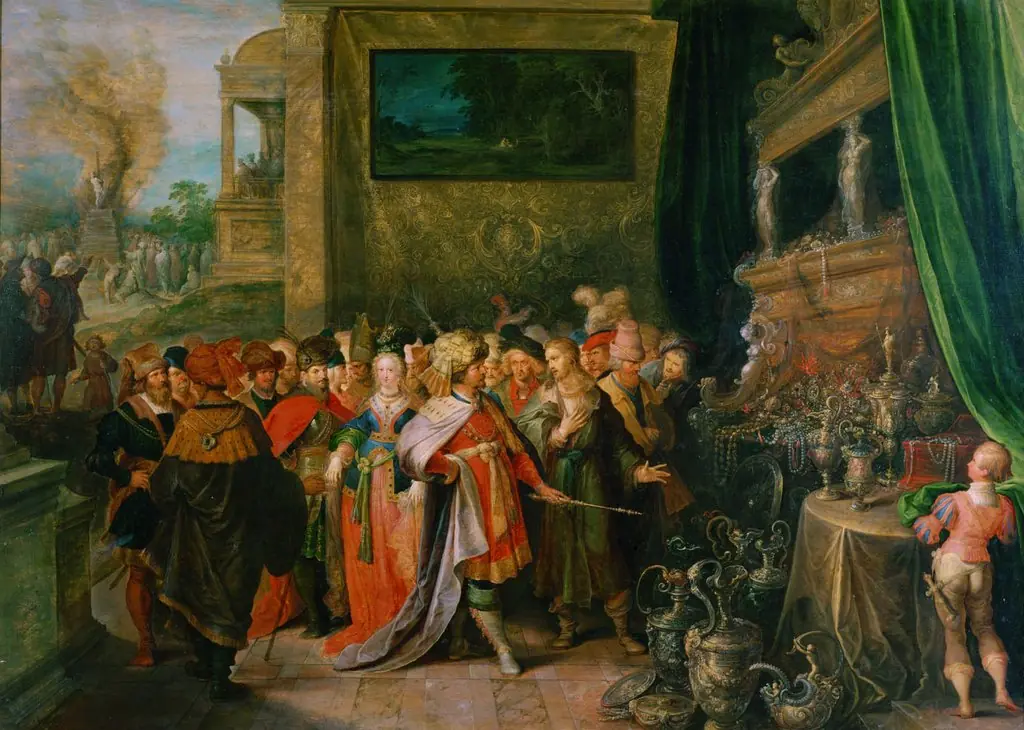
The Rich Man and Lazarus is an oil painting depicting a stark contrast between wealth and poverty, based on a biblical parable. The scene shows a rich man at a lavish table and Lazarus, a beggar, on the floor, set against a ominous backdrop.
Subject & Meaning
The painting illustrates the New Testament parable of Luke 16:19-31, highlighting the moral divide between the affluent and the impoverished. The composition emphasizes the disparity in their circumstances and treatment.
Technique & Style
Executed in oil paint, the work features bold brushstrokes and vivid colors. The artist employed chiaroscuro, juxtaposing warm, illuminated areas (the rich man) with shadow (Lazarus), creating depth and visual contrast.
History & Provenance
The painting is part of the collection at the Nationalmuseum, though specific details about its creation date, artist, or acquisition history are not provided in the available information.
Context
While the artist is not specified, the use of chiaroscuro and the subject matter suggest influences from European religious art traditions, common in the Baroque period or earlier, where such contrasts were frequently used to convey moral themes.
Legacy
As a representation of a well-known parable, the painting serves as a visual reminder of the biblical story's themes of wealth disparity and moral accountability, contributing to the ongoing artistic interpretation of religious narratives.
Artist & collection

 Domestic Scene
 Giacomo and Cardinal Marco, investing Andrea, Abbot of San Zeno, with his Benefice
 The Nymph of Fontainebleau
 Portrait of a Woman
 Madonna and Child with Saints in the Enclosed Garden
 Venus and Minerva
 Family Group of Four on Sofa
 Wall painting from Room H of the Villa of P. Fannius Synistor at Boscoreale
 The Banquet of Herod. Salome Presents the Head of John the Baptist
 Esther, Ahasuerus, and Haman
 The Conspiracy of Claudius Civilis and the Batavians in the Schakerbos
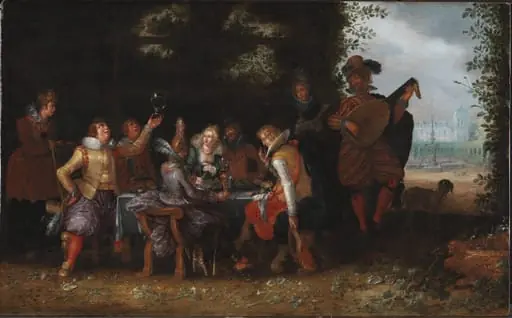 Christ Healing at the Pool of Bethesda
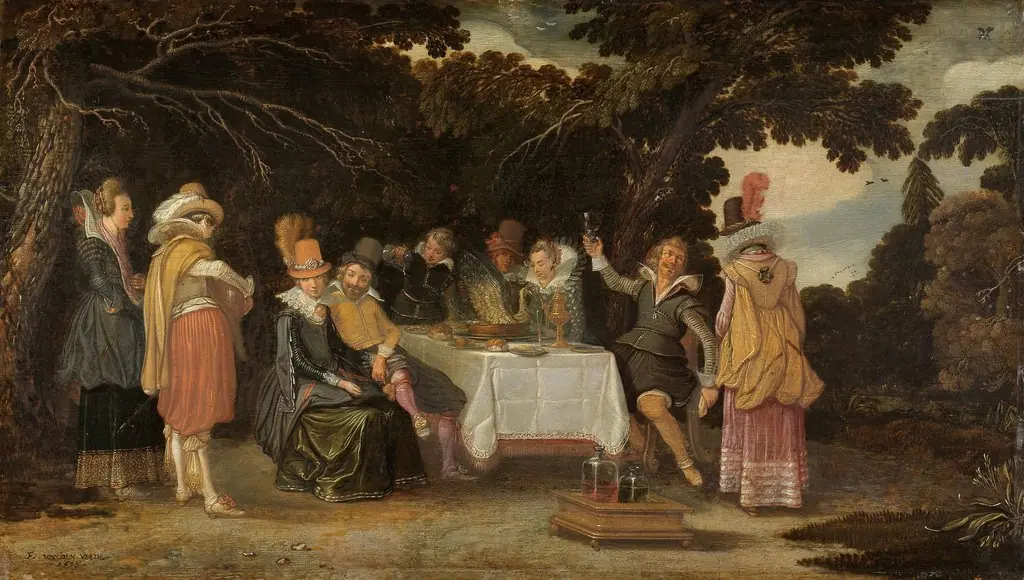 Elegant company dining in the open air
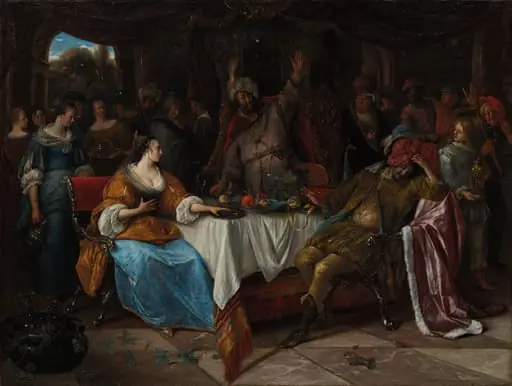 Esther, Ahasuerus, and Haman
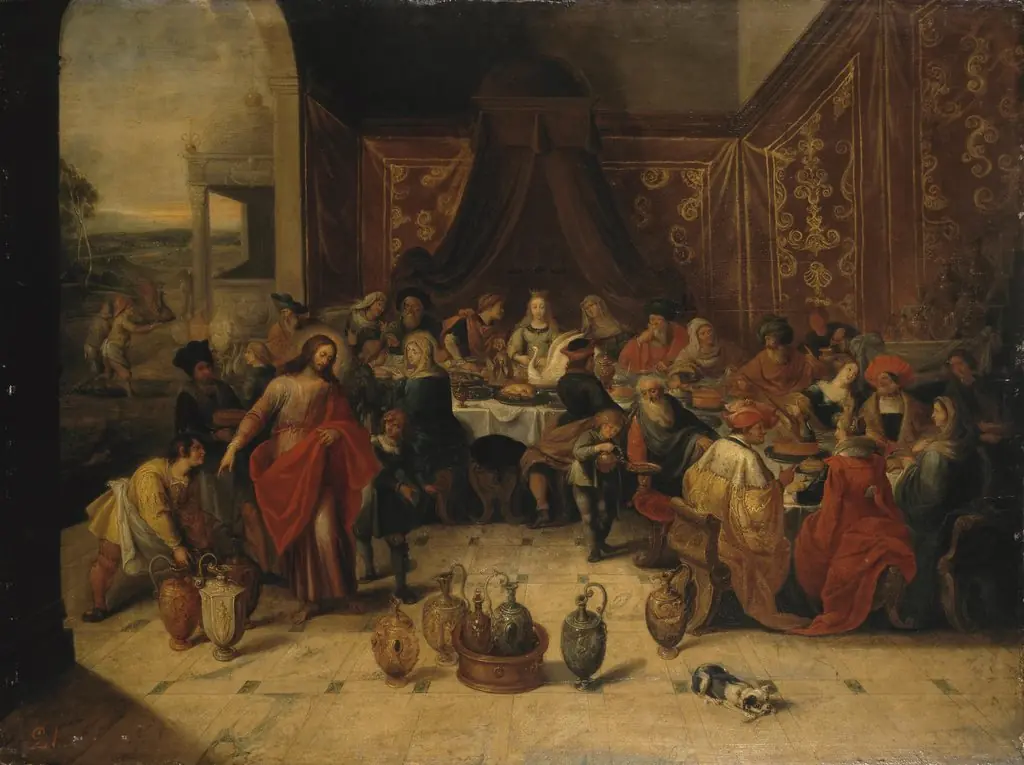 Marriage at Cana
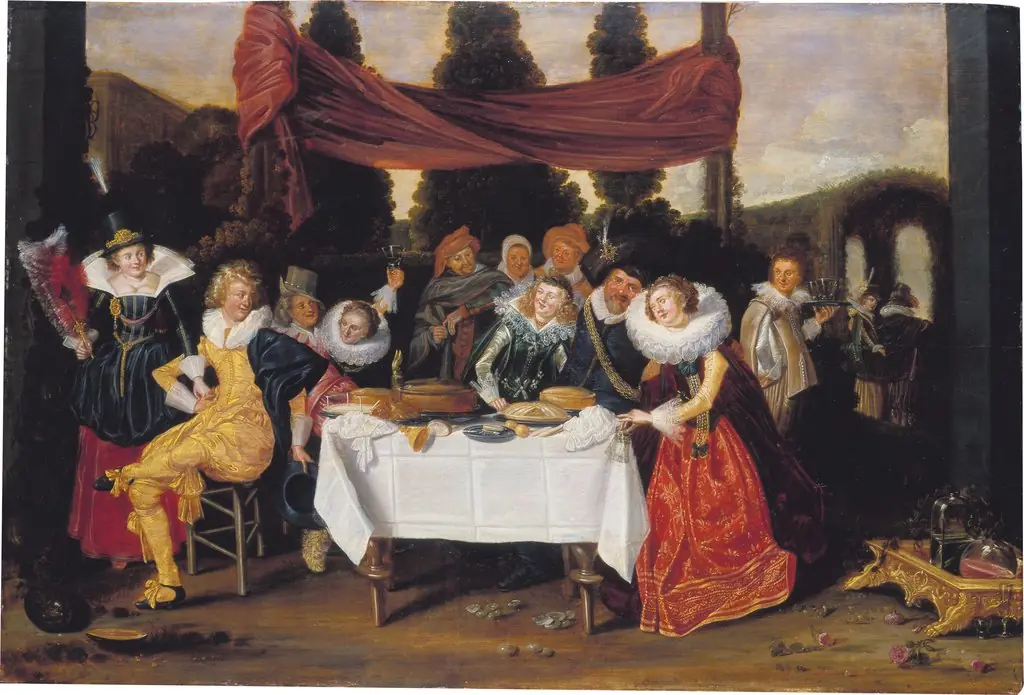 Merry Company
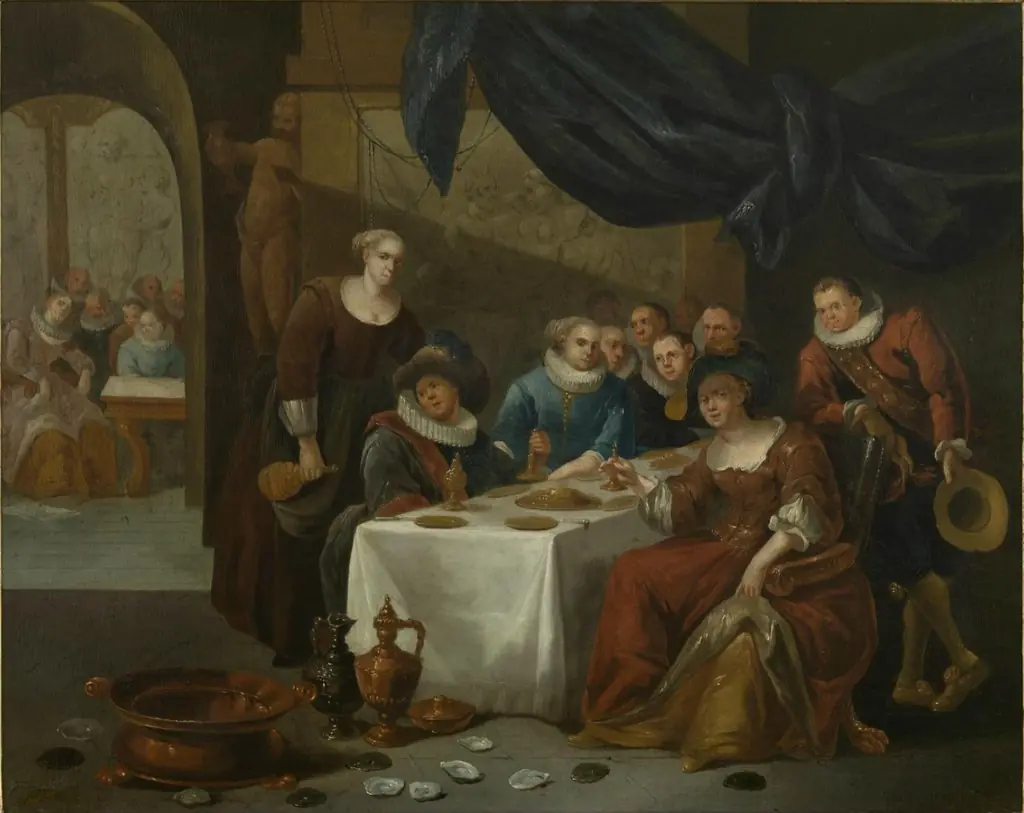 Galant gezelschap
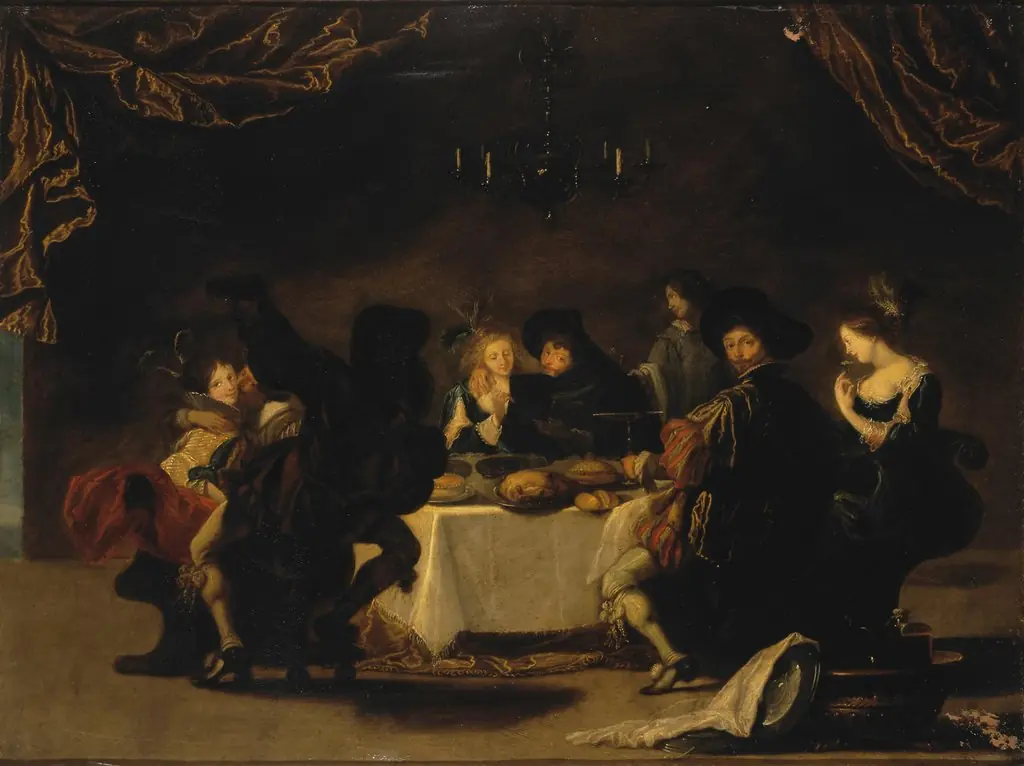 Marry Society
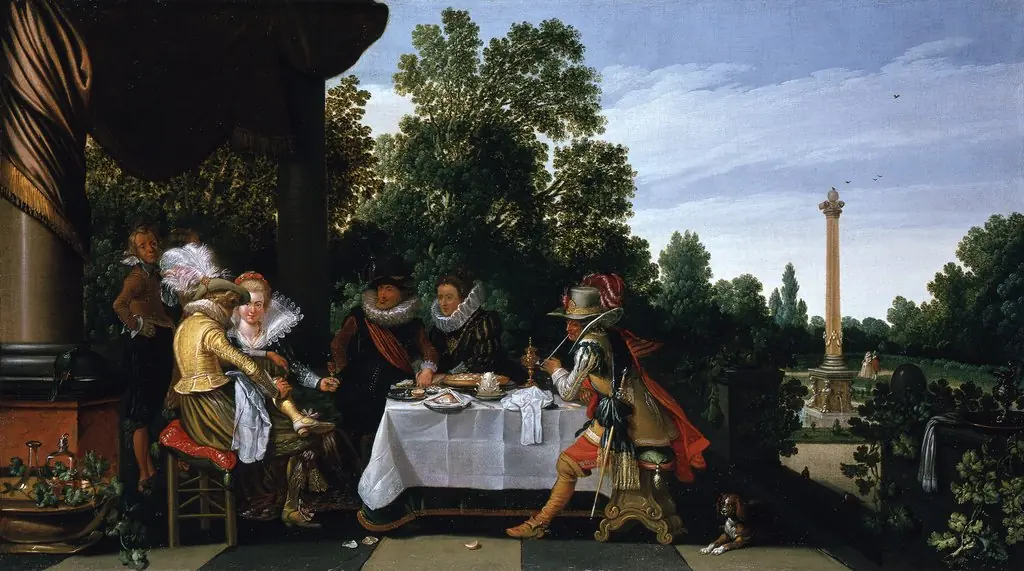 Elegant company eating, drinking, smoking and in conversation on a terrace
 Croesus displays his treasures to Solon