Artwork
The Banquet of Herod. Salome Presents the Head of John the Baptist
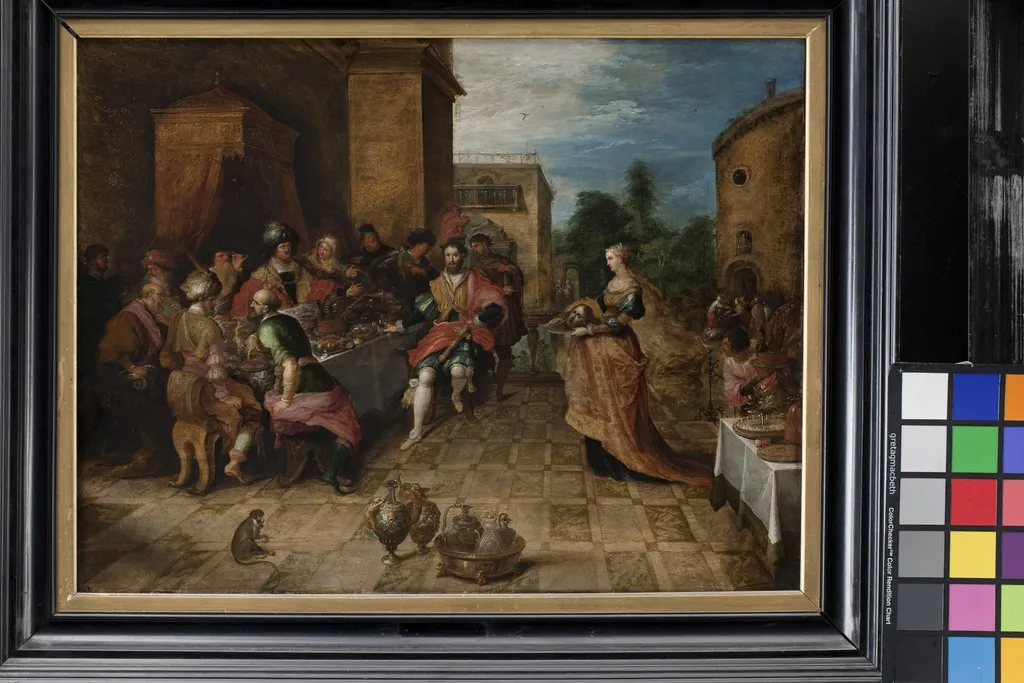
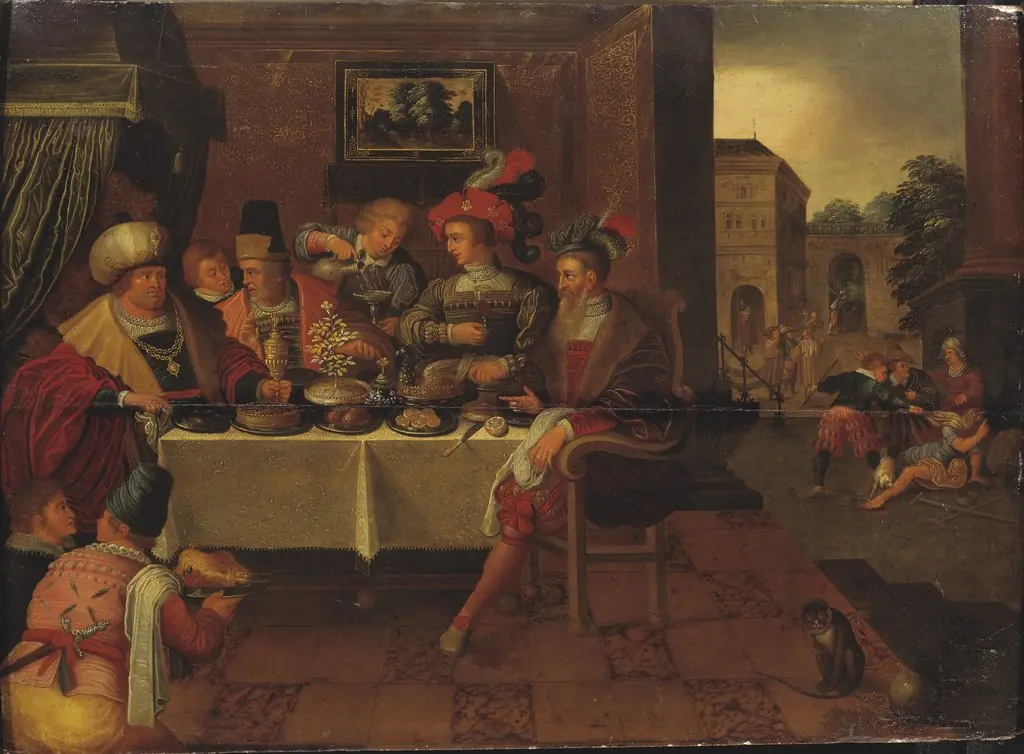
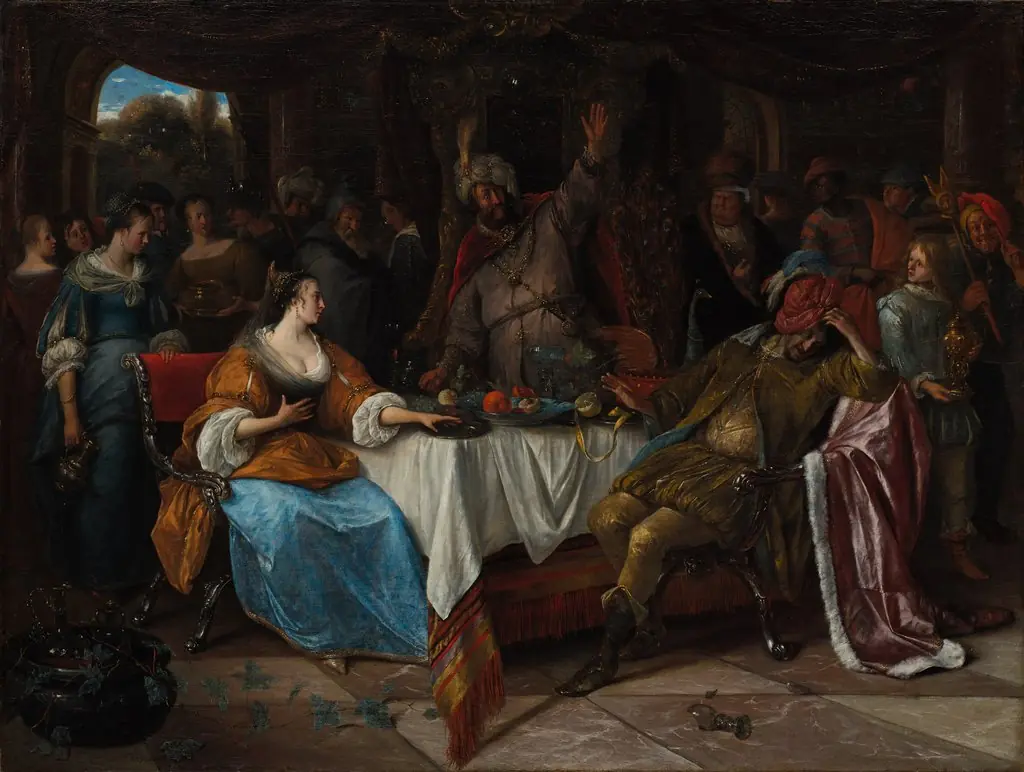
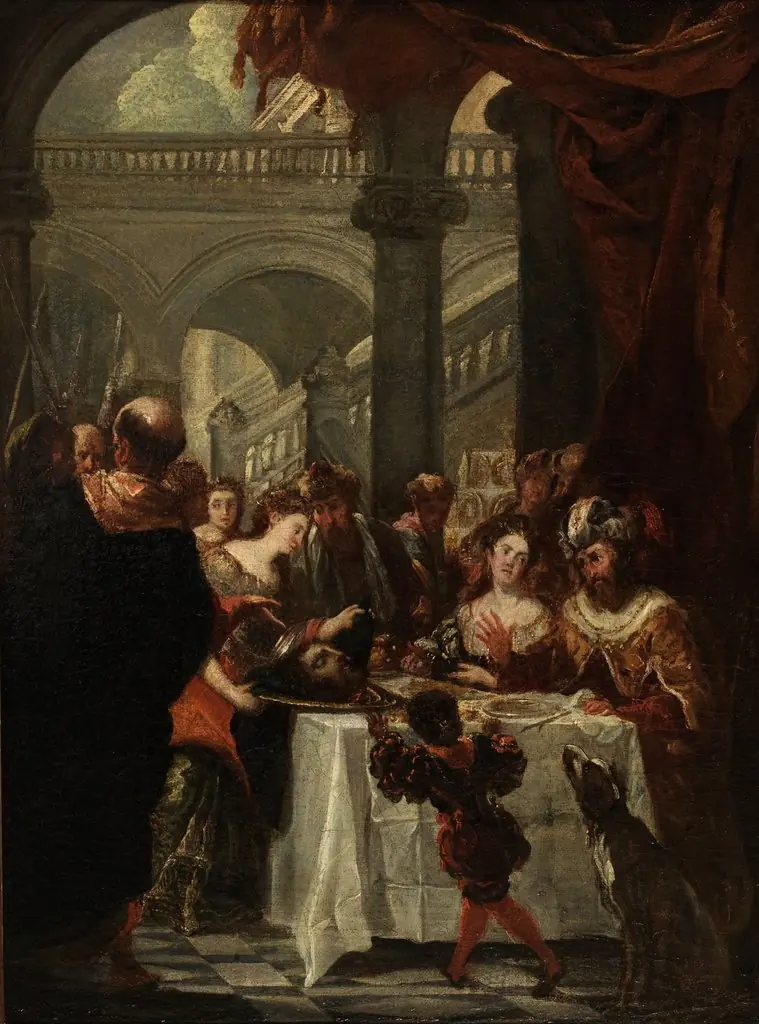
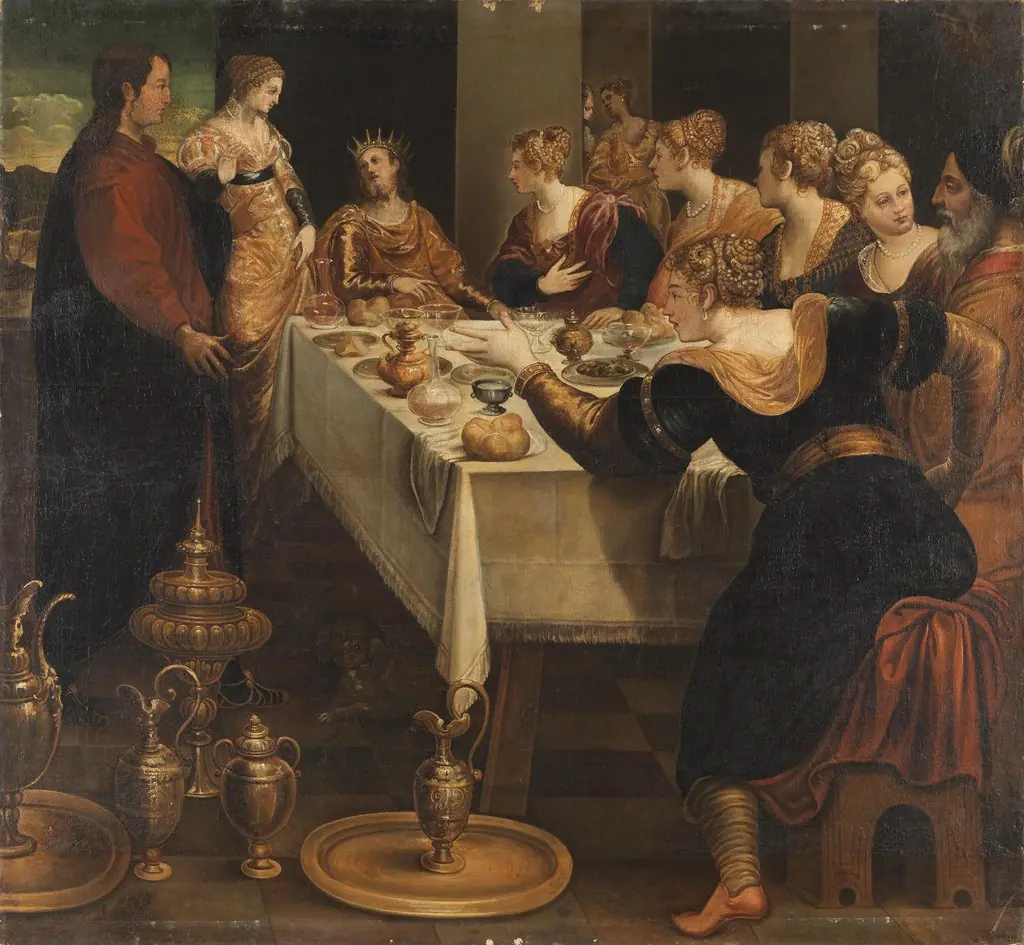
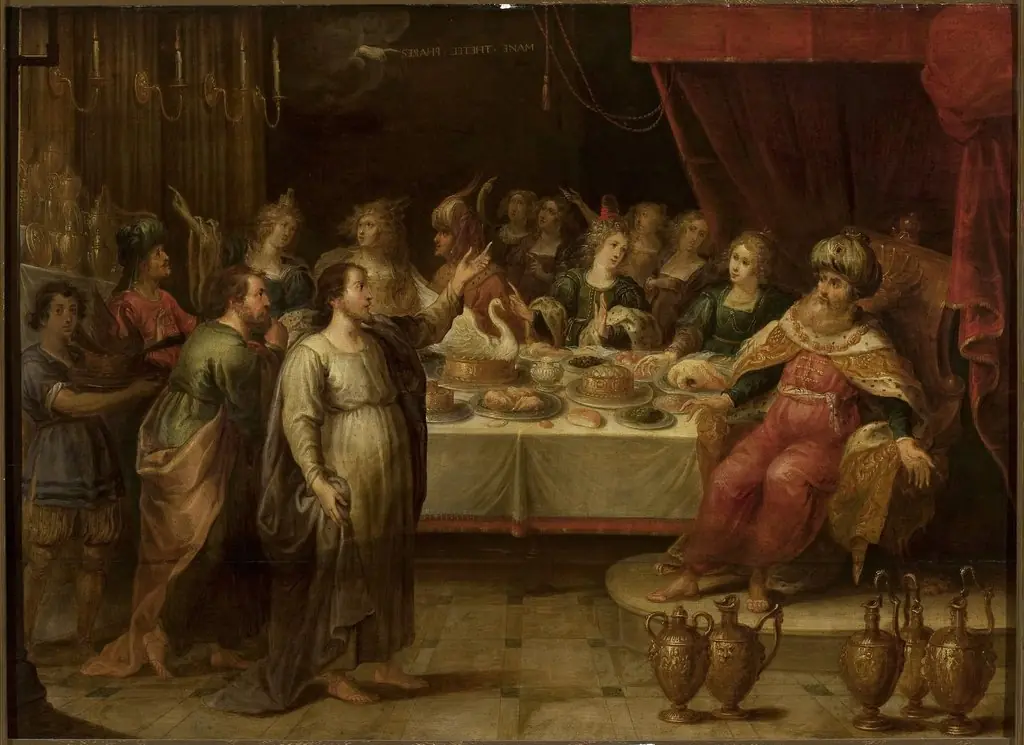
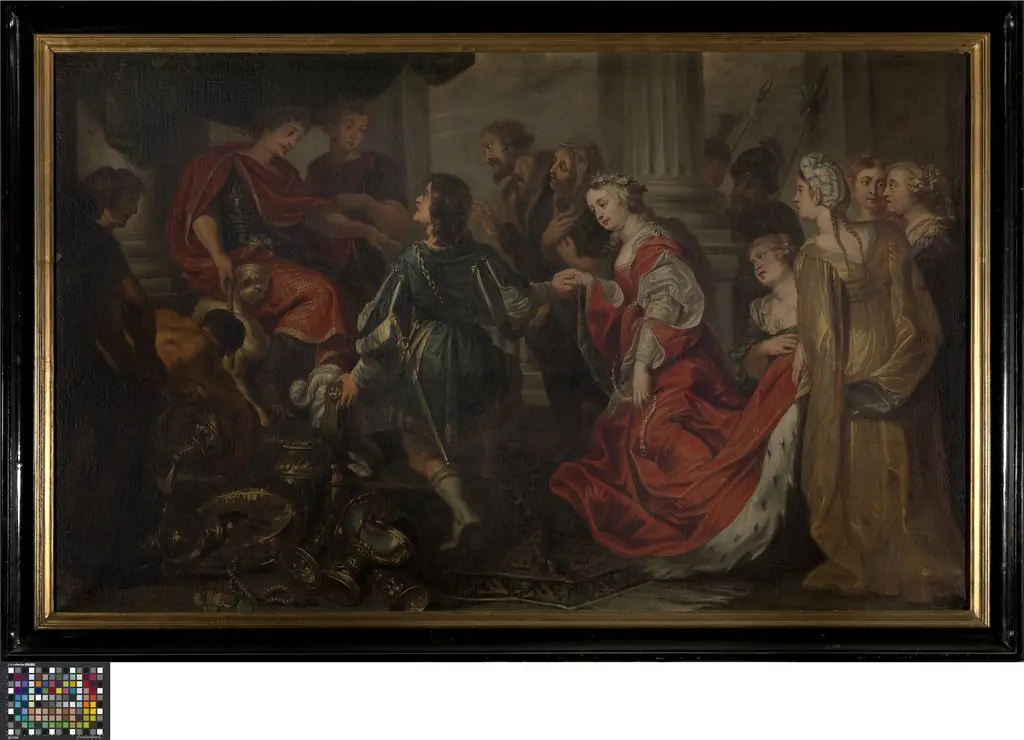
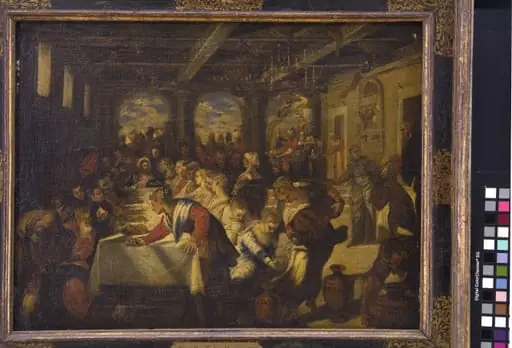
The Banquet of Herod. Salome Presents the Head of John the Baptist is a photography by Unknown. It dates from 1650 and is held in the collection of the Statens Museum for Kunst. Painted around 1650, this work depicts the moment Salome presents the severed head of John the Baptist to Herod at a royal banquet.
About this work
Overview
Painted around 1650, this work depicts the moment Salome presents the severed head of John the Baptist to Herod at a royal banquet.
Painted around 1650, this work depicts the moment Salome presents the severed head of John the Baptist to Herod at a royal banquet. The scene unfolds in a lavishly appointed hall, where courtiers in rich garments surround a long table. The composition centers on the platter bearing the head, contrasting the opulence of the setting with the brutality of the act. The painting is held in the collection of the Museum of Ethnography.
Subject & Meaning
The scene draws from the biblical account in Mark 6, where Salome, at her mother’s urging, demands John’s head as a reward for dancing. The painting captures the tension between worldly indulgence and moral consequence. Guests appear absorbed in feasting, indifferent to the gruesome offering, underscoring themes of moral blindness and the corruption of power.
Technique & Style
The artist employs chiaroscuro to heighten dramatic contrast, illuminating the platter and faces while deepening shadows in the background. Details in fabric, jewelry, and architectural ornamentation suggest a Flemish or Italianate influence. The figures are rendered with precise, almost theatrical gestures, emphasizing narrative clarity over emotional intensity.
History & Provenance
The painting entered the Museum of Ethnography’s collection in the late 19th century, though its earlier ownership remains undocumented. Its attribution to the artist identified as 2913_person is based on stylistic analysis and archival records from the period, though no definitive documentation of its commission or initial display survives.
Context
Created during a period when biblical narratives were frequently depicted in European art, this work reflects the continued interest in moral allegory amid Baroque theatricality. The emphasis on courtly luxury aligns with contemporary tastes in secular and religious imagery, where grandeur served to amplify the gravity of sacred events.
Legacy
Though not widely exhibited outside its current institution, the painting contributes to a broader tradition of depicting biblical violence within aristocratic settings. Its quiet, unflinching portrayal of indifference to atrocity distinguishes it from more overtly emotional renditions, offering a restrained meditation on complicity and spectacle.
Artist & collection

 Domestic Scene
 Giacomo and Cardinal Marco, investing Andrea, Abbot of San Zeno, with his Benefice
 The Nymph of Fontainebleau
 Portrait of a Woman
 Madonna and Child with Saints in the Enclosed Garden
 Venus and Minerva
 Family Group of Four on Sofa
 Wall painting from Room H of the Villa of P. Fannius Synistor at Boscoreale