Artwork
King Albrecht II
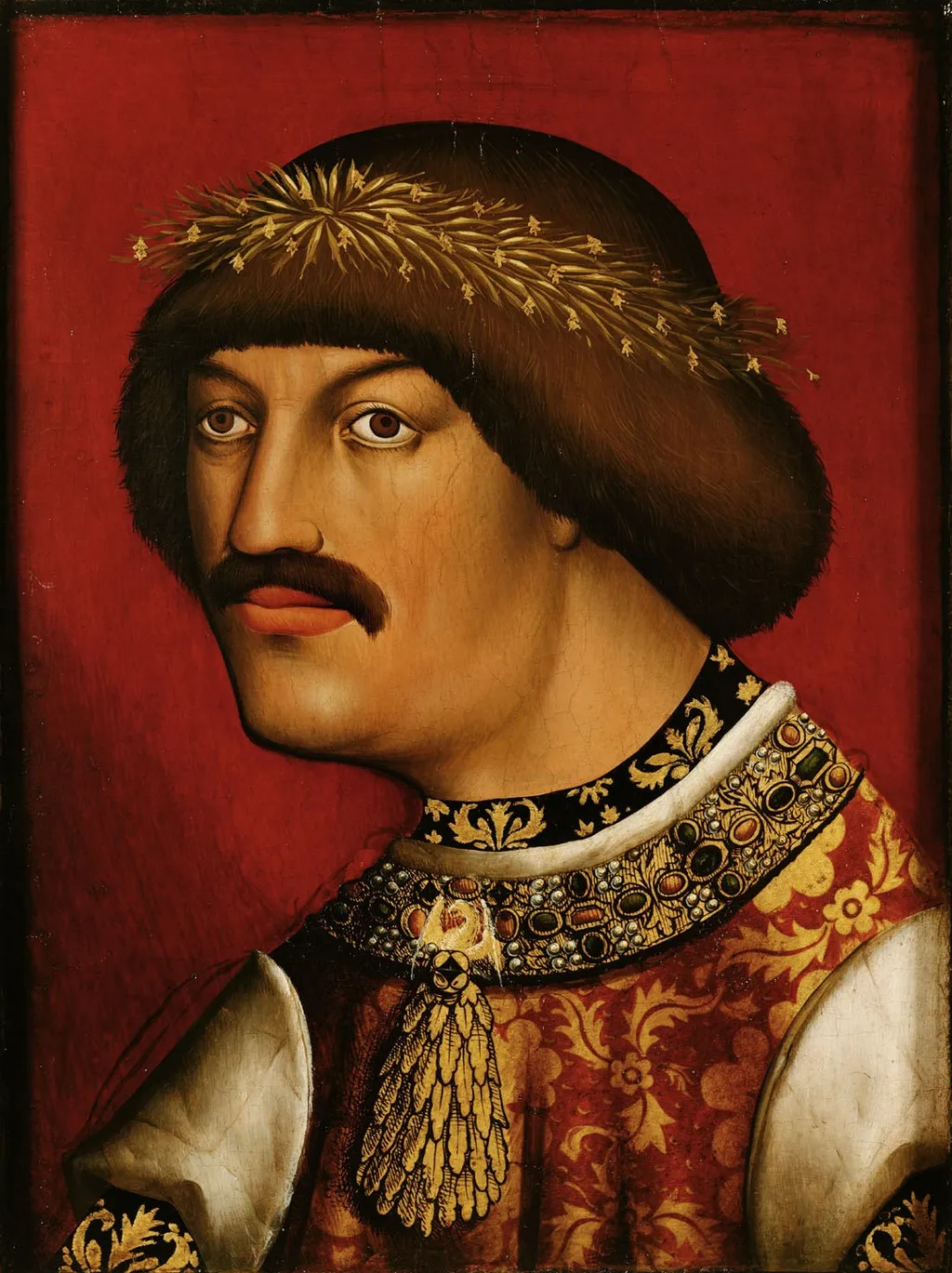
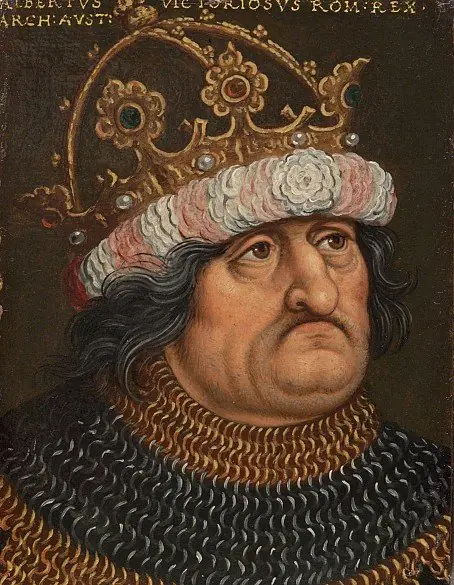
King Albrecht II is an unspecified painting by the Early Baroque Italian artist Unknown. It dates from 1550 and is held in the collection of the Kunsthistorisches Museum.
About this work
Overview
The subject is shown wearing a dark fur-lined hat adorned with gold stars, a jeweled collar, and a rich red robe patterned in gold.
This portrait depicts King Albrecht II of Germany, rendered in profile with meticulous attention to regal attire. The subject is shown wearing a dark fur-lined hat adorned with gold stars, a jeweled collar, and a rich red robe patterned in gold. One hand rests on a white helmet, the other holds a shield bearing a plain emblem. The composition emphasizes dignity and authority through restrained gesture and formal posture.
Subject & Meaning
The portrait conveys Albrecht II’s status as a ruler through symbolic elements: the gold stars on his hat suggest imperial rank, while the helmet and shield reference his military role. His serious expression and direct gaze reinforce a sense of solemn responsibility. The absence of overt grandeur in the shield’s design may reflect a preference for practical authority over ceremonial display, aligning with his reputation as a pragmatic leader.
Technique & Style
The painting employs subtle chiaroscuro to model the contours of the face and garments, lending volume and realism. Fine brushwork captures the texture of fur, metallic embroidery, and polished metal. The profile view, common in medieval and early Renaissance portraiture, prioritizes clarity of identity over emotional expression. Color is used symbolically—red for power, gold for divinity or nobility—rather than naturalistically.
History & Provenance
The portrait likely originated in the early 15th century, during Albrecht II’s reign as King of the Romans and Duke of Austria. It was probably commissioned by his court to affirm his legitimacy and lineage. Its survival suggests it remained in Habsburg collections, possibly displayed in a private chamber or chapel. Later records indicate it entered a major European collection by the 18th century.
Context
Created during a period of shifting power in the Holy Roman Empire, the portrait reflects the tension between dynastic tradition and emerging individualism in portraiture. While still rooted in medieval conventions of heraldic symbolism, it anticipates Renaissance interests in personal identity and material detail. Albrecht’s rule coincided with efforts to consolidate Habsburg influence amid competing noble factions.
Legacy
The portrait stands as a representative example of early 15th-century Central European court art, bridging Gothic formality and Renaissance naturalism. It contributes to the visual record of Habsburg authority and the evolving role of portraiture in political representation. Though not widely known today, it remains a key artifact for understanding how rulers communicated power through controlled imagery before the age of mass reproduction.
Artist & collection

 Domestic Scene
 Giacomo and Cardinal Marco, investing Andrea, Abbot of San Zeno, with his Benefice
 The Nymph of Fontainebleau
 Portrait of a Woman
 Madonna and Child with Saints in the Enclosed Garden
 Venus and Minerva
 Family Group of Four on Sofa
 Wall painting from Room H of the Villa of P. Fannius Synistor at Boscoreale
 Albrecht, V. als Herzog v. Österreich
 Portrait of Louis II, king van Hungary
 König Albrecht II. (1397-1439), Brustbild
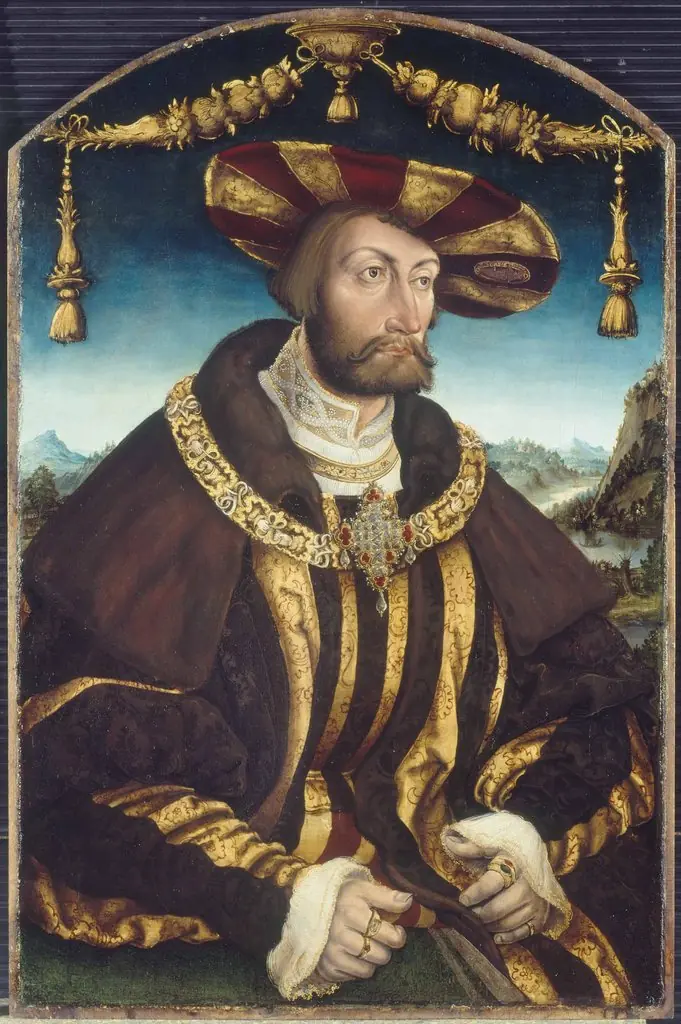 Portrait of William IV of Bavaria.
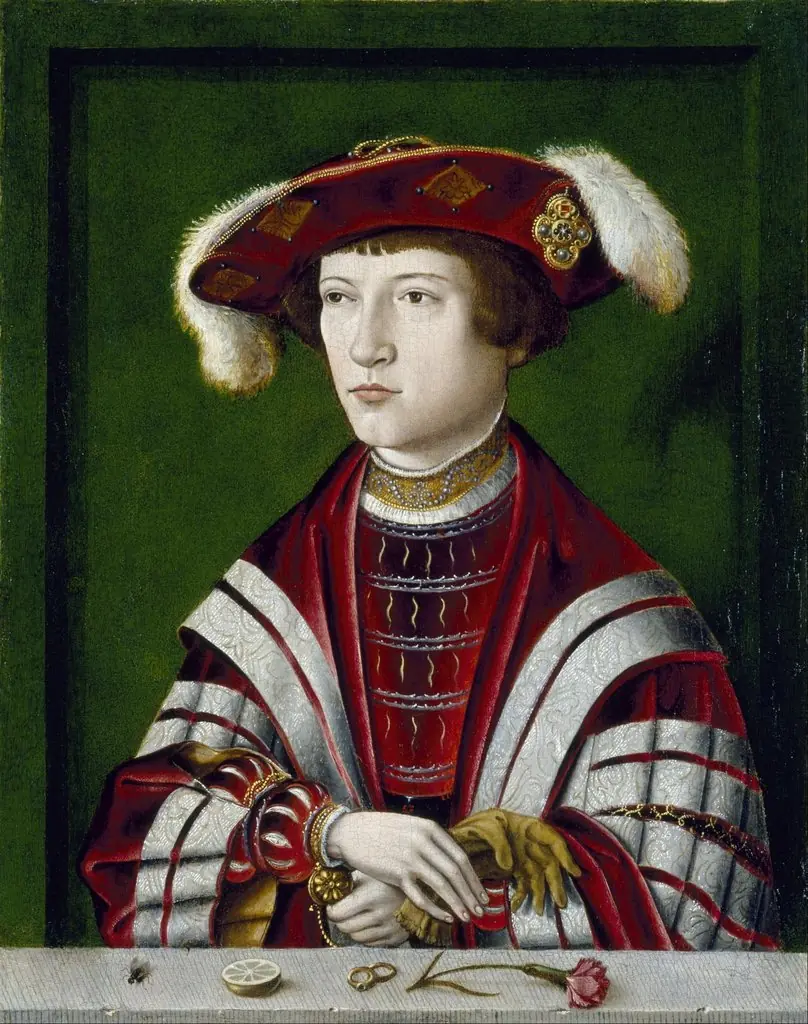 Portrait of a Nobleman
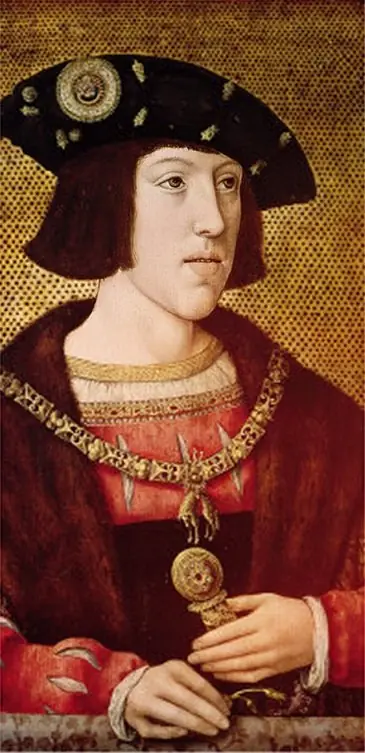 Portrait of Charles V
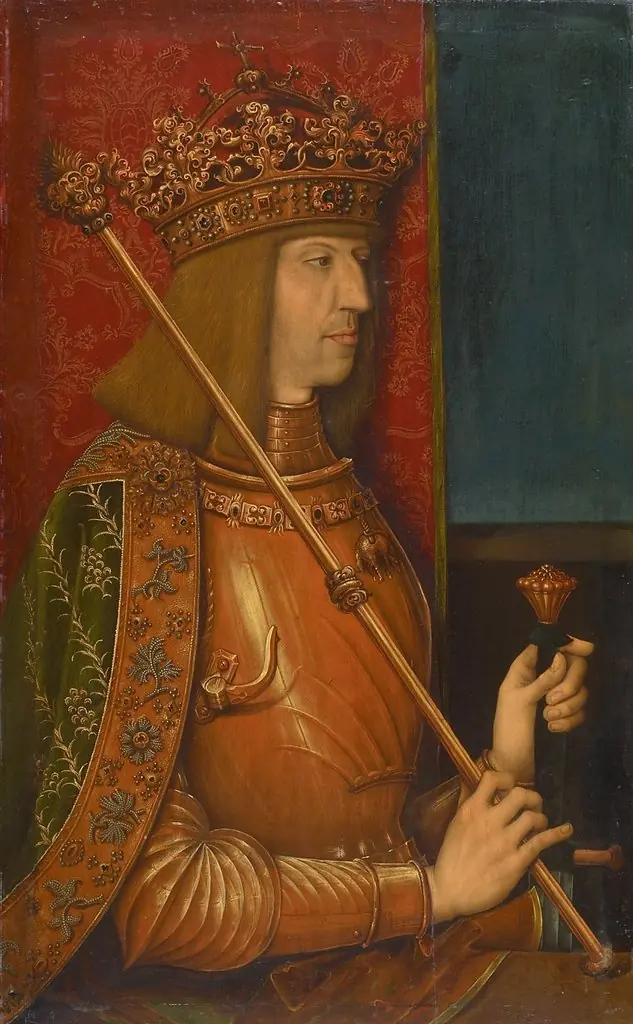 Portrait of Maximilian I, Holy Roman Emperor
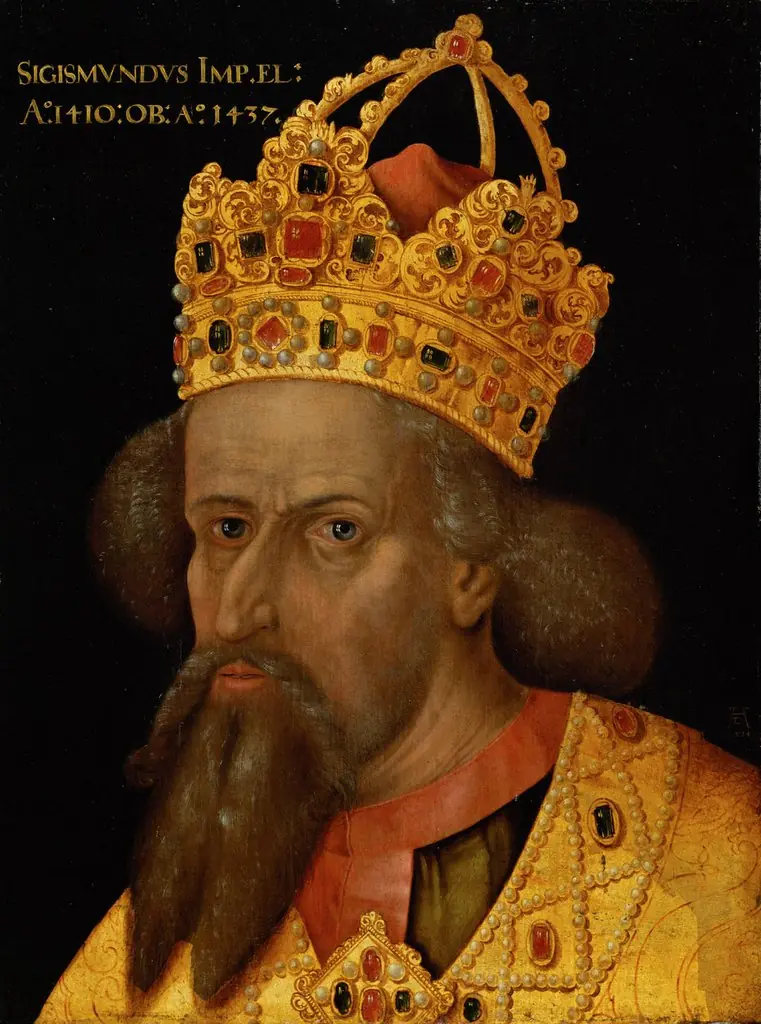 Emperor Sigismund (1369-1437)
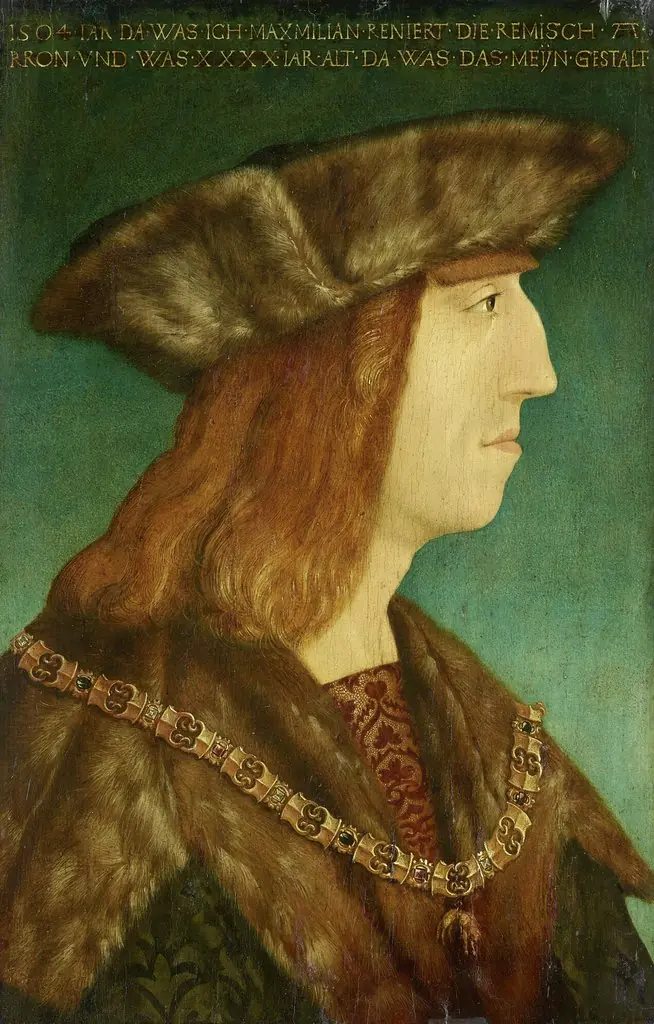 Emperor Maximilan I. (1459-1519)
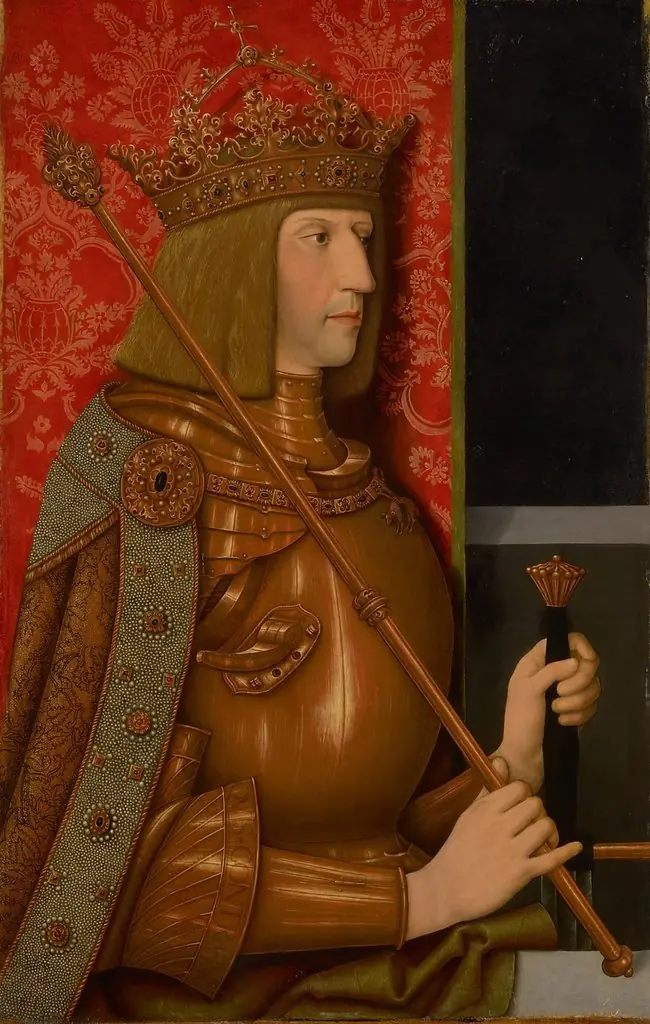 Portrait of Maximilian I, Holy Roman Emperor
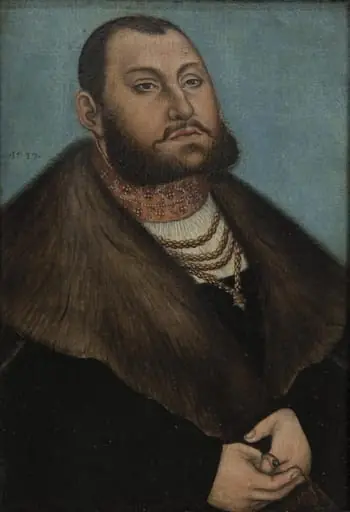 Portrait of the Elector John Frederic the Magnanimous of Saxony (1503-1554)
 Albrecht I