Artwork
Albrecht, V. als Herzog v. Österreich
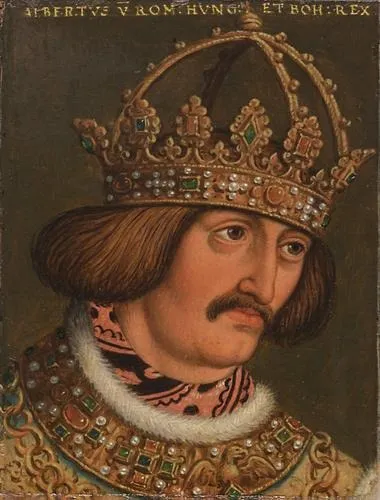
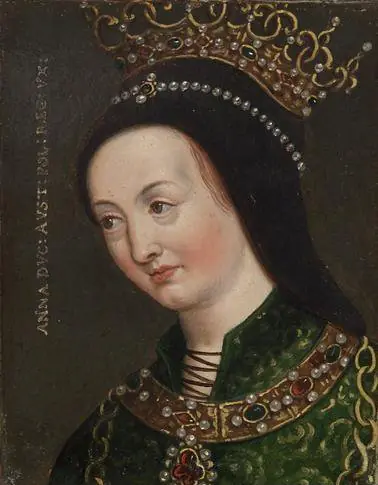
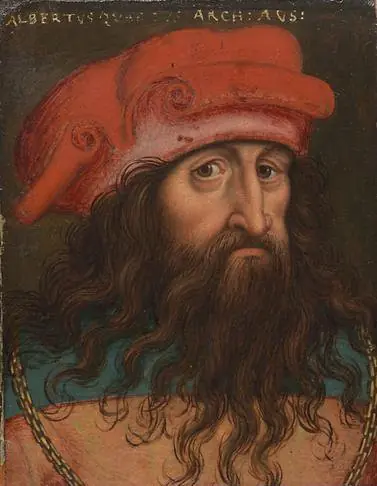
Albrecht, V. als Herzog v. Österreich is an unspecified painting by Anton Boys. It dates from 1570 and is held in the collection of the Kunsthistorisches Museum.
About this work
Overview
Commissioned during his tenure as court painter to Archduke Ferdinand II of Austria, the work belongs to a larger series documenting Habsburg lineage.
Anton Boys, a Flemish artist active in the late 16th century, painted this portrait of Albrecht V, Duke of Austria, around 1570. Commissioned during his tenure as court painter to Archduke Ferdinand II of Austria, the work belongs to a larger series documenting Habsburg lineage. Boys combined technical precision with ceremonial intent, capturing noble figures in formal settings that emphasized status and continuity.
Subject & Meaning
The portrait presents Albrecht V in full regalia, wearing a jeweled crown and a richly embroidered robe lined with white fur. The inclusion of gemstones and elaborate goldwork underscores his authority as ruler of Austria. His composed expression and direct gaze convey dignity and permanence, aligning the image with dynastic ideals of leadership and inherited power rather than individual personality.
Technique & Style
Boys rendered the duke’s attire with meticulous attention to texture and light, using fine brushwork to distinguish silk, fur, and metal thread. The muted brown background isolates the figure, enhancing the visual weight of his garments. Subtle gradations in shading suggest a controlled use of chiaroscuro, though the overall approach remains restrained, prioritizing clarity and heraldic detail over dramatic contrast.
History & Provenance
Created for the Habsburg court, the painting was likely intended for display in a dynastic collection. It remains part of the Kunsthistorisches Museum’s holdings, where it has been preserved alongside other portraits from the same series. Its survival reflects the Habsburgs’ investment in visual propaganda, ensuring their image endured beyond their lifetimes.
Context
In the late 1500s, European courts increasingly relied on portraiture to assert political legitimacy. Boys’s work fits within a broader trend of using art to reinforce lineage and territorial claims. As a foreign artist employed by the Habsburgs, he brought Flemish realism to Central European court culture, bridging regional artistic traditions.
Legacy
The portrait stands as a documented example of how Habsburg authority was visually codified. Boys’s role as both artist and chronicler helped establish a visual archive of the dynasty. While not widely known outside art-historical circles, the work continues to inform studies of early modern identity, power, and representation in Central Europe.
Artist & collection
Artist
Anton Boys or Anton Waiss (born between 1530 and 1550 – died after 1593) was a Flemish painter, draughtsman and printmaker who after training in Antwerp had an international career, which brought him to Italy, Spain, Prague, Innsbruck and…

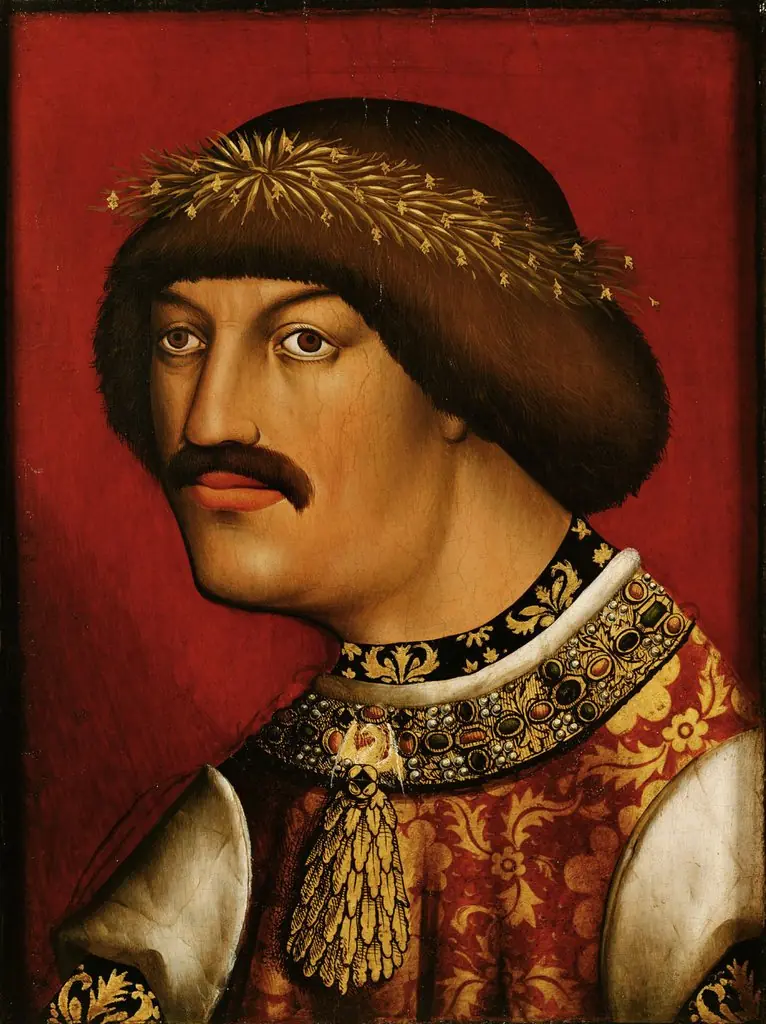 King Albrecht II
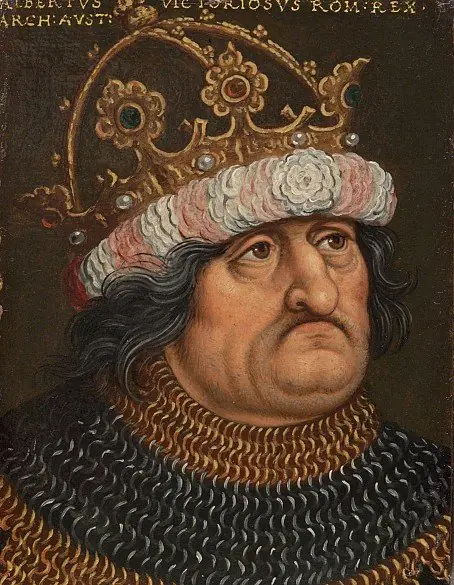 Albrecht I
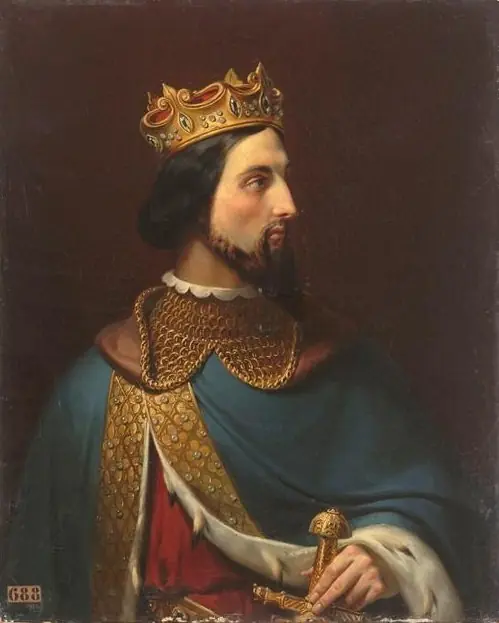 Henri Ier, roi de France (1005-1060)
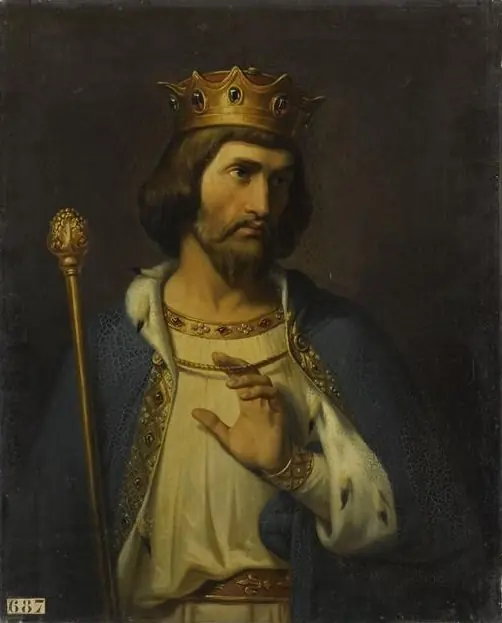 Robert II, dit le pieux, roi de France (970-1031)
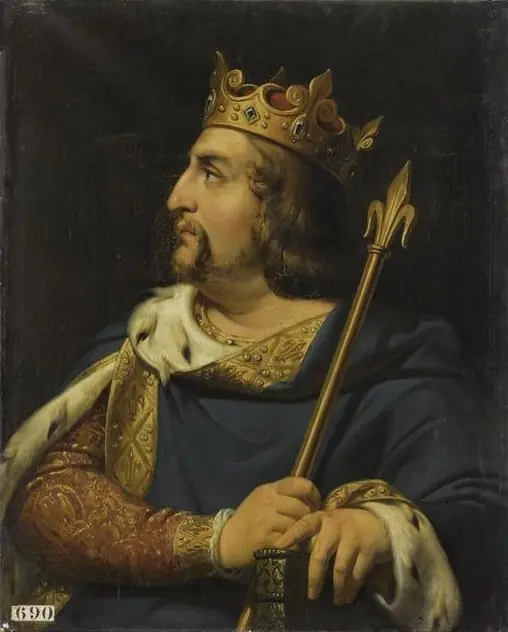 Louis VI, dit le Gros, roi de France (1078-1137)
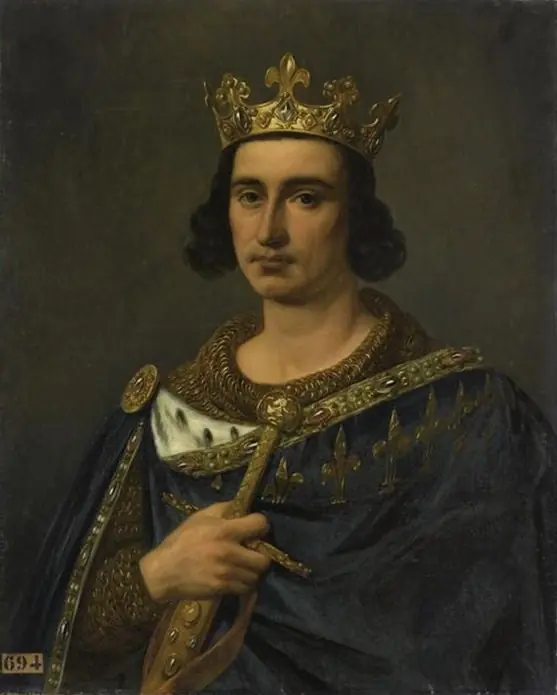 Louis IX (1215-1270) dit Saint-Louis, roi de France
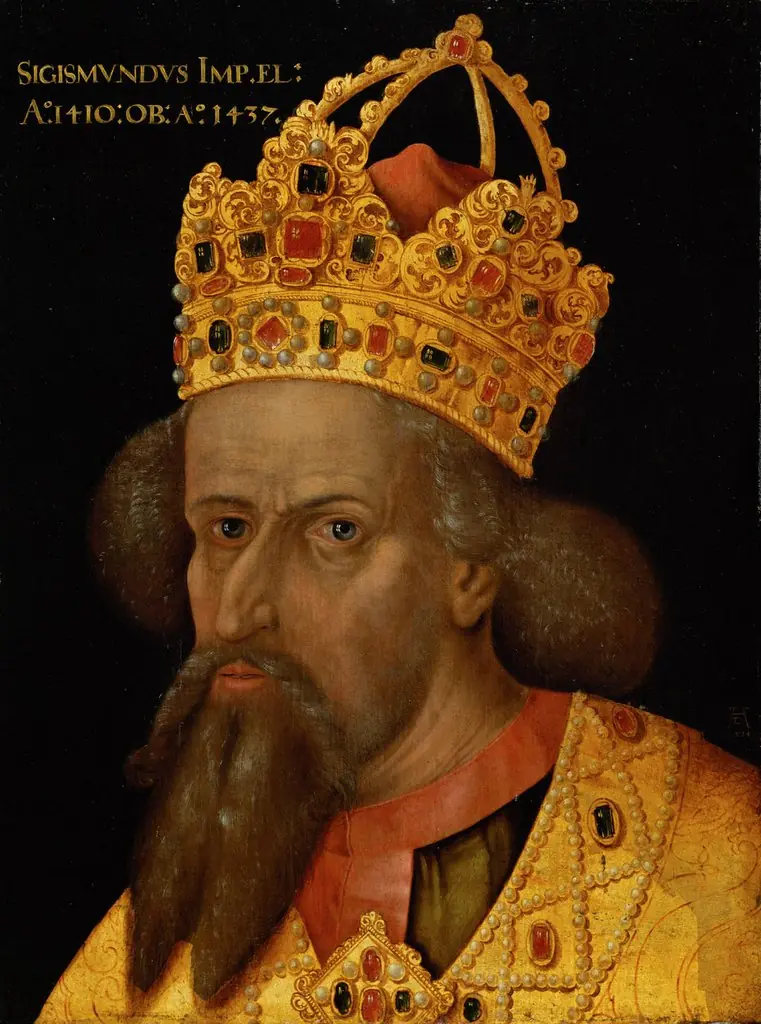 Emperor Sigismund (1369-1437)
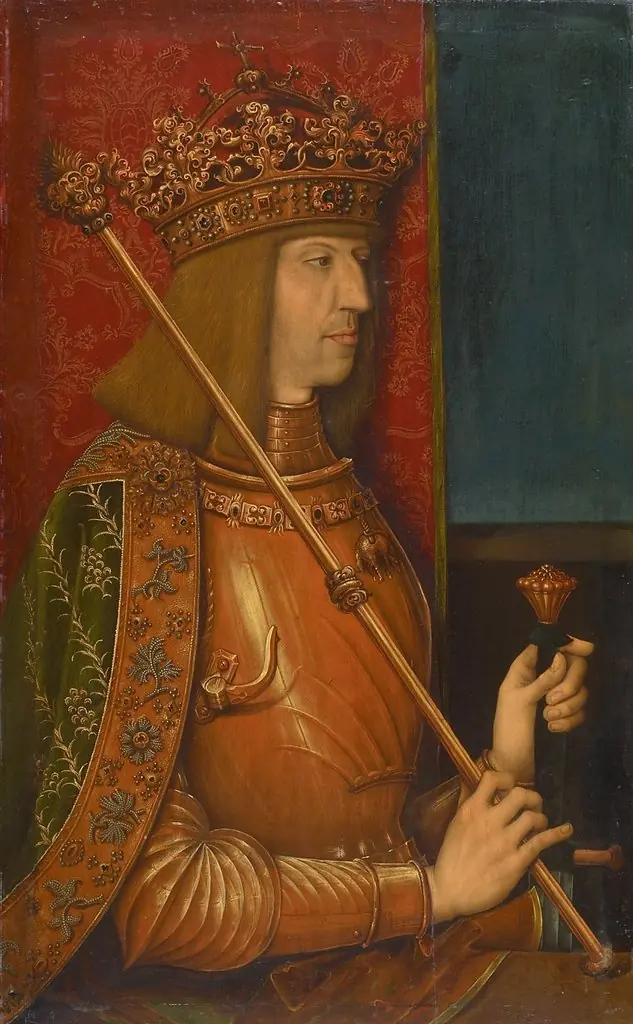 Portrait of Maximilian I, Holy Roman Emperor
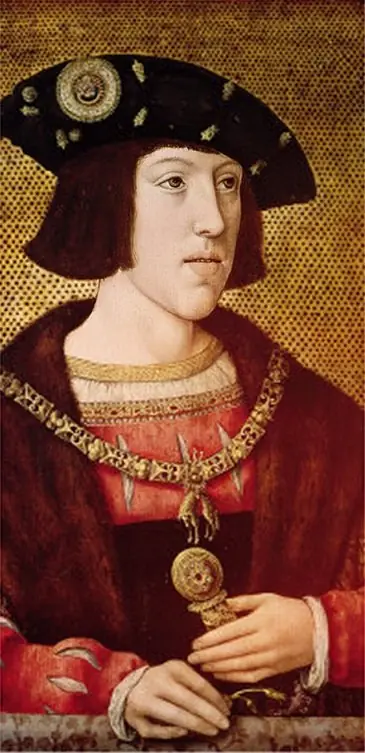 Portrait of Charles V
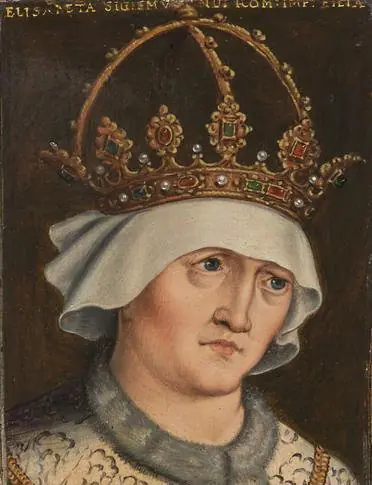 Elisabeth von Luxemburg
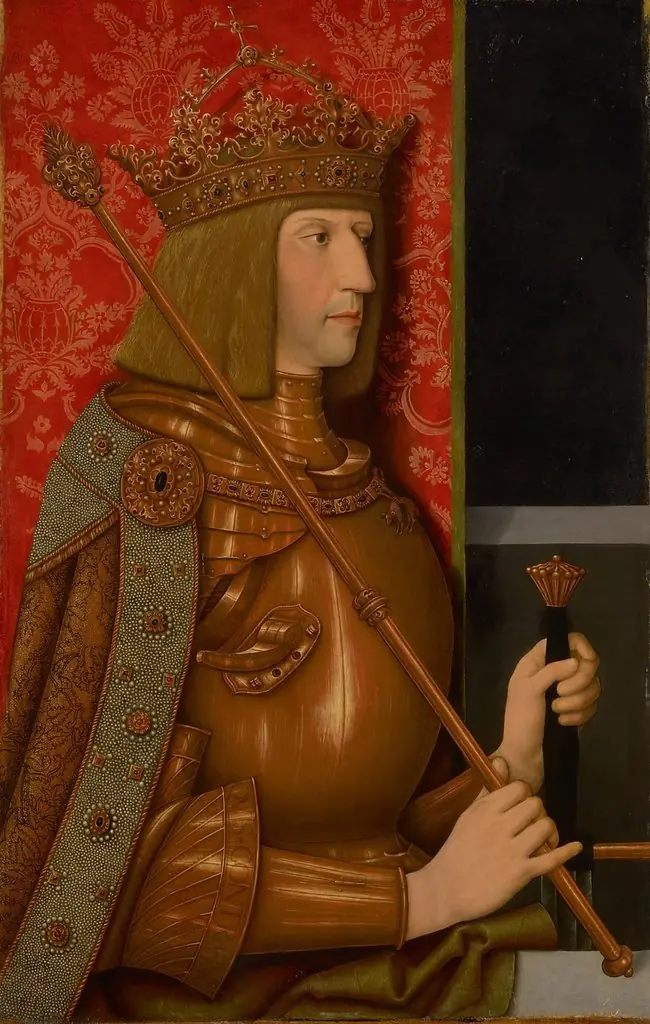 Portrait of Maximilian I, Holy Roman Emperor