Artwork
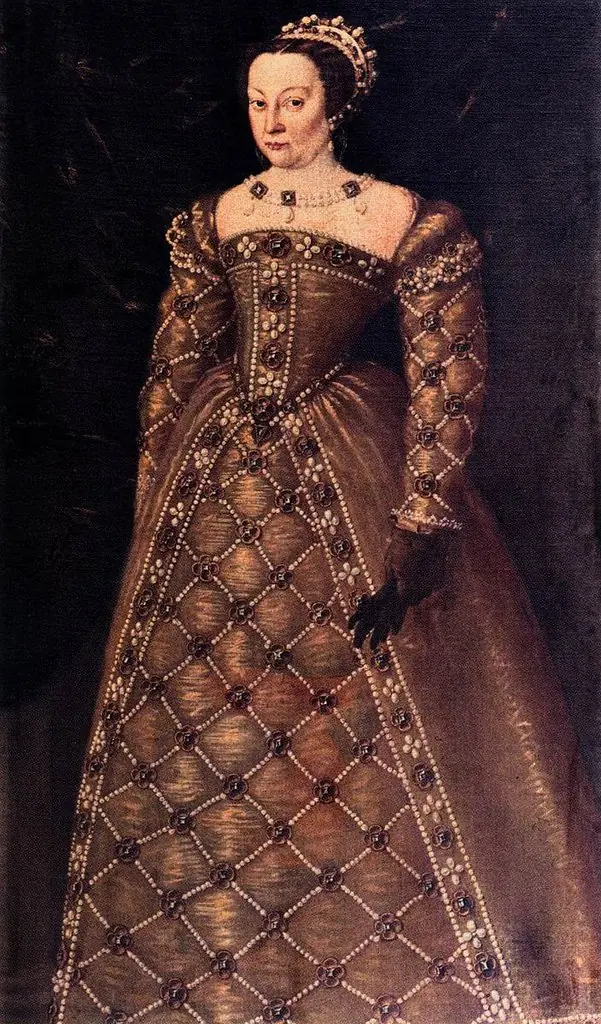
Christine, Tochter Karls III. von Lothringen
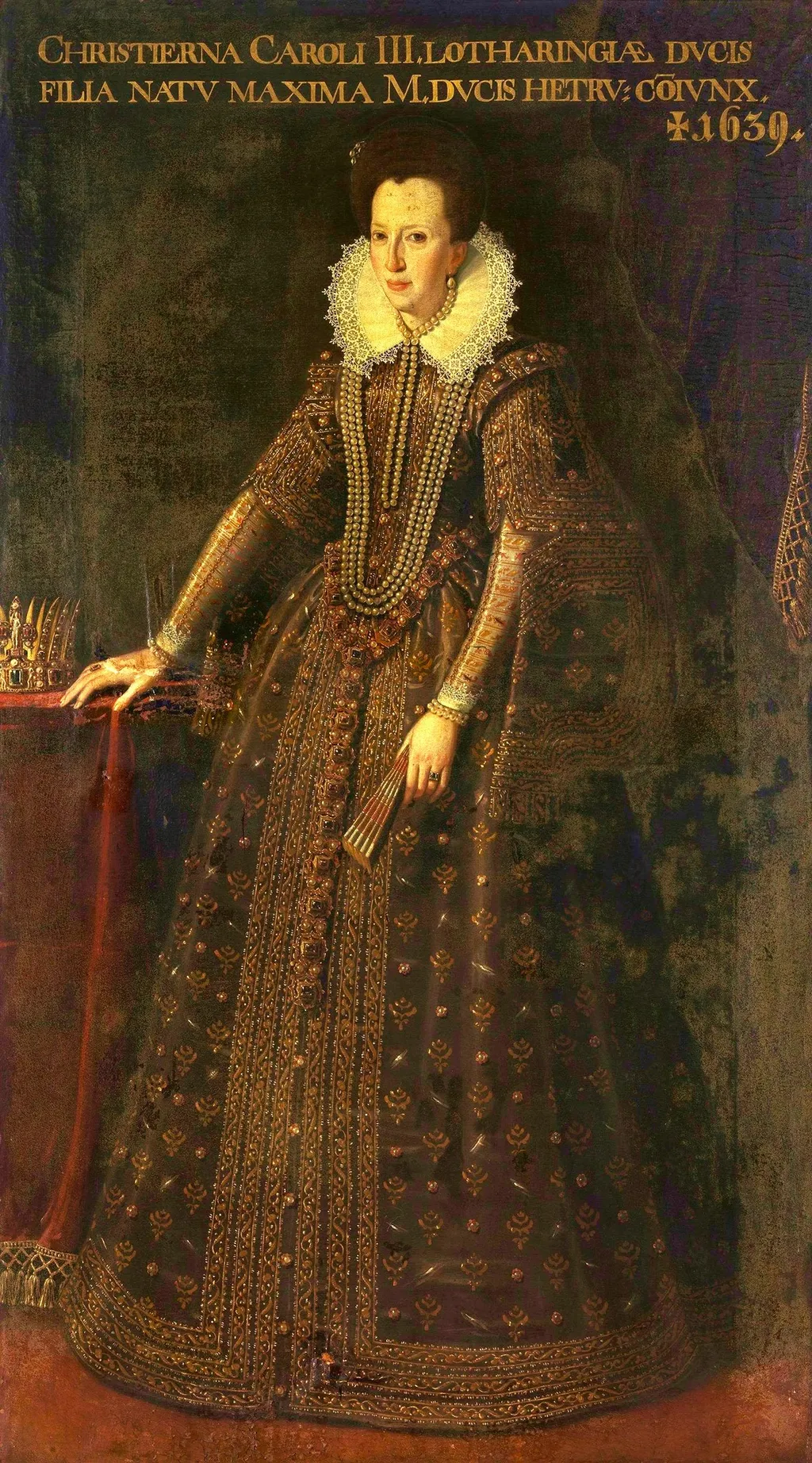
Christine, Tochter Karls III. von Lothringen is an unspecified painting by Unknown. It is held in the collection of the Bavarian State Painting Collections. This portrait depicts Christine, daughter of Charles III, Duke of Lorraine, rendered in full-length form against a deep, neutral background.
About this work
Overview
This portrait depicts Christine, daughter of Charles III, Duke of Lorraine, rendered in full-length form against a deep, neutral background. Her attire and posture convey aristocratic poise, with careful attention to textile detail and formal bearing. The work is part of the Alte Pinakothek’s collection in Munich, where it remains a representative example of early 17th-century court portraiture.
Subject & Meaning
Christine is portrayed as a noblewoman of the House of Lorraine, her attire signaling status through elaborate embroidery and refined accessories. The fan and the red-draped table suggest both elegance and controlled demeanor, common in portraits meant to affirm lineage and social position. The absence of overt symbolism points to a focus on presence rather than narrative.
Technique & Style
The artist employs rich, dark tones to isolate the figure, enhancing the luminosity of the gold-threaded dress and lace collar. Brushwork is precise in rendering textures—fabric, lace, and the fan’s surface—while the background remains softly blurred, directing focus to the sitter’s form. Lighting is subtle, avoiding dramatic contrast in favor of quiet realism.
History & Provenance
Commissioned during Christine’s lifetime, the painting likely originated in the Lorraine court before entering broader Habsburg collections. It was acquired by the Bavarian royal family in the 19th century and transferred to the Alte Pinakothek, where it has been cataloged since. Its provenance reflects the intermarriage of European noble houses.
Context
Painted in the early 1600s, the work aligns with broader trends in Central European court portraiture, where dress and posture replaced symbolic attributes as markers of rank. Unlike Italian or Spanish counterparts, these portraits favored restrained grandeur, emphasizing lineage through material detail rather than allegory.
Legacy
The portrait endures as a quiet testament to the visual language of aristocratic identity in the Holy Roman Empire’s periphery. It contributes to the understanding of how noblewomen were represented—not as actors in grand events, but as embodiments of dynastic continuity through controlled, dignified presence.
Artist & collection

 Domestic Scene
 Giacomo and Cardinal Marco, investing Andrea, Abbot of San Zeno, with his Benefice
 The Nymph of Fontainebleau
 Portrait of a Woman
 Madonna and Child with Saints in the Enclosed Garden
 Venus and Minerva
 Family Group of Four on Sofa
 Wall painting from Room H of the Villa of P. Fannius Synistor at Boscoreale
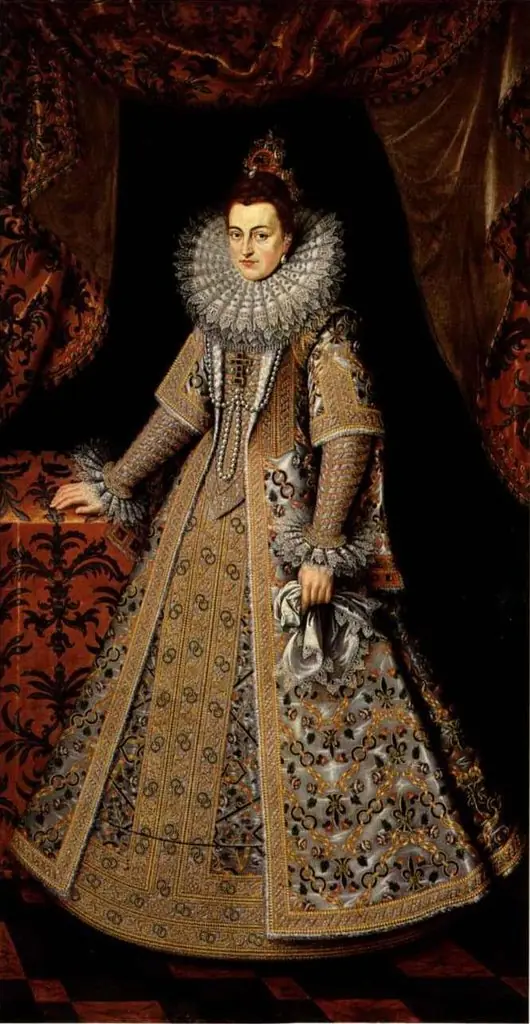 Porträt der Isabella Clara Eugenia (1566-1633)
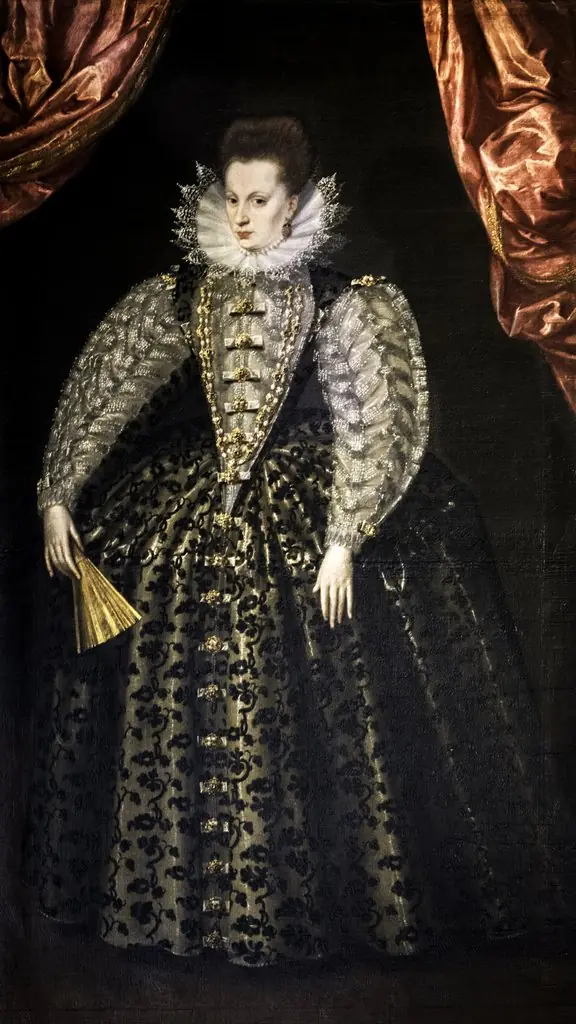 Portrait of Elisabeth Renata von Lothringen, wife of Maximilians I. von Bayern
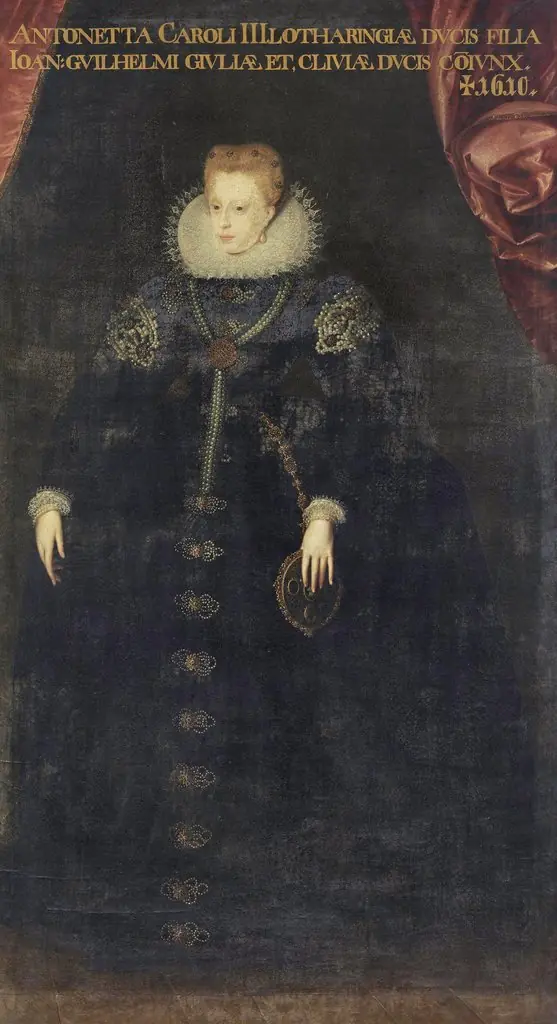 Portrait of Antoinette of Lorraine (1568-1610), Duchess of Jülich-Cleves-Berg
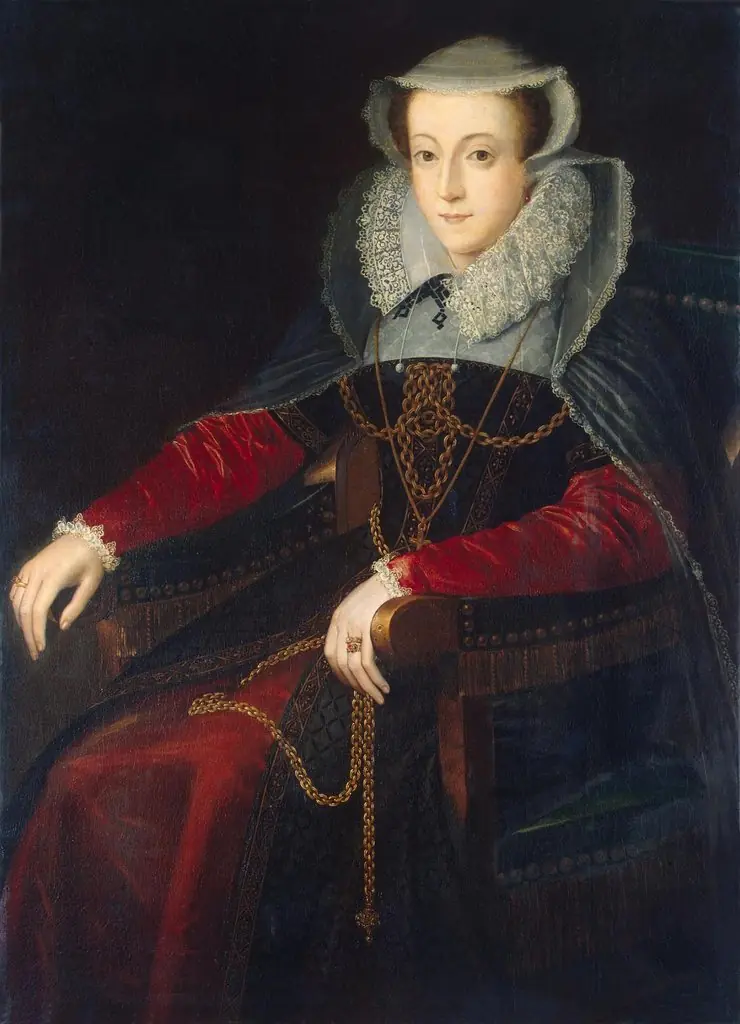 Portrait of Mary Stuart, Queen of Scots
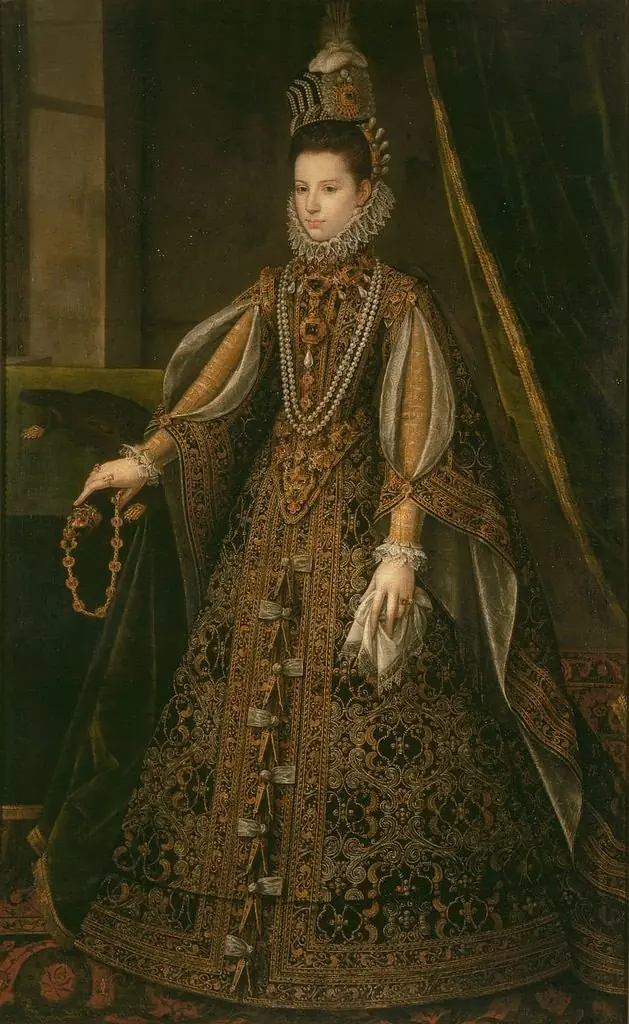 Possible portrait of archduchess Isabella Clara Eugenia
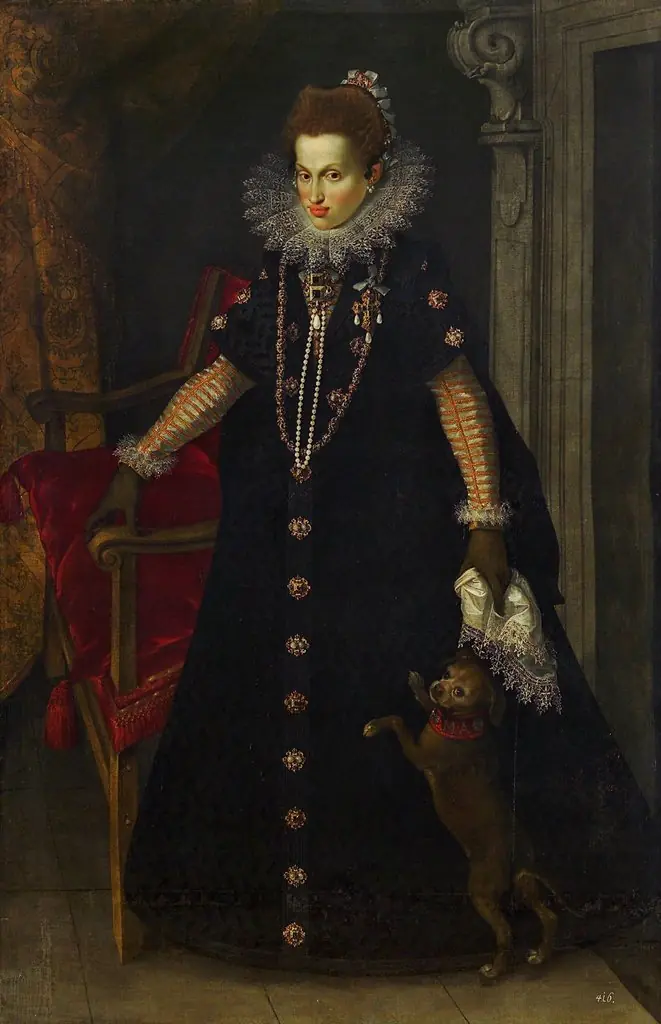 Portrait of Maria Anna of Bavaria (1574–1616), Archduchess of Austria
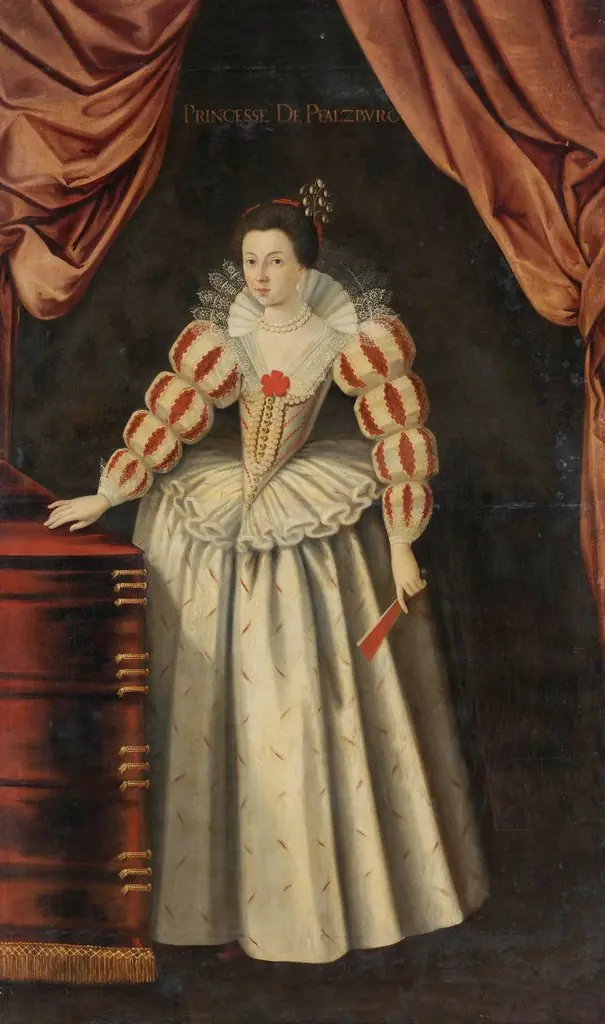 Henriette von Lothringen (1605-1660)
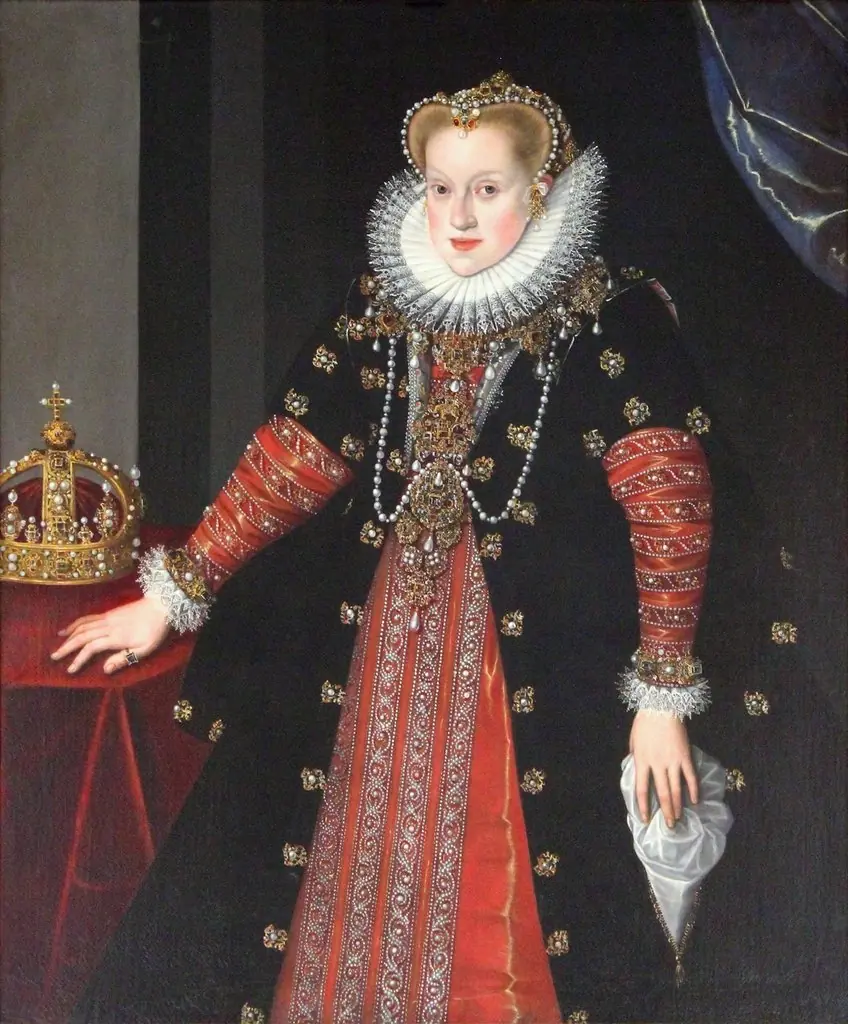 Portrait of Anne of Austria, Queen of Poland (1573-1598)
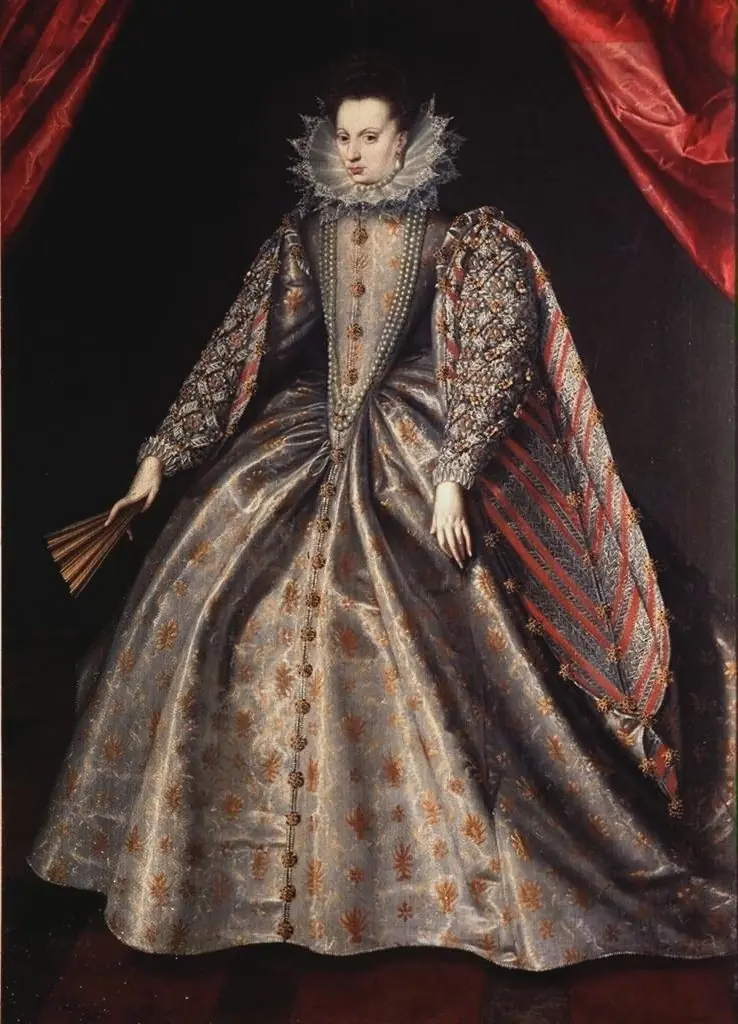 Elisabeth Renata von Lothringen
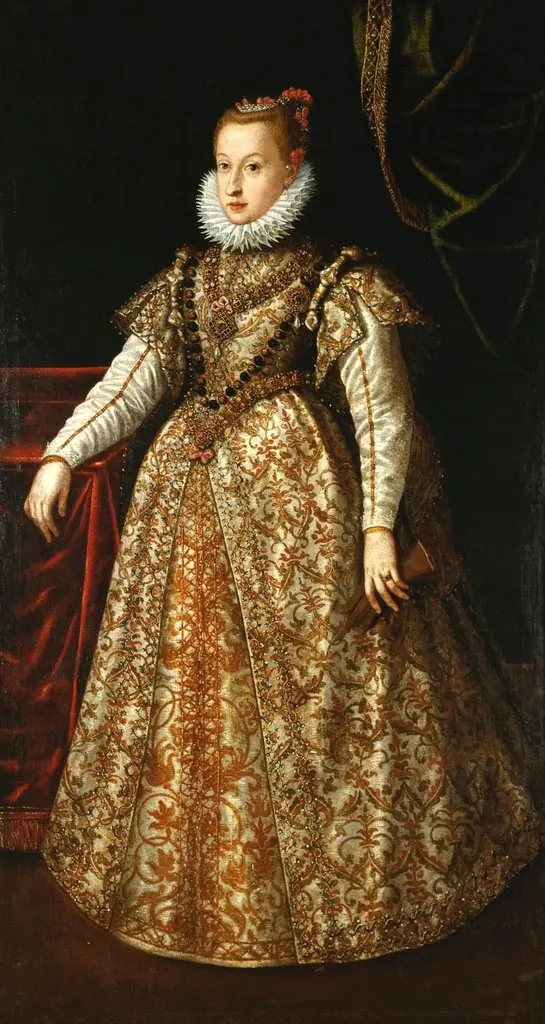 Portrait of Anna Caterina Gonzaga
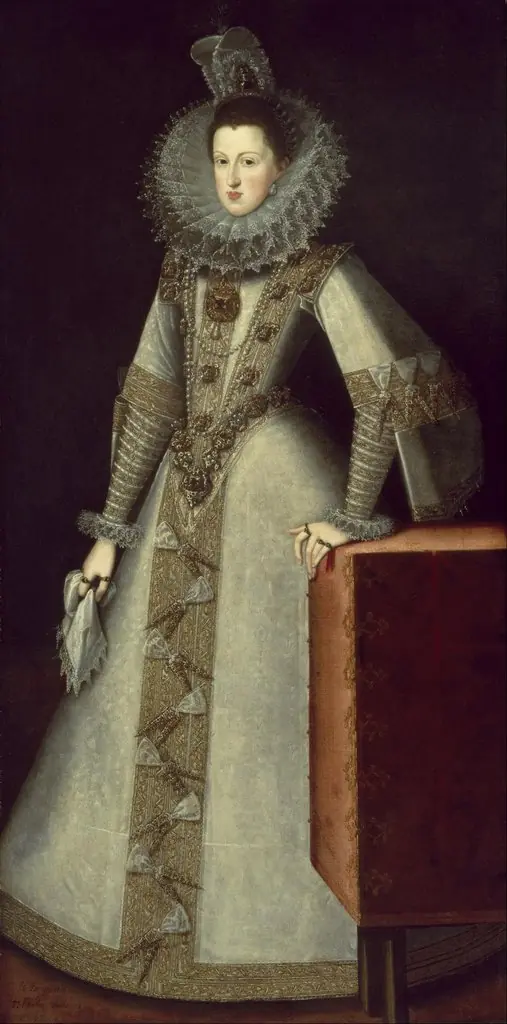 Margaret of Austria, Queen of Spain
 Portrait of Catherine de’ Medici