Artwork
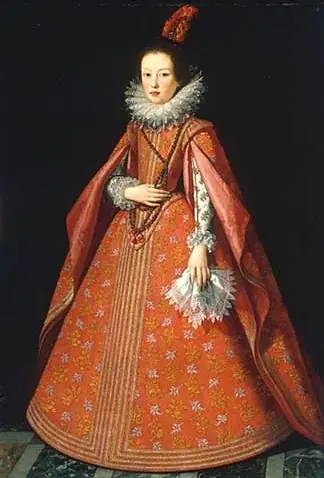
Portrait of Catherine de’ Medici
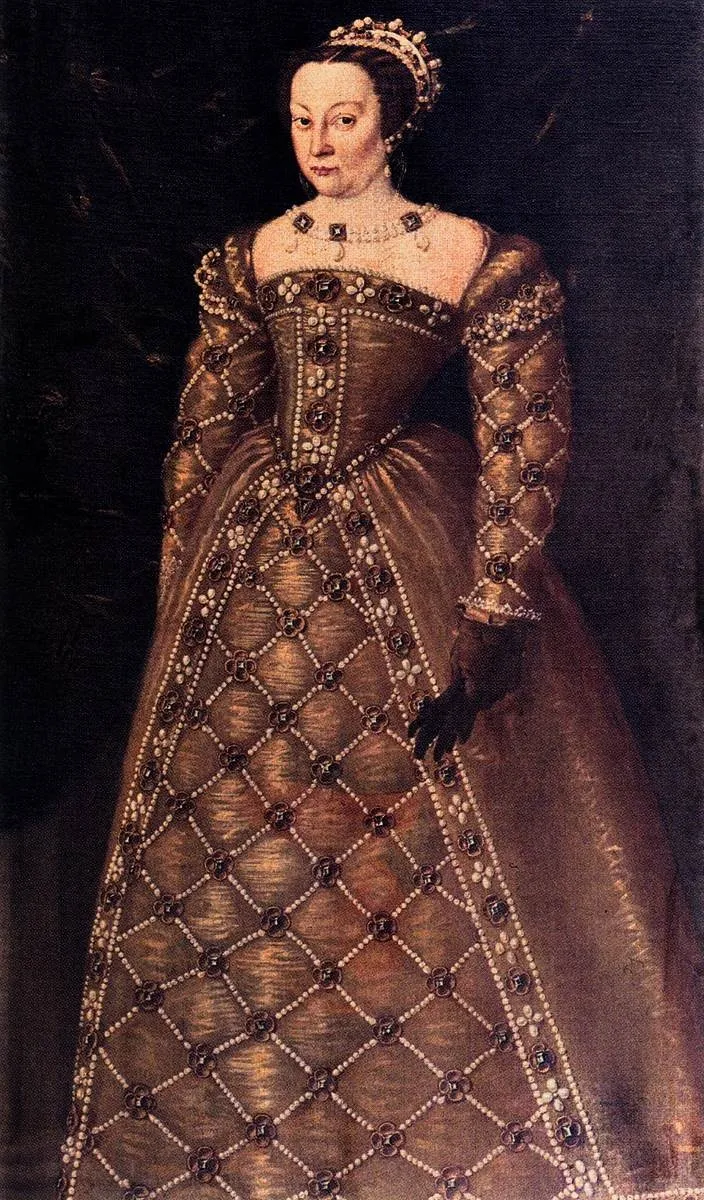
Portrait of Catherine de’ Medici is an oil painting by the Early Baroque Italian artist Unknown. It dates from 1600 and is held in the collection of the Uffizi Gallery.
About this work
Overview
This oil painting presents a formal portrait of Catherine de’ Medici, rendered with emphasis on her status through elaborate dress and regal accessories. The dark background isolates the figure, drawing attention to the intricate details of her attire and headpiece. The composition follows courtly conventions of the period, prioritizing symbolic display over psychological depth.
Subject & Meaning
Catherine de’ Medici, Queen of France and mother of three kings, is depicted in full regalia to assert her political authority and dynastic legacy. The jeweled crown and diamond-patterned fabric signify her position within the Valois monarchy. The restrained expression and rigid posture convey dignity and control, aligning with the expected image of a ruling queen in 16th-century France.
Technique & Style
The artist employed fine brushwork to render the reflective surfaces of silk or satin, using glazes to achieve luminosity in the fabric’s diamond motifs. The high neckline and long sleeves reflect French court fashion, while the dark, unmodeled background avoids distraction. Lighting is even and frontal, typical of official portraiture meant for public display rather than intimate observation.
History & Provenance
Commissioned during Catherine’s reign as queen mother, the portrait likely served to reinforce her influence at court. It may have been displayed in royal residences or sent as diplomatic gifts. While the exact artist remains uncertain, stylistic elements suggest work from the French school of the mid-1500s, possibly connected to the workshop of François Clouet.
Context
In mid-16th-century France, royal portraiture functioned as political tool, projecting stability amid religious conflict. Catherine’s image, richly adorned yet emotionally reserved, countered perceptions of female weakness. The emphasis on jewelry and fabric echoed Italian Renaissance traditions she brought from Florence, blending Medici symbolism with French court aesthetics.
Legacy
The portrait contributes to the visual record of female sovereignty in early modern Europe. Its formalism influenced later depictions of French queens, reinforcing norms of royal representation. Though not widely exhibited today, it remains a key example of how material culture was used to encode power in an era before photography.
Artist & collection

 Domestic Scene
 Giacomo and Cardinal Marco, investing Andrea, Abbot of San Zeno, with his Benefice
 The Nymph of Fontainebleau
 Portrait of a Woman
 Madonna and Child with Saints in the Enclosed Garden
 Venus and Minerva
 Family Group of Four on Sofa
 Wall painting from Room H of the Villa of P. Fannius Synistor at Boscoreale
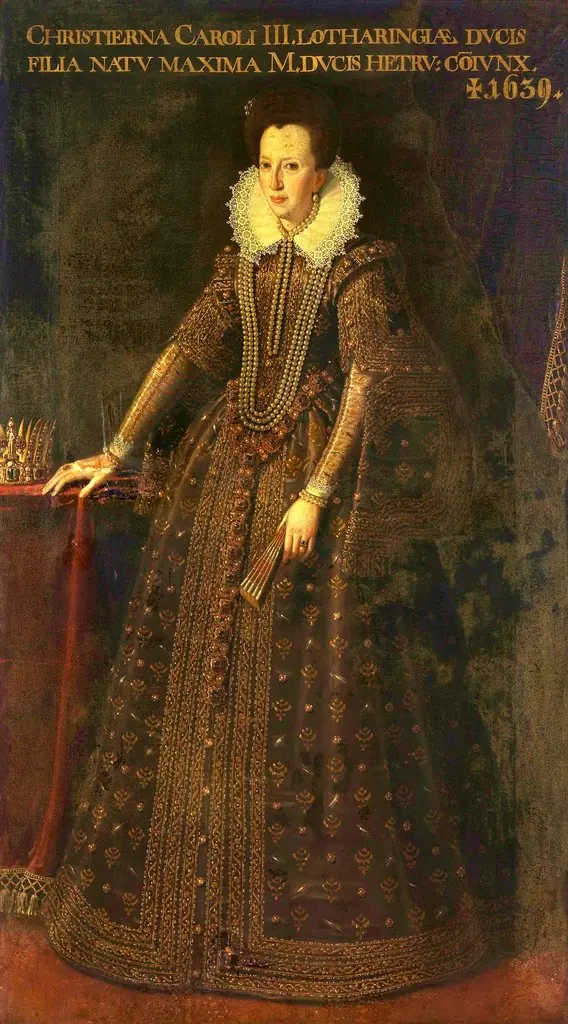 Christine, Tochter Karls III. von Lothringen
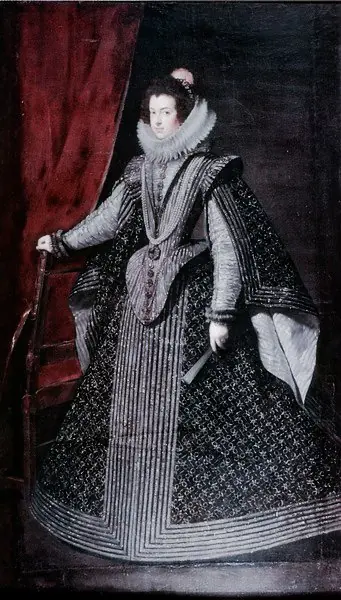 Isabella of Bourbon. First Queen of King Philip IV
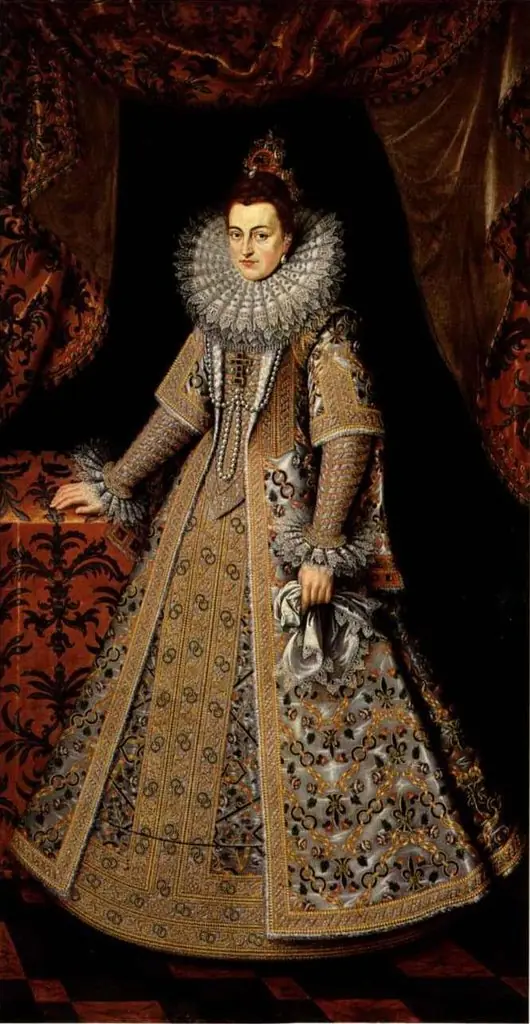 Porträt der Isabella Clara Eugenia (1566-1633)
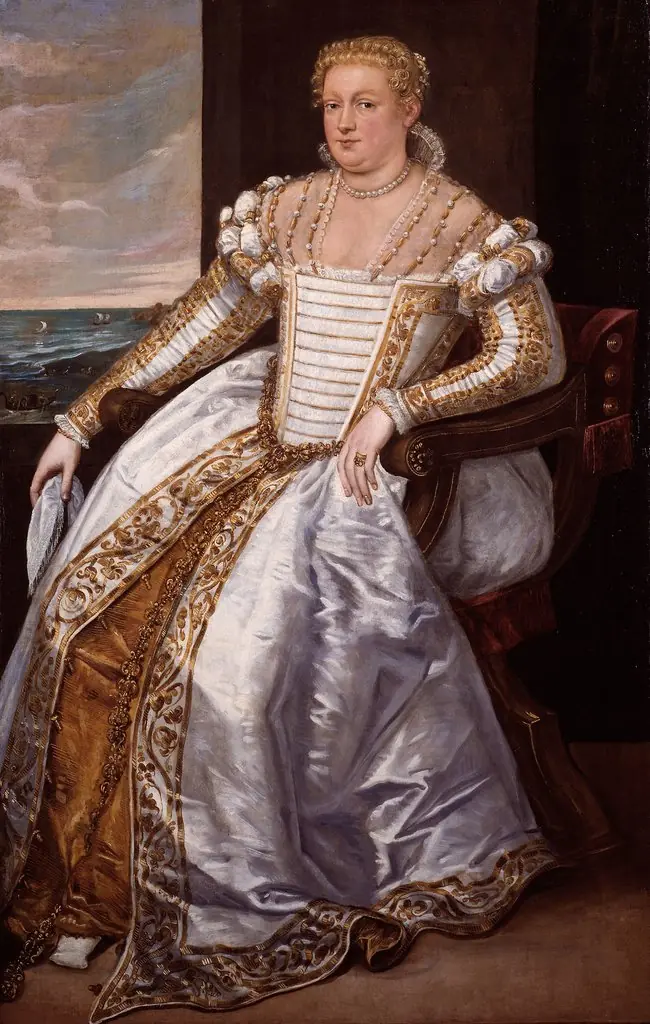 Portrait of a Lady
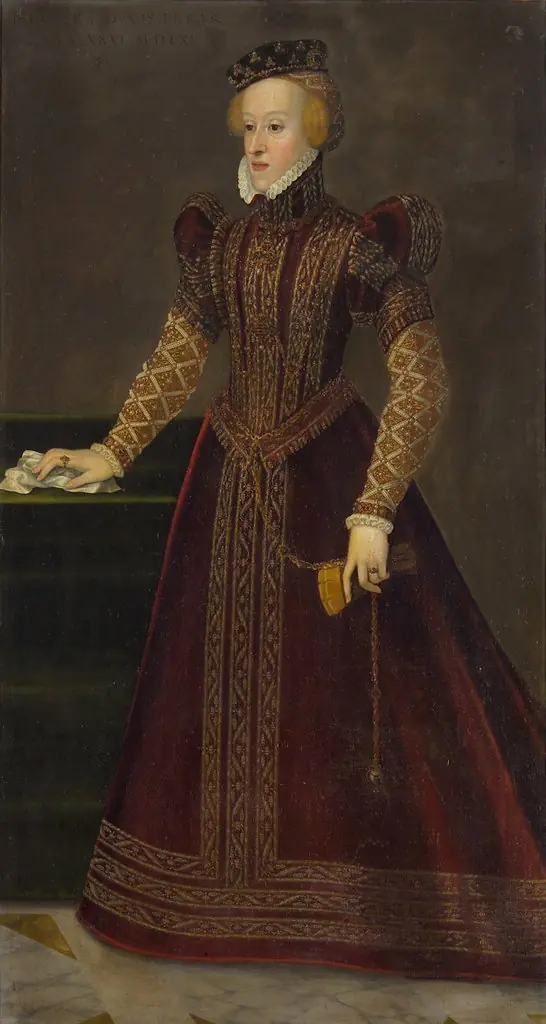 Erzherzogin Barbara (1539-1572), Herzogin von Ferrara in ganzer Figur
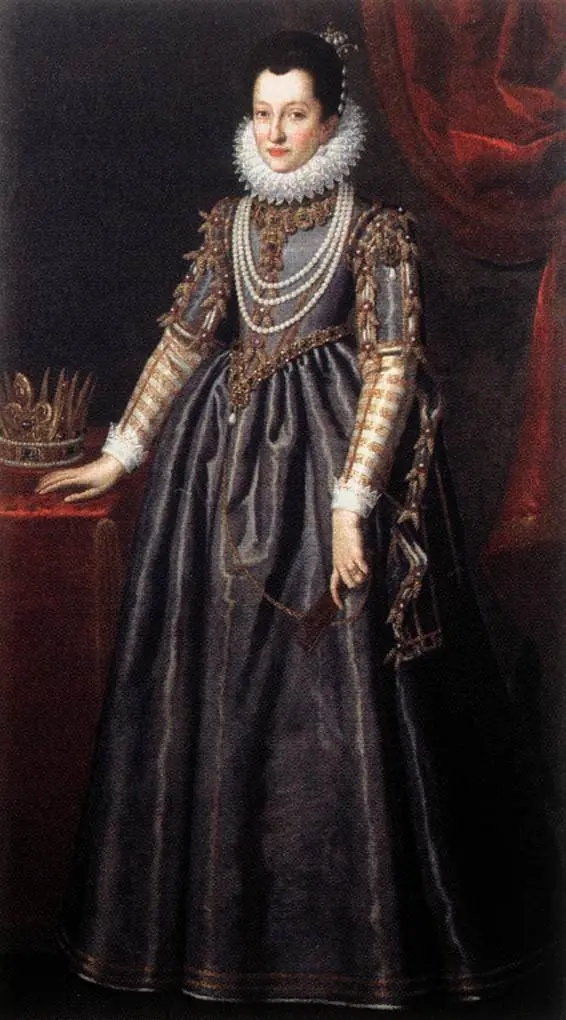 Portrait of Christine of Lorraine
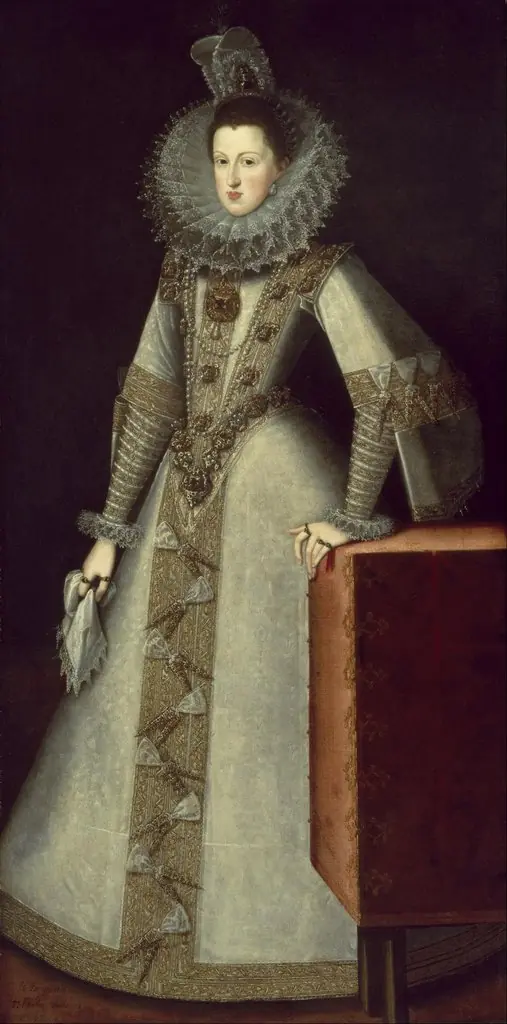 Margaret of Austria, Queen of Spain
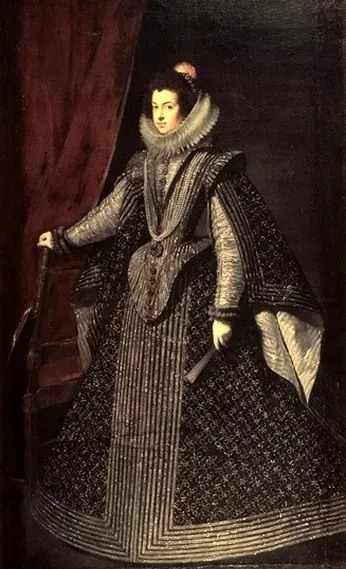 Isabella of Bourbon
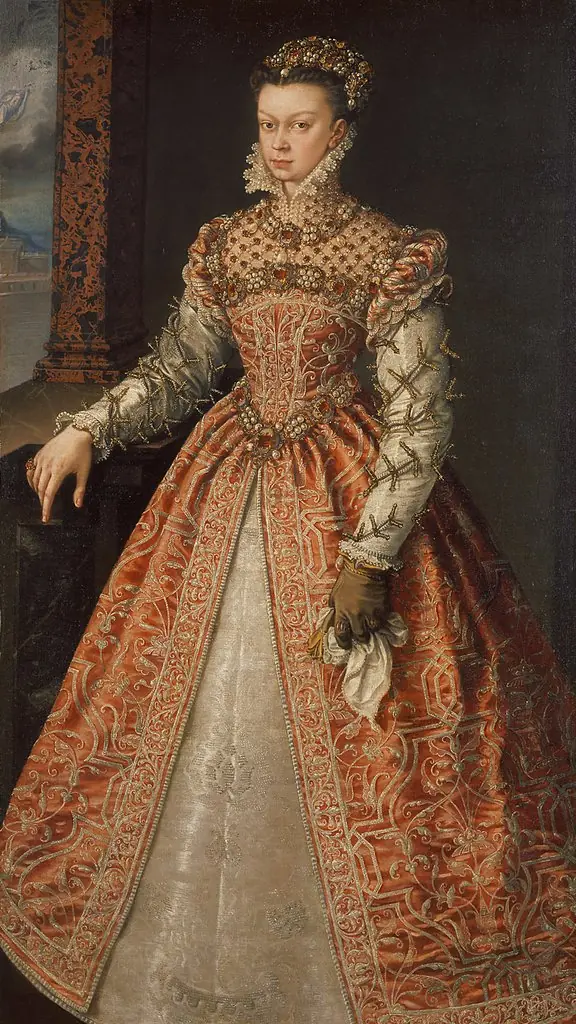 Portrait of Elisabeth of Valois (1545-1568), Queen of Spain
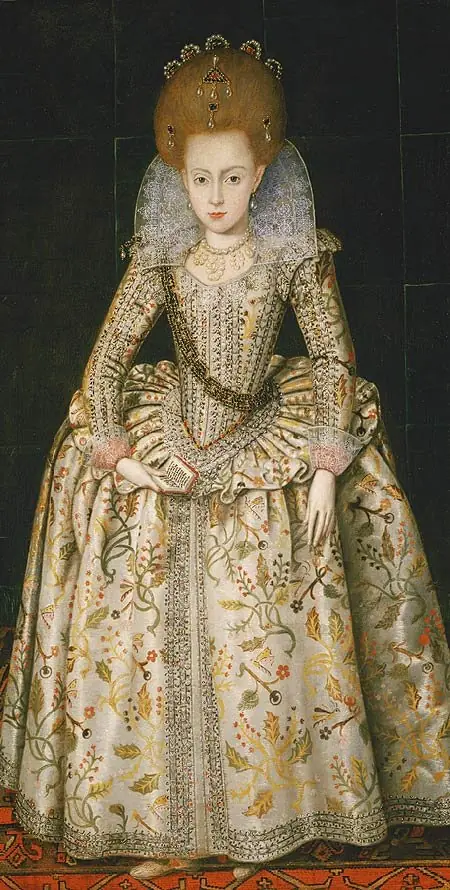 Princess Elizabeth (1596–1662), Later Queen of Bohemia
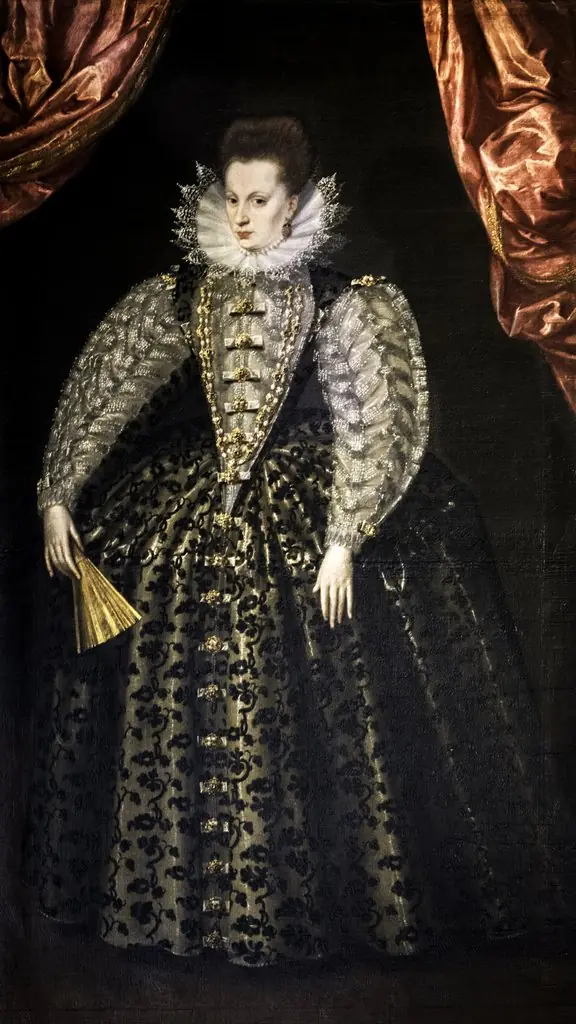 Portrait of Elisabeth Renata von Lothringen, wife of Maximilians I. von Bayern
 Portrait of Margherita de' Medici