Artwork
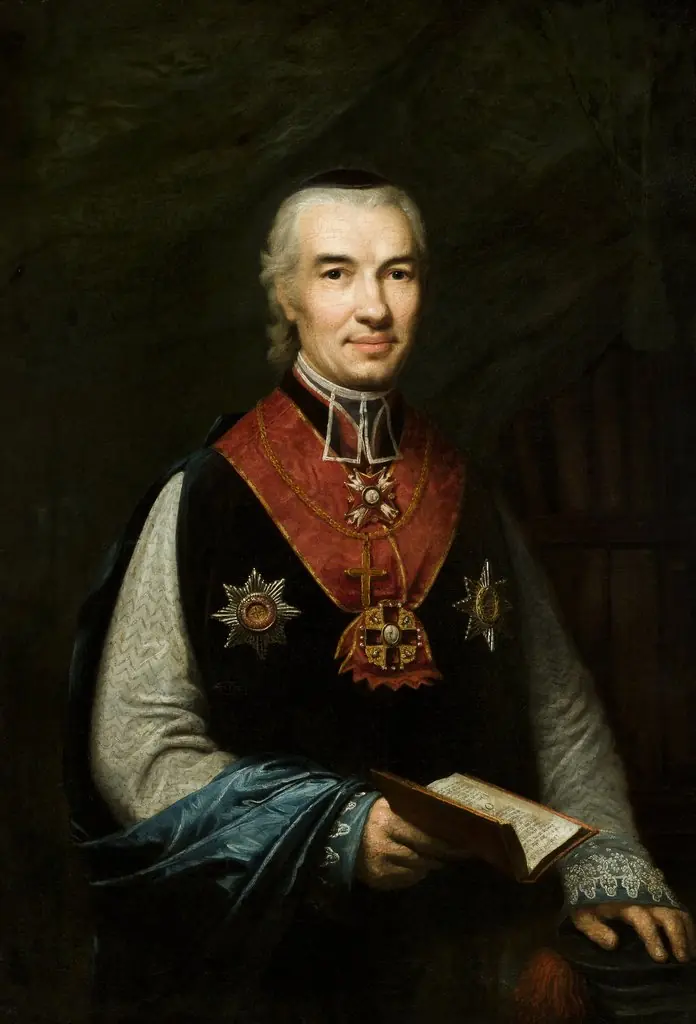
Portret Jana Kantego Wodzickiego (ok. 1740-1821), kanonika krakowskiego i prezydenta Trybunału Koronnego
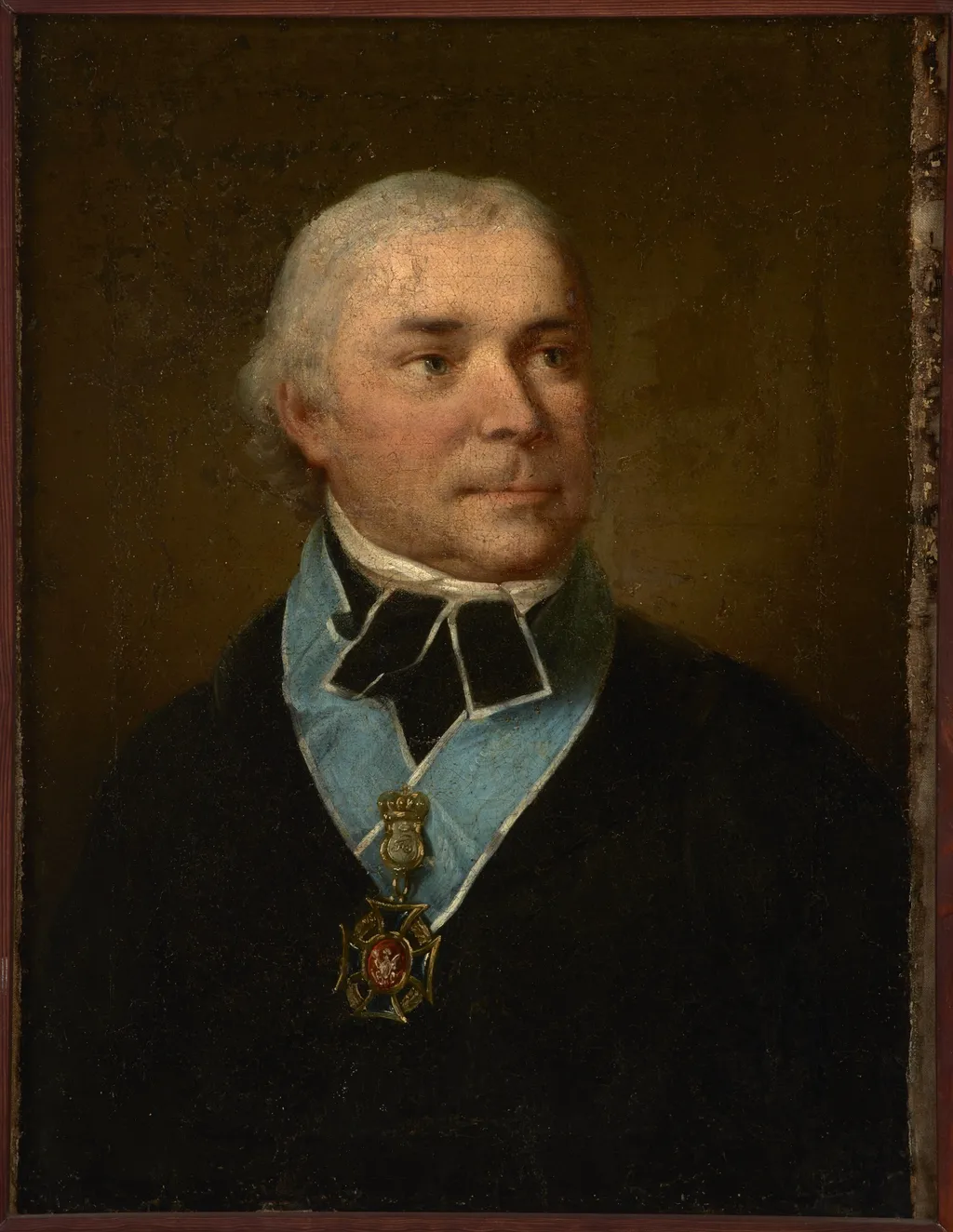
Portret Jana Kantego Wodzickiego (ok. 1740-1821), kanonika krakowskiego i prezydenta Trybunału Koronnego is an oil painting by the Biedermeier artist Unknown. It dates from 1814 and is held in the collection of the National Museum in Kraków. The oil portrait presents Jan Kanty Wodzicki, a distinguished figure of the Polish–Lithuanian Commonwealth who lived from 1740 to 1821.
About this work
Overview
The oil portrait presents Jan Kanty Wodzicki, a distinguished figure of the Polish–Lithuanian Commonwealth who lived from 1740 to 1821. He is shown in a dark interior, his white hair contrasting with a black coat and a light‑blue sash that bears a gold medal. The composition focuses on his face and upper torso, set against a subdued background that subtly illuminates the area behind his head.
Subject & Meaning
Wodzicki held the dual offices of canon of the Kraków cathedral chapter and president of the Crown Tribunal, the highest judicial body of the Commonwealth. The inclusion of the medal on his sash underscores his official rank and the honors he received, while the solemn expression and restrained attire convey the gravitas associated with his legal and ecclesiastical responsibilities.
Technique & Style
Executed in oil on canvas, the work employs a limited palette of deep blacks, muted blues, and warm flesh tones. The painter renders the hair and fabric with fine brushwork, achieving a realistic texture, while the background remains loosely modeled, allowing the figure to emerge from a chiaroscuro setting that emphasizes volume and presence.
History & Provenance
The portrait dates from the late eighteenth or early nineteenth century, likely commissioned to commemorate Wodzicki’s service. It has remained within Polish collections, passing through private hands before entering a museum context where it serves as a visual record of the Commonwealth’s administrative elite.
Context
During Wodzicki’s lifetime, the Polish–Lithuanian Commonwealth faced political turbulence and eventual partitions. Portraits of high officials such as this one functioned as both personal commemoration and public affirmation of institutional continuity amid the era’s uncertainties.
Artist & collection

 Domestic Scene
 Giacomo and Cardinal Marco, investing Andrea, Abbot of San Zeno, with his Benefice
 The Nymph of Fontainebleau
 Portrait of a Woman
 Madonna and Child with Saints in the Enclosed Garden
 Venus and Minerva
 Family Group of Four on Sofa
 Wall painting from Room H of the Villa of P. Fannius Synistor at Boscoreale
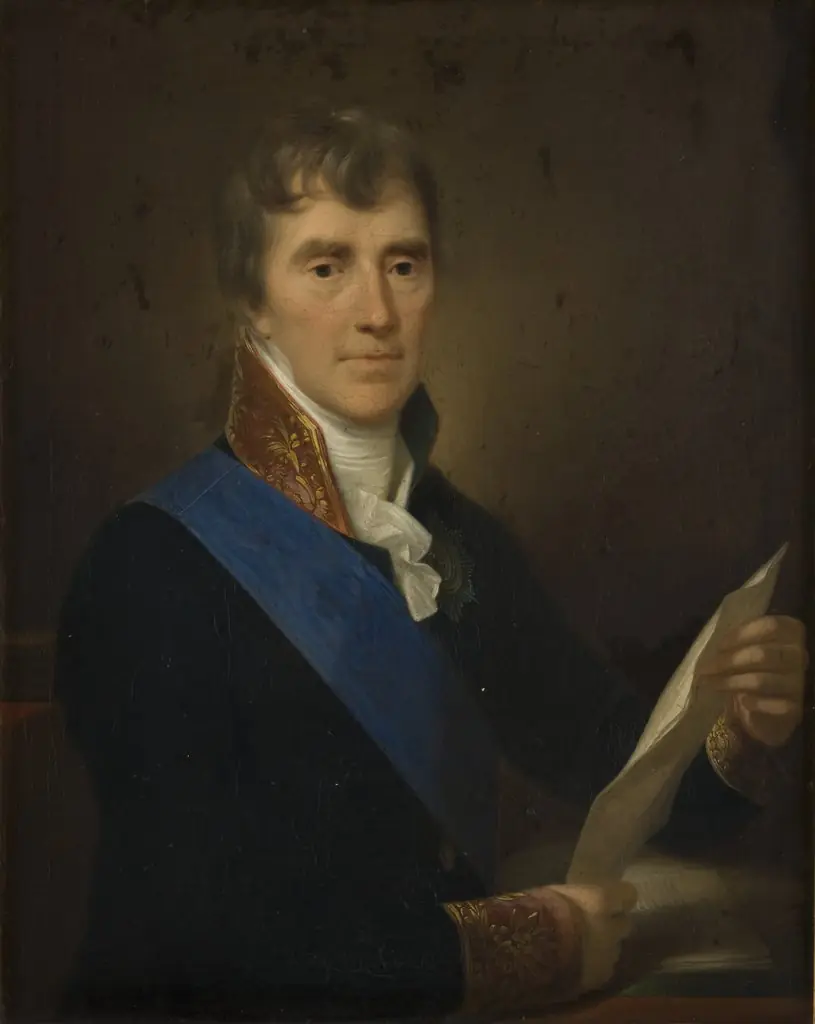 Portrait of Stanisław Wodzicki
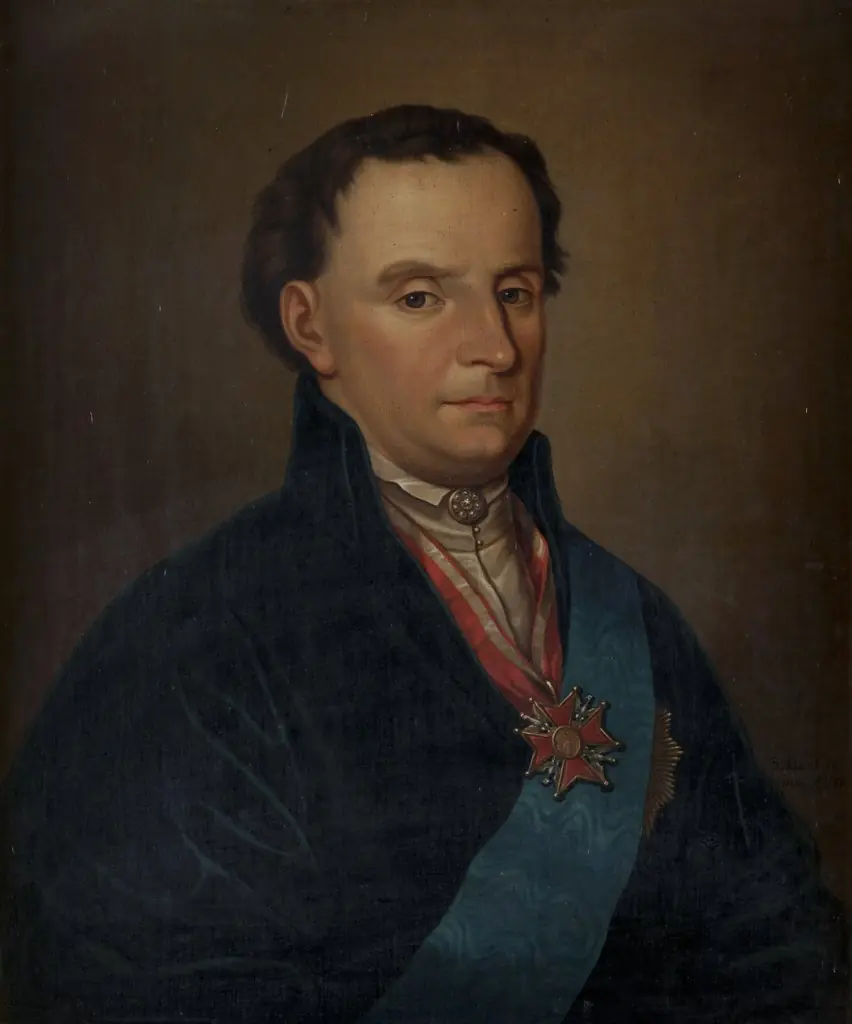 Portrait of a Nobleman
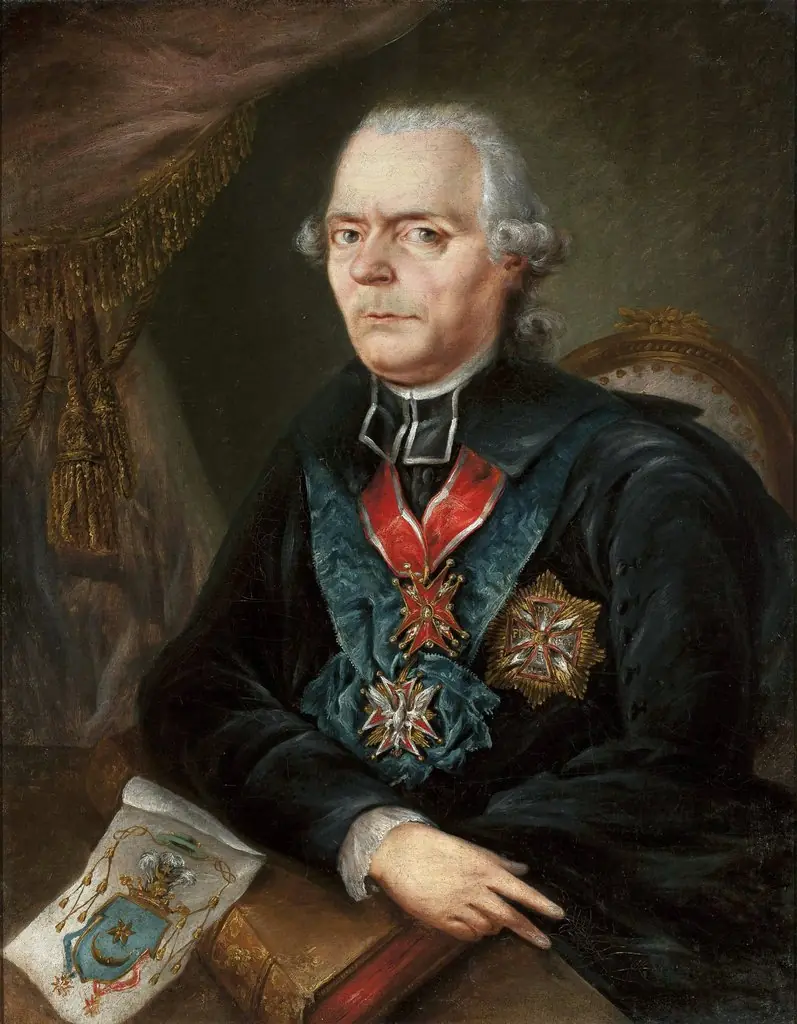 Portrait of Mikołaj Tyszkiewicz, Leliwa coat of arms (?–1796 or 1798), canon in Vilnius
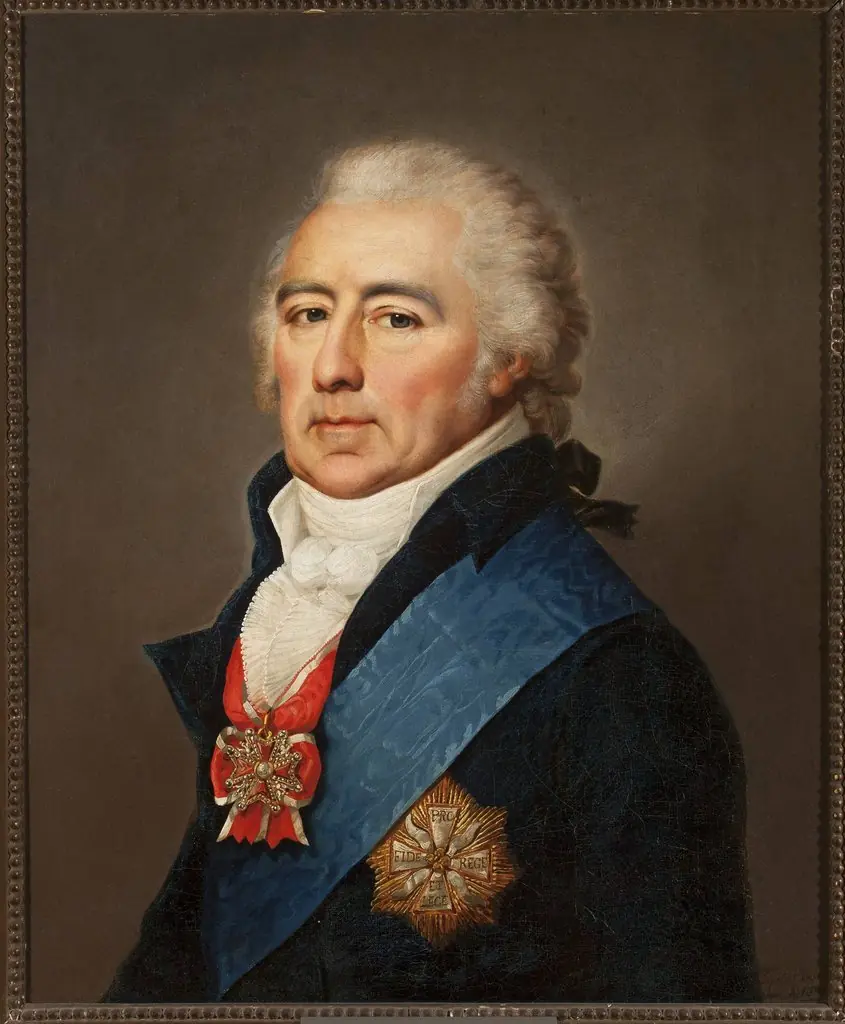 Portrait of a dignitary
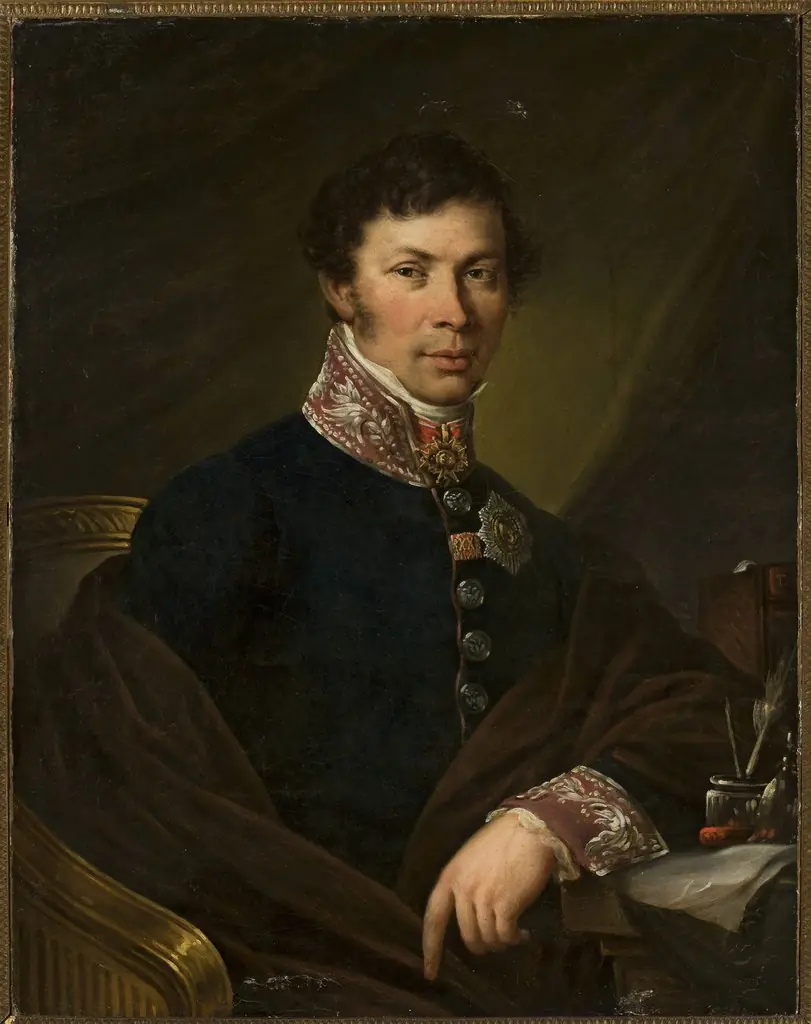 Portrait of Wojciech Rogoziński
 Anders de Bruce (1723-1787)
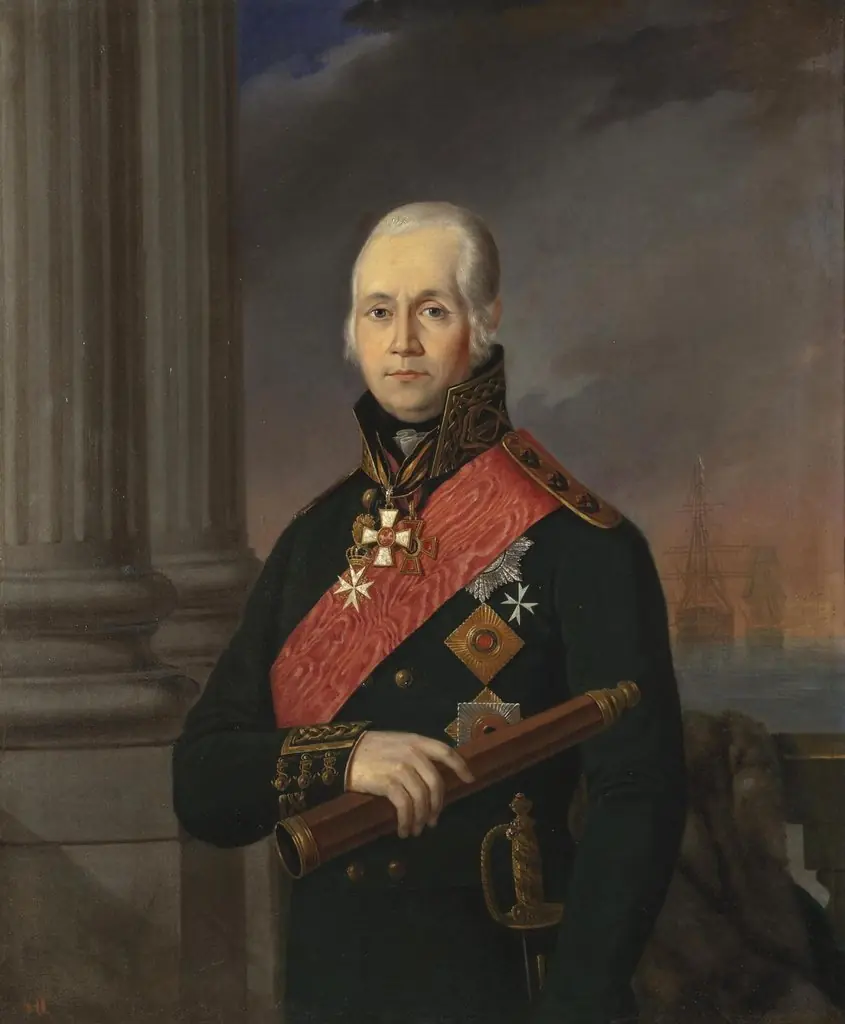 Portrait of Admiral F.F.Ushakov
 Geheimeråd Henrik Hielmstierne
 Portrait of Pieter Gerardus van Overstraten, Governor-General of the Dutch East Indies
 Michel, count Ordener, general (1755-1811)
 Portrait of N.N.Bantysh-Kamensky
 Portrait of Bishop Hieronim Strojnowski