Artwork
Anders de Bruce (1723-1787)
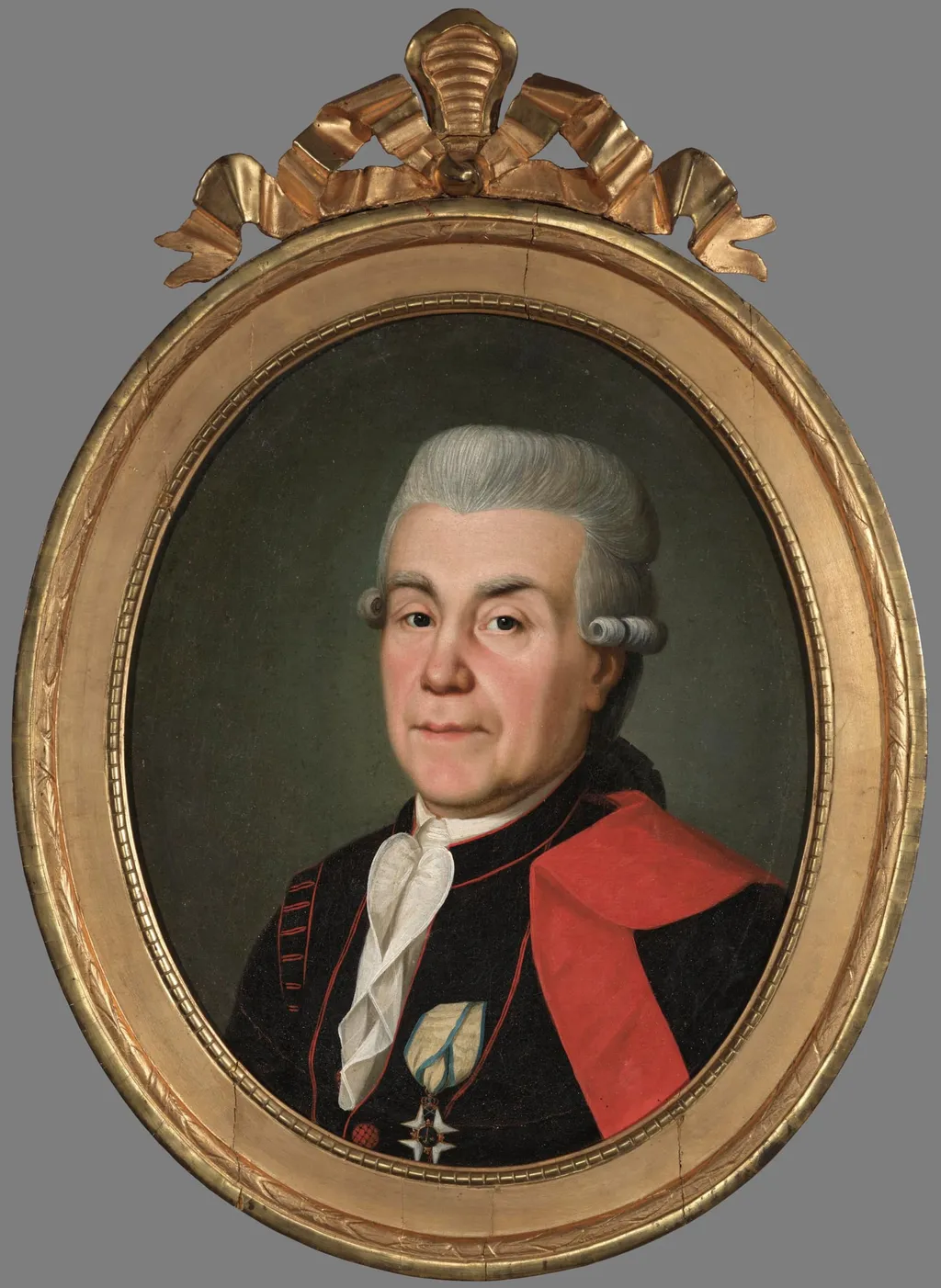
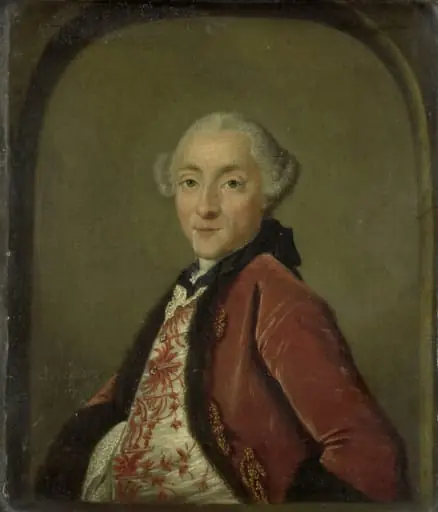
Anders de Bruce (1723-1787) is a drawing by Nils Schillmark. It is held in the collection of the Helsinki City Museum.
About this work
Overview
Anders de Bruce (1723-1787) is depicted in a portrait characterized by meticulous attention to detail and symbolic attire. The subject, a man with white hair and sideburns, wears formal, black coat with distinctive red sleeves, a white cravat, and a gold chain bearing a medal, likely indicating military or governmental honors.
Subject & Meaning
The portrait's central figure, Anders de Bruce, is presented in a manner suggesting dignity and achievement. The medal on the gold chain around his neck implies recognition for service, possibly in a military or governmental capacity, though the specific honor is not identified in the available information.
Technique & Style
The portrait demonstrates a high degree of craftsmanship, with careful rendering of textile folds and facial features. Notably, the artist employed stippling—a technique involving the creation of images using small dots—to achieve nuanced shading and depth.
History & Provenance
Detailed historical context or provenance of the portrait is not provided, leaving the specifics of its creation timeline, artist, and ownership history unclear.
Context
Given the subject's attire and the medal, the portrait likely reflects the societal values of the late 18th century, emphasizing honor, service, and formal presentation. The round frame with a fancy gold design adds to the overall sense of ceremonial or commemorative intent.
Legacy
The portrait's legacy or impact on art history is not specified, though its technique, particularly the use of stippling for shading, contributes to the broader understanding of artistic practices during its time.
Artist & collection
Artist
Nils Schillmark (26 September 1745 – 28 January 1804) was a Swedish painter who lived and worked in the part of Sweden that later would be Finland.

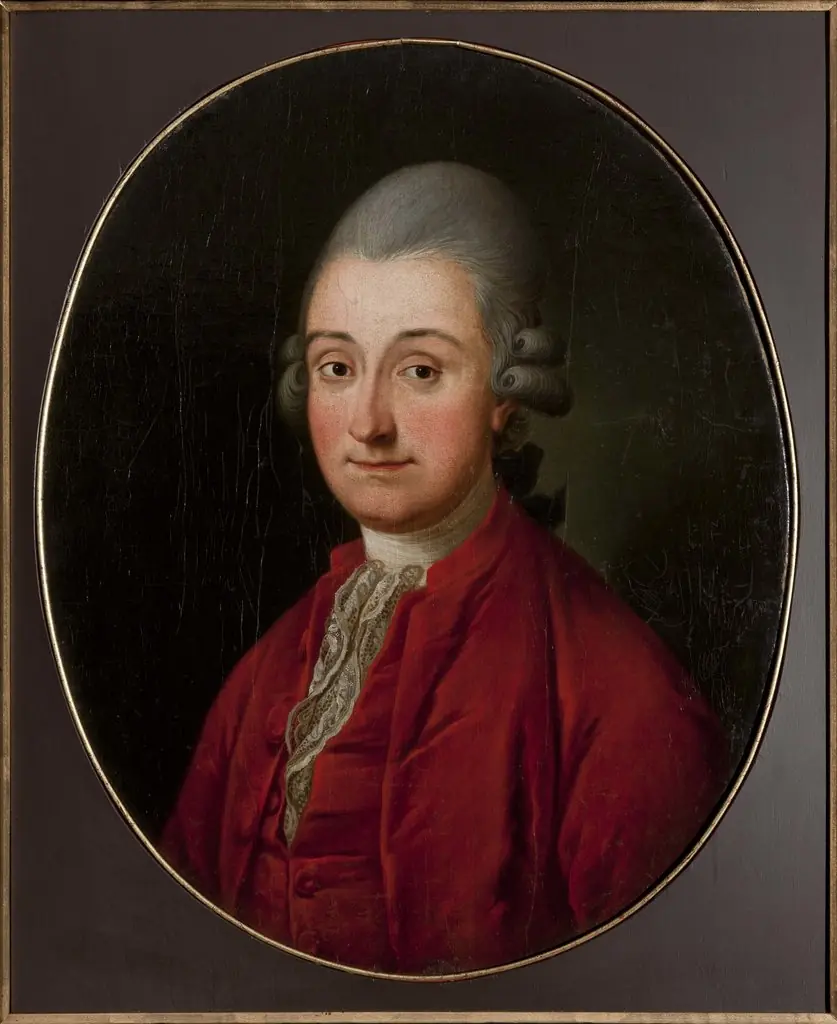 Portrait of Franciszek Dembiński (?–1776), the last starost of Wolbrom
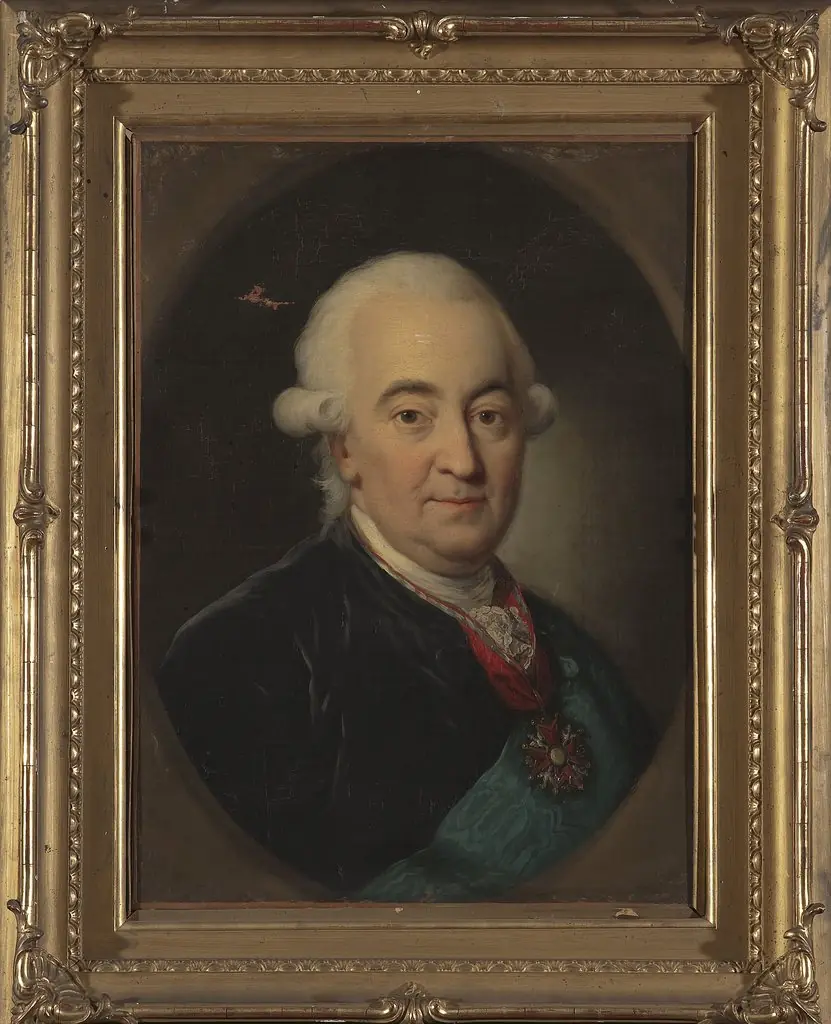 Portrait of Jean Frédéric de Medem
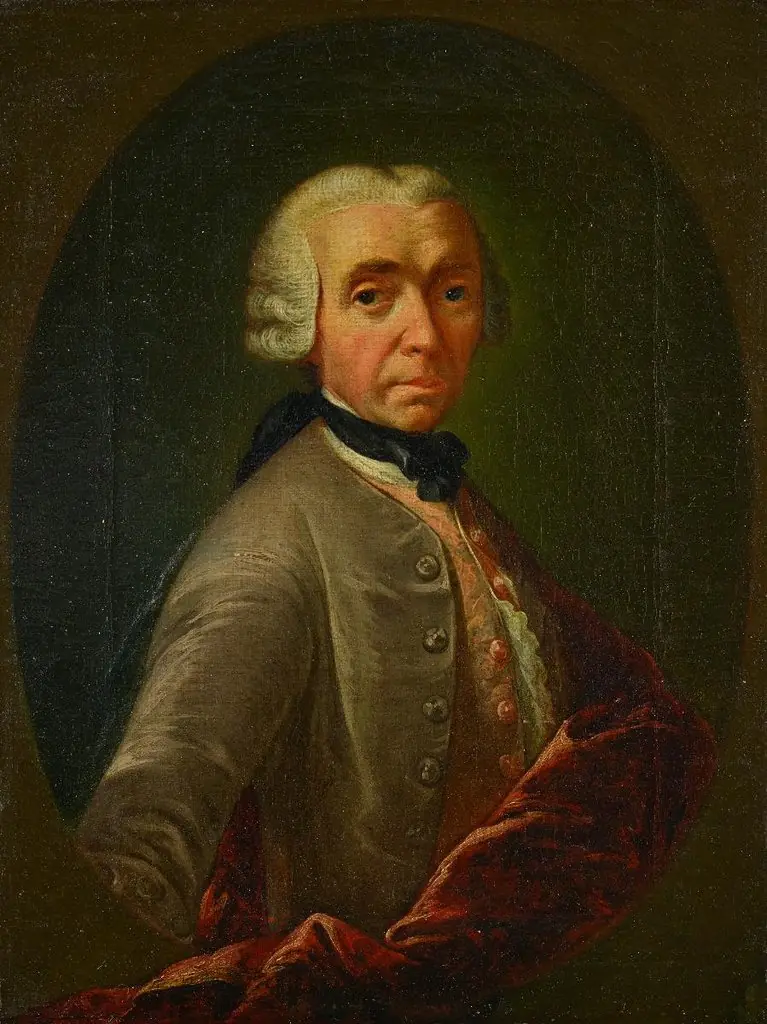 Selbstbildnis
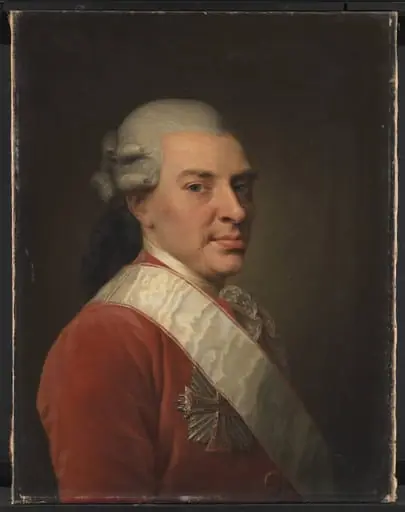 Geheimeråd Henrik Hielmstierne
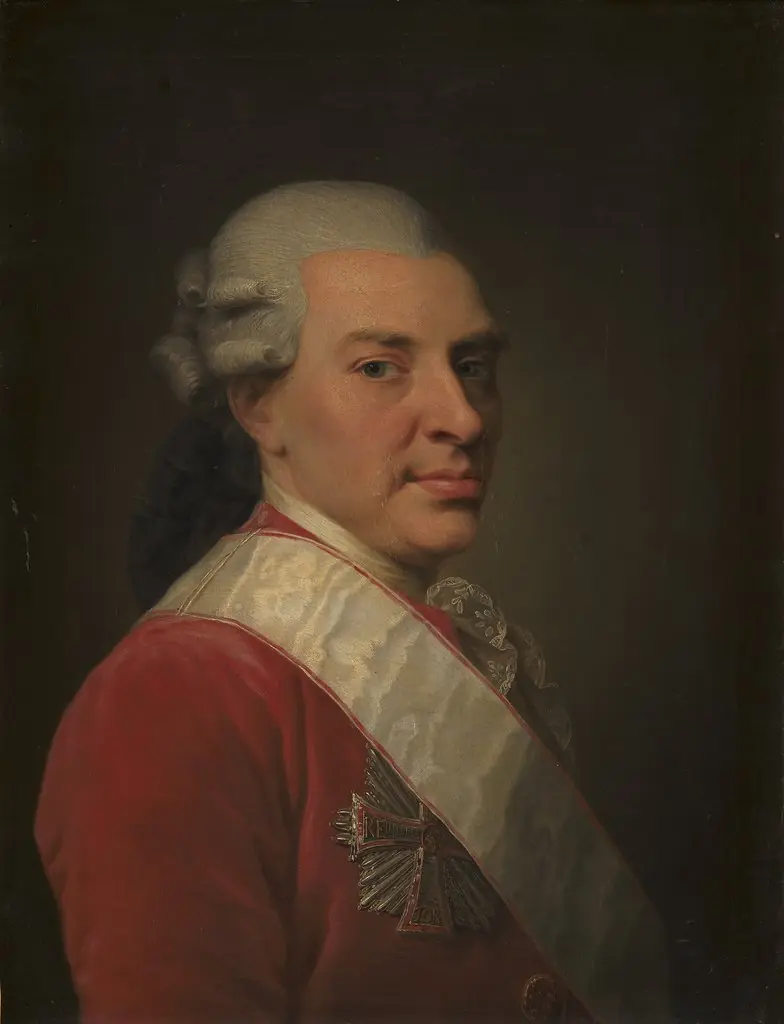 Geheimeråd Henrik Hielmstierne
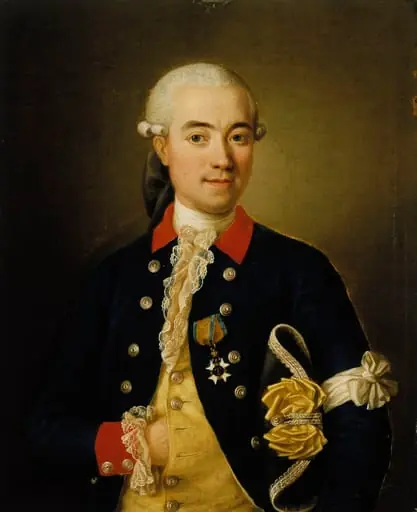 Kapteeni Carl Adolf Möllersvärd
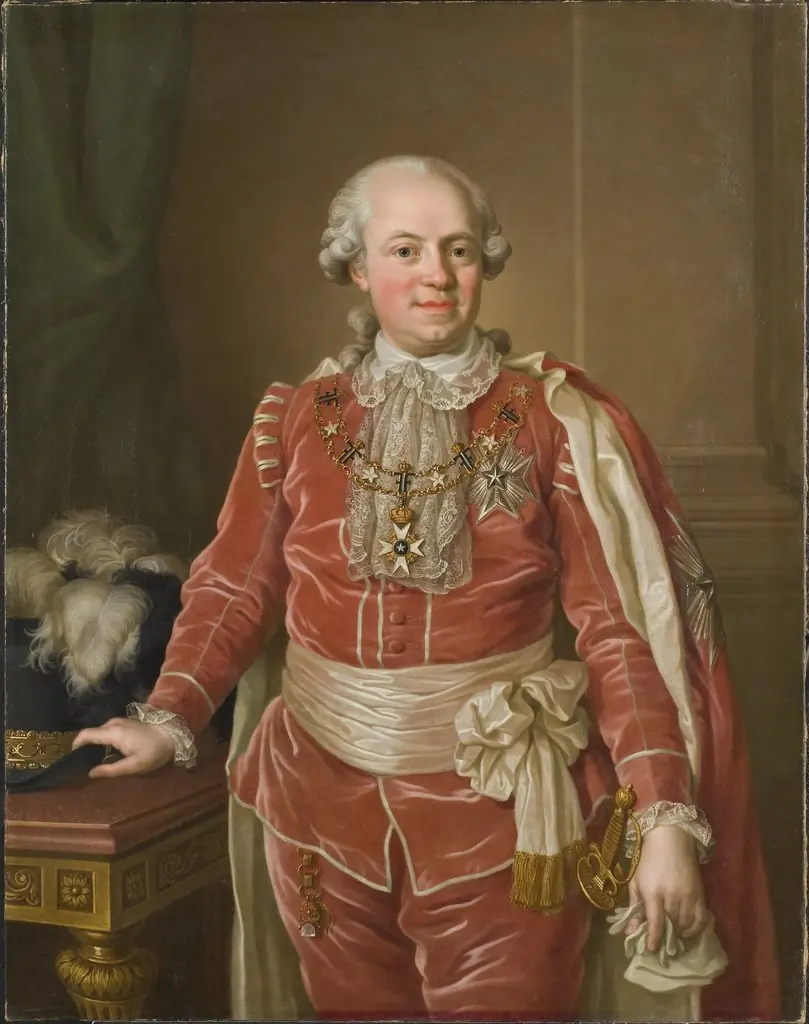 Samuel af Ugglas (1750-1812), greve, landshövding, överståthållare, kammarkollegiepresident, en av rikets herrar
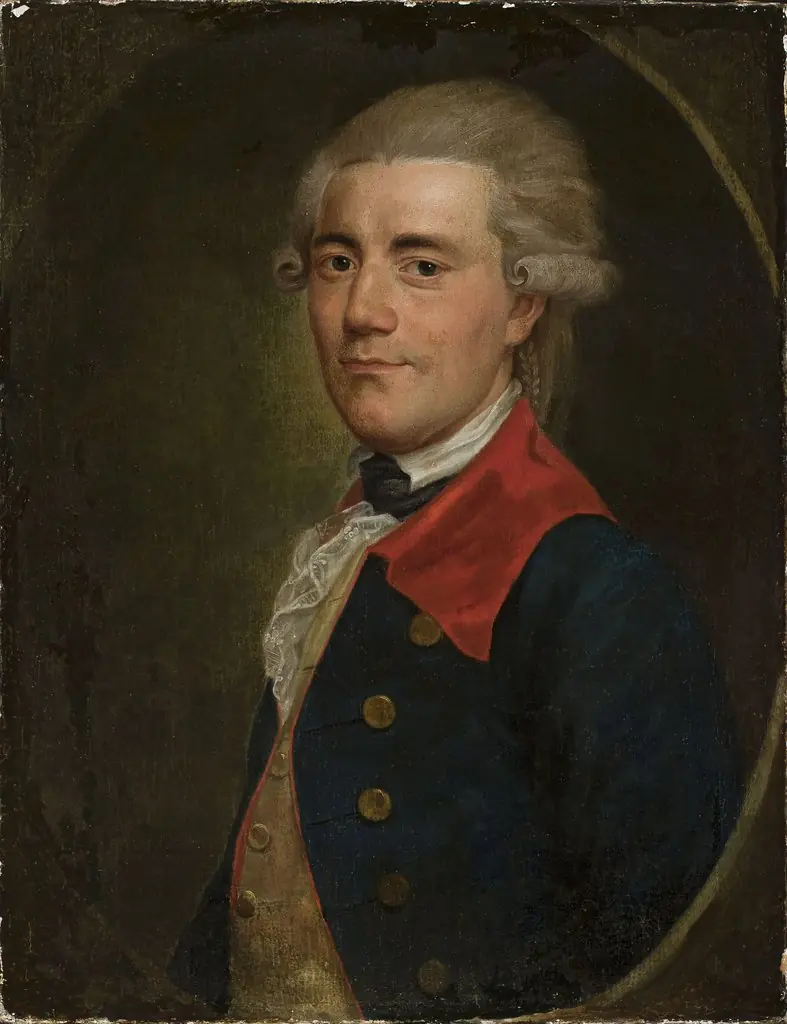 Portrait of Johann Heinrich Muyschel (1755–1825)
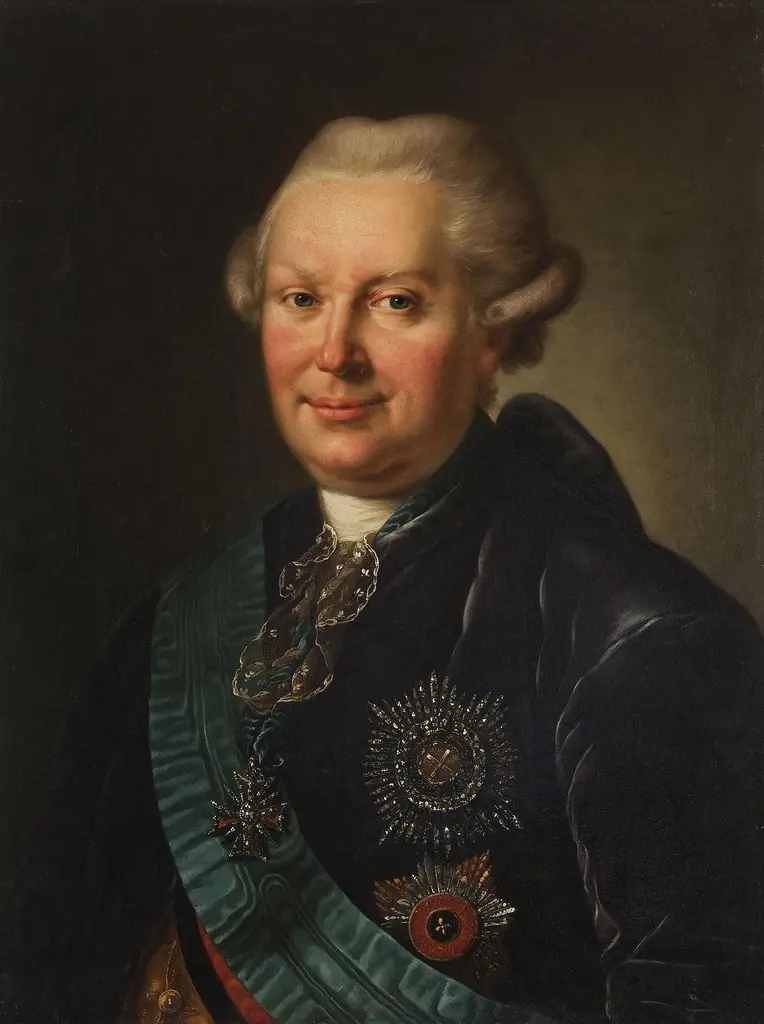 Portrait of Procurator-General Alexander Vyazemsky
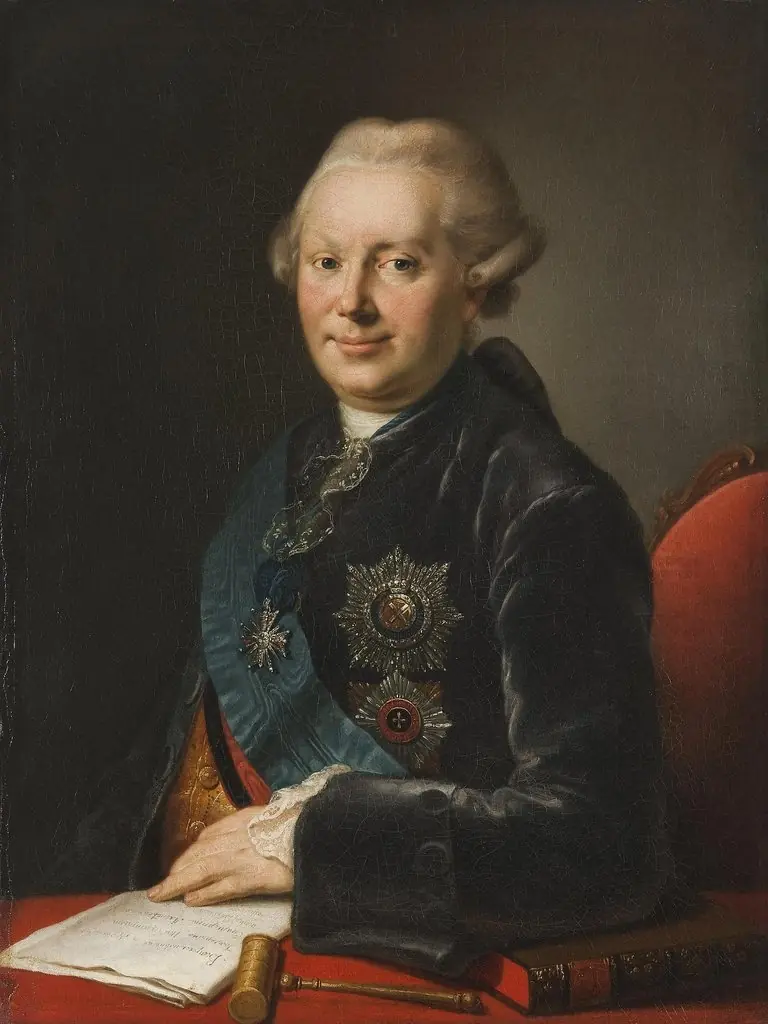 Portrait of Procurator-General Alexander Vyazemsky
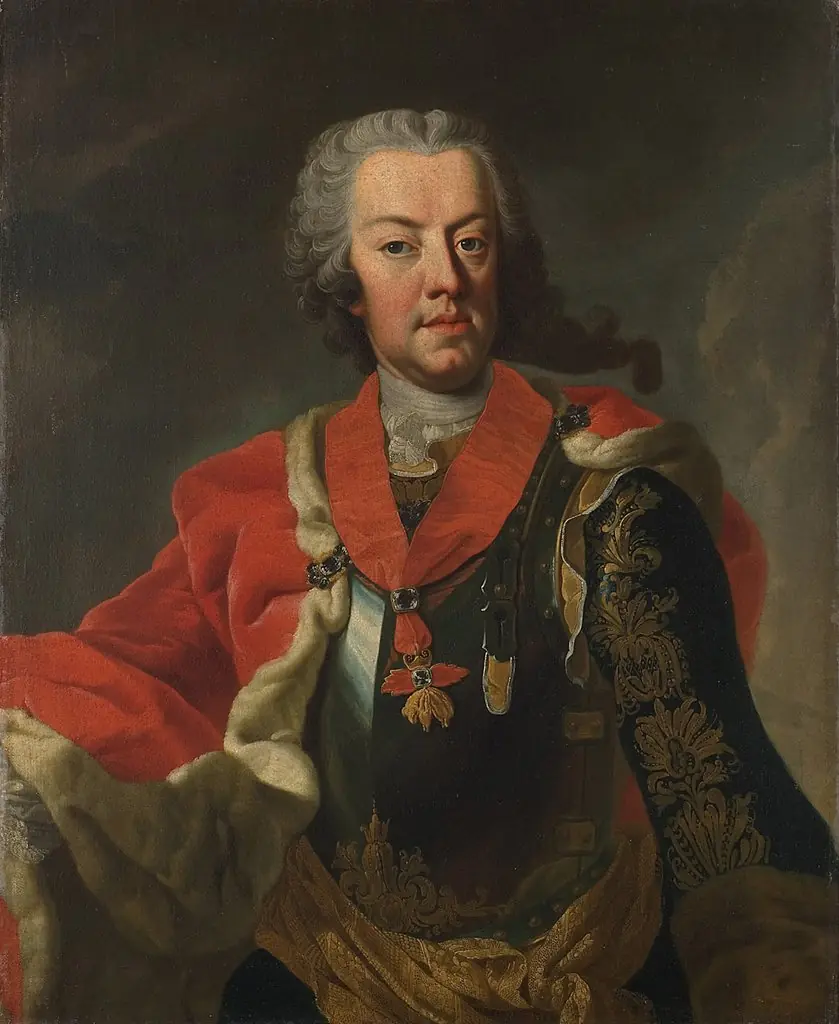 Herzog Karl Alexander von Lothringen (1712-1780), Brustbild
 Portrait of Pieter Nicolaas Rendorp, Amsterdam Brewer