Artwork
Landscape with rest on flight into Egypt
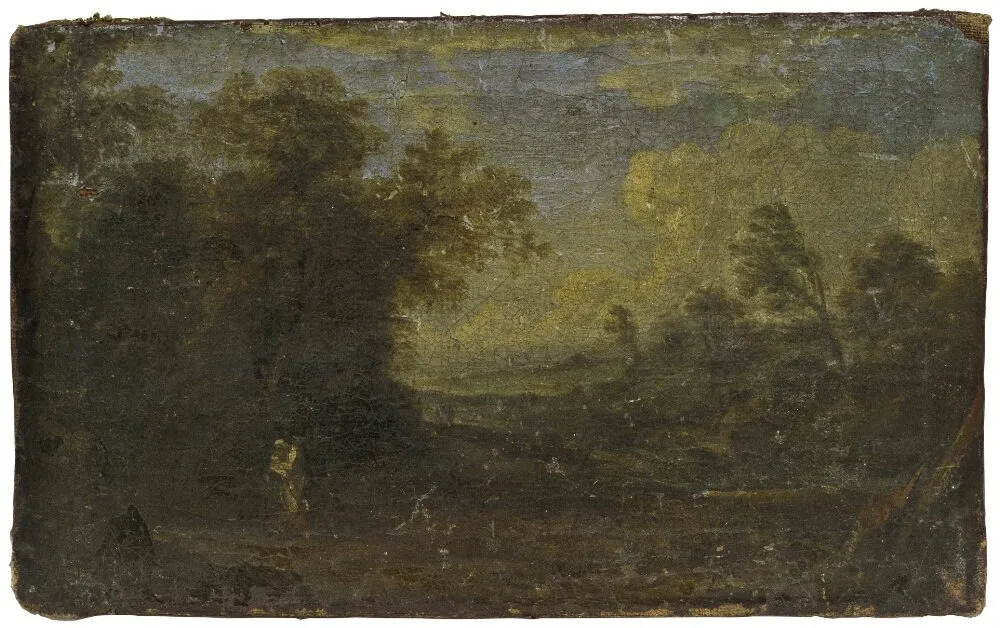
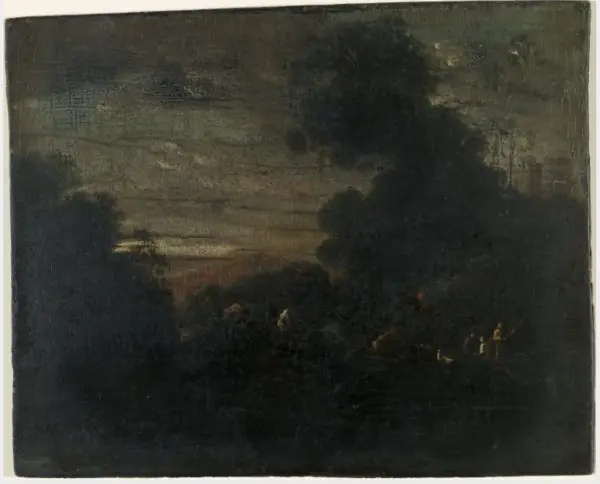
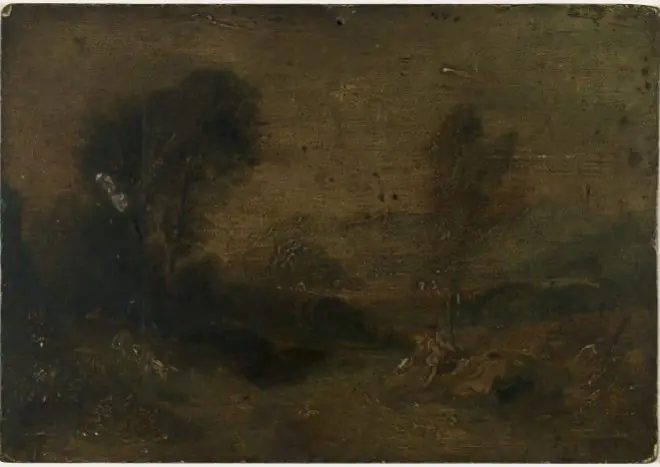
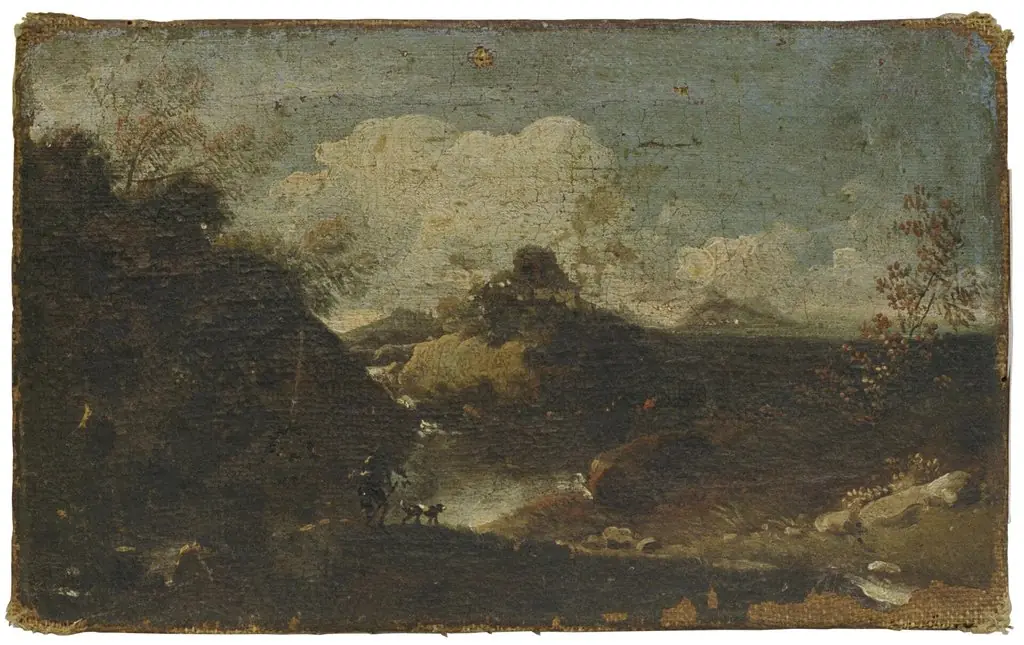
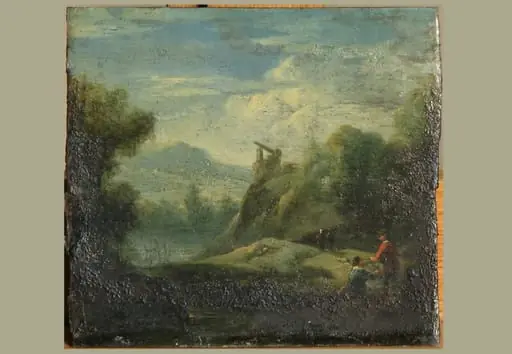
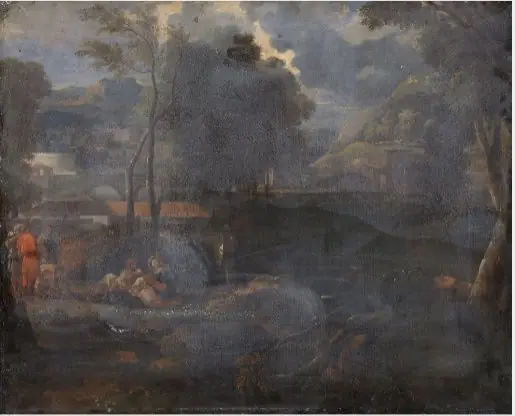
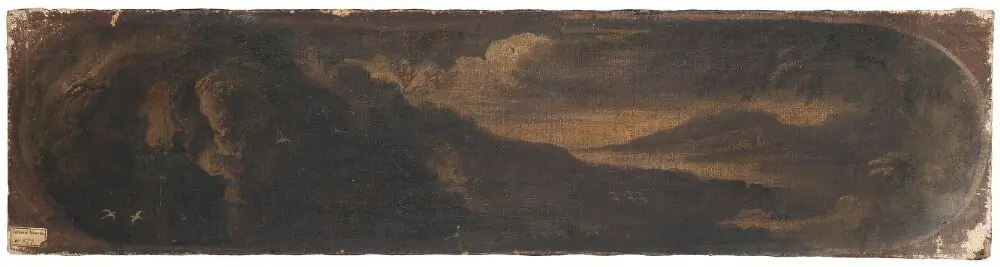
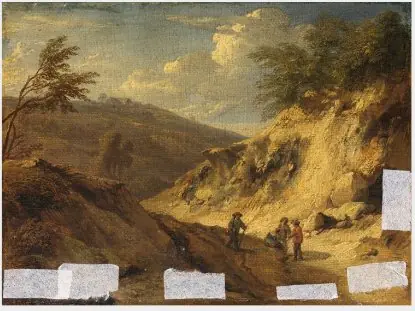
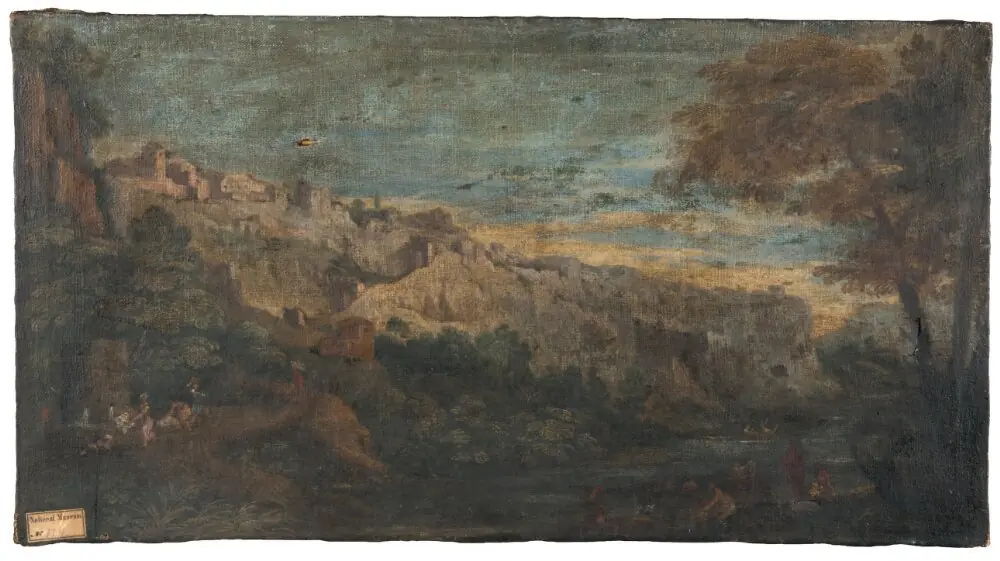
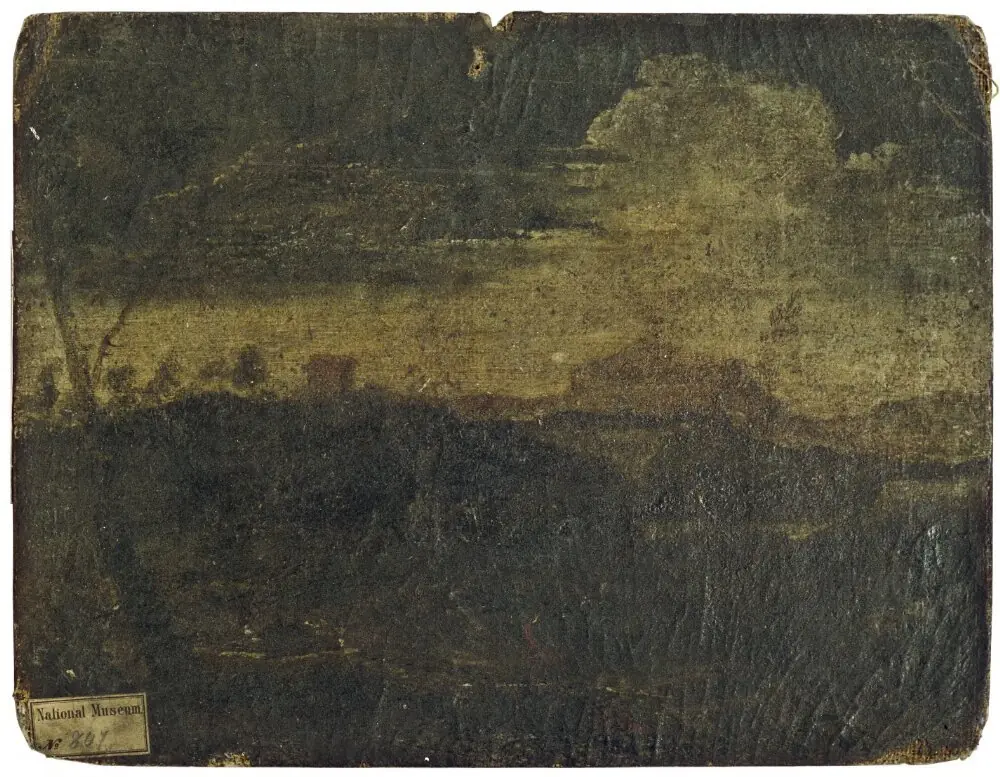
Landscape with rest on flight into Egypt is an unspecified painting by the Dutch Golden Age artist Unknown. It dates from 1649 and is held in the collection of the Nationalmuseum. This painting depicts a quiet, dimly lit rural scene, likely illustrating a moment from the biblical Flight into Egypt.
About this work
Overview
This painting depicts a quiet, dimly lit rural scene, likely illustrating a moment from the biblical Flight into Egypt.
This painting depicts a quiet, dimly lit rural scene, likely illustrating a moment from the biblical Flight into Egypt. The composition emphasizes natural elements—dense trees in the foreground, a hazy sky, and a distant body of water. The overall tone is subdued, with low contrast and muted pigments that enhance the sense of stillness and solitude. Human figures are barely discernible, integrated subtly into the landscape rather than dominating it.
Subject & Meaning
The scene alludes to the Holy Family’s journey into Egypt, as described in the Gospel of Matthew. The resting figures, faintly rendered on the left, suggest a pause in their flight. The somber atmosphere and isolation of the setting reflect themes of vulnerability and divine protection. Nature becomes a silent witness, framing the sacred narrative without overt symbolism, inviting contemplation rather than narrative clarity.
Technique & Style
The artist employs a restrained palette of earth tones and grayed hues, with minimal detail in the figures and foliage. Brushwork is loose and atmospheric, favoring tonal gradations over sharp definition. Light filters diffusely through the clouds, casting a uniform dimness across the scene. This approach prioritizes mood over precision, aligning with early landscape traditions that valued emotional resonance over topographical accuracy.
History & Provenance
The painting’s origins are undocumented in public records, and its early ownership remains unclear. It lacks signatures or inscriptions that might confirm its maker or date. Its current condition suggests it has been preserved with care, though no major exhibitions or scholarly publications have prominently featured it. Its anonymity contributes to its quiet, unassuming presence in the art historical record.
Context
Created during a period when landscape painting was gaining autonomy from religious narrative, this work reflects a transitional moment. While biblical themes still provided structure, artists increasingly focused on natural environments as subjects in their own right. The subdued tone and lack of dramatic action align with Northern European traditions that favored introspective, quiet scenes over theatrical storytelling.
Legacy
Though not widely known or reproduced, the painting exemplifies an understated approach to sacred landscape that influenced later generations of artists seeking emotional depth through restraint. Its quiet composition and emphasis on atmosphere prefigure the Romantic turn toward nature as a vessel for spiritual contemplation, even as it remains outside the mainstream of art historical discourse.
Artist & collection

 Domestic Scene
 Giacomo and Cardinal Marco, investing Andrea, Abbot of San Zeno, with his Benefice
 The Nymph of Fontainebleau
 Portrait of a Woman
 Madonna and Child with Saints in the Enclosed Garden
 Venus and Minerva
 Family Group of Four on Sofa
 Wall painting from Room H of the Villa of P. Fannius Synistor at Boscoreale