Artwork
Saint Francis of Assisi in ecstasy
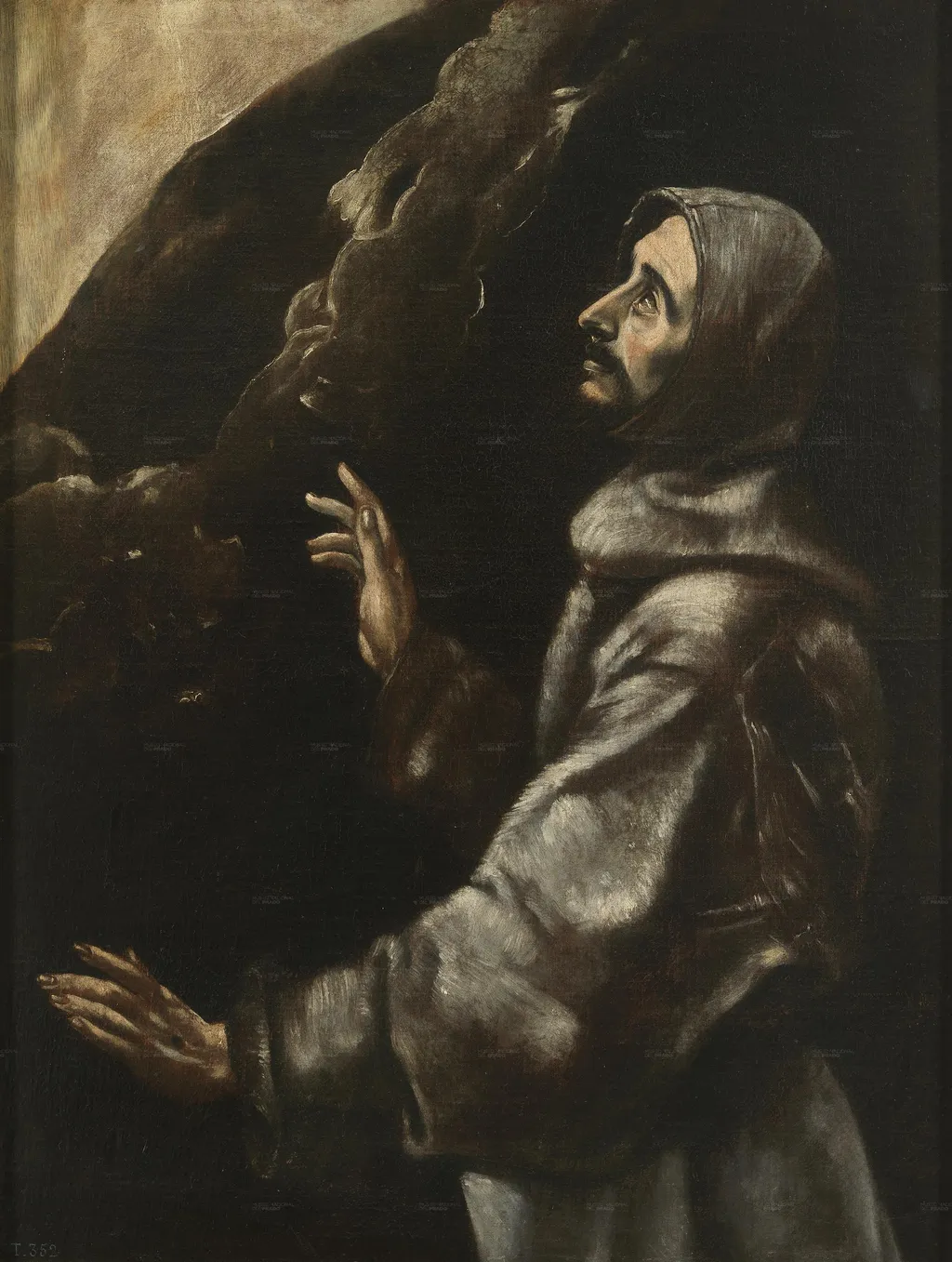
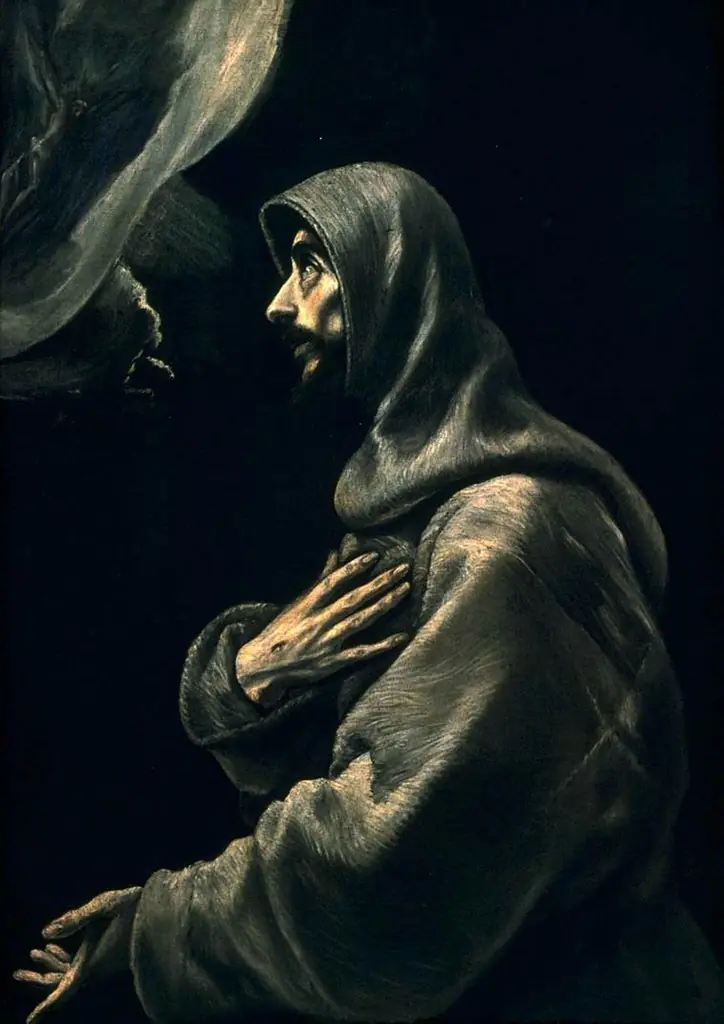
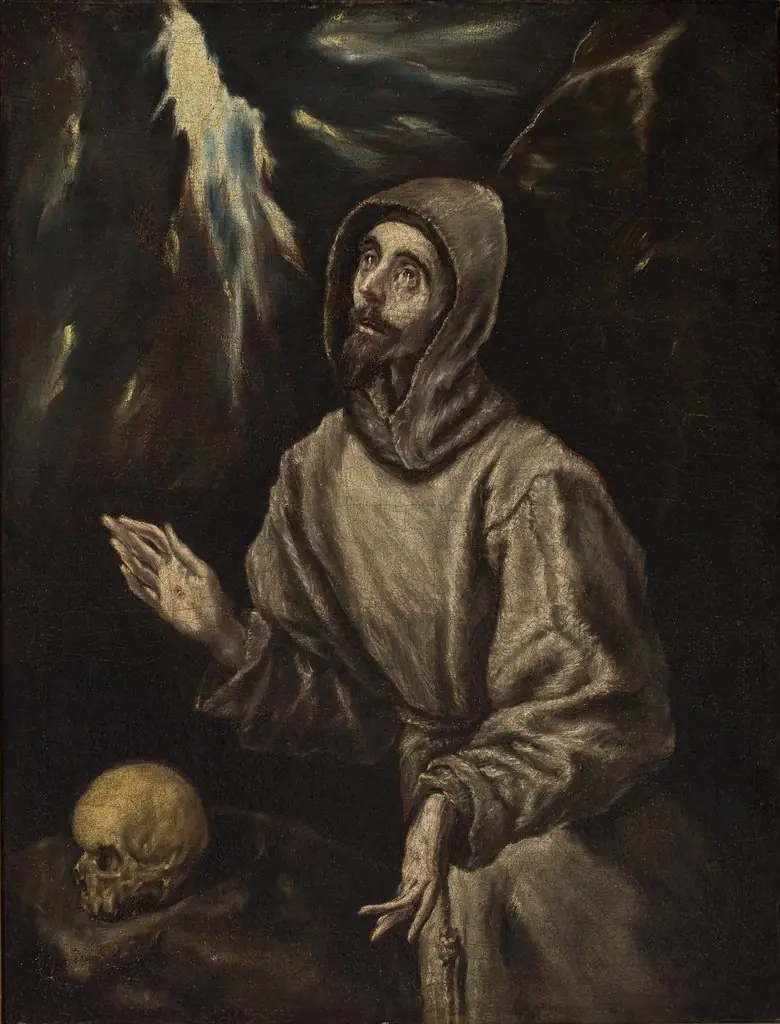
Saint Francis of Assisi in ecstasy is an oil painting by the Early Baroque Italian artist El Greco. It dates from 1601 and is held in the collection of the Museo del Prado.
About this work
Overview
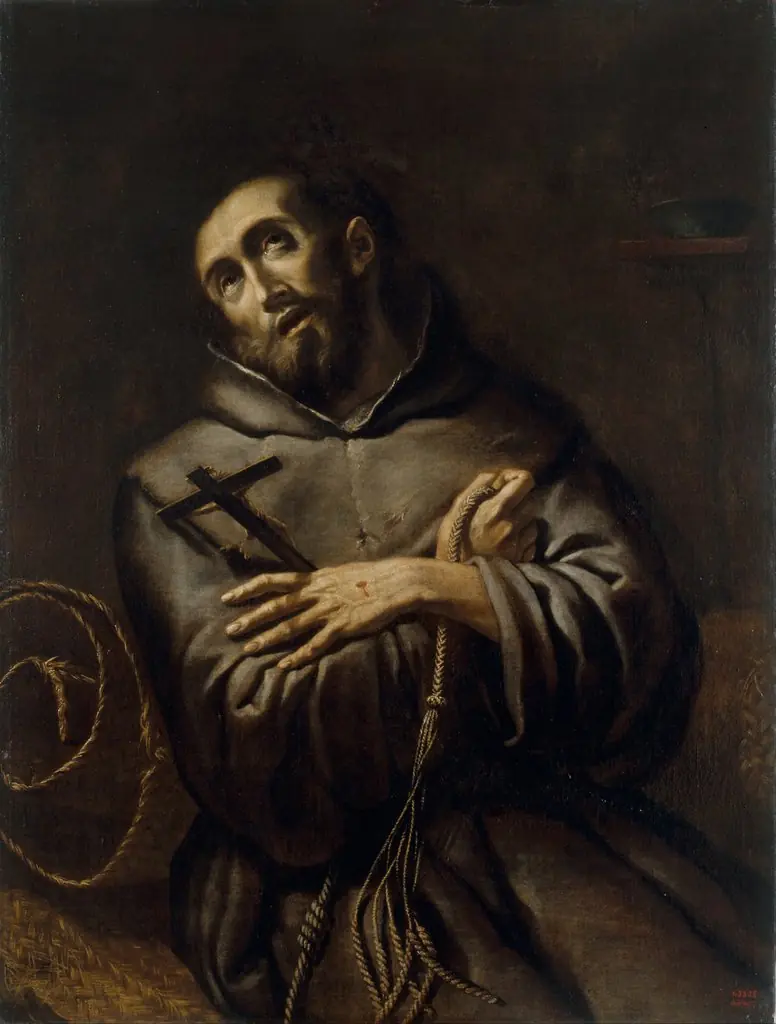
The work titled Saint Francis of Assisi in Ecstasy is known only through later copies, as the original by El Greco has not survived. Dating to around 1600, the composition depicts a solitary, robed figure in a moment of intense contemplation, set against a darkened backdrop that emphasizes the subject’s solemn expression.
Subject & Meaning
The central figure is identified as Saint Francis of Assisi, portrayed with a pale, upward‑tilted gaze and clasped hands, suggesting a spiritual rapture or mystical vision. A shadowy, cloth‑wrapped form behind him hints at a possible apparition or symbolic representation of the saint’s inner experience.
Technique & Style
The image relies on strong chiaroscuro, employing deep blacks and a softened, luminous light that isolates the saint from the surrounding gloom. This contrast of light and shadow, characteristic of El Greco’s late style, creates a dramatic three‑dimensional effect and underscores the emotional intensity of the scene.
History & Provenance
A 17th‑century copy, long held in the Museo del Prado and displayed at the El Greco Museum in Toledo, was once believed to be the original. Current scholarship attributes the piece to an anonymous follower or a studio assistant, recognizing it as a derivative rather than the master’s hand.
Own this work as a print
Artist & collection
Artist
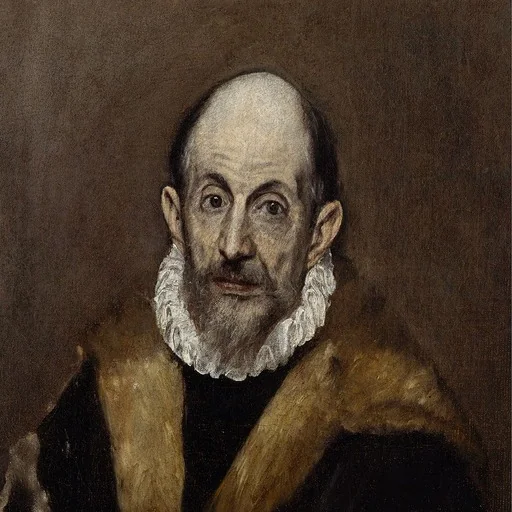
Doménikos Theotokópoulos was born in 1541 in Candia (modern Heraklion), the capital of Venetian-ruled Crete, where he was trained in the post-Byzantine tradition of icon painting.