Artwork
Kongara-Doji (Acólito de Fudo Myo-o)
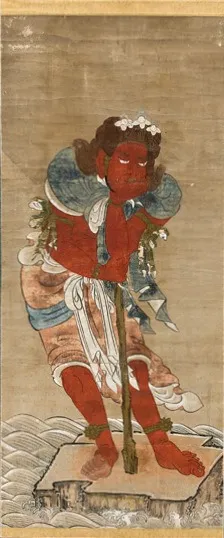
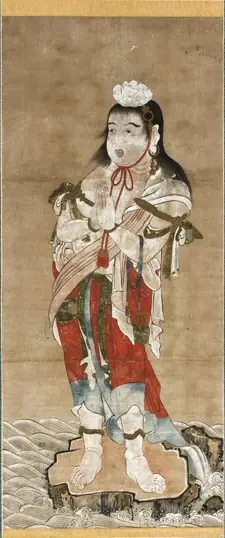
Kongara-Doji (Acólito de Fudo Myo-o) is an unspecified painting by Unknown. It is held in the collection of the São Paulo Museum of Art. This painting portrays Kongara-Doji, one of the two attendants of Fudo Myo-o, a central figure in Esoteric Buddhist iconography.
About this work
Overview
This painting portrays Kongara-Doji, one of the two attendants of Fudo Myo-o, a central figure in Esoteric Buddhist iconography. Rendered in a restrained palette of blue, white, and muted brown, the figure stands calmly on a low platform against a neutral background. The composition emphasizes stillness and spiritual presence, avoiding dramatic gestures in favor of quiet dignity.
Subject & Meaning
Kongara-Doji represents the youthful attendant of Fudo Myo-o, embodying compassion and the protective force of Buddhist teachings. The white flower crown and refined robes signify purity and divine service. Unlike fearsome deities in the same tradition, this figure conveys gentleness, reflecting the balance between wrathful and merciful aspects of Buddhist cosmology.
Technique & Style
The figure is rendered with fine, controlled brushwork, particularly in the delicate rendering of hair and fabric folds. The robe’s blue and white tones contrast subtly with the beige platform and brown background, creating spatial depth without perspective. Color is applied in flat, even layers, typical of Japanese Buddhist painting, prioritizing symbolic clarity over naturalism.
History & Provenance
The work likely dates to the Kamakura or Muromachi period, when depictions of Fudo Myo-o’s attendants became common in temple rituals. Its preservation suggests it was venerated in a monastic setting, possibly used in devotional practices or processions. No documented provenance exists beyond its stylistic alignment with known temple paintings of the era.
Context
In Japanese Esoteric Buddhism, Fudo Myo-o and his attendants were invoked for protection and spiritual clarity. Kongara-Doji, alongside the older attendant Agyo, formed a symbolic pair representing complementary energies. This painting would have been displayed in a shrine or meditation hall, reinforcing the presence of the divine in daily ritual practice.
Legacy
While not widely known outside specialized circles, this painting exemplifies the quiet aesthetic of medieval Japanese Buddhist art. Its enduring presence in collections reflects continued scholarly interest in the visual language of devotion. It remains a testament to the role of understated imagery in sustaining spiritual focus over centuries.
Artist & collection

 Domestic Scene
 Giacomo and Cardinal Marco, investing Andrea, Abbot of San Zeno, with his Benefice
 The Nymph of Fontainebleau
 Portrait of a Woman
 Madonna and Child with Saints in the Enclosed Garden
 Venus and Minerva
 Family Group of Four on Sofa
 Wall painting from Room H of the Villa of P. Fannius Synistor at Boscoreale
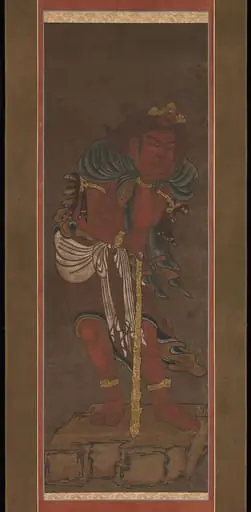 龍湫周沢写 不動明王二童子像|Fudō Myōō and Two Attendants
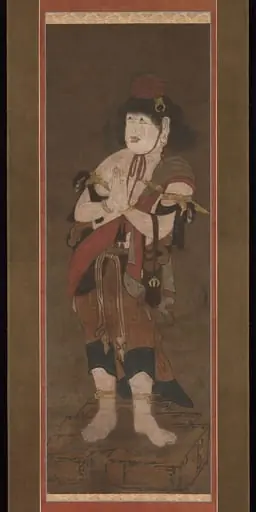 龍湫周沢写 不動明王二童子像|Fudō Myōō and Two Attendants
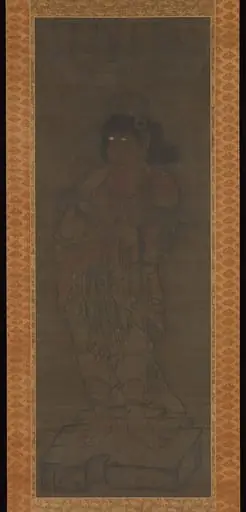 衿羯羅童子像 |Kongara-doji
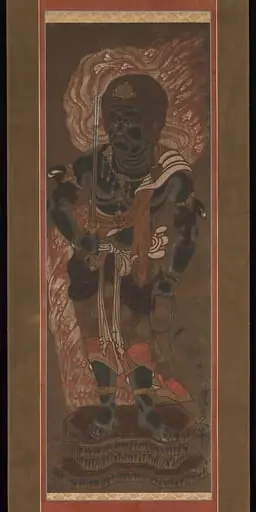 龍湫周沢写 不動明王二童子像|Fudō Myōō and Two Attendants
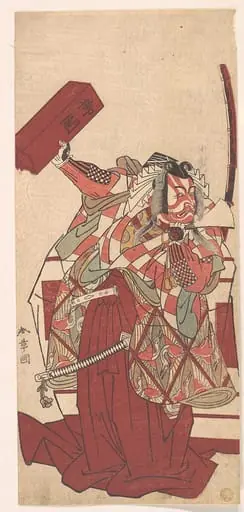 三代目市川海老蔵の篠塚伊賀守定綱|The Actor Ichikawa Ebizō III as Shinozuka Iga no kami Sadatsuna in a Shibaraku Scene
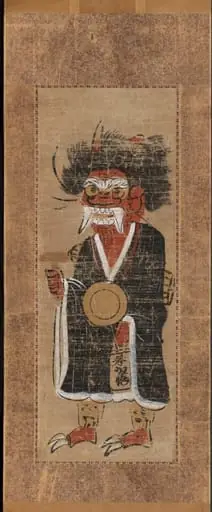 Demon Intoning the Name of the Buddha
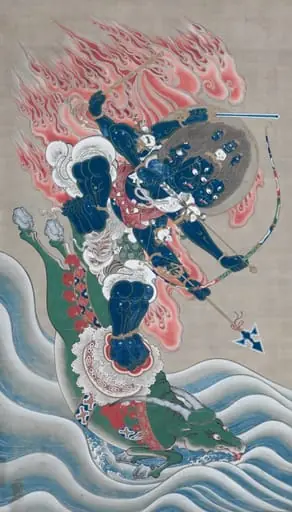 Wisdom King of Great Awe-inspiring Power (Daiitoku Myōō)
 Ebisu
Ebisu Untitled
 安底羅大将図像(付.裏書)|Anchira-taisho Jochi
 青面金剛夜叉図大津絵|Ōtsu-e of Shōmen Kongōyasha (Vajrayaksha)
 Seitaka-Doji (Acólito de Fudo Myo-o)