Artwork
Ebisu
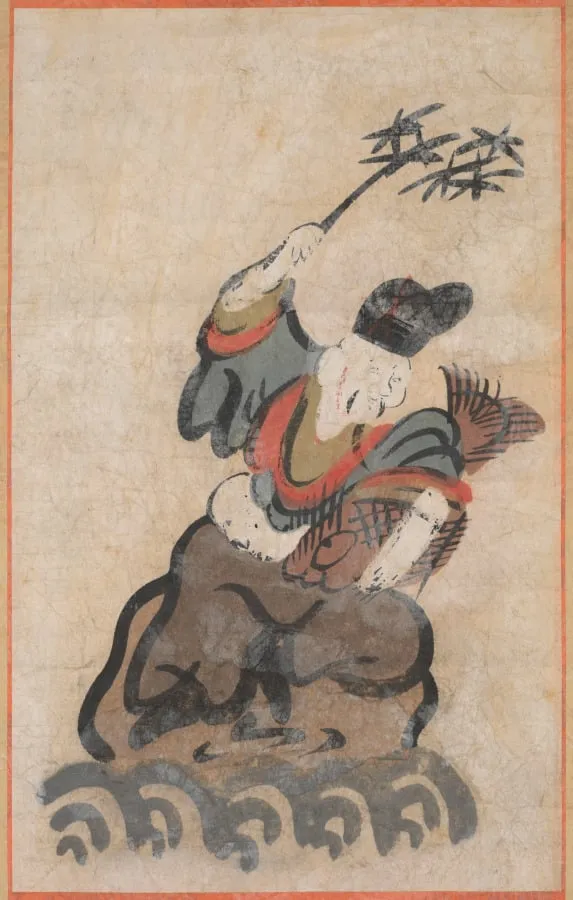
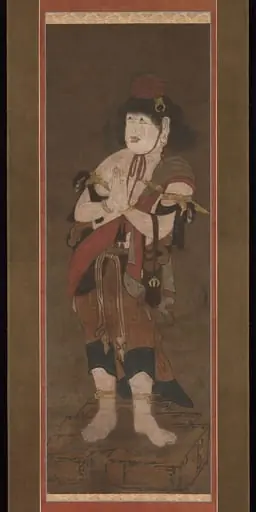
Ebisu is an unspecified painting by the Romanticist artist Unknown. It dates from 1804 and is held in the collection of the Cleveland Museum of Art.
About this work
The painting comes from the Edo period, when artists made these kinds of images for everyday people, not just temples.
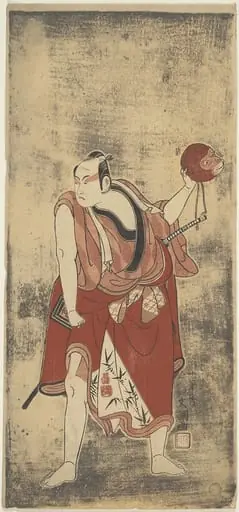
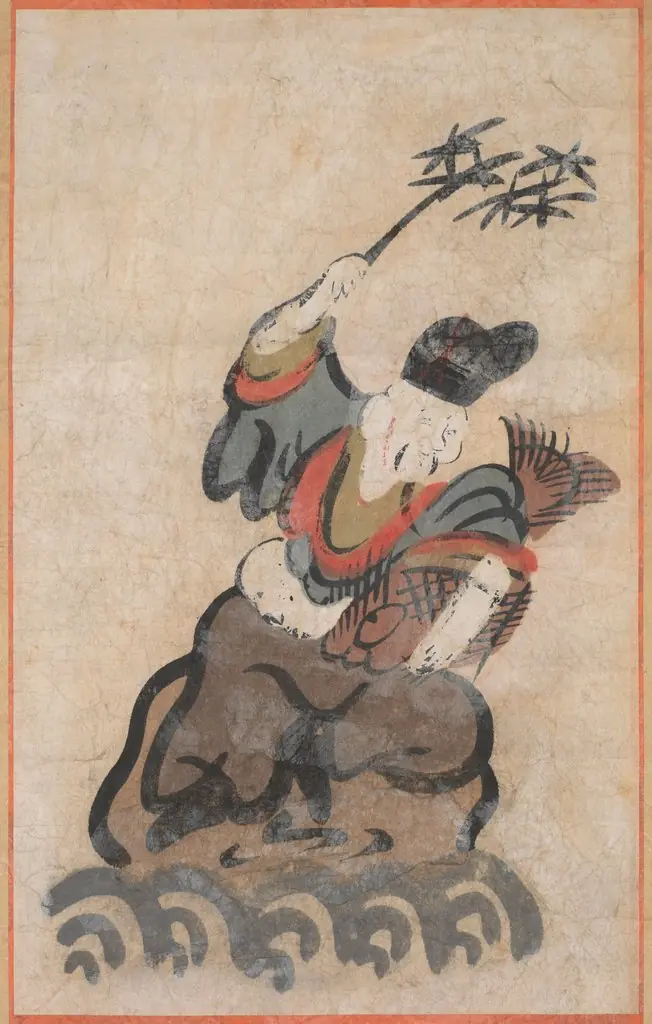
You see a cheerful man in a red robe holding a big fish and a branch with pink flowers.
This is Ebisu, one of Japan’s Seven Gods of Good Fortune. He’s the god of fishermen and luck, often shown smiling with his catch. The fish, a sea bream, is a symbol of good fortune in Japan. The painting comes from the Edo period, when artists made these kinds of images for everyday people, not just temples.
If you like this, look up more about the subject: *japan, edo period (1615–1868)*.
Overview
The work portrays Ebisu, one of the traditional Seven Deities of Fortune in Japanese belief, depicted in the attire of a Shinto priest. He holds a sizable sea bream and a sprig of camellia blossoms, his expression relaxed and welcoming.
Subject & Meaning
Ebisu is revered as the patron of fishermen and of prosperity. The sea bream he presents is a longstanding emblem of good luck, while the camellia branch, with its pink flowers, adds a seasonal touch associated with renewal and blessing.
Technique & Style
Executed in the Edo period's popular painting idiom, the piece employs bold outlines and flat areas of color characteristic of ukiyo-e influenced works. The red robe and vivid pink camellia contrast sharply with the silvery fish, emphasizing the figure’s celebratory role.
History & Provenance
Created during Japan’s Edo era (1615–1868), the image reflects the period’s demand for accessible religious and folk subjects beyond temple commissions. It circulated among urban households, serving both decorative and devotional purposes.
Context
In the bustling merchant towns of Edo, images of the Seven Gods of Fortune were common talismans for household prosperity. Ebisu, as the sole male deity among them, symbolized the everyday concerns of fishermen and traders, linking daily labor with divine favor.
Artist & collection

 Domestic Scene
 Giacomo and Cardinal Marco, investing Andrea, Abbot of San Zeno, with his Benefice
 The Nymph of Fontainebleau
 Portrait of a Woman
 Madonna and Child with Saints in the Enclosed Garden
 Venus and Minerva
 Family Group of Four on Sofa
 Wall painting from Room H of the Villa of P. Fannius Synistor at Boscoreale