Artwork
Landscape with a River Valley
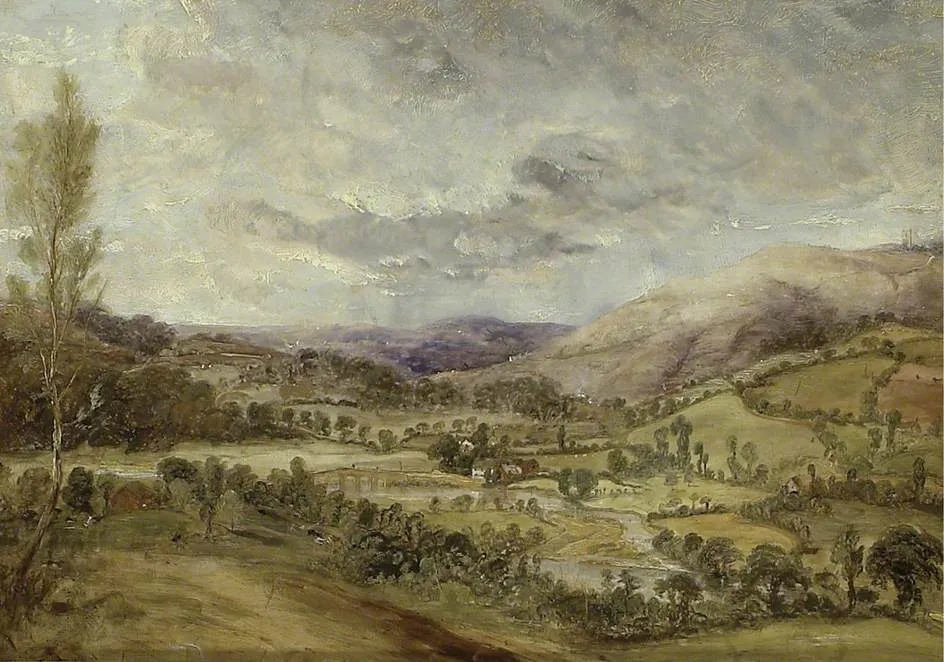
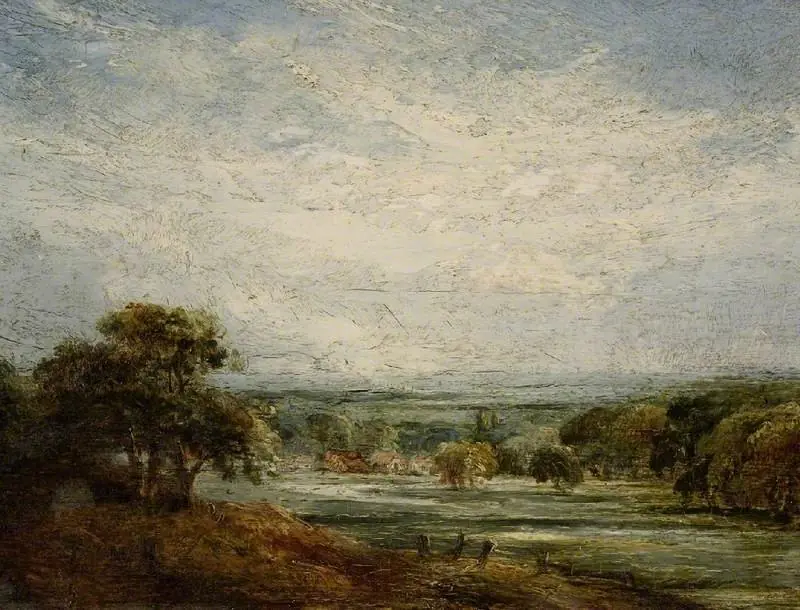
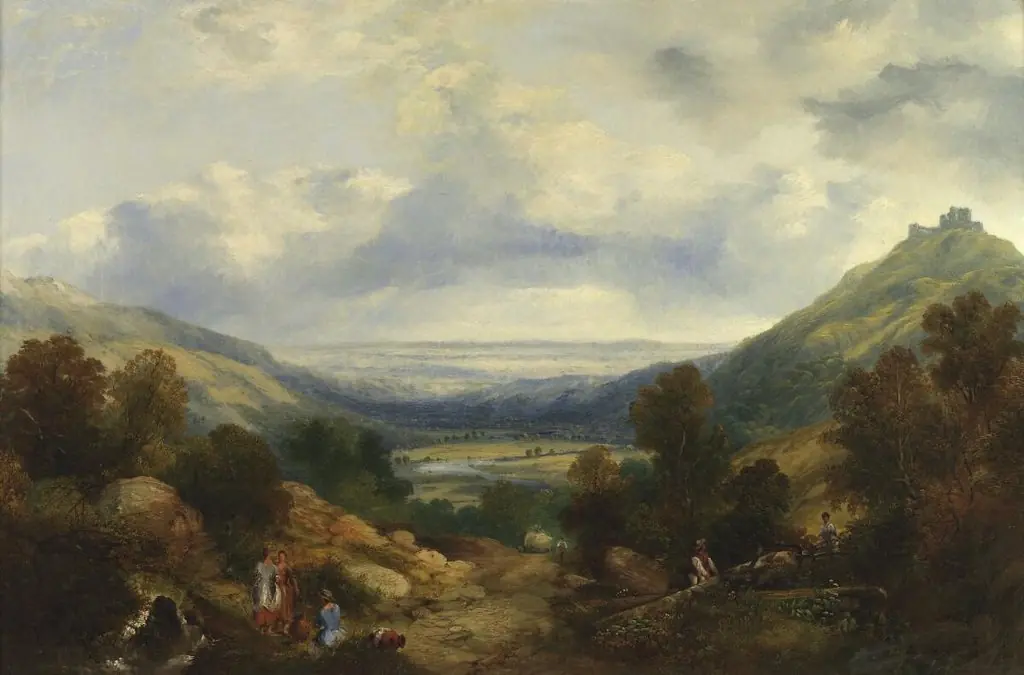
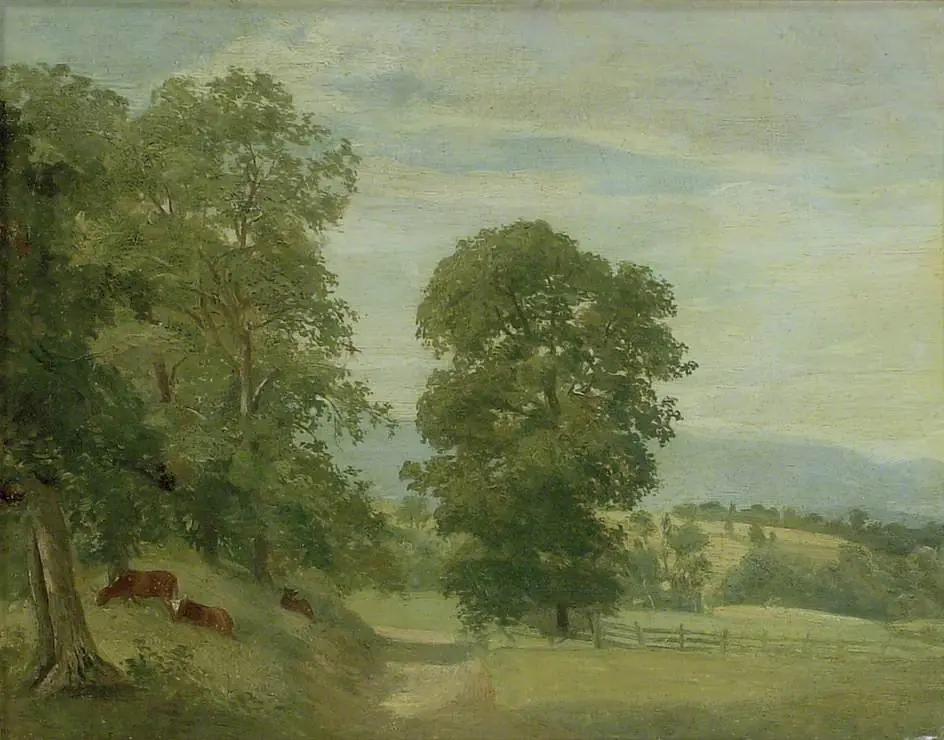
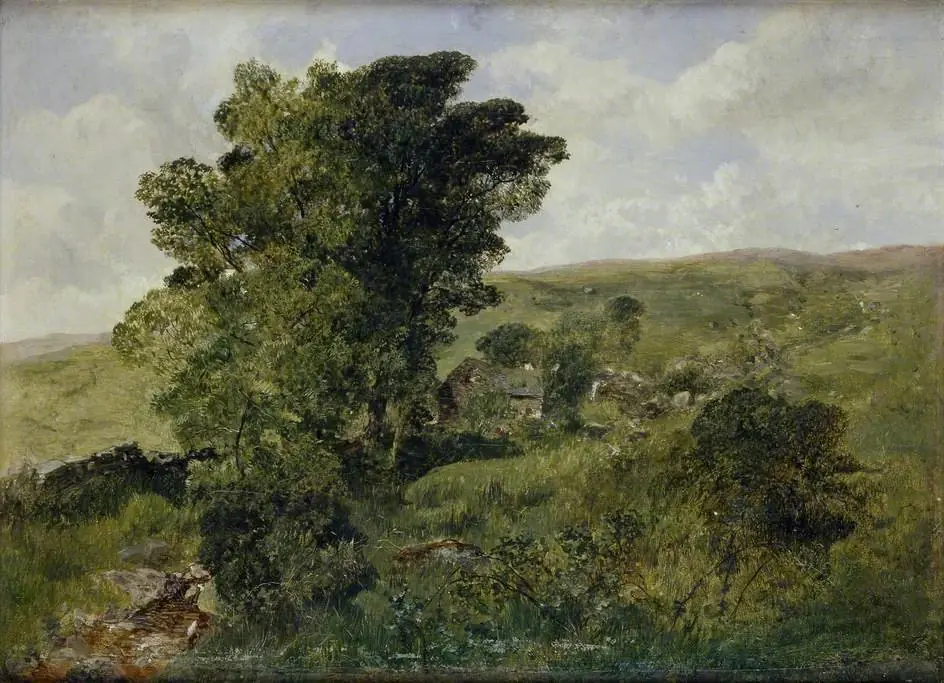
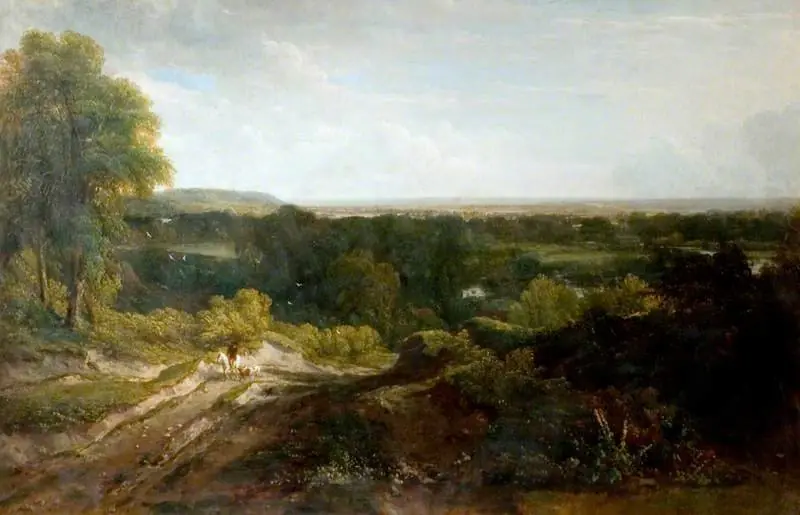
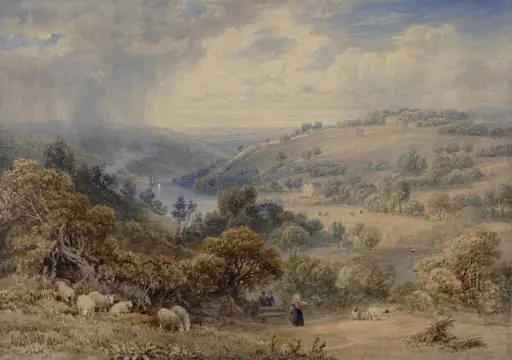
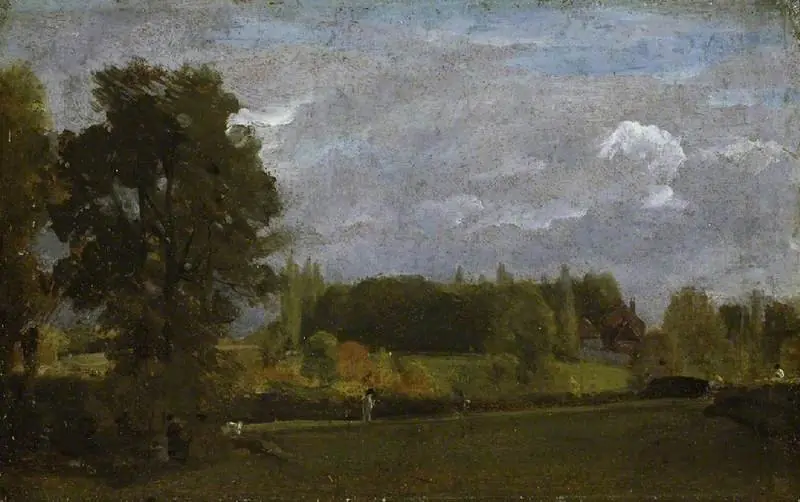
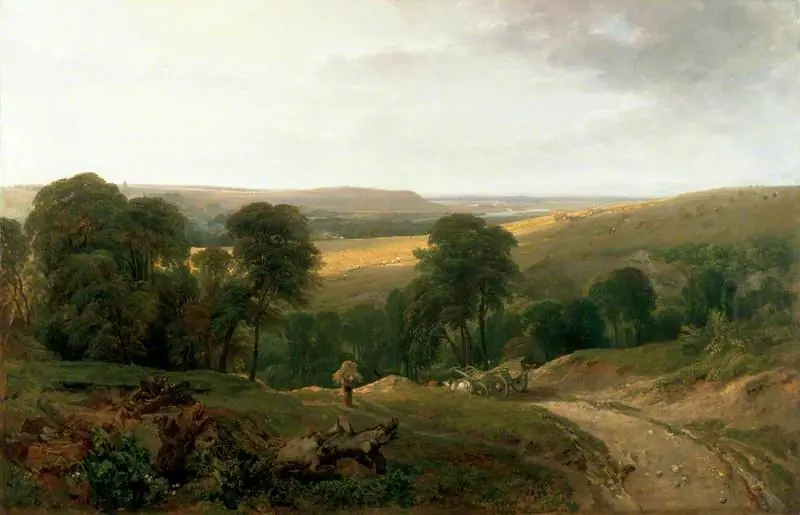
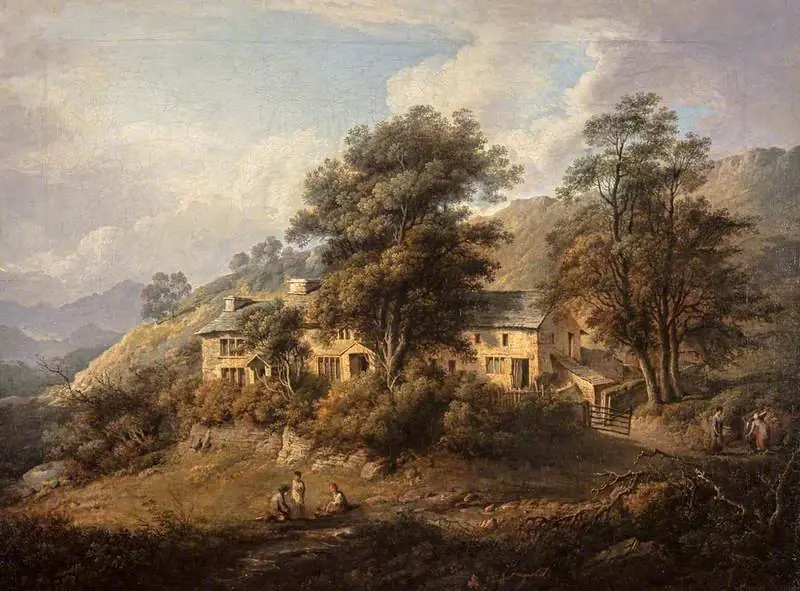
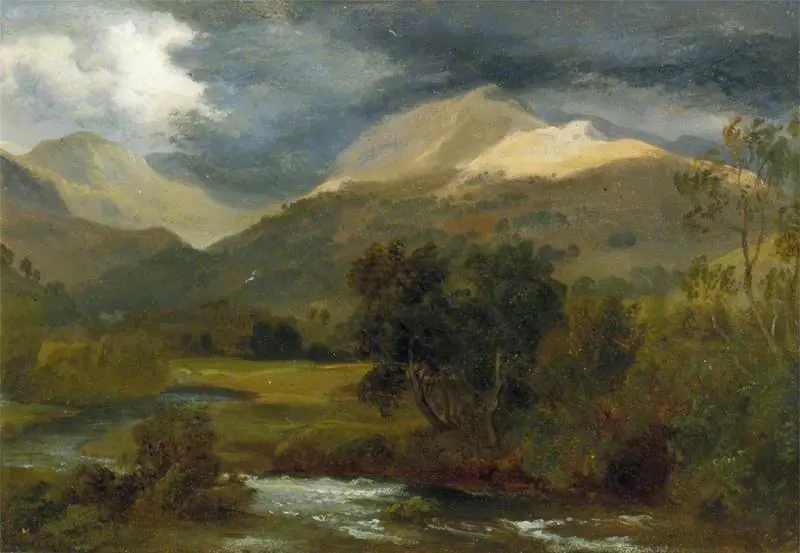
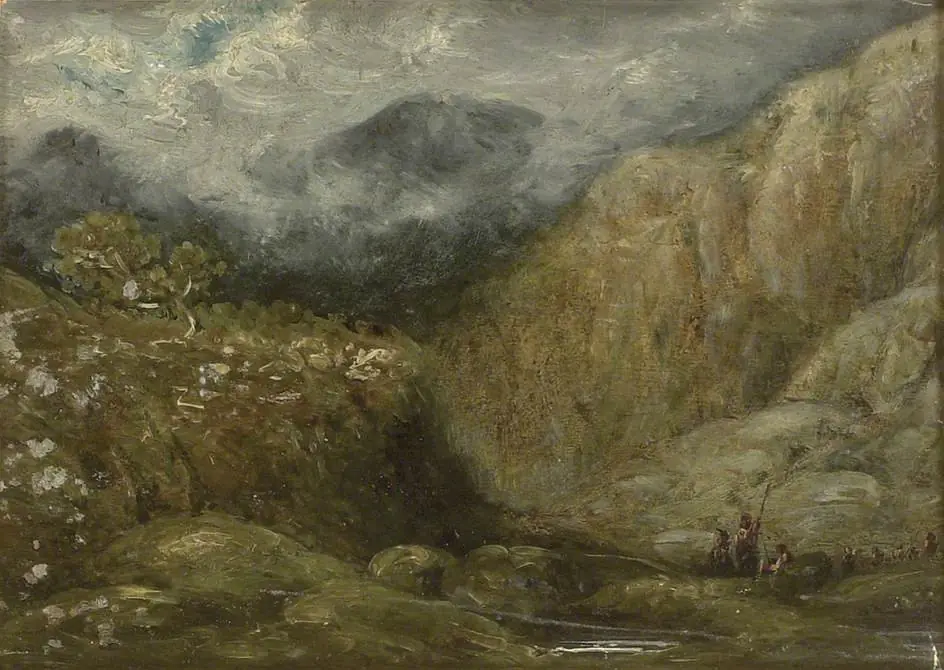
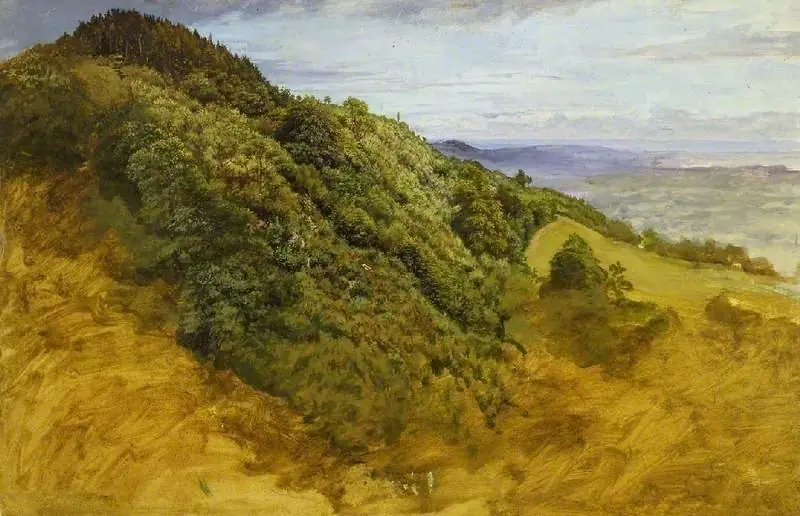
Landscape with a River Valley is an oil painting by Unknown. It dates from 1830 and is held in the collection of the Ashmolean Museum. This oil painting depicts a quiet river valley surrounded by gentle hills and scattered vegetation.
About this work
Overview
The composition emphasizes stillness through balanced horizontals and a soft color palette dominated by earth tones.
This oil painting depicts a quiet river valley surrounded by gentle hills and scattered vegetation. The composition emphasizes stillness through balanced horizontals and a soft color palette dominated by earth tones. Visible brushwork suggests a deliberate handling of paint, contributing to a tactile surface that enhances the sense of natural atmosphere without dramatic contrast or focal intensity.
Subject & Meaning
The scene presents an unpopulated rural landscape, with modest buildings and open fields suggesting human presence without narrative intrusion. There is no indication of labor or activity, reinforcing a mood of quiet endurance rather than celebration or drama. The absence of figures invites contemplation, positioning nature as a silent, enduring backdrop to human habitation.
Technique & Style
Oil paint is applied with varied brushstrokes—some smooth for distant hills, others more textured for foreground foliage. The medium allows subtle transitions between tones, creating depth without sharp lines. Light is diffused evenly, avoiding strong chiaroscuro; instead, the atmosphere is rendered through tonal gradations and muted hues that unify the entire scene.
History & Provenance
The painting’s origin and early ownership are not documented in available records. Its style aligns with 19th-century European landscape traditions, though no specific artist or date is confirmed. It has remained in private or institutional collections without public exhibition history, limiting broader scholarly engagement.
Context
Created during a period when landscape painting increasingly valued mood over topographical accuracy, this work reflects a broader trend toward introspective naturalism. It shares affinities with regional schools that favored subdued palettes and quiet compositions, diverging from Romantic grandeur or Impressionist fragmentation in favor of restrained harmony.
Legacy
Though not widely reproduced or studied, the painting contributes to a quieter lineage of landscape art that prioritizes atmosphere over spectacle. Its persistence in collections suggests ongoing appreciation for understated naturalism, offering a counterpoint to more dramatic interpretations of the rural environment.
Artist & collection

 Domestic Scene
 Giacomo and Cardinal Marco, investing Andrea, Abbot of San Zeno, with his Benefice
 The Nymph of Fontainebleau
 Portrait of a Woman
 Madonna and Child with Saints in the Enclosed Garden
 Venus and Minerva
 Family Group of Four on Sofa
 Wall painting from Room H of the Villa of P. Fannius Synistor at Boscoreale