Artwork
Caritas Romana
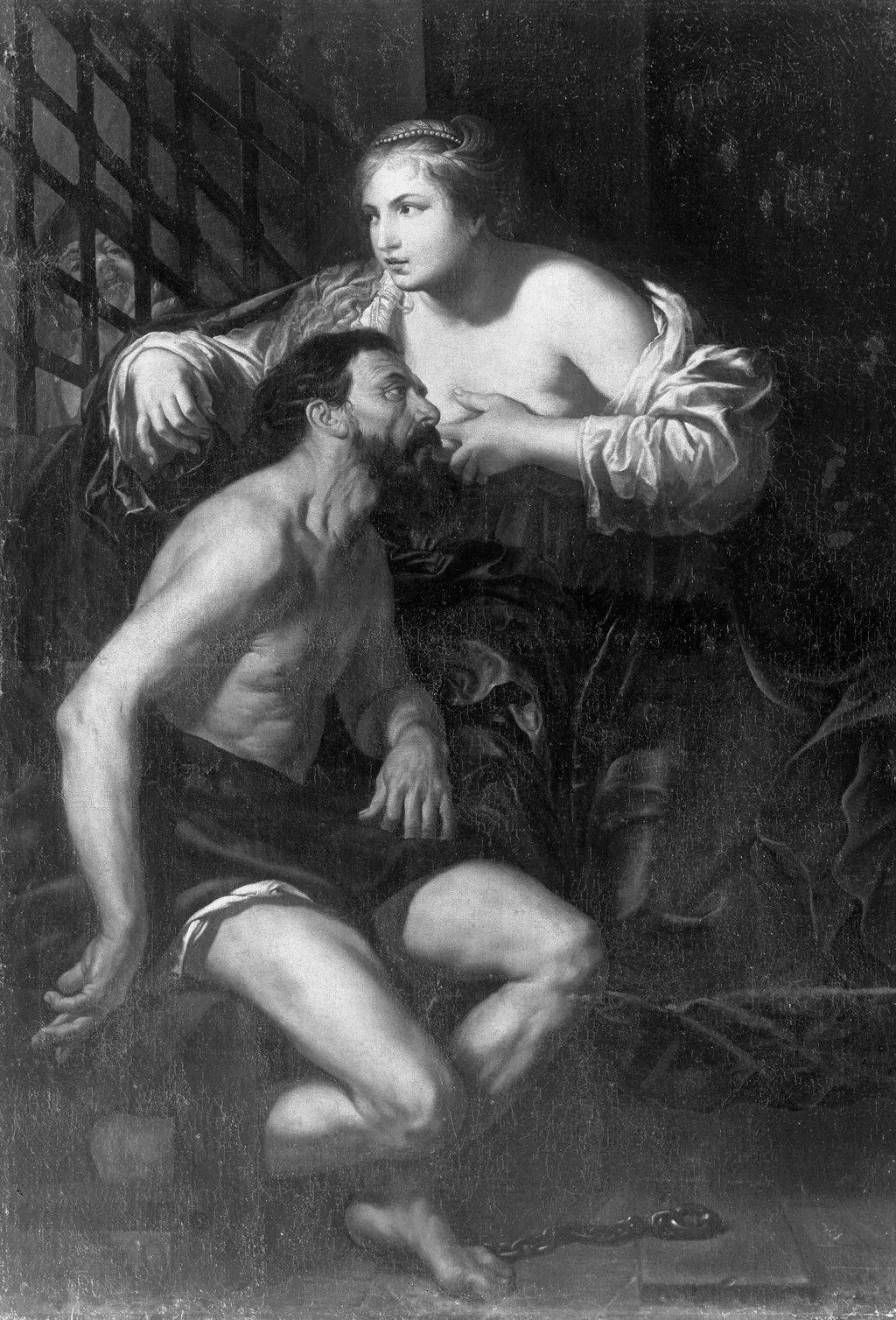
Caritas Romana is a paint painting by the Early Baroque Italian artist Unknown. It dates from 1650 and is held in the collection of the Gemäldegalerie Berlin. This oil painting depicts a quiet, intimate scene in a dimly lit interior.
About this work
Overview
This oil painting depicts a quiet, intimate scene in a dimly lit interior. A woman stands upright while a man kneels before her, his gaze directed upward. Her gesture—offering her breast—suggests an act of nurturing or sacrifice. The composition is dominated by deep shadows and stark contrasts of light, drawing attention to the figures’ physical and emotional connection.
Subject & Meaning
The scene illustrates the Roman legend of Caritas Romana, in which a daughter feeds her imprisoned father with her own milk to save his life. The act symbolizes filial devotion transcending societal norms. The woman’s calm demeanor and the man’s reverent posture convey dignity in hardship, transforming a moment of desperation into a quiet testament of loyalty.
Technique & Style
The artist employs chiaroscuro to heighten emotional tension, using deep, velvety shadows to isolate the figures against an unseen background. Light falls sharply across their forms, modeling flesh and fabric with precision. The restrained palette and minimal detail focus attention on gesture and expression, reinforcing the narrative’s gravity through visual economy.
History & Provenance
Painted in the early 17th century, the work is attributed to a follower of Caravaggio’s school, likely created in Italy or the Spanish Netherlands. Its early ownership remains undocumented, but its subject matter aligns with Counter-Reformation interests in moral virtue and familial piety. It entered a public collection in the late 19th century, where it has remained since.
Context
During the Baroque period, religious and mythological themes were often used to explore human emotion and ethical ideals. The story of Caritas Romana, though pagan in origin, was embraced by Catholic audiences as an allegory of selfless love. Artists used such narratives to engage viewers emotionally, aligning classical tales with contemporary spiritual values.
Legacy
The painting contributes to a small but persistent tradition of depicting Caritas Romana in European art, emphasizing maternal sacrifice over heroic grandeur.
The painting contributes to a small but persistent tradition of depicting Caritas Romana in European art, emphasizing maternal sacrifice over heroic grandeur. Its restrained composition and psychological depth influenced later genre scenes that prioritized quiet human moments over dramatic spectacle. It remains a reference for studies of Baroque narrative painting and the use of light to convey moral weight.
Artist & collection

 Domestic Scene
 Giacomo and Cardinal Marco, investing Andrea, Abbot of San Zeno, with his Benefice
 The Nymph of Fontainebleau
 Portrait of a Woman
 Madonna and Child with Saints in the Enclosed Garden
 Venus and Minerva
 Family Group of Four on Sofa
 Wall painting from Room H of the Villa of P. Fannius Synistor at Boscoreale
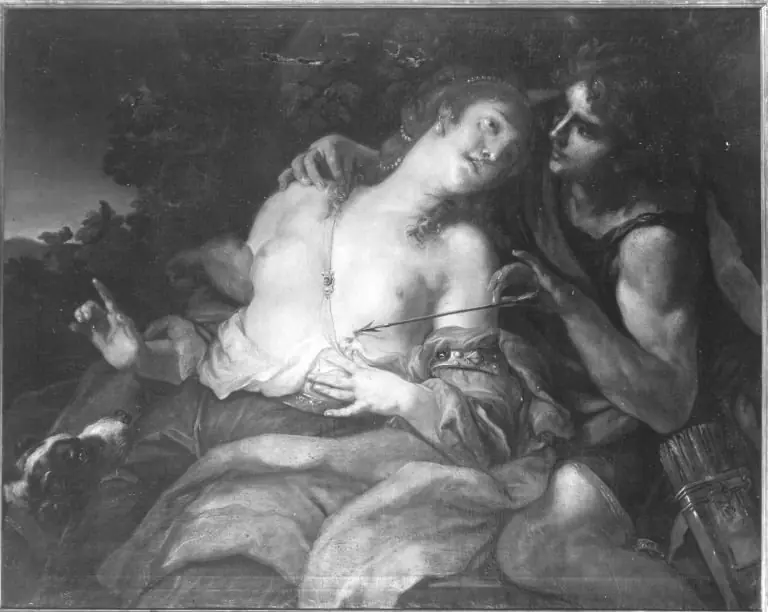 Cephalus und Procris
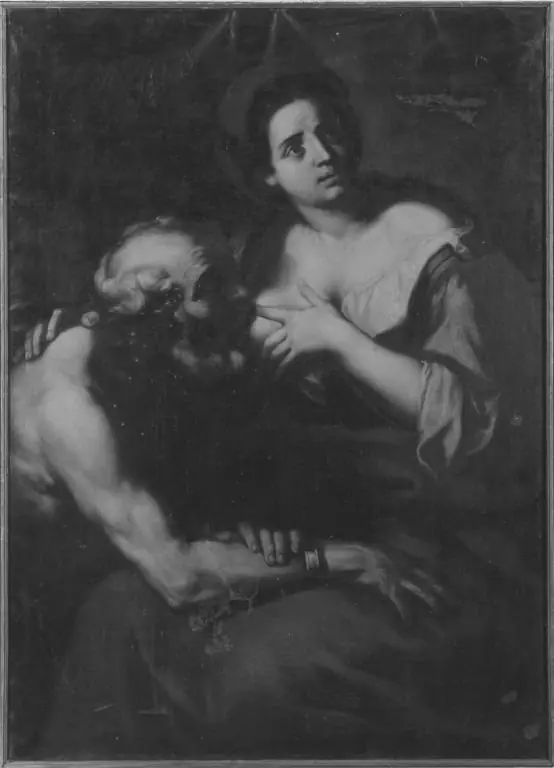 Cimon und Pera
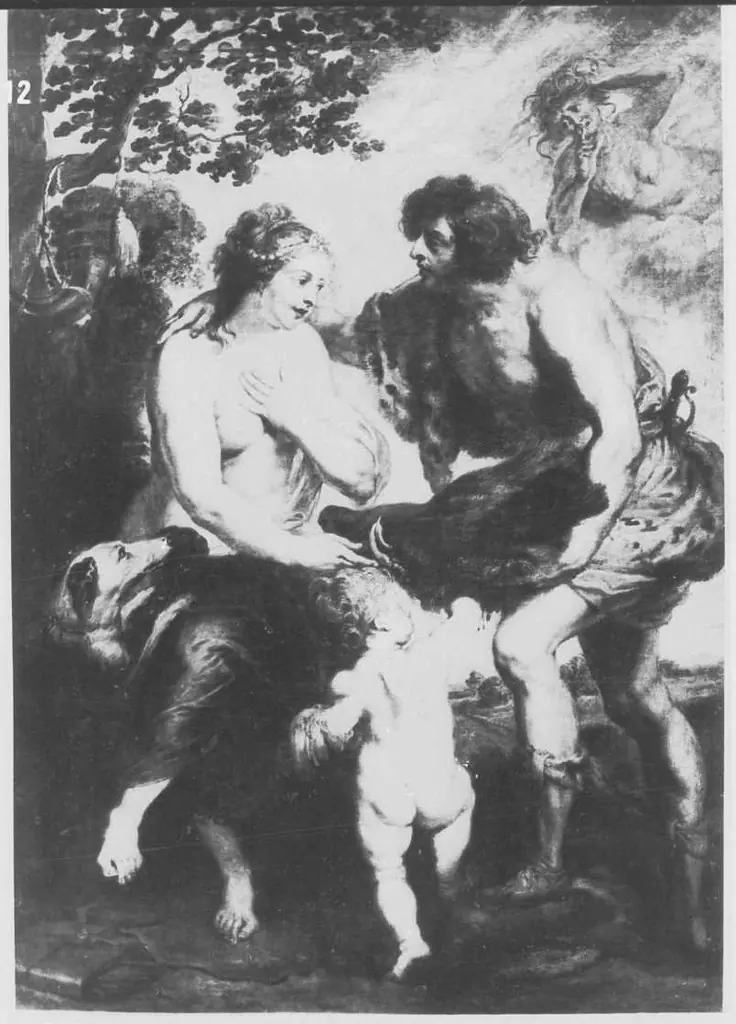 Meleager and Atalanta
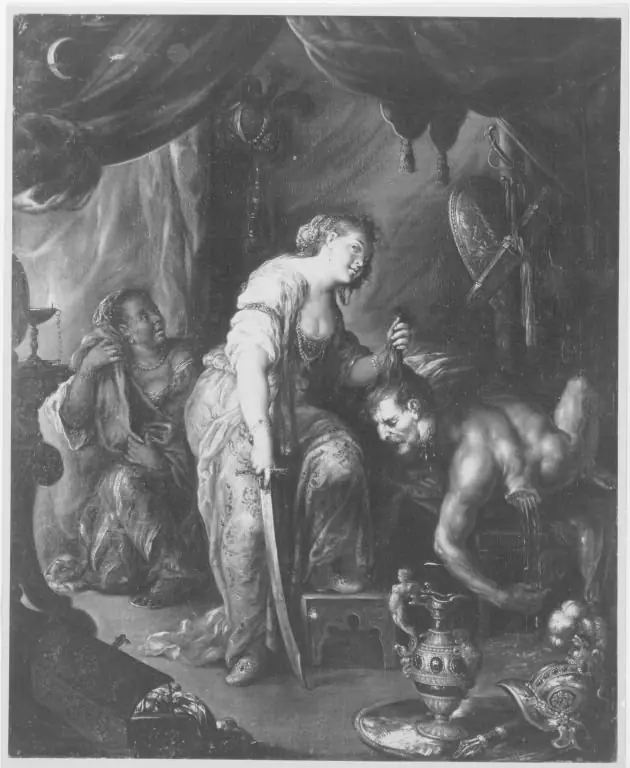 Judith und Holofernes
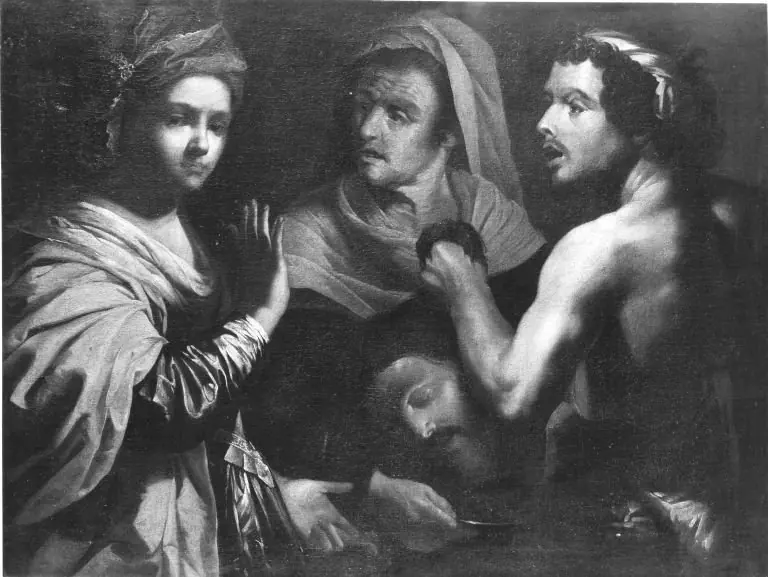 Enthauptung Johannes des Täufers
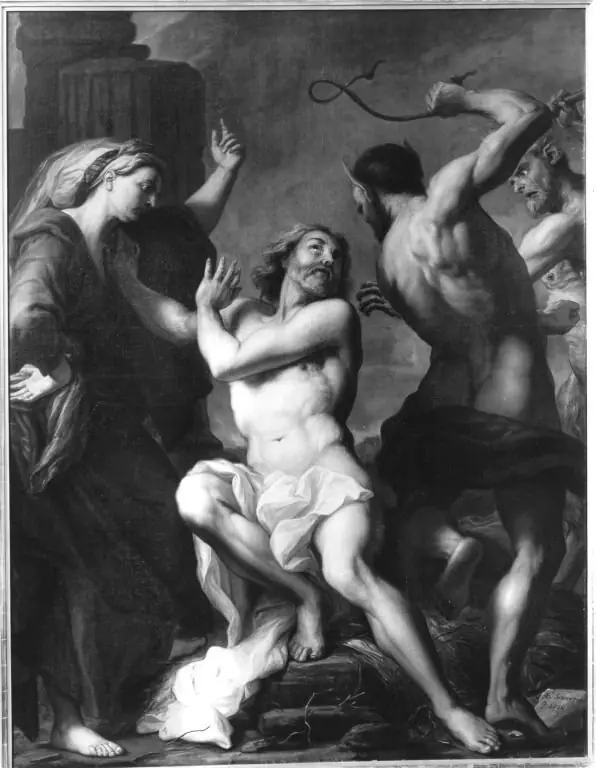 Hiobs Leiden
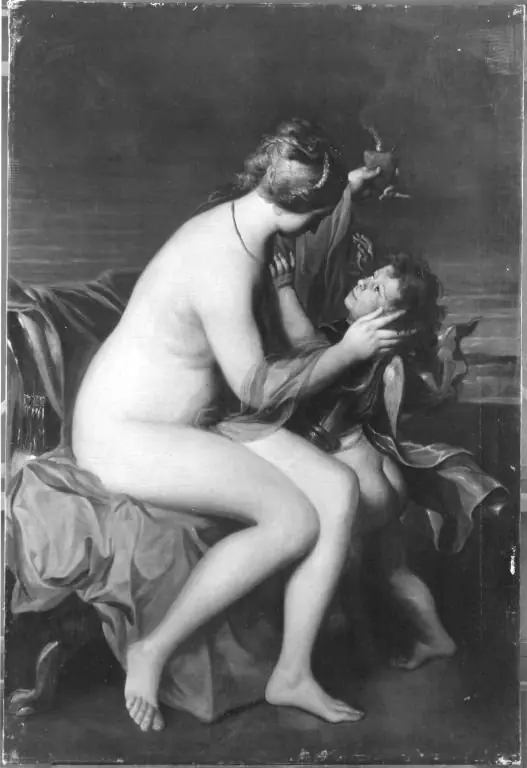 Venus und Amor (Allegorie der Liebe)
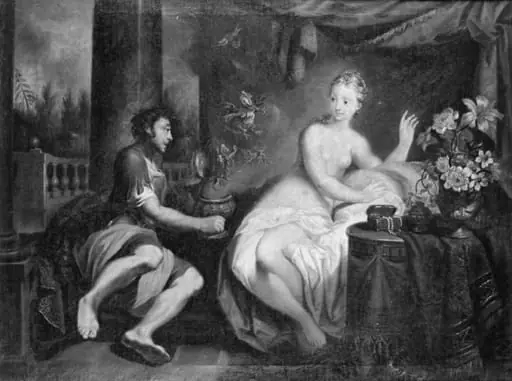 Epimetheus Opening Pandora's Box
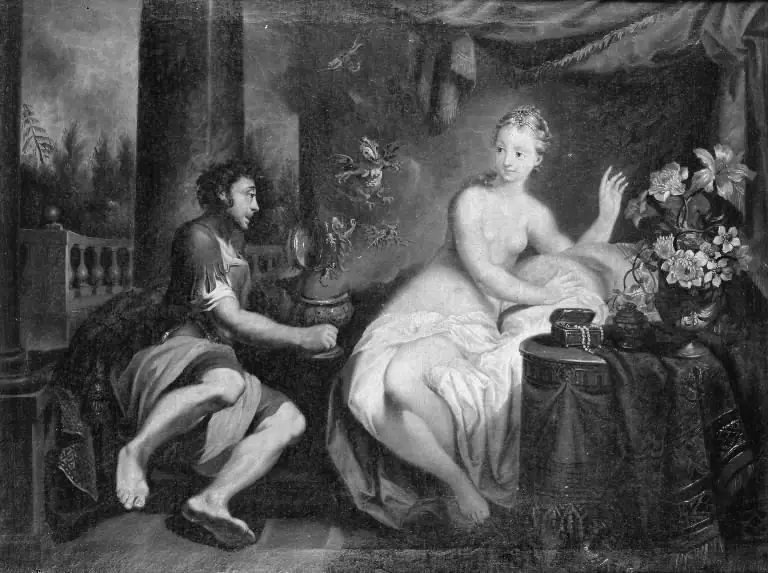 Epimetheus Opening Pandora's Box
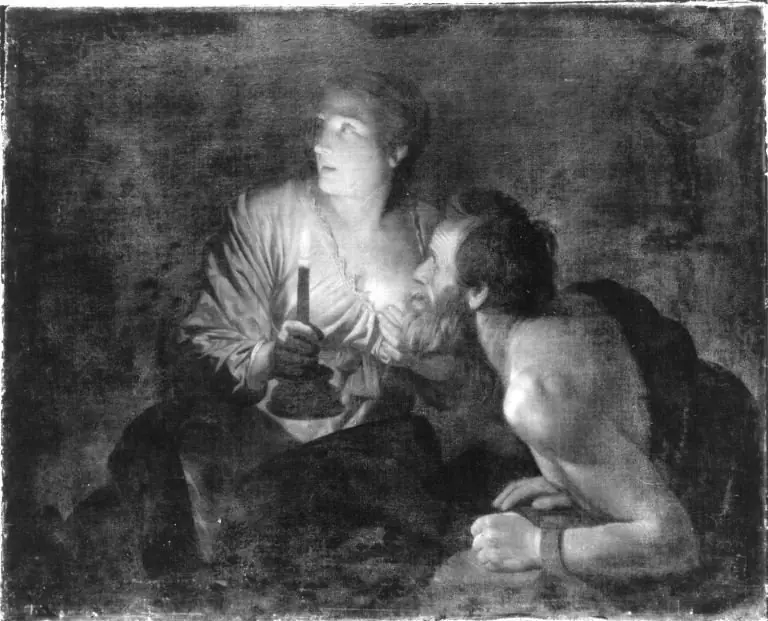 Cimon and Pero
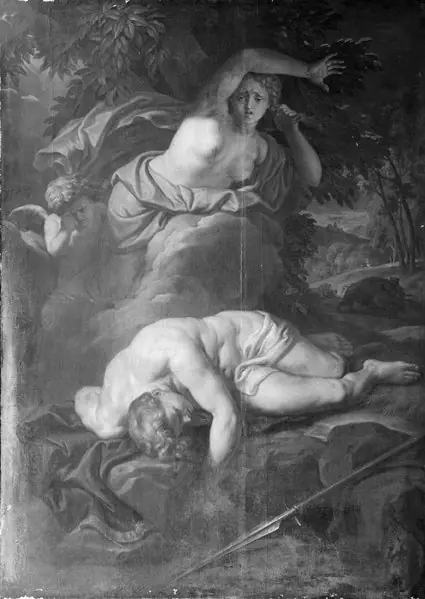
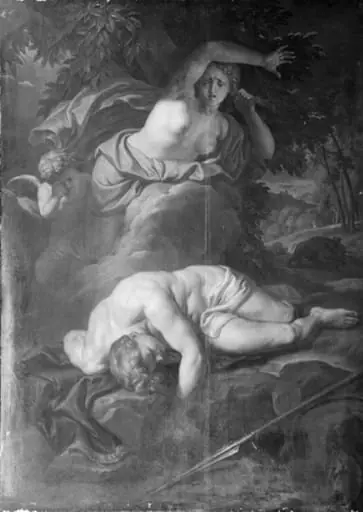 Venus Weeping over the Slain Adonis
 Venus Weeping over the Slain Adonis