Artwork
Judith und Holofernes
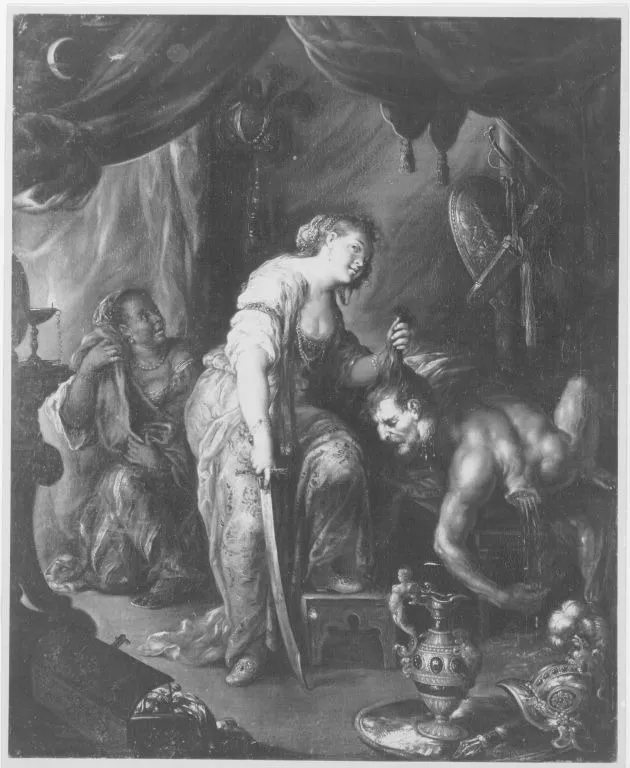
Judith und Holofernes is an unspecified painting by the Rococo painting artist Franz Xaver Wagenschön. It dates from 1758 and is held in the collection of the Bavarian State Painting Collections.
About this work
Overview
Franz Xaver Wagenschön’s 1758 canvas, *Judith und Holofernes*, presents a dramatic biblical episode rendered in the decorative yet emotionally charged language of the late Rococo. The painting is part of the Alte Pinakothek’s holdings, offering a glimpse into the artist’s synthesis of theatricality and emerging Neoclassical restraint.
Subject & Meaning
The composition captures the moment after Judith has beheaded the Assyrian general Holofernes. She stands poised with a sword, while a second female figure kneels nearby, both bathed in a tense stillness that underscores themes of virtue, courage, and divine justice as interpreted in 18th‑century religious art.
Technique & Style
Wagenschön employs a pronounced chiaroscuro, allowing light to strike the faces and hands while the surrounding interior recedes into shadow. The contrast highlights the textures of sumptuous garments and metallic objects, such as a gleaming vase and a discarded helmet, reinforcing the scene’s theatrical intensity within a Rococo aesthetic.
History & Provenance
Born in Bohemia and later active in Vienna, Wagenschön worked across the German‑Austrian cultural sphere. *Judith und Holofernes* entered the Alte Pinakothek’s collection, where it remains displayed among other works that trace the artist’s career and the broader transition from Rococo ornamentation to early Neoclassical clarity.
Artist & collection
Artist
Franz Xaver Wagenschön (2 September 1726, Littisch, Bohemia (now Litíč, Czech Republic) – 1 January 1790, Vienna) was a German Bohemian painter of the Rococo and Neoclassical styles.


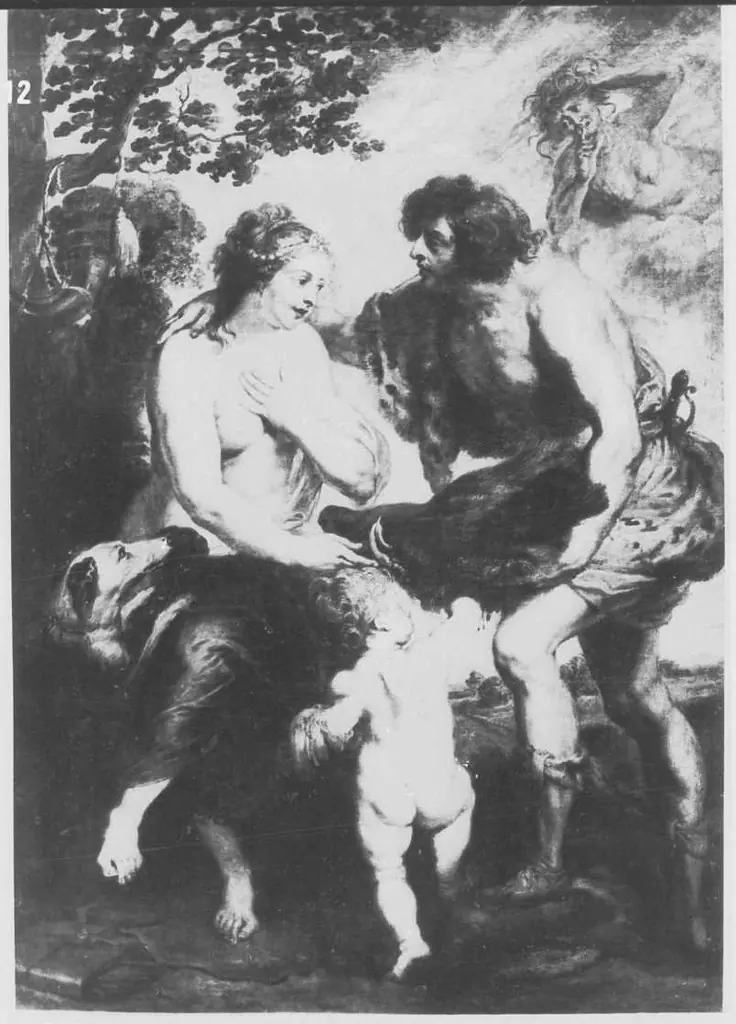 Meleager and Atalanta
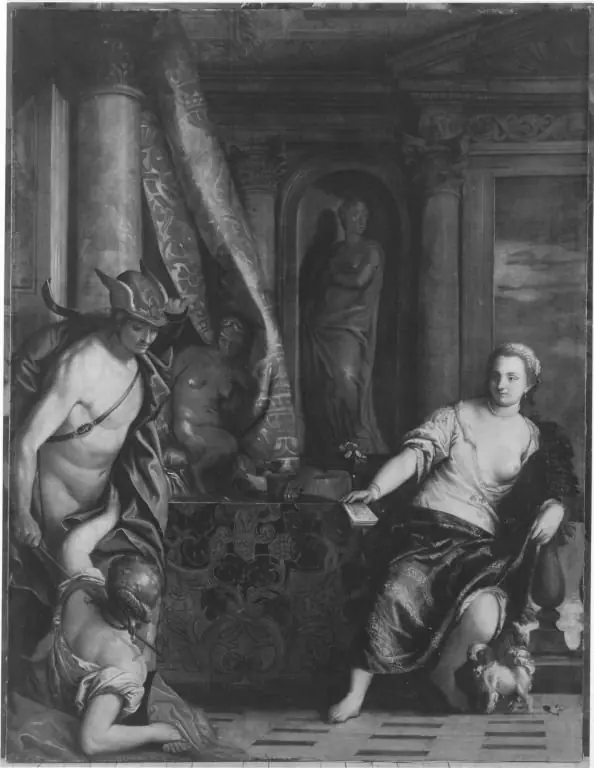 Merkur, Herse und Aglauros
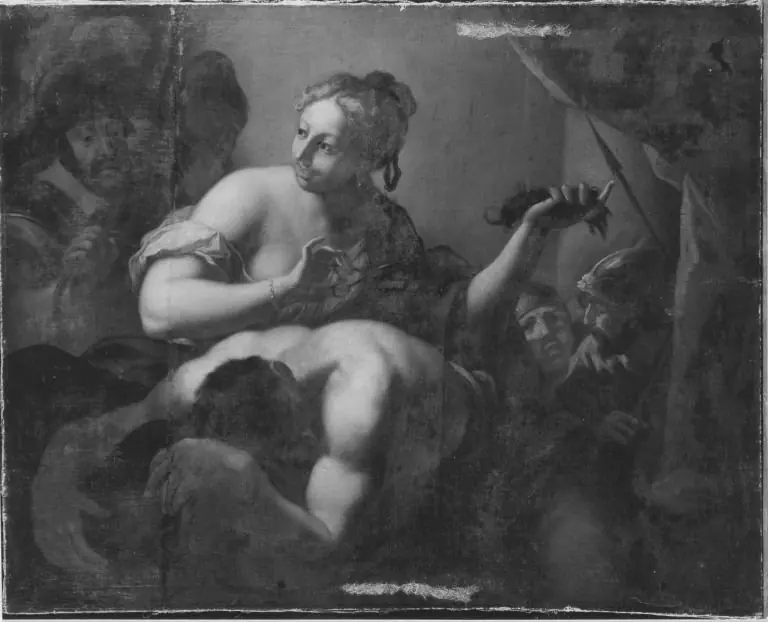 Simson und Delila
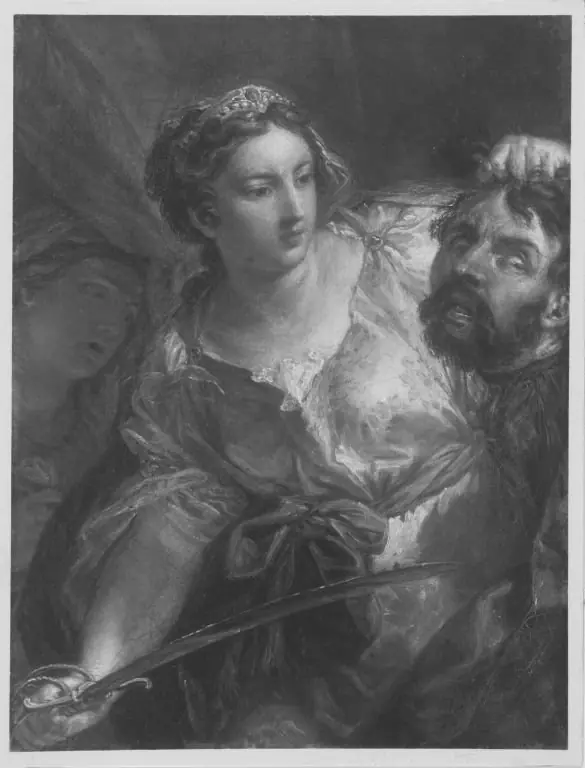 Judith mit dem Haupt des Holofernes
 Judith with the Head of Holofernes
 Epimetheus Opening Pandora's Box
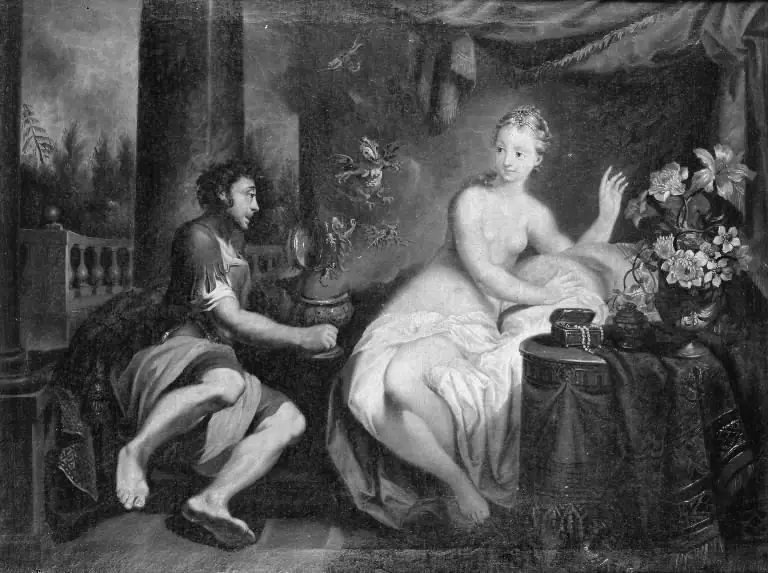 Epimetheus Opening Pandora's Box
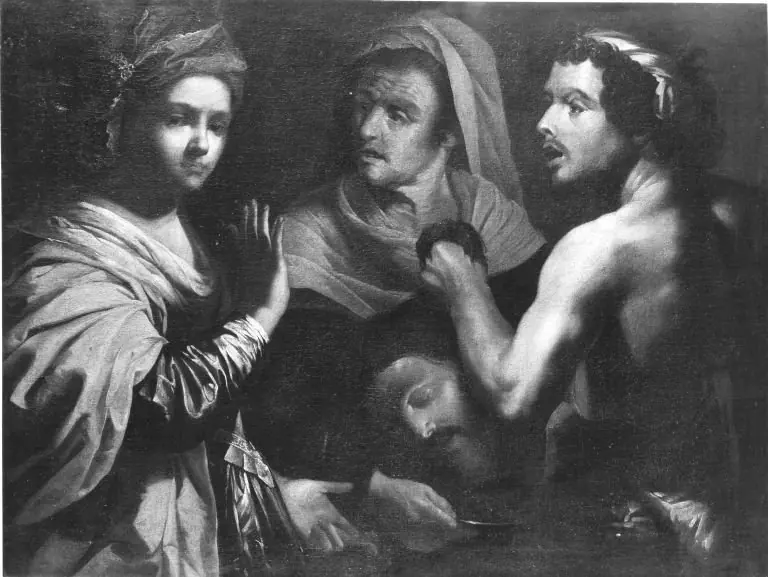 Enthauptung Johannes des Täufers
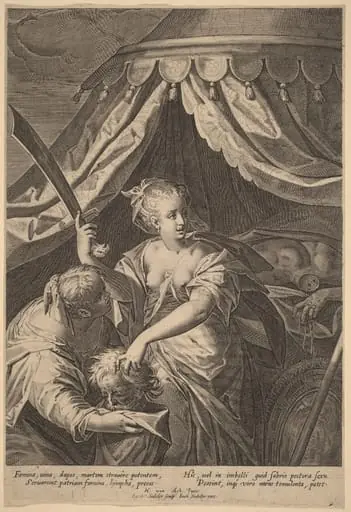 Judith with the Head of Holofernes
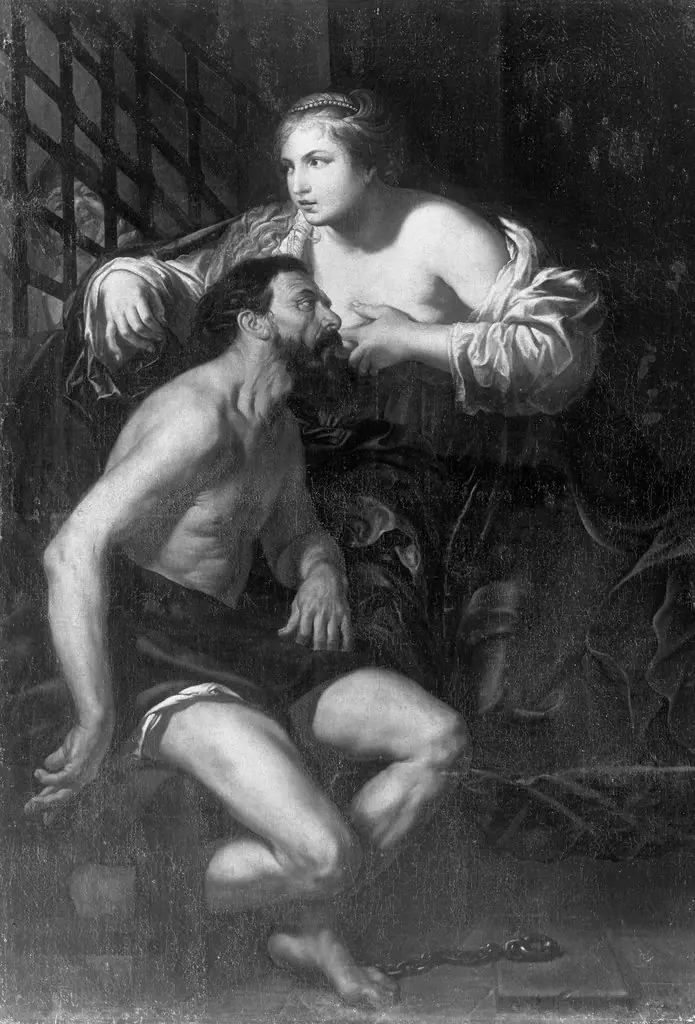 Caritas Romana
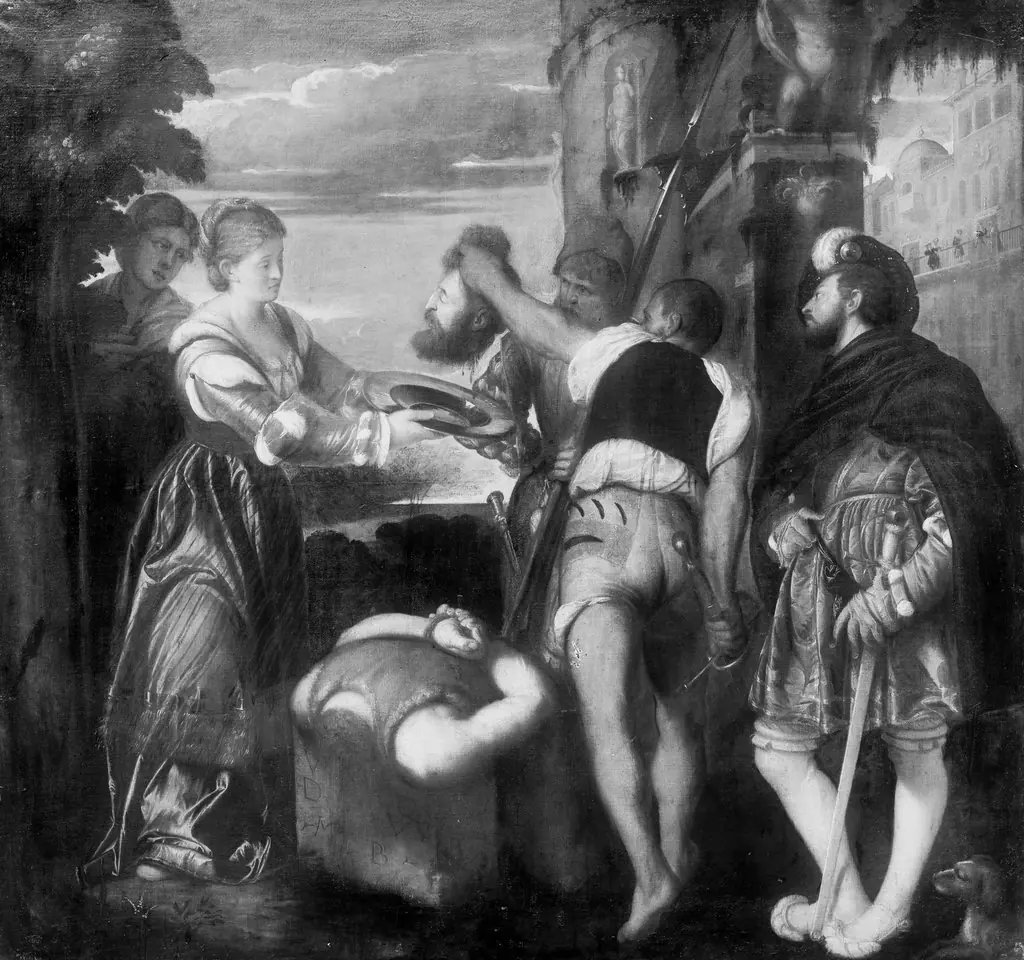 Beheading of John the Baptist