Artwork
Cavalry Battle with Fallen Warrior
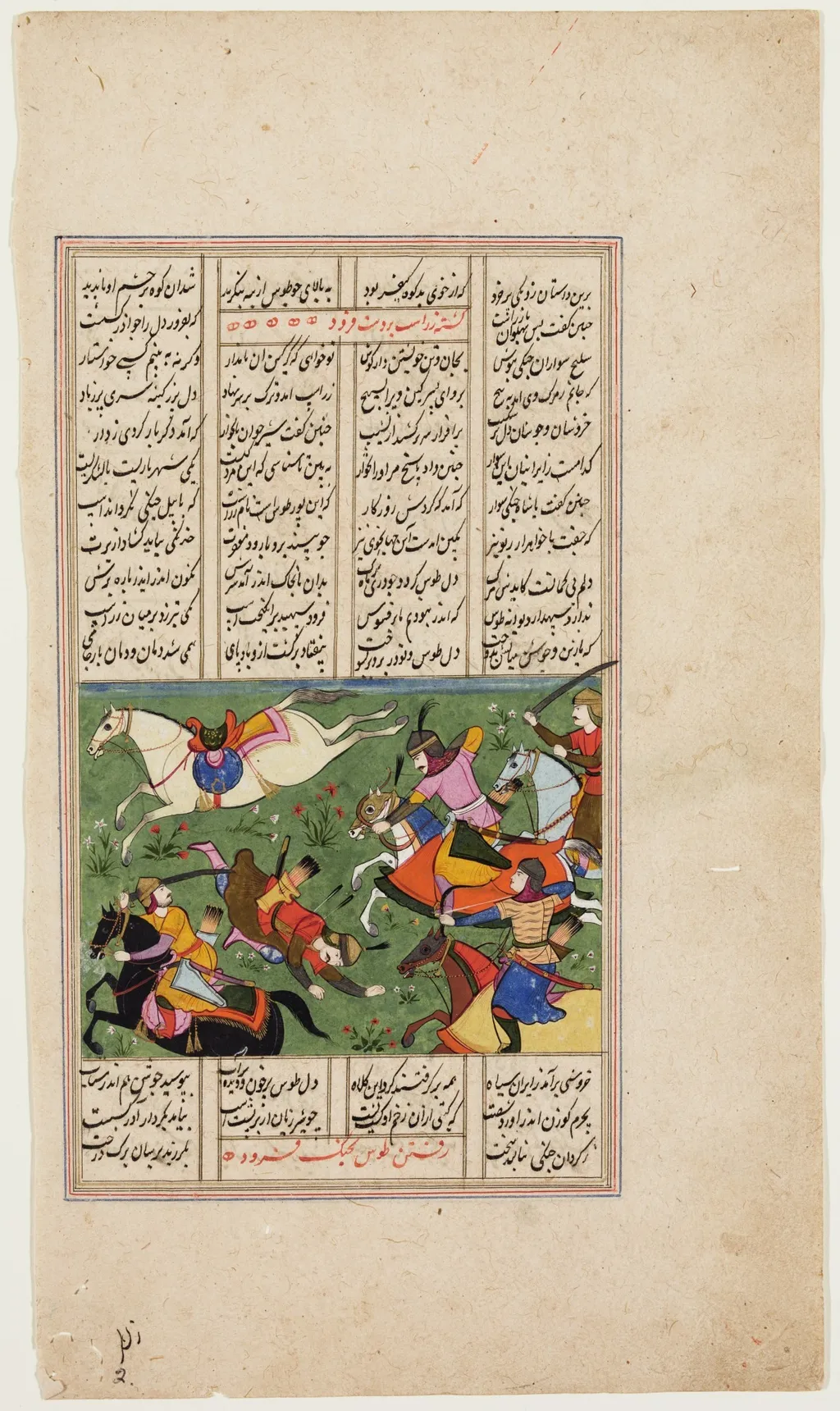
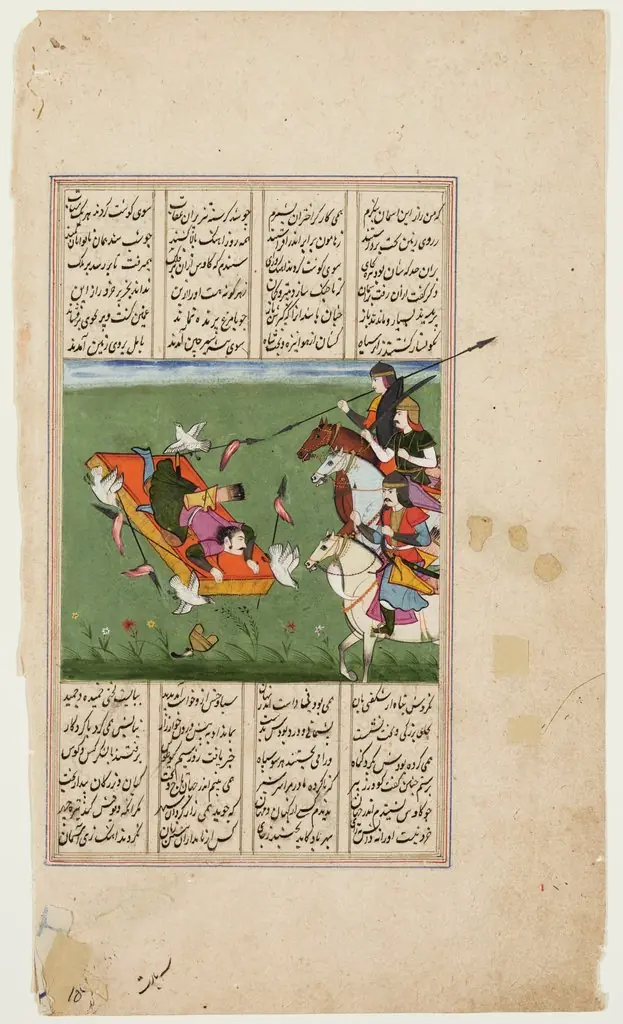
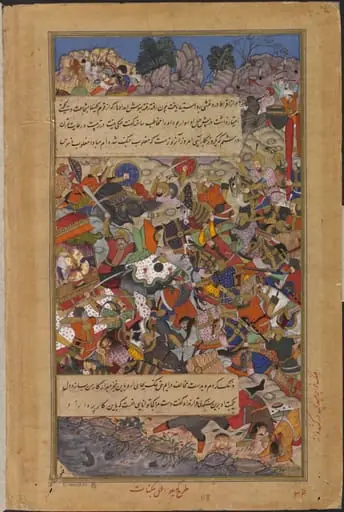
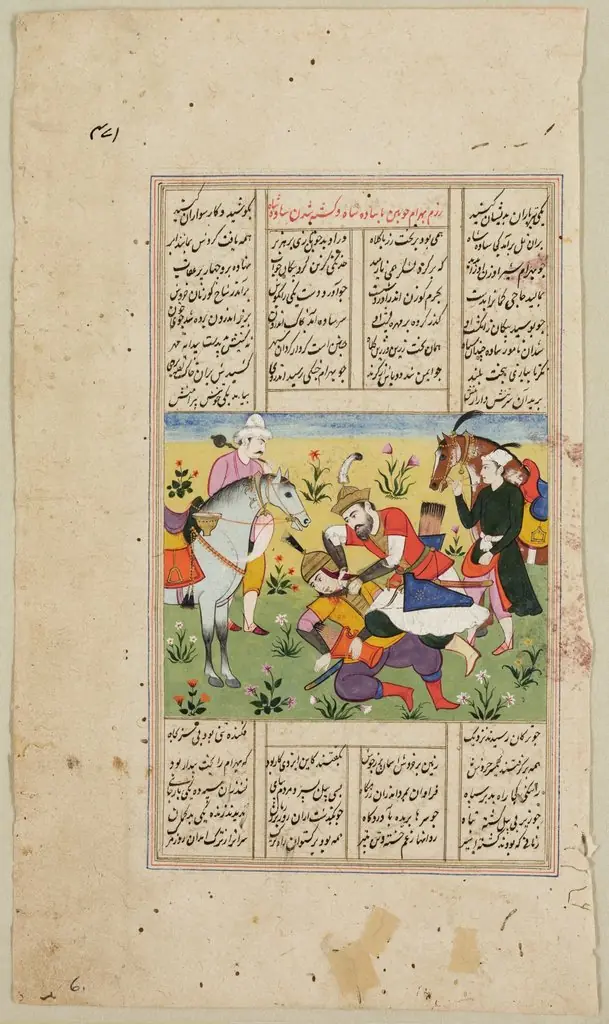
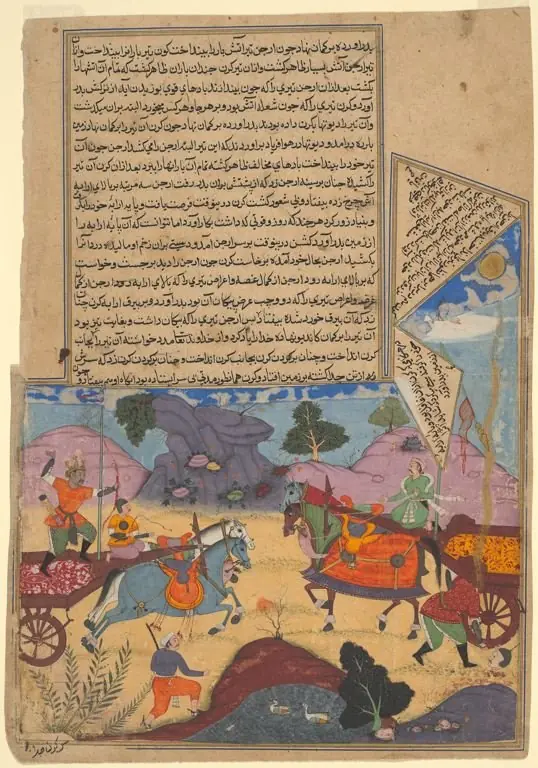
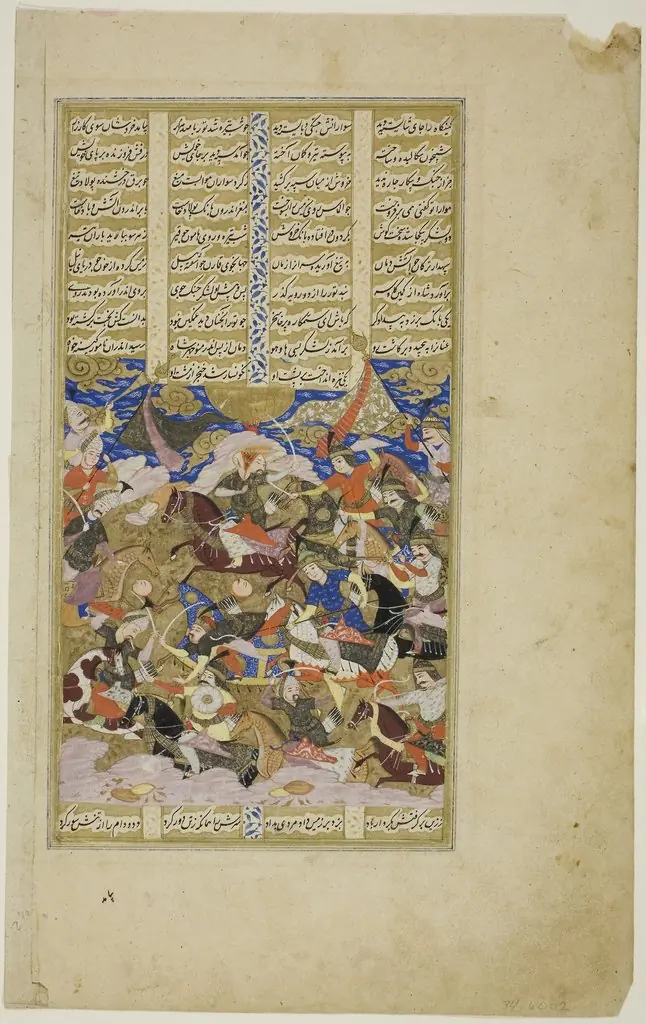
Cavalry Battle with Fallen Warrior is an unspecified painting by the Flemish Baroque painting artist Unknown. It dates from 1620 and is held in the collection of the Detroit Institute of Arts. This painting captures a moment of violent conflict among mounted soldiers on an open, grassy plain.
About this work
Overview
A band of inscribed script runs across the upper portion, its language undeciphered in the available records, introducing an enigmatic layer to the narrative.
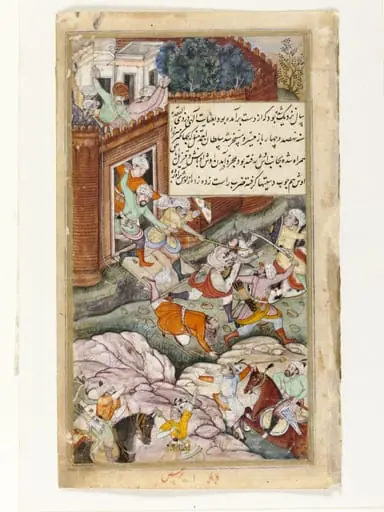
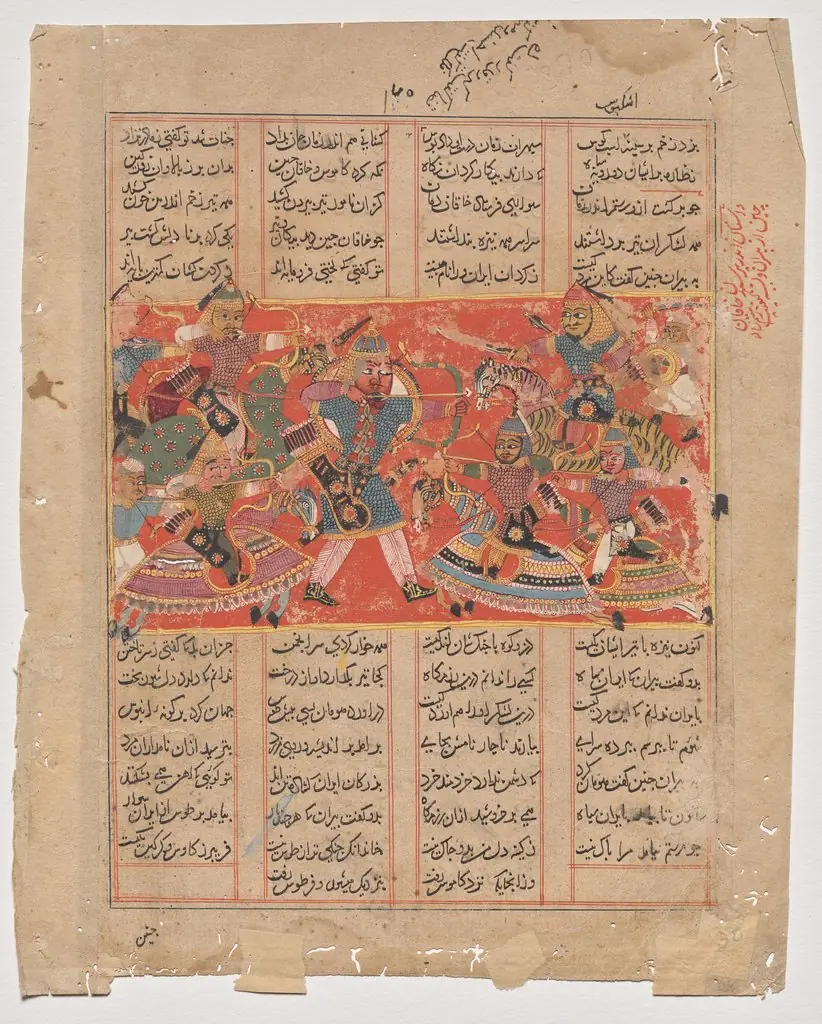
This painting captures a moment of violent conflict among mounted soldiers on an open, grassy plain. The composition is densely packed with motion—horses rearing, weapons raised, and a fallen warrior at the center. A band of inscribed script runs across the upper portion, its language undeciphered in the available records, introducing an enigmatic layer to the narrative. The vivid palette and energetic brushwork emphasize the turbulence of the scene.
Subject & Meaning
The scene portrays a cavalry engagement, likely drawn from historical or mythological warfare, though no specific event is confirmed. The fallen warrior, central yet isolated, suggests themes of loss or fate amid chaos. The presence of untranslated text implies a cultural or ritual context, possibly referencing a source narrative or symbolic inscription. The ambiguity of the script resists definitive interpretation, leaving the story open to speculation.
Technique & Style
The artist employs bold, contrasting colors to heighten the drama of the battle, with greens and earth tones grounding the scene while bright accents draw attention to movement and weaponry. Dynamic diagonals and overlapping figures create a sense of urgency and spatial compression. Brushwork is loose yet purposeful, conveying motion through swift strokes rather than precise detail, prioritizing emotional impact over realism.
History & Provenance
The painting’s origin and early ownership remain undocumented. No records link it to a known artist or collection prior to its modern appearance. The style suggests a 19th-century European interpretation of historical combat, possibly influenced by Orientalist or Romantic traditions. Its current location and acquisition history are not publicly detailed, contributing to its obscurity.
Context
During the 19th century, depictions of battle scenes were common in European art, often romanticizing warfare or drawing from non-Western histories. This work aligns with that trend, though its inclusion of untranslated script distinguishes it from typical military paintings. It may reflect contemporary fascination with exoticized or forgotten cultures, blending historical imagination with visual spectacle.
Legacy
The painting has not been widely exhibited or studied, and it remains outside major art historical narratives. Its unresolved textual element and lack of clear attribution have limited scholarly engagement. Nevertheless, its visceral composition continues to attract attention for its emotional intensity and the quiet mystery introduced by its enigmatic inscription.
Artist & collection

 Domestic Scene
 Giacomo and Cardinal Marco, investing Andrea, Abbot of San Zeno, with his Benefice
 The Nymph of Fontainebleau
 Portrait of a Woman
 Madonna and Child with Saints in the Enclosed Garden
 Venus and Minerva
 Family Group of Four on Sofa
 Wall painting from Room H of the Villa of P. Fannius Synistor at Boscoreale