Artwork
Tantric Manuscript "Sangrahani Sutra"
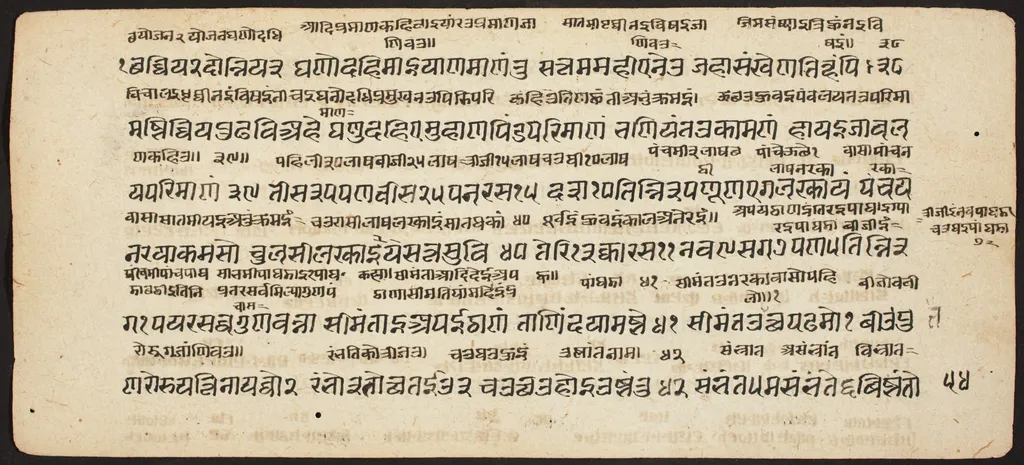
Tantric Manuscript "Sangrahani Sutra" is an unspecified painting by Unknown. It is held in the collection of the Detroit Institute of Arts.
About this work
Overview
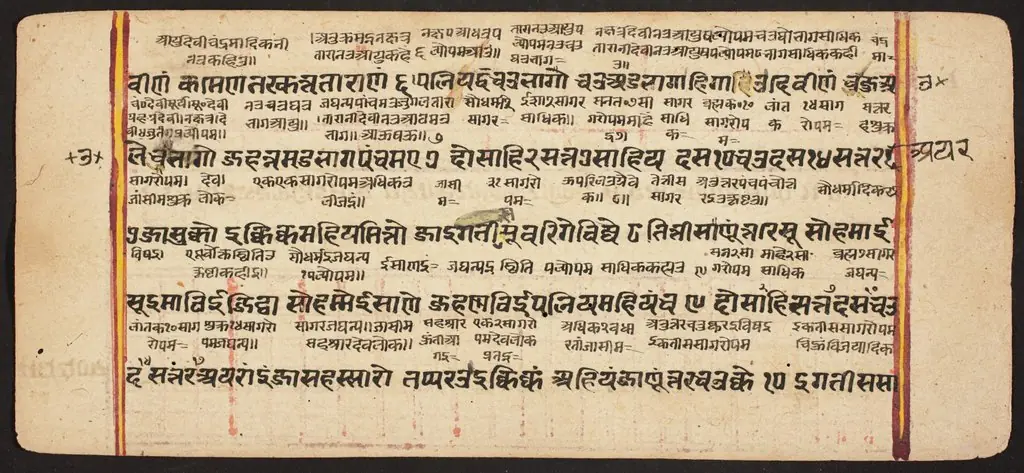
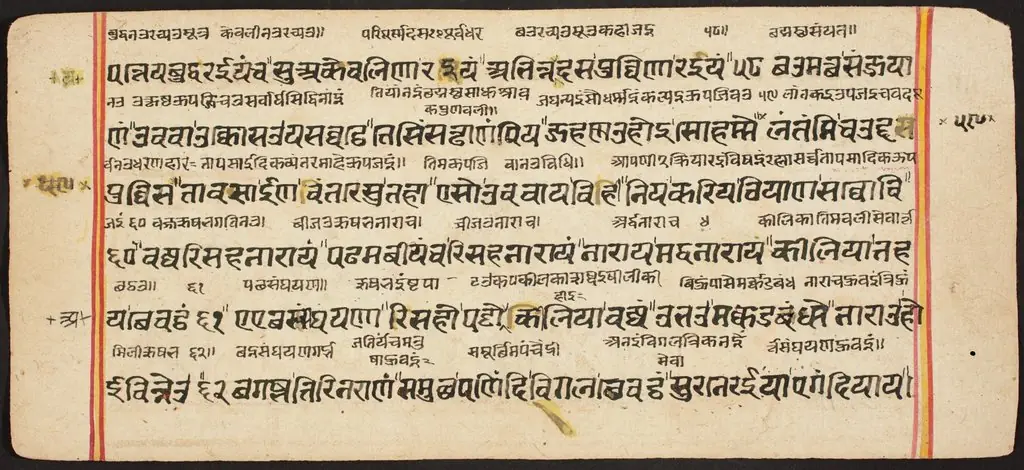
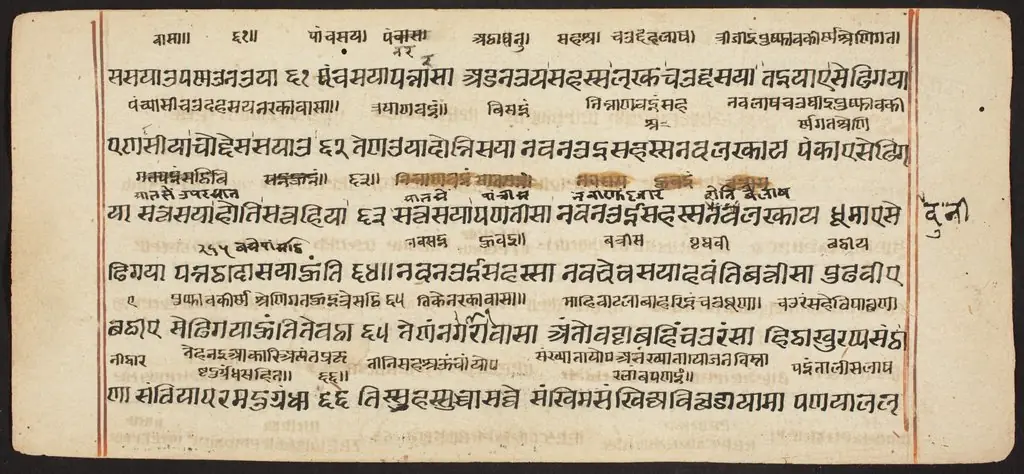
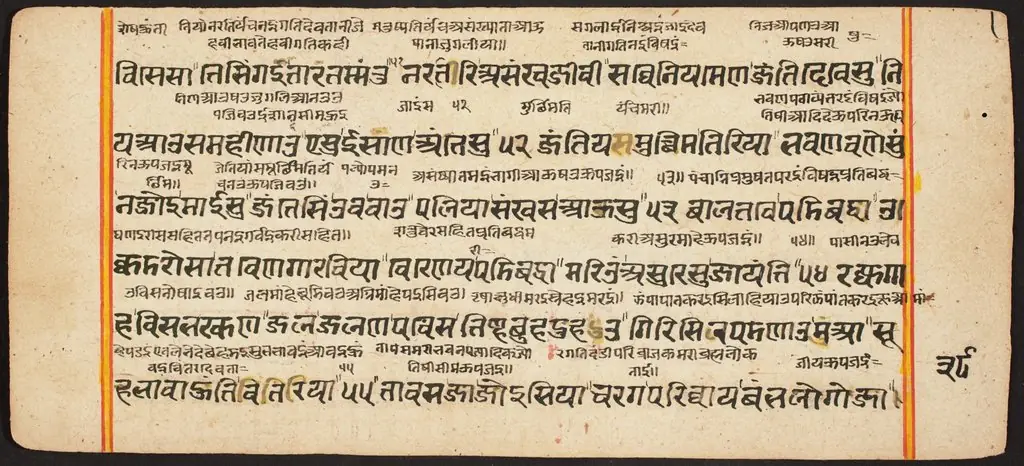
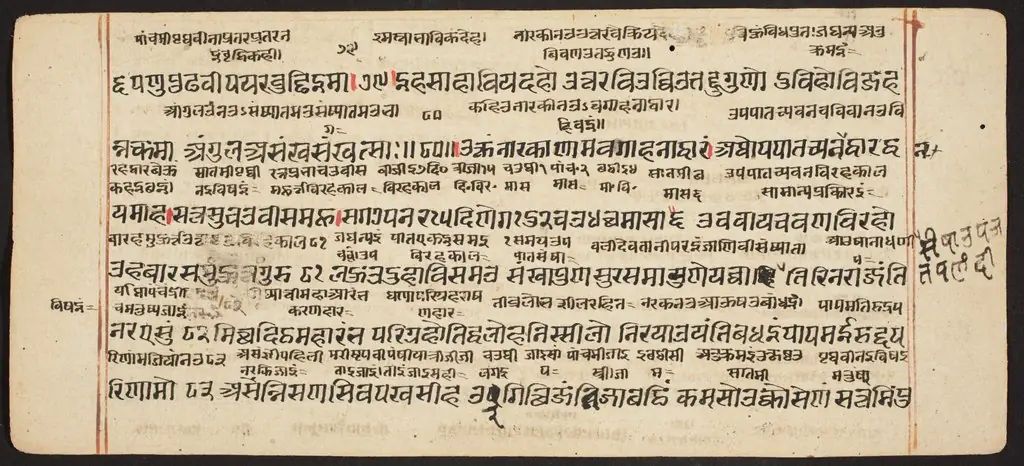
This page originates from a Tantric manuscript known as the Sangrahani Sutra, produced in a region where esoteric Buddhist traditions flourished.
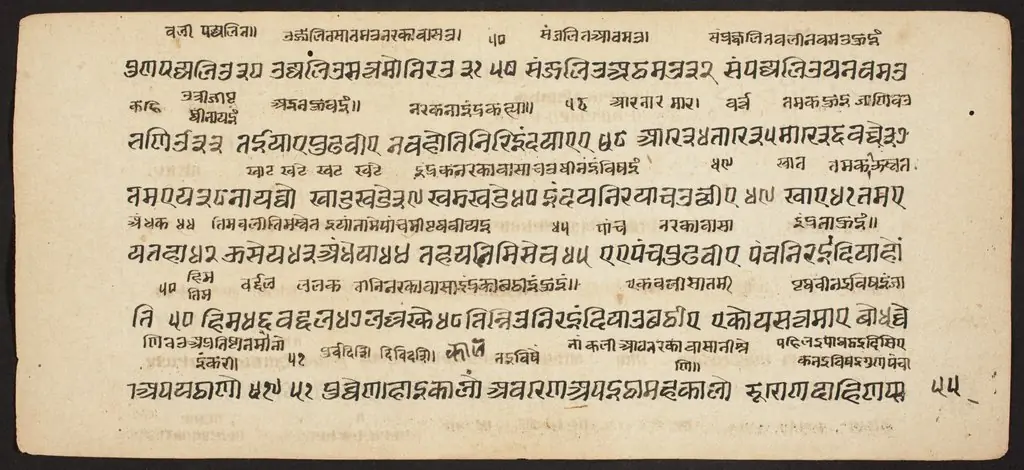
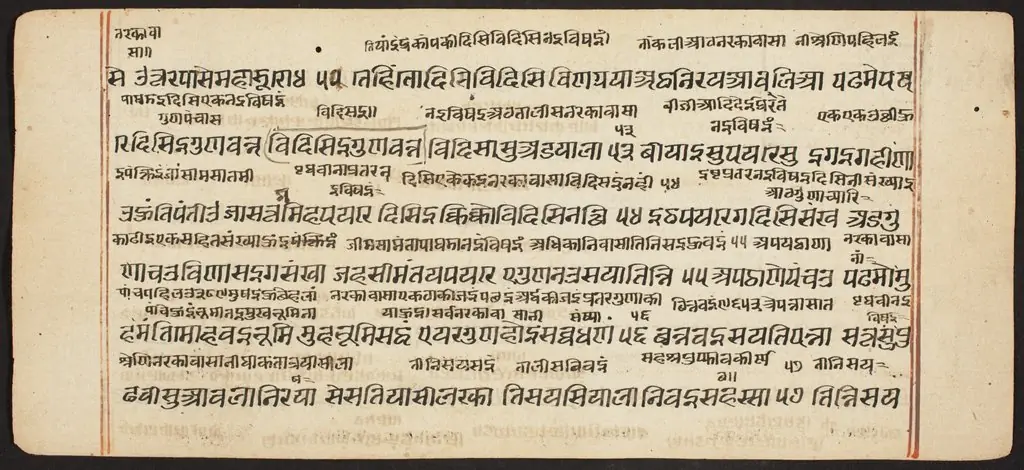
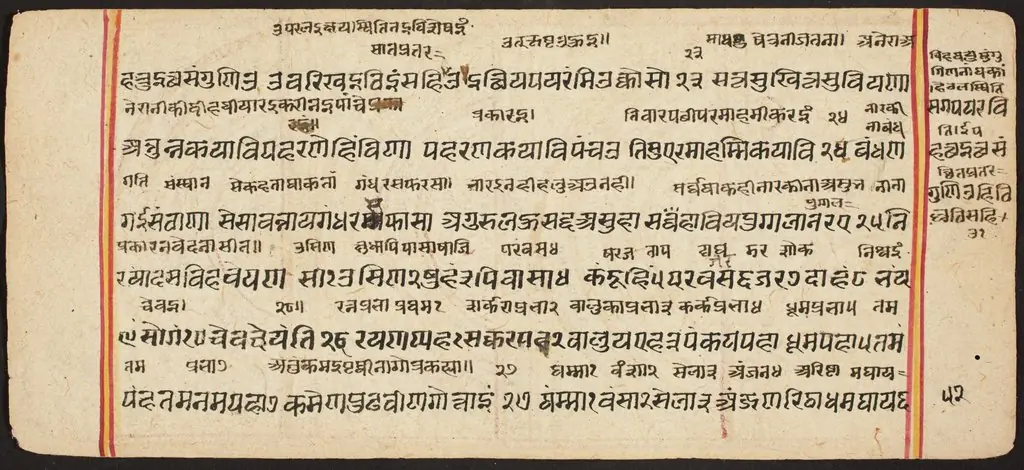
This page originates from a Tantric manuscript known as the Sangrahani Sutra, produced in a region where esoteric Buddhist traditions flourished. The surface is a muted beige, providing a quiet ground for dense script rendered in dark brown ink. No imagery appears; the visual impact arises entirely from the calligraphy’s rhythm and ornamentation, suggesting a devotional function tied to ritual recitation rather than iconographic instruction.
Subject & Meaning
The Sangrahani Sutra is a doctrinal text within certain Vajrayana Buddhist lineages, likely used in meditative or liturgical contexts. Its content, though undeciphered due to the unknown script, was intended to convey sacred teachings through repetition and visual solemnity. The absence of figures emphasizes the power of the written word itself as a vessel of spiritual authority, aligning with tantric principles that treat language as a transformative force.
Technique & Style
The script is meticulously executed with elaborate flourishes, suggesting the work of a highly trained scribe. Ink lines vary subtly in thickness, and decorative elements—loops, dots, and extended terminals—enhance the text’s visual cadence without distracting from legibility. The uniformity of spacing and the precision of each stroke indicate a disciplined, possibly monastic, production process, where aesthetic care served religious reverence.
History & Provenance
The manuscript page is held by the Detroit Institute of Arts, acquired as part of a broader collection of South and Southeast Asian religious artifacts. Its exact date and place of origin remain uncertain, though stylistic features suggest an 11th- to 13th-century provenance, possibly from the eastern Indian subcontinent or Nepal. Its survival reflects its preservation within a lineage of ritual use or later institutional collection.
Context
In tantric Buddhist practice, sacred texts were often treated as ritual objects, not merely carriers of information. Manuscripts like this were sometimes used in ceremonies, stored in shrines, or carried as talismans. The ornate script reflects a belief in the phonetic and symbolic potency of language, where the visual form of the writing was as spiritually significant as its semantic content.
Legacy
This page exemplifies a tradition in which calligraphy functioned as sacred art, prioritizing devotional precision over narrative illustration. It contributes to scholarly understanding of how textual form was imbued with spiritual meaning in tantric Buddhism. Today, it stands as a quiet testament to the enduring role of handwritten scripture in religious life, preserved not for display but for the continuity of practice.
Artist & collection

 Domestic Scene
 Giacomo and Cardinal Marco, investing Andrea, Abbot of San Zeno, with his Benefice
 The Nymph of Fontainebleau
 Portrait of a Woman
 Madonna and Child with Saints in the Enclosed Garden
 Venus and Minerva
 Family Group of Four on Sofa
 Wall painting from Room H of the Villa of P. Fannius Synistor at Boscoreale
 Tantric Manuscript "Sangrahani Sutra"
 Tantric Manuscript "Sangrahani Sutra"
 Tantric Manuscript "Sangrahani Sutra"
 Tantric Manuscript "Sangrahani Sutra"
 Tantric Manuscript "Sangrahani Sutra"
 Tantric Manuscript "Sangrahani Sutra"
 Tantric Manuscript "Sangrahani Sutra"
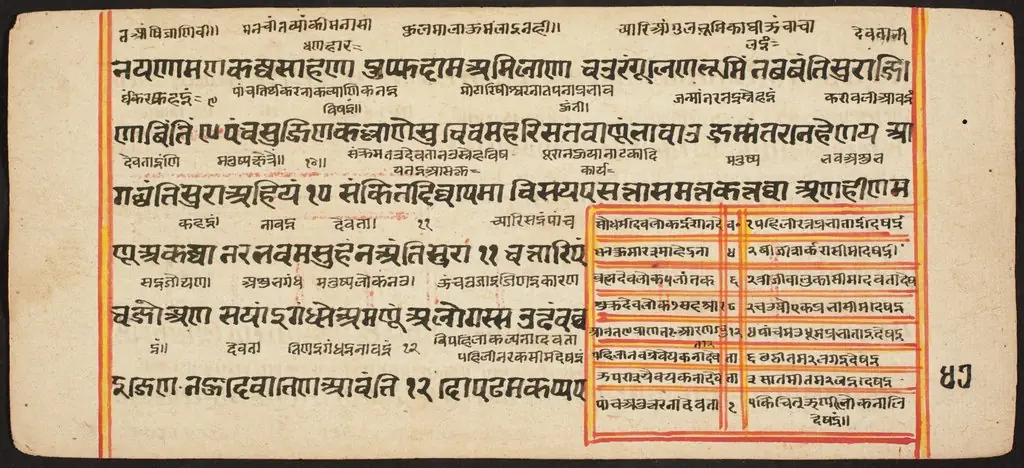 Tantric Manuscript "Sangrahani Sutra"
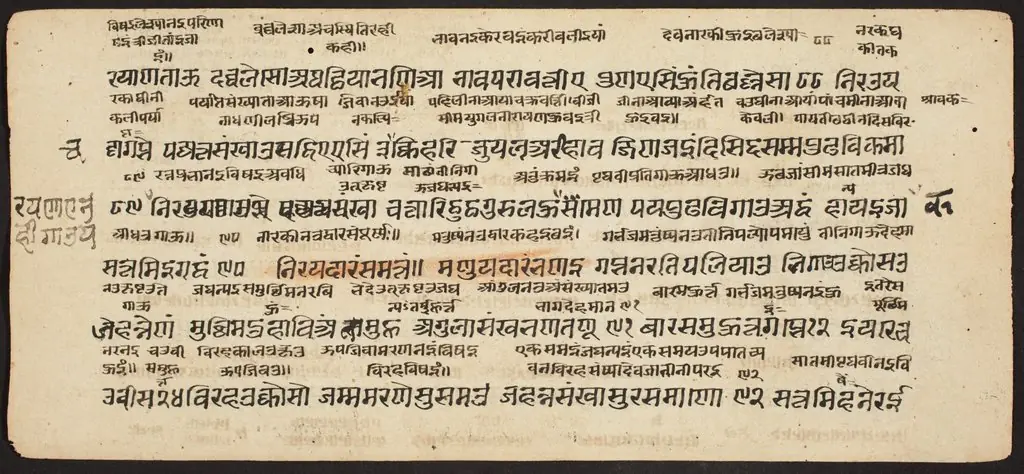 Tantric Manuscript "Sangrahani Sutra"
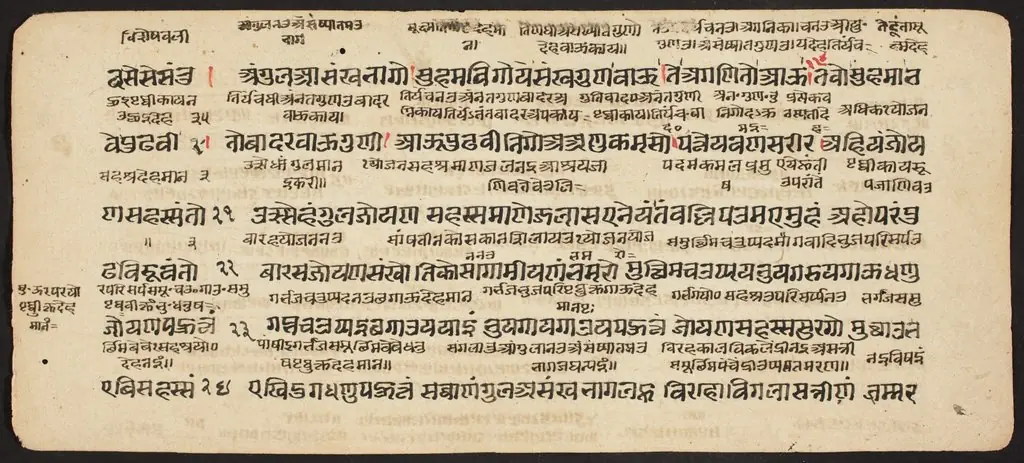 Tantric Manuscript "Sangrahani Sutra"
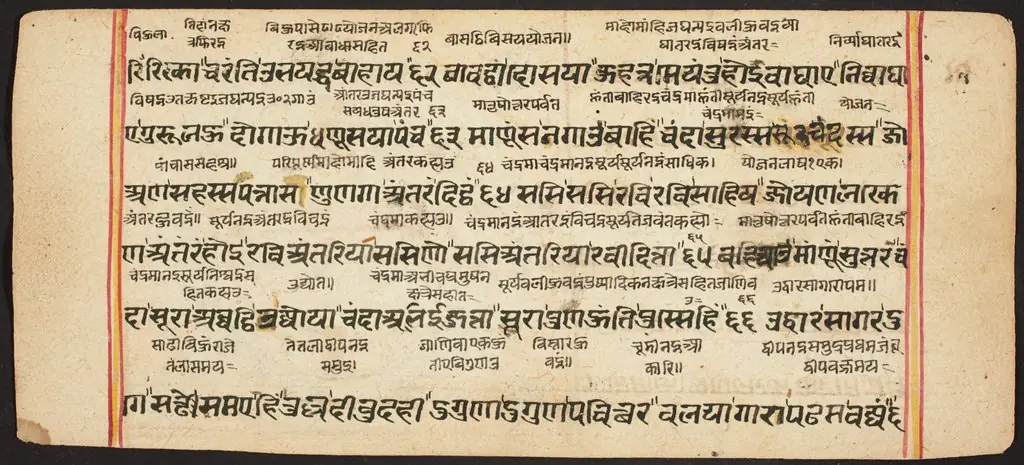 Tantric Manuscript "Sangrahani Sutra"
 Tantric Manuscript "Sangrahani Sutra"