Artwork
Pryse Pryse of Gogerddan
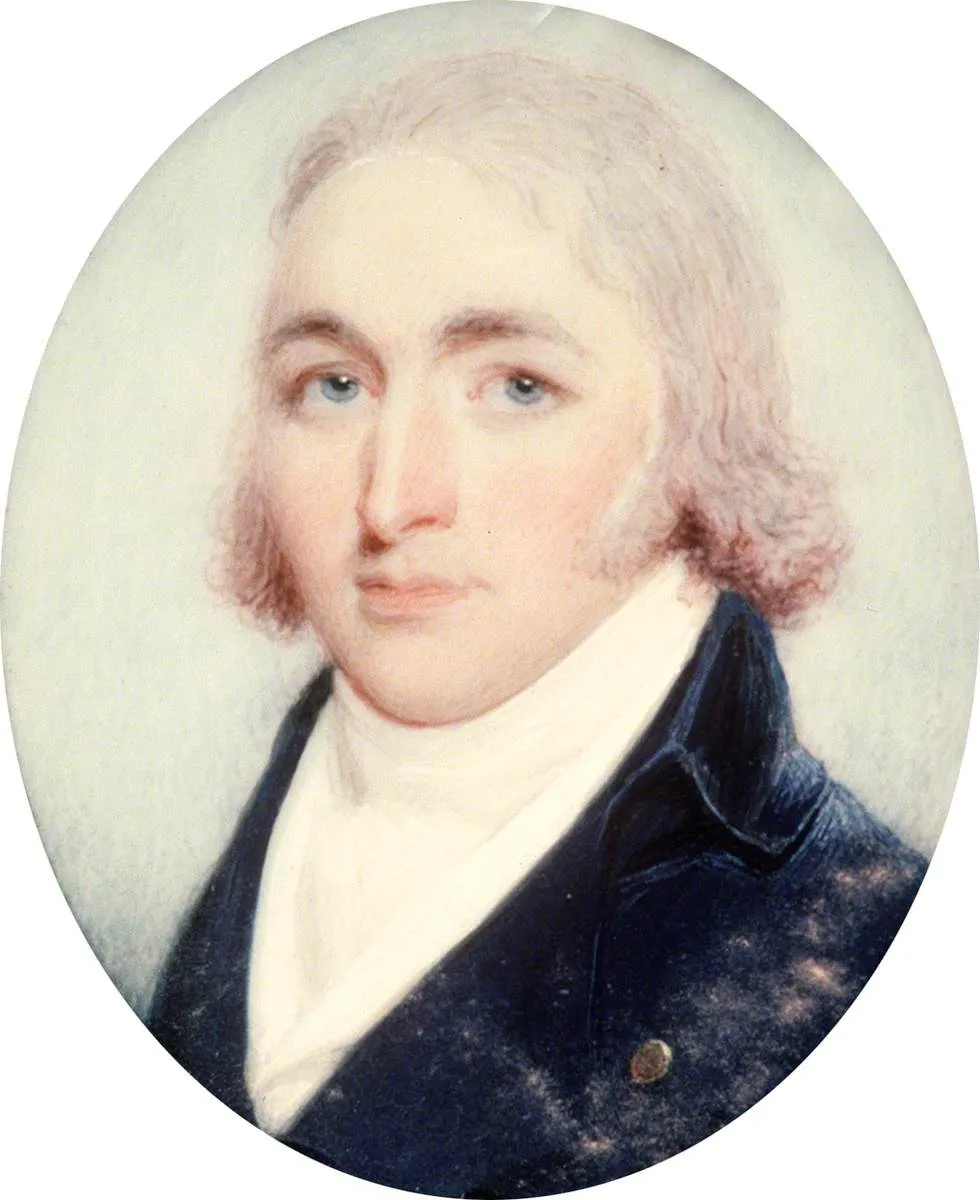
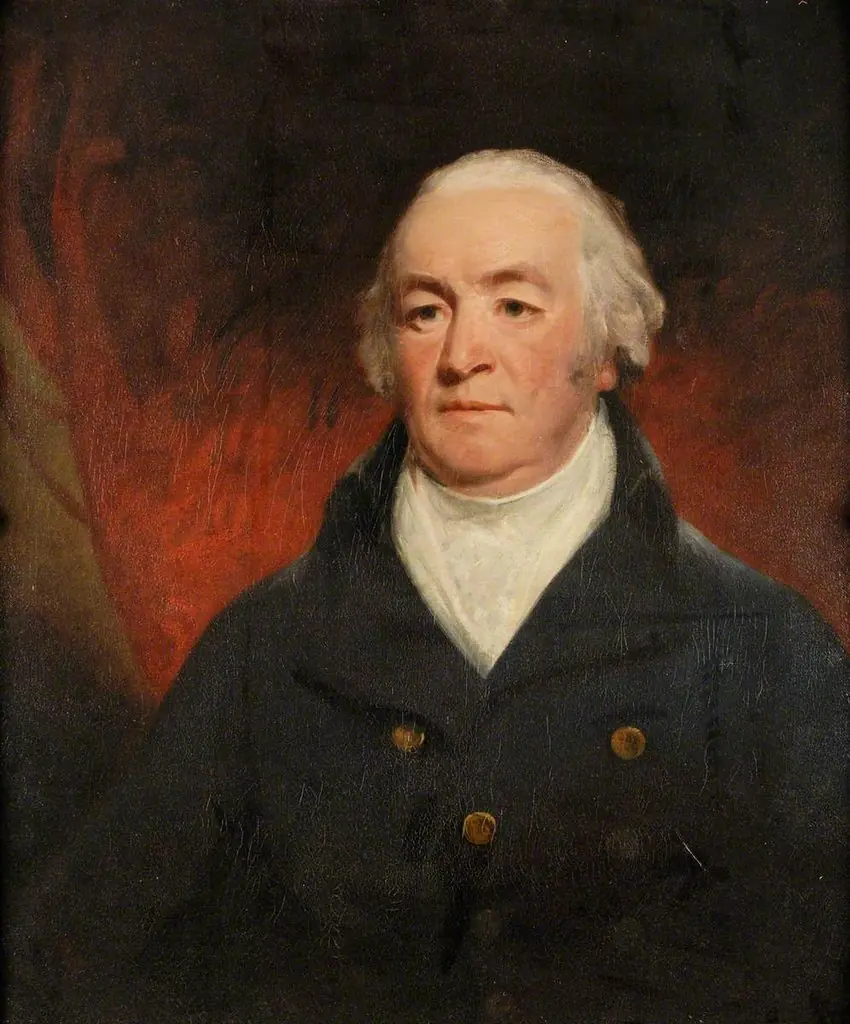
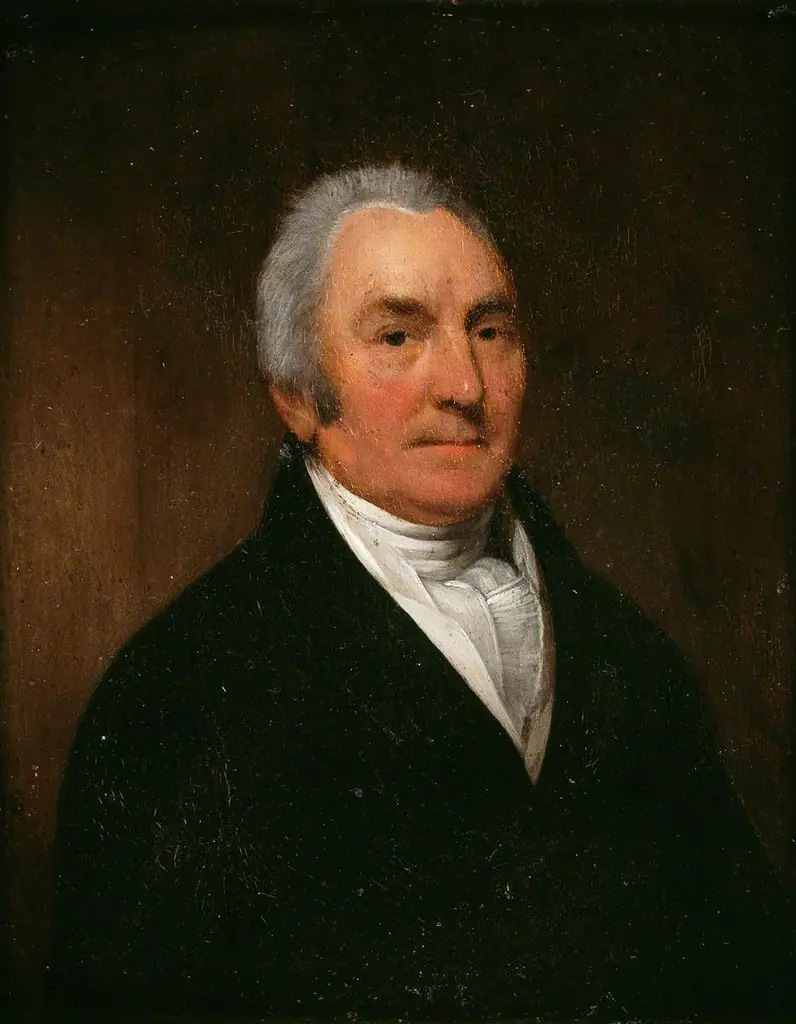
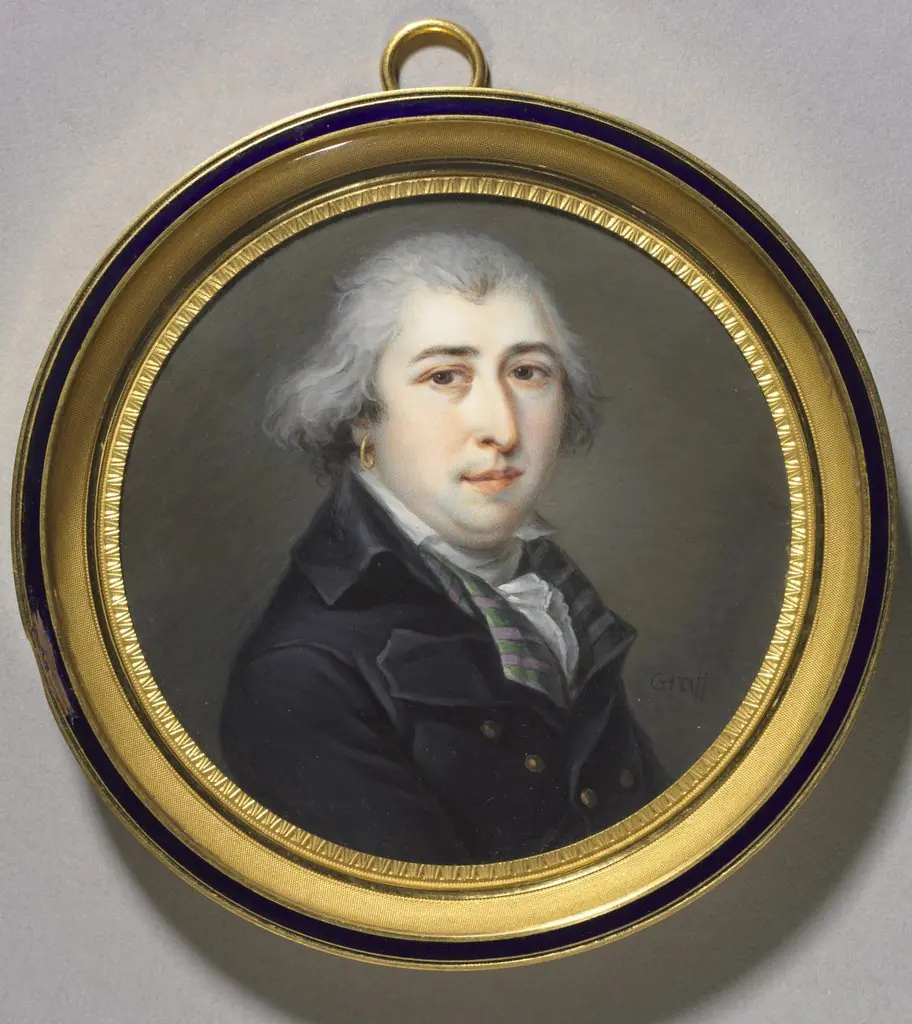
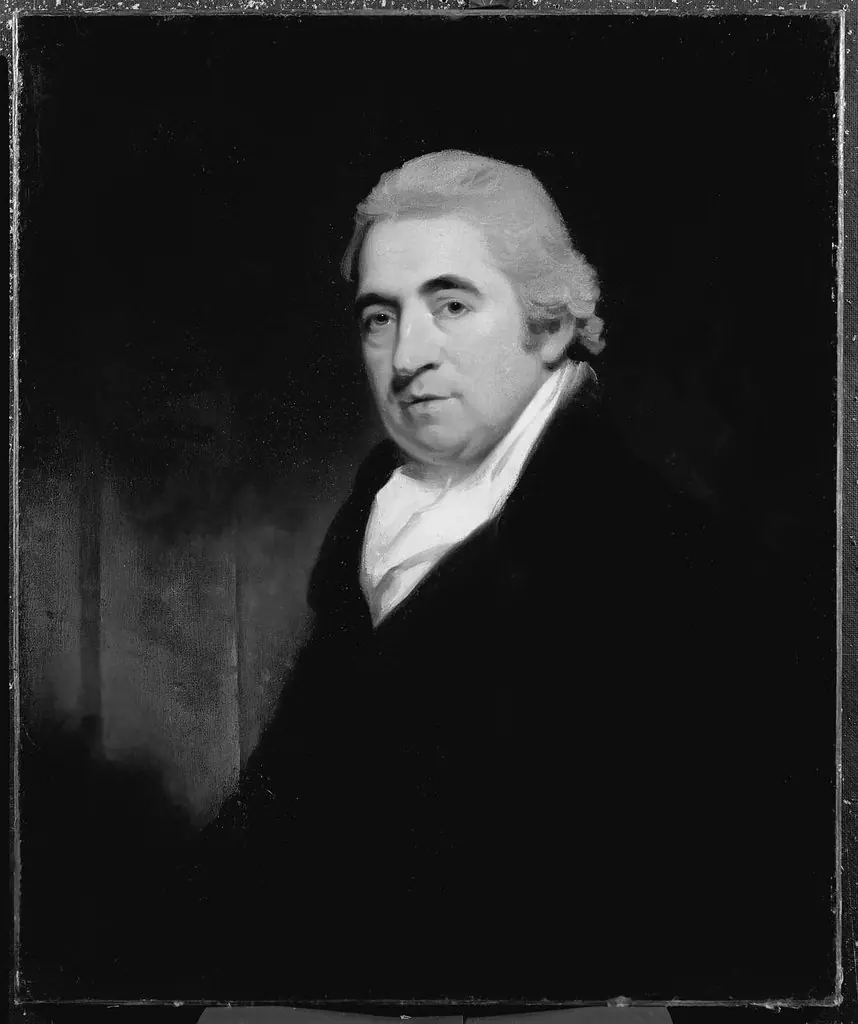
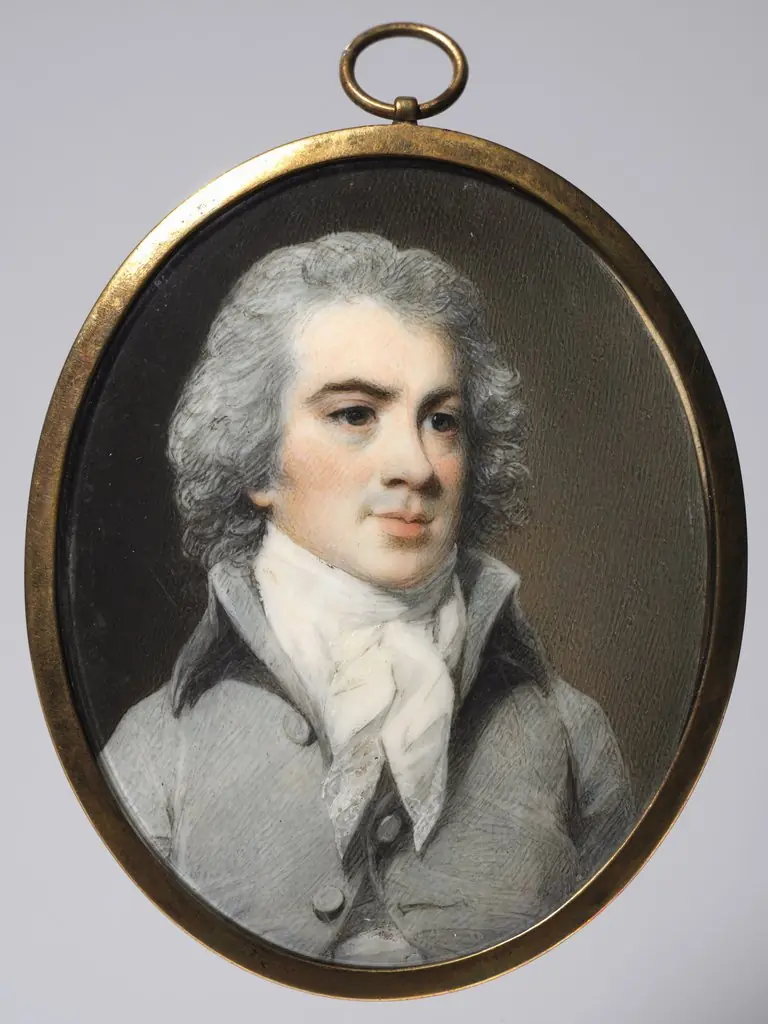
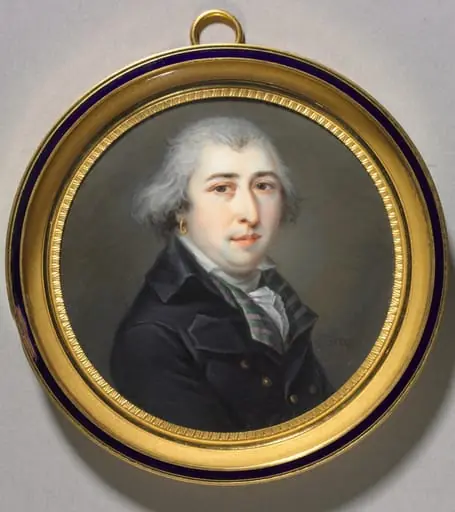
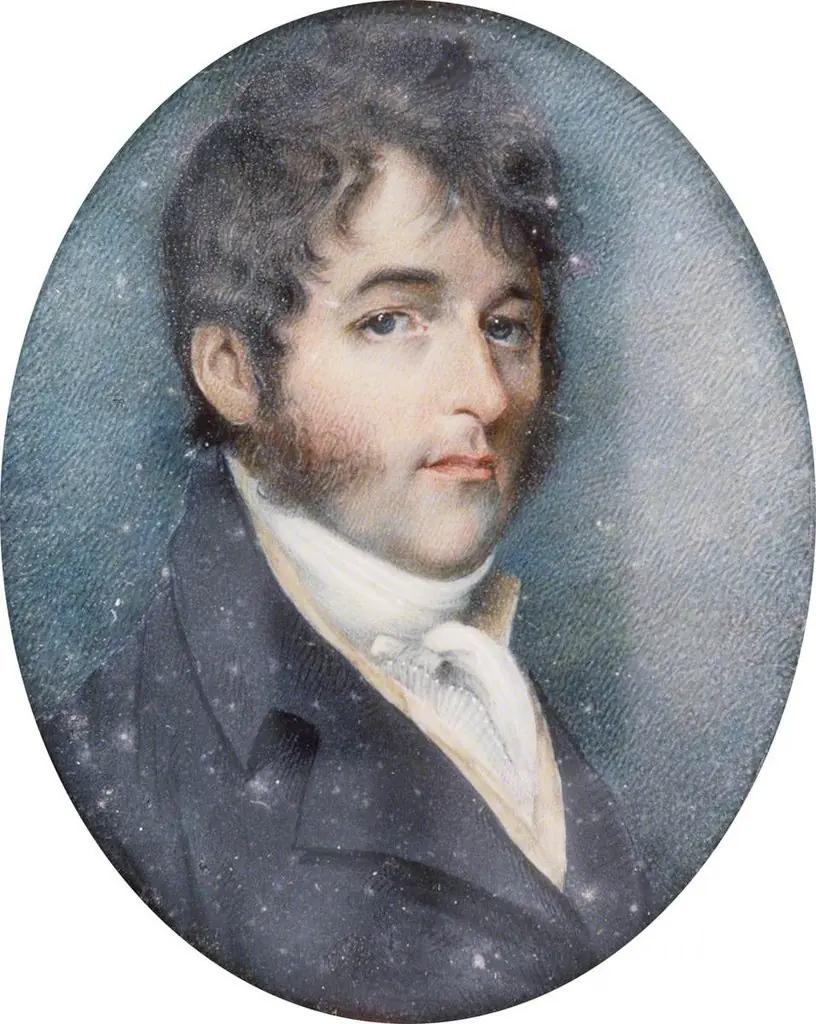
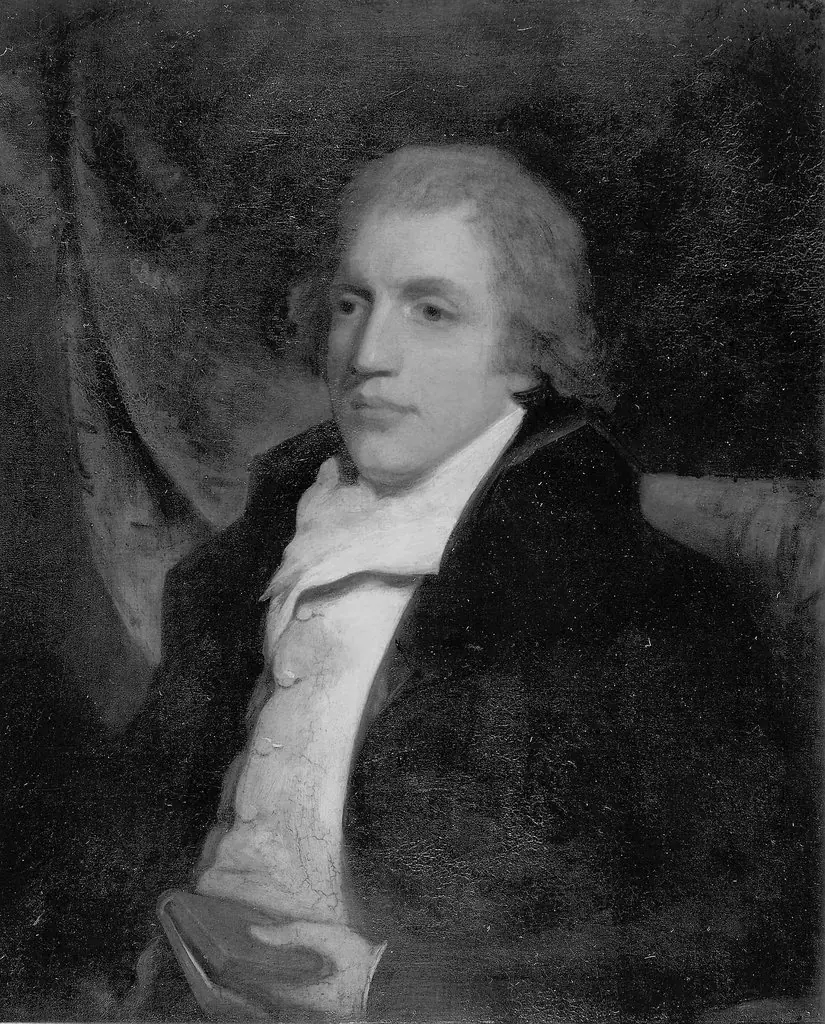
Pryse Pryse of Gogerddan is an oil painting by Unknown. It is held in the collection of the National Library of Wales. This portrait is executed in miniature on a thin slab of ivory, a support favored for its smooth, luminous surface.
About this work
Overview
This portrait is executed in miniature on a thin slab of ivory, a support favored for its smooth, luminous surface.
This portrait is executed in miniature on a thin slab of ivory, a support favored for its smooth, luminous surface. The subject is depicted in three-quarter view, his face rendered with delicate precision. The plain off-white background eliminates distraction, directing focus entirely to the figure. The medium’s fine grain allows for subtle gradations of tone, enhancing the intimacy of the likeness.
Subject & Meaning
The sitter, Pryse Pryse of Gogerddan, is portrayed with a calm, introspective demeanor. His light hair, neatly cropped in a bob, reflects early 19th-century male fashion, while his dark blue jacket and white shirt suggest modest refinement rather than ostentation. The absence of symbols or setting implies a focus on personal character, typical of private portraiture among the Welsh gentry of the period.
Technique & Style
The artist employed fine, translucent layers of watercolor to build the skin’s softness, using minimal brushwork to suggest texture without overt detail. Highlights on the cheek and brow are delicately placed, avoiding harsh contrast. The jacket’s deep blue is muted by shadow, creating a quiet harmony with the pale shirt. The ivory ground subtly glows through thin washes, lending warmth to the complexion.
History & Provenance
The portrait was likely commissioned by or for Pryse Pryse, a member of a prominent Welsh landowning family. Its survival in private hands suggests it remained within the family for generations. Ivory miniatures of this type were often kept as personal mementos, carried in cases or displayed in domestic settings, rather than exhibited publicly.
Context
In the early 1800s, ivory miniatures were a favored format for intimate portraiture among the British and Welsh gentry. They offered a portable, durable alternative to oil paintings, suited for private viewing. Artists trained in the tradition of Richard Cosway or John Smart often produced such works, blending technical precision with restrained emotional expression.
Legacy
This portrait exemplifies the quiet dignity of early 19th-century miniature portraiture. While not widely known outside regional collections, it represents a broader cultural practice of preserving personal identity through small-scale, meticulously rendered images. Its preservation offers insight into the domestic visual culture of Welsh aristocratic families during the Regency era.
Artist & collection

 Domestic Scene
 Giacomo and Cardinal Marco, investing Andrea, Abbot of San Zeno, with his Benefice
 The Nymph of Fontainebleau
 Portrait of a Woman
 Madonna and Child with Saints in the Enclosed Garden
 Venus and Minerva
 Family Group of Four on Sofa
 Wall painting from Room H of the Villa of P. Fannius Synistor at Boscoreale