Artwork
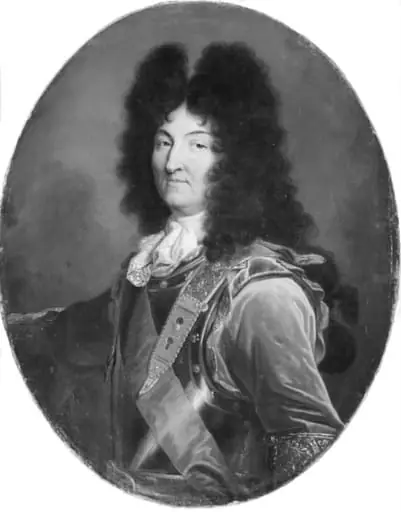
Portrait of César, Duke of Vendôme
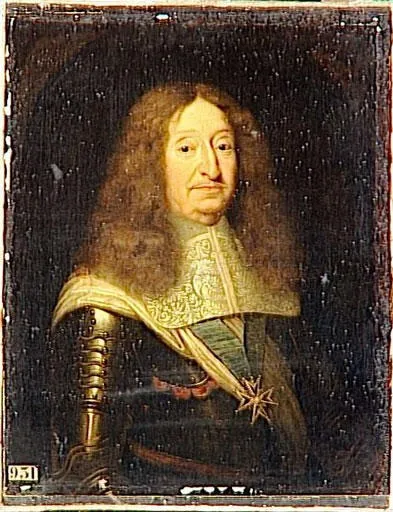
Portrait of César, Duke of Vendôme is an oil painting by the Rococo painting artist Unknown. It dates from 1700 and is held in the collection of the Palace of Versailles. The work is an oil painting portraying César, Duke of Vendôme, rendered in a formal, dignified manner.
About this work
Overview
The work is an oil painting portraying César, Duke of Vendôme, rendered in a formal, dignified manner. The sitter is shown with long, curled brown hair, a solemn expression, and attire that signals aristocratic rank, including a dark jacket with gold trim and an elaborate, oversized collar.
Subject & Meaning
César de Bourbon, Duke of Vendôme, was a prominent French nobleman of the early 17th century, and the portrait emphasizes his status and authority through his composed demeanor and luxurious dress, reflecting the conventions of noble portraiture that aimed to convey power and lineage.
Technique & Style
Executed in oil on canvas, the painting employs a restrained palette of dark tones highlighted by gilded accents. Fine brushwork delineates the intricate details of the collar and gold sleeve, while the rendering of light on the hair and fabric creates a subtle three‑dimensional effect typical of French court portraiture of the period.
History & Provenance
The portrait was likely commissioned during the duke’s lifetime, possibly by a court patron, and has since passed through several private collections before entering a public museum. Documentation traces its ownership back to the 18th century, confirming its attribution to the artist traditionally associated with the French aristocratic milieu.
Context
Created in the early 1600s, the painting reflects the Baroque taste for opulent costume and formal pose that characterized French noble portraiture under the influence of the royal court. It aligns with contemporary works that sought to legitimize noble authority through visual splendor.
Legacy
The portrait remains a valuable reference for scholars studying the visual representation of French nobility and the sartorial conventions of the period, offering insight into the intersection of art, politics, and identity in early modern France.
Artist & collection

 Domestic Scene
 Giacomo and Cardinal Marco, investing Andrea, Abbot of San Zeno, with his Benefice
 The Nymph of Fontainebleau
 Portrait of a Woman
 Madonna and Child with Saints in the Enclosed Garden
 Venus and Minerva
 Family Group of Four on Sofa
 Wall painting from Room H of the Villa of P. Fannius Synistor at Boscoreale
 Fürstenbildnis
 portrait of Count Ludwig VI. von Hessen-Darmstadt
 Portrait of Louis XIV
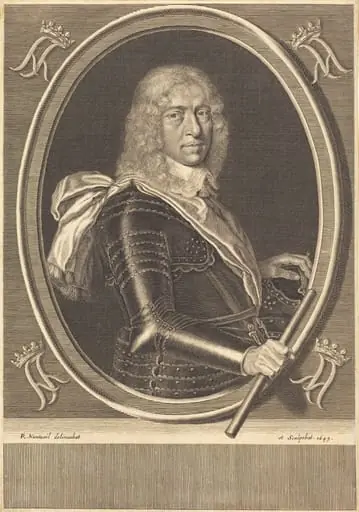 Louis de Bourbon-Vendome, Duc de Mercoeur
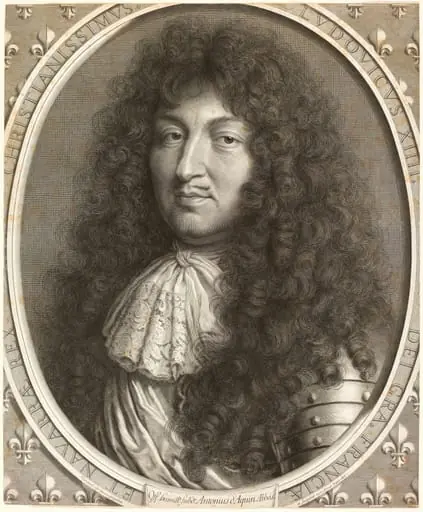 Louis XIV
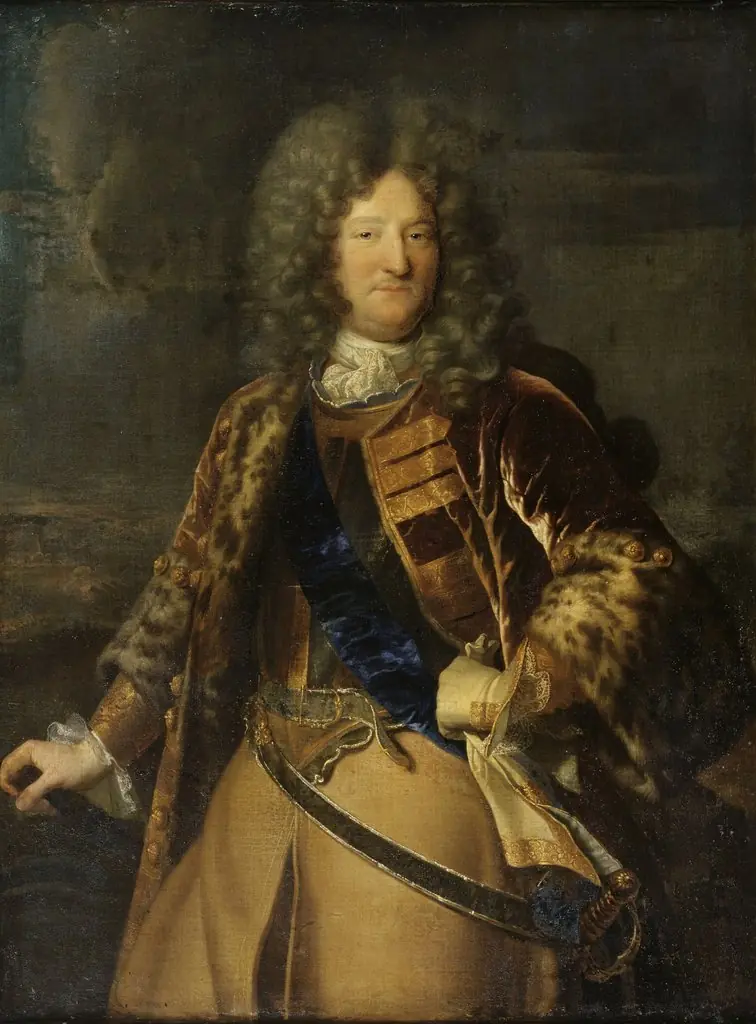 Porträt des Anne-Jules, Herzog von Noailles (1650-1708)
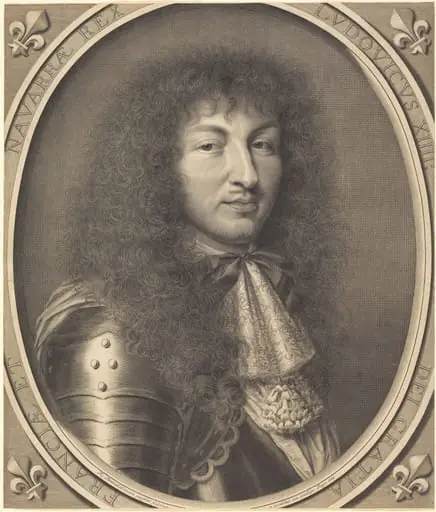 Louis XIV
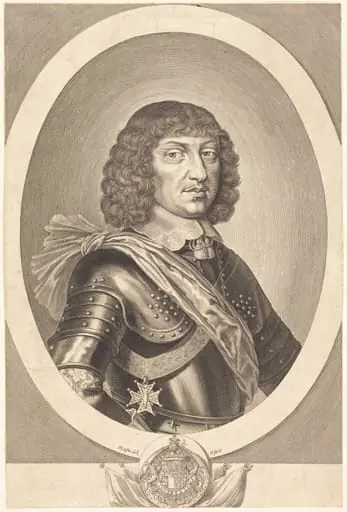 Jean Saint Bonnet de Toiras
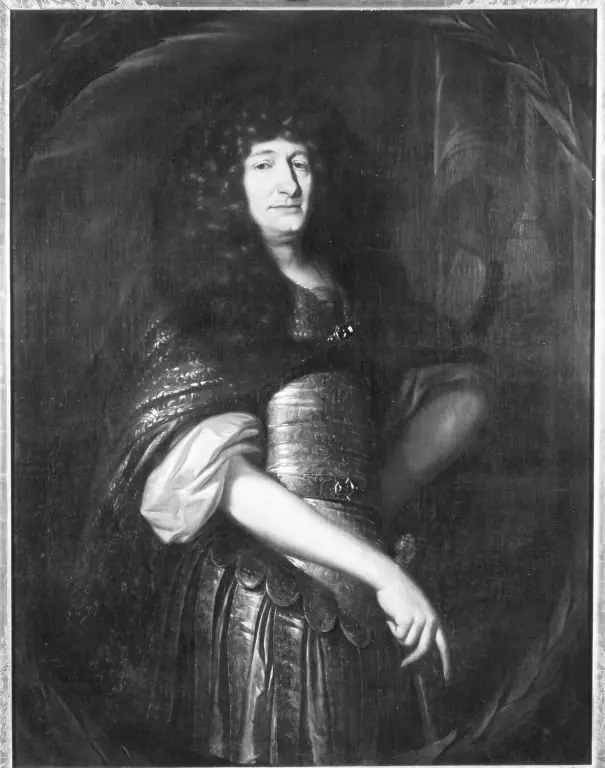 Portrait of a man, possibly Christian II Palatine of Zweibrücken-Birkenfeld (1637-1717)
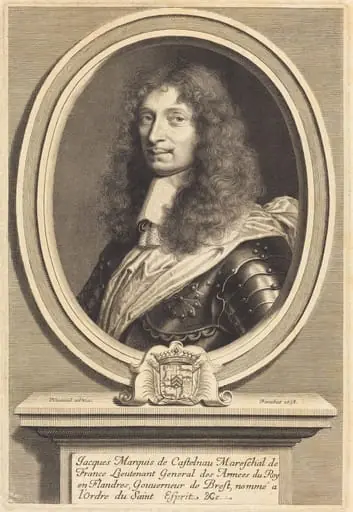 Marechal de Castelnau
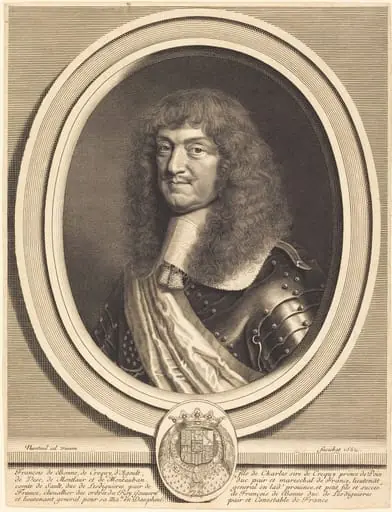 Marcechal de Cequi
 Portrait of Louis XIV