Artwork
Portrait of Louis XIV
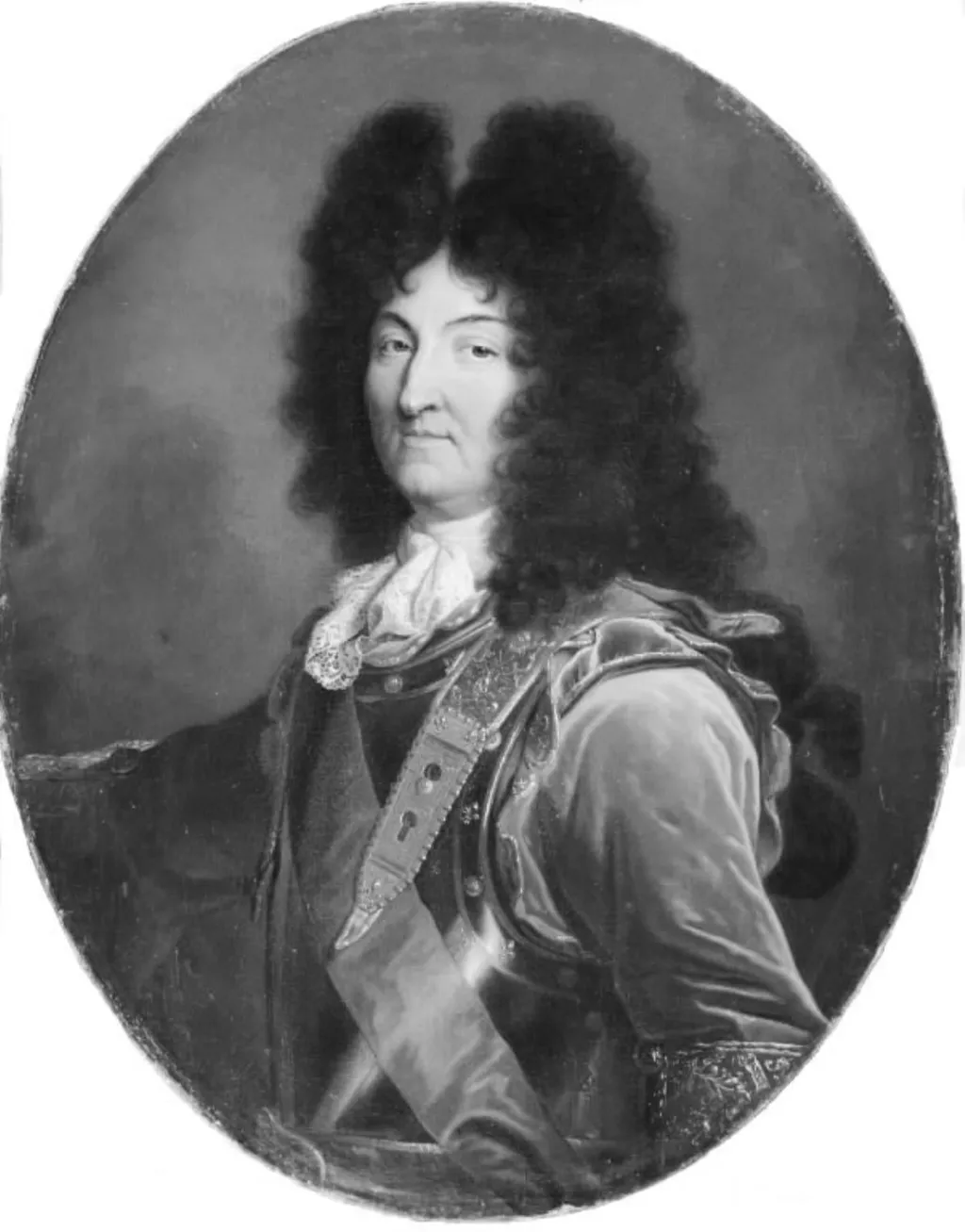
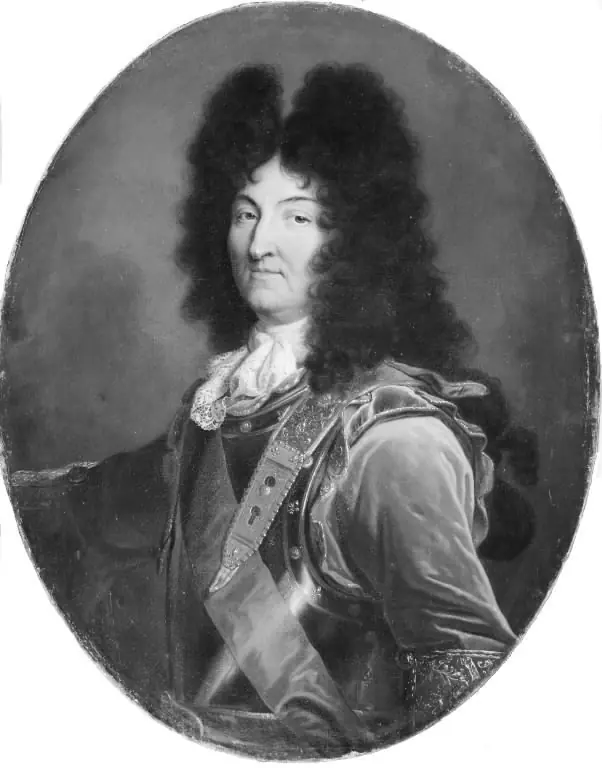
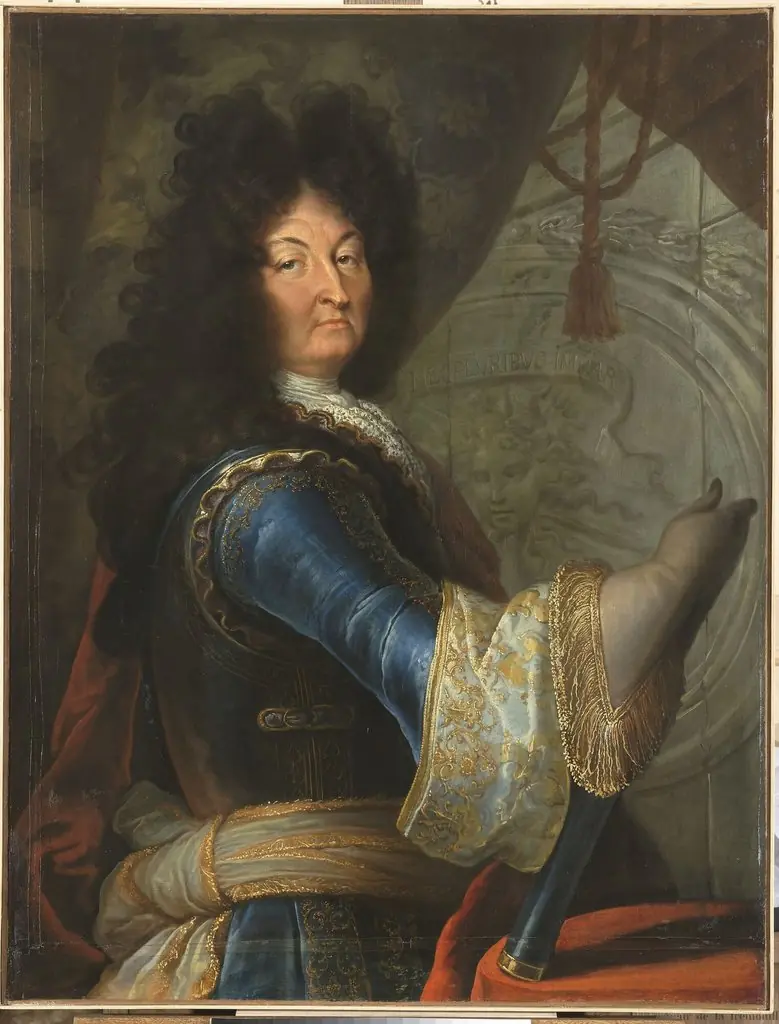
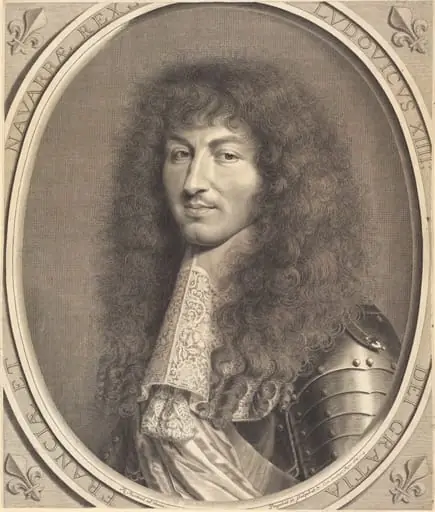
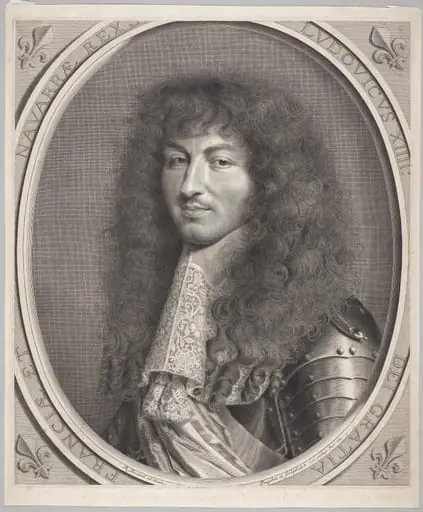
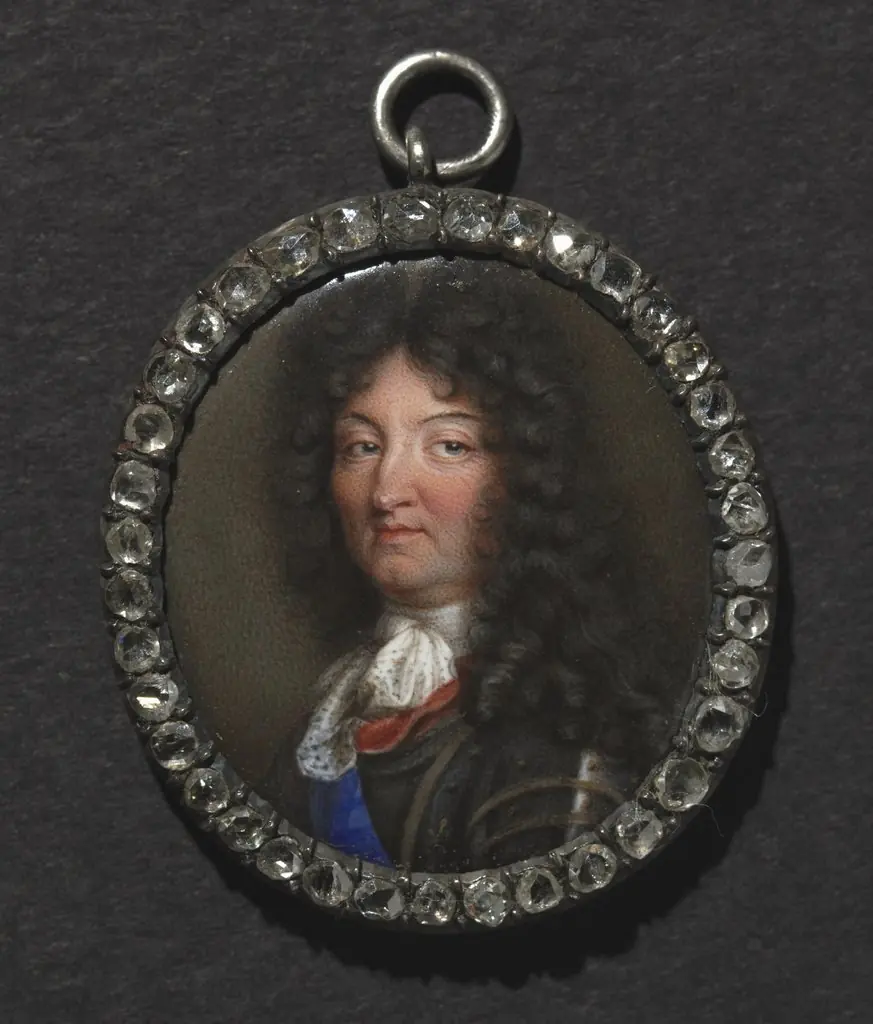
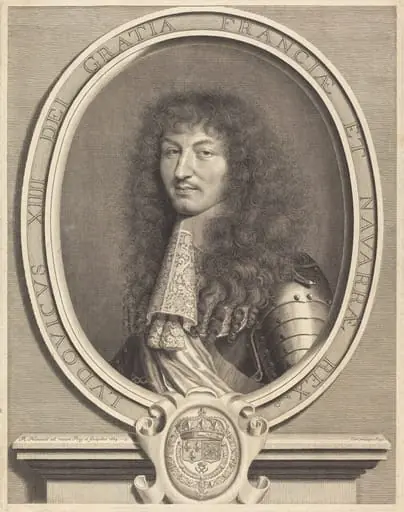
Portrait of Louis XIV is an unspecified painting by Unknown. It dates from 1708 and is held in the collection of the Statens Museum for Kunst. This portrait depicts Louis XIV of France, painted around 1708, during the final years of his reign.
About this work
Overview
The work is part of the collection at the Museum of Ethnography, though its origin and artist remain unverified in standard art historical records.
This portrait depicts Louis XIV of France, painted around 1708, during the final years of his reign. Executed in oil on canvas, it presents the monarch in formal court attire, rendered with precise detail. The work is part of the collection at the Museum of Ethnography, though its origin and artist remain unverified in standard art historical records. The composition follows conventions of royal portraiture from the period, emphasizing dignity and authority.
Subject & Meaning
Louis XIV is portrayed in a rigid, frontal gaze, his posture controlled and composed, reinforcing his role as the absolute monarch. The elaborate wig, lace collar, and richly detailed vest signify his status and adherence to courtly ritual. The dark background isolates the figure, directing focus to his regal presence. The expression is impassive, avoiding warmth or individuality, consistent with the image of kingship as a public institution rather than a personal identity.
Technique & Style
The painting employs a realistic approach, with careful attention to textures: the sheen of silk, the frill of lace, the weight of the wig’s hair. Brushwork is controlled, avoiding visible strokes, aiming for smooth surfaces that reflect the polished aesthetic of the French court. Lighting is even and diffuse, minimizing shadows to maintain clarity and formality. The palette is restrained, dominated by dark tones with subtle highlights on fabric and skin.
History & Provenance
The painting’s attribution to an artist labeled '1877_person' lacks documentary support in primary sources. Its presence in the Museum of Ethnography is unusual, as such institutions typically collect non-European cultural artifacts. The work may have been acquired through colonial-era exchanges or later donations, but its exact path from 18th-century France to its current location remains undocumented. Its classification as a portrait of a European monarch in an ethnographic context raises questions about its acquisition and display history.
Context
Created near the end of Louis XIV’s 72-year reign, the portrait reflects the enduring visual language of absolutism. Even as France faced financial strain and succession uncertainty, royal imagery remained tightly controlled. Similar portraits were distributed to courts and institutions to affirm the king’s authority. This version, however, diverges from official court paintings by its simpler composition and lack of symbolic elements like crowns or scepters, suggesting it may have been a private or secondary likeness.
Legacy
The portrait contributes to the broader archive of Louis XIV’s visual representation, though it is not among the most widely studied or reproduced images of the king. Its placement in an ethnographic museum, rather than a fine arts collection, has limited its scholarly engagement. It serves as a reminder of how historical artifacts can be reclassified over time, sometimes obscuring their original cultural and political significance within new institutional frameworks.
Artist & collection

 Domestic Scene
 Giacomo and Cardinal Marco, investing Andrea, Abbot of San Zeno, with his Benefice
 The Nymph of Fontainebleau
 Portrait of a Woman
 Madonna and Child with Saints in the Enclosed Garden
 Venus and Minerva
 Family Group of Four on Sofa
 Wall painting from Room H of the Villa of P. Fannius Synistor at Boscoreale