Artwork
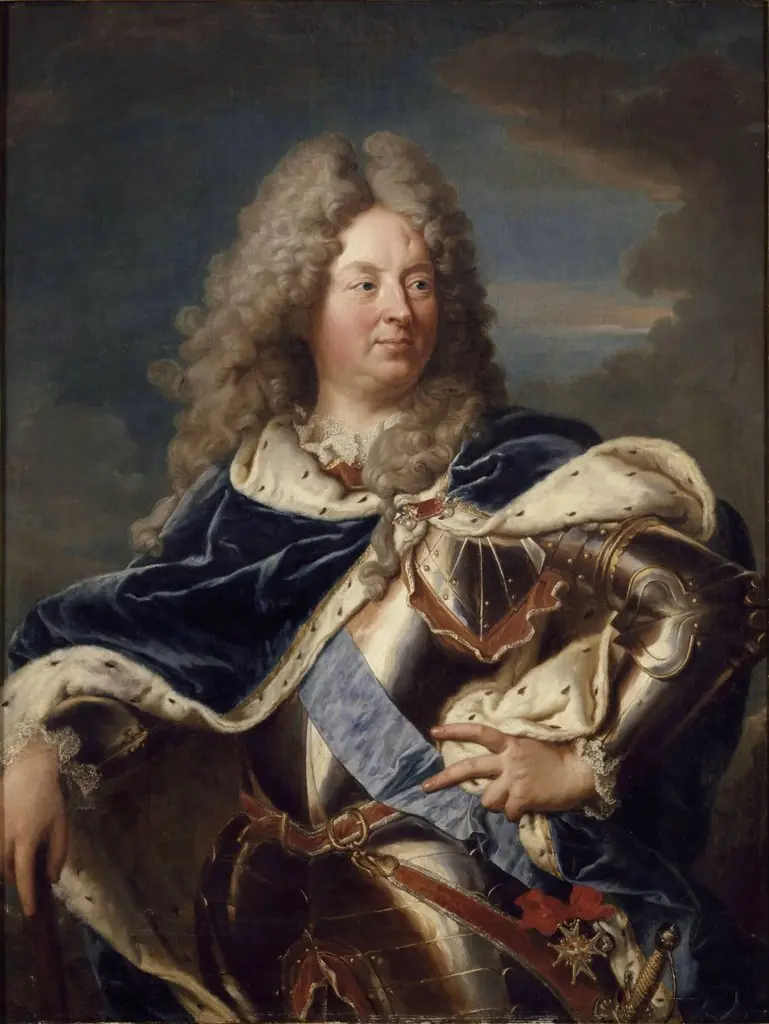
Portrait of the Duke of Antin
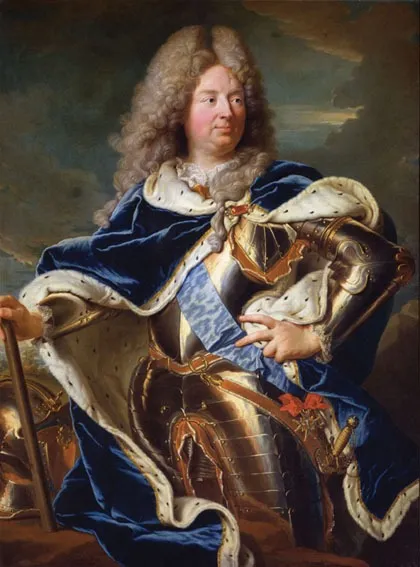
Portrait of the Duke of Antin is an oil painting by the Rococo painting artist Unknown. It dates from 1719 and is held in the collection of the Palace of Versailles. This oil painting presents a formal portrait of a nobleman in full military regalia, set against a soft, overcast sky.
About this work
Overview
The subject is rendered with precise detail, emphasizing texture in fabric and metal, while the composition conveys authority through posture and attire.
This oil painting presents a formal portrait of a nobleman in full military regalia, set against a soft, overcast sky. The subject is rendered with precise detail, emphasizing texture in fabric and metal, while the composition conveys authority through posture and attire. The figure holds a sword and helmet, reinforcing a martial identity, and the blue velvet cloak with white trim suggests high status. The work reflects the conventions of 17th-century French portraiture.
Subject & Meaning
The figure is Louis XIV of France, portrayed not as a monarch in courtly robes but as a warrior-king. The armor, helmet, and sword symbolize his role as commander of the French army and defender of the realm. The flowing hair and elaborate cloak blend aristocratic elegance with martial readiness, aligning with the image of absolute power cultivated during his reign. The painting communicates leadership through symbolic rather than literal representation.
Technique & Style
The artist employs fine brushwork to capture the sheen of velvet, the gleam of metal, and the soft diffusion of light across the cloudy sky. Layers of glaze enhance depth in the cloak and armor, while the background remains deliberately muted to focus attention on the figure. The realism in facial features and fabric folds reflects the influence of Flemish and French academic traditions of the period.
History & Provenance
Commissioned during Louis XIV’s reign, the portrait likely originated in the royal atelier or from a favored court painter. It was probably intended for display in a palace or military institution to reinforce the king’s dual identity as sovereign and commander. Its early provenance is tied to the French royal collection, though specific records of ownership after the monarchy’s decline remain incomplete.
Context
In mid-17th century France, portraiture served political ends as much as personal commemoration. Louis XIV used imagery to project strength and divine authority, especially after consolidating power. Military dress in royal portraits was uncommon in earlier decades, making this depiction part of a deliberate shift toward associating the king with active leadership on the battlefield, even when he rarely appeared in person.
Legacy
The portrait contributes to a broader visual language of absolutism in early modern Europe. While not widely reproduced, its composition influenced later depictions of rulers as warrior-leaders. It remains a documented example of how French court art balanced realism with symbolic messaging, preserving a specific ideological vision of monarchy during the height of Bourbon power.
Artist & collection

 Domestic Scene
 Giacomo and Cardinal Marco, investing Andrea, Abbot of San Zeno, with his Benefice
 The Nymph of Fontainebleau
 Portrait of a Woman
 Madonna and Child with Saints in the Enclosed Garden
 Venus and Minerva
 Family Group of Four on Sofa
 Wall painting from Room H of the Villa of P. Fannius Synistor at Boscoreale
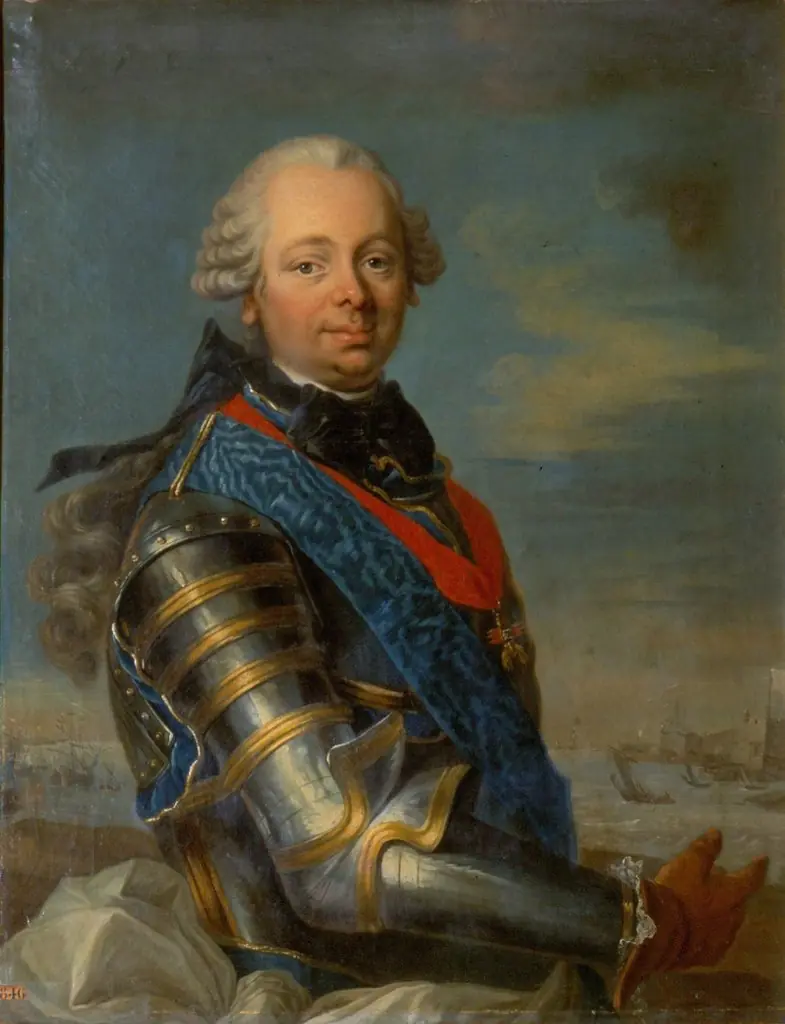 Portrait of Étienne-François de Choiseul (1719-1785)
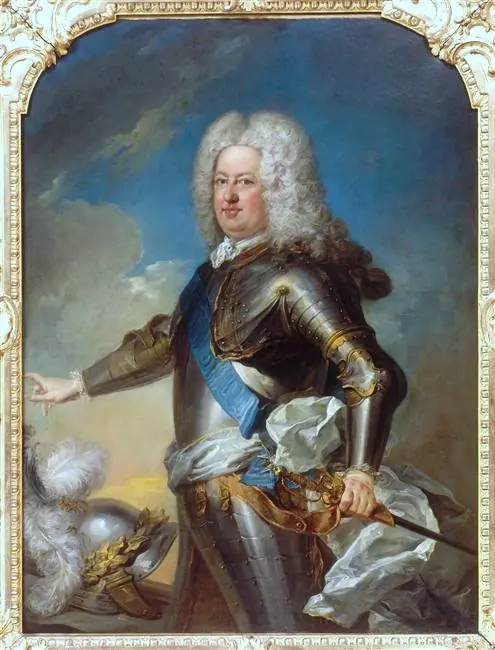 Portrait of Stanisław Leszczyński (1677-1766), King of Poland
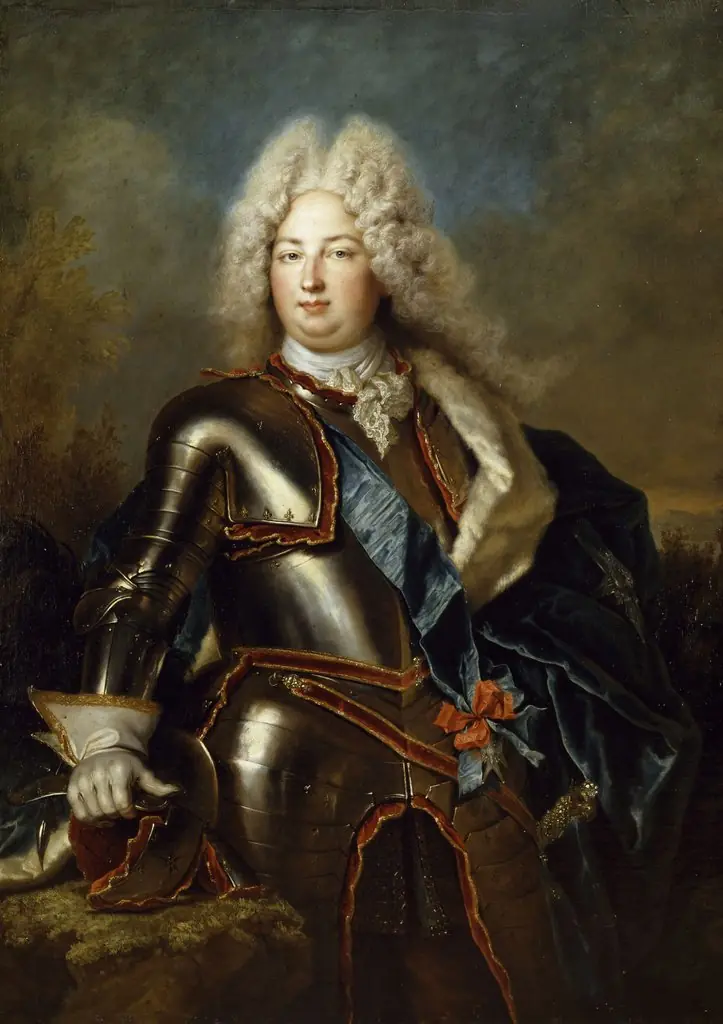 Charles of France, Duke of Berry
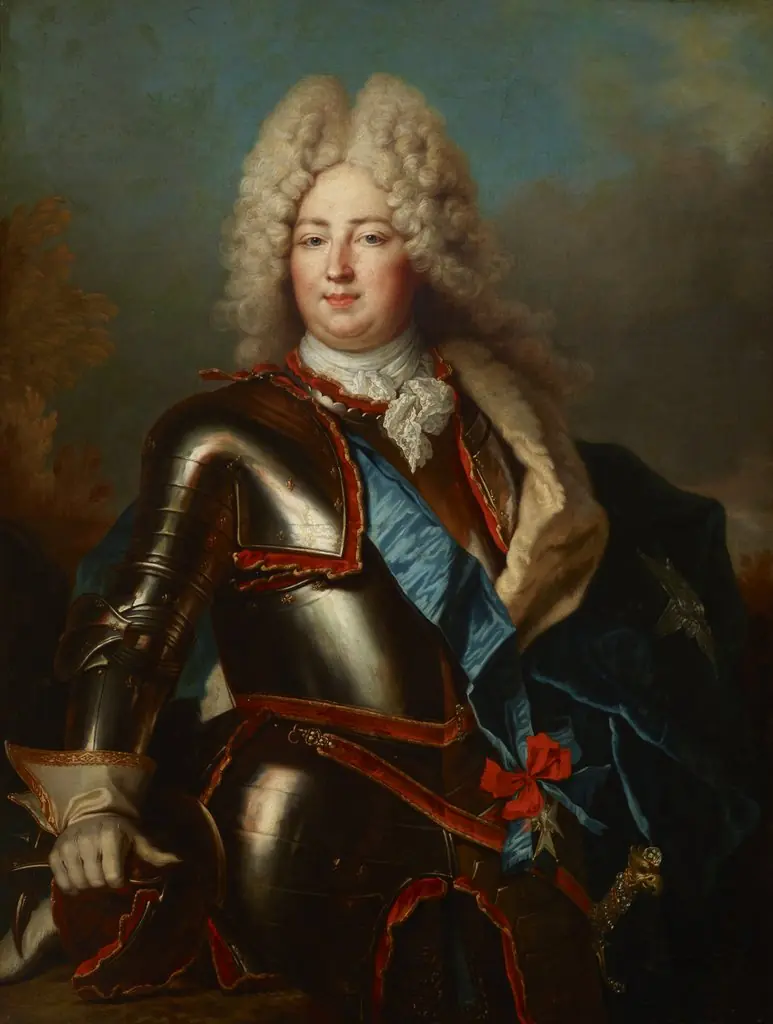 Portrait of Charles de France (1686–1714)
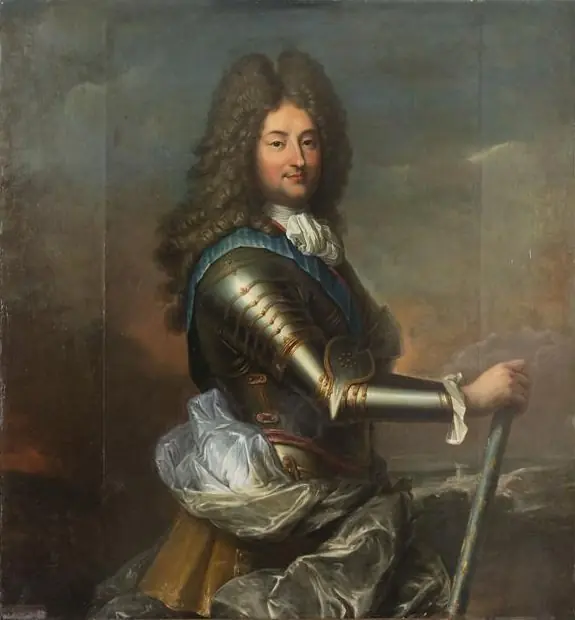 Philippe d'Orléans, duc d'Orléans, Régent (1674-1723)
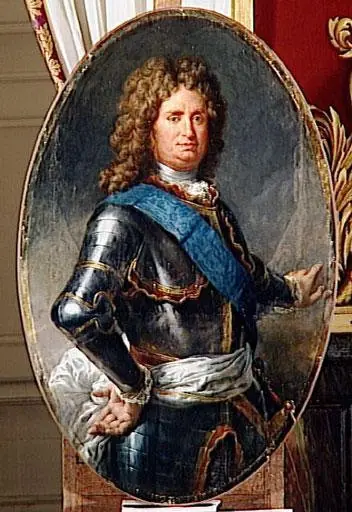 François-Louis Rousselet, marquis de Château-Renaud, maréchal de France (1637-1716)
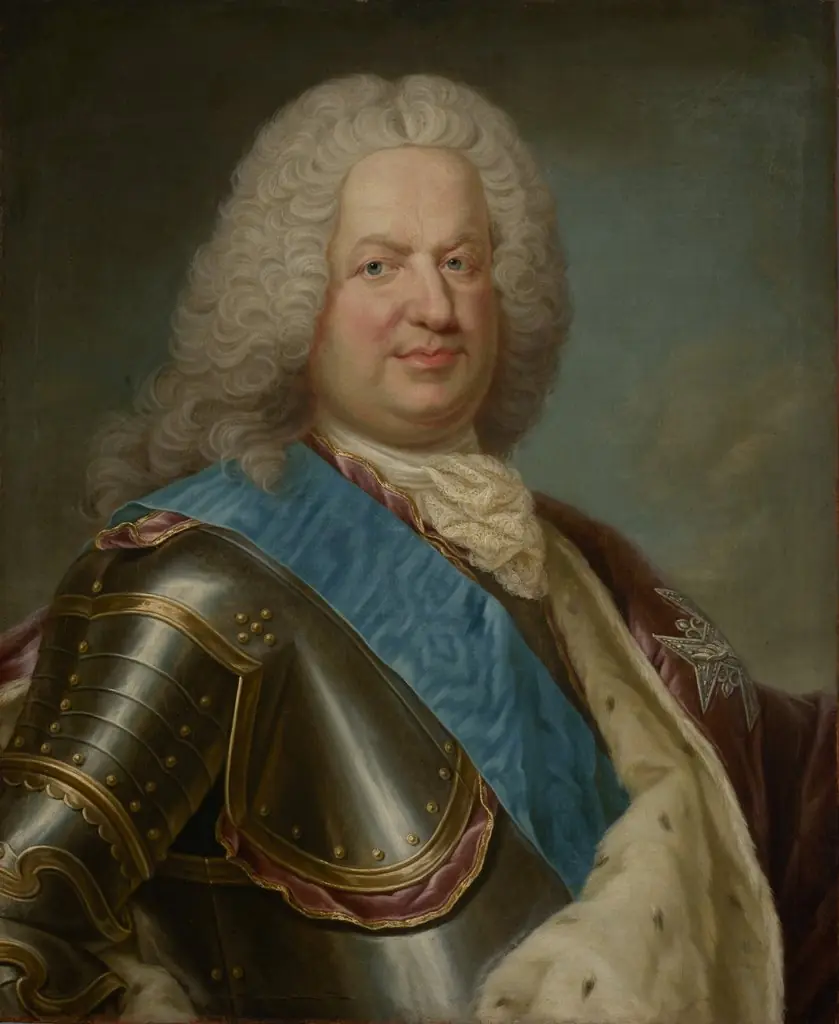 Portrait of Stanislaus Leszczyński (1677–1766))
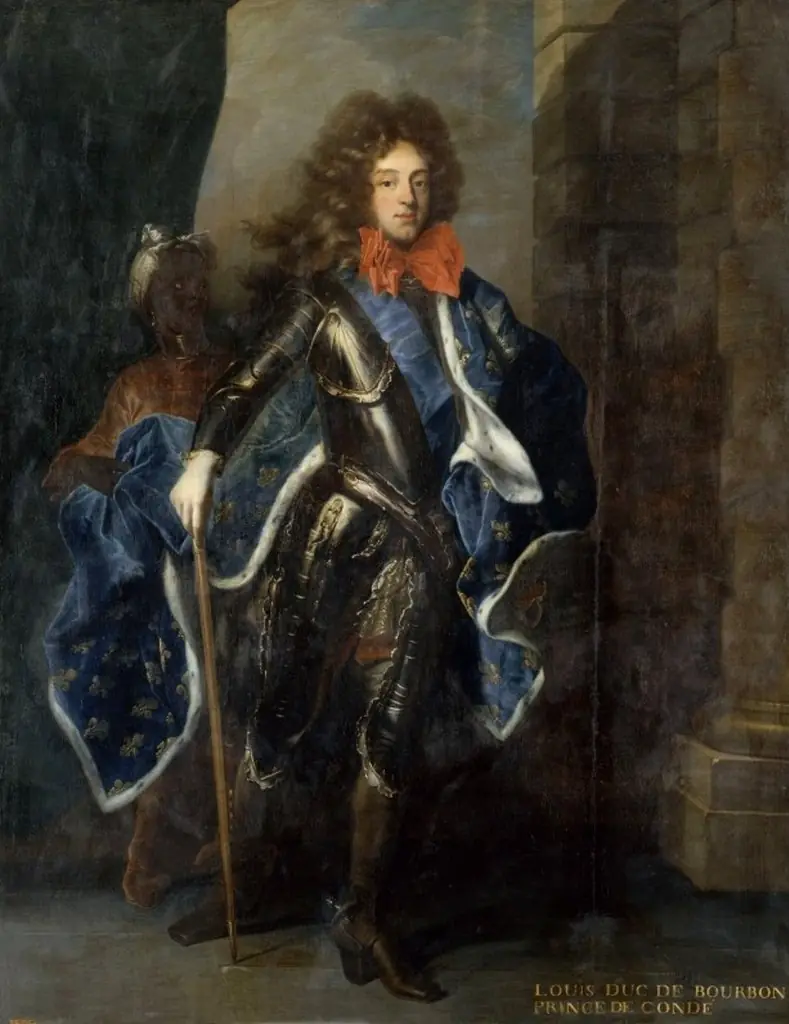 Portrait de Louis III. de Bourbon, prince de Condé (1668–1710)
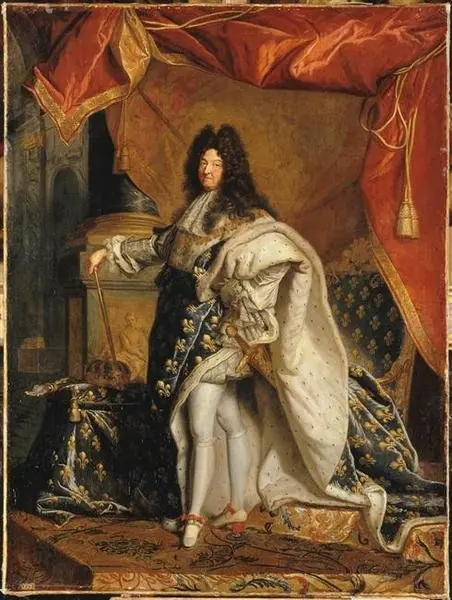 Louis XIV, King of France (1638-1715)
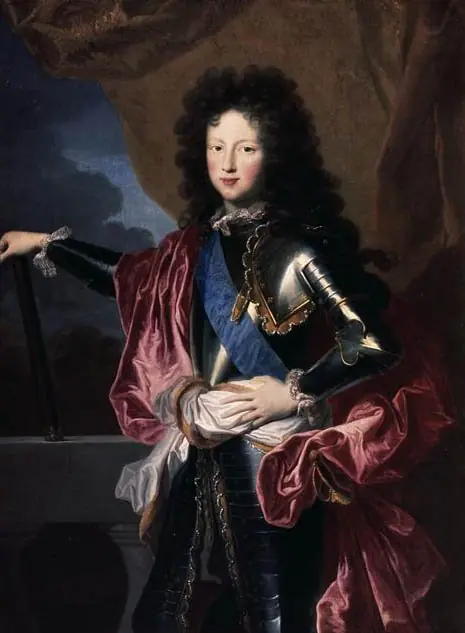 Portrait of Philippe II of Orléans (1674–1723), future regent of France
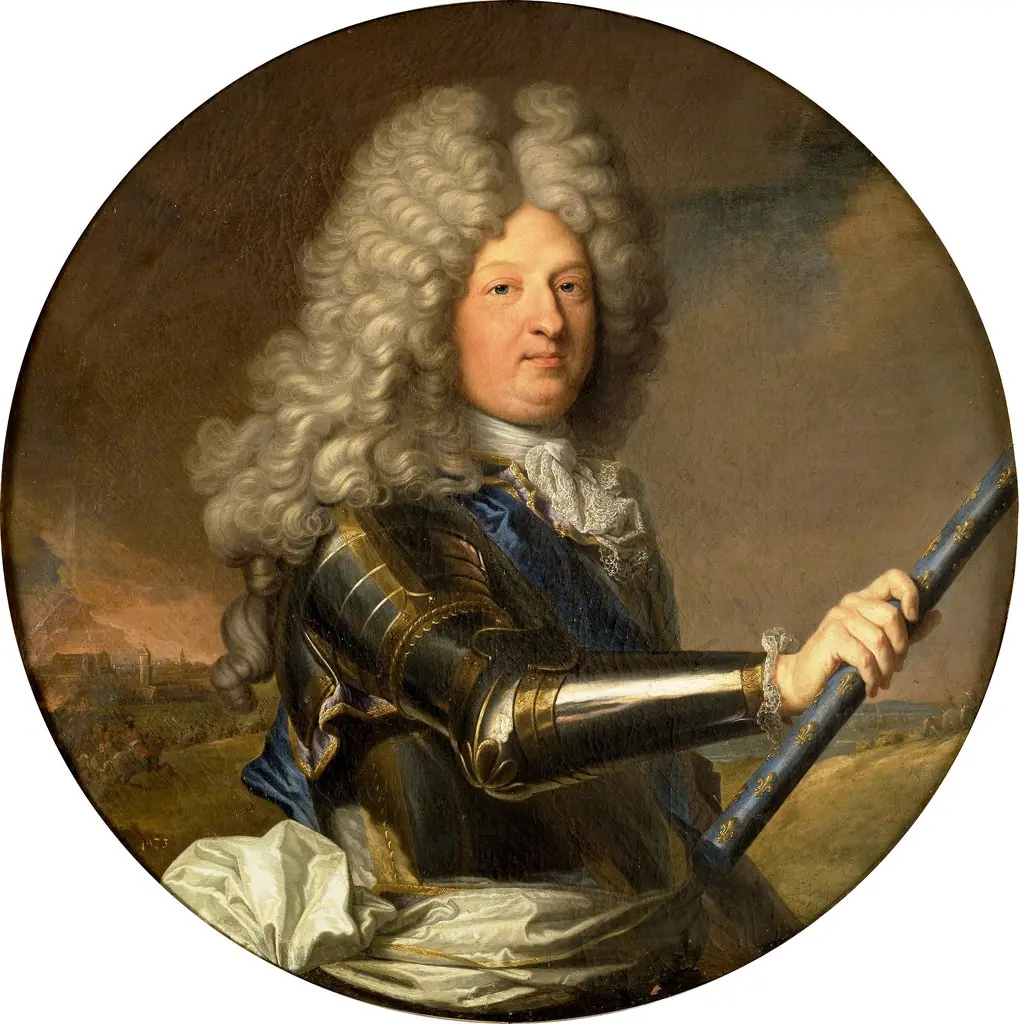 Portrait of Louis of France, Grand Dauphin
 Portrait of the Duke of Antin