Artwork
Portrait of Stanisław Leszczyński (1677-1766), King of Poland
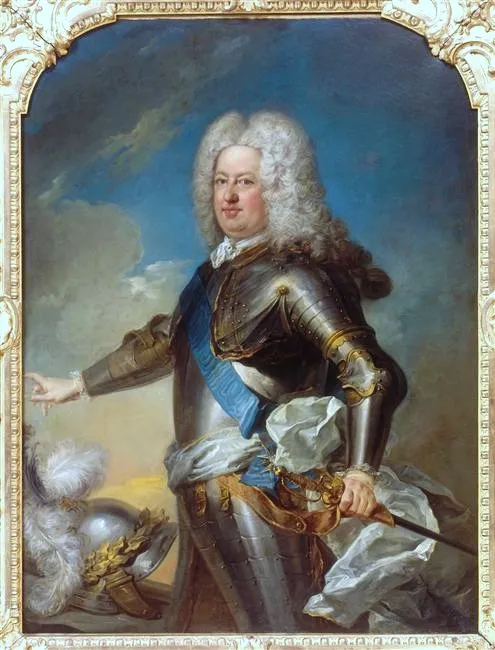
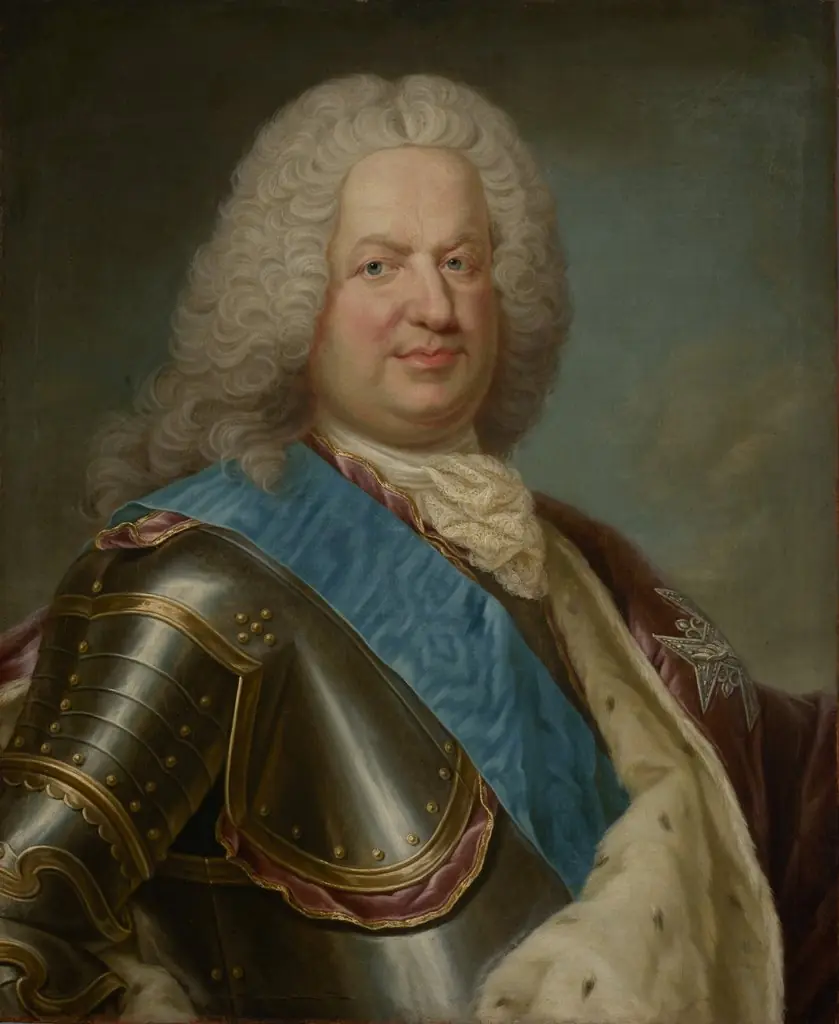
Portrait of Stanisław Leszczyński (1677-1766), King of Poland is an oil painting by the Rococo painting artist Jean-Baptiste van Loo. It dates from 1727 and is held in the collection of the Palace of Versailles.
About this work
Overview
Painted in 1727 by Jean-Baptiste van Loo, this oil portrait captures Stanisław Leszczyński, former King of Poland, during his exile in France.
Painted in 1727 by Jean-Baptiste van Loo, this oil portrait captures Stanisław Leszczyński, former King of Poland, during his exile in France. The work is part of the royal collection at the Palace of Versailles, where Leszczyński resided after losing his throne. Van Loo rendered him in full regalia, blending aristocratic dignity with martial symbolism, reflecting his dual identity as both a deposed monarch and a figure of European political significance.
Subject & Meaning
Leszczyński is depicted not as a reigning sovereign but as a nobleman in armor, signifying his enduring claim to authority despite political defeat. The sword in his hand and the discarded helmet and feathered hat suggest a moment of pause after battle or ceremony, evoking both martial legacy and personal reflection. The outstretched arm may imply resolve or address, reinforcing his continued presence in courtly life despite his diminished political power.
Technique & Style
Van Loo employed chiaroscuro to model the figure with strong contrasts between light and shadow, enhancing the three-dimensionality of the armor and fabric. The textured brushwork captures the sheen of metal and the softness of the blue sash, while the atmospheric sky behind him remains loosely rendered, creating a dramatic, almost theatrical backdrop. The composition directs focus to the figure’s poised stance, balancing grandeur with restrained emotion.
History & Provenance
Commissioned during Leszczyński’s years in France after his second abdication in 1736, the portrait was likely intended to affirm his status within the French court. It entered the royal collection at Versailles, where it remained as part of the visual narrative of exiled royalty. Its preservation there underscores his integration into French aristocratic circles, despite his Polish origins and lost throne.
Context
Painted during the early years of Louis XV’s reign, the portrait reflects the French court’s interest in European dynastic figures, even those no longer ruling. Leszczyński’s presence in France was politically useful—he was father-in-law to Louis XV—and his image was cultivated to maintain his dignity. The painting aligns with a broader trend of portraying deposed monarchs as noble exiles, blending personal history with courtly symbolism.
Legacy
The portrait endures as a quiet testament to the complexities of 18th-century European politics, where legitimacy was often maintained through image rather than power. Van Loo’s depiction avoids overt triumphalism, instead offering a dignified, introspective portrayal that resonates with the realities of fallen sovereignty. It remains a key example of how portraiture served as a tool of political memory in an age of shifting alliances.
Artist & collection
Artist
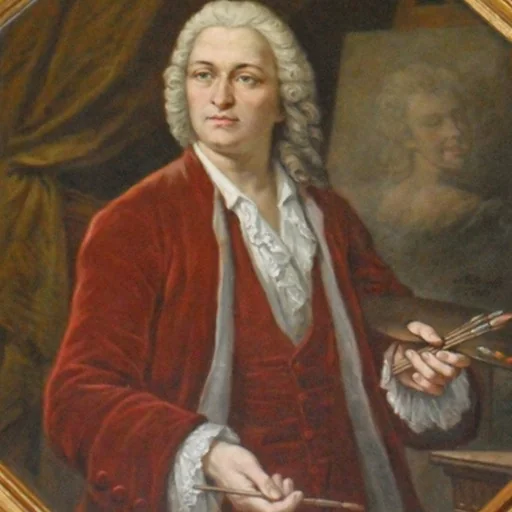
Jean-Baptiste van Loo (1684–1745) was a French artist, born in Aix-en-Provence.

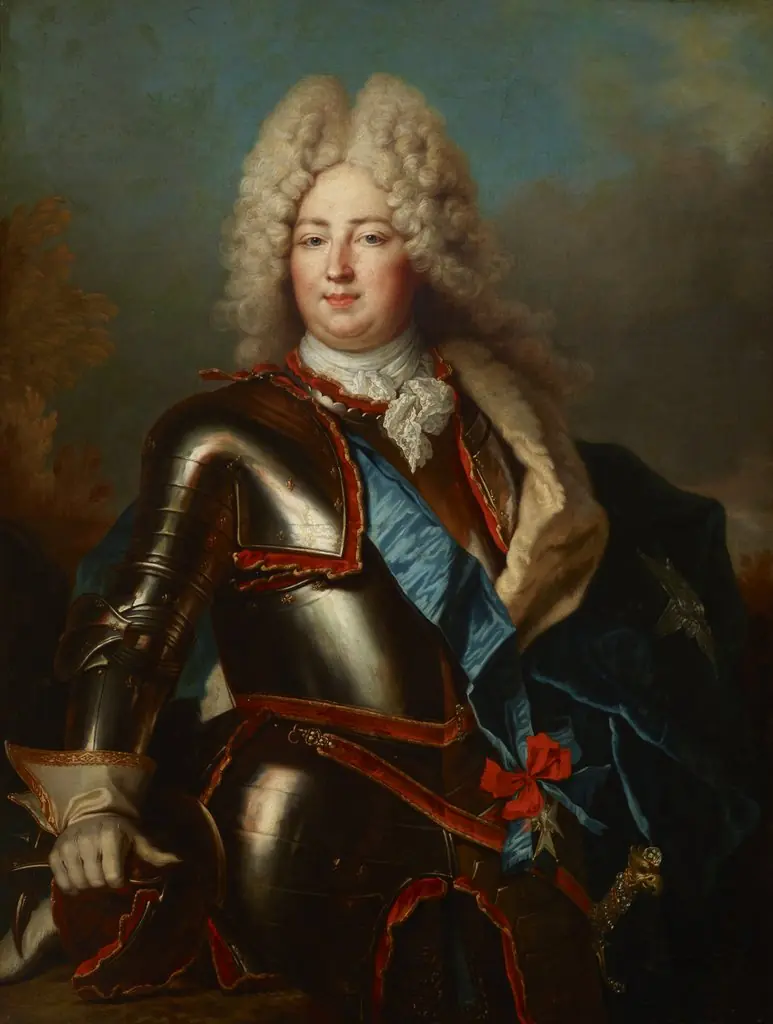 Portrait of Charles de France (1686–1714)
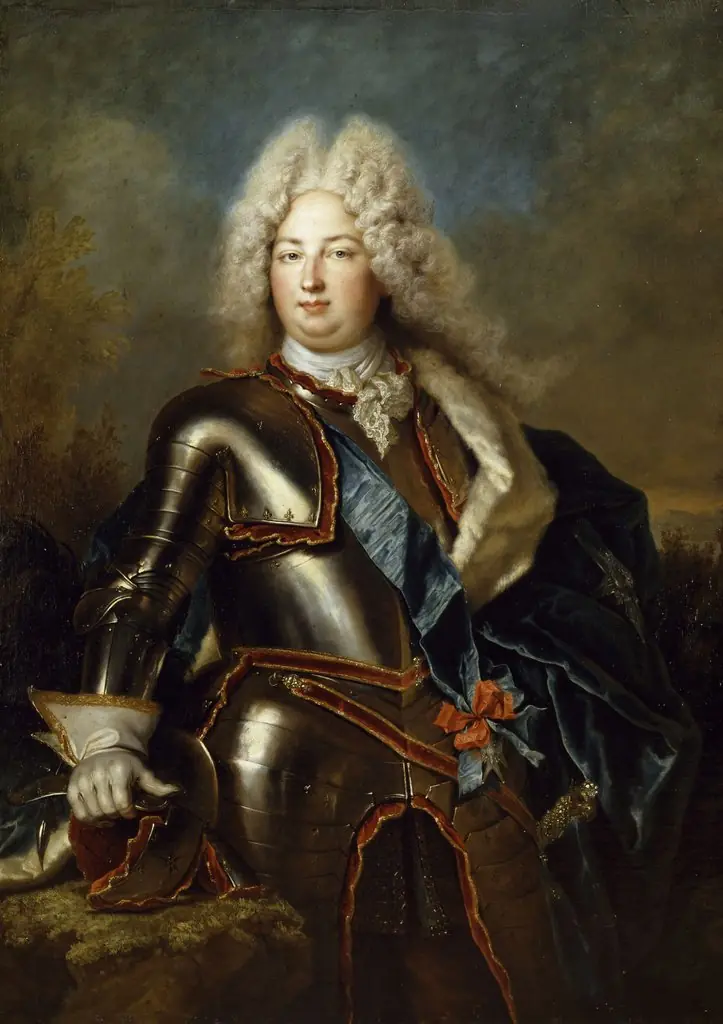 Charles of France, Duke of Berry
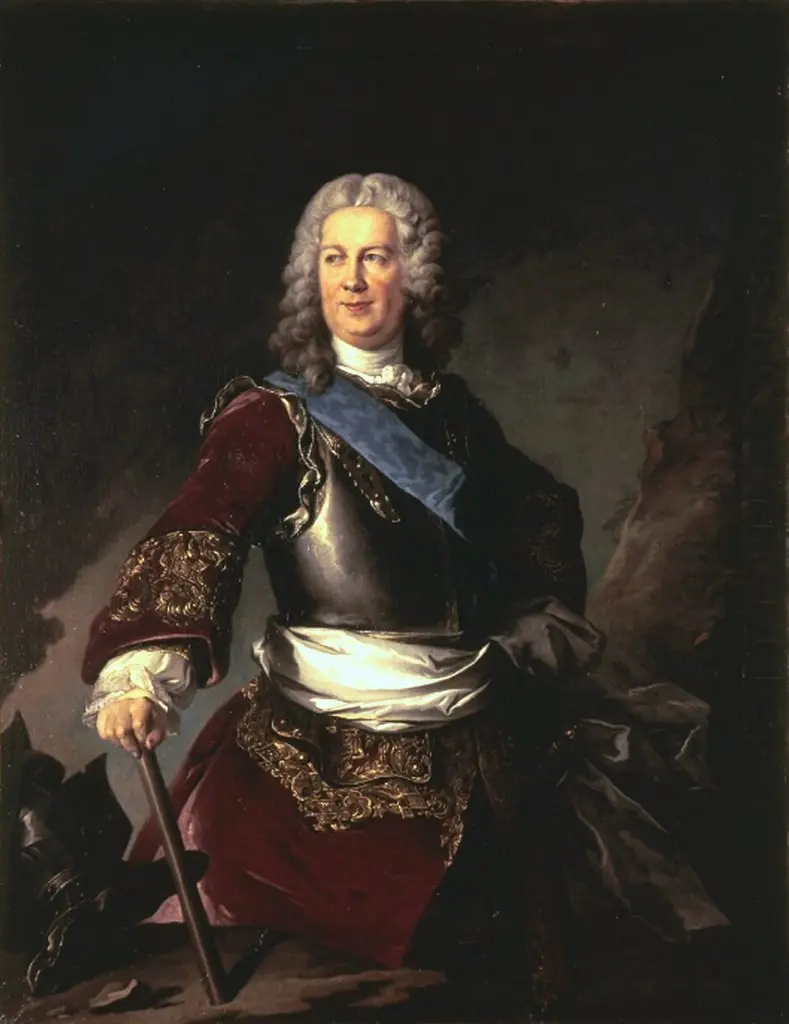 Thomas Goyon de Matignon (1684-1766), comte de Gacé, seigneur de Briquebec, Brigadier des armées du Roi en 1719.
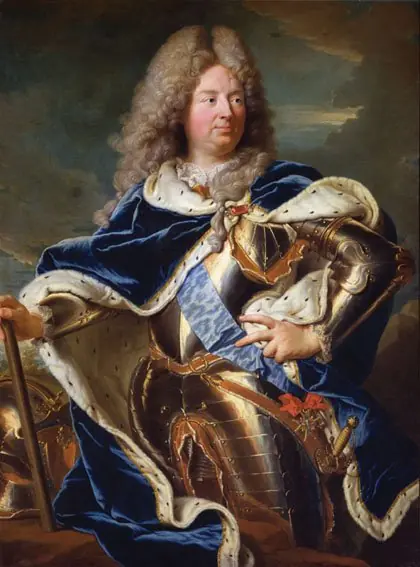 Portrait of the Duke of Antin
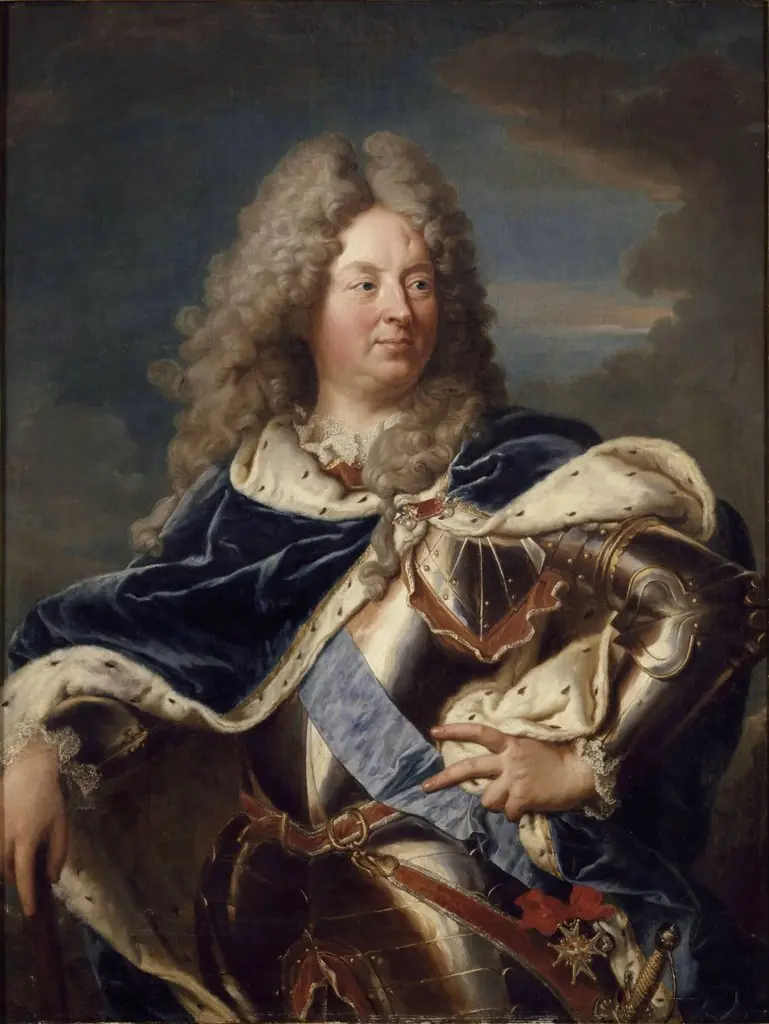 Portrait of the Duke of Antin
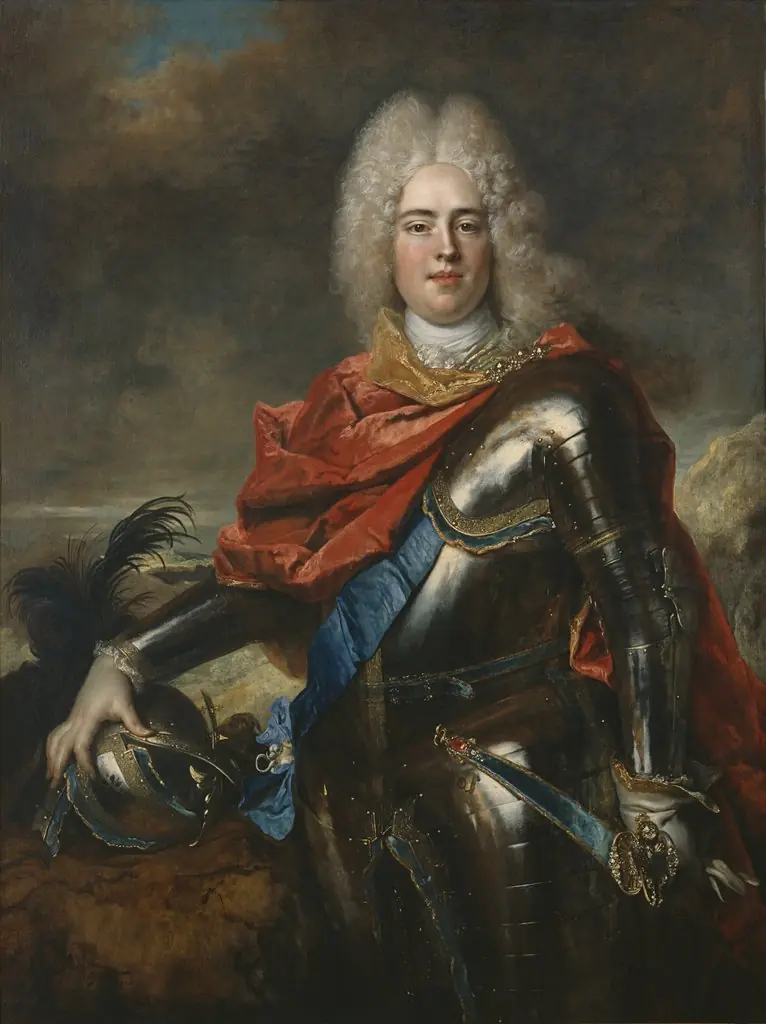 Crown Prince Frederick Augustus of Saxony
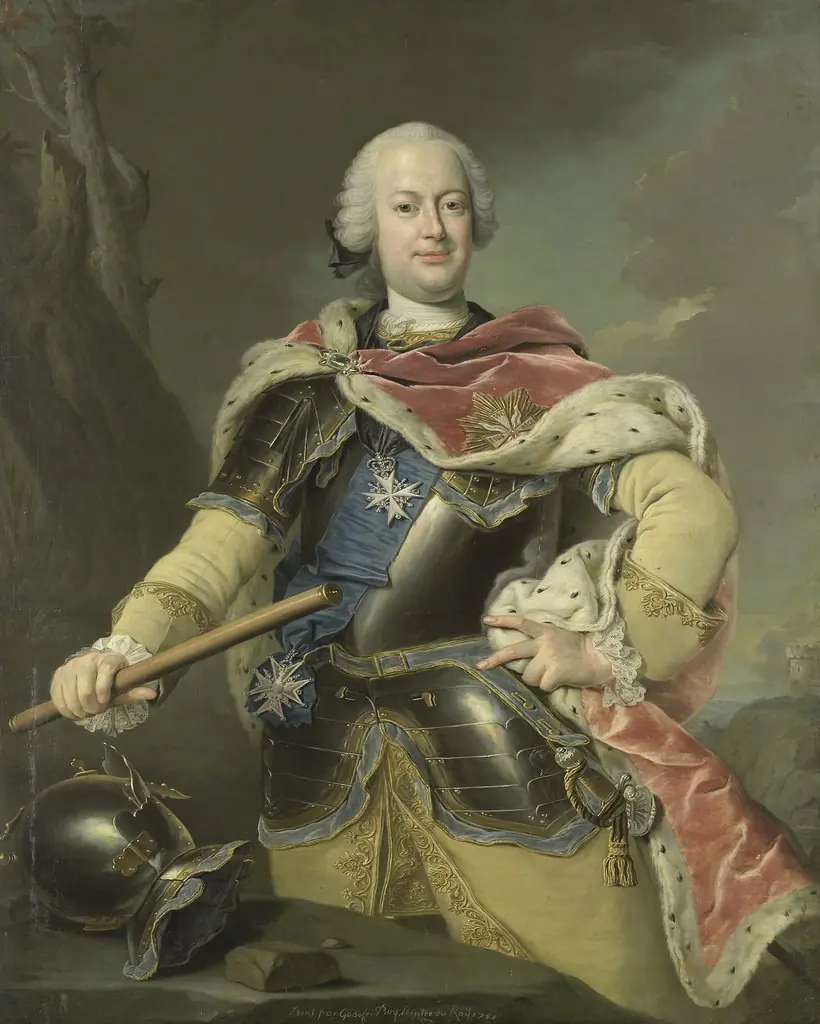 Friedrich Christian (1722-63), Elector of Saxony and King of Poland
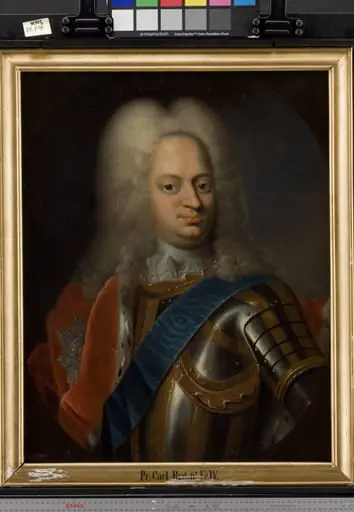 Prins Carl. Frederik IV's broder
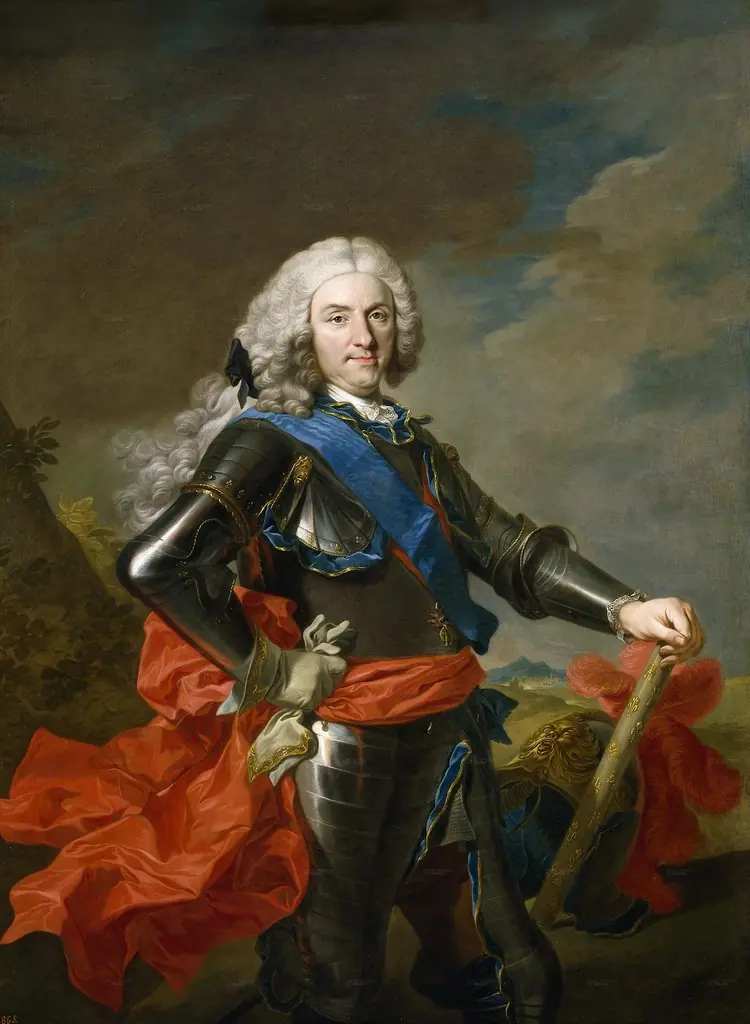 Felipe V, King of Spain
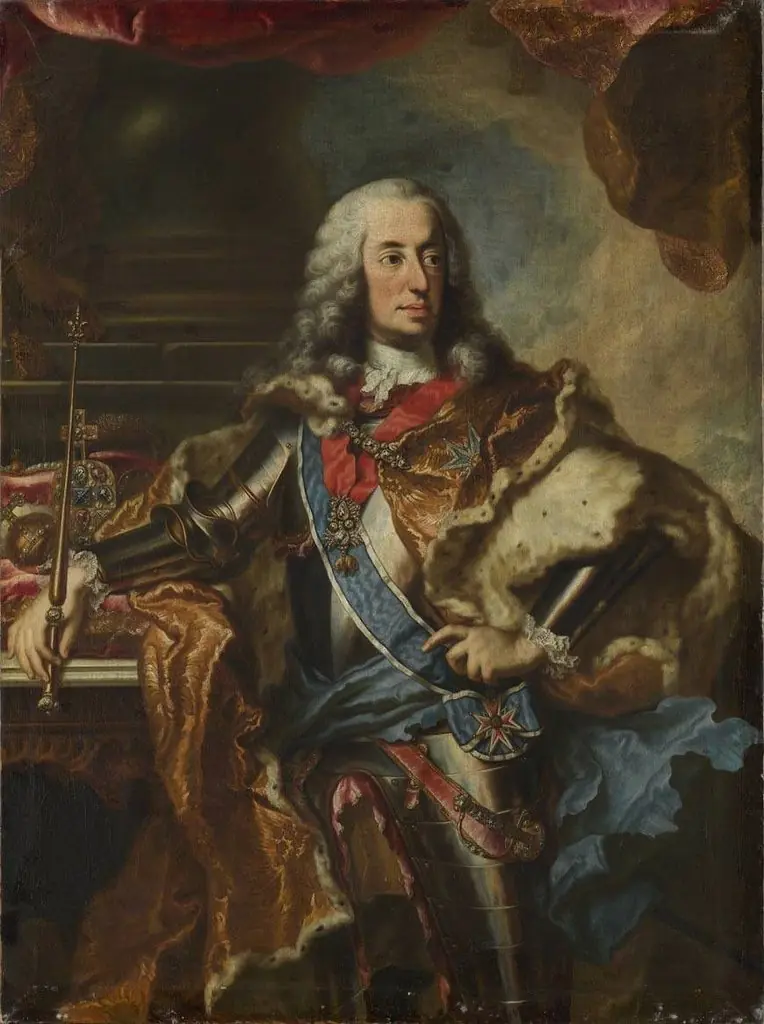 Kurfürst Karl Albrecht als Kaiser Karl VII. (1697-1745)
 Friedrich Christian, Prince-Elector of Saxony, Prince of Poland
 Portrait of Stanislaus Leszczyński (1677–1766))