Artwork
Screen with Poems and Paintings
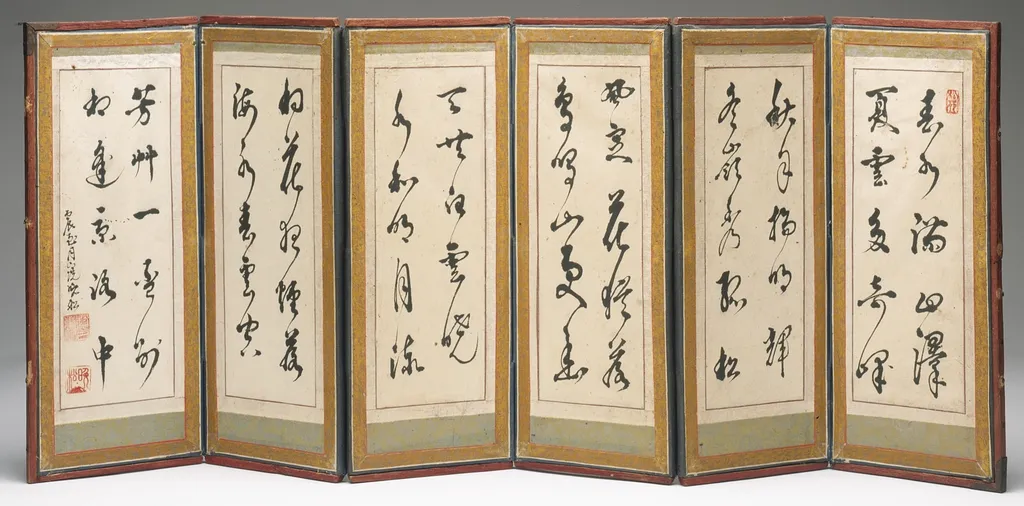
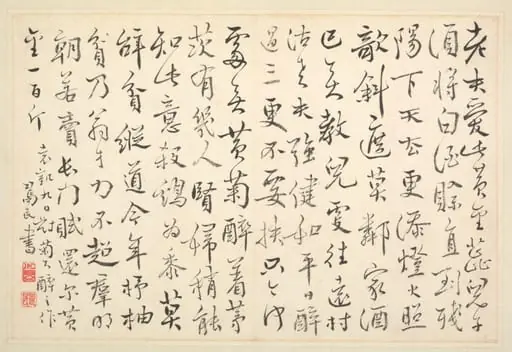
Screen with Poems and Paintings is an unspecified painting by Unknown. It is held in the collection of the Los Angeles County Museum of Art. This work is a folding screen adorned with calligraphic poems and painted scenes, combining literary and visual art in a single object.
About this work
Overview
This work is a folding screen adorned with calligraphic poems and painted scenes, combining literary and visual art in a single object. Created in East Asia, likely during the late imperial period, it served both decorative and intellectual purposes, reflecting the cultural value placed on poetry and painting as intertwined disciplines.
Subject & Meaning
The screen features classical verses paired with landscapes, flora, or figures, often evoking themes of transience, solitude, or harmony with nature. The poems, drawn from established literary traditions, deepen the visual imagery, inviting contemplation rather than narrative. Together, they express a refined aesthetic sensibility rooted in scholarly ideals.
Technique & Style
Ink and mineral pigments were applied with precision on paper or silk panels, mounted on wooden frames. Calligraphy appears in elegant, controlled brushwork, while paintings employ subtle gradations and sparse composition. The style aligns with literati traditions, emphasizing restraint, brush vitality, and the artist’s personal expression over realism.
History & Provenance
The screen was likely commissioned by a scholar-official or aristocratic household for use in private study or reception rooms. Its survival suggests careful preservation, possibly within a family collection. No definitive record of its original owner or date exists, but stylistic analysis points to production between the 17th and 19th centuries.
Context
In East Asian elite culture, screens like this were more than furnishings—they were tools of self-cultivation. Displaying poetry and painting together affirmed the owner’s education and taste. Such objects were often exchanged as gifts among literati, reinforcing social bonds through shared cultural references.
Legacy
This screen exemplifies a tradition in which visual and textual art were inseparable. While later collectors valued it as an antique object, its original function as a medium for quiet reflection endures in scholarly studies of East Asian aesthetics. It remains a testament to the integration of literature and art in premodern elite life.
Artist & collection

 Domestic Scene
 Giacomo and Cardinal Marco, investing Andrea, Abbot of San Zeno, with his Benefice
 The Nymph of Fontainebleau
 Portrait of a Woman
 Madonna and Child with Saints in the Enclosed Garden
 Venus and Minerva
 Family Group of Four on Sofa
 Wall painting from Room H of the Villa of P. Fannius Synistor at Boscoreale
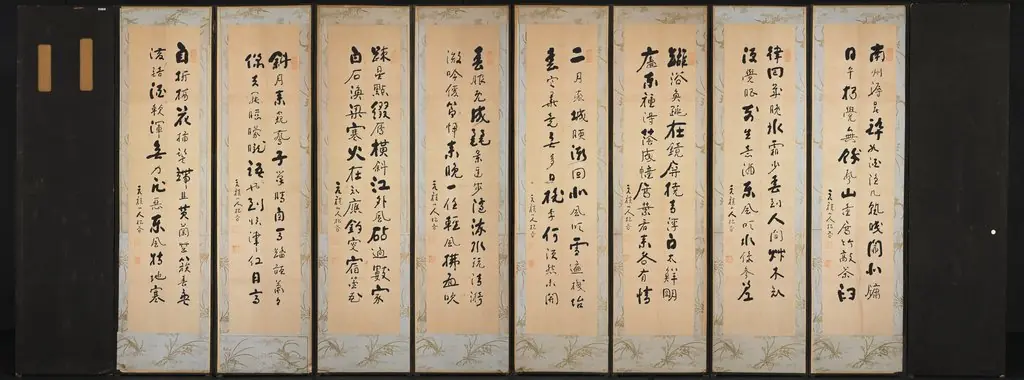 Calligraphy (reverse)
 Preface from Flowers and Grasses
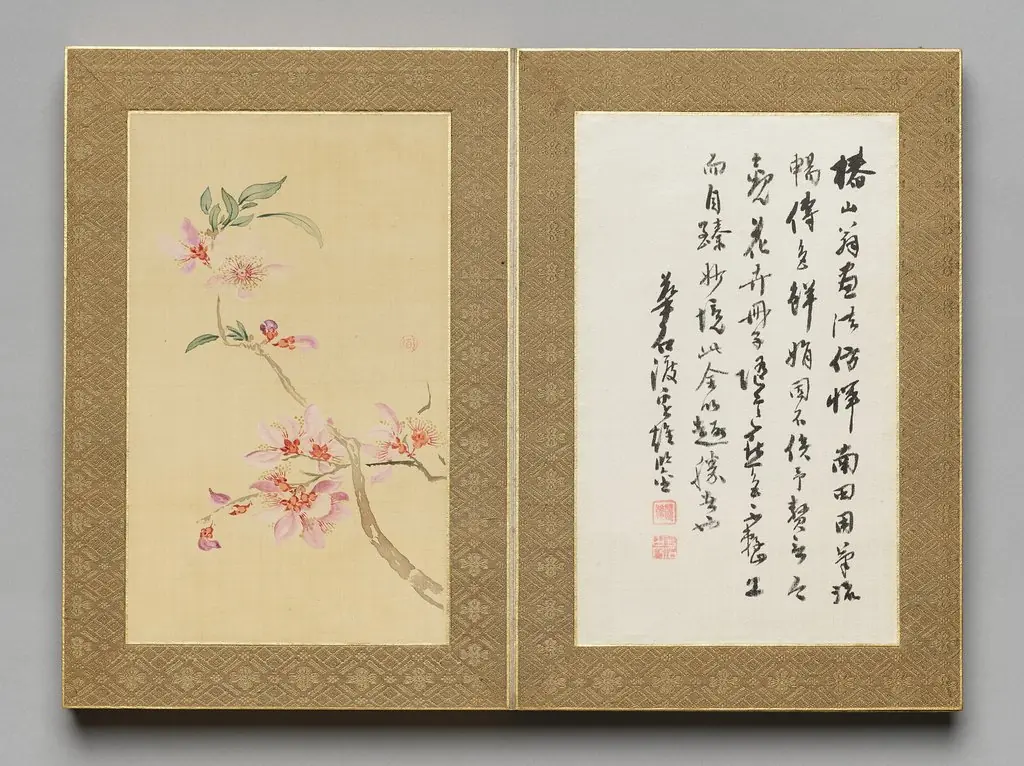 Preface from Flowers and Grasses
 Reverberations of Taiga
 Untitled
 Account of the Three Springs of Jiangsu Province in China
 Calligraphy 「鵬齋逸才子」 書
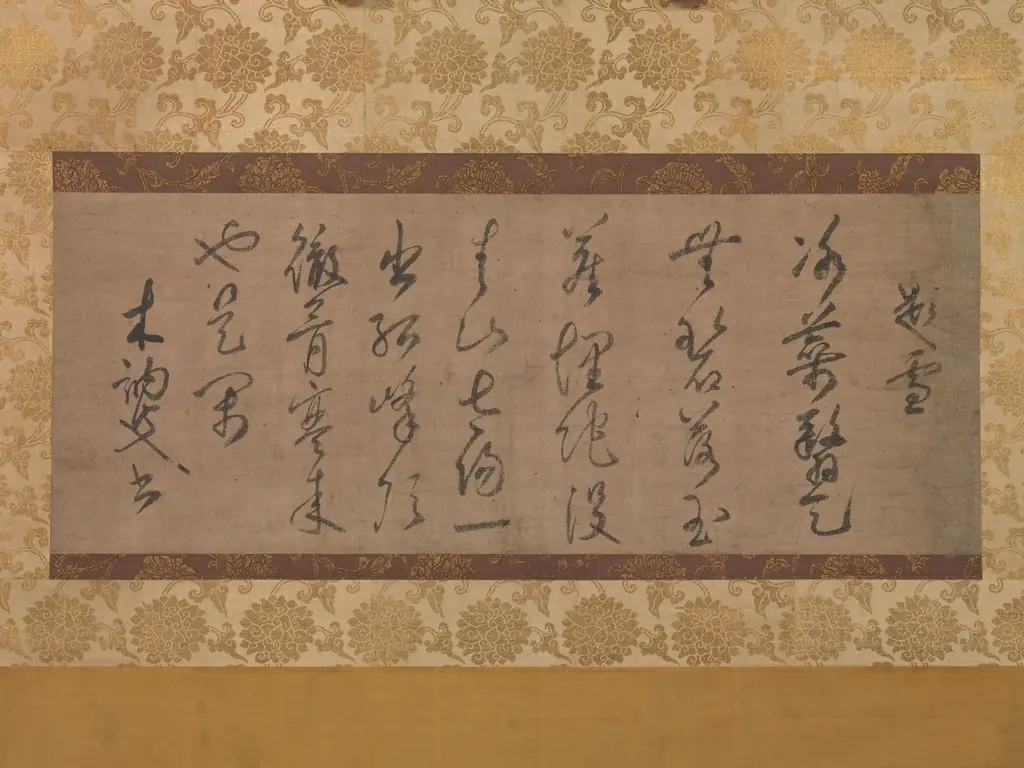 Poem on the Theme of Snow
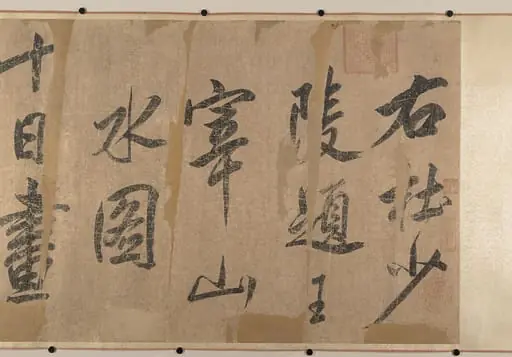 Untitled
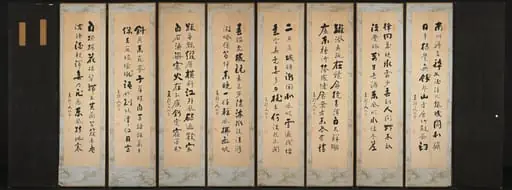 Calligraphy (reverse)
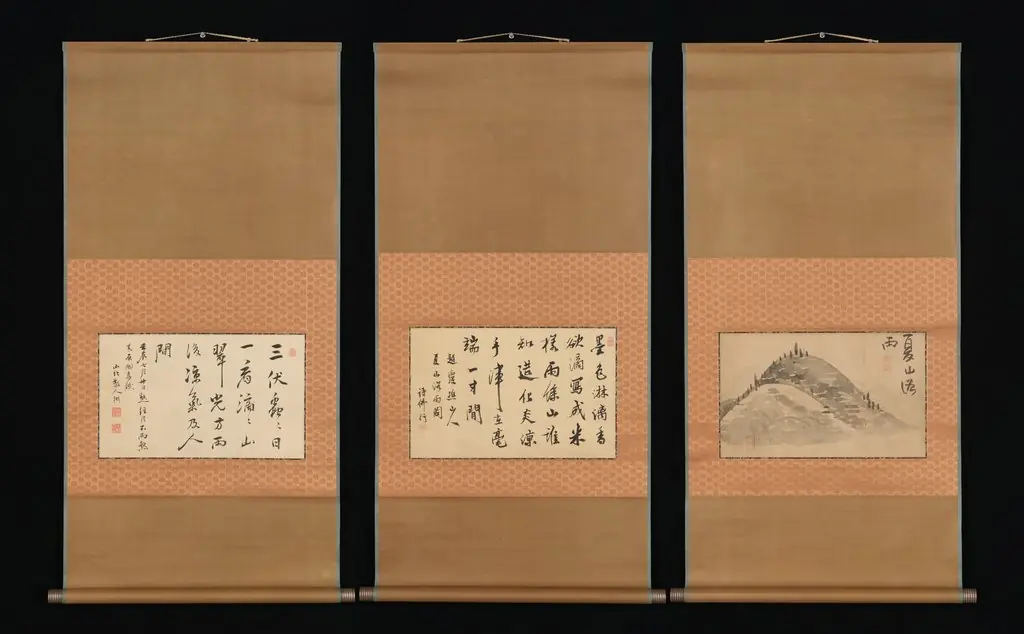 Mountain and Calligraphy
 Album of Calligraphy and Paintings