Artwork
Henry Dobinson
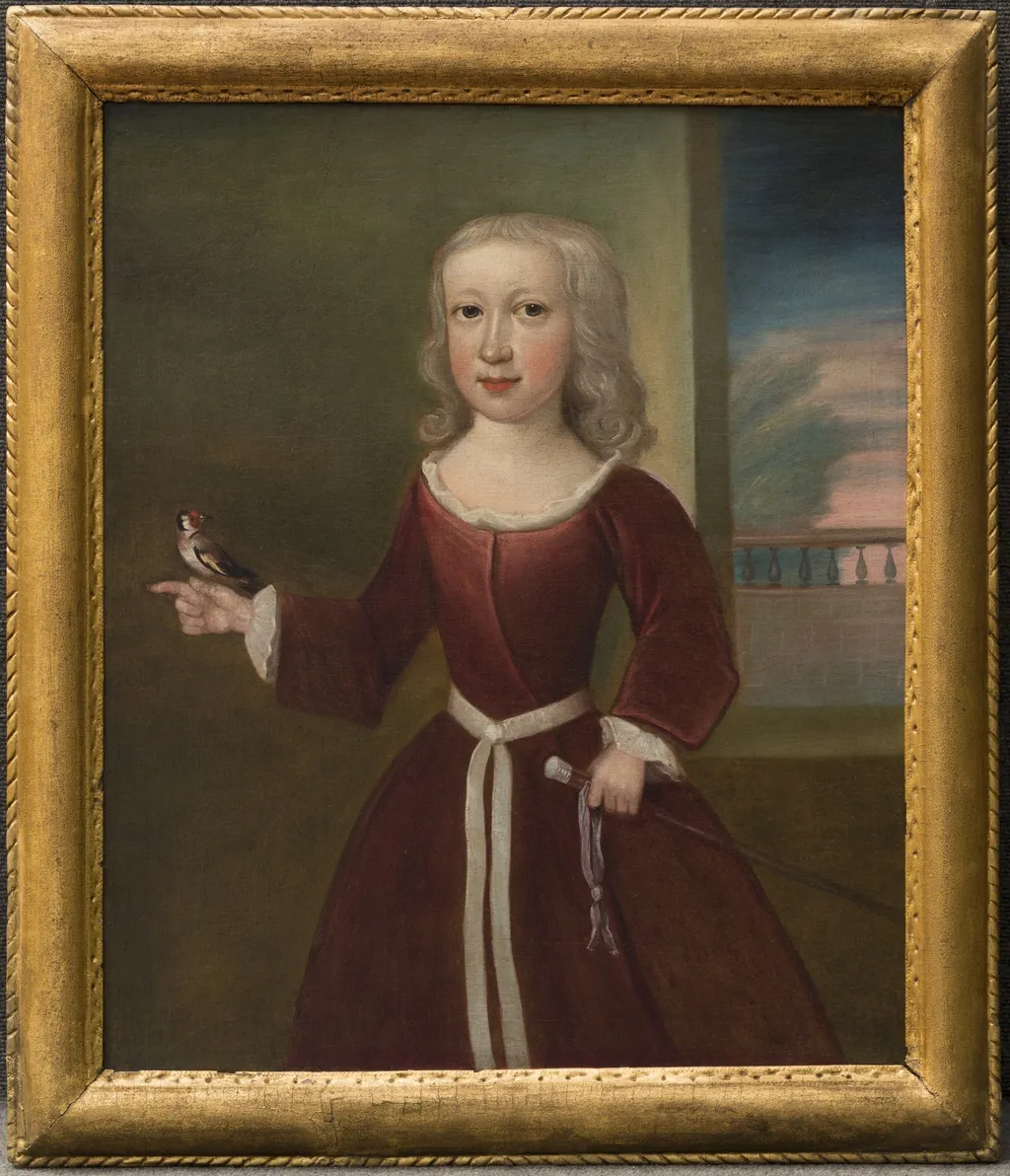
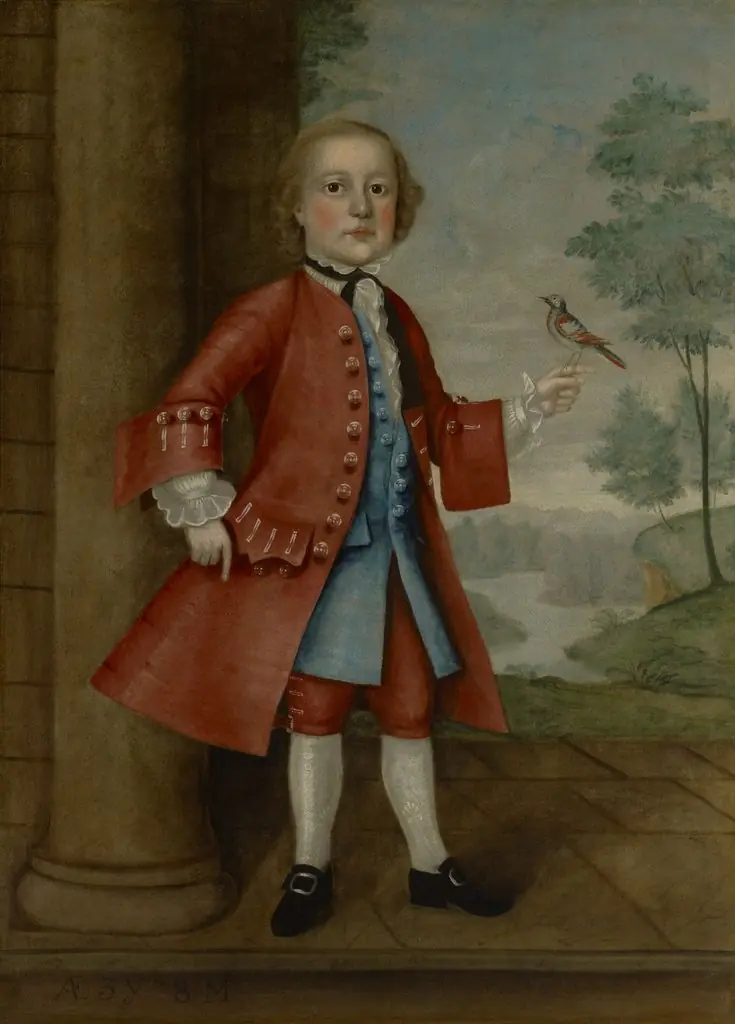
Henry Dobinson is an oil painting by the Rococo painting artist Unknown. It dates from 1765 and is held in the collection of the Detroit Institute of Arts.
About this work
Overview
This oil painting depicts a young boy, approximately five to seven years old, dressed in a red velvet garment with white lace trim and a sash. He holds a small bird in one hand and a sword in the other, standing before a muted green wall with a window revealing a soft sky. The composition is restrained, emphasizing stillness and inward focus rather than action or narrative drama.
Subject & Meaning
The boy’s juxtaposition of a delicate bird and a weapon suggests a tension between innocence and authority, perhaps symbolizing early exposure to duty or social roles. His direct gaze and neutral expression invite quiet reflection rather than emotional engagement, leaving the symbolic intent open to interpretation without overt moralizing.
Technique & Style
The artist employs chiaroscuro to model the boy’s form against the dim background, enhancing three-dimensionality through subtle gradations of light and shadow. The textures of velvet, lace, and feathers are rendered with precision, while the background remains softly blurred, directing attention to the figure and the objects he holds.
History & Provenance
The painting is attributed to Henry Dobinson, though little is documented about the artist’s life or this specific work. Its origins remain unclear, with no known exhibition history or early ownership records. The absence of contextual documentation leaves its commission and intended audience speculative.
Context
Created during a period when portraiture often conveyed social status through symbolic objects, this work aligns with conventions of child portraiture in early 19th-century Britain. The inclusion of a bird and sword may reflect contemporary ideals of nurture and martial readiness, particularly among the gentry, though the tone here is unusually subdued.
Legacy
The painting remains an obscure example of its genre, rarely reproduced or studied. Its quiet intensity and ambiguous symbolism have not been widely analyzed, and it holds no known influence on later artists. It survives as a quiet, unassuming record of a child caught between two worlds.
Artist & collection

 Domestic Scene
 Giacomo and Cardinal Marco, investing Andrea, Abbot of San Zeno, with his Benefice
 The Nymph of Fontainebleau
 Portrait of a Woman
 Madonna and Child with Saints in the Enclosed Garden
 Venus and Minerva
 Family Group of Four on Sofa
 Wall painting from Room H of the Villa of P. Fannius Synistor at Boscoreale
 Possibly Margaret Robins
 Portrait of Amarinthia Elliott
 James Badger
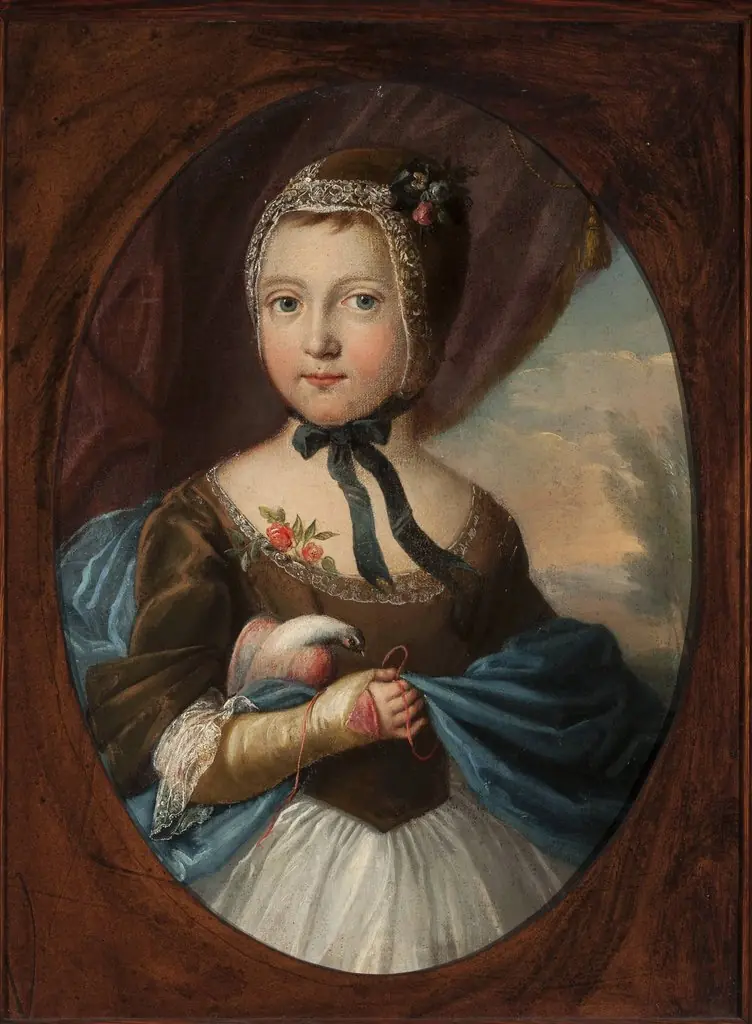 Portrait of Anna Bogusławska née Linowska (1734–1762)
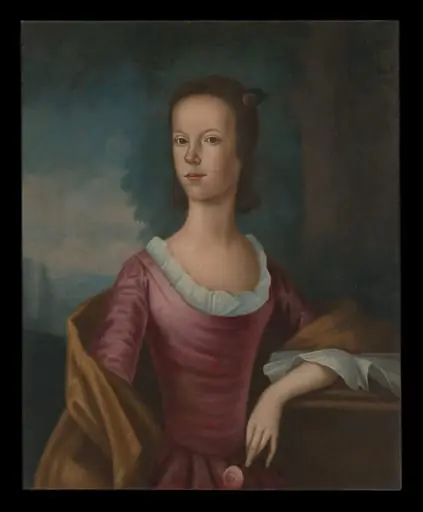 Sarah Ursula Rose
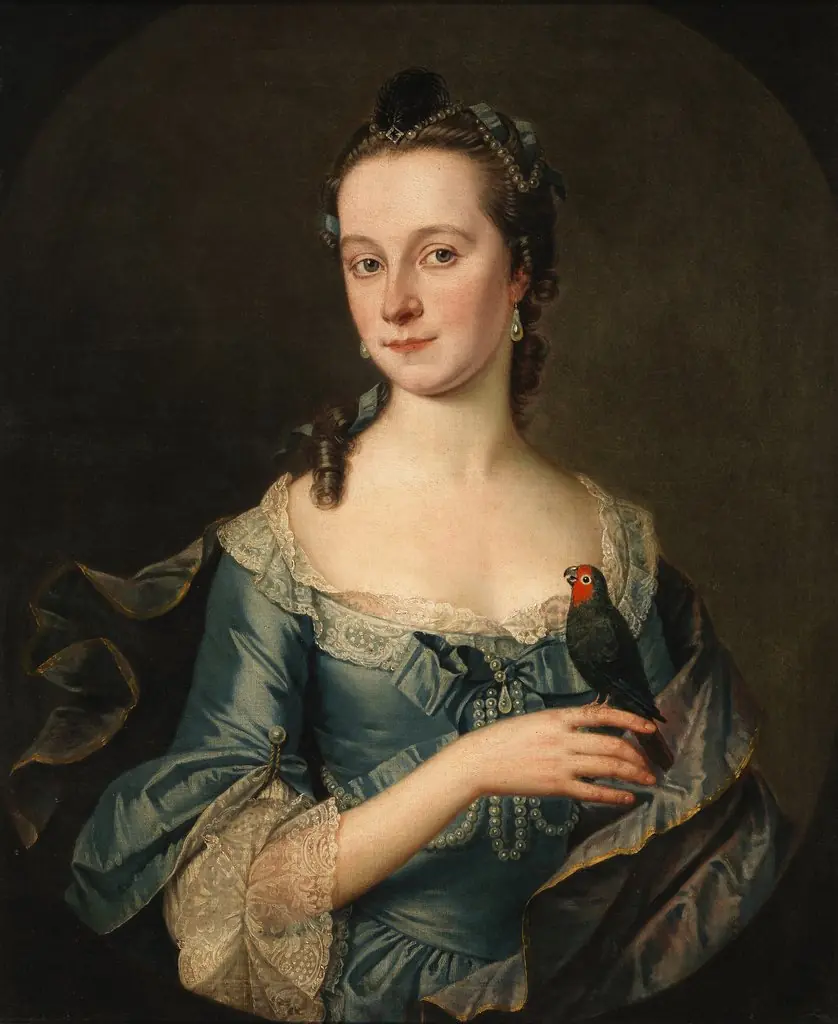 Portrait of a Lady, Said to Be the Wife of Sir Robert Travers
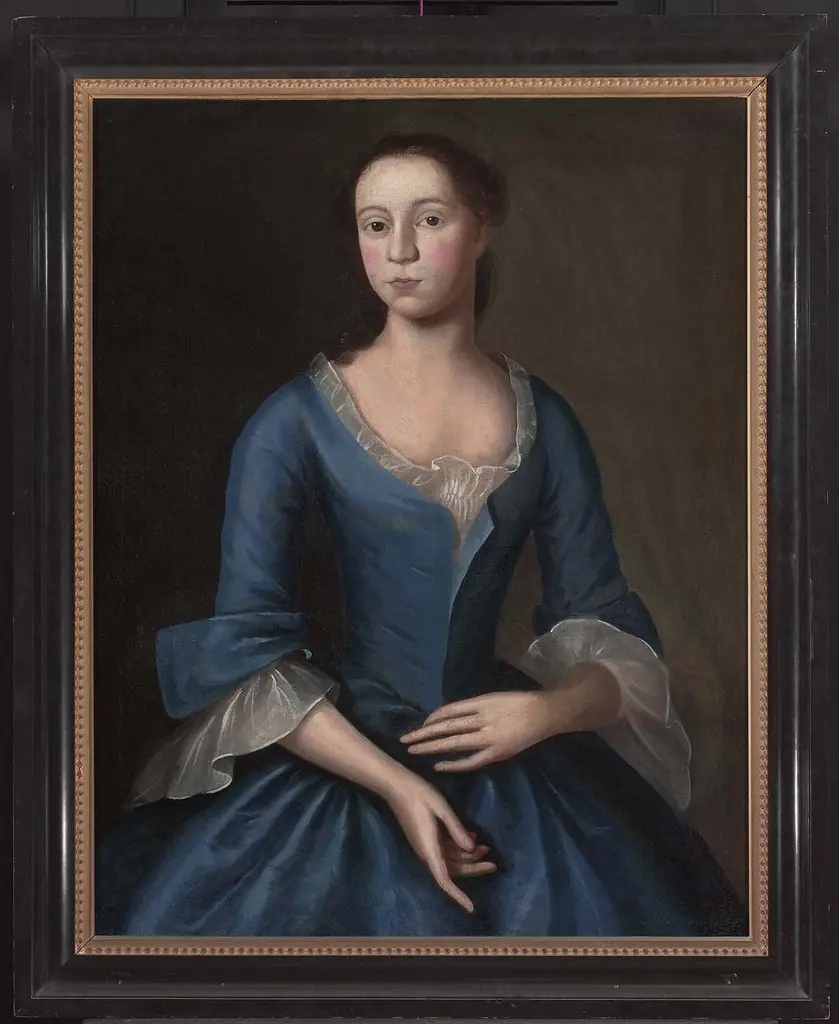 Elizabeth Storer (Mrs. Isaac Smith)
 Mrs. Thomas Sprigg
 Girl in a Pink Dress
 Mrs. William Allen
 Elizabeth Ross (Mrs. William Tyng)
 Portrait of John Gerry