Artwork
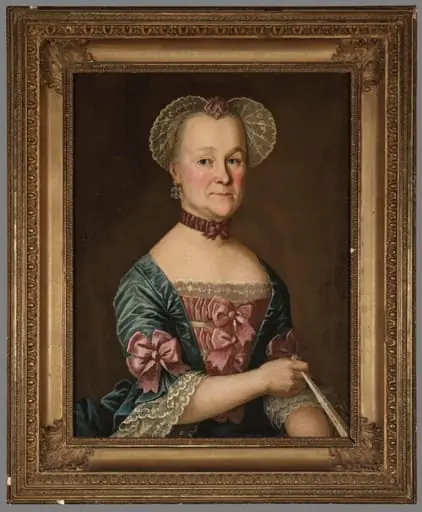
Portrait of Anna Bogusławska née Linowska (1734–1762)
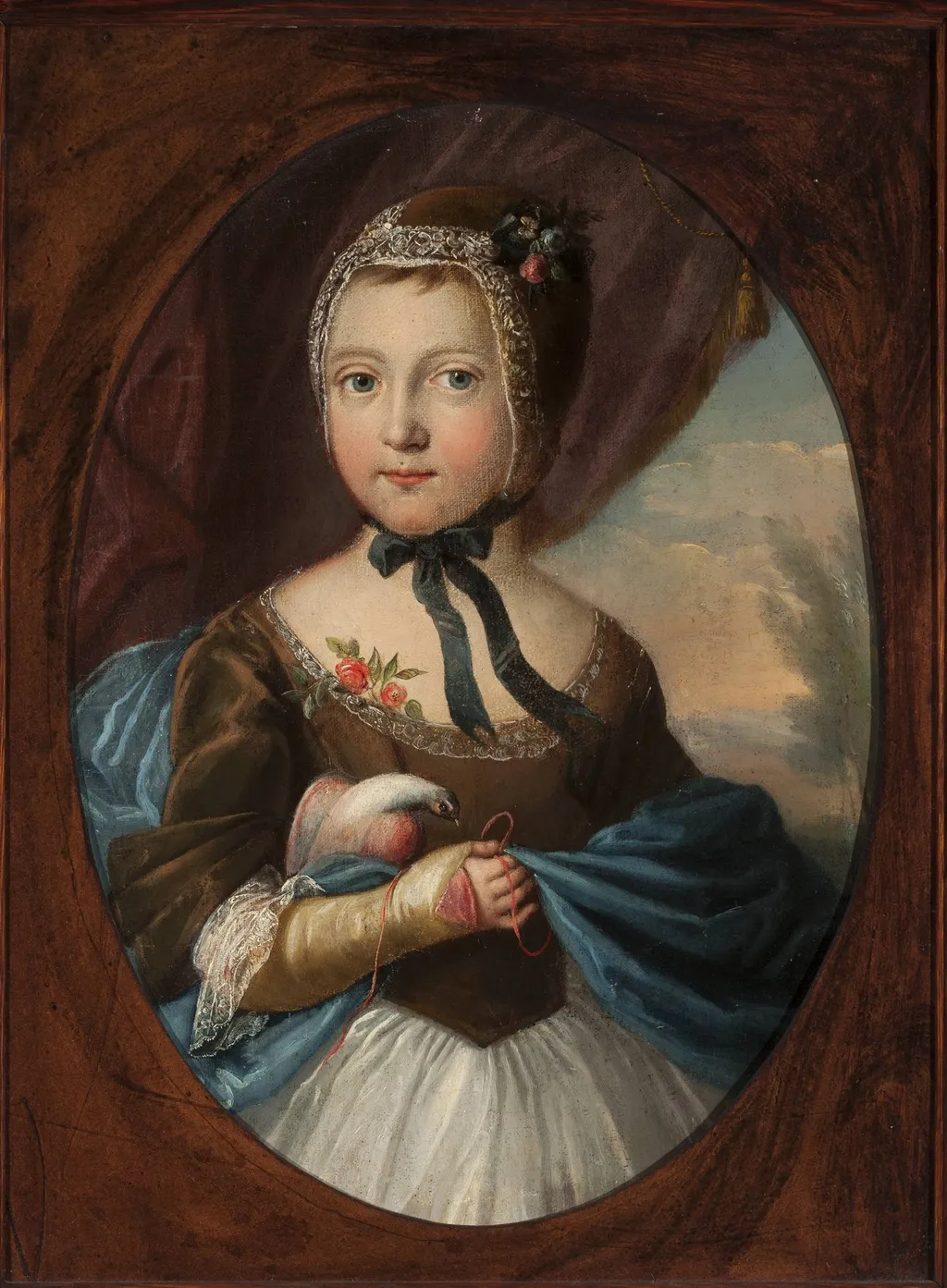
Portrait of Anna Bogusławska née Linowska (1734–1762) is an unspecified painting by Józef Wall. It dates from 1786 and is held in the collection of the National Museum in Warsaw.
About this work
Overview
Painted around 1786 by Józef Wall, this portrait depicts Anna Bogusławska, born Linowska, who lived from 1734 to 1762. Though she died before the painting was made, the work serves as a posthumous commemoration. It is part of the collection at the National Museum in Warsaw, where it remains one of the few surviving portraits by Wall, a lesser-known artist of the Polish Enlightenment era.
Subject & Meaning
The subject, Anna Bogusławska, is portrayed as a young woman in quiet repose, her direct gaze creating an intimate connection with the viewer.
The subject, Anna Bogusławska, is portrayed as a young woman in quiet repose, her direct gaze creating an intimate connection with the viewer. The inclusion of a small bird on her arm and the red thread may allude to themes of domesticity, fragility, or the passage of time. Her attire and demeanor reflect the refined sensibilities of Polish nobility, while the absence of overt symbols suggests a personal, rather than ceremonial, intent.
Technique & Style
Wall employs soft brushwork and muted tones to convey a gentle, introspective mood. The textures of fabric—brown dress, white skirt, blue shawl, and gold sleeve—are rendered with subtle gradations of light. The background’s hazy landscape recedes gently, keeping focus on the figure. The bird and thread are delicately detailed, introducing a quiet narrative element without disrupting the portrait’s calm balance.
History & Provenance
The painting was likely commissioned by family members after Anna’s death in 1762, created some twenty-four years later. Its survival through the partitions of Poland and subsequent political upheavals underscores its personal significance. It entered the National Museum in Warsaw’s collection in the 19th century, where it has remained under consistent institutional care.
Context
Created during the Polish Enlightenment, the portrait reflects a growing interest in individual identity and emotional nuance in portraiture. While formal aristocratic portraits dominated, this work leans toward intimacy, aligning with broader European trends that valued personal expression over rigid hierarchy. Its modest scale and tender tone distinguish it from grander state commissions of the period.
Legacy
Though Józef Wall is not widely recognized, this portrait endures as a quiet testament to private mourning and familial memory in late 18th-century Poland. It offers insight into how aristocratic women were remembered beyond public roles, through subtle symbolism and personal detail. The work continues to be studied for its emotional restraint and its place in the evolution of Polish portraiture.
Artist & collection

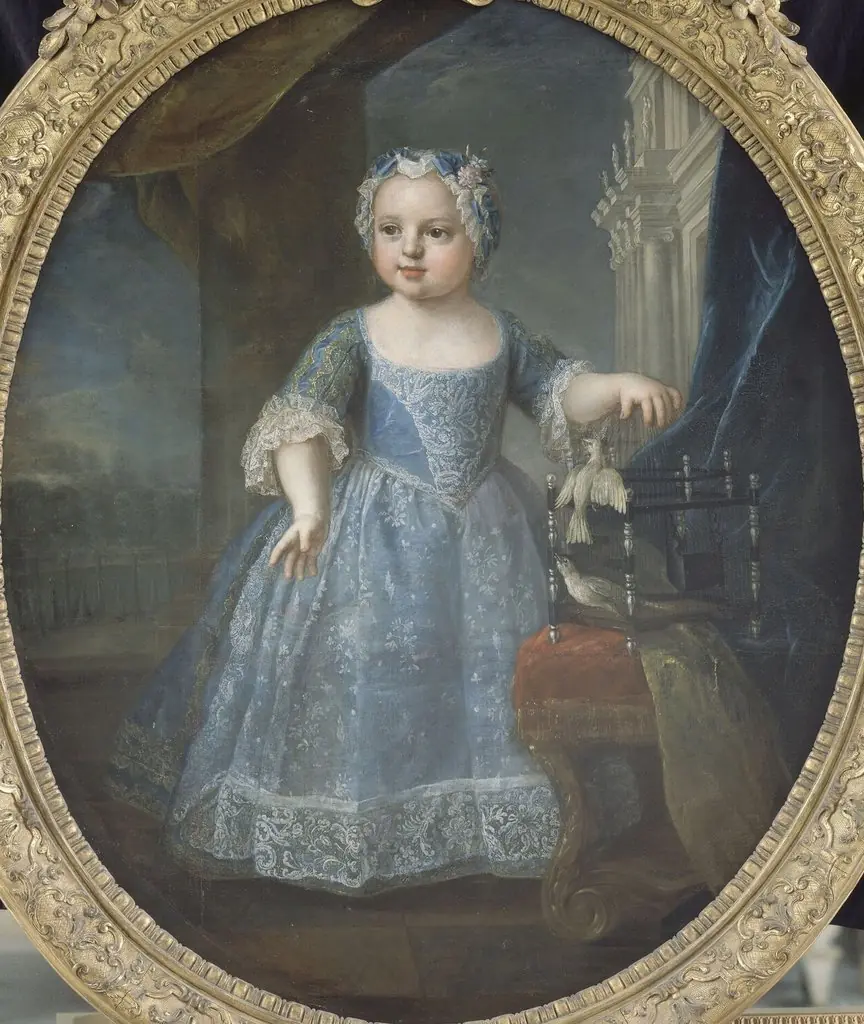 Marie-Louise de France (1728-1733), dite Madame Louise / Madame Troisième
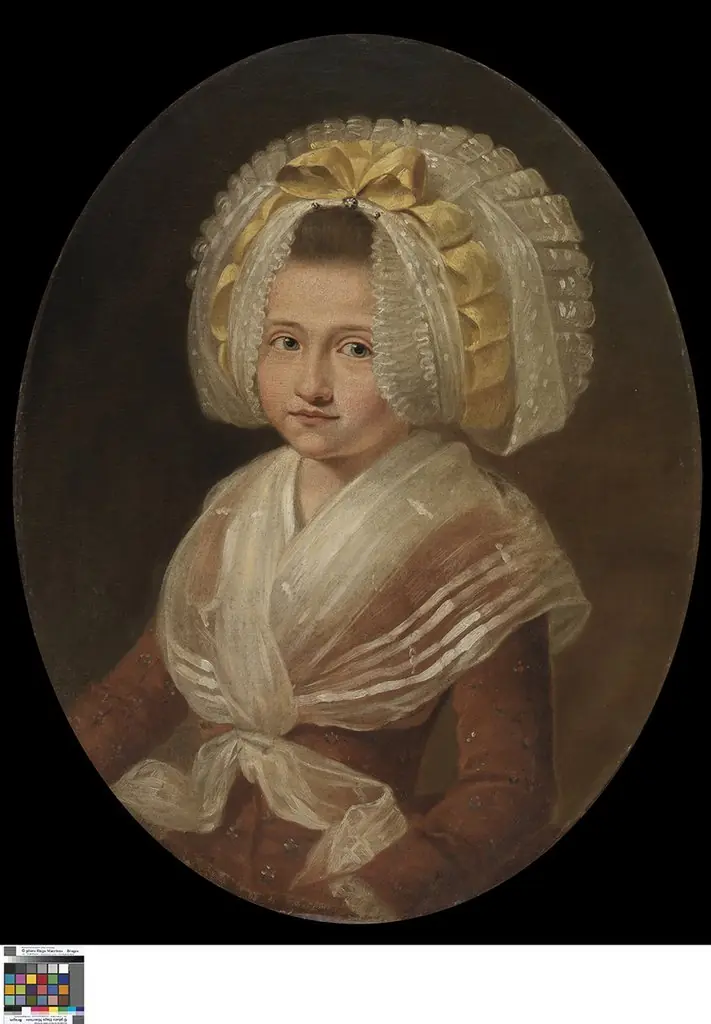 Portret van Maria van Speybrouck
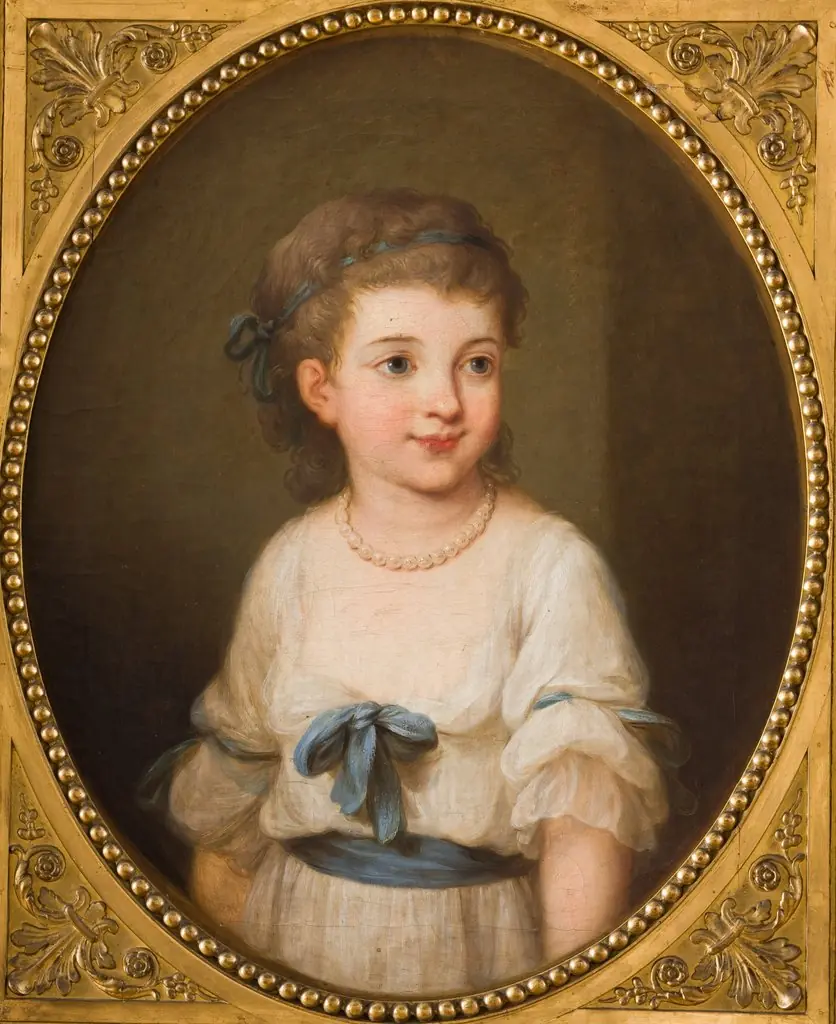 Portrait of Elżbieta Mniszech (born 1792)
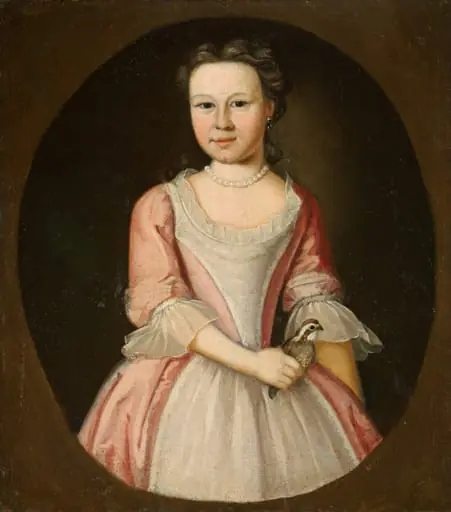 Possibly Margaret Robins
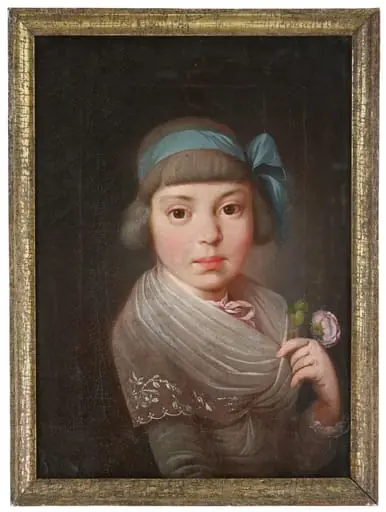 Bildnis eines kleinen Mädchens mit gepuderter Pagenfrisur
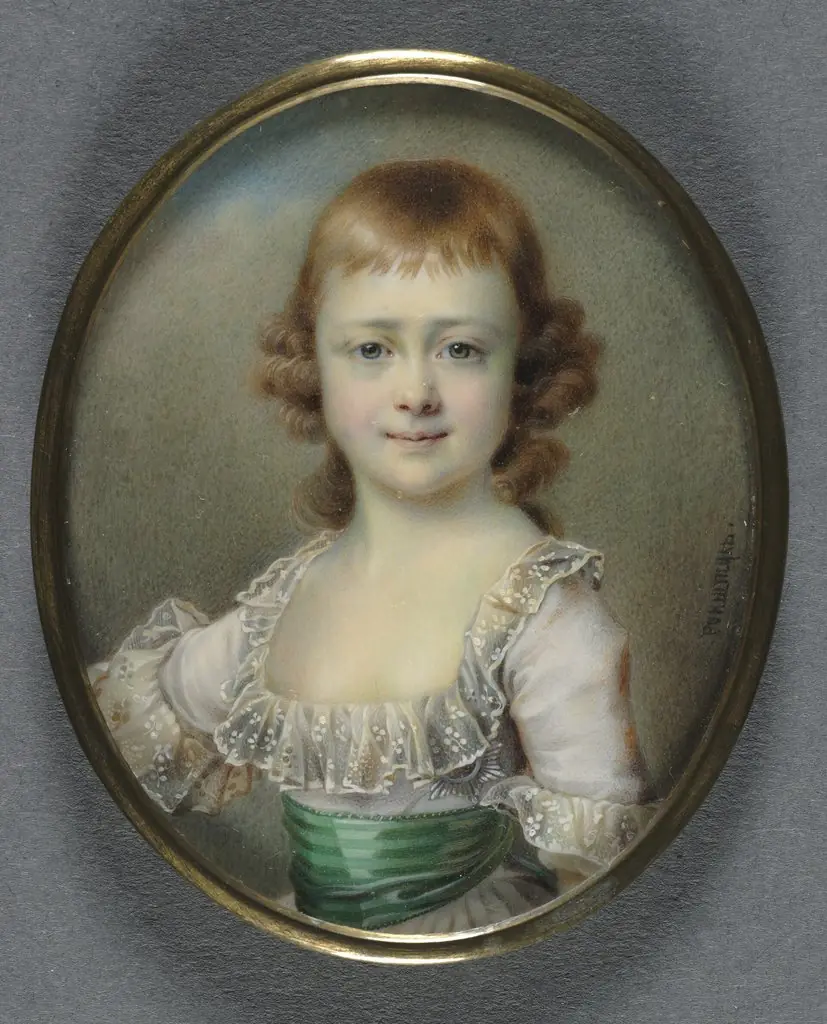 Portrait of Grand Duchess Catherine Pavlovna, later Queen of Württemberg
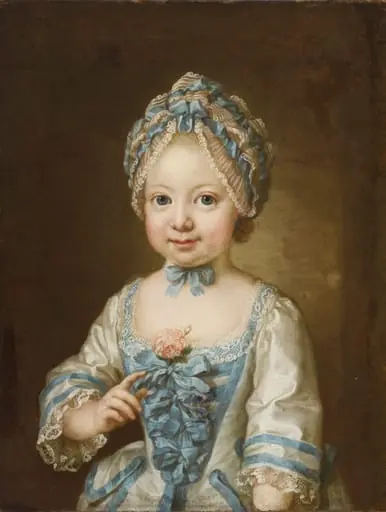 Hedvig Ulrika Hedengran
 Portrait of a Lady
 Portrait of a Noblewoman
 Infantin Maria Theresa von Neapel (1772-1807)
 Portrait of Julia Cieślik
 Ulrika Bock s. Kostfeldt (1721-1782)