Artwork
Tuti-Nama (Tales of a Parrot)
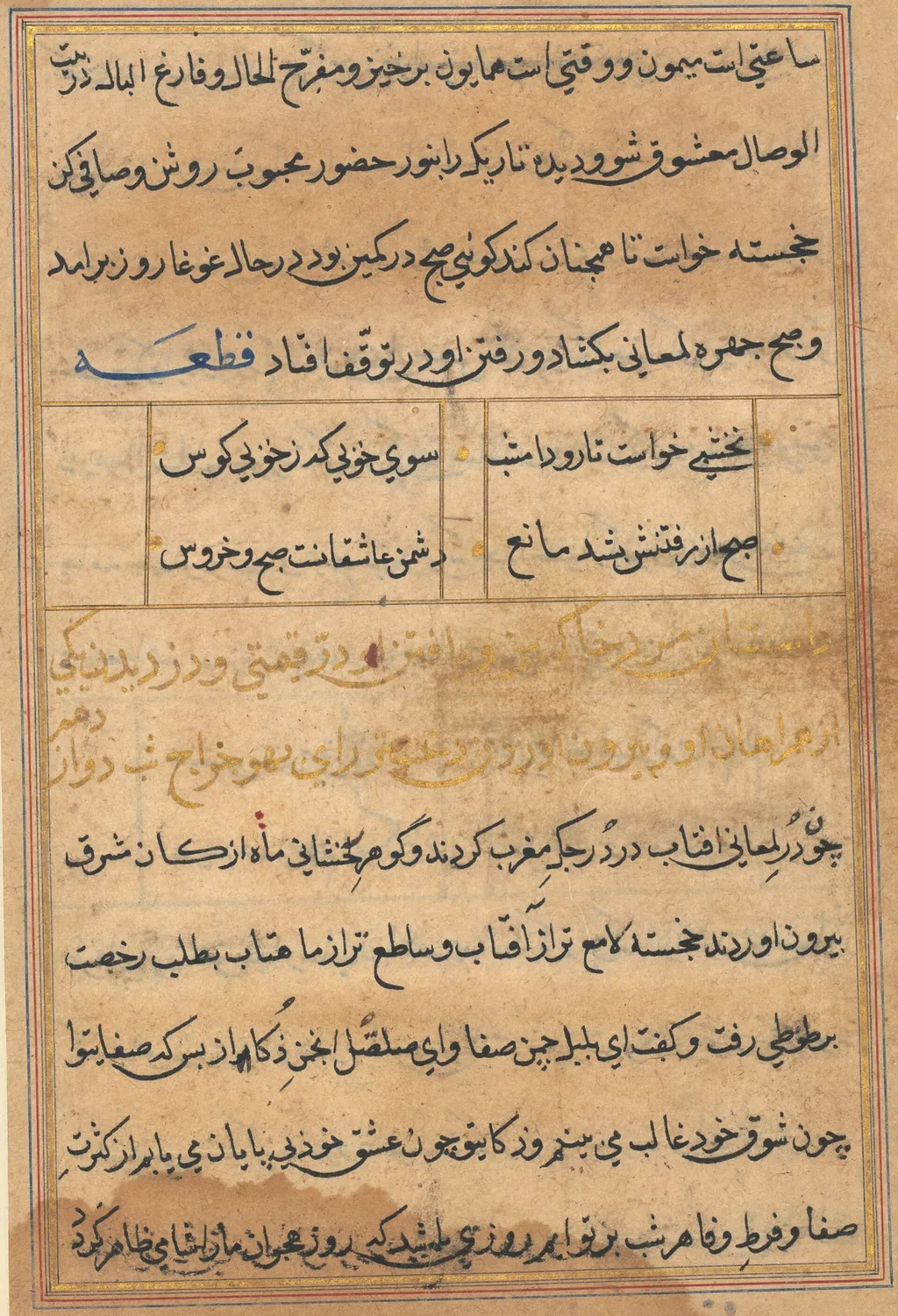
Tuti-Nama (Tales of a Parrot) is an unspecified painting. It dates from 1560 and is held in the collection of the Cleveland Museum of Art. Tuti‑Nama, translated as “Tales of a Parrot,” is an illustrated manuscript page held by the Cleveland Museum of Art.
About this work
Overview
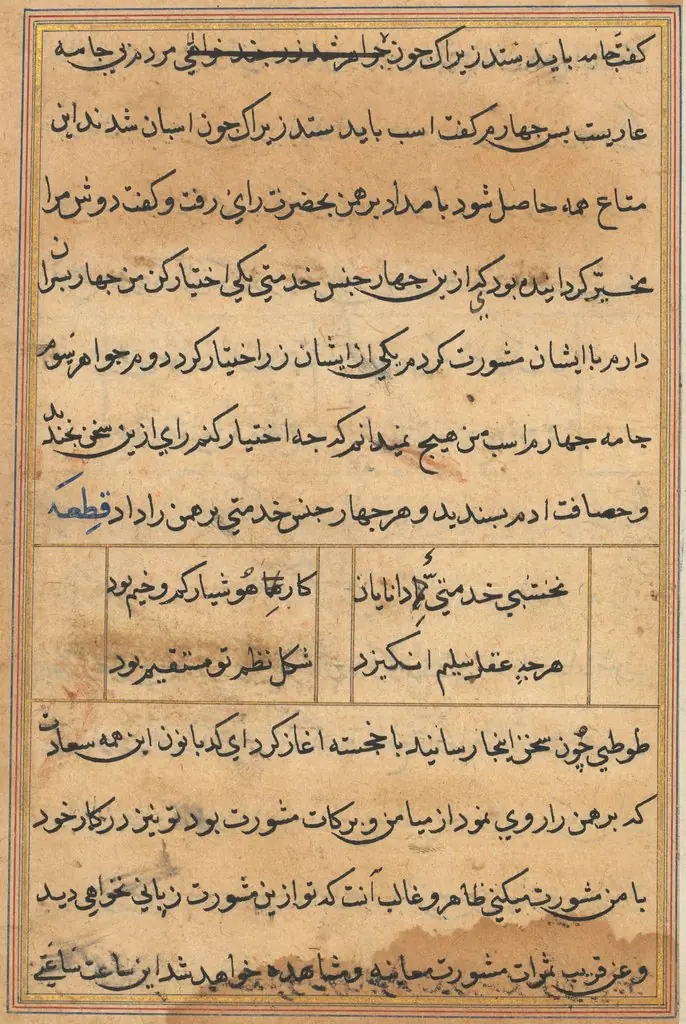
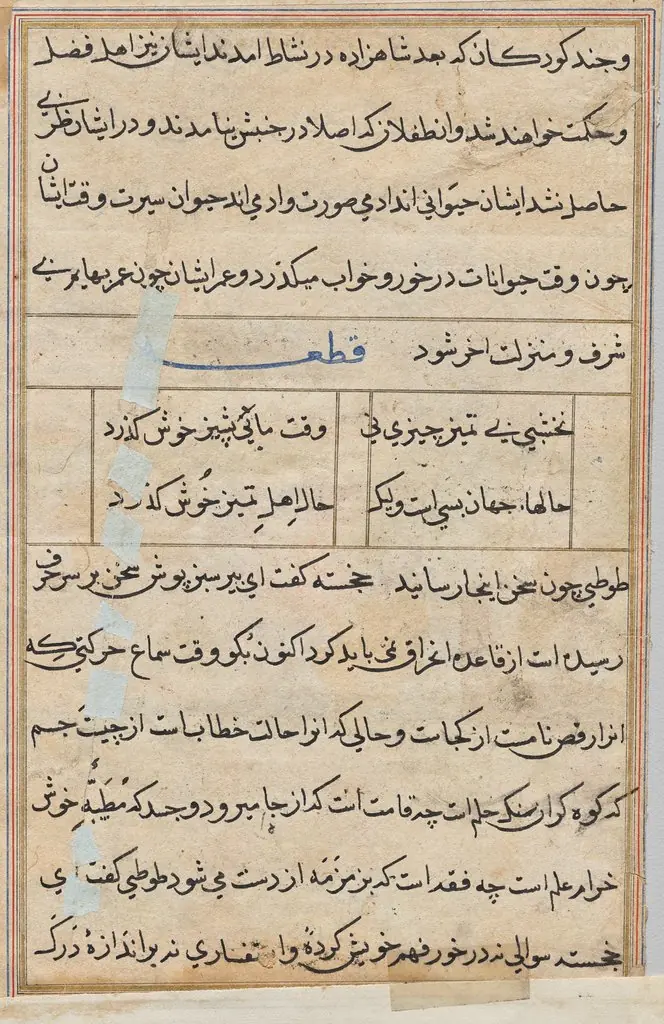
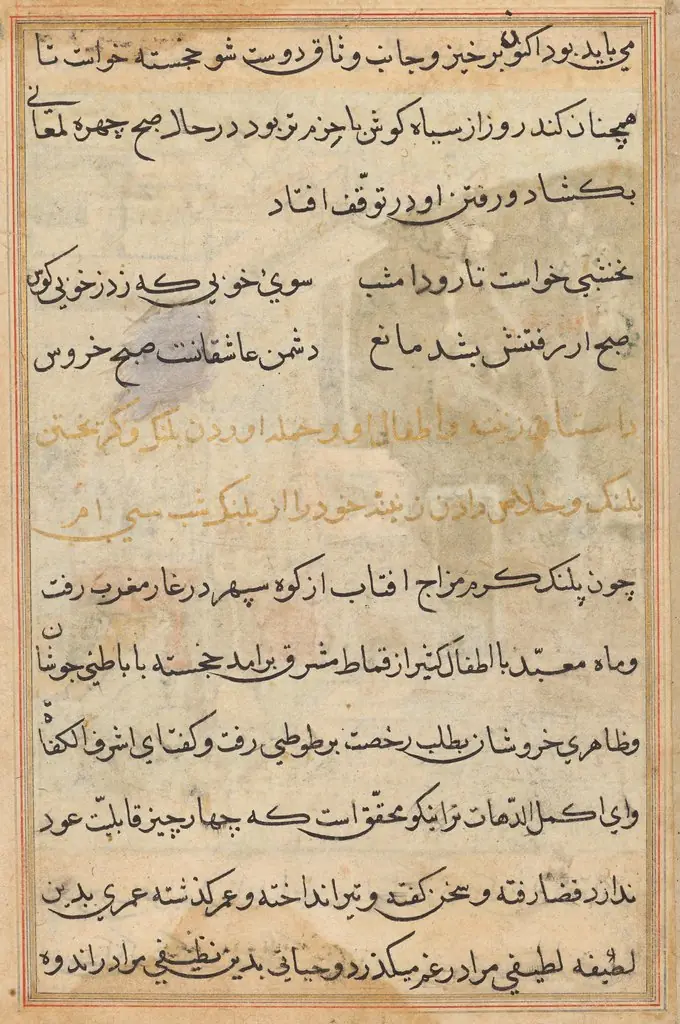
Tuti‑Nama, translated as “Tales of a Parrot,” is an illustrated manuscript page held by the Cleveland Museum of Art. The surface resembles aged parchment, its brownish tones softened by time. Black ink fills the page in orderly rows, while thin gold lines border the margins and occasional words appear in blue or red, adding visual contrast.
Subject & Meaning
The text recounts stories centered on a parrot, a motif common in Persian and South Asian literature where talking birds often convey moral lessons or courtly wit. The narrative’s structure, divided into chapter‑like sections, suggests a collection of anecdotes intended for entertainment or didactic purposes, reflecting the cultural value placed on storytelling.
Technique & Style
Calligraphic script dominates the composition, each letter rendered with deliberate strokes; some characters are elongated or curled for ornamental effect. Gold leaf outlines the page’s edges, and modest decorative motifs punctuate the margins, providing a subtle visual rhythm. The occasional use of blue and red pigments highlights key passages, a technique typical of luxury manuscripts.
History & Provenance
The page entered the Cleveland Museum of Art’s collection through acquisition in the early 20th century, though precise details of its origin remain limited. Its material qualities—aged parchment, gold leaf, and multi‑colored inks—indicate a production context within the manuscript traditions of the Indian subcontinent or Persia.
Context
Manuscript culture in the region prized richly illustrated texts, often commissioned by elite patrons for private libraries. The inclusion of a parrot narrative aligns with a broader literary tradition that blended poetry, folklore, and moral instruction, situating Tuti‑Nama within a network of illustrated works that circulated among educated circles.
Artist & collection

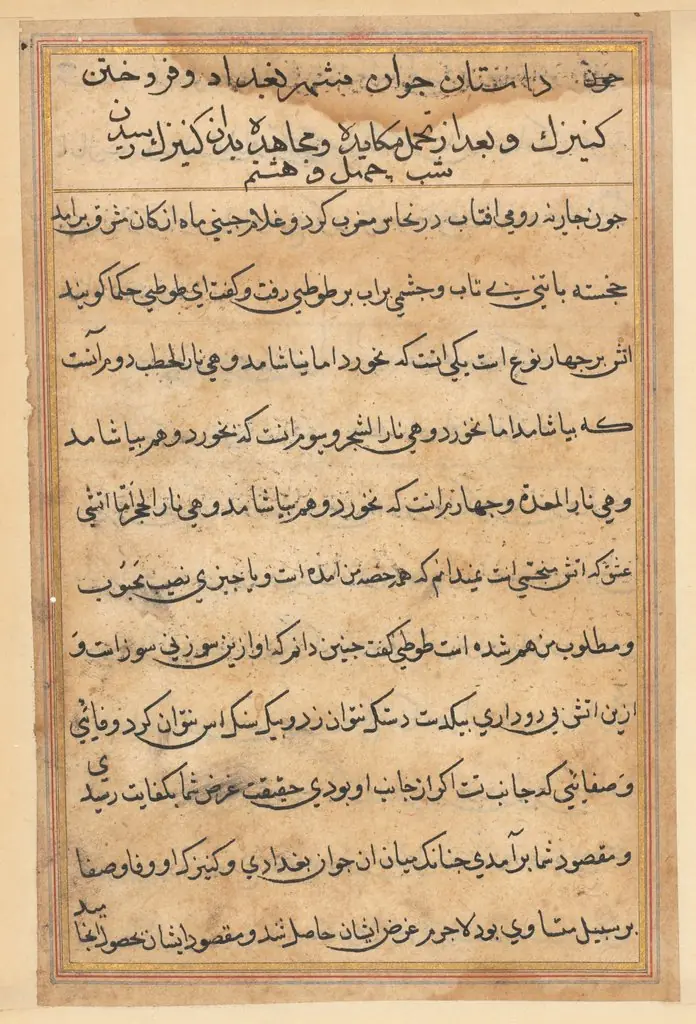 Page from Tales of a Parrot (Tuti-nama): text page
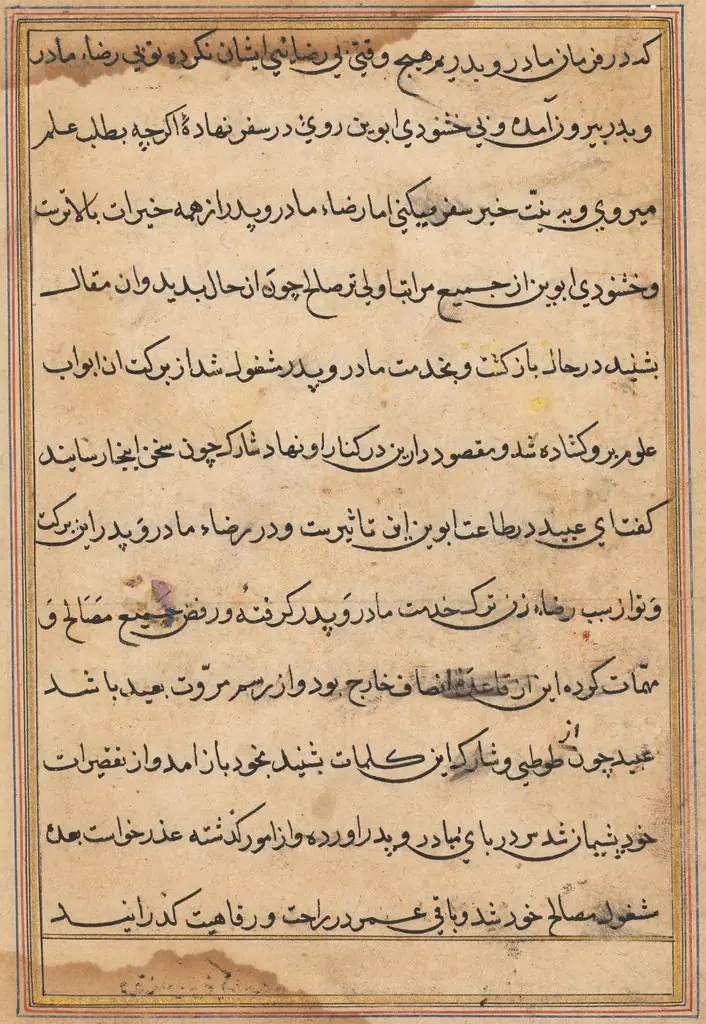 Page from Tales of a Parrot (Tuti-nama): text page
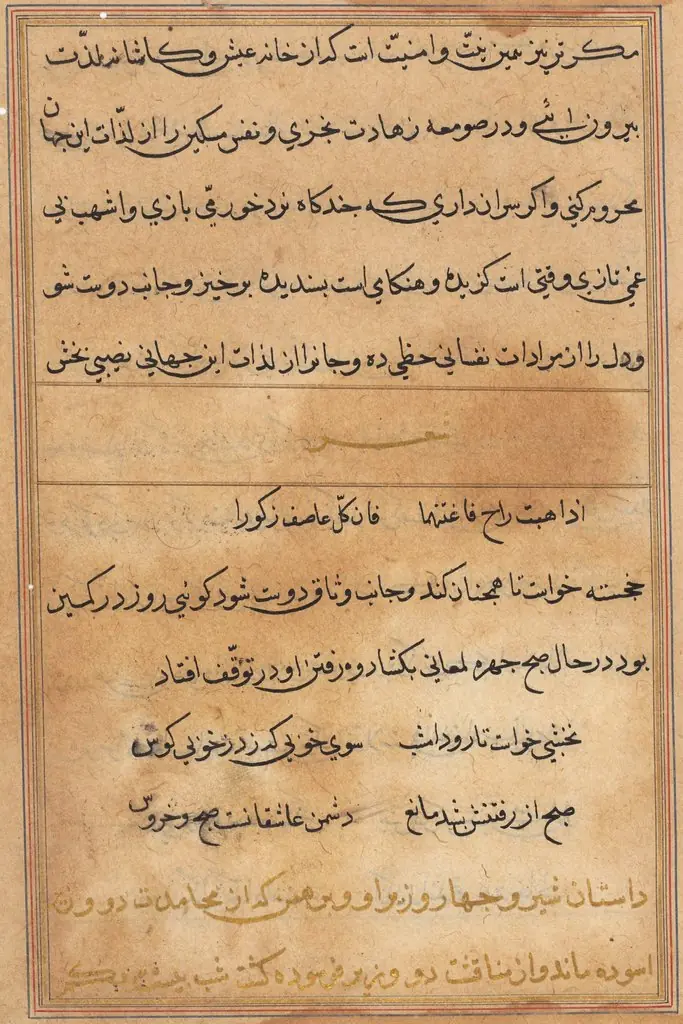 Page from Tales of a Parrot (Tuti-nama): text page
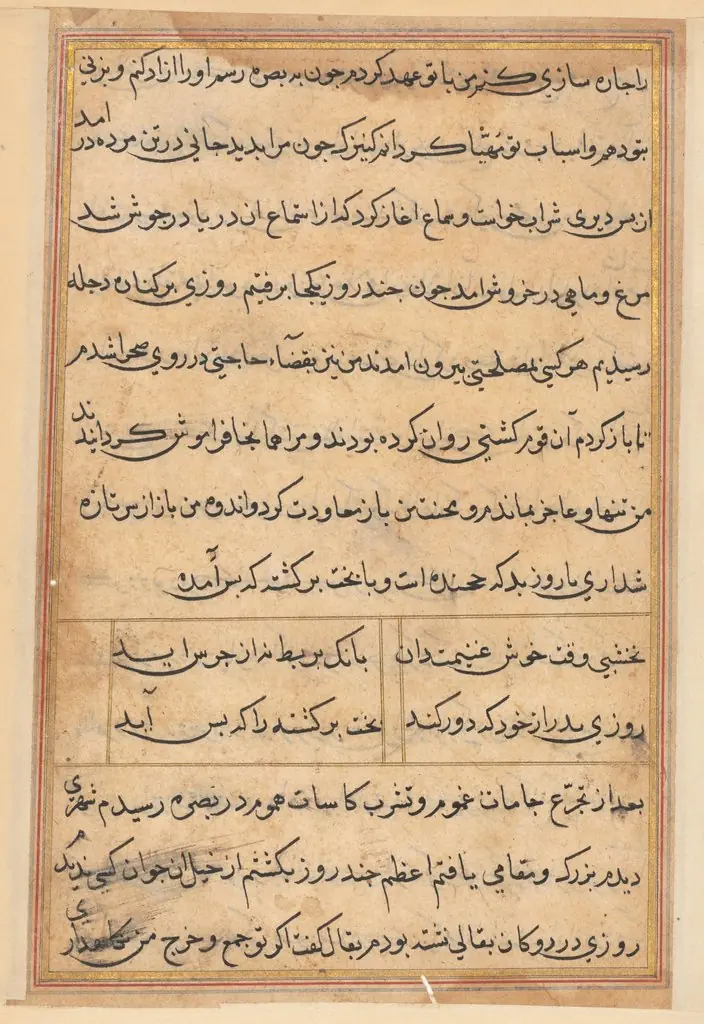 Page from Tales of a Parrot (Tuti-nama): text page
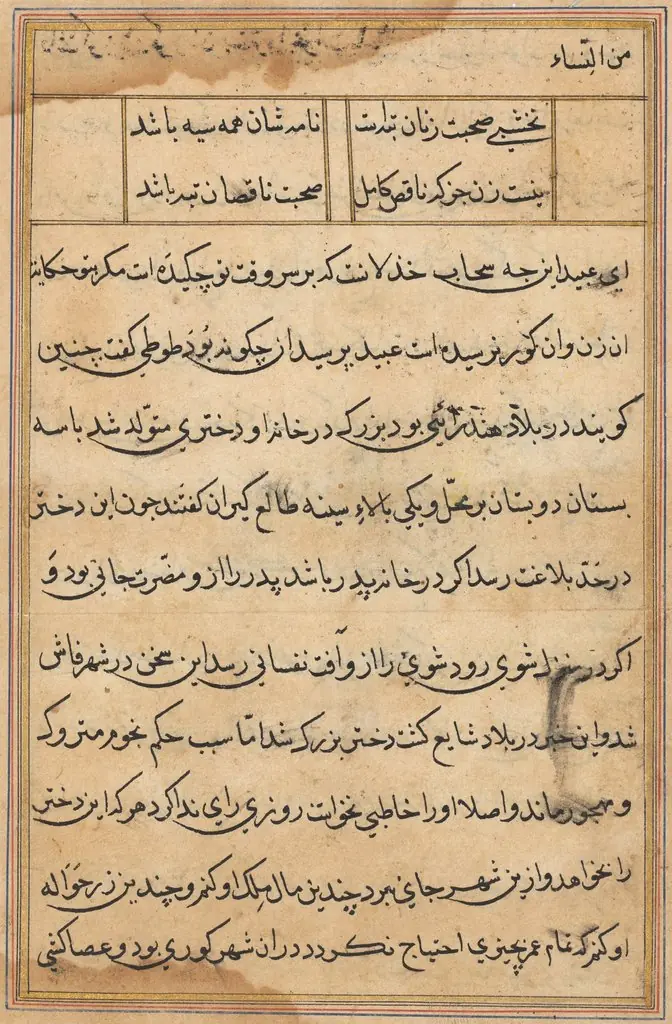 Page from Tales of a Parrot (Tuti-nama): text page
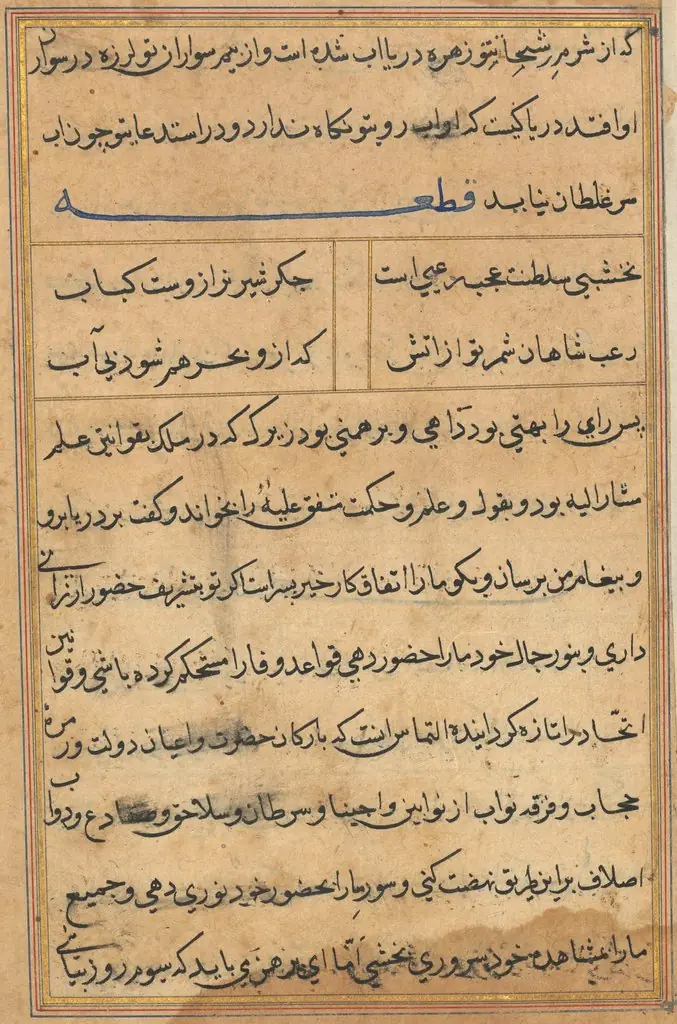 Page from Tales of a Parrot (Tuti-nama): text page
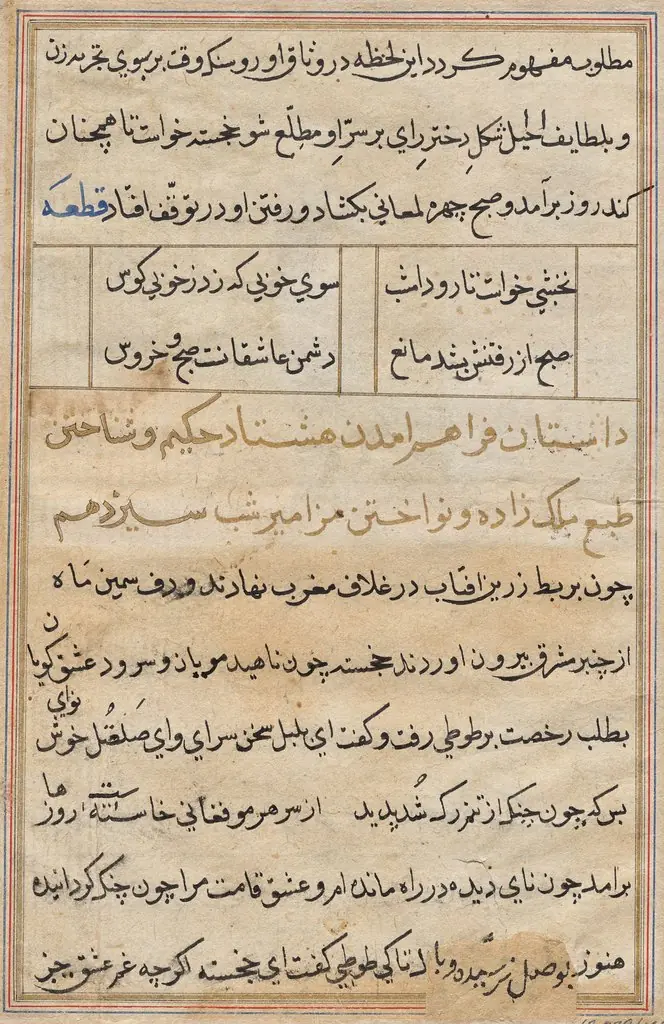 Page from Tales of a Parrot (Tuti-nama): text page
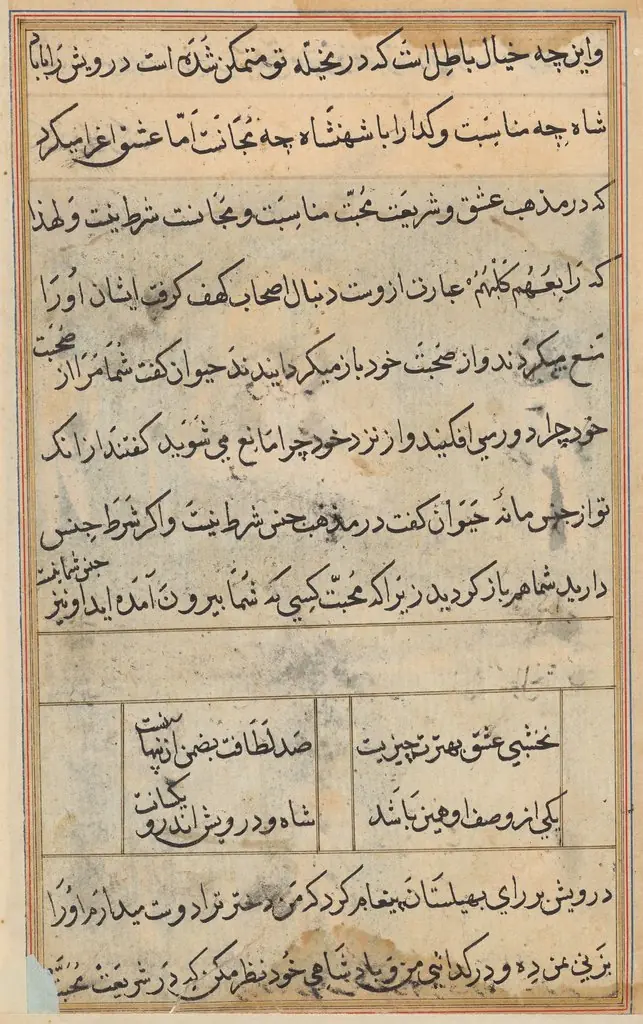 Page from Tales of a Parrot (Tuti-nama): text page