Artwork
Tantric Manuscript "Sangrahani Sutra"
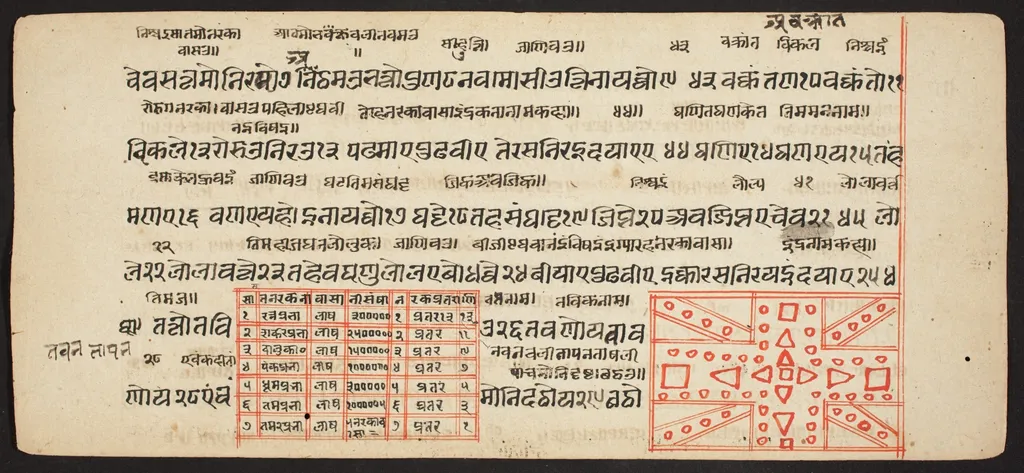
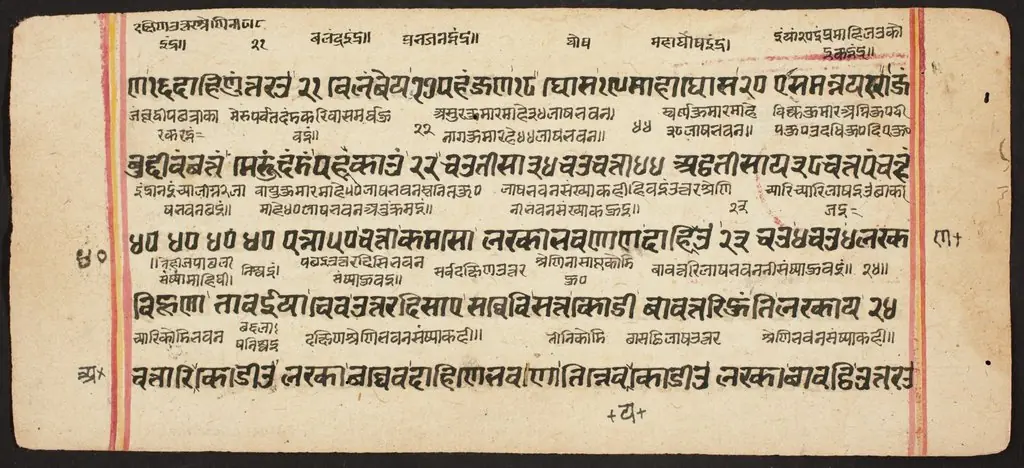
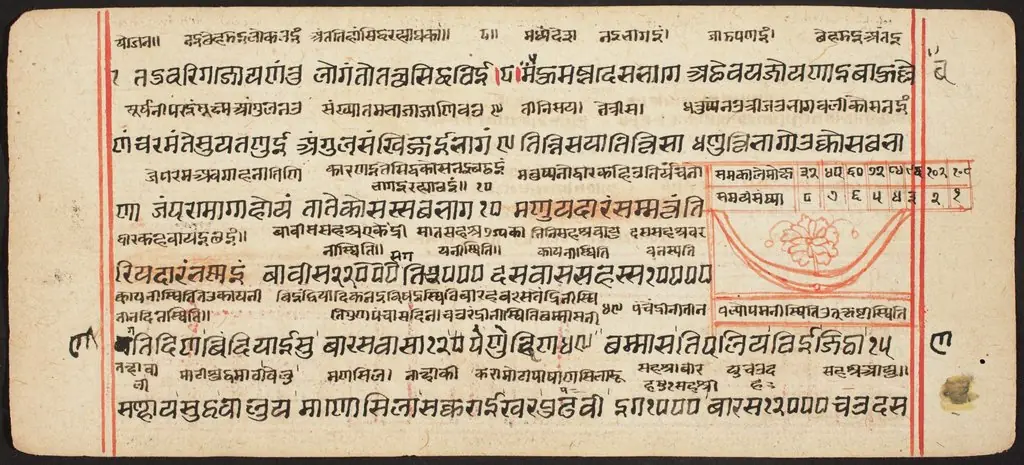
Tantric Manuscript "Sangrahani Sutra" is an unspecified painting by Unknown. It is held in the collection of the Detroit Institute of Arts. This page comes from a handwritten Tantric Buddhist manuscript known as the Sangrahani Sutra, produced in medieval India.
About this work
Overview
The format reflects traditional Indian codex design, where sacred texts were preserved in portable, hand-copied form for ritual and study.
This page comes from a handwritten Tantric Buddhist manuscript known as the Sangrahani Sutra, produced in medieval India. The surface is aged, with visible wear including tears and creases, suggesting frequent handling over centuries. Ink and pigments have faded slightly, yet the composition remains legible. The format reflects traditional Indian codex design, where sacred texts were preserved in portable, hand-copied form for ritual and study.
Subject & Meaning
The text is written in an Indic script, likely Sanskrit or a regional variant, containing doctrinal summaries central to Tantric Buddhist practice. The red geometric lines and symbols are not decorative but serve as visual aids—mandalas or diagrammatic representations of cosmological principles. These elements guide meditative focus, transforming the page into both scripture and spiritual instrument.
Technique & Style
The script is executed in fine black ink, likely with a reed or bamboo pen, showing the subtle variations of hand-drawn lettering. Red markings, made with vermilion or cinnabar pigment, were applied with brush or stylus to delineate sacred geometry. The absence of illustration in the Western sense emphasizes textual authority; visual elements are minimal, precise, and functional, aligned with ascetic traditions of manuscript production.
History & Provenance
The manuscript likely originated in eastern India or Nepal between the 10th and 14th centuries, a period of flourishing Tantric Buddhist scholarship. Its survival through centuries implies careful preservation, possibly within monastic libraries. It entered the collection of the Detroit Institute of Arts through documented acquisition, though its earlier provenance before the 20th century remains partially undocumented.
Context
This page belongs to a broader tradition of esoteric Buddhist manuscripts produced for ritual use, not mass dissemination. Unlike illuminated Christian texts, these works avoided elaborate imagery, favoring symbolic diagrams and precise script to convey hidden teachings. Their production required specialized scribes and was often tied to monastic lineages, where knowledge was transmitted orally alongside the written word.
Legacy
Surviving examples like this one offer rare insight into the material culture of medieval Tantric Buddhism. They are studied today for linguistic, religious, and artistic value, revealing how spiritual concepts were encoded in form and layout. Institutions like the Detroit Institute of Arts preserve such objects not as art objects alone, but as active vessels of a living, though now diminished, contemplative tradition.
Artist & collection

 Domestic Scene
 Giacomo and Cardinal Marco, investing Andrea, Abbot of San Zeno, with his Benefice
 The Nymph of Fontainebleau
 Portrait of a Woman
 Madonna and Child with Saints in the Enclosed Garden
 Venus and Minerva
 Family Group of Four on Sofa
 Wall painting from Room H of the Villa of P. Fannius Synistor at Boscoreale
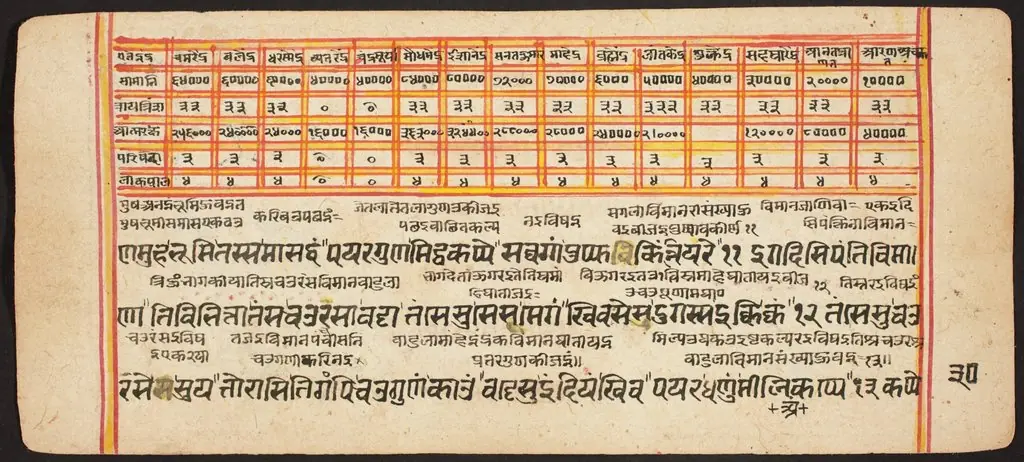 Tantric Manuscript "Sangrahani Sutra"
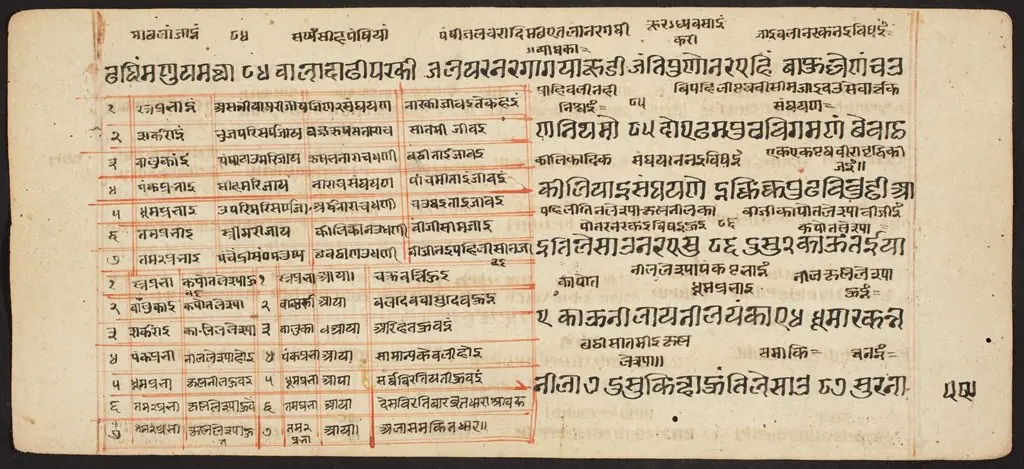 Tantric Manuscript "Sangrahani Sutra"
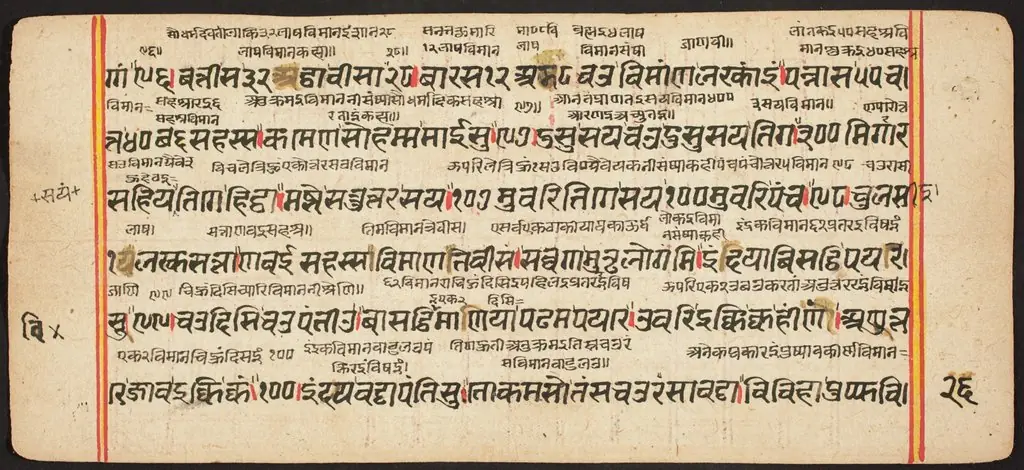 Tantric Manuscript "Sangrahani Sutra"
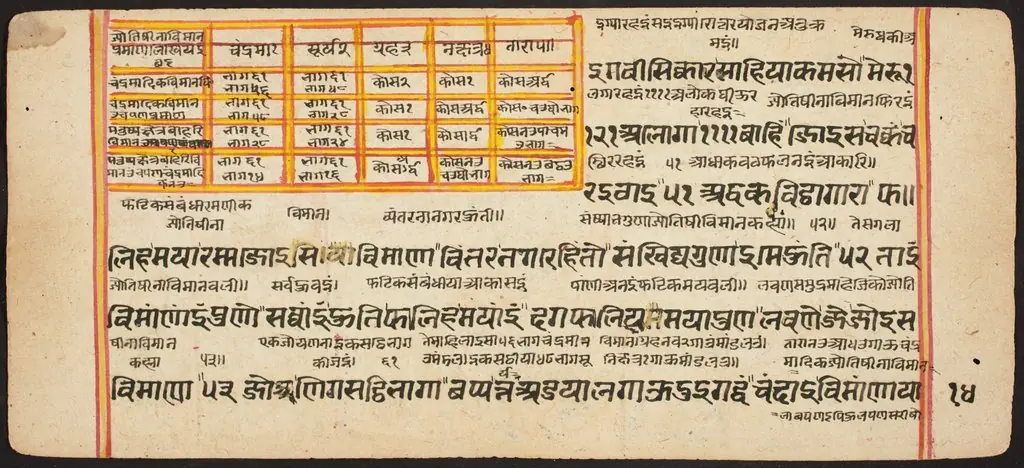 Tantric Manuscript "Sangrahani Sutra"
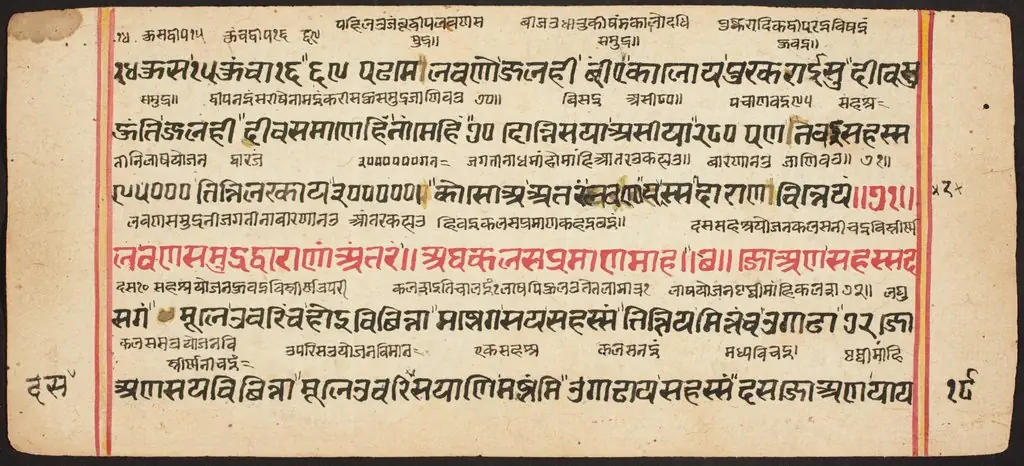 Tantric Manuscript "Sangrahani Sutra"
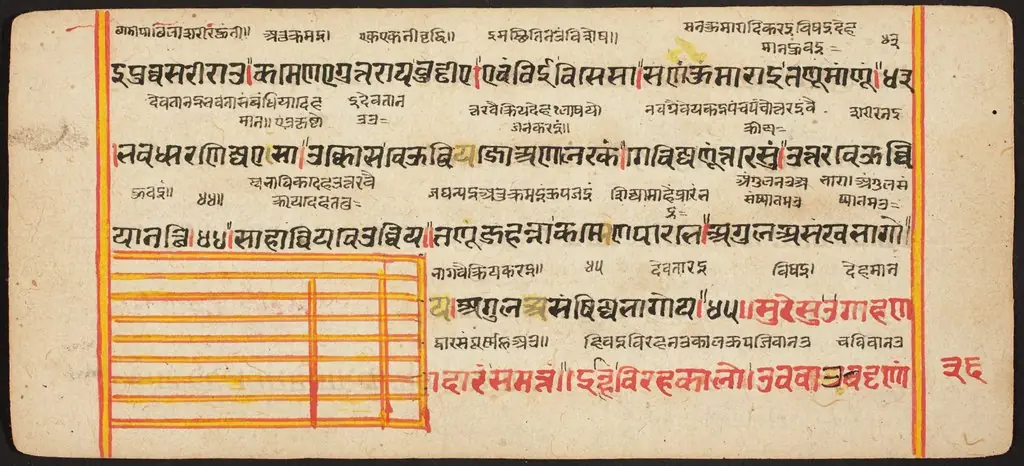 Tantric Manuscript "Sangrahani Sutra"
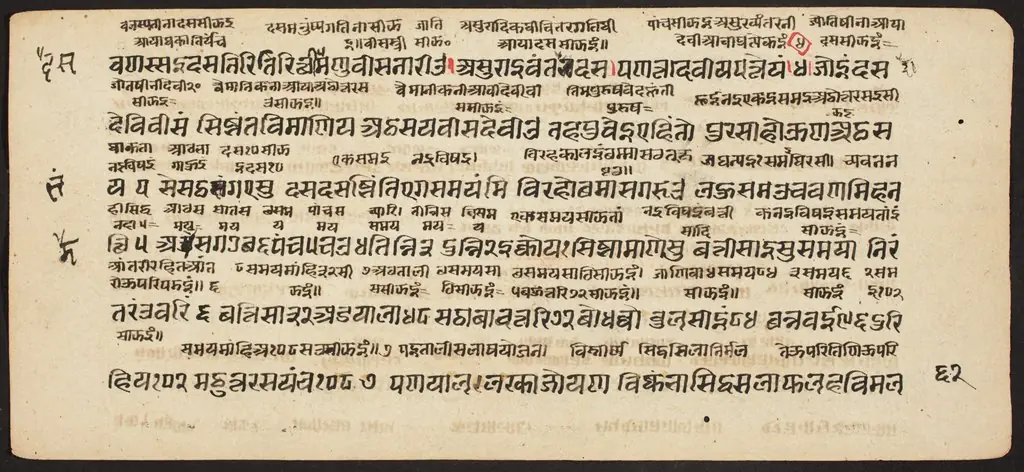 Tantric Manuscript "Sangrahani Sutra"
 Tantric Manuscript "Sangrahani Sutra"
 Tantric Manuscript "Sangrahani Sutra"