Artwork
Male Profile Bust
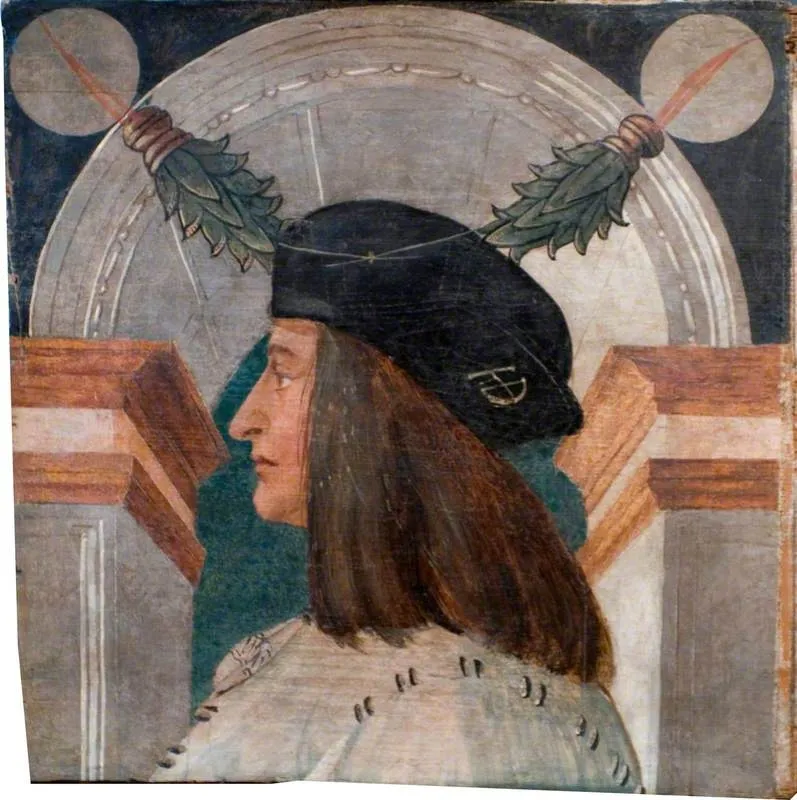
Male Profile Bust is an unspecified painting by the Early Renaissance artist Unknown. It dates from 1492 and is held in the collection of the Victoria and Albert Museum. This painting presents a solitary male figure in profile, rendered with restrained detail and quiet composure.
About this work
Overview
The composition emphasizes line and silhouette over elaborate decoration, focusing attention on the contours of the face and the texture of clothing.
This painting presents a solitary male figure in profile, rendered with restrained detail and quiet composure. The subject is framed within a simple architectural setting, suggesting a space both intimate and formal. The composition emphasizes line and silhouette over elaborate decoration, focusing attention on the contours of the face and the texture of clothing. Subtle tonal shifts guide the viewer’s eye without distraction.
Subject & Meaning
The identity of the man is not recorded, but his attire and headwear suggest a figure of modest status, possibly a merchant or local official. The black hat with a gold emblem hints at affiliation or rank, though not nobility. The calm, frontal profile conveys dignity rather than drama, inviting contemplation rather than narrative interpretation. The absence of context leaves the subject’s role open, emphasizing presence over story.
Technique & Style
The artist employs a muted palette and soft transitions between light and shadow to model the face and fabric. The white garment, with its fine stitching visible, contrasts against the gray archway, enhancing three-dimensionality. The wooden pillars and circular motif at the arch’s apex suggest architectural precision, while the background remains deliberately understated. Brushwork is controlled, prioritizing clarity over flourish.
History & Provenance
The painting’s origins are undocumented, with no known record of its commission or early ownership. It likely dates to the late 15th or early 16th century, based on stylistic parallels in regional portraiture. Its survival suggests it was preserved in a private collection, possibly within a northern European household. No major exhibitions or scholarly publications have prominently featured it.
Context
This work aligns with a broader trend in early Renaissance portraiture that favored profile views as a nod to classical coinage and medallions. The architectural frame reflects a growing interest in spatial depth, though here it remains schematic rather than perspectivally rigorous. The emphasis on texture and quiet realism mirrors trends in Flemish and Italian small-scale portraiture of the period.
Legacy
Though not widely known, the painting exemplifies a quiet, observational approach to portraiture that preceded the psychological intensity of later Renaissance works. Its restraint and focus on form influenced later artists seeking simplicity in representation. It remains a quiet testament to the value placed on dignified presence over grandeur in early modern visual culture.
Artist & collection

 Domestic Scene
 Giacomo and Cardinal Marco, investing Andrea, Abbot of San Zeno, with his Benefice
 The Nymph of Fontainebleau
 Portrait of a Woman
 Madonna and Child with Saints in the Enclosed Garden
 Venus and Minerva
 Family Group of Four on Sofa
 Wall painting from Room H of the Villa of P. Fannius Synistor at Boscoreale
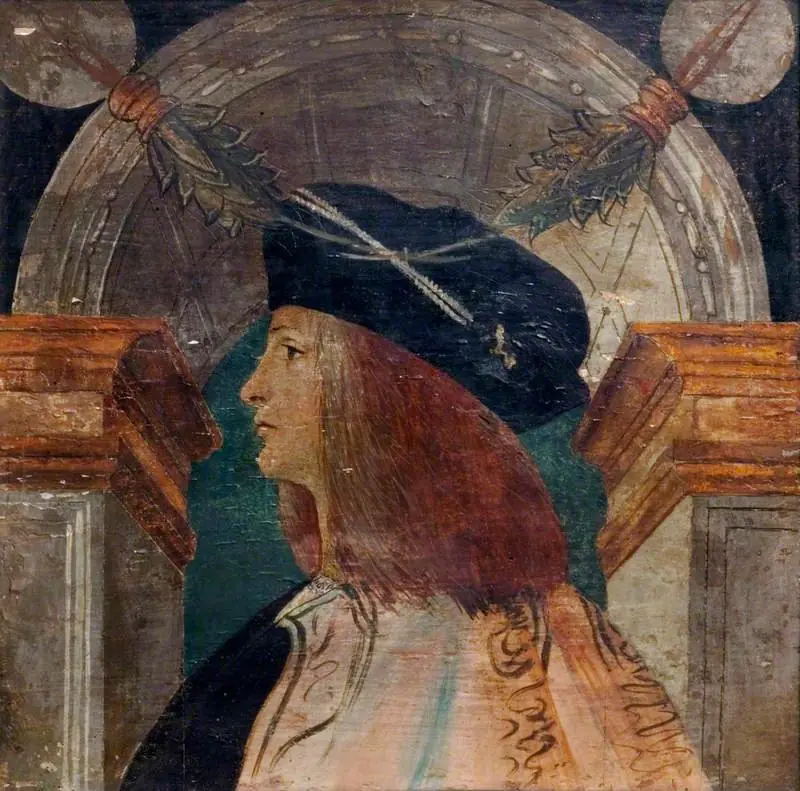 Male Profile Bust
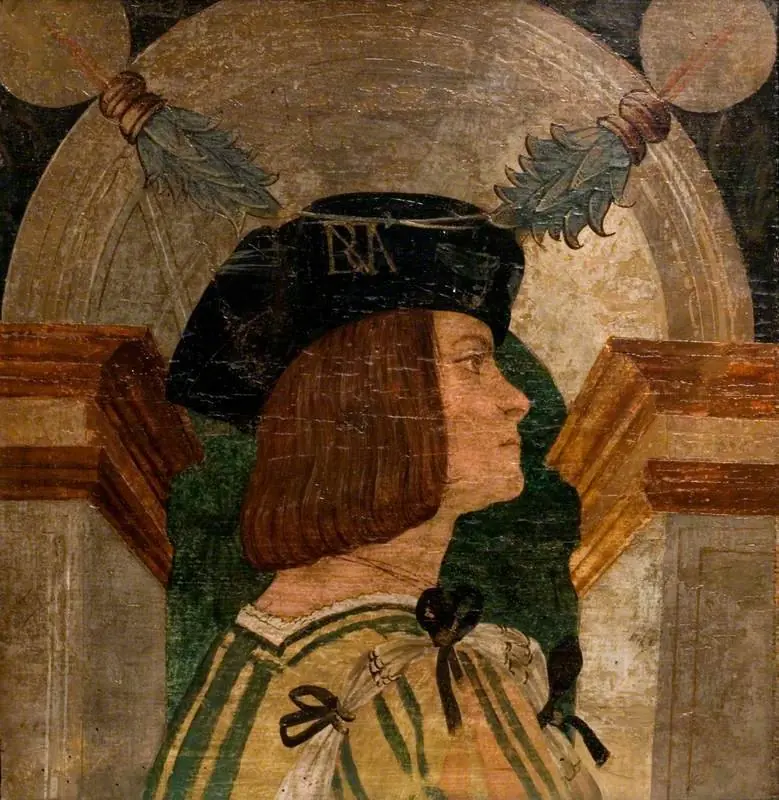 Male Profile Bust
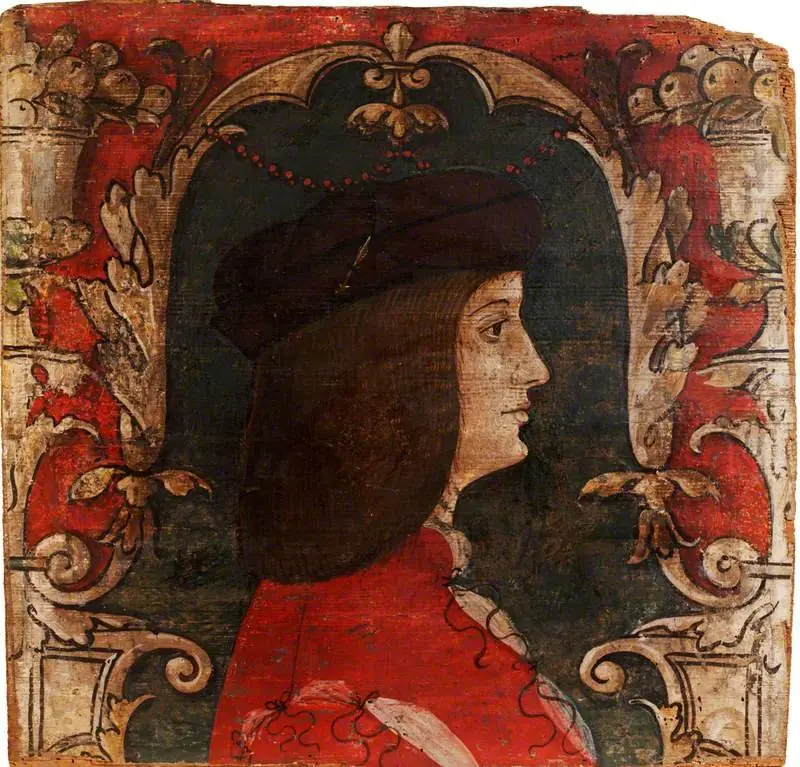 Profile Bust of a Man Facing Right (one of 29 painted panels from a frieze)
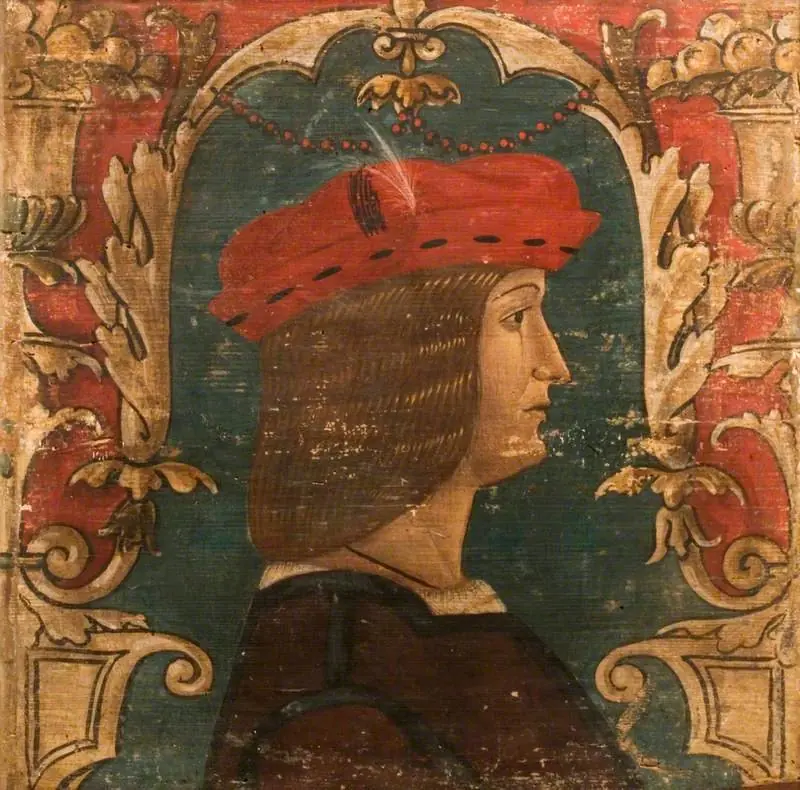 Profile Bust of a Man Facing Right (one of 29 painted panels from a frieze)
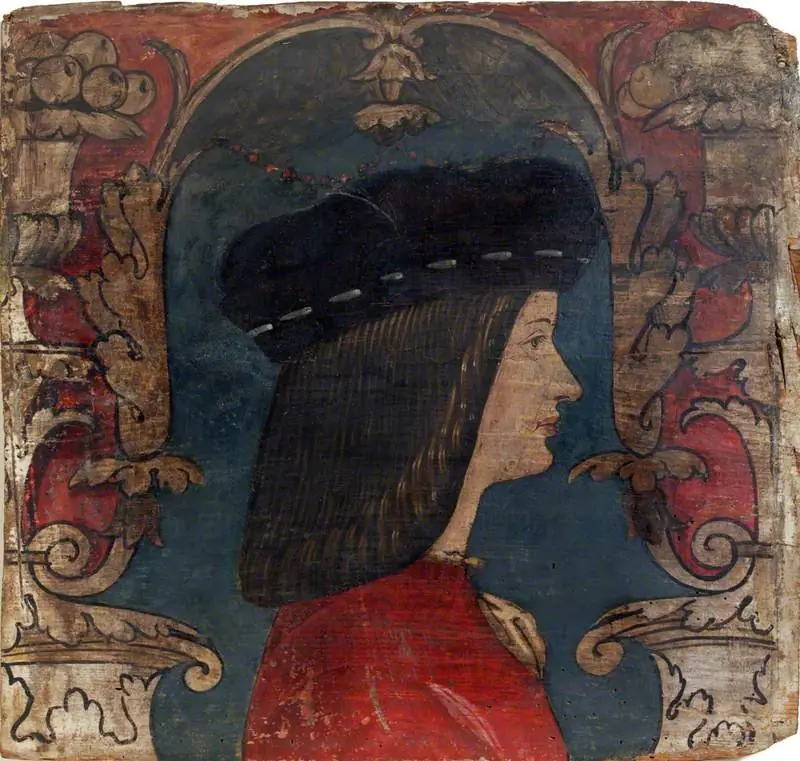 Profile Bust of a Man Facing Right (one of 29 painted panels from a frieze)
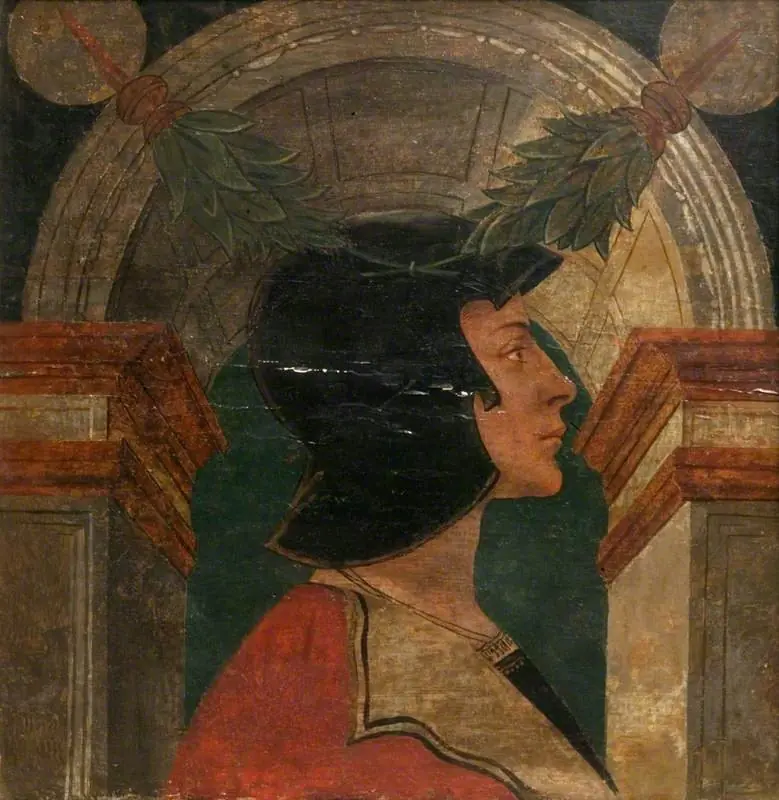 Male Profile Bust
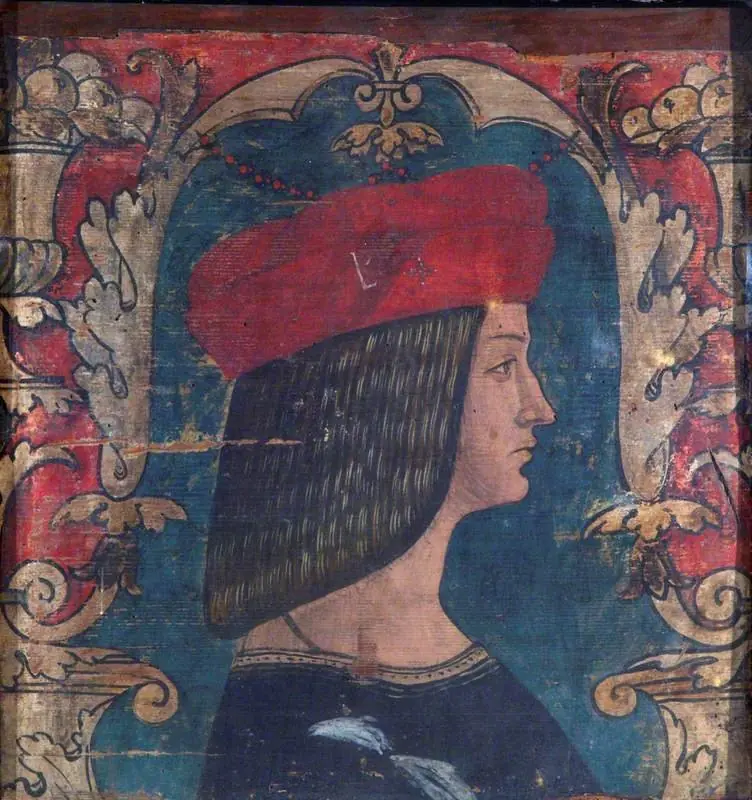 Profile Bust of a Man Facing Right (one of 29 painted panels from a frieze)
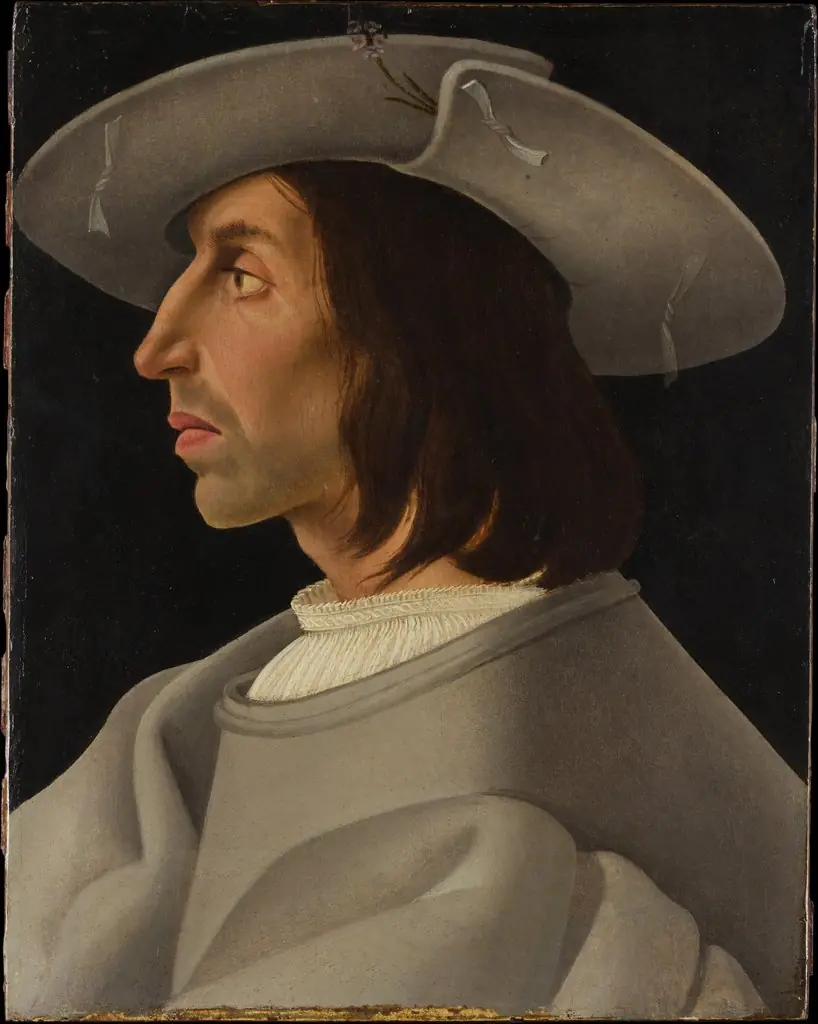 Portrait of a Man in Profile
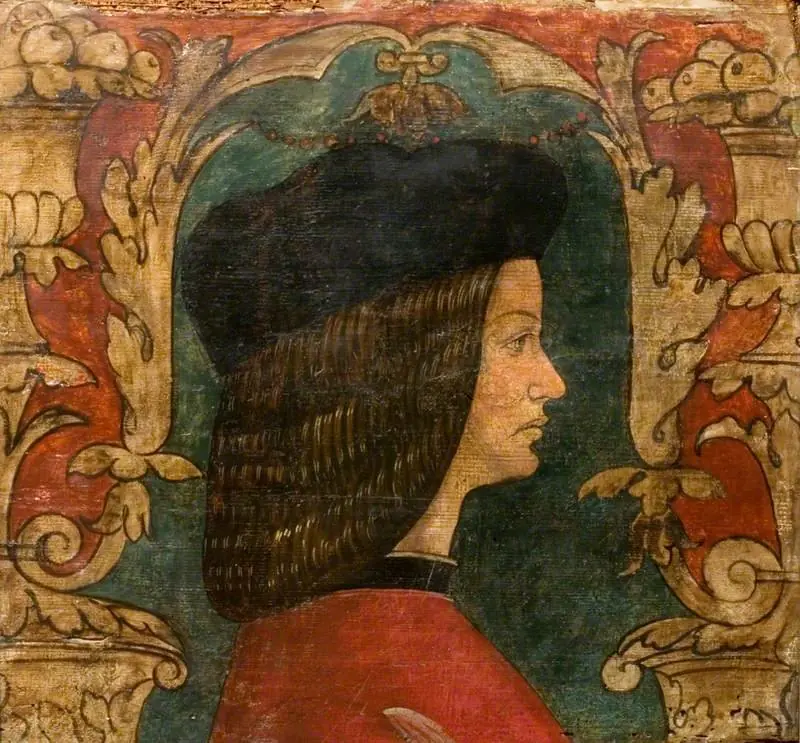 Profile Bust of a Man Facing Right (one of 29 painted panels from a frieze)
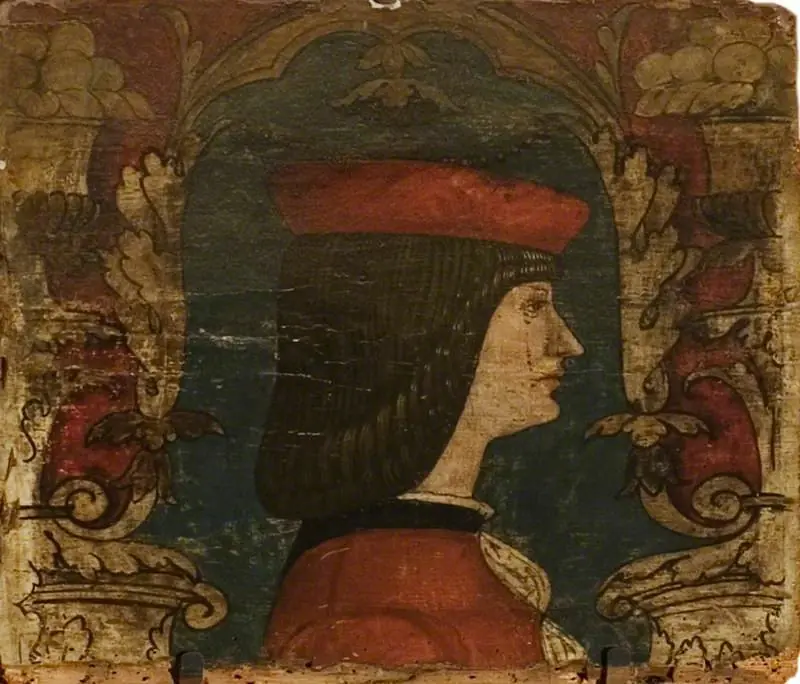 Profile Bust of a Man Facing Right (one of 29 painted panels from a frieze)