Artwork
Profile Bust of a Man Facing Right (one of 29 painted panels from a frieze)
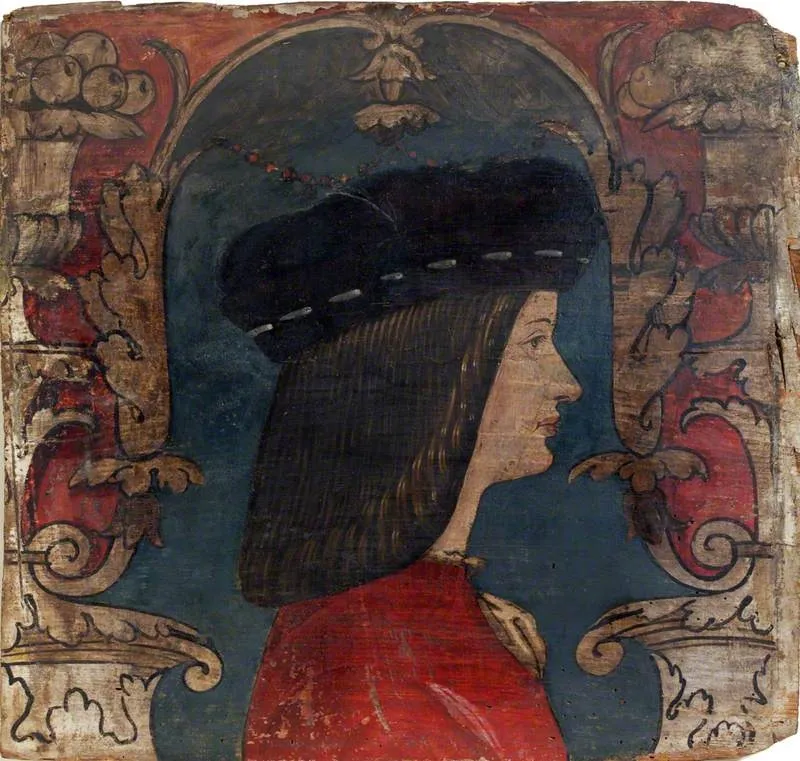
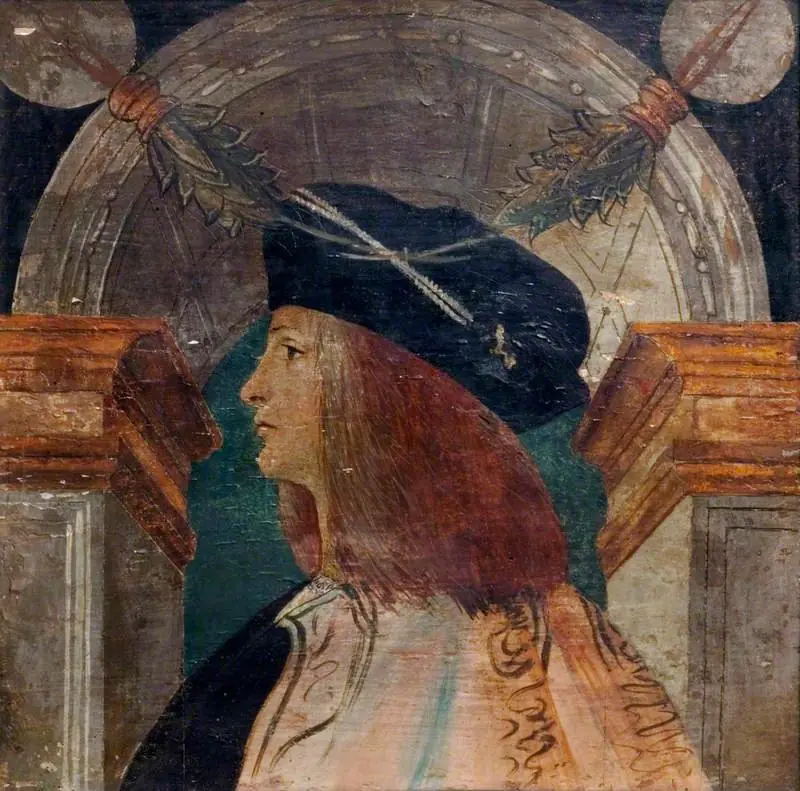
Profile Bust of a Man Facing Right (one of 29 painted panels from a frieze) is an unspecified painting by the Northern Renaissance artist Unknown. It dates from 1500 and is held in the collection of the Victoria and Albert Museum. This painted panel is one of twenty-nine from a decorative frieze, depicting a male figure in profile, turned to the right.
About this work
Overview
This painted panel is one of twenty-nine from a decorative frieze, depicting a male figure in profile, turned to the right. Rendered with precision, the portrait emphasizes facial structure and attire against a structured architectural backdrop. The composition isolates the subject within a framed space, using color and detail to suggest a ceremonial or elite context without narrative action.
Subject & Meaning
The man’s dignified bearing, formal clothing, and placement within an archway imply status, possibly nobility or civic importance.
The man’s dignified bearing, formal clothing, and placement within an archway imply status, possibly nobility or civic importance. His dark hair and restrained expression convey solemnity rather than individualized personality. The lack of identifying marks suggests the figure was intended as a representative type, part of a series meant to project authority or lineage within a larger architectural setting.
Technique & Style
The panel employs fine brushwork to define texture in fabric and hair, with subtle gradations in the skin tone. The background features flat, decorative motifs in red, gold, and white, contrasting with the muted red of the shirt and the deep black of the hat. The blue field behind the arch creates spatial depth, while the ornamental details remain stylized, reflecting a blend of naturalism and symbolic design.
History & Provenance
The panel originated as part of a larger frieze, likely commissioned for a private residence or public building in late medieval or early Renaissance Italy. Its survival as a single element suggests it was detached from its original context, possibly during renovation or dispersal. Its current form reflects fragmentary preservation common among secular decorative cycles of the period.
Context
Such portrait panels were often arranged in sequence to adorn walls in domestic or civic interiors, serving as visual affirmations of social order. The architectural framing and restrained palette align with contemporary trends in secular decoration, where identity and hierarchy were conveyed through posture, attire, and spatial composition rather than overt symbolism.
Legacy
As a surviving fragment of a lost decorative ensemble, this panel offers insight into the use of portraiture in non-religious settings during its time. It reflects a transitional phase in visual culture, where individual representation began to emerge within formal, stylized frameworks—bridging medieval conventions and Renaissance humanism without fully embracing either.
Artist & collection

 Domestic Scene
 Giacomo and Cardinal Marco, investing Andrea, Abbot of San Zeno, with his Benefice
 The Nymph of Fontainebleau
 Portrait of a Woman
 Madonna and Child with Saints in the Enclosed Garden
 Venus and Minerva
 Family Group of Four on Sofa
 Wall painting from Room H of the Villa of P. Fannius Synistor at Boscoreale
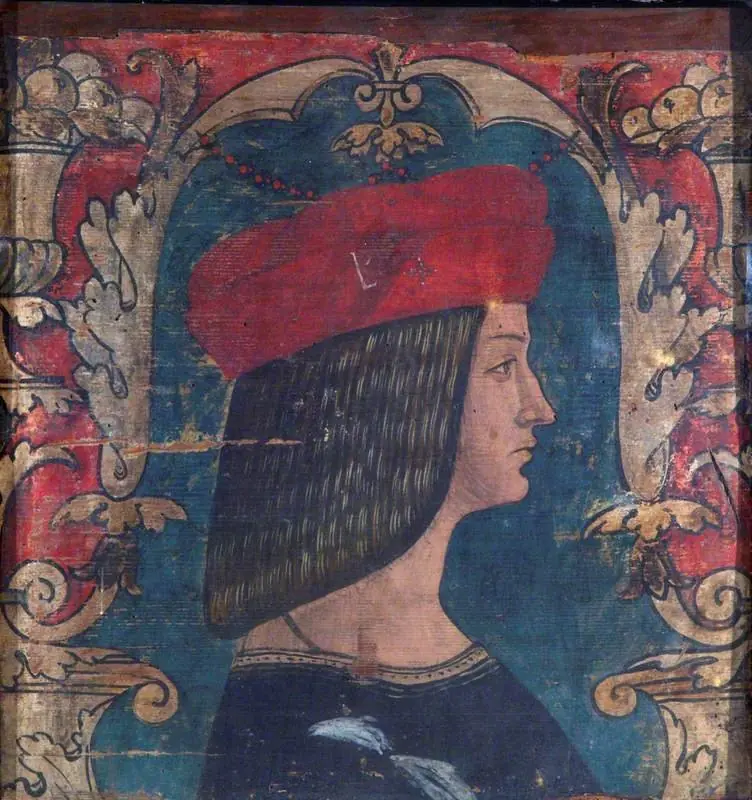 Profile Bust of a Man Facing Right (one of 29 painted panels from a frieze)
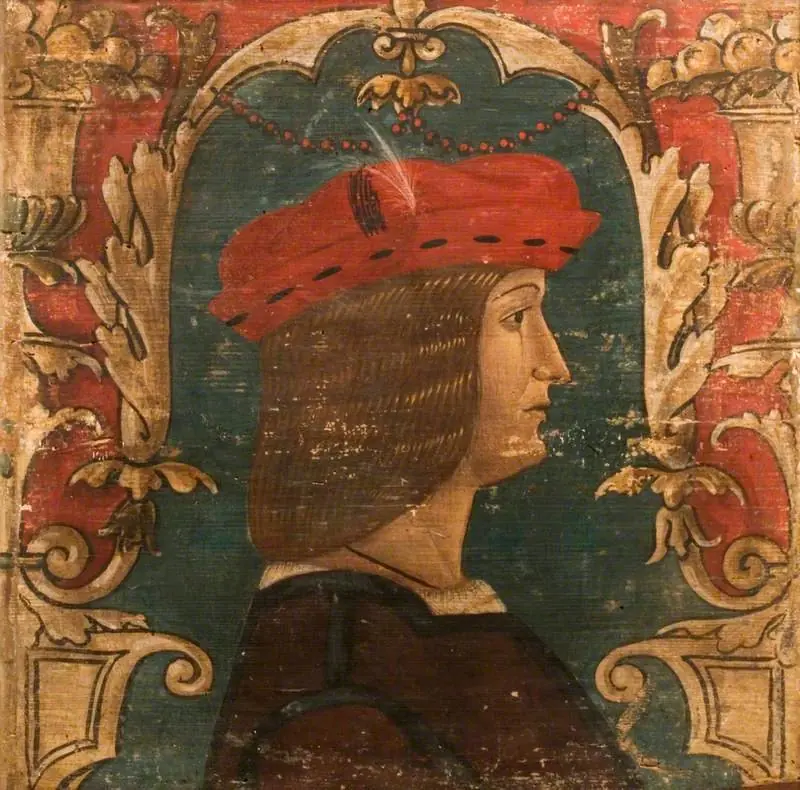 Profile Bust of a Man Facing Right (one of 29 painted panels from a frieze)
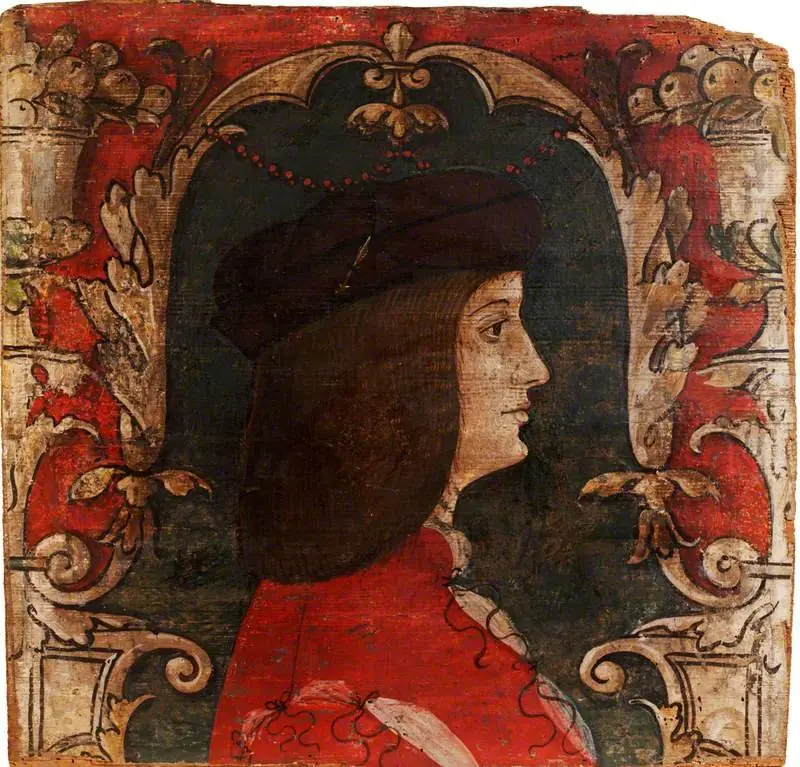 Profile Bust of a Man Facing Right (one of 29 painted panels from a frieze)
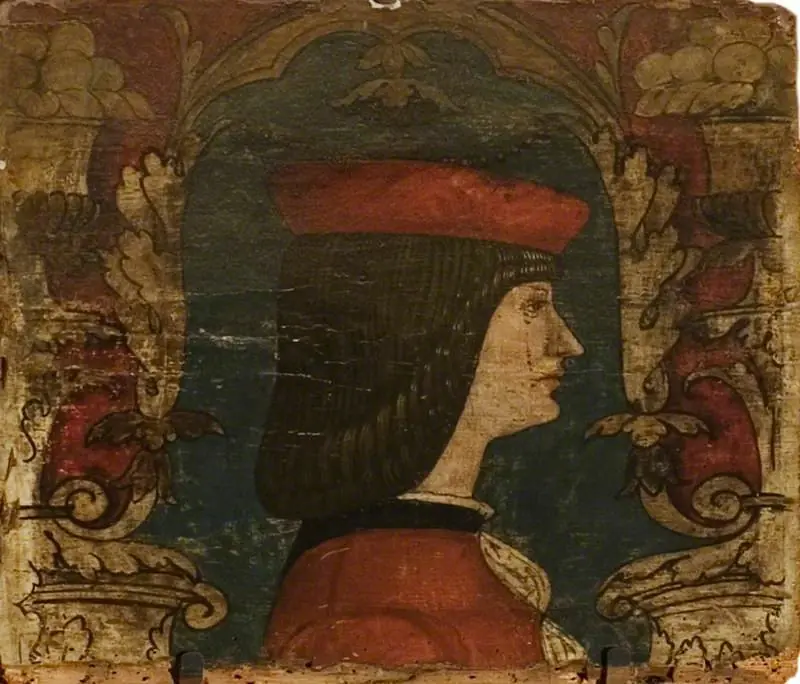 Profile Bust of a Man Facing Right (one of 29 painted panels from a frieze)
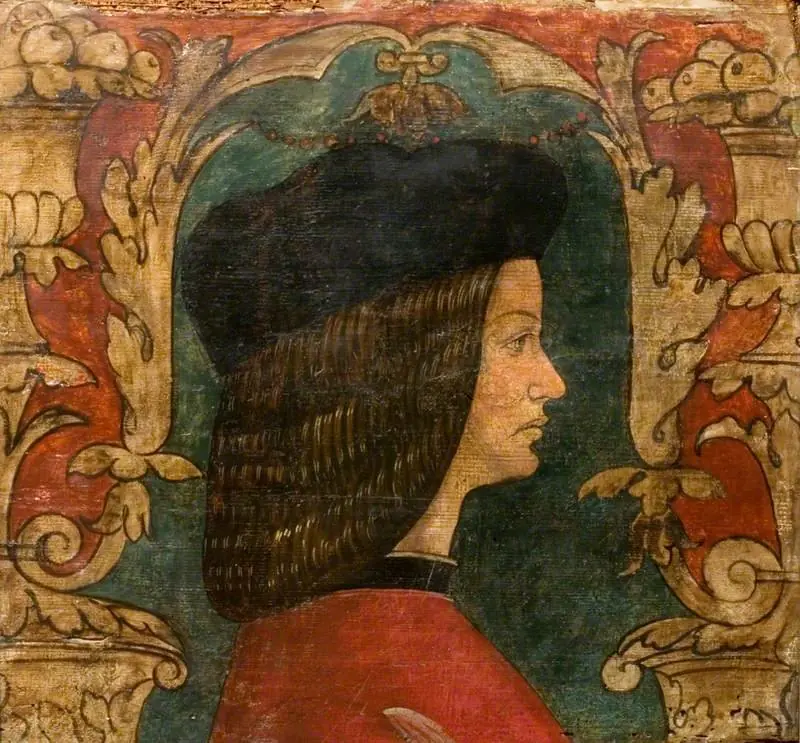 Profile Bust of a Man Facing Right (one of 29 painted panels from a frieze)
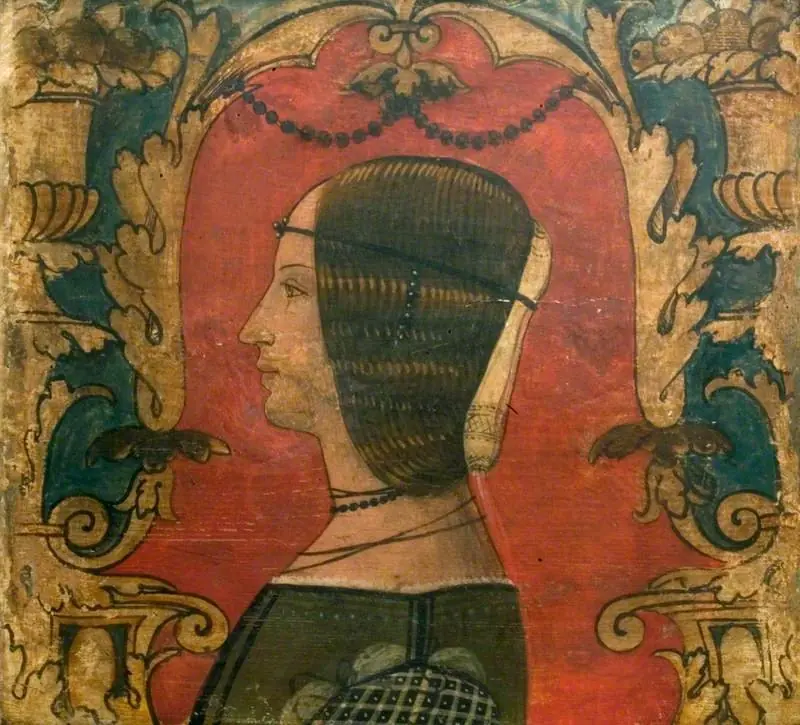 Profile Bust of a Lady Facing Left (one of 29 painted panels from a frieze)
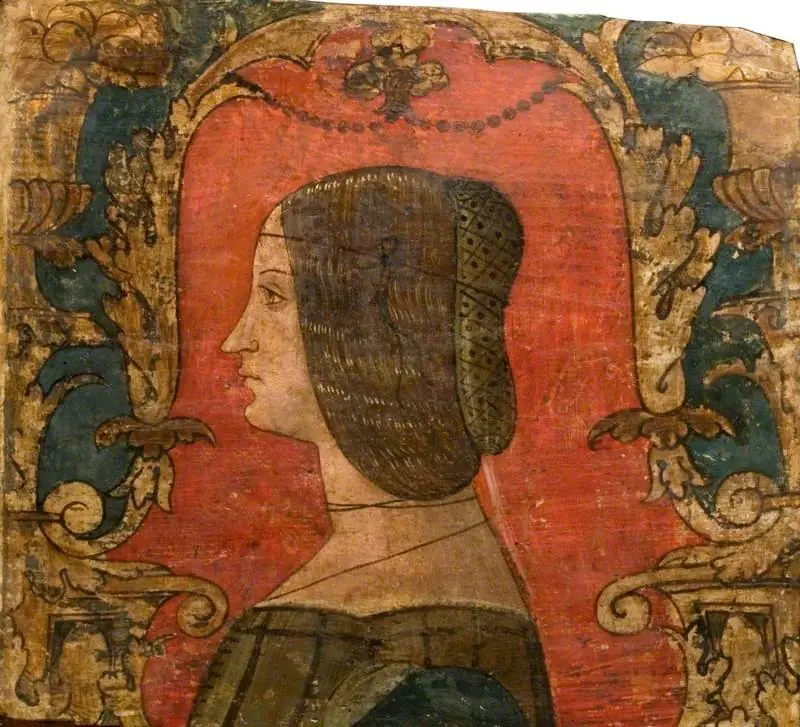 Profile Bust of a Lady Facing Left (one of 29 painted panels from a frieze)
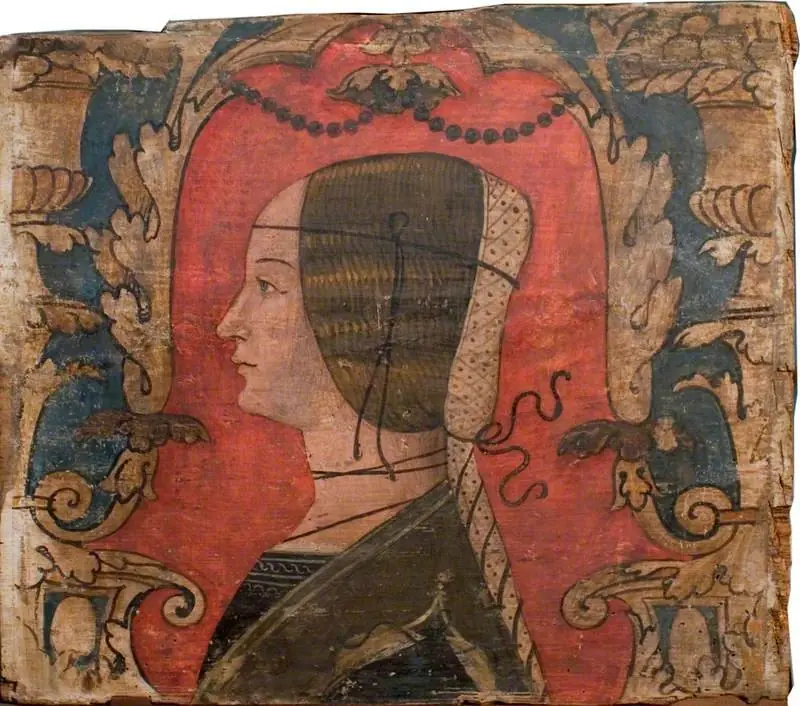 Profile Bust of a Lady Facing Left (one of 29 painted panels from a frieze)
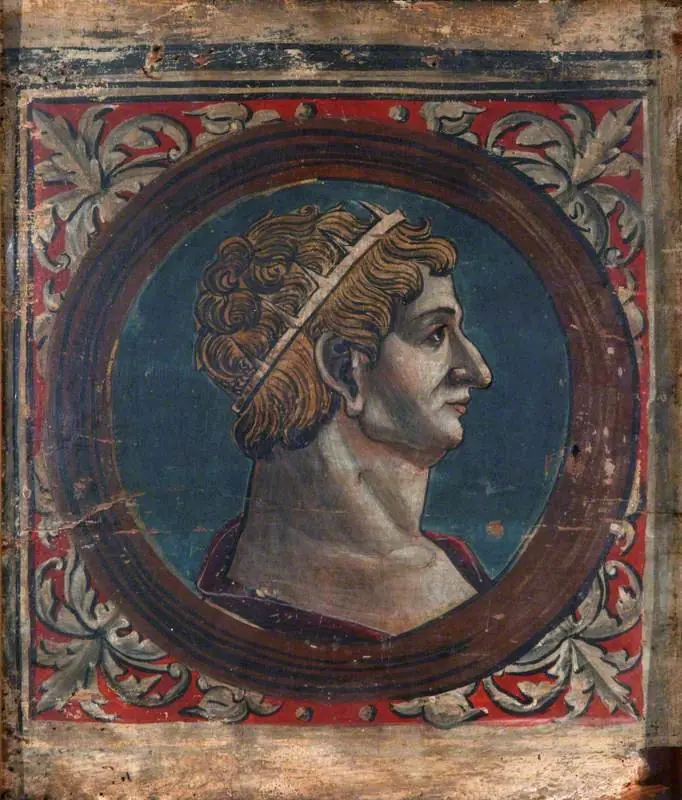 Profile Bust of a Roman Emperor Facing Right (one of 29 painted panels from a frieze)
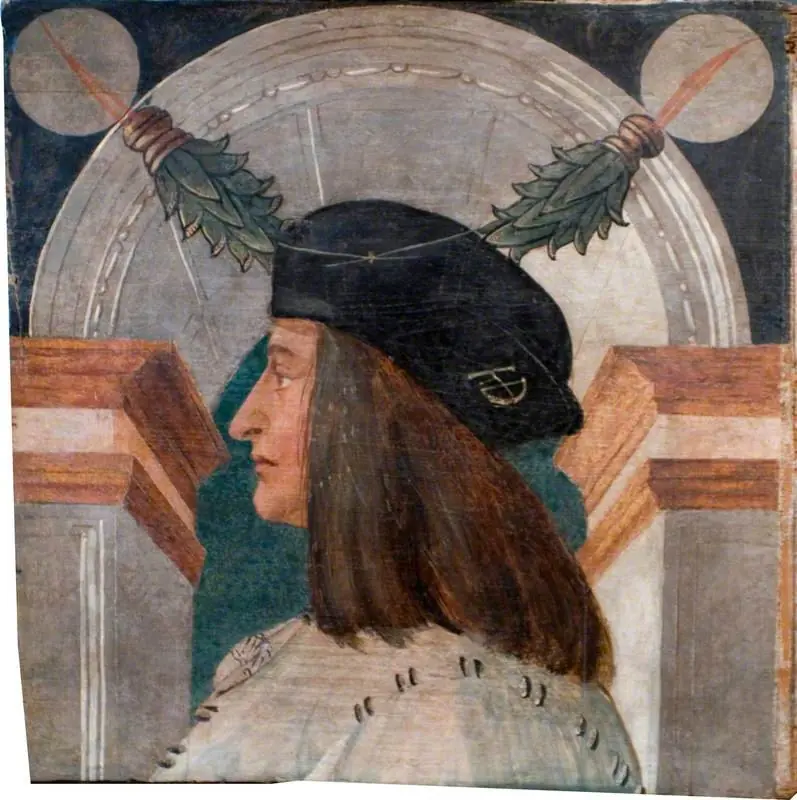 Male Profile Bust
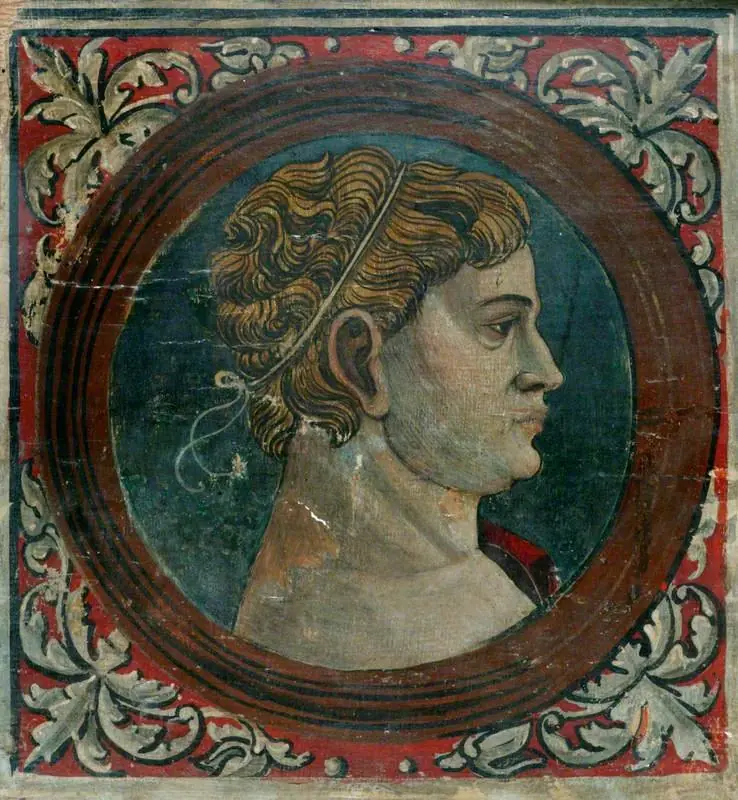 Profile Bust of a Roman Emperor Facing Right (one of 29 painted panels from a frieze)
 Male Profile Bust