Artwork
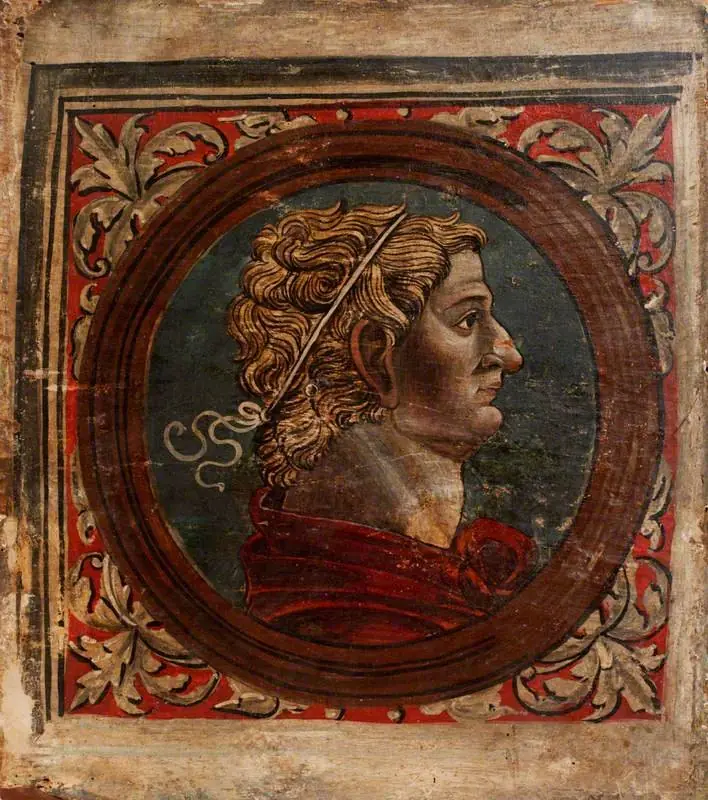
Profile Bust of a Man Facing Right (one of 29 painted panels from a frieze)
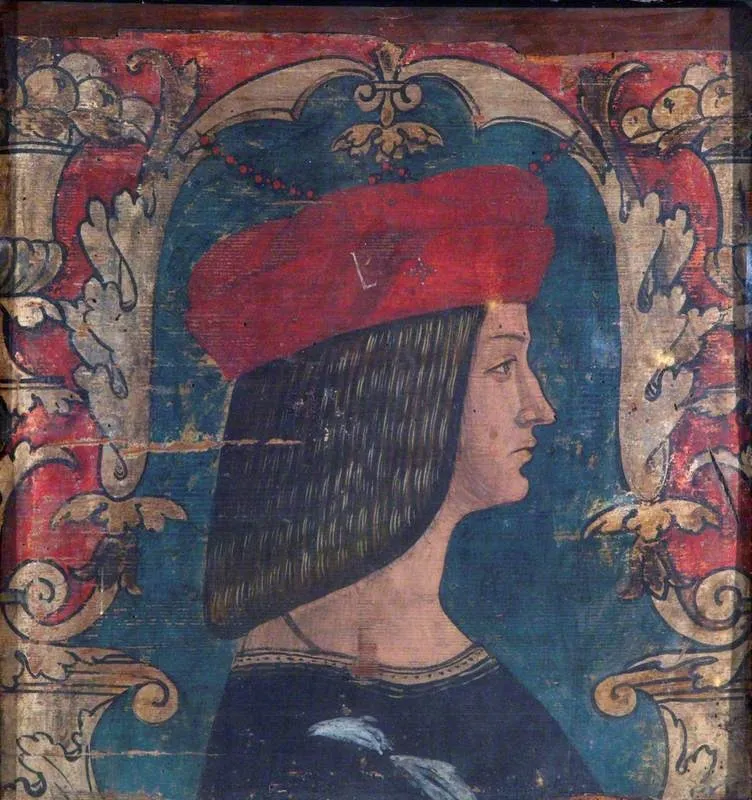
Profile Bust of a Man Facing Right (one of 29 painted panels from a frieze) is an unspecified painting by the Northern Renaissance artist Unknown. It dates from 1500 and is held in the collection of the Victoria and Albert Museum. This painted panel is one of twenty-nine from a larger decorative frieze, depicting a male figure in strict profile, turned to the right.
About this work
Overview
This painted panel is one of twenty-nine from a larger decorative frieze, depicting a male figure in strict profile, turned to the right. Rendered with restrained detail, the portrait emphasizes form and color over narrative. The figure’s expression is composed, his posture static, suggesting a ceremonial or commemorative function rather than a spontaneous likeness.
Subject & Meaning
The subject is an unidentified man, likely of elevated social standing, given the precision of his attire and the richness of the surrounding ornamentation. His dark shirt and red cap imply status, while the formal profile view aligns with traditions of portraiture meant to convey dignity and permanence. The absence of contextual clues points to a symbolic, rather than biographical, intent.
Technique & Style
The painting employs flat, even application of pigment with minimal modeling, characteristic of late medieval panel painting. The blue background and ornamental border in red and gold frame the figure without depth, reinforcing a decorative rather than illusionistic approach. Hair and fabric are rendered with clean lines, emphasizing clarity over texture or volume.
History & Provenance
The panel originates from a series of twenty-nine fragments, likely part of a wall-mounted frieze from a private or civic building in northern Italy, circa 1420–1440. Its survival is exceptional; most such decorative ensembles were lost to time or renovation. The panel’s current location reflects 19th- or early 20th-century acquisition by a European collection.
Context
Created during a period when secular portraiture was emerging alongside religious imagery, this work reflects the growing interest in individual identity among urban elites. Similar panels appear in civic interiors, where they served to honor patrons or commemorate lineage. The stylized format bridges Gothic conventions with early Renaissance humanism.
Legacy
Though not widely known, this panel contributes to understanding the evolution of secular portraiture in early 15th-century Italy. Its preservation allows study of how non-noble figures were visually represented before the dominance of full-length, three-dimensional portraits. It remains a quiet example of how status was communicated through composition and color in a pre-perspective era.
Artist & collection

 Domestic Scene
 Giacomo and Cardinal Marco, investing Andrea, Abbot of San Zeno, with his Benefice
 The Nymph of Fontainebleau
 Portrait of a Woman
 Madonna and Child with Saints in the Enclosed Garden
 Venus and Minerva
 Family Group of Four on Sofa
 Wall painting from Room H of the Villa of P. Fannius Synistor at Boscoreale
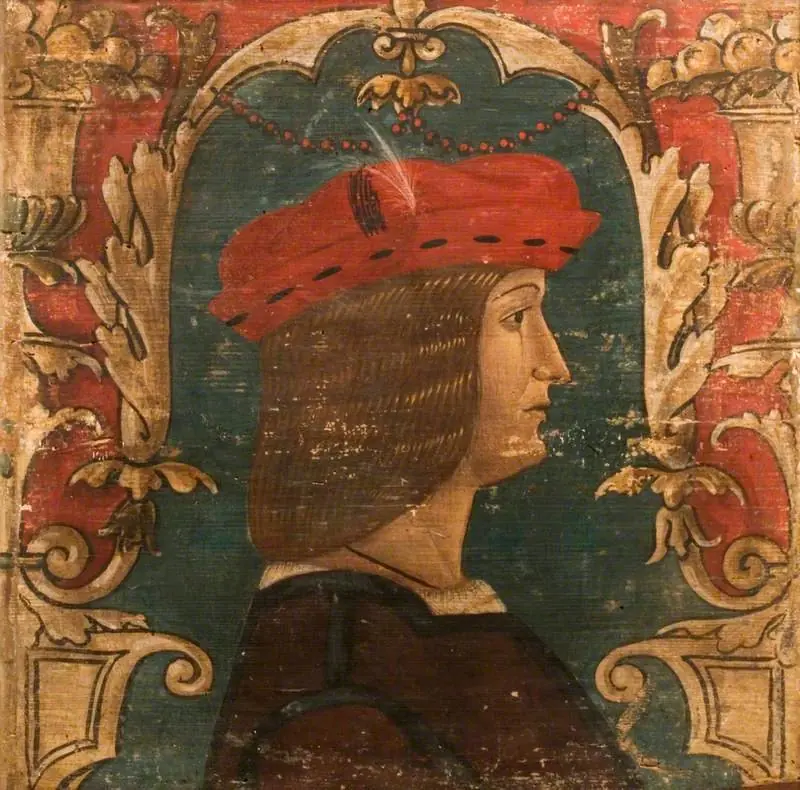 Profile Bust of a Man Facing Right (one of 29 painted panels from a frieze)
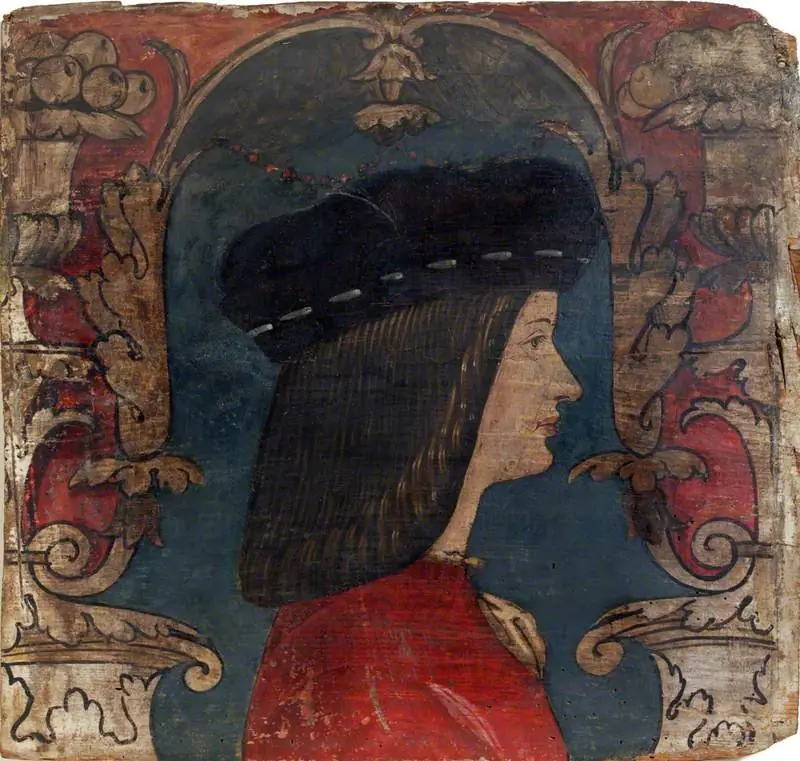 Profile Bust of a Man Facing Right (one of 29 painted panels from a frieze)
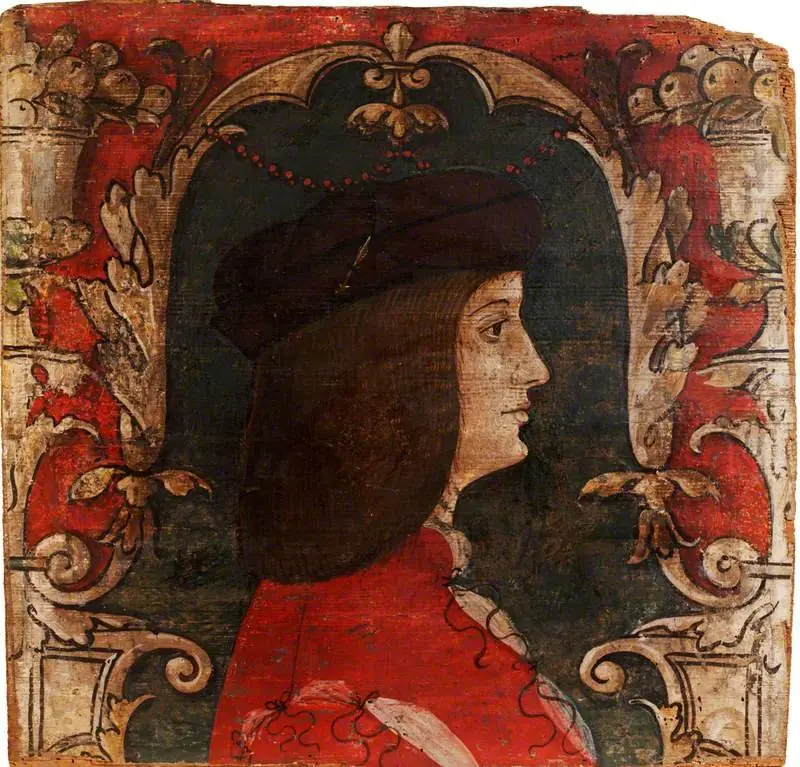 Profile Bust of a Man Facing Right (one of 29 painted panels from a frieze)
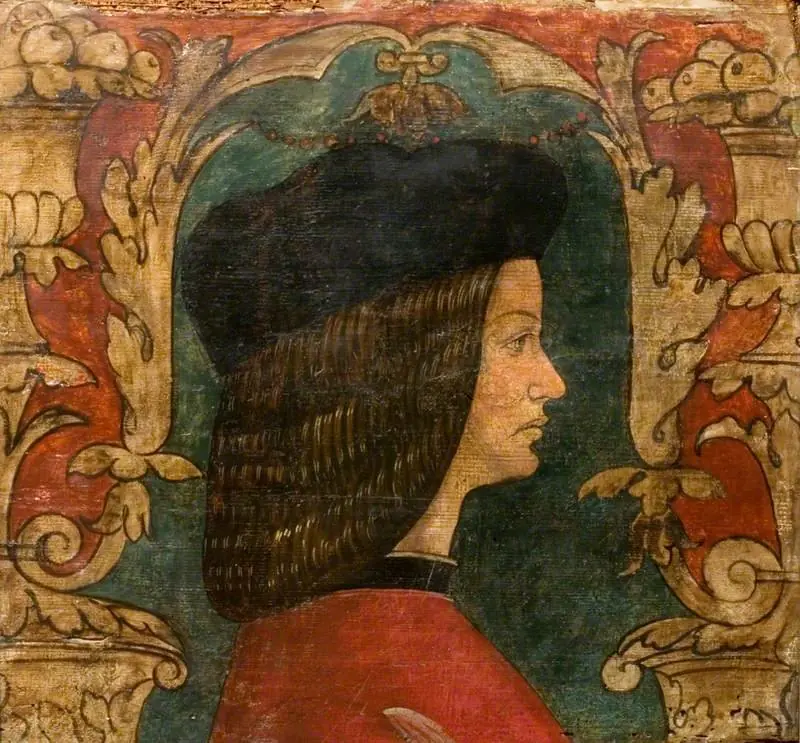 Profile Bust of a Man Facing Right (one of 29 painted panels from a frieze)
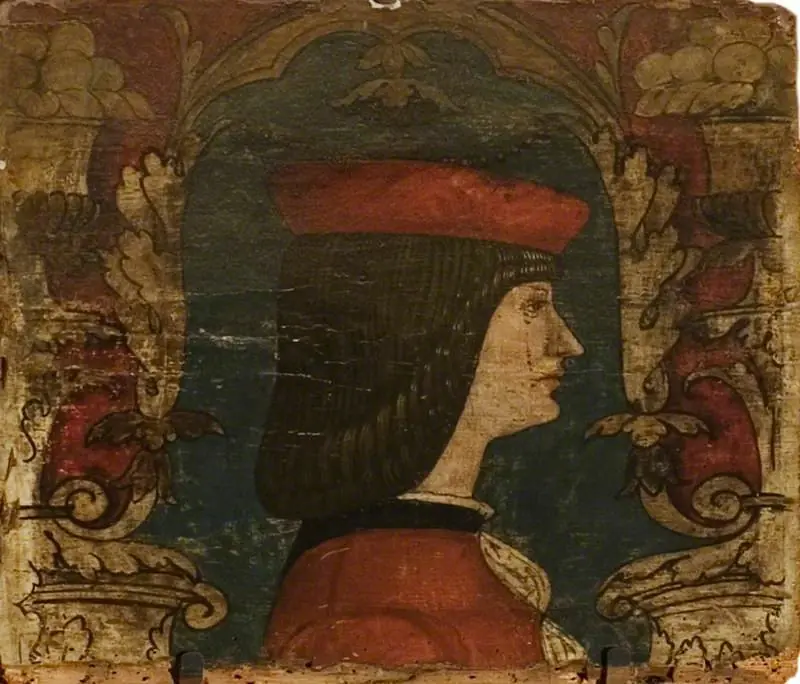 Profile Bust of a Man Facing Right (one of 29 painted panels from a frieze)
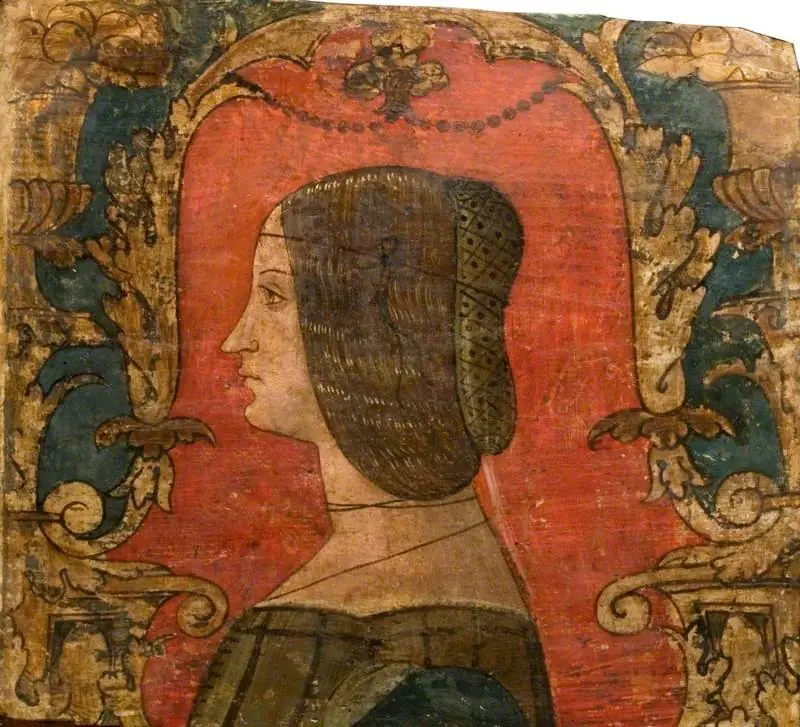 Profile Bust of a Lady Facing Left (one of 29 painted panels from a frieze)
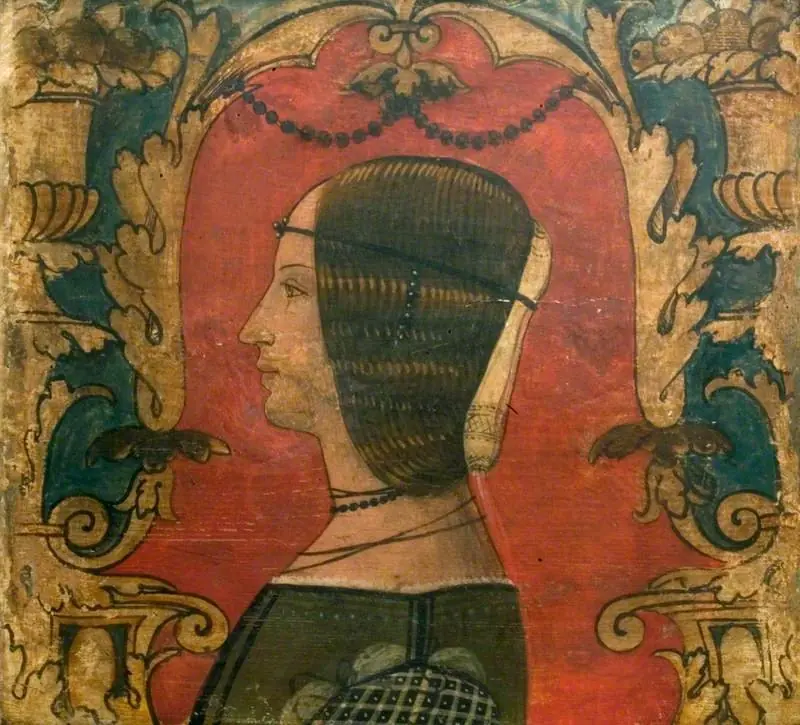 Profile Bust of a Lady Facing Left (one of 29 painted panels from a frieze)
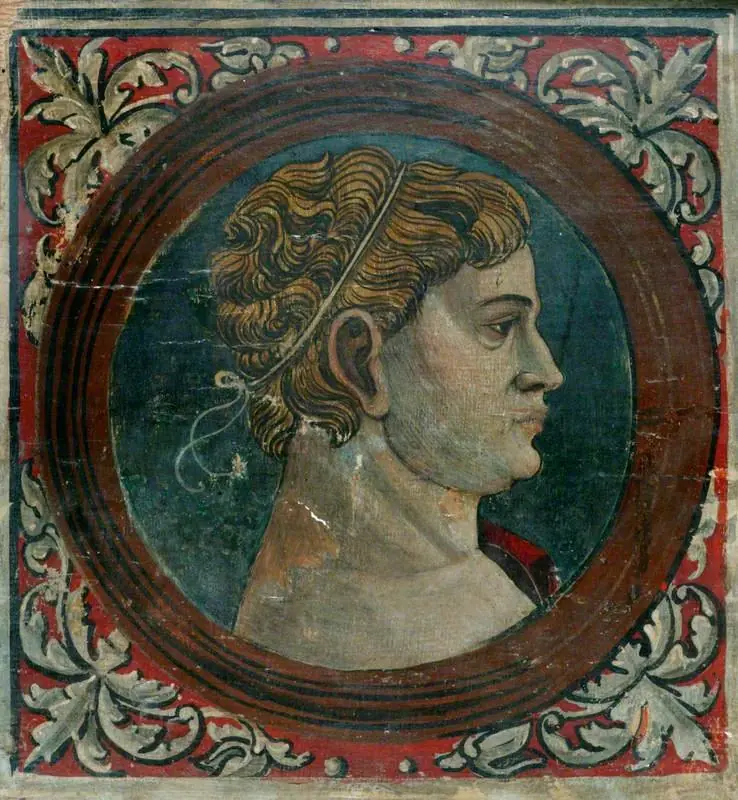 Profile Bust of a Roman Emperor Facing Right (one of 29 painted panels from a frieze)
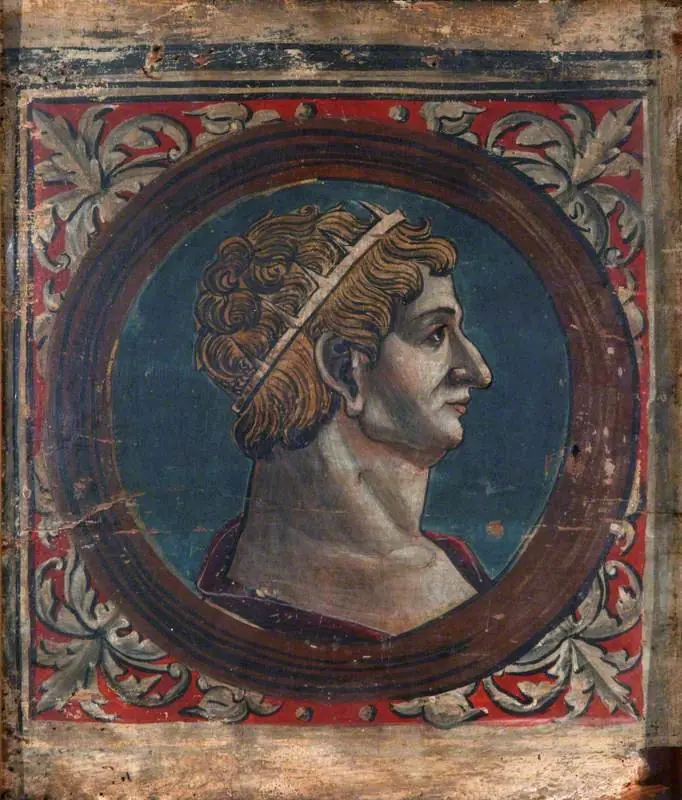 Profile Bust of a Roman Emperor Facing Right (one of 29 painted panels from a frieze)
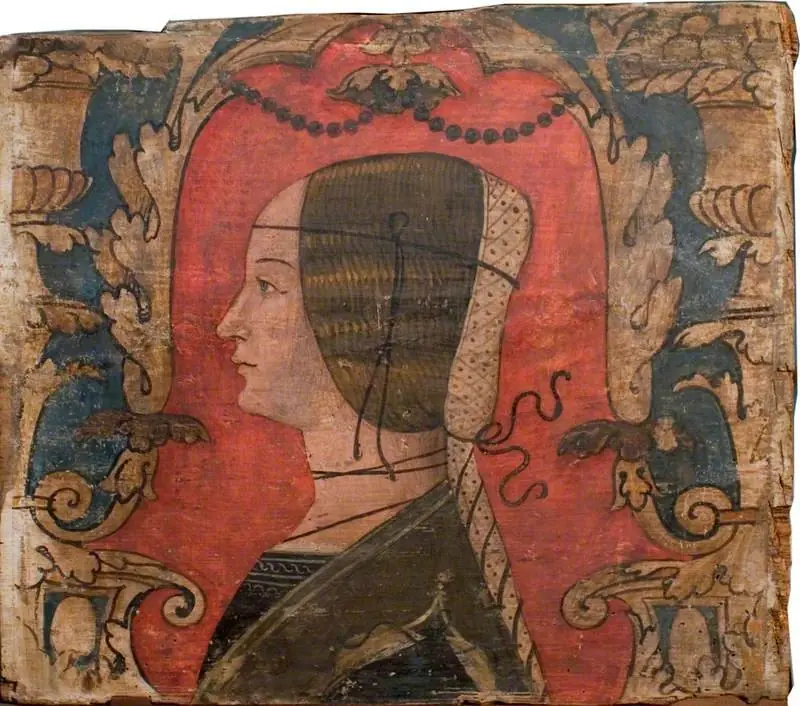 Profile Bust of a Lady Facing Left (one of 29 painted panels from a frieze)
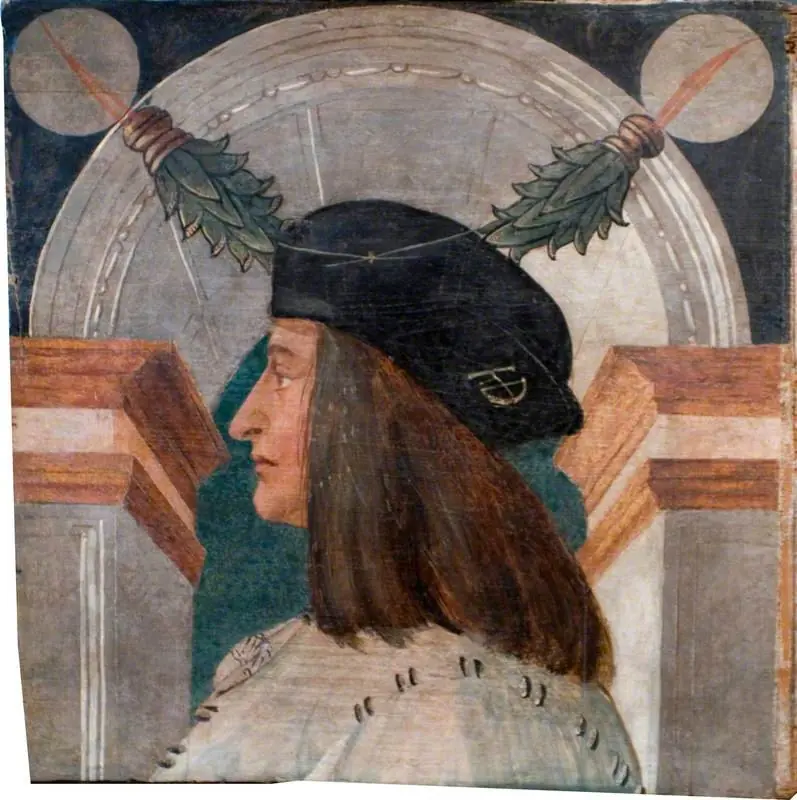 Male Profile Bust
 Profile Bust of a Roman Emperor Facing Right (one of 29 painted panels from a frieze)