Artwork
Madonna and Child
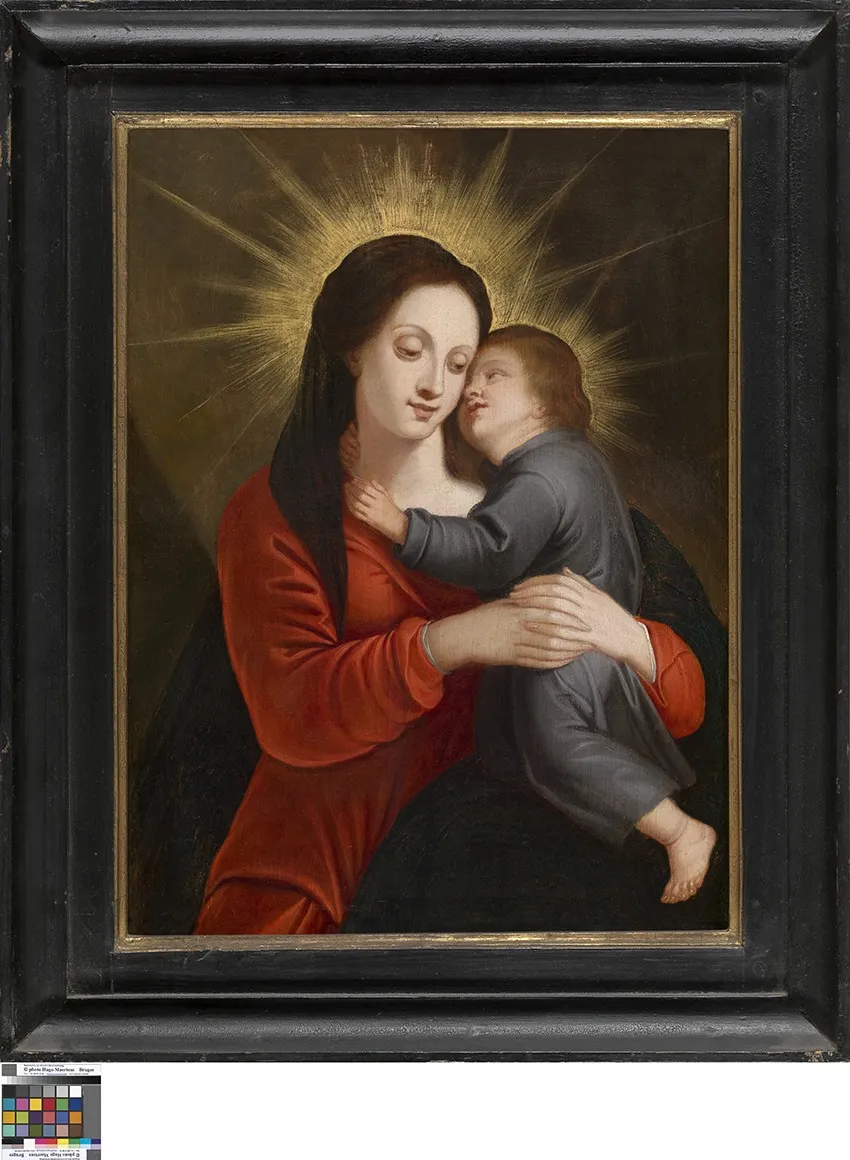
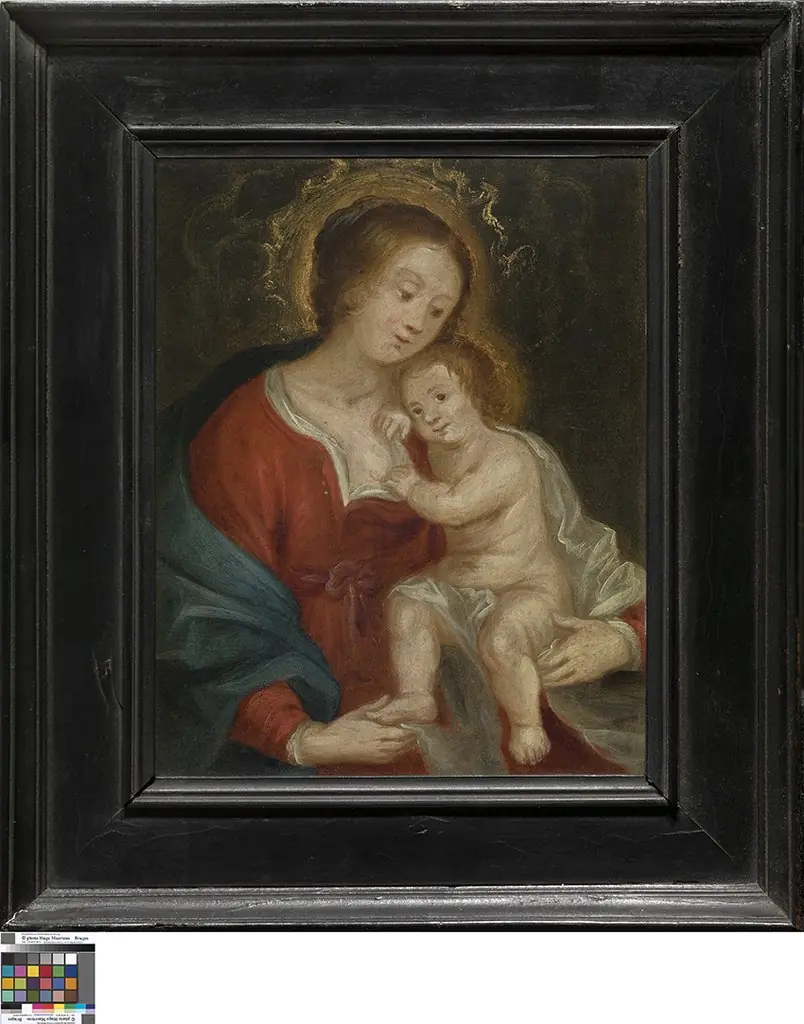
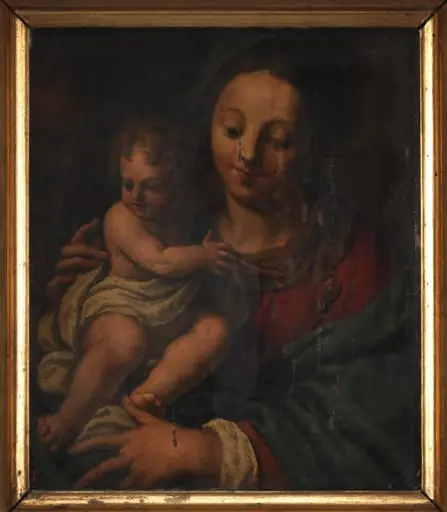
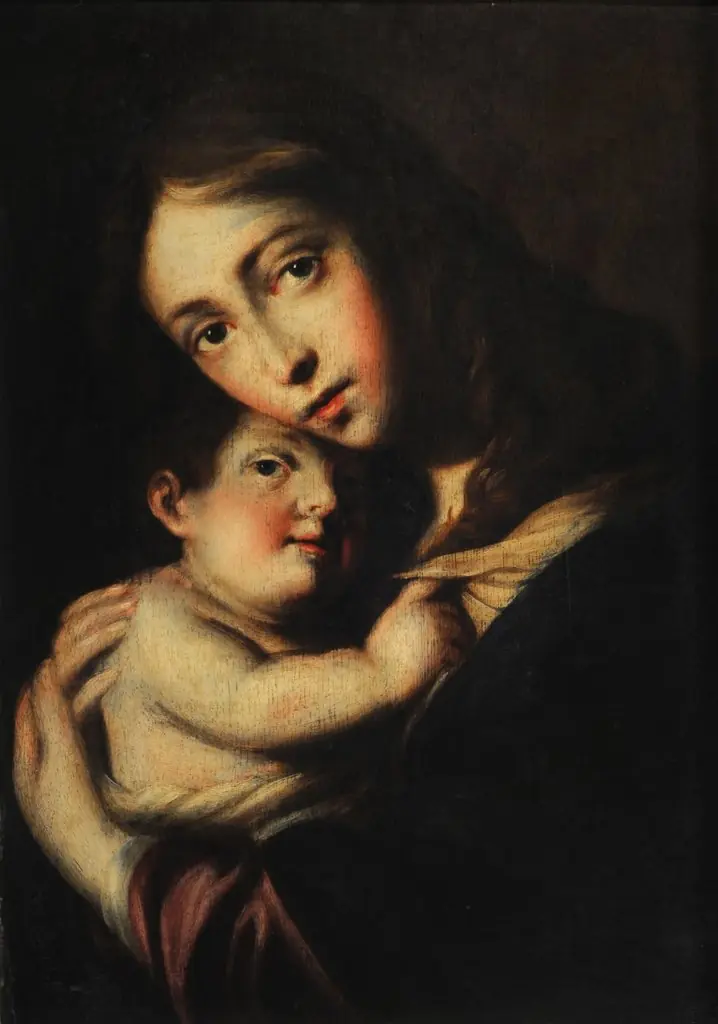
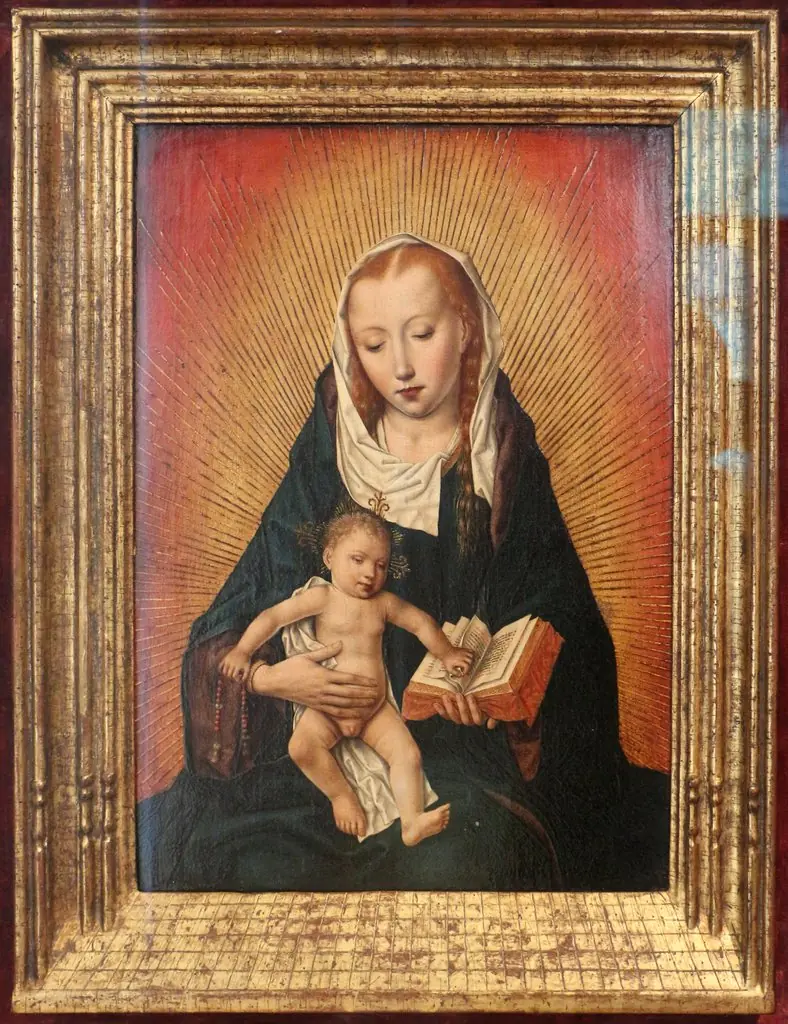
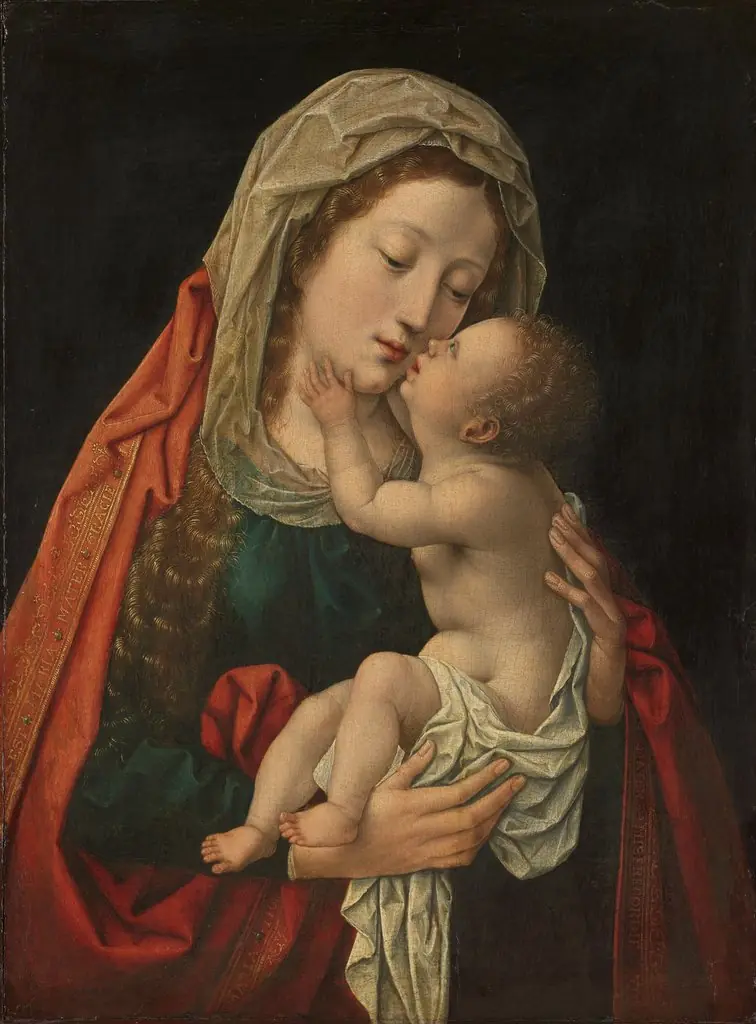
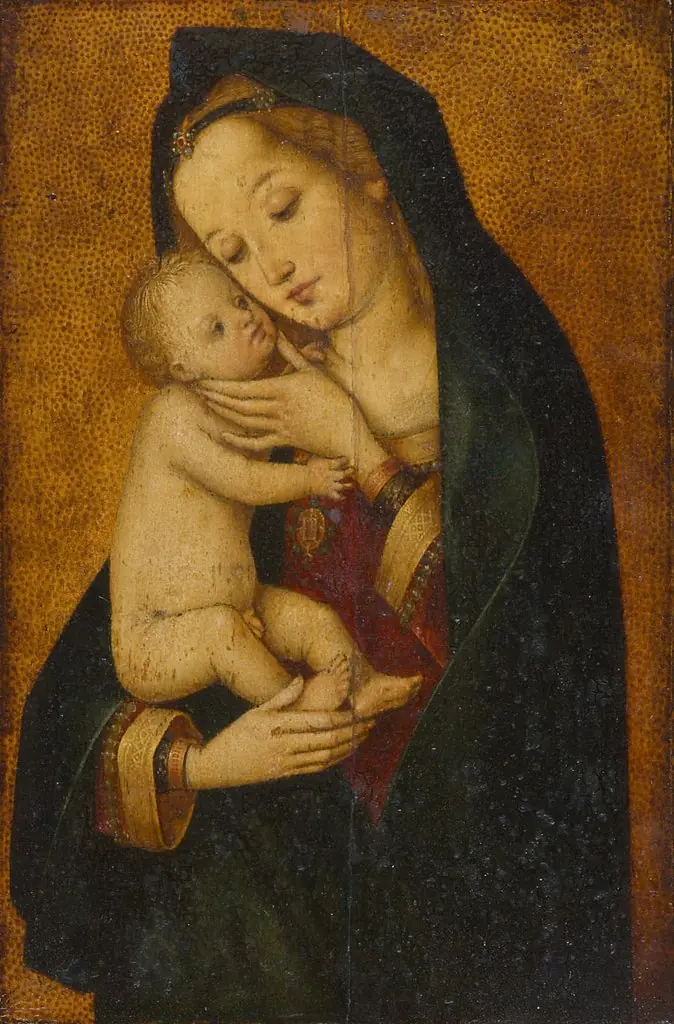
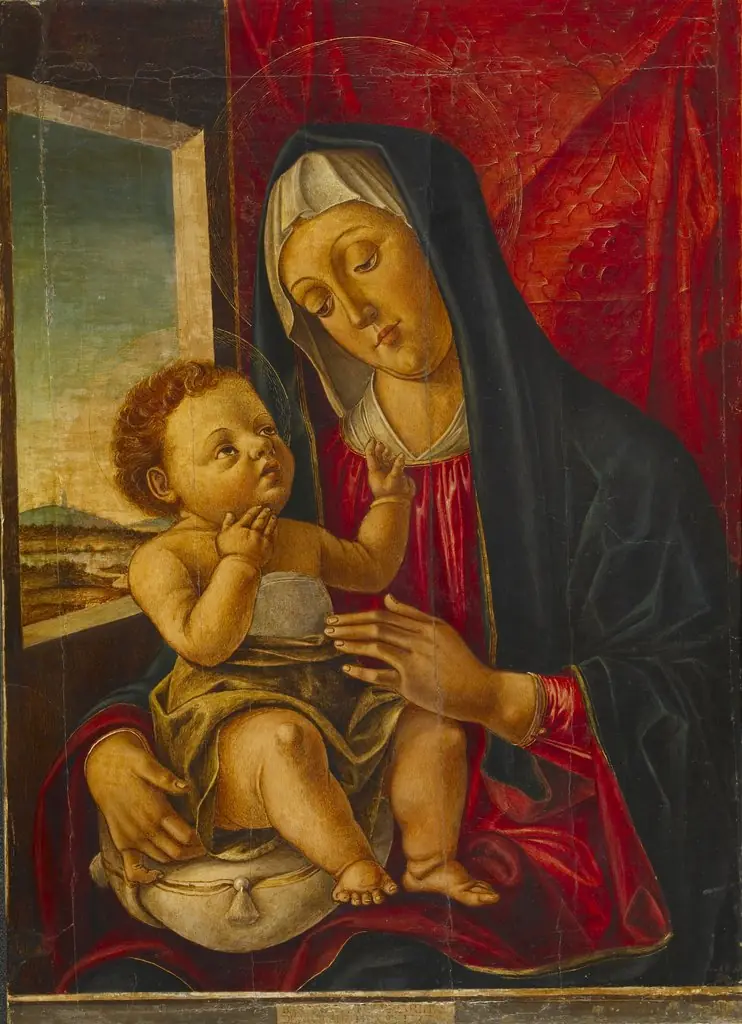
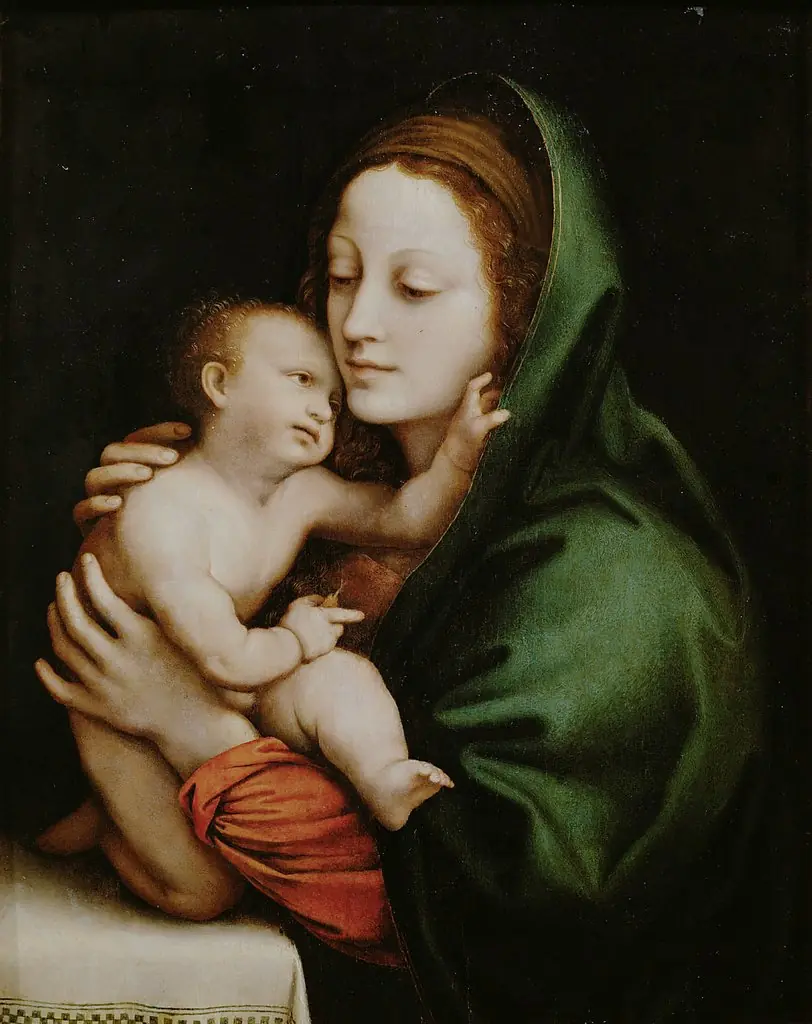
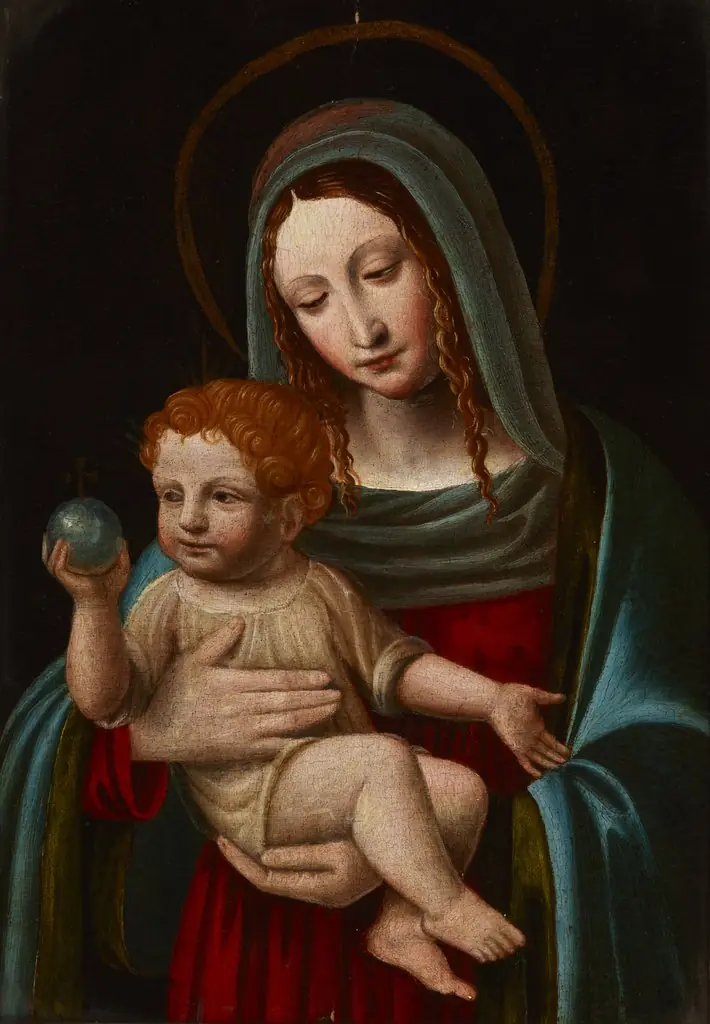
Madonna and Child is an oil painting by the Early Baroque Italian artist Unknown. It dates from 1615 and is held in the collection of the Groeningemuseum. This oil painting depicts the Virgin Mary with the infant Jesus in a quiet, intimate embrace.
About this work
Overview
The artist employs chiaroscuro to model forms and direct focus, creating a sense of quiet reverence without overt symbolism.
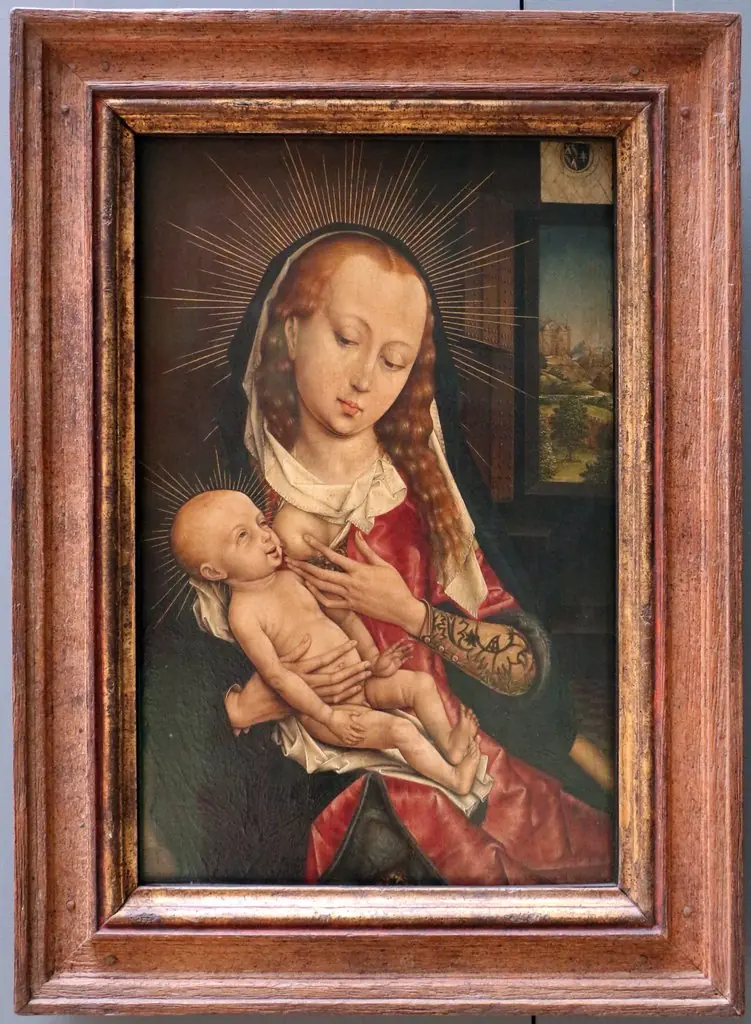
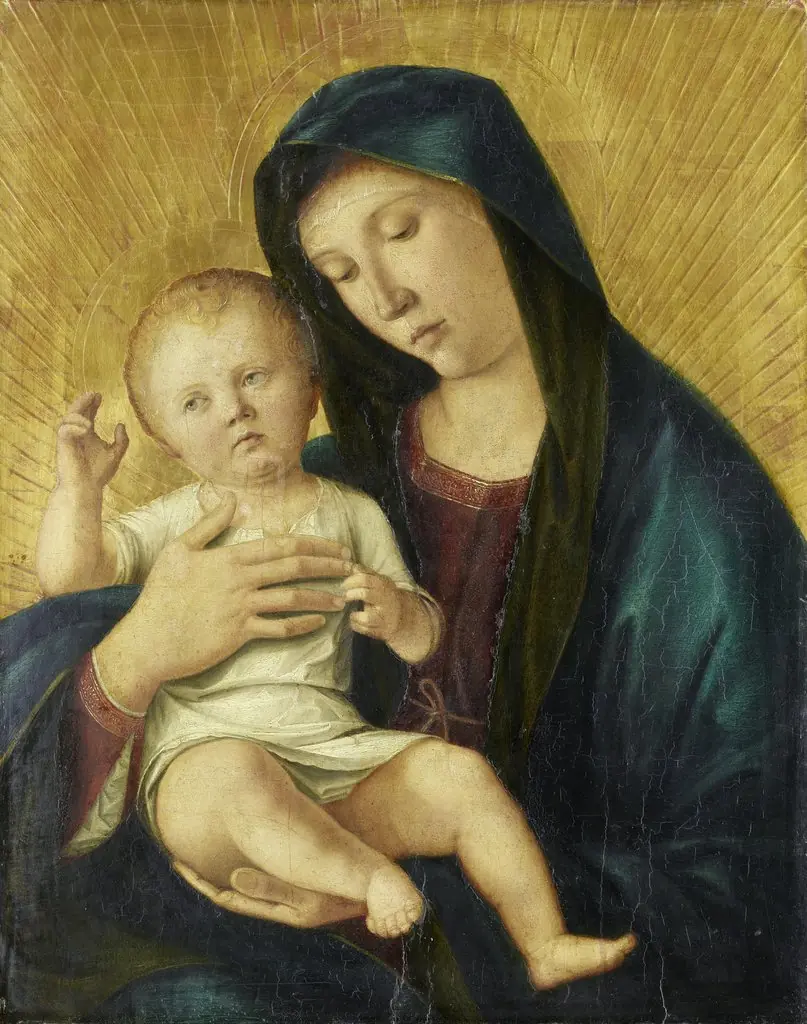
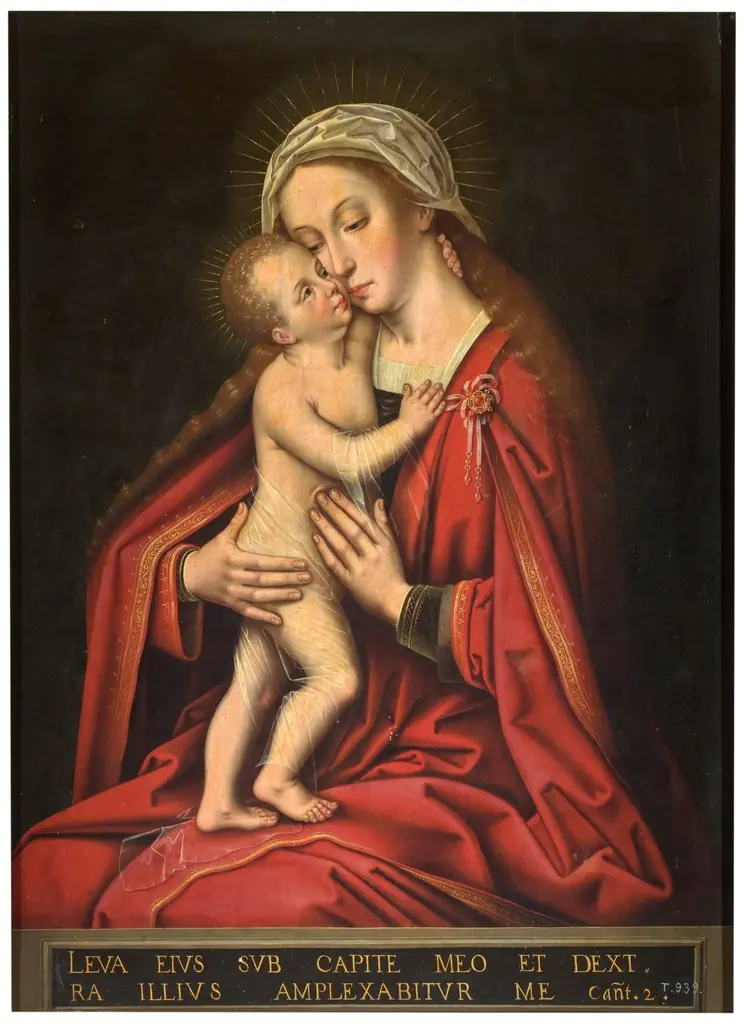
This oil painting depicts the Virgin Mary with the infant Jesus in a quiet, intimate embrace. Rendered with subtle lighting and restrained color, the figures occupy a shallow space defined by a dark background. The composition centers on their physical closeness, emphasizing tenderness over grandeur. The artist employs chiaroscuro to model forms and direct focus, creating a sense of quiet reverence without overt symbolism.
Subject & Meaning
The scene presents a humanized vision of the Madonna and Child, prioritizing emotional connection over theological symbolism. Mary’s gentle hold and the child’s relaxed posture suggest a moment of private affection rather than sacred representation. The closed eyes of the infant imply sleep or surrender, deepening the sense of stillness. The absence of traditional attributes like halos or thrones shifts emphasis to the intimacy of maternal care.
Technique & Style
The artist uses soft transitions between light and shadow to give volume to the figures, with the red robe of Mary contrasting subtly against the muted background. The child’s gray garments absorb ambient light, enhancing the tactile quality of skin and fabric. Brushwork is refined but unobtrusive, avoiding dramatic flourishes. The halo of light around the pair is rendered as a gentle glow rather than a rigid ring, integrating naturally with the surrounding darkness.
History & Provenance
The painting’s origins are undocumented in public records, with no known commission or early ownership history. Its style suggests a late medieval or early Renaissance workshop, possibly from Northern Italy or the Low Countries. No signatures or inscriptions are visible, and its first recorded appearance in a collection dates to the 19th century, after which it entered institutional custody.
Context
During the period in which it was likely made, devotional images of the Madonna and Child were common in private homes and small chapels. This work reflects a shift toward personal piety, where emotional resonance outweighed doctrinal display. Similar compositions appear in panel paintings of the time, but this version’s subdued palette and lack of ornamental detail mark it as more restrained than contemporary courtly or ecclesiastical examples.
Legacy
Though not widely reproduced or studied, the painting contributes to a broader tradition of intimate Marian imagery that influenced later devotional art. Its quiet realism and emotional restraint align with trends in early Renaissance humanism, offering a counterpoint to more elaborate altarpieces. It remains a quiet example of how spiritual themes were rendered through everyday gestures in domestic religious practice.
Artist & collection

 Domestic Scene
 Giacomo and Cardinal Marco, investing Andrea, Abbot of San Zeno, with his Benefice
 The Nymph of Fontainebleau
 Portrait of a Woman
 Madonna and Child with Saints in the Enclosed Garden
 Venus and Minerva
 Family Group of Four on Sofa
 Wall painting from Room H of the Villa of P. Fannius Synistor at Boscoreale