Artwork
Virgin and Child
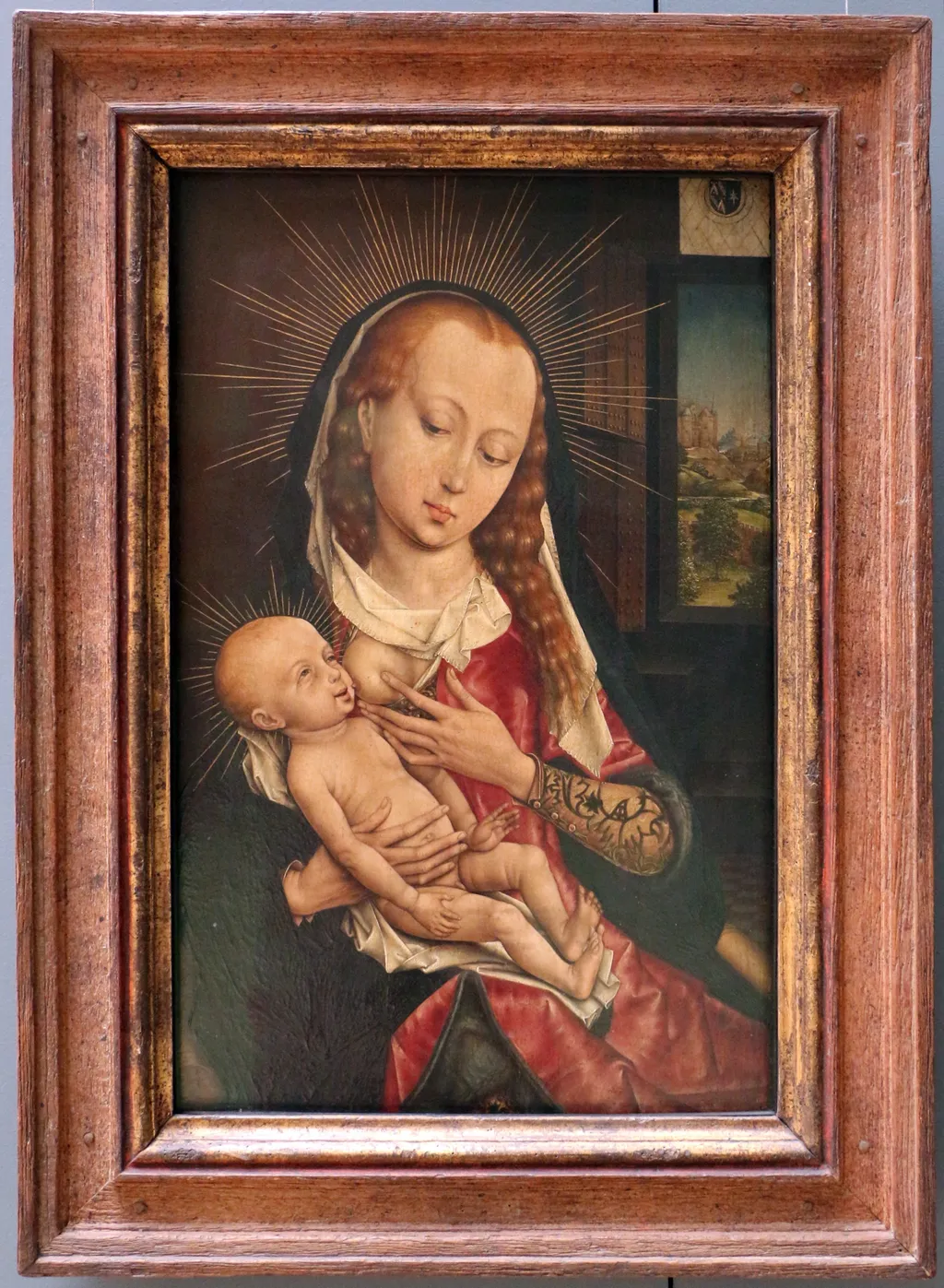
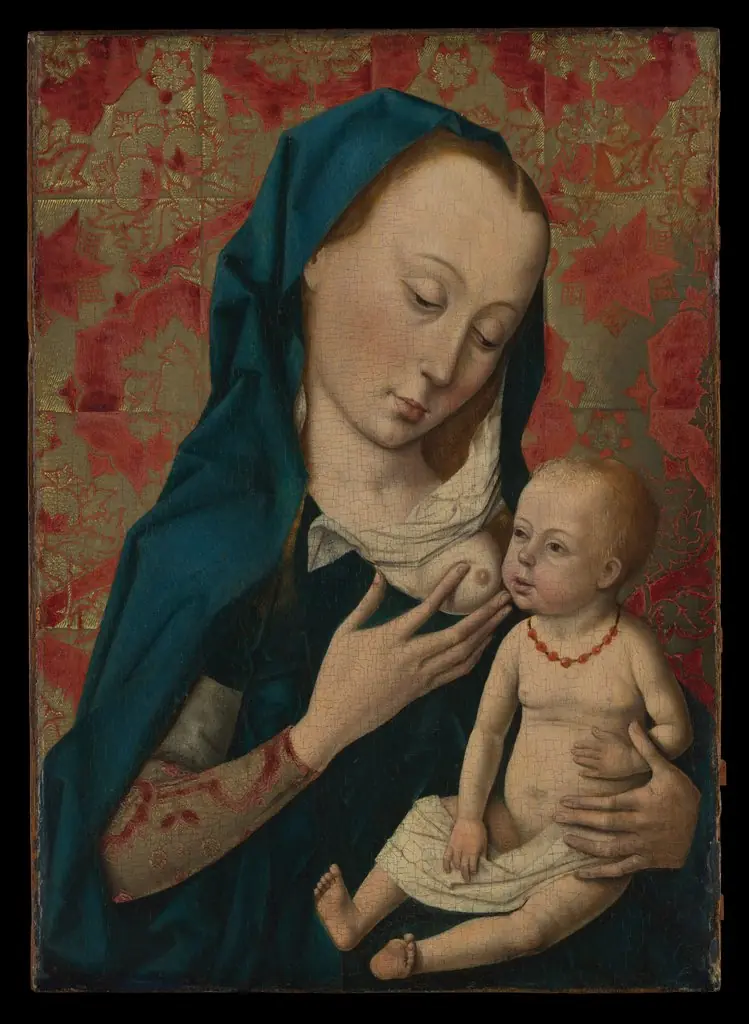
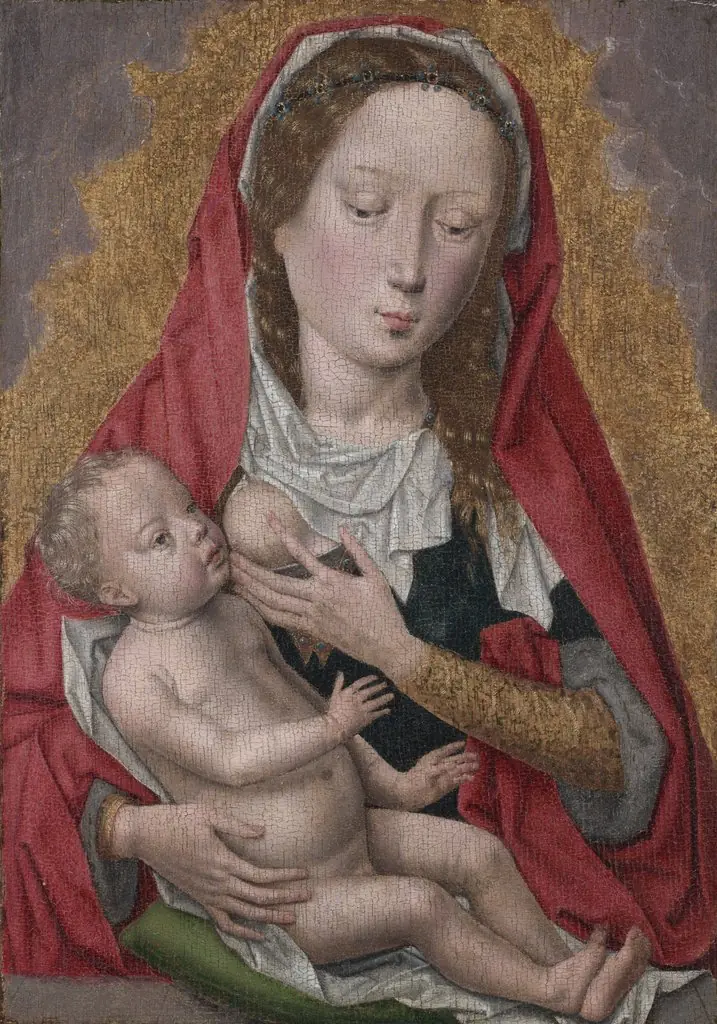
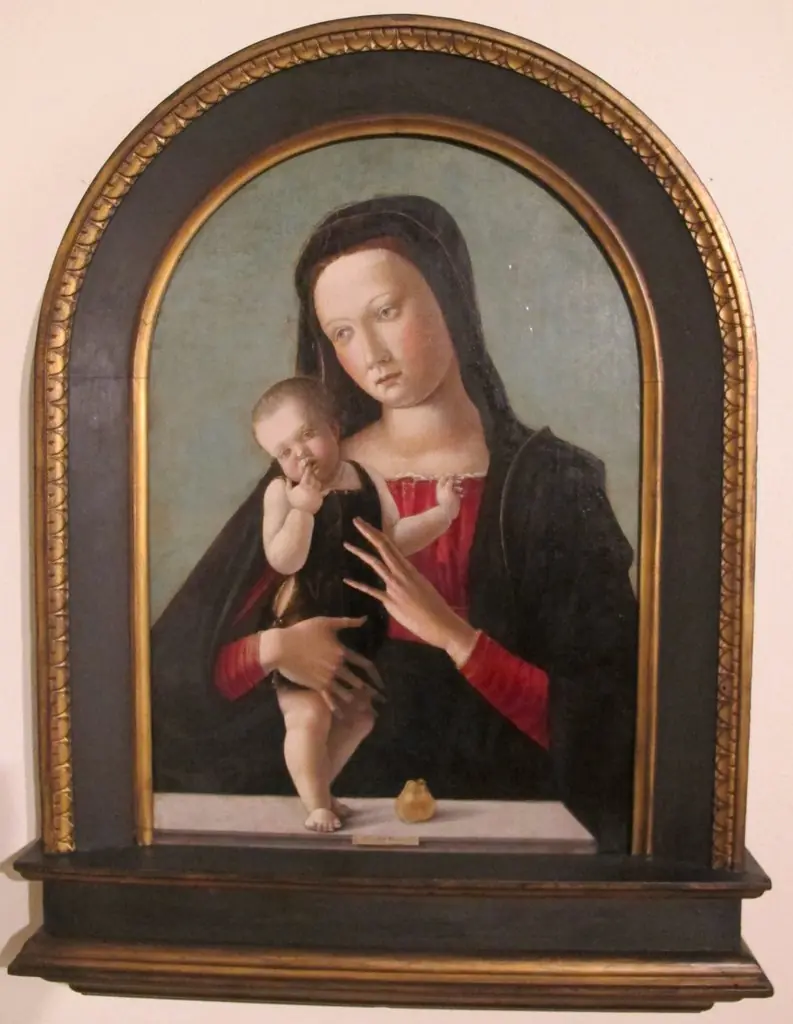
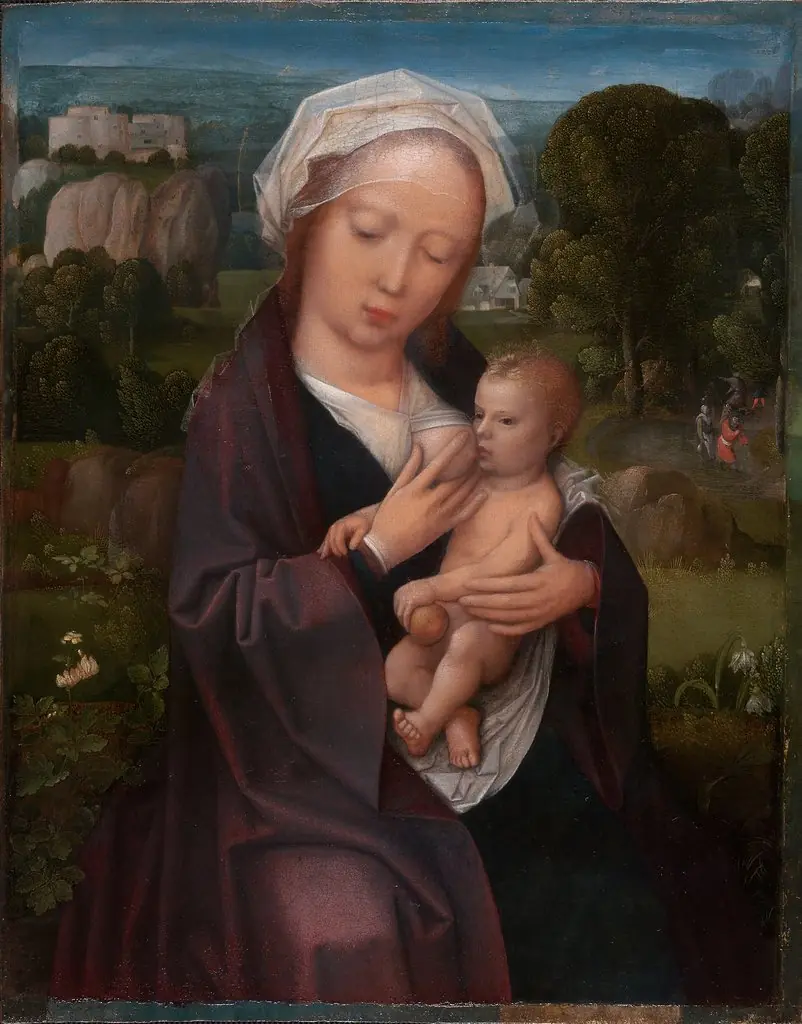
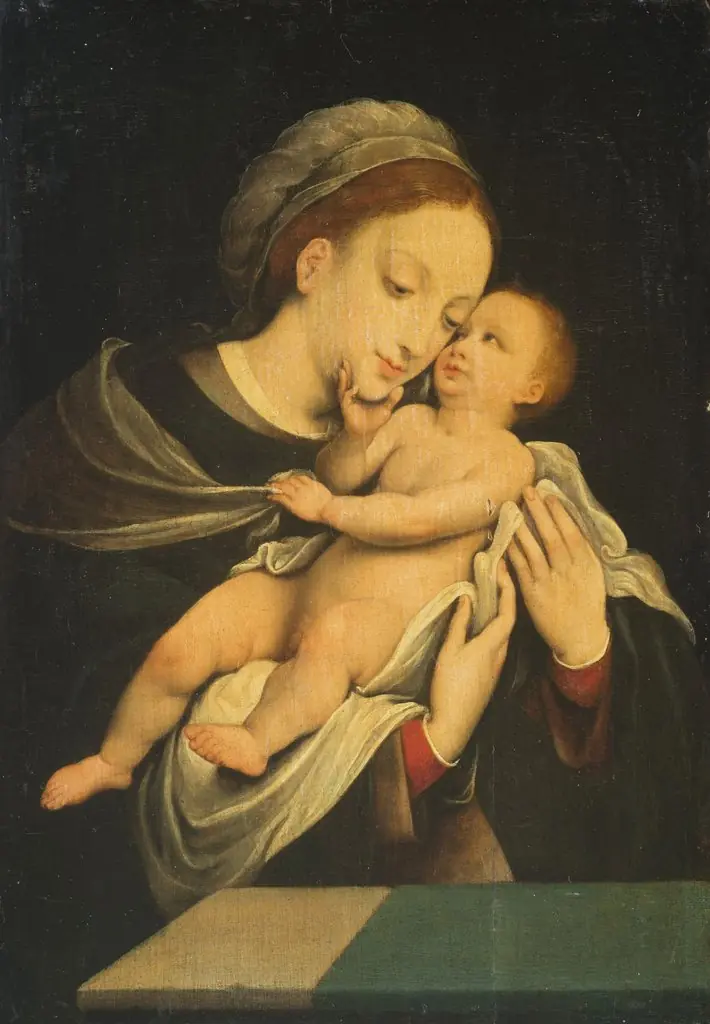
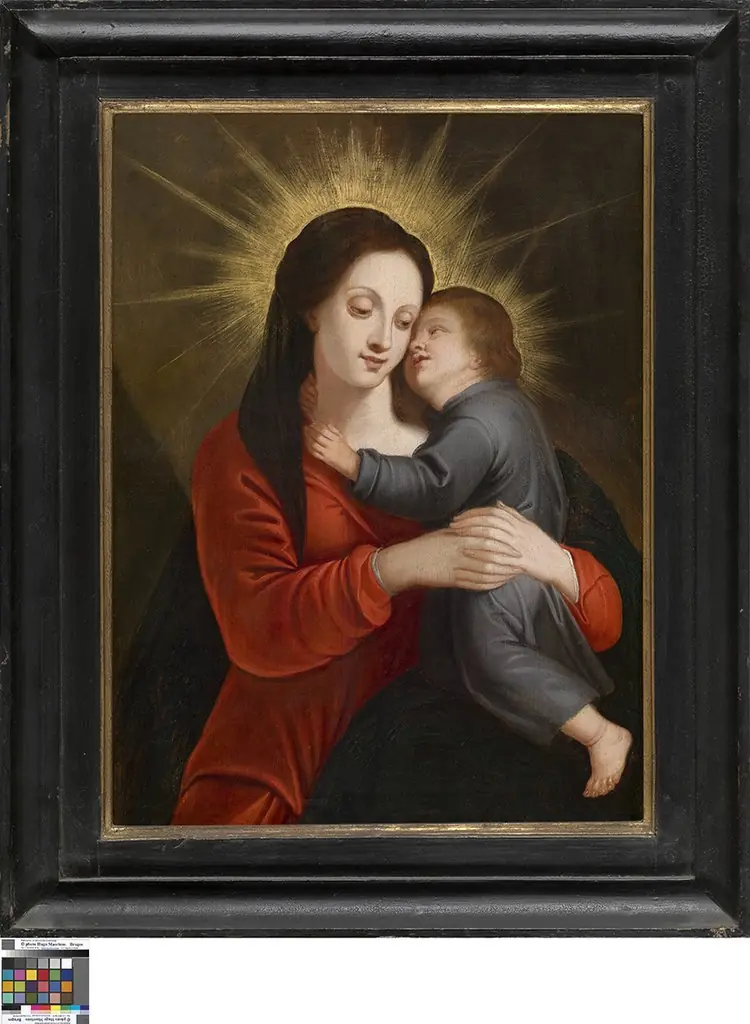
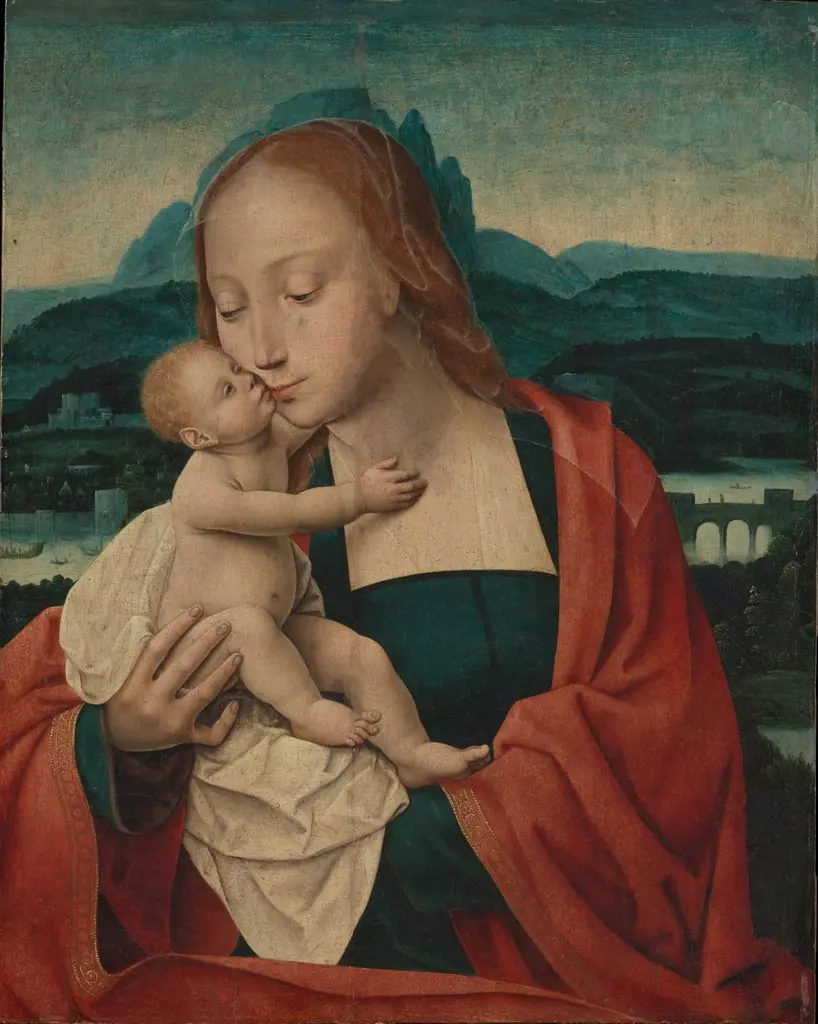
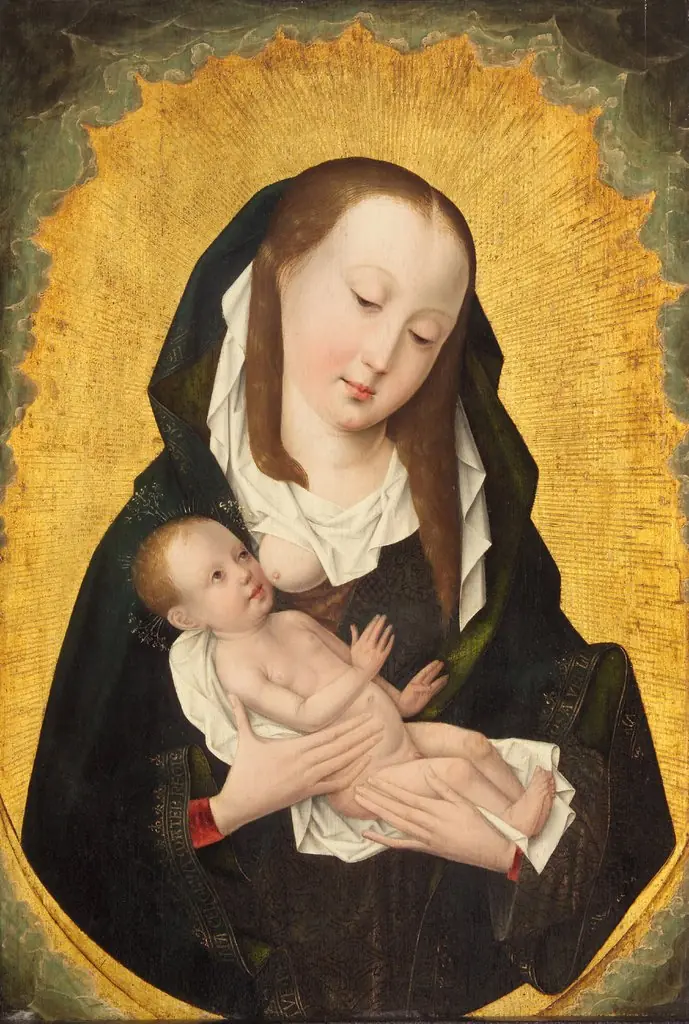
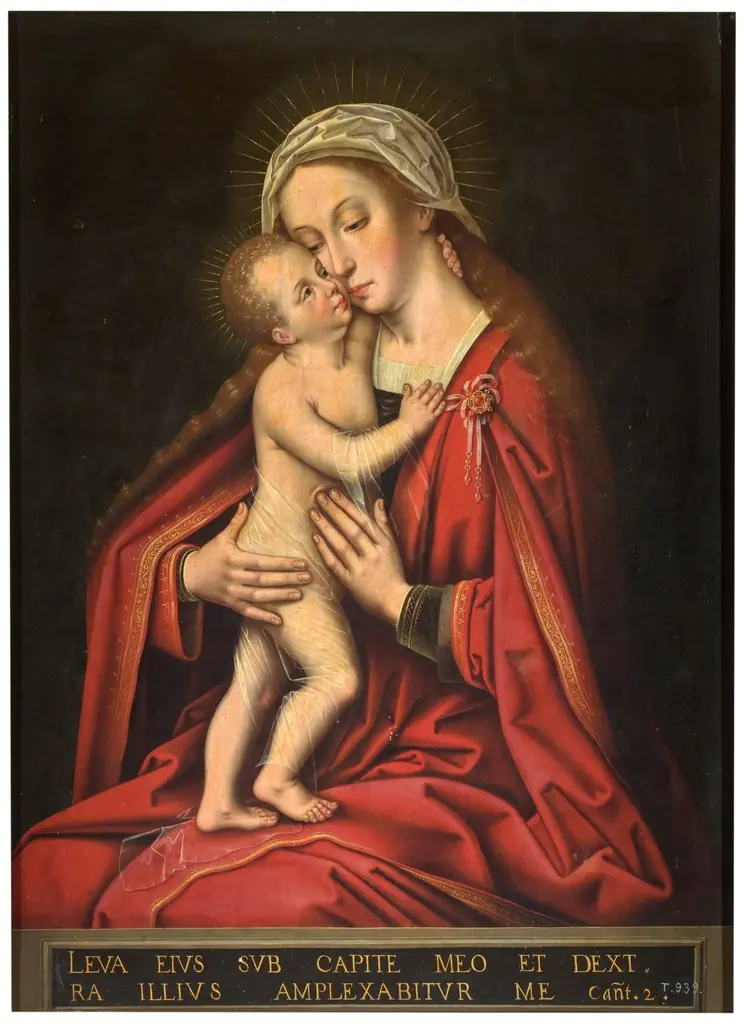
Virgin and Child is an oil painting by the Northern Renaissance artist Unknown. It dates from 1474 and is held in the collection of the Royal Museums of Fine Arts of Belgium. This oil painting depicts the Virgin Mary with the infant Jesus, rendered in a quiet, intimate composition.
About this work
Overview
This oil painting depicts the Virgin Mary with the infant Jesus, rendered in a quiet, intimate composition.
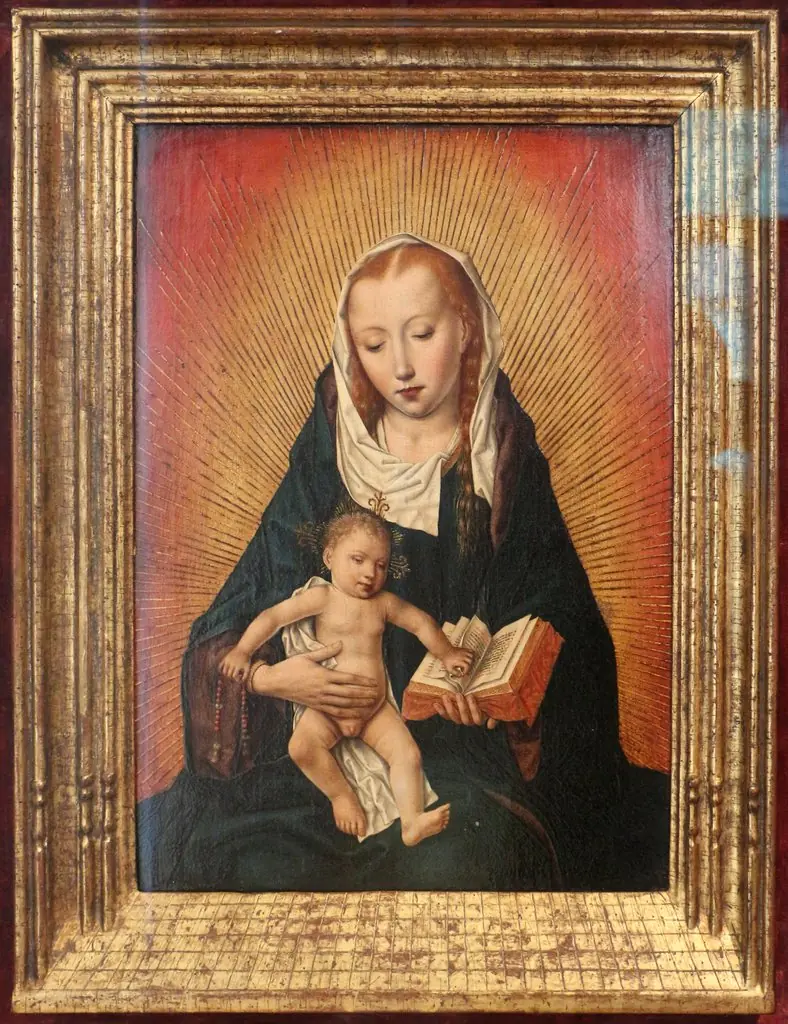
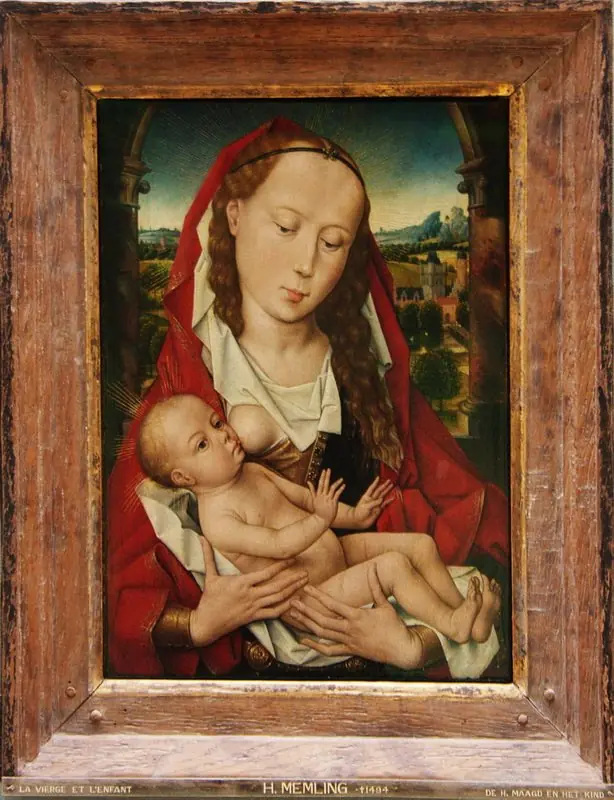
This oil painting depicts the Virgin Mary with the infant Jesus, rendered in a quiet, intimate composition. The figures are centered against a dim, distant landscape, with radiant light emanating behind Mary’s head. The use of translucent glazes creates a luminous quality in the skin tones, particularly on the child’s arm, where subtle shifts in tone suggest volume and softness without harsh outlines.
Subject & Meaning
The Virgin is portrayed as a tender, contemplative mother, her calm expression emphasizing spiritual serenity. The child’s gesture—gripping her sleeve while resting his other hand on her arm—conveys both vulnerability and connection. The golden radiance behind her head alludes to divine presence, while the dark background grounds the scene in earthly reality, balancing the sacred with the human.
Technique & Style
The artist employed multiple layers of thin, transparent oil glazes to build depth and luminosity. This method allowed light to penetrate and reflect within the paint, giving the figures a soft, glowing appearance. The modeling of the infant’s arm demonstrates careful attention to subtle tonal transitions, achieving a three-dimensional effect through optical blending rather than sharp contours.
History & Provenance
The painting’s early ownership is undocumented, but its style aligns with Northern European devotional works from the late 15th or early 16th century. It likely originated in a private chapel or domestic setting, where such images served as aids to personal prayer. Its survival in relatively intact condition suggests it was carefully preserved by its owners over centuries.
Context
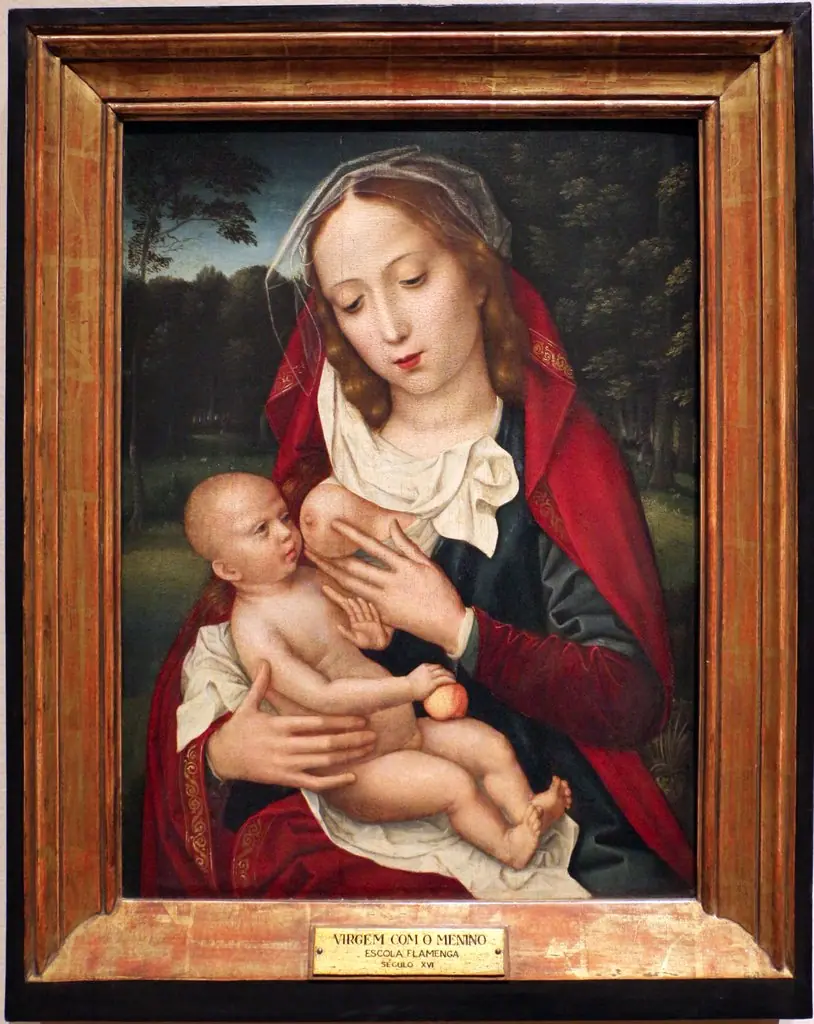
During the late Middle Ages and early Renaissance, images of the Virgin and Child were central to Christian devotion, especially in regions where literacy was limited. This painting reflects a shift toward naturalism and emotional intimacy, moving away from rigid iconography. The inclusion of a landscape, however faint, signals growing interest in the natural world as part of sacred narrative.
Legacy
The painting exemplifies the technical and spiritual priorities of its time, influencing later devotional art through its emphasis on quiet humanity and refined light effects. While not widely known today, its approach to glazing and emotional restraint resonates with the quieter traditions of Northern Renaissance painting, offering insight into how faith was visually cultivated in private spaces.
Artist & collection

Museum
Royal Museums of Fine Arts of Belgium
Continue through works from the same source collection.
 Domestic Scene
 Giacomo and Cardinal Marco, investing Andrea, Abbot of San Zeno, with his Benefice
 The Nymph of Fontainebleau
 Portrait of a Woman
 Madonna and Child with Saints in the Enclosed Garden
 Venus and Minerva
 Family Group of Four on Sofa
 Wall painting from Room H of the Villa of P. Fannius Synistor at Boscoreale