Artwork
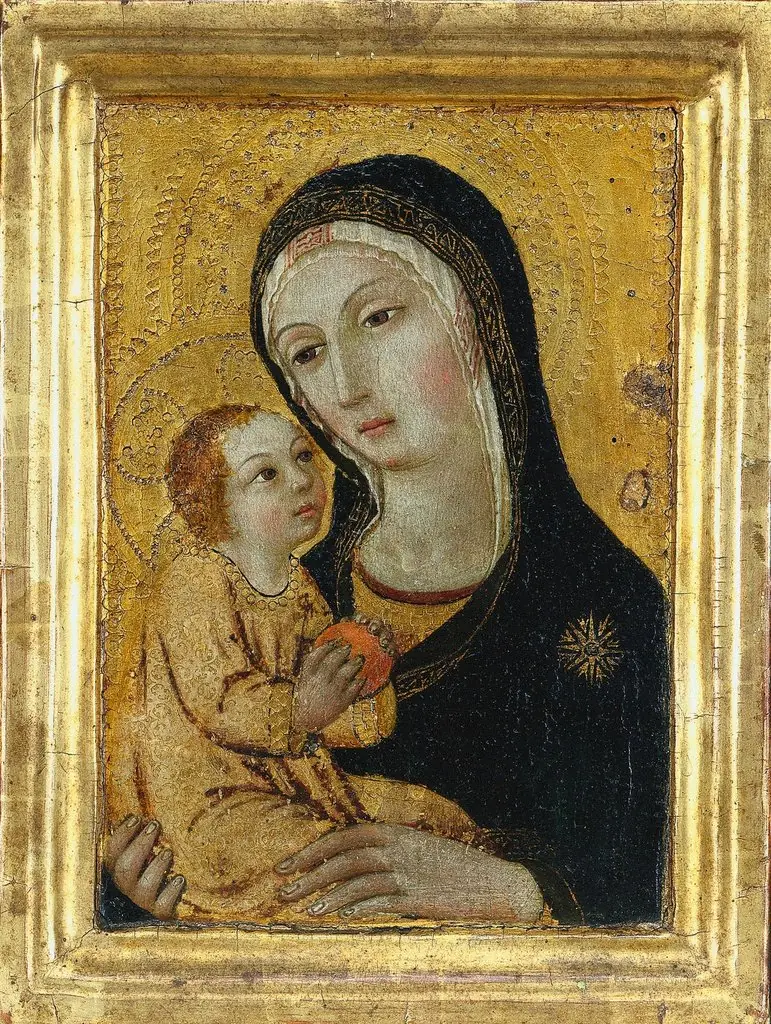
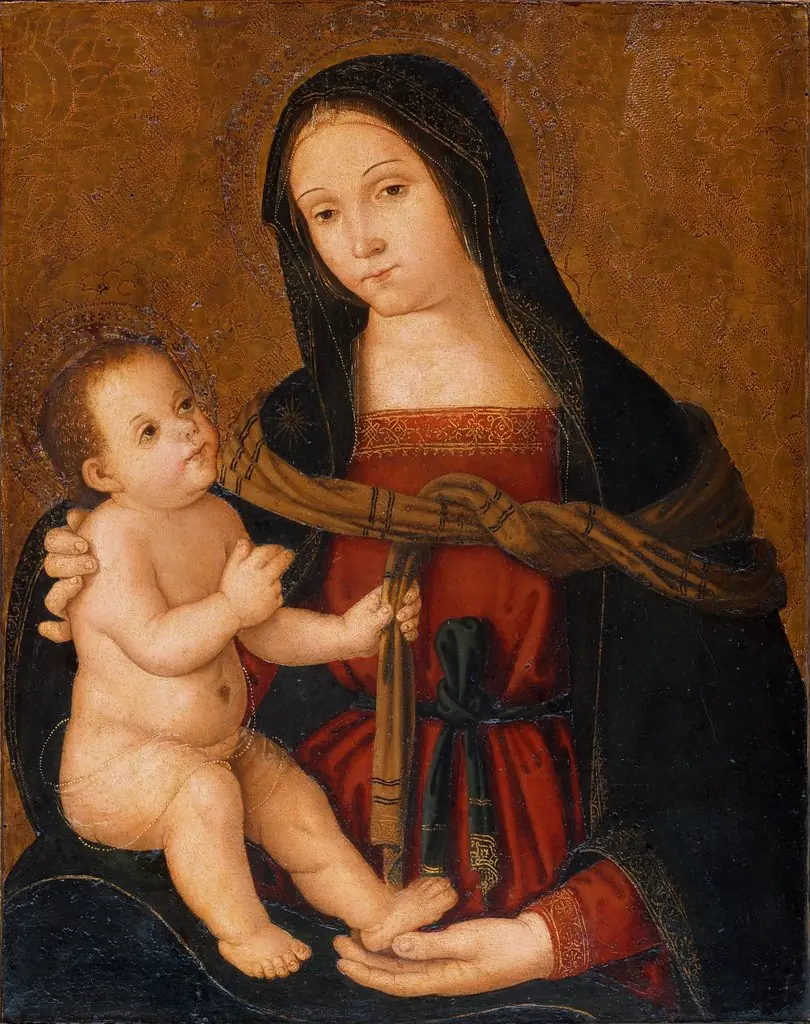
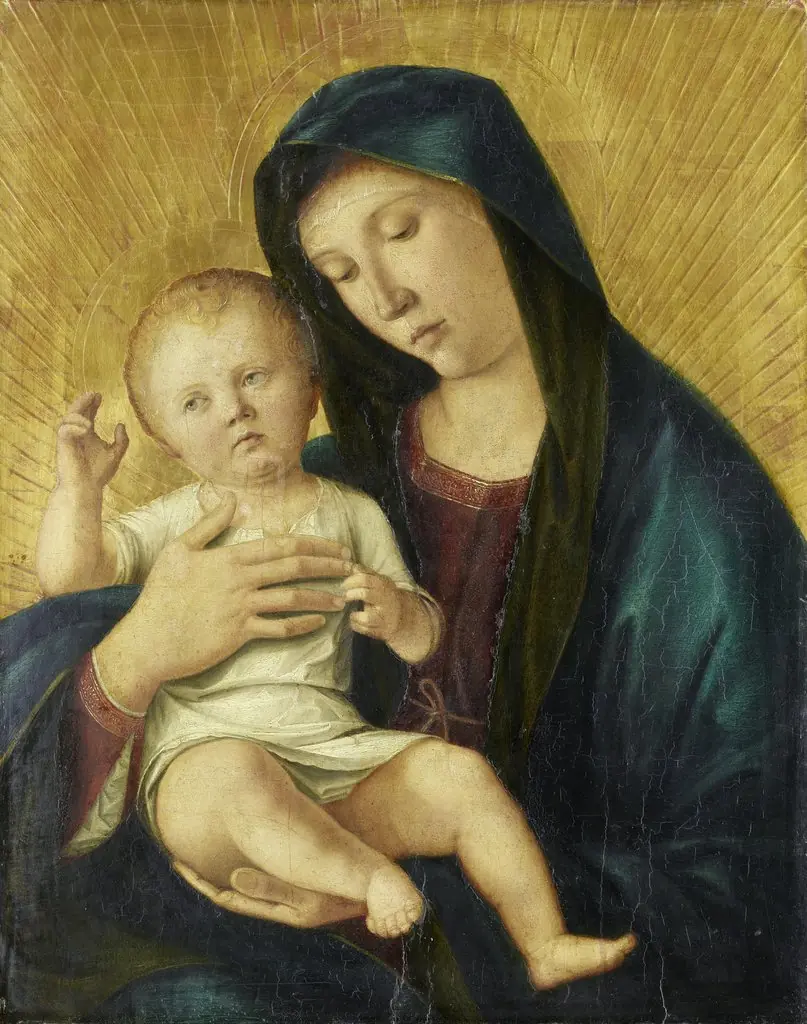
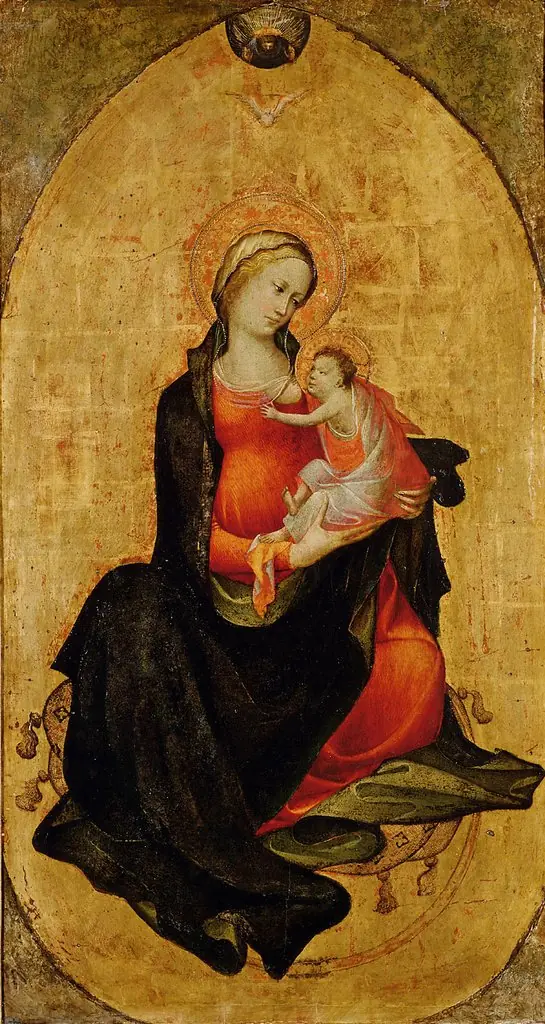
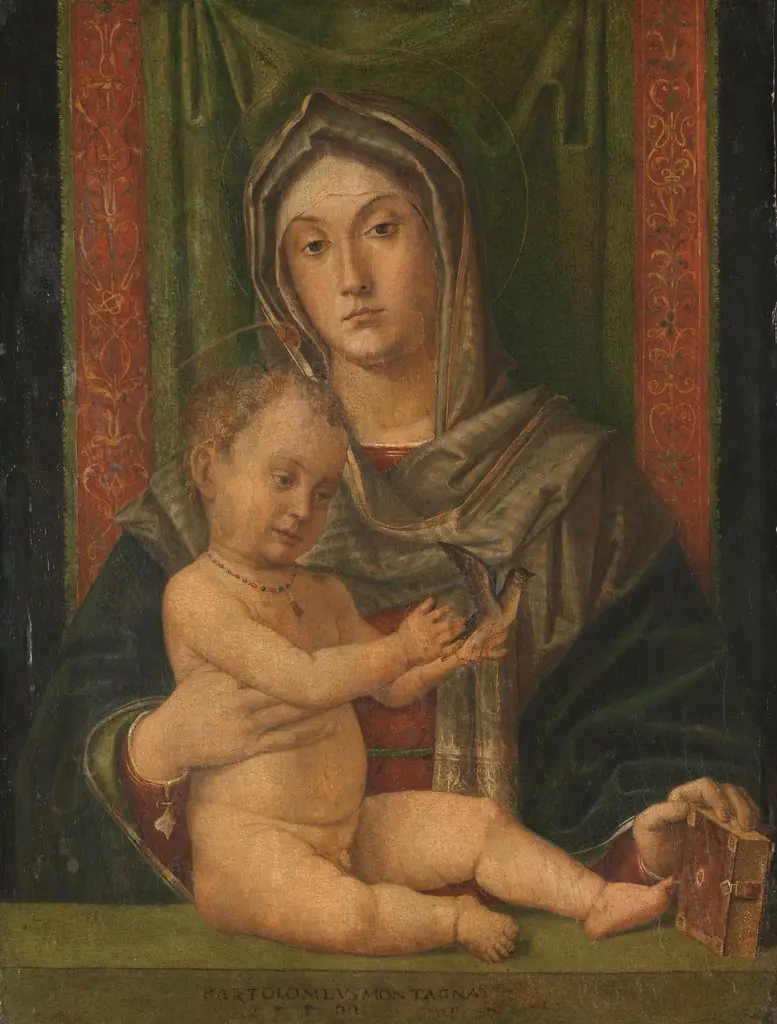
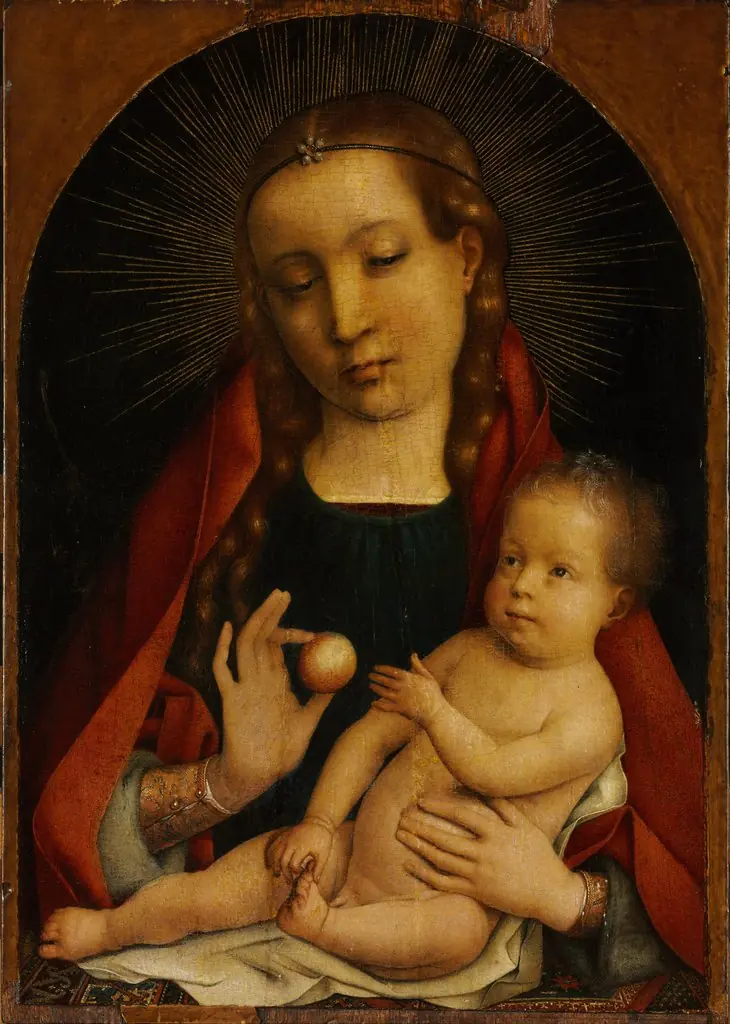
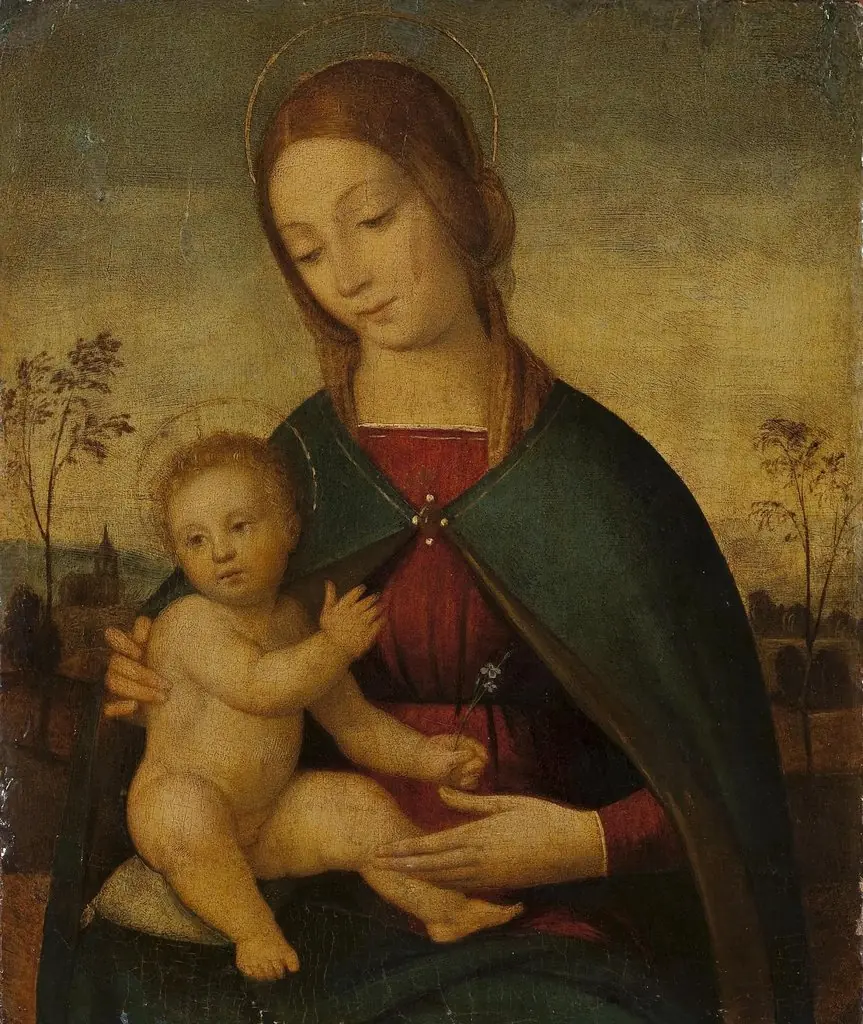
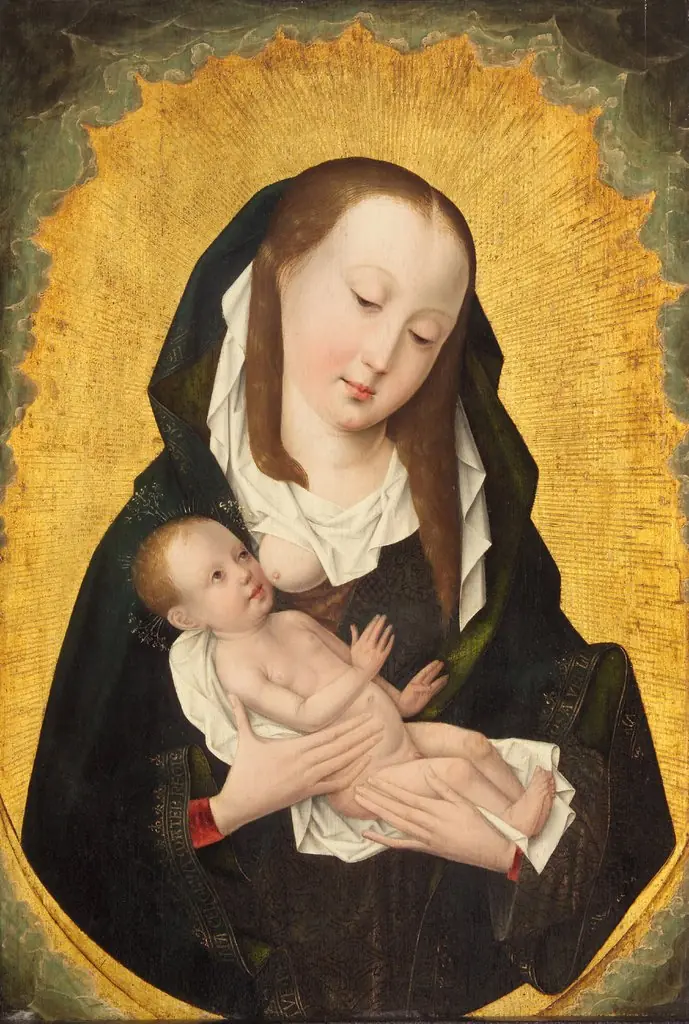
Maria, das Kind liebkosend
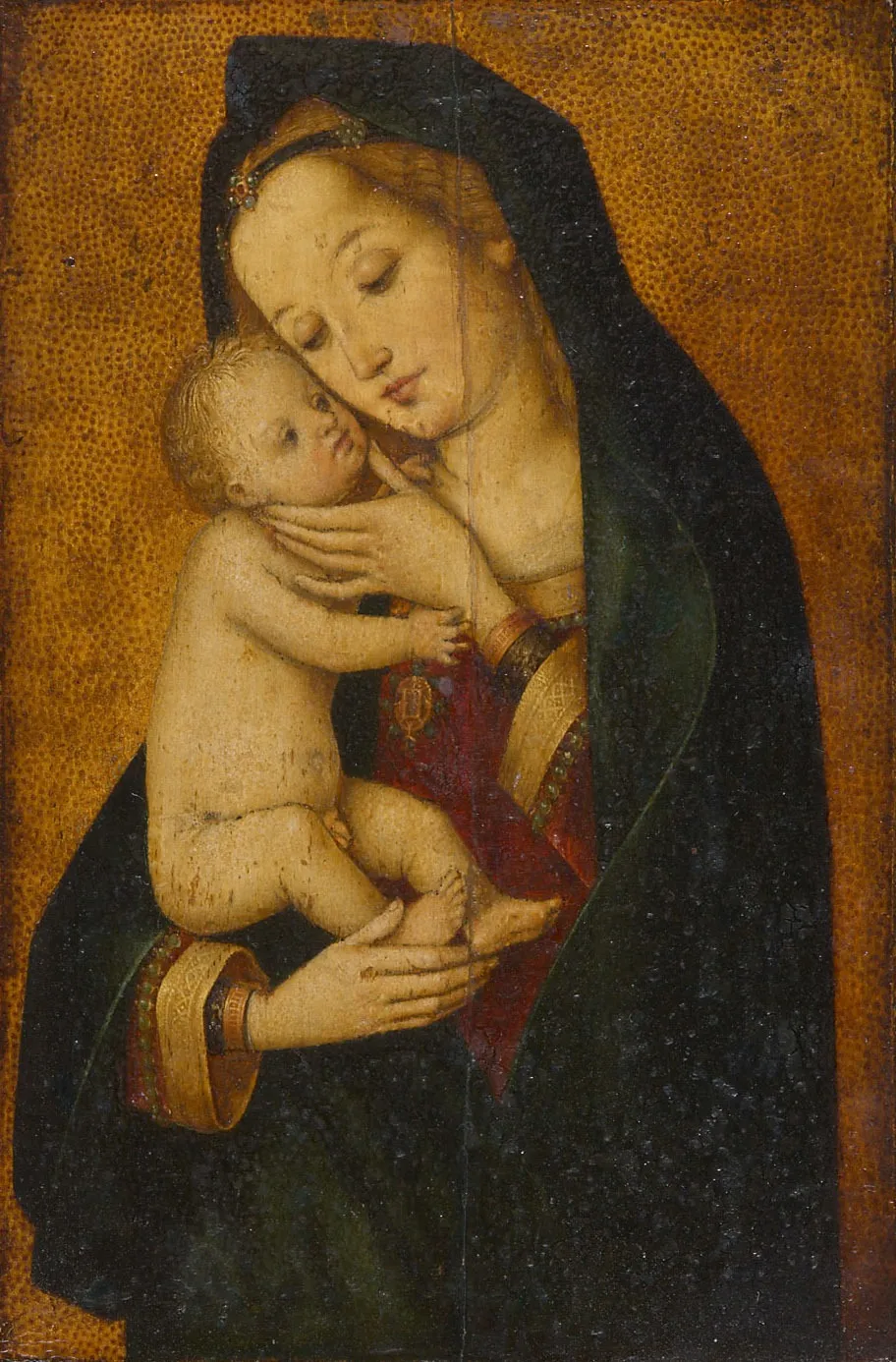
Maria, das Kind liebkosend is an unspecified painting by the Northern Renaissance artist Hans Holbein the Elder. It dates from 1500 and is held in the collection of the Kunsthistorisches Museum.
About this work
Overview
Painted around 1500 by Hans Holbein the Elder, this devotional panel portrays the Virgin Mary with the infant Jesus in a moment of quiet tenderness. Executed in oil on panel, it reflects the Northern Renaissance emphasis on intimate religious expression. The work is part of the collection at the Kunsthistorisches Museum in Vienna, where it has remained since at least the 19th century.
Subject & Meaning
Mary’s downcast gaze and gentle hold suggest contemplative devotion, while the Christ Child’s direct gaze toward the viewer invites a personal connection.
The scene captures a private, humanizing moment between mother and child, diverging from formal iconography. Mary’s downcast gaze and gentle hold suggest contemplative devotion, while the Christ Child’s direct gaze toward the viewer invites a personal connection. The absence of halos or celestial elements grounds the sacred in domestic warmth, emphasizing emotional accessibility over divine grandeur.
Technique & Style
Holbein employs subtle modeling and restrained chiaroscuro to define forms without dramatic contrast. The Virgin’s dark green cloak and red undergarment are rendered with fine brushwork, accented by delicate gold detailing on her headband and garment edges. The warm, muted background isolates the figures, enhancing their intimacy. The child’s bare skin and wrapped cloth are painted with soft transitions, conveying tactile realism.
History & Provenance
The painting entered the Kunsthistorisches Museum’s collection in the 19th century, likely through imperial Austrian acquisitions. Its early history prior to that is undocumented, though its style aligns with Holbein’s documented works from his Augsburg period. No records indicate significant alterations or restorations, suggesting it has been preserved in relatively stable condition.
Context
Created during the height of the Northern Renaissance, the work reflects a broader trend toward emotionally resonant religious imagery in German-speaking regions. While Italian art emphasized idealized forms, Northern artists like Holbein prioritized intimate, lifelike detail. This piece aligns with devotional practices that encouraged personal meditation on sacred figures through familiar, tender scenes.
Legacy
As the father of Hans Holbein the Younger, the elder Holbein’s influence extended through his artistic lineage. Though less celebrated than his son, his devotional panels like this one contributed to the evolution of Northern religious painting. The work remains a quiet example of early 16th-century German piety, valued for its restraint and emotional sincerity rather than grandeur.
Artist & collection
Artist
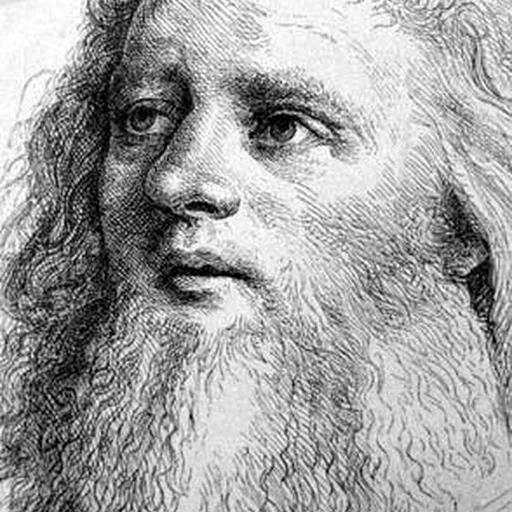
Hans Holbein the Elder (c. 1460/65 – 1524) was a German painter of the early German Renaissance. He was the father of painters Ambrosius and Hans the Younger.

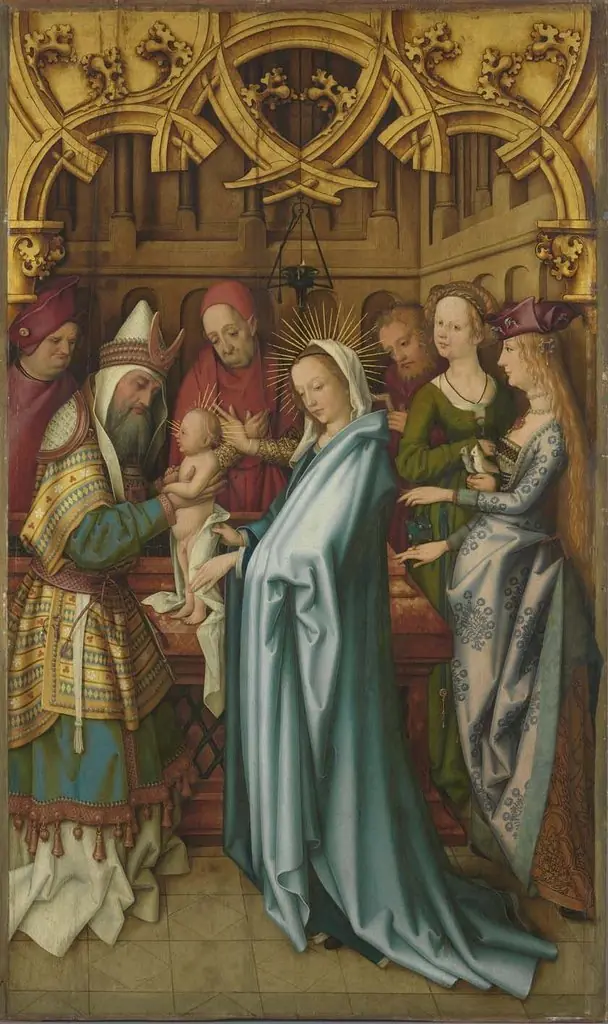 Kaisheimer Altar: Darbringung im Tempel
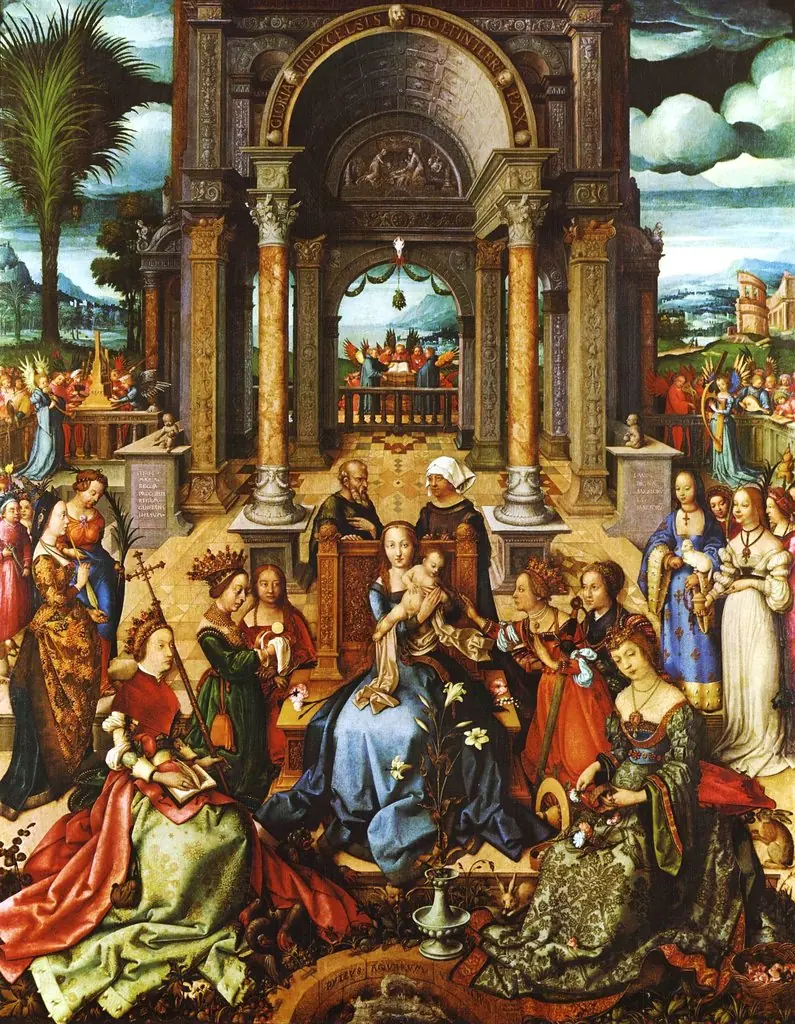 Virgin with Child by Hans Holbein the Elder, Museu Nacional de Arte Antiga
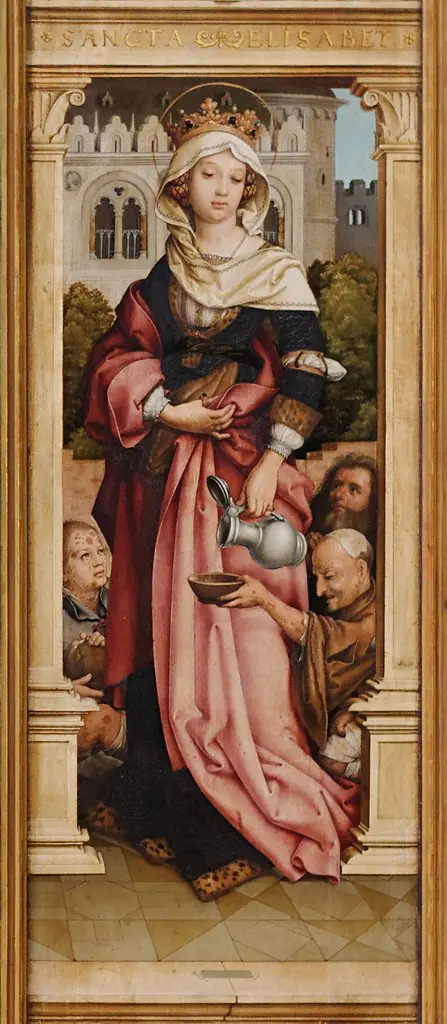 St. Sebastian Altar: St. Elizabeth of Hungary
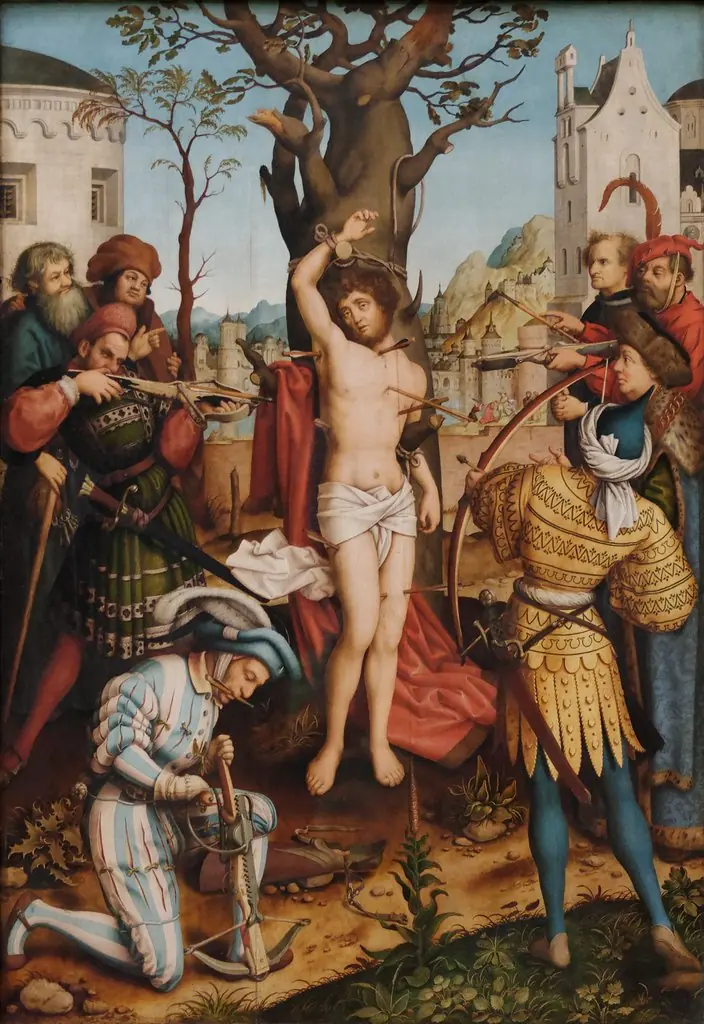 St. Sebastian Altar: The Martyrdom of St. Sebastian
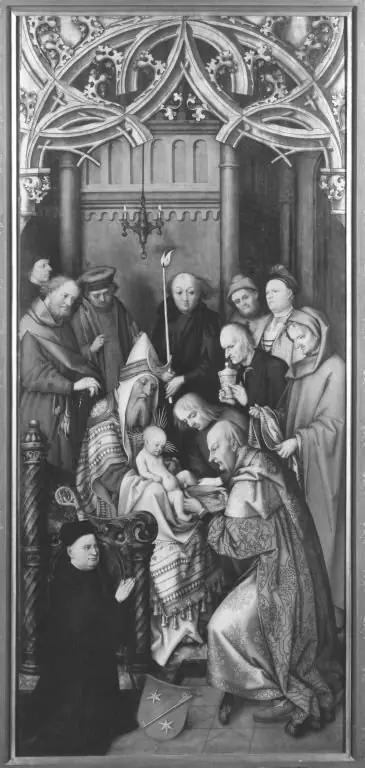 Kaisheimer Altar: Beschneidung Christi
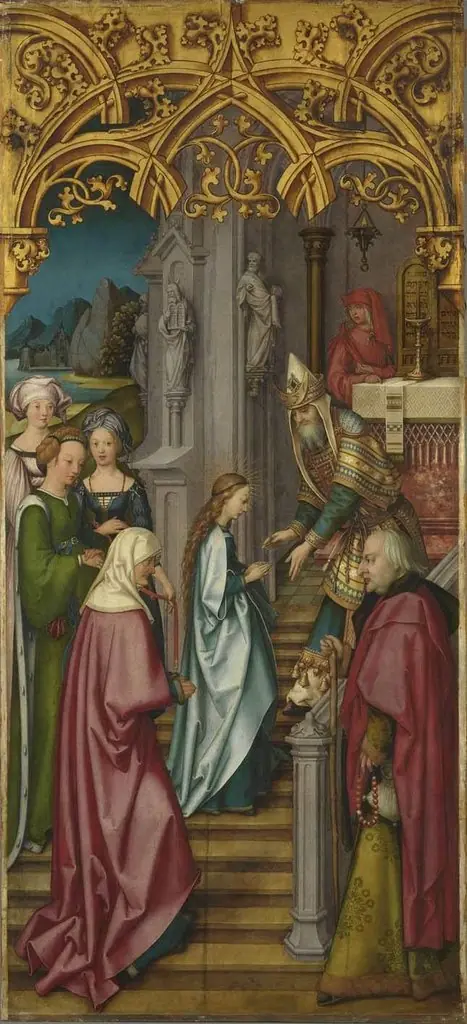 Kaisheimer Altar: Tempelgang Mariens
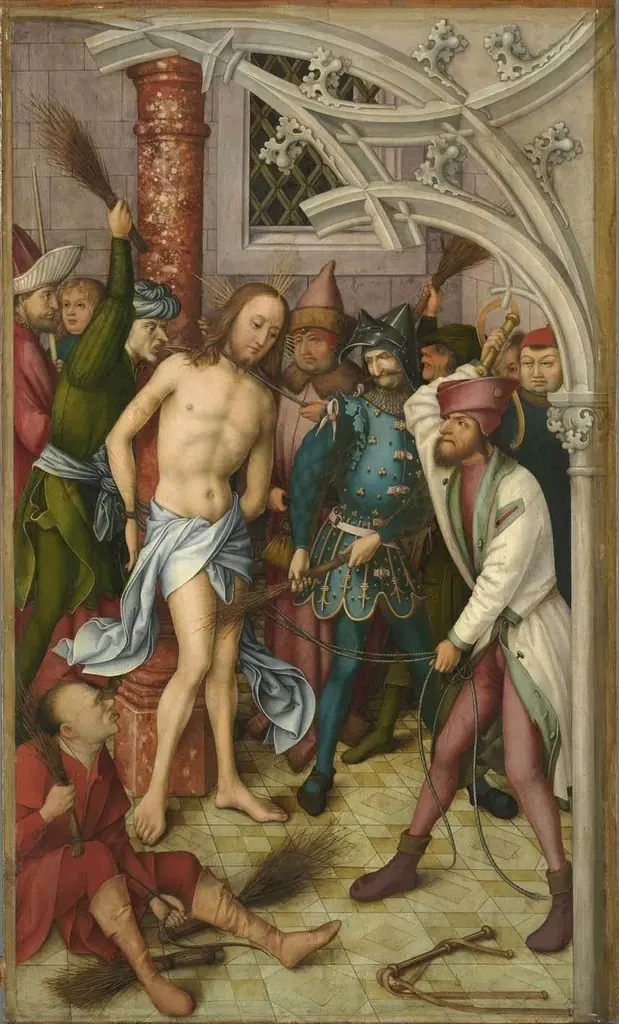 Kaisheimer Altar: Geißelung Christi
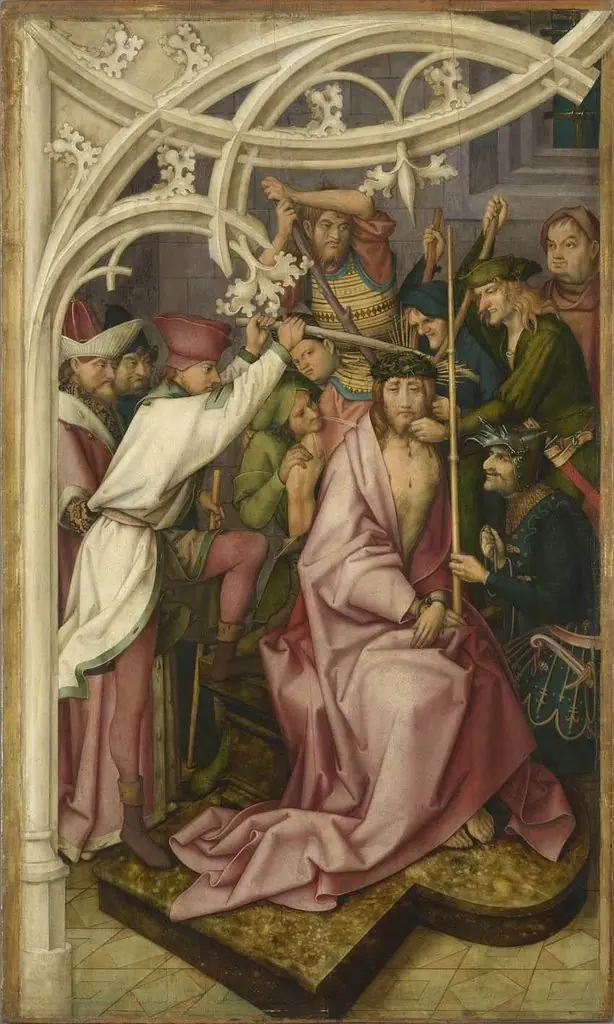 Kaisheimer Altar: Dornenkrönung Christi