Artwork
Louise Boyer, Duchess of Noailles (1632-1697)
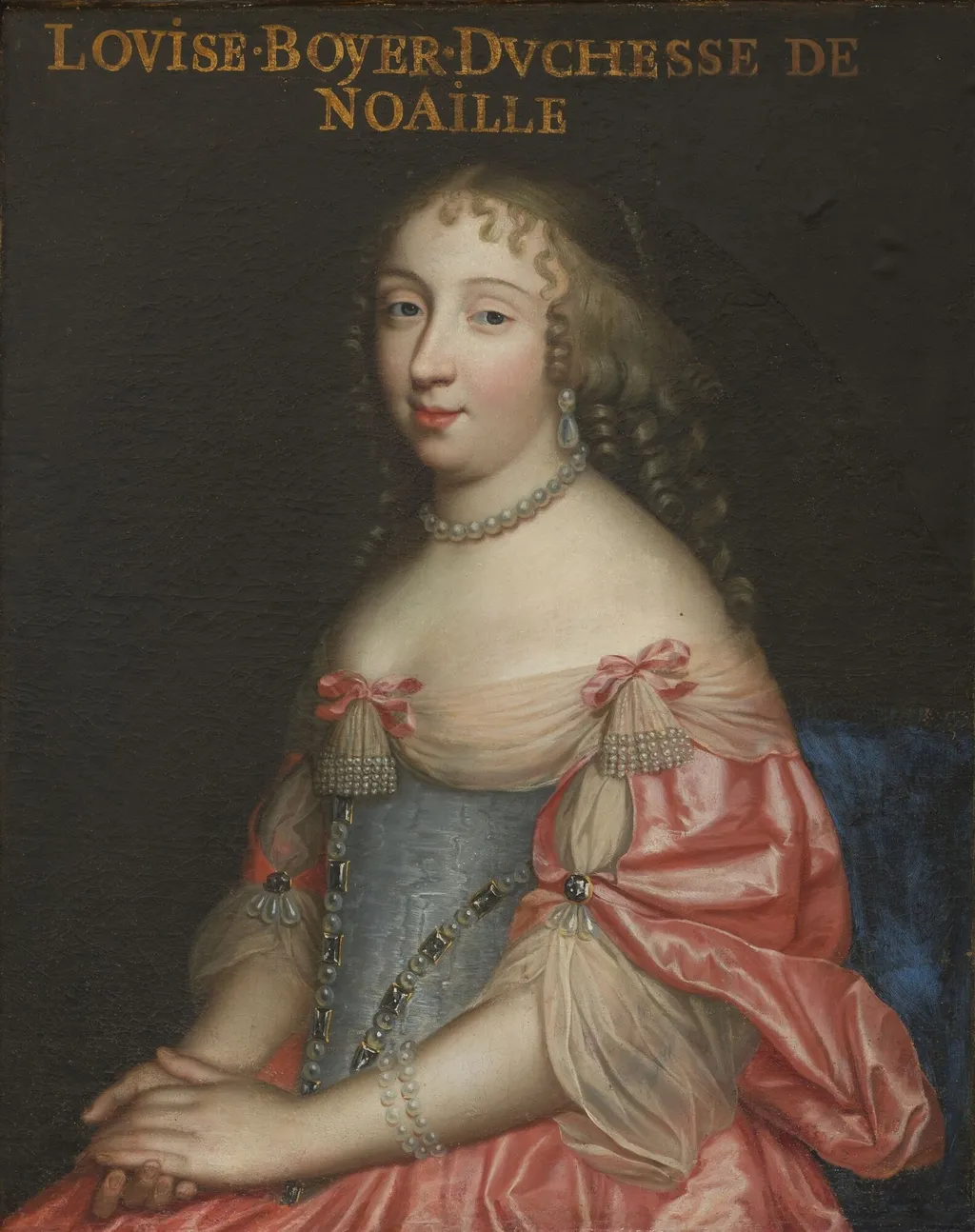
Louise Boyer, Duchess of Noailles (1632-1697) is an oil painting by the French Classical Baroque artist Unknown. It dates from 1650 and is held in the collection of the Palace of Versailles. The portrait presents Louise Boyer, Duchess of Noailles (1632–1697), rendered in oil on canvas.
About this work
Overview
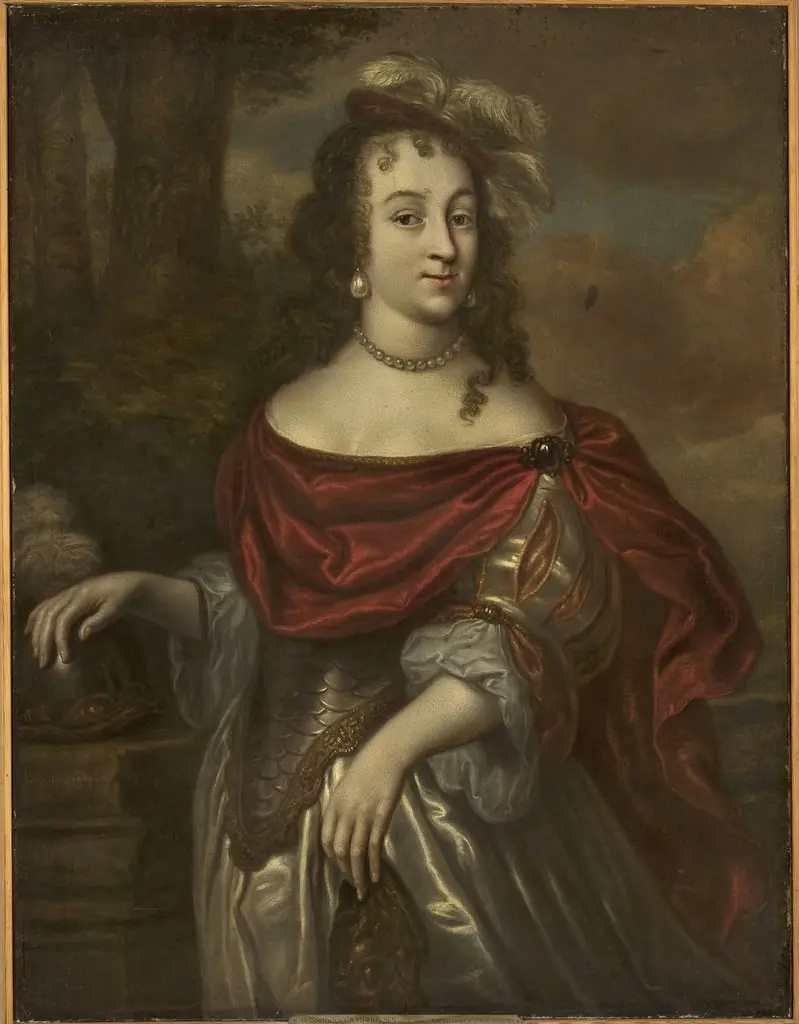
She is depicted in a sumptuous, multi‑layered costume: a pale cream bodice with puffed sleeves gathered at the shoulders, and a deep red skirt.
The portrait presents Louise Boyer, Duchess of Noailles (1632–1697), rendered in oil on canvas. She is depicted in a sumptuous, multi‑layered costume: a pale cream bodice with puffed sleeves gathered at the shoulders, and a deep red skirt. Her hair is styled in curls and pulled back, and she wears pearl jewelry accompanied by a beaded bracelet. The figure is set against a plain, dark background that isolates her form.
Subject & Meaning
Louise Boyer is shown with a composed expression and a faint smile, suggesting confidence and poise appropriate to her rank as duchess. The inclusion of luxurious fabrics, pearls, and the careful rendering of her attire underscores her aristocratic status and the expectations of noble portraiture in the late 17th century.
Technique & Style
The painting employs chiaroscuro, using strong contrasts between the illuminated figure and the shadowed backdrop to model form and create depth. The soft modeling of the skin and the tactile rendering of the fabrics demonstrate a refined handling of oil paint, characteristic of French court portraiture of the period.
History & Provenance
The work bears the sitter's name at the top, indicating it was likely commissioned to commemorate the duchess during her lifetime. No further ownership details are provided, but the portrait has survived as a documented representation of the Noailles family lineage.
Context
Created in the latter half of the 17th century, the portrait aligns with the broader French tradition of courtly portraiture that emphasized elegance, status, and controlled representation. The use of dark, neutral backgrounds was common practice to focus attention on the sitter’s attire and bearing.
Artist & collection

 Domestic Scene
 Giacomo and Cardinal Marco, investing Andrea, Abbot of San Zeno, with his Benefice
 The Nymph of Fontainebleau
 Portrait of a Woman
 Madonna and Child with Saints in the Enclosed Garden
 Venus and Minerva
 Family Group of Four on Sofa
 Wall painting from Room H of the Villa of P. Fannius Synistor at Boscoreale
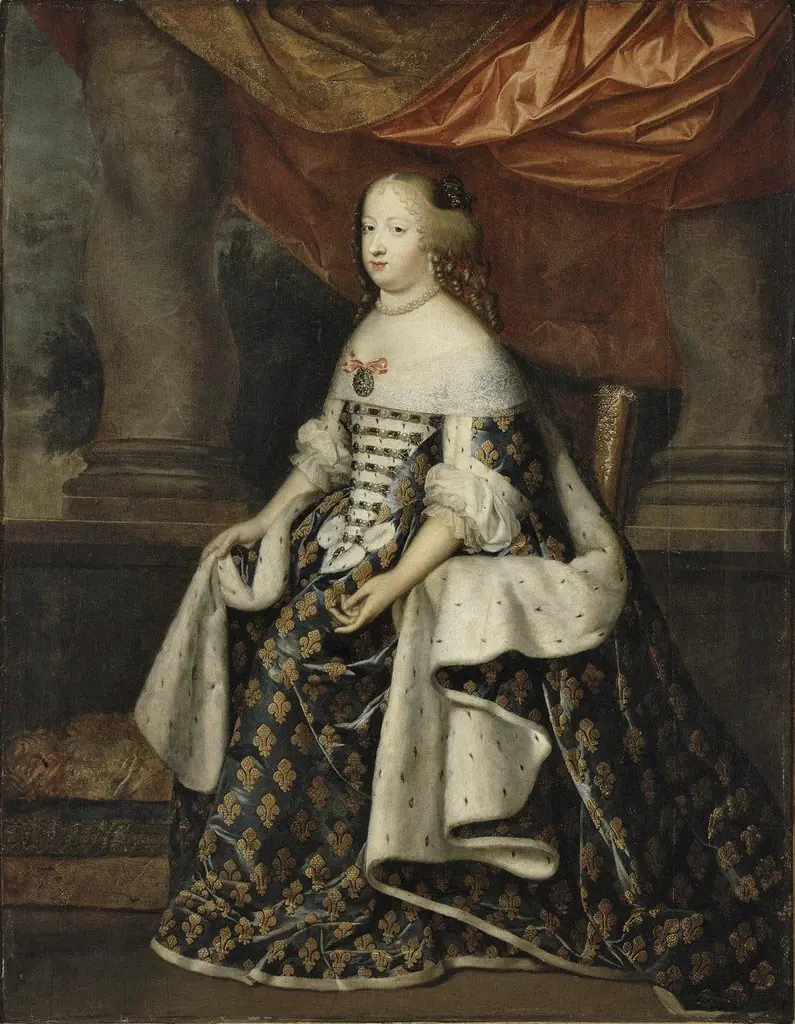 Marie Thérèse of Austria in Royal Costume
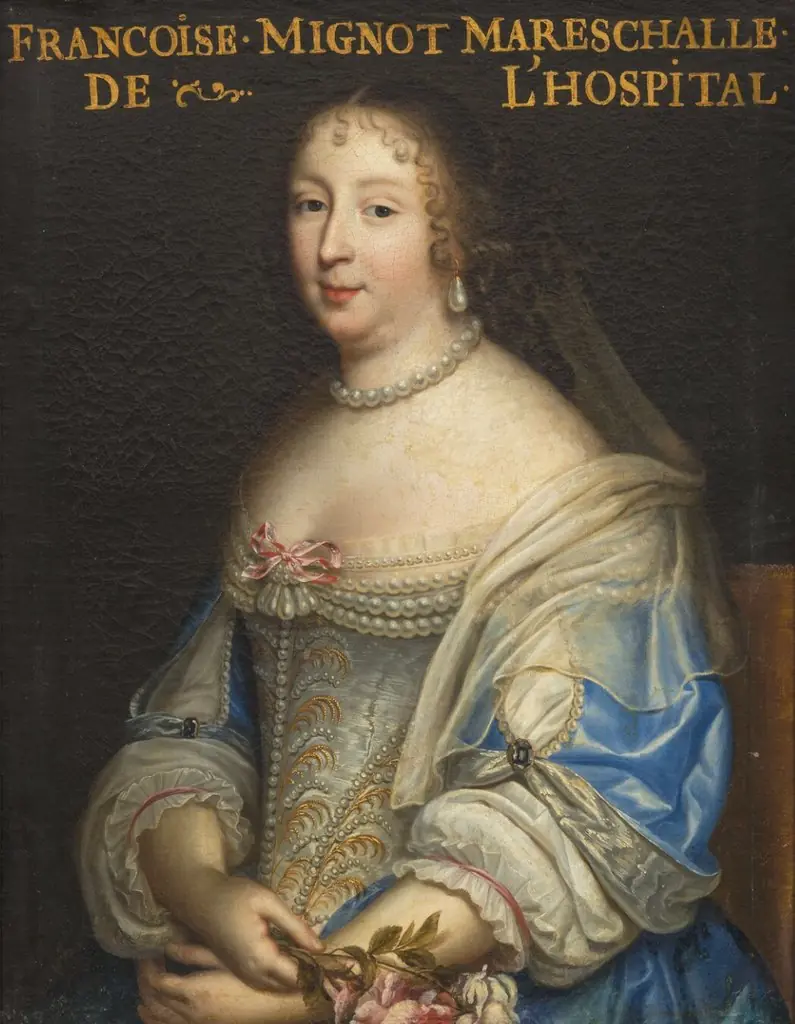 Françoise-Marie Mignot, maréchale de l'Hôpital (1624-1711)
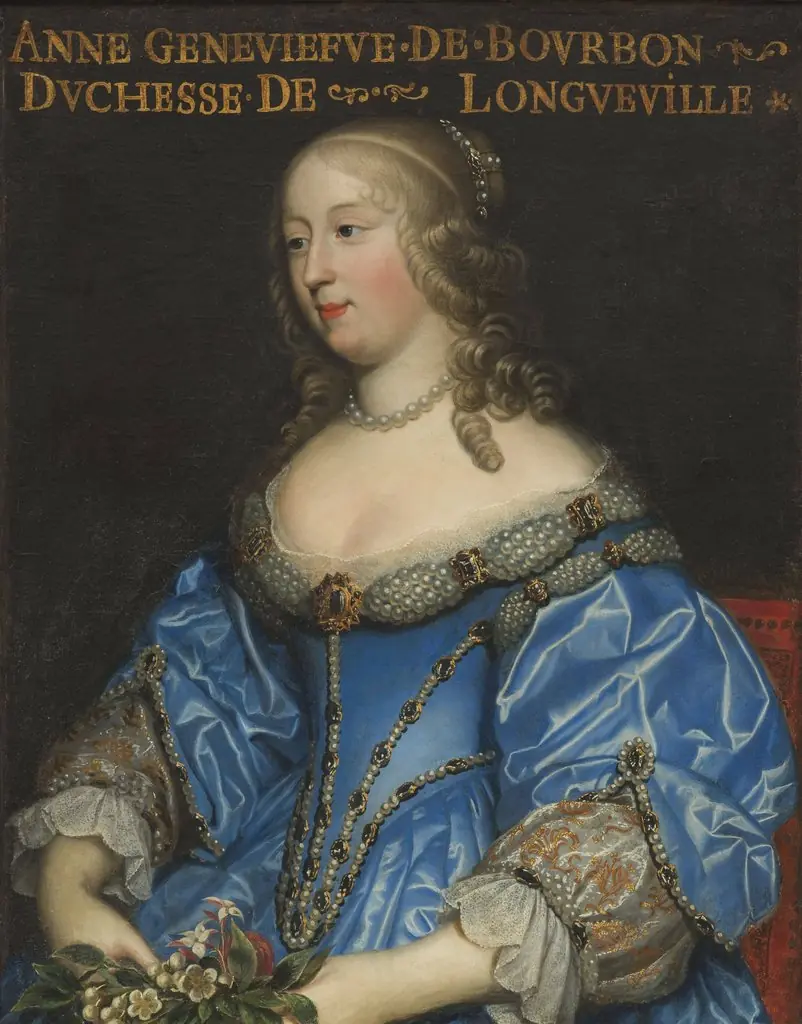 Anne-Genneviève de Bourbon-Condé, Duchess of Longueville
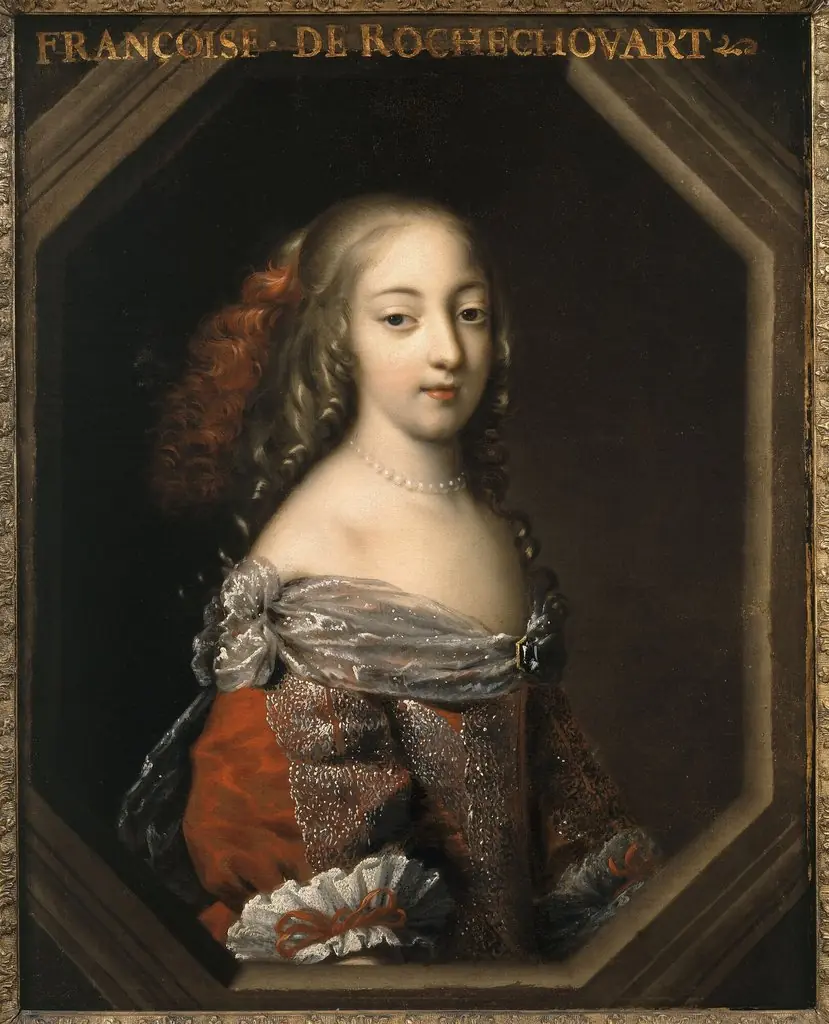 Françoise de Rochechouart
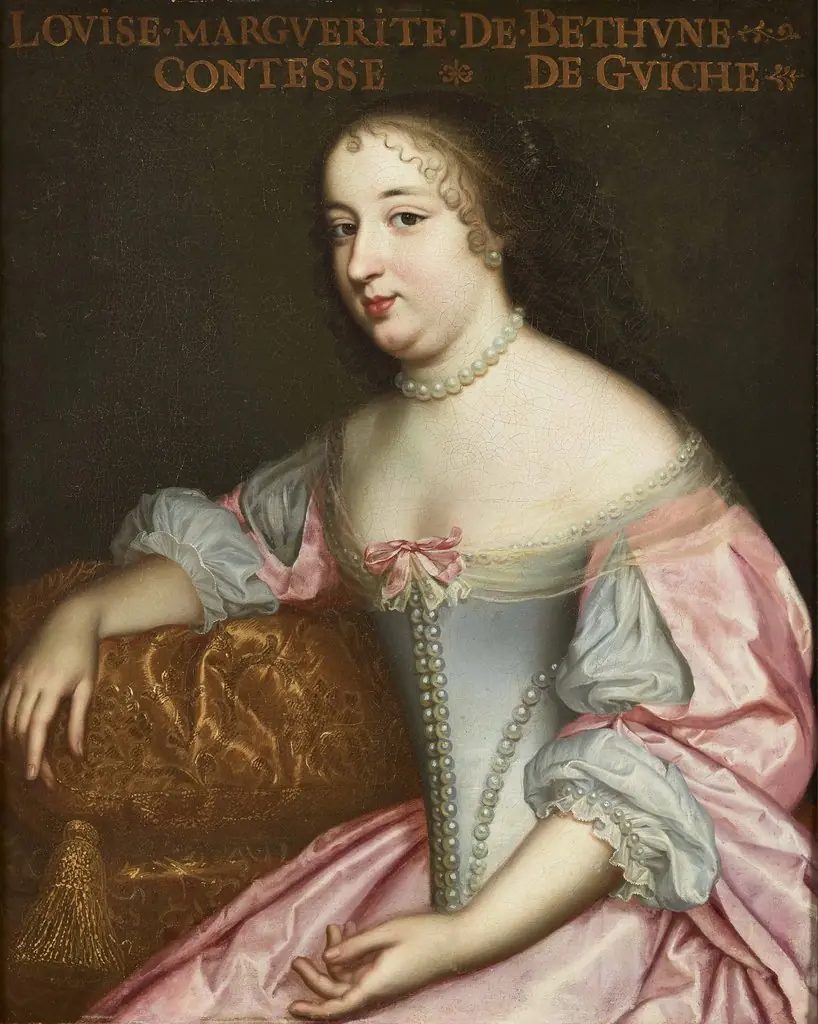 Portrait of Marguerite-Louise-Suzanne de Bethune Sully, Duchess of Lude
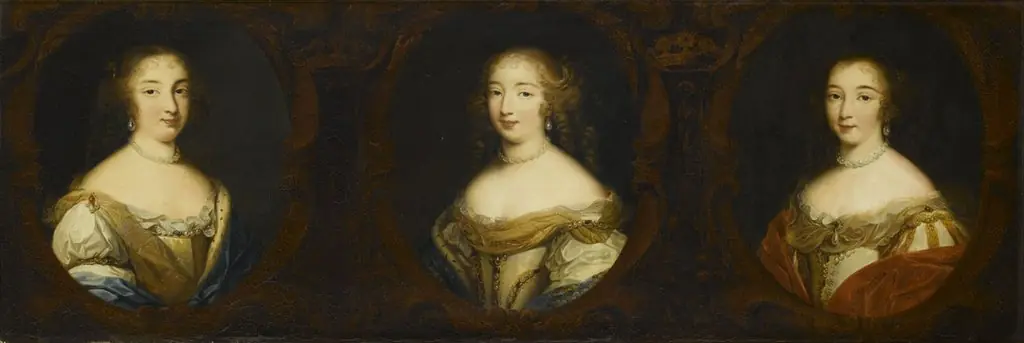 The three sisters of Mademoiselle de Montpensier
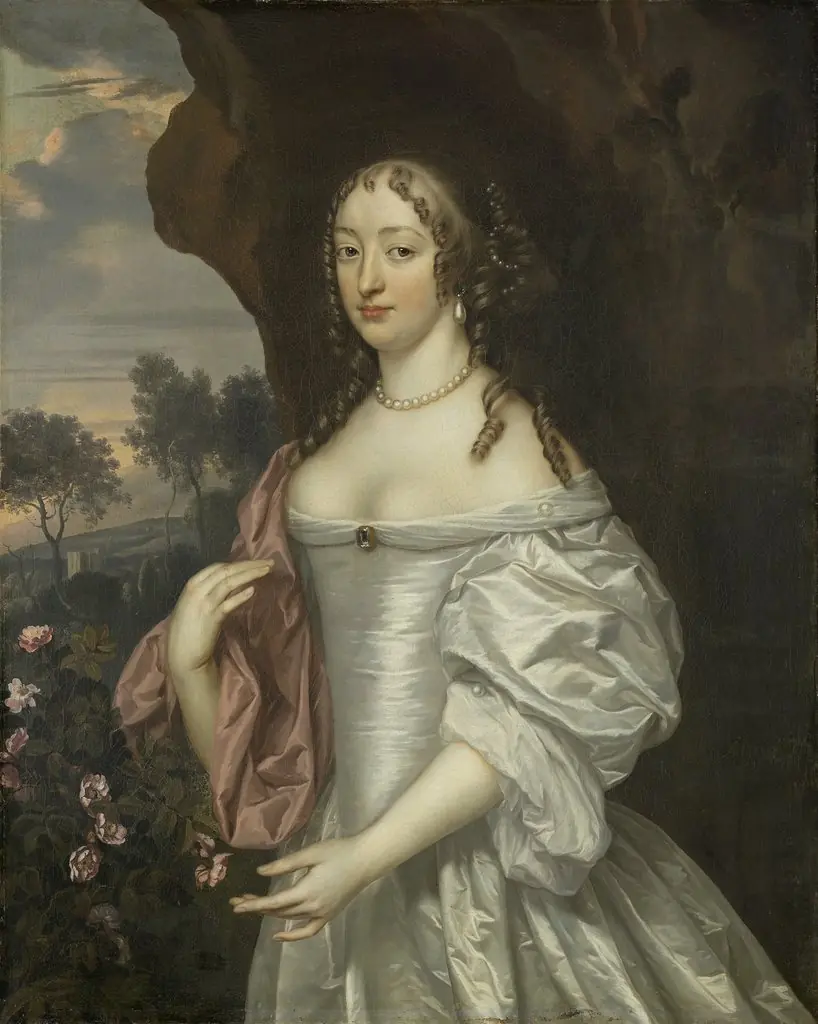 Jacoba van Orliens (1643-91). Wife of Jacob de Witte van Haamstede
 Portrait of a woman in Minerva’s costume
 Junge Dame