Artwork
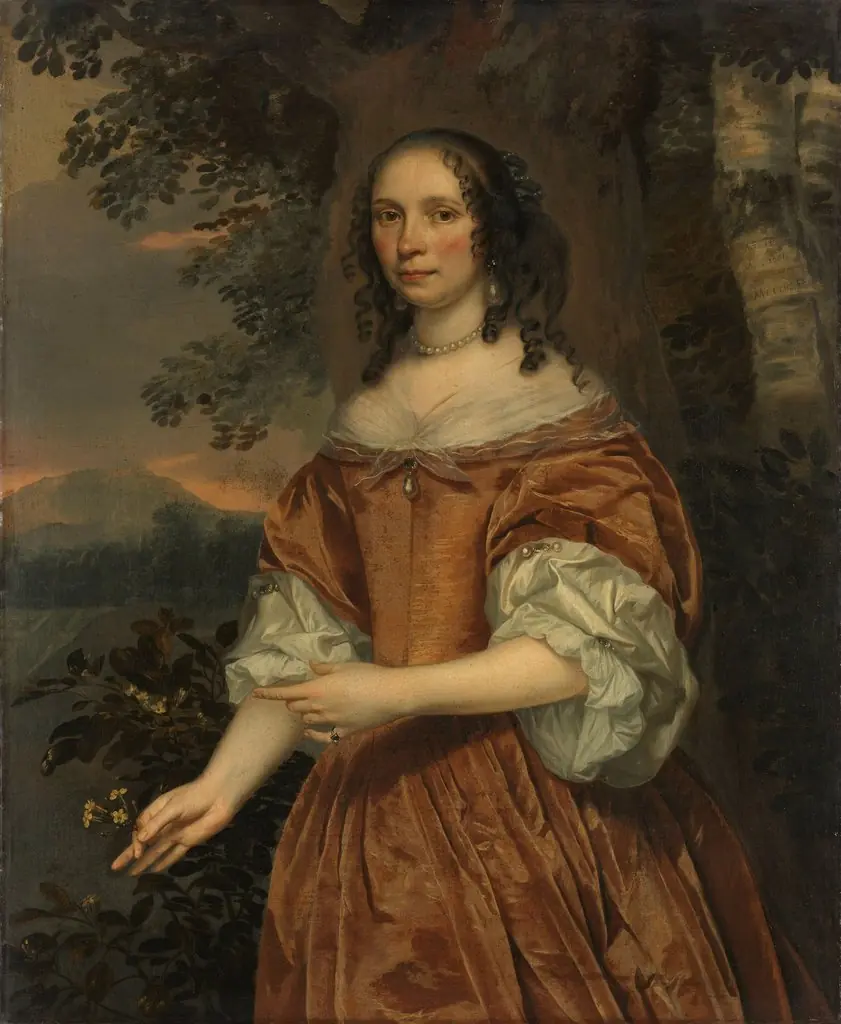
Jacoba van Orliens (1643-91). Wife of Jacob de Witte van Haamstede
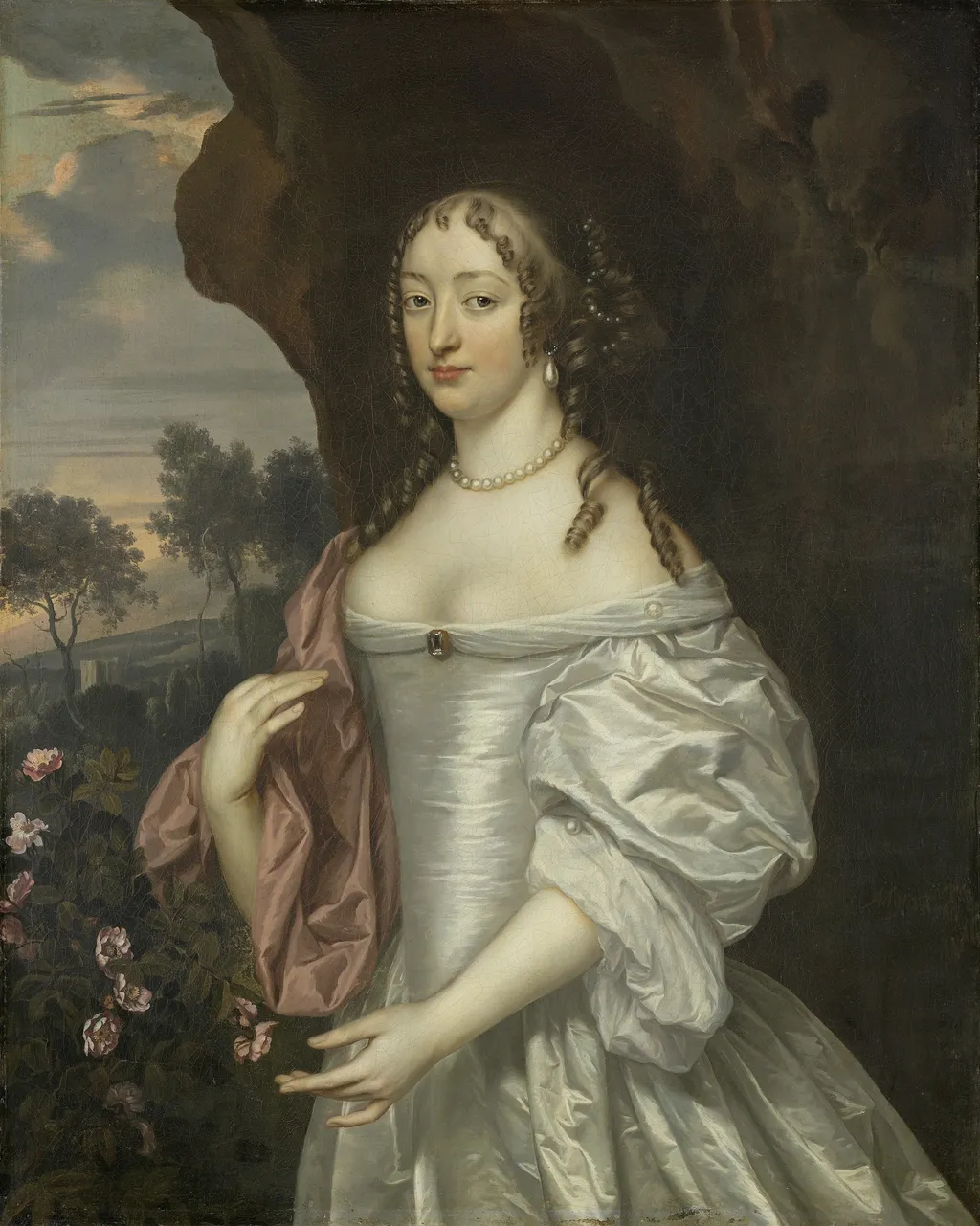
Jacoba van Orliens (1643-91). Wife of Jacob de Witte van Haamstede is an oil painting by the Dutch Golden Age artist Johannes Mytens. It dates from 1660 and is held in the collection of the Rijksmuseum.
About this work
Overview
Johannes Mytens, a Dutch portrait painter active in The Hague during the mid‑17th century, created an oil portrait of Jacoba van Orliens in 1660. The work depicts the wife of Jacob de Witte van Haamstede and is part of the Rijksmuseum’s collection.
Subject & Meaning
The sitter is presented in a light gray gown with an off‑the‑shoulder neckline, her hair arranged in loose curls beneath a broad dark hat. A red cloth is draped over her arm, and a small bouquet of flowers rests near her elbow, suggesting modest elegance and personal refinement.
Technique & Style
Mytens employs a subtle chiaroscuro, using soft illumination to model the face and fabric, giving the portrait a three‑dimensional presence. The background features a muted sky with distant trees and a faint landscape, providing a calm setting that does not compete with the figure.
History & Provenance
The painting remained in private hands before entering the Rijksmuseum, where it is displayed as an example of Dutch Golden Age portraiture. Mytens, trained by Anthony van Opstal and Nicolas van der Horst, was known for his formal yet approachable depictions of the Dutch elite.
Own this work as a print
Artist & collection
Artist
Johannes Mytens or Jan Mijtens, or "Mytens" to the English (c. 1614 – 24 December 1670) was a Dutch Golden Age painter, almost entirely as a portraitist. Mytens was born in The Hague. According to Houbraken, Johannes…

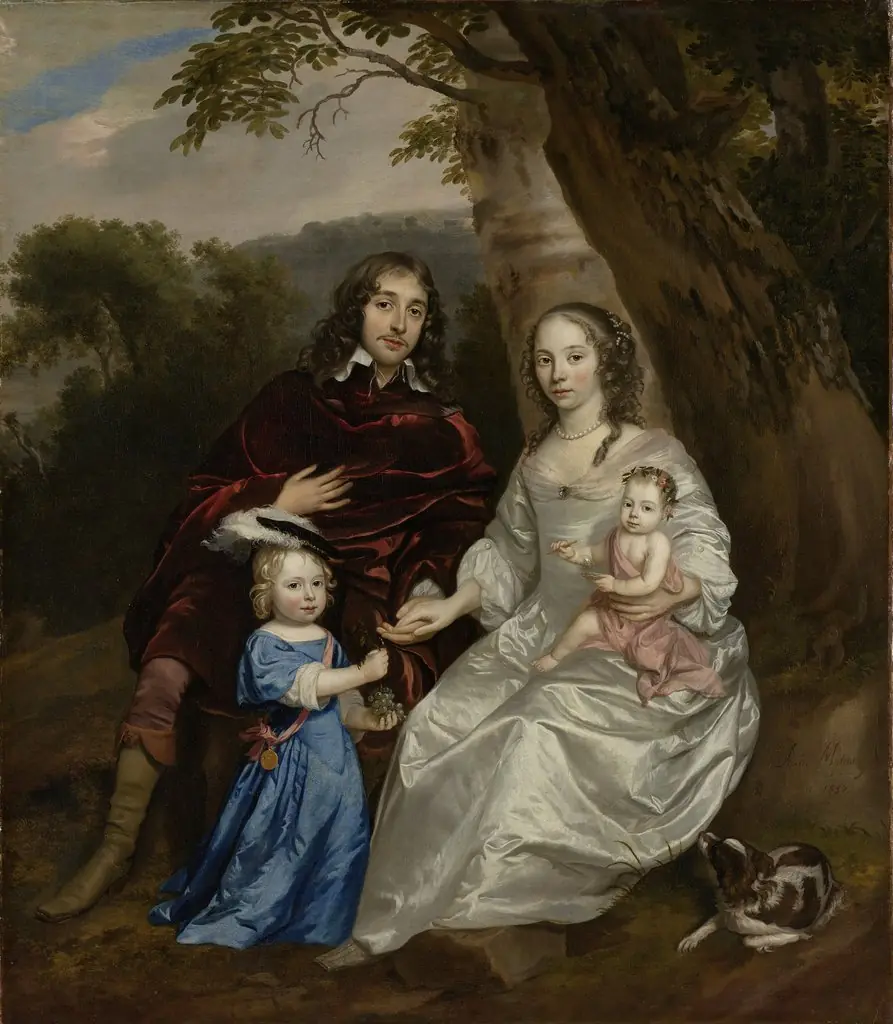 Govert van Slingelandt (1623-90), lord of Dubbeldam. With his first wife Christina van Beveren and their two sons
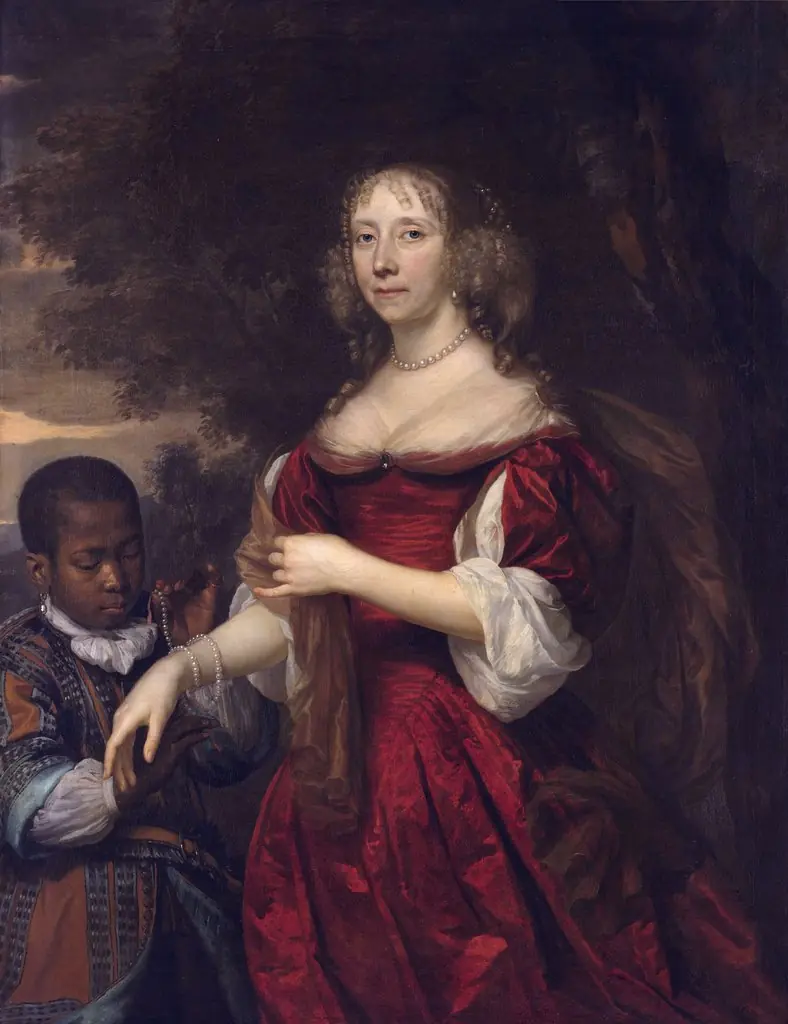 Portrait of Margaretha van Raephorst (d 1690). Wife of Cornelis Tromp
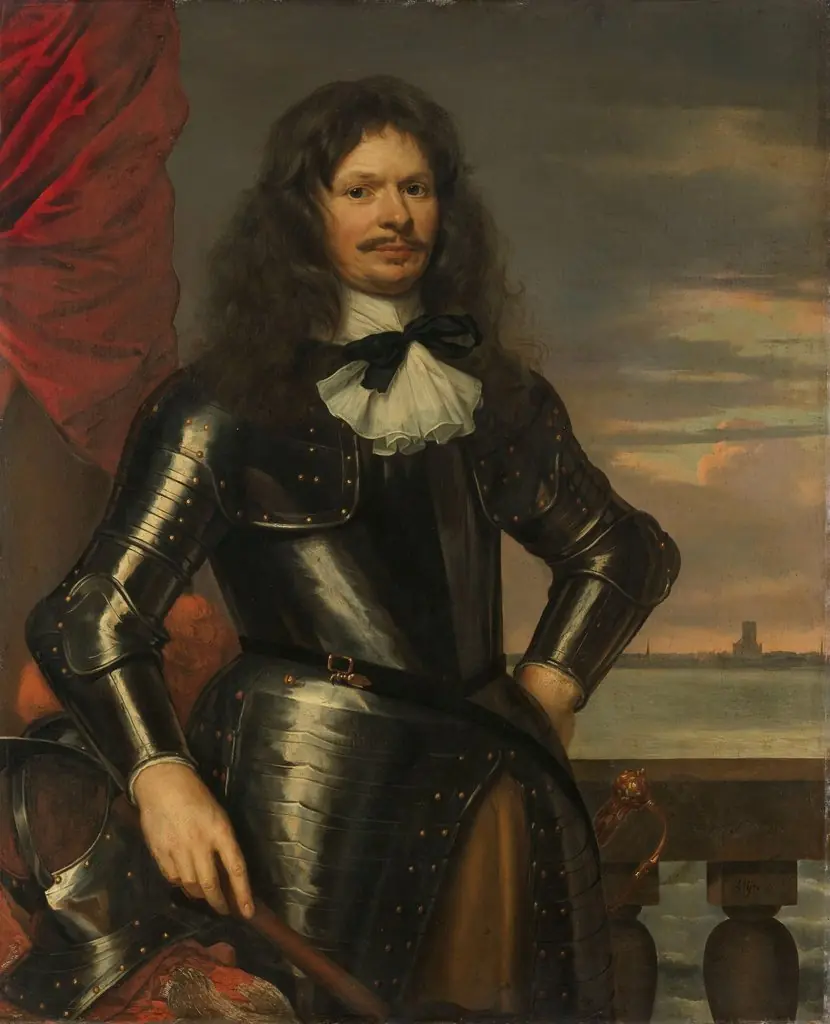 Portrait of Johan van Beaumont. Colonel in the Holland guards and commander of Den Briel
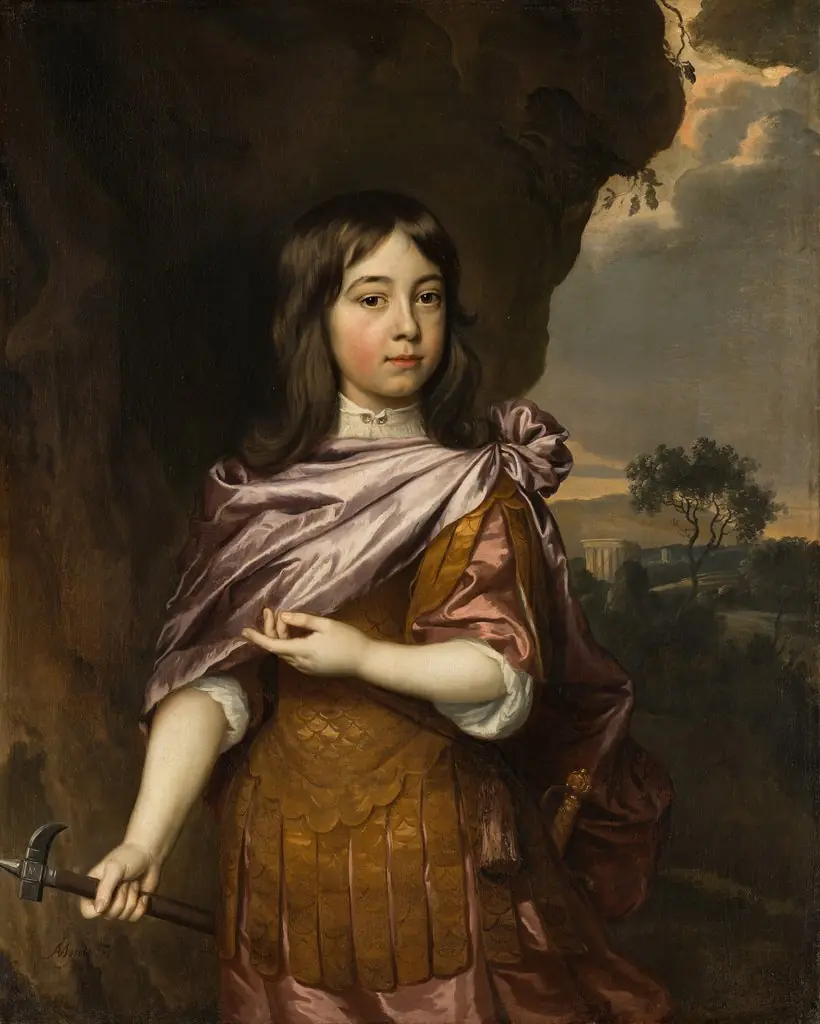 Portrait of Wolfert van Brederode
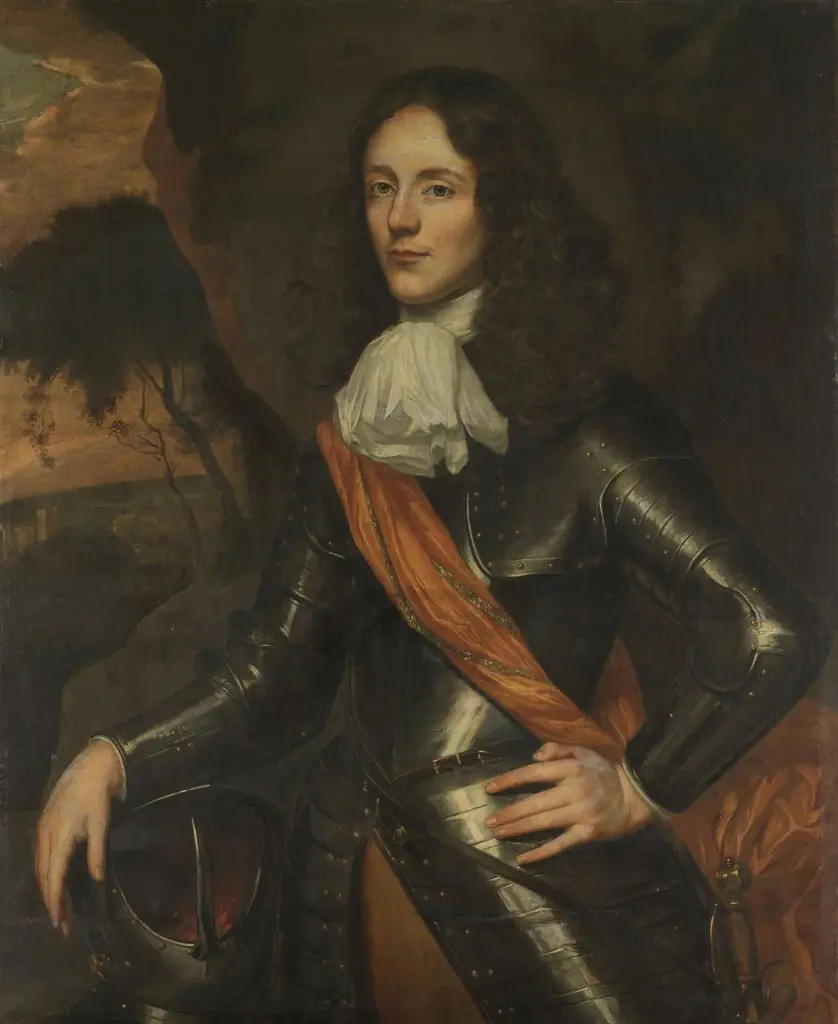 A military officer
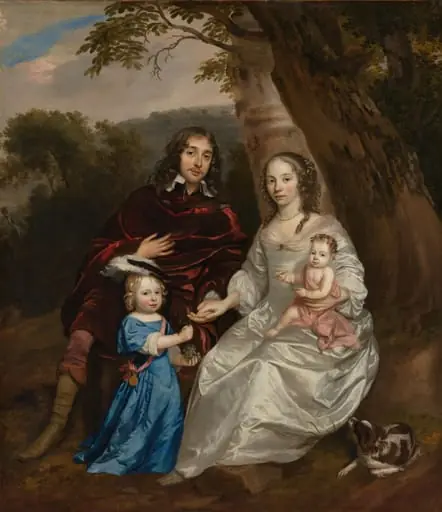 Portrait of Govert van Slingelandt (1623-1690), with his First Wife Christina van Beveren (1632-1656) and their Two Children
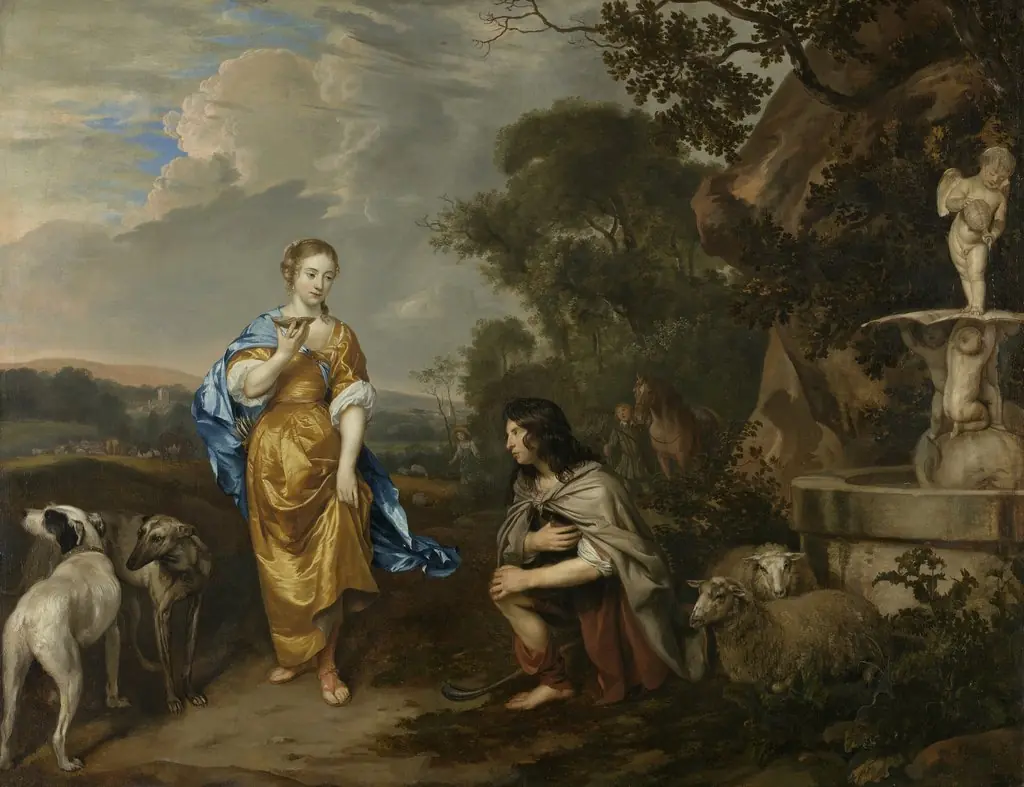 Double portrait of a young couple as Granida and Daiphilo
 Portrait of Maria de Witte Françoisdr (b 1616). Wife of Johan van Beaumont