Artwork
Roundel with Saint Dunstan of Canterbury
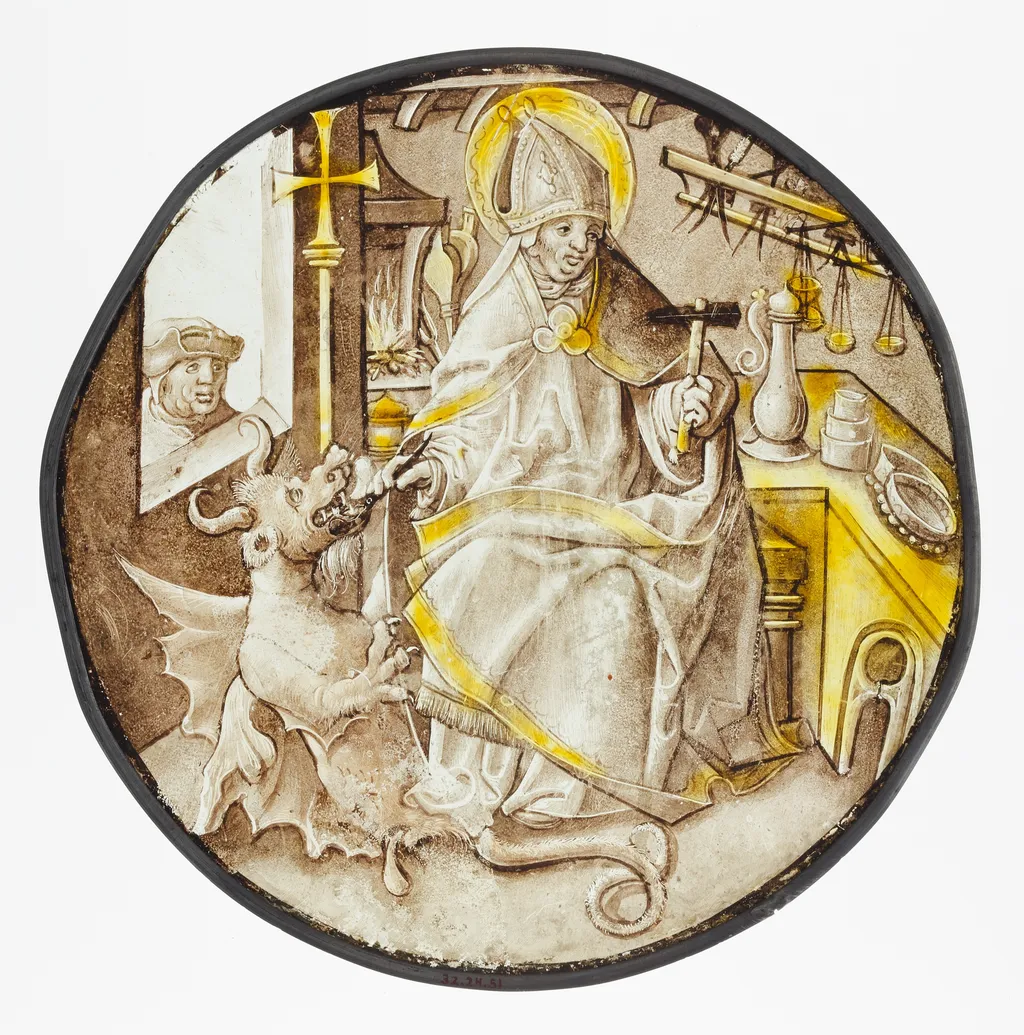
Roundel with Saint Dunstan of Canterbury is an unspecified painting. It dates from 1515 and is held in the collection of the Metropolitan Museum of Art.
About this work
Overview
The work titled “Roundel with Saint Dunstan of Canterbury” is a painted round panel depicting a bishop in elaborate vestments. He holds a gilded crosier and an open book, standing before a tall cross. A diminutive figure kneels nearby, a serpent coiled around the figure’s arm, while a table to the right bears scales, coins and a chess piece.
Subject & Meaning
The kneeling figure with the snake alludes to a legend in which Dunstan subdued a devil‑like serpent, symbolising triumph over temptation.
The central figure is identified as Saint Dunstan, a 10th‑century English bishop renowned for his scholarly and judicial authority. The kneeling figure with the snake alludes to a legend in which Dunstan subdued a devil‑like serpent, symbolising triumph over temptation. The accompanying objects—scales, money and a chess piece—suggest themes of justice, economic stewardship and strategic wisdom associated with the saint’s reputation.
Technique & Style
Executed in a round format, the painting employs a muted palette punctuated by gold leaf highlights that emphasize the bishop’s liturgical garments and the serpent’s sheen. The composition balances a calm, frontal portraiture with narrative details rendered in a restrained, linear style typical of late medieval devotional panels.
History & Provenance
The roundel is a medieval devotional image, likely produced for private veneration or a small chapel dedicated to Saint Dunstan. Its precise origin, workshop and later ownership remain undocumented, and no museum or collection records have been cited.
Context
Saint Dunstan was a pivotal figure in Anglo‑Saxon England, serving as Archbishop of Canterbury and a reformer of monastic life. Images of him often emphasize his role as a moral arbiter and miracle worker, reflecting the period’s intertwining of ecclesiastical authority with popular legend.
Artist & collection

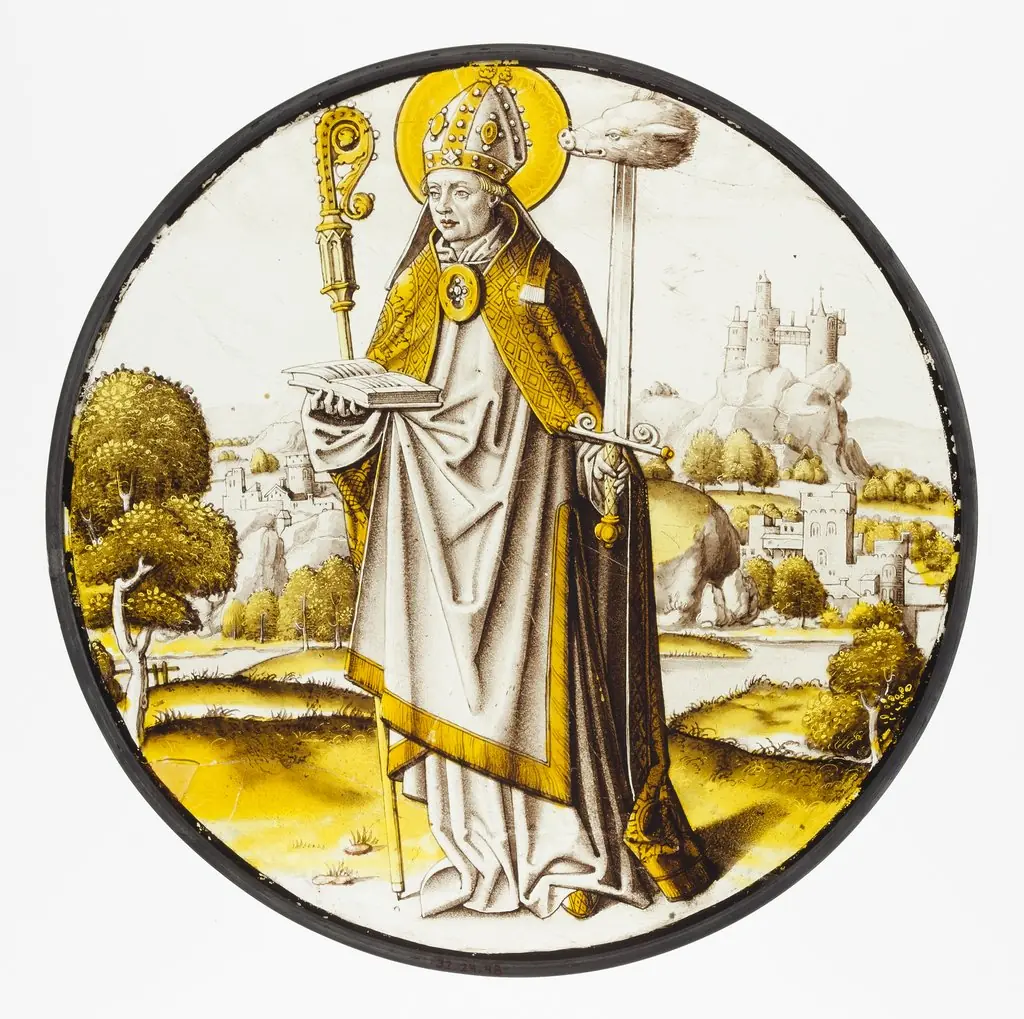 Roundel with Saint Lambrecht of Maastricht
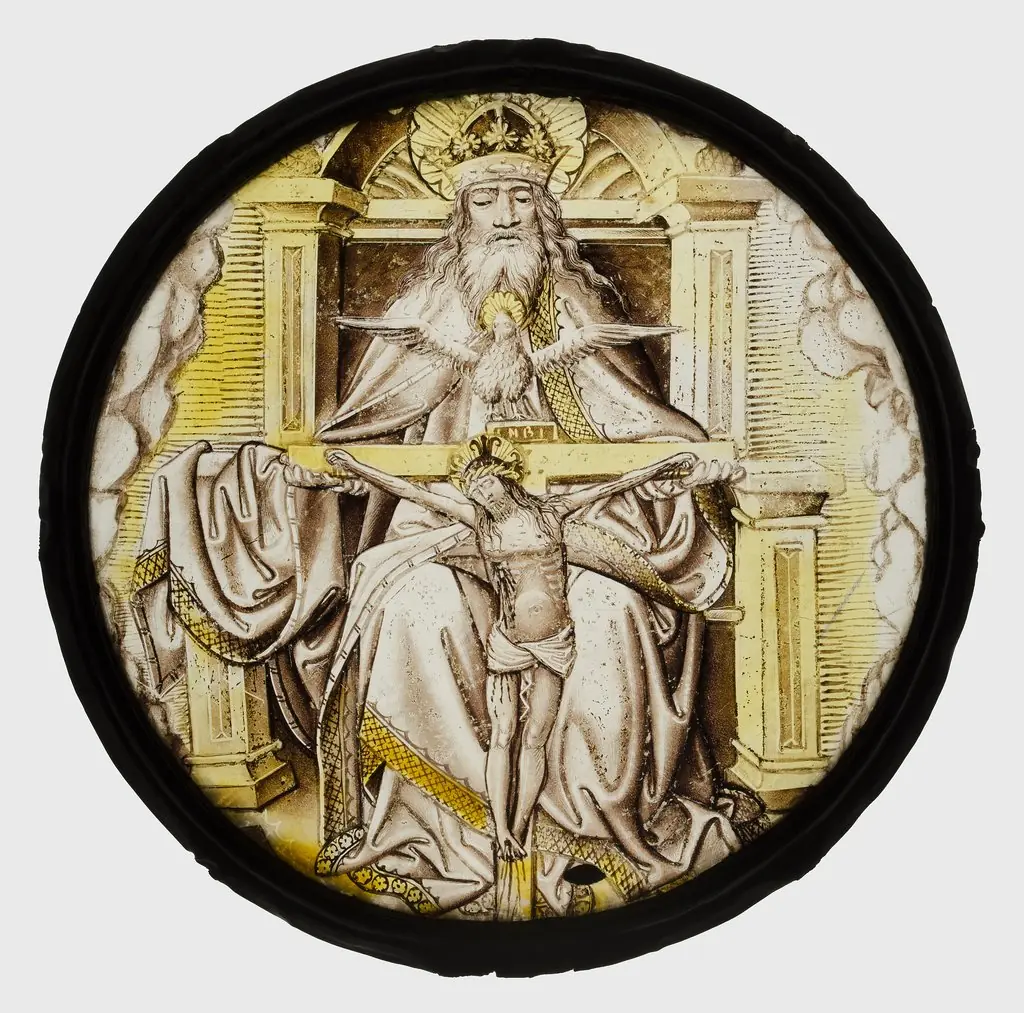 Roundel with the Holy Trinity
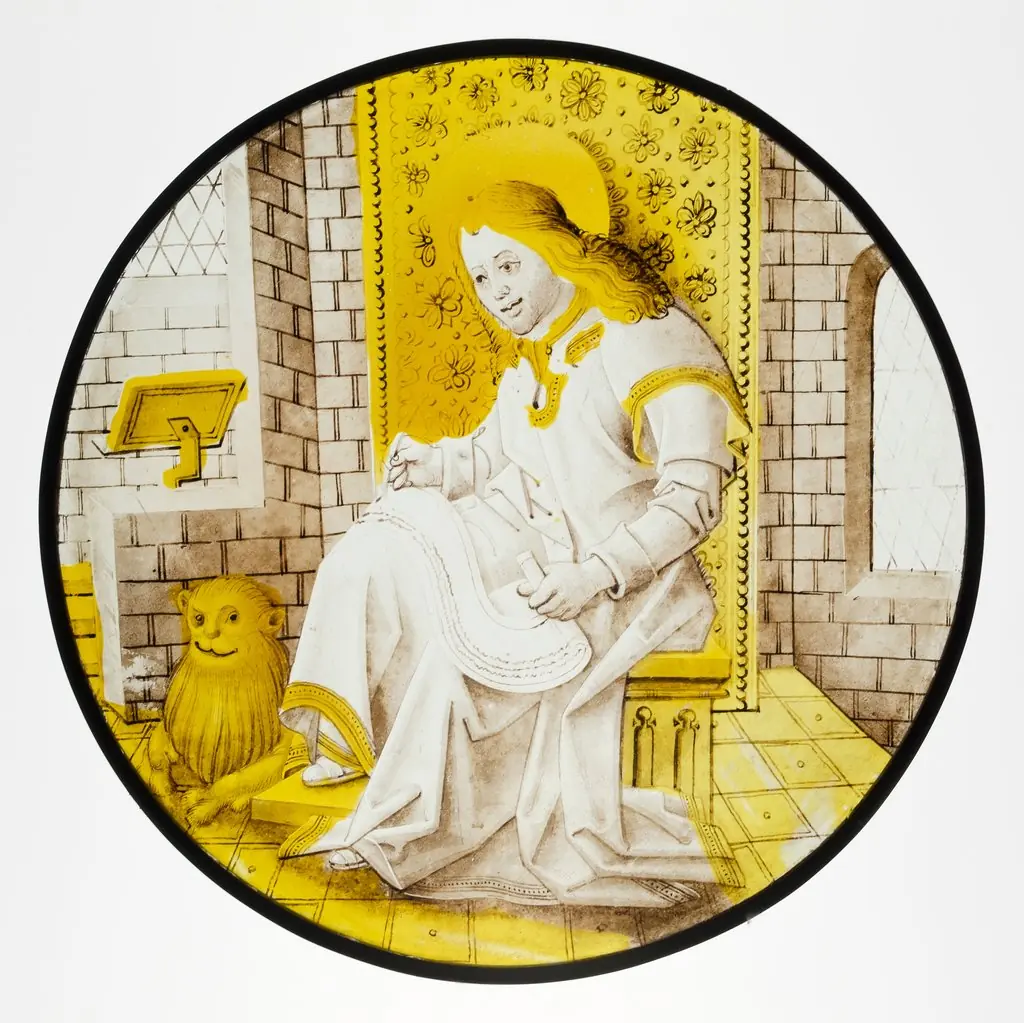 Roundel with Saint Mark
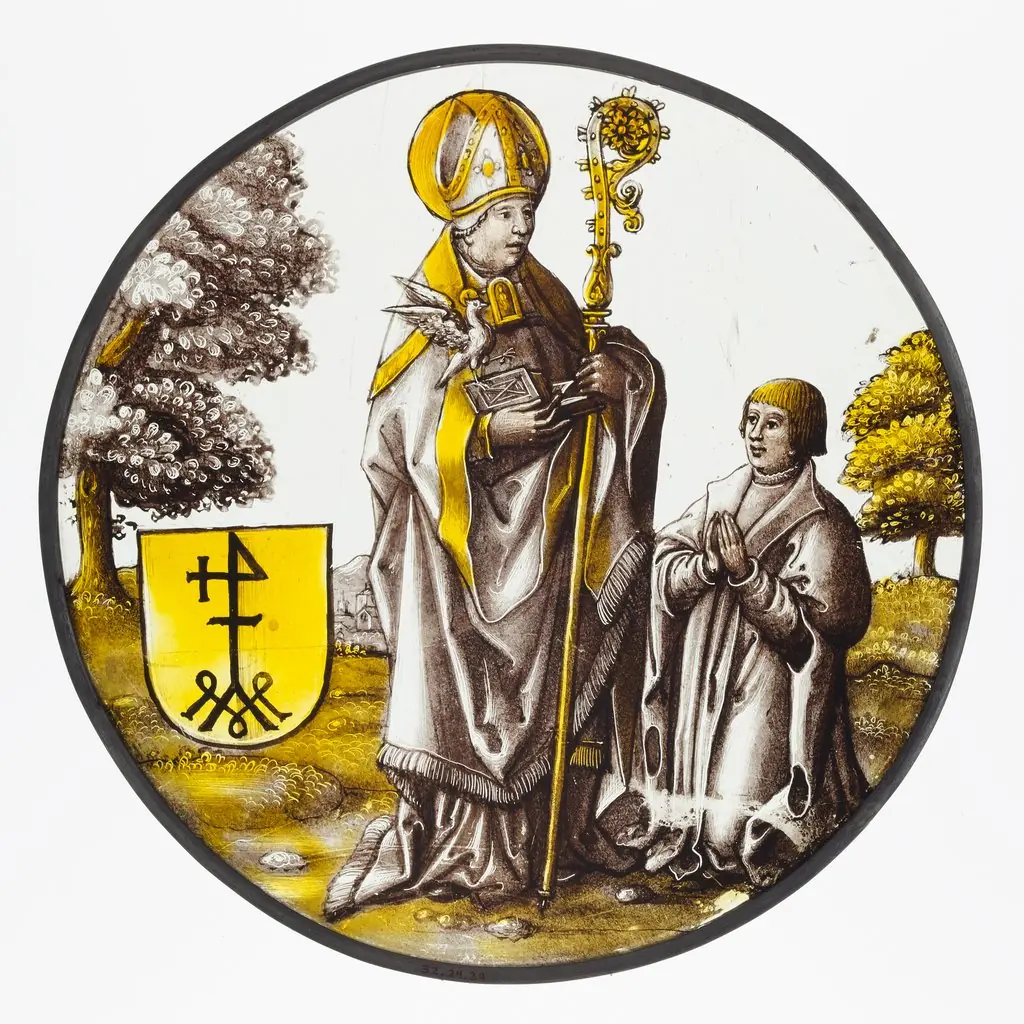 Roundel with Saint Basil the Great with a Donor
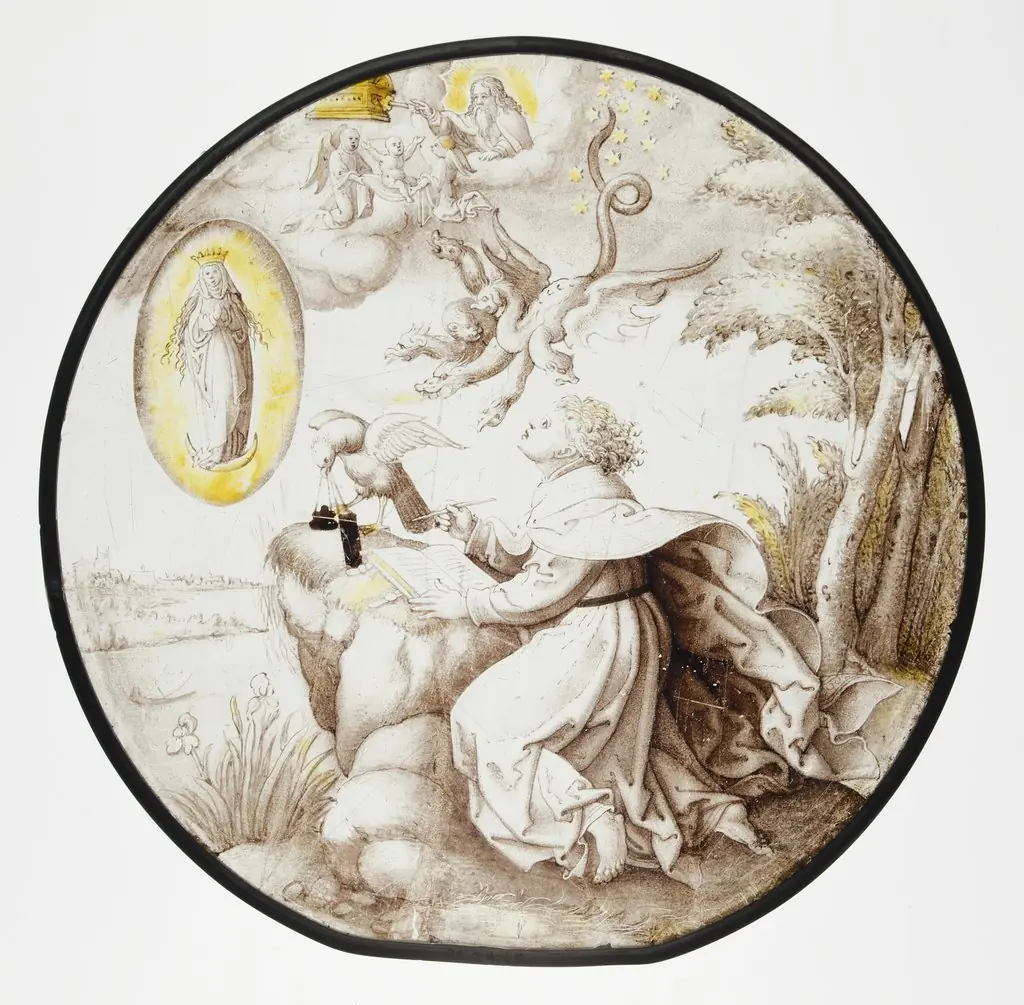 Roundel with Saint John on Patmos with Apocalyptic Vision
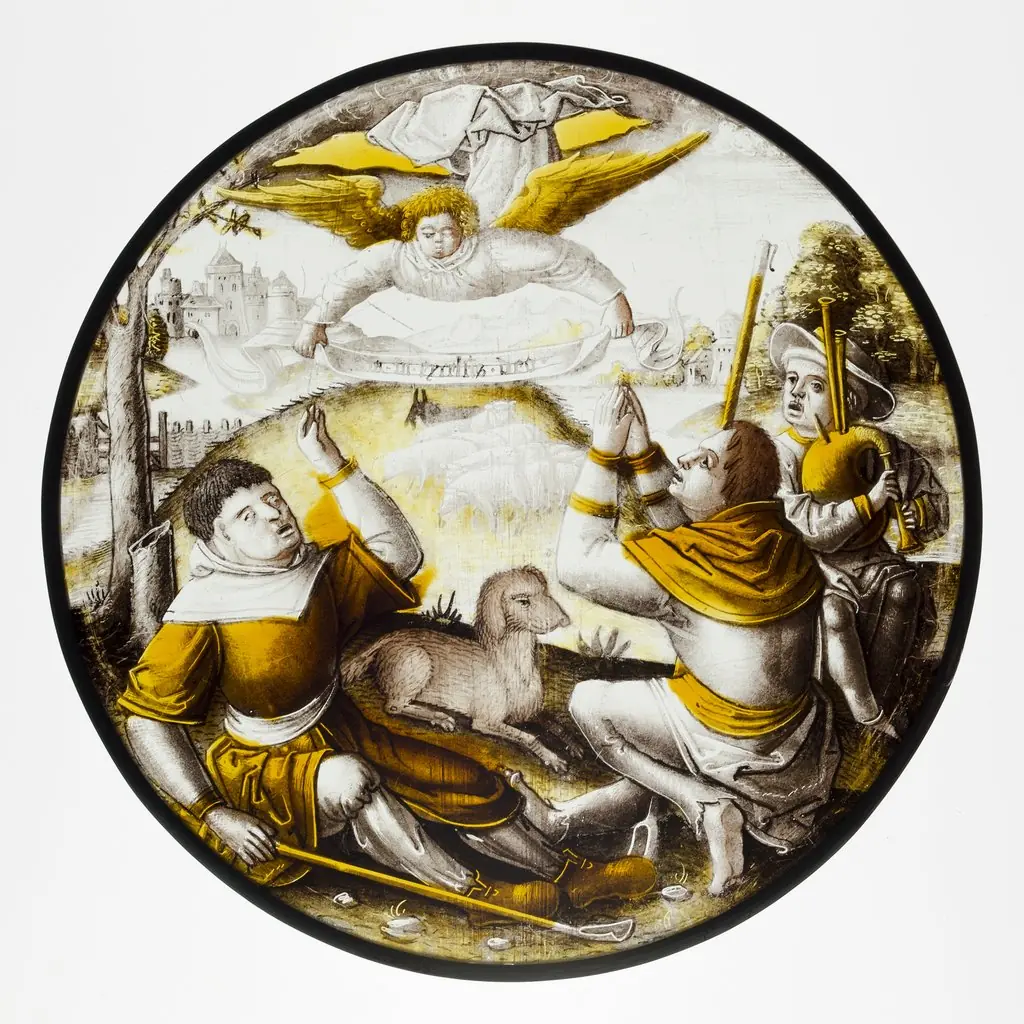 Roundel with Annunciation to the Shepherds
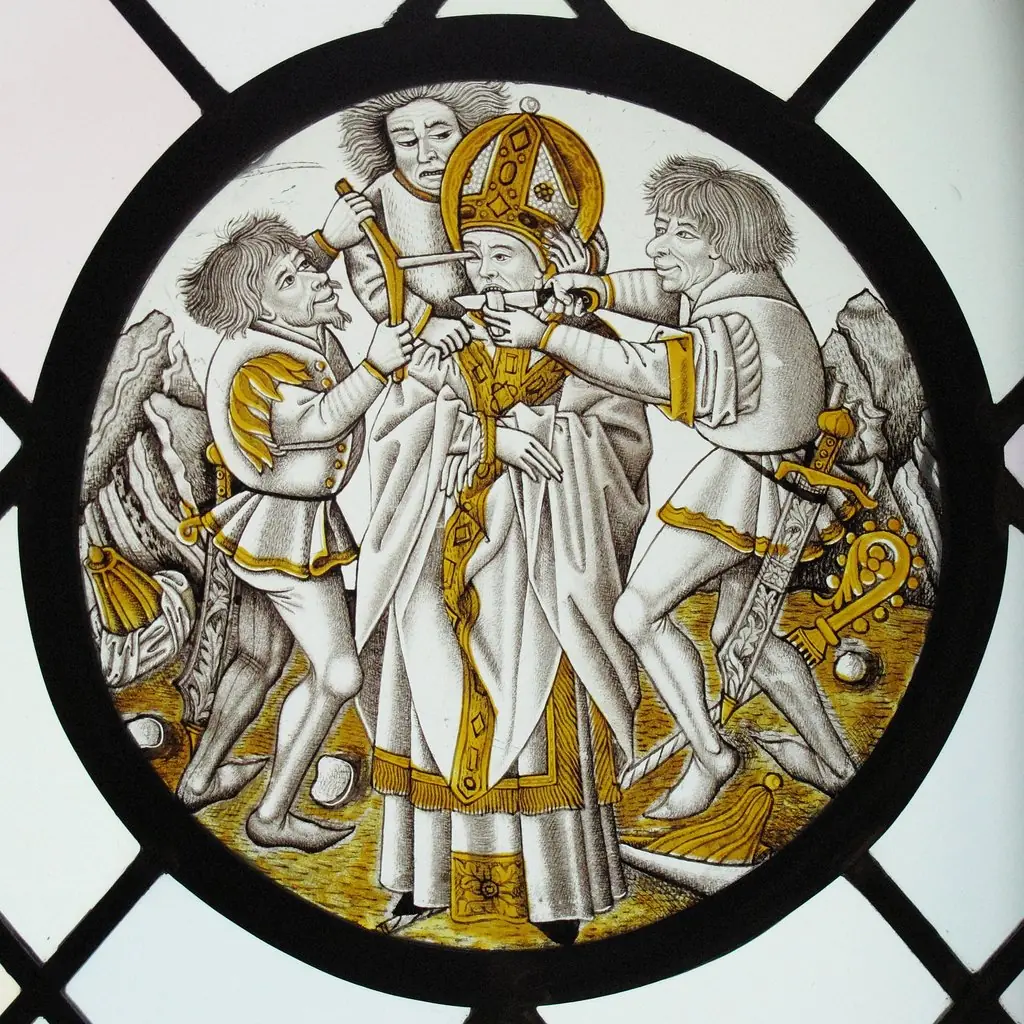 Roundel with Martyrdom of Saint Leger
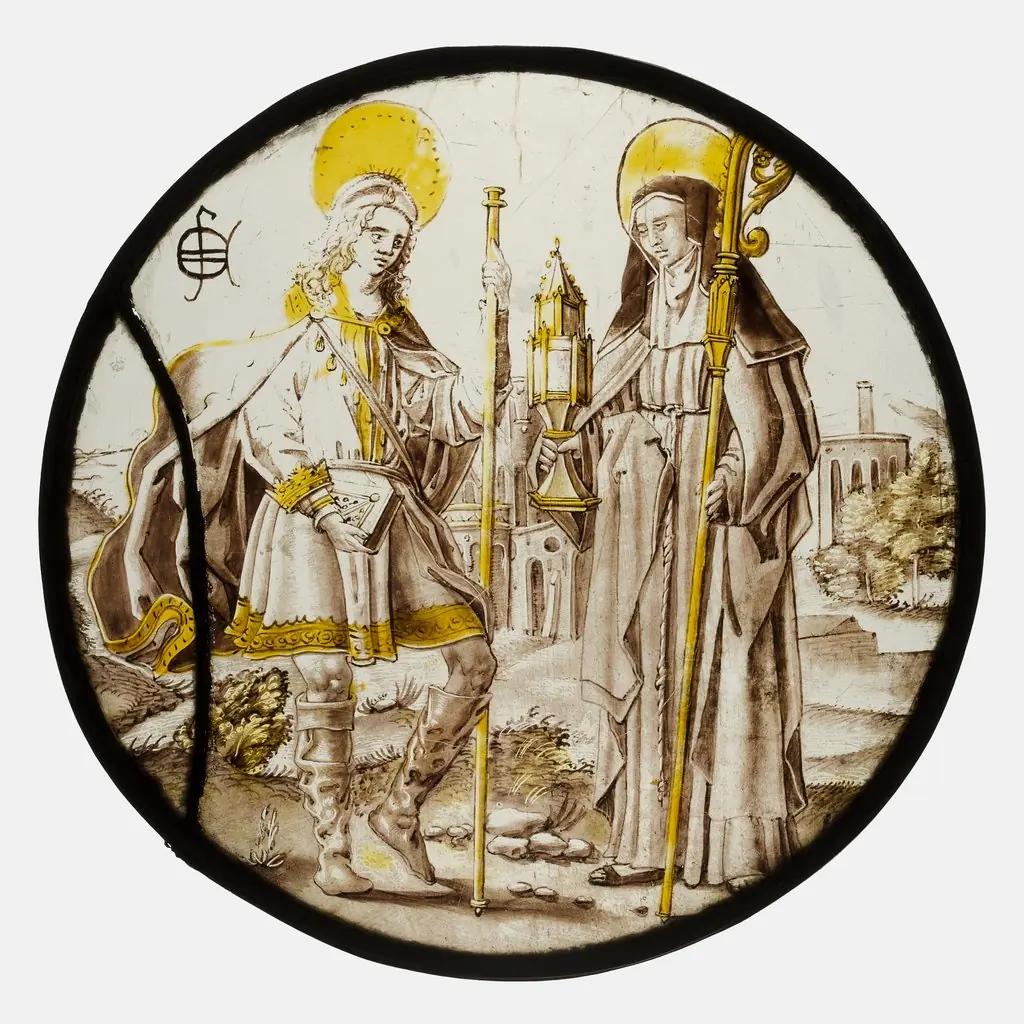 Roundel with Saint Jodocus and St. Clare of Assisi
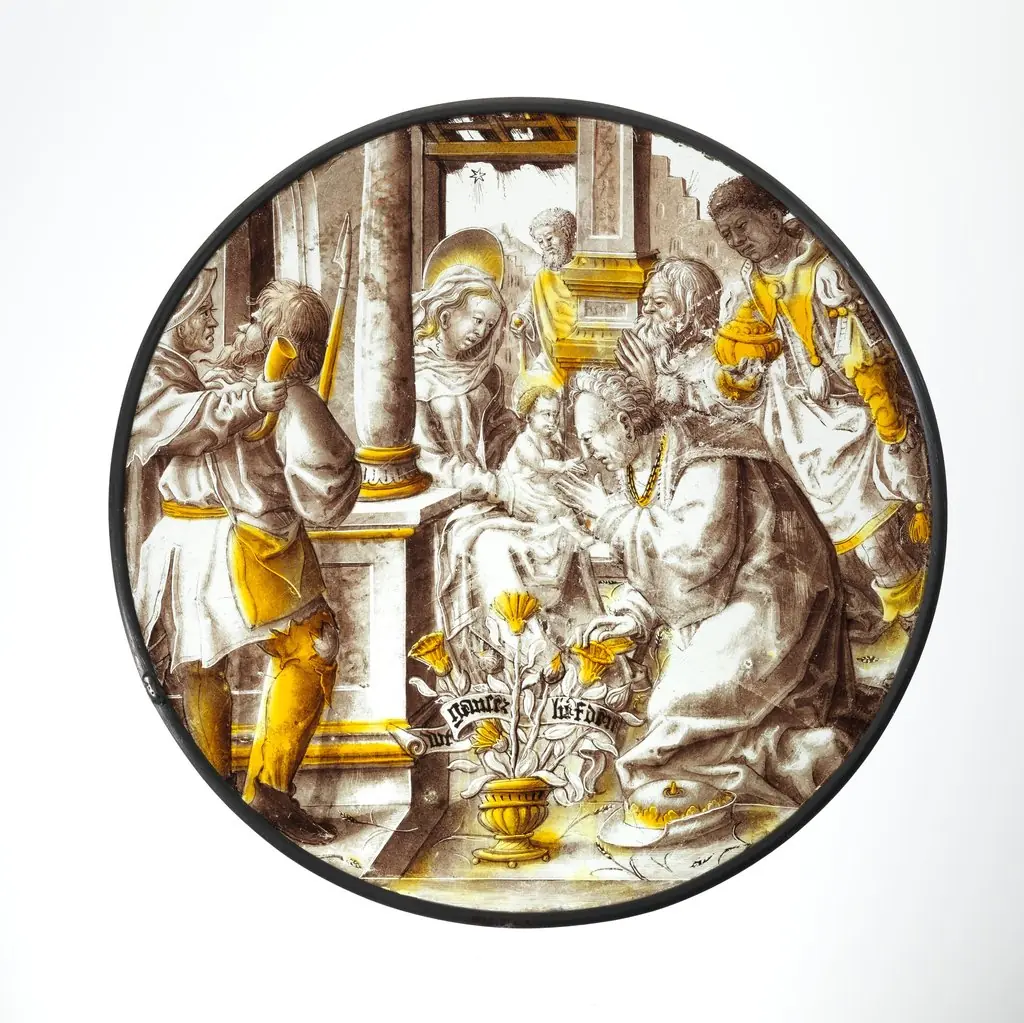 Roundel with Adoration of the Kings
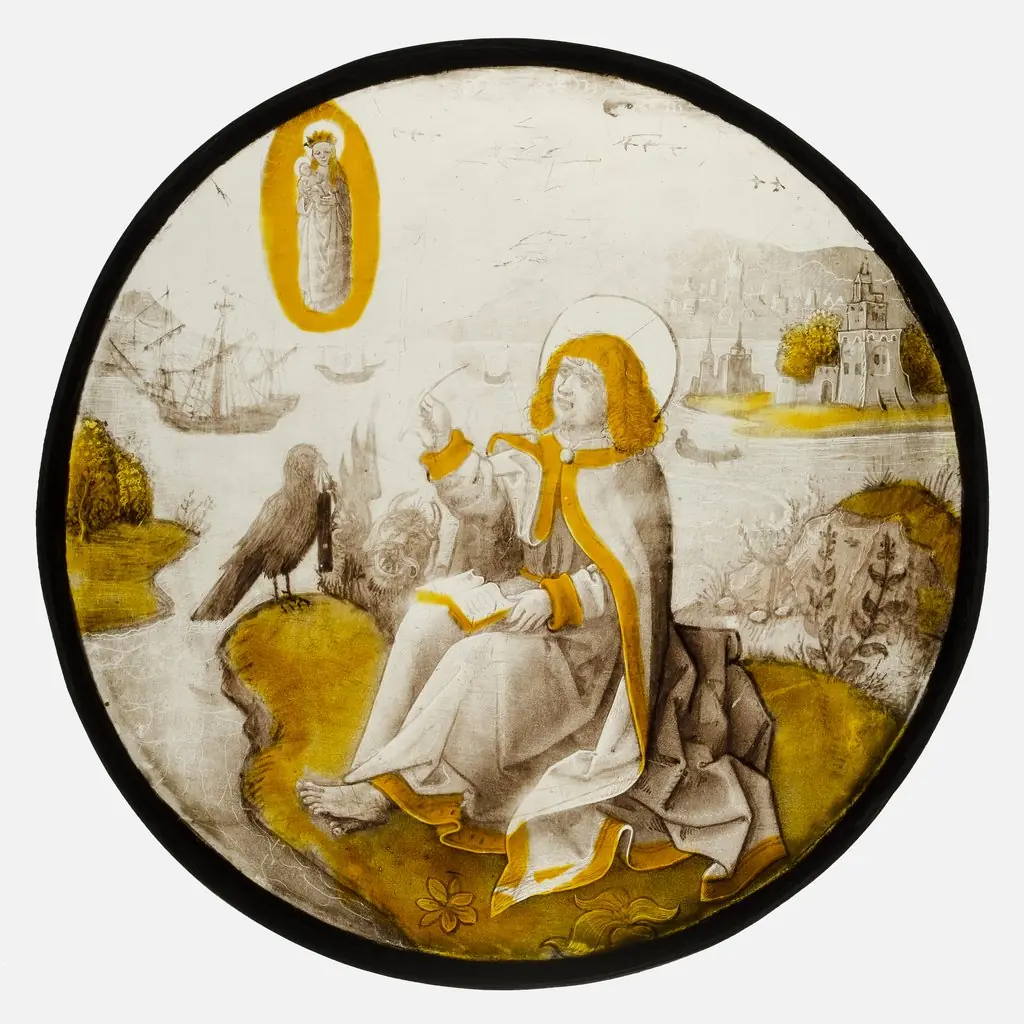 Roundel with Saint John on Patmos
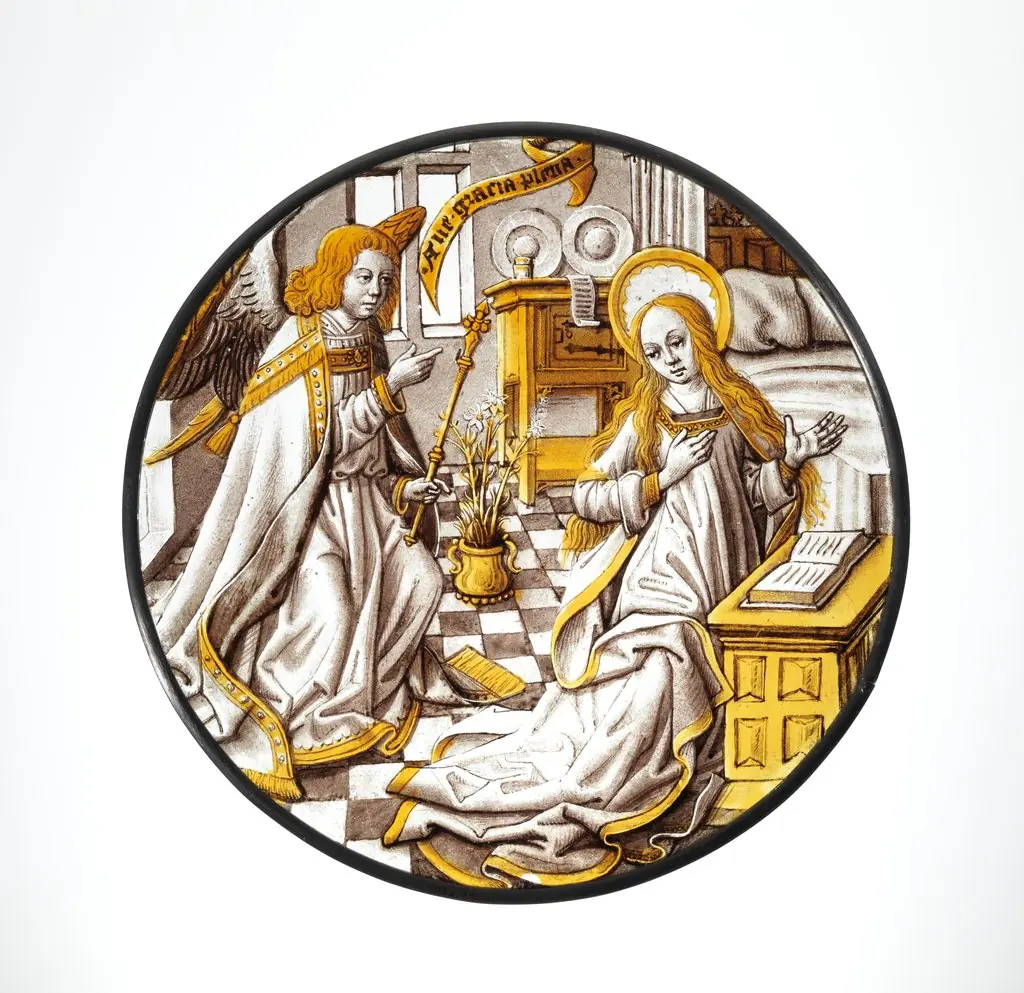 Roundel with Annunciation to the Virgin
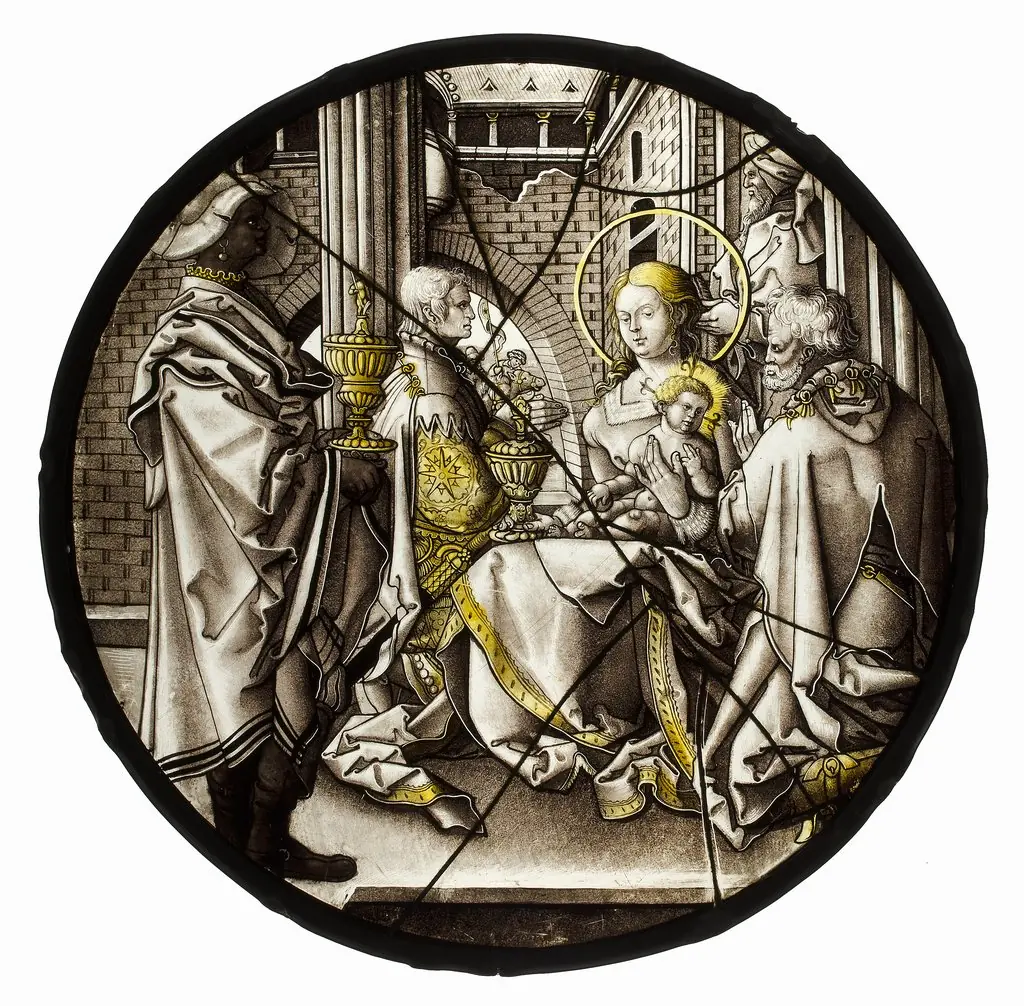 Roundel with Adoration of the Magi