Artwork
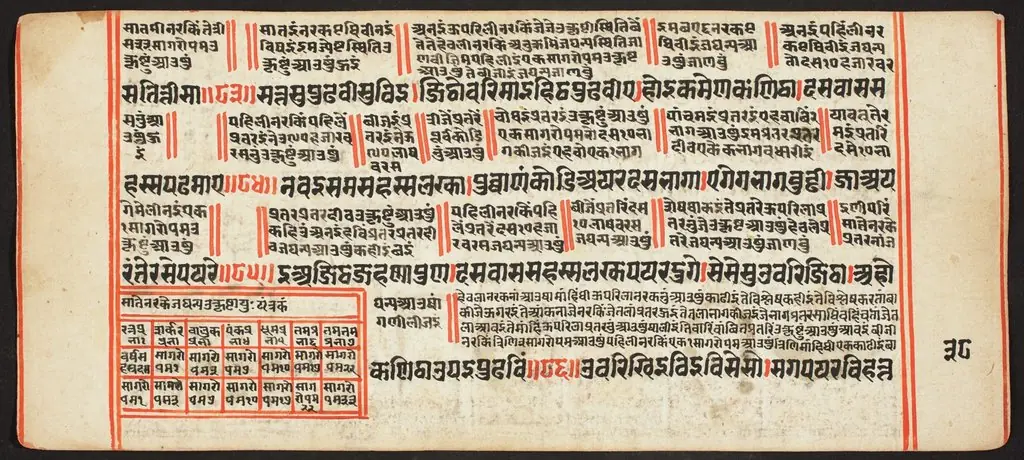
Tantric Manuscript, "Sangrahani Sutra"
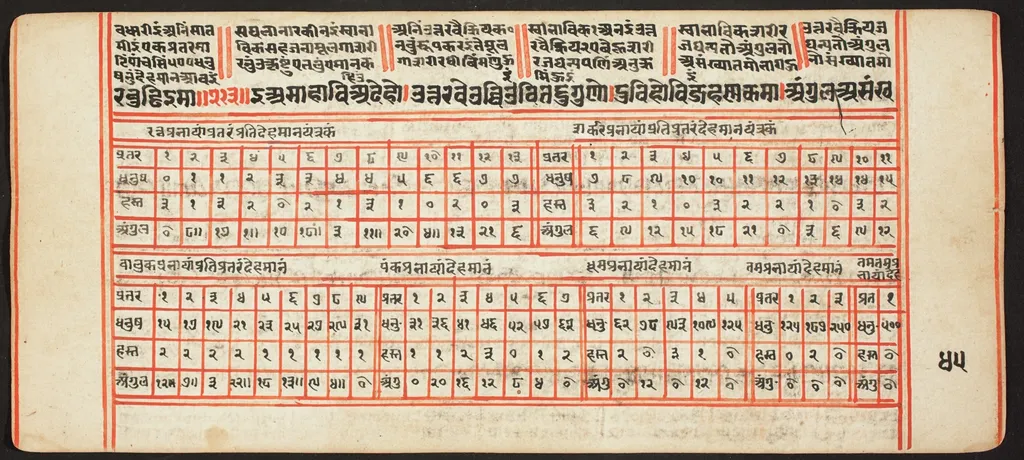
Tantric Manuscript, "Sangrahani Sutra" is an unspecified painting by Unknown. It is held in the collection of the Detroit Institute of Arts.
About this work
Overview
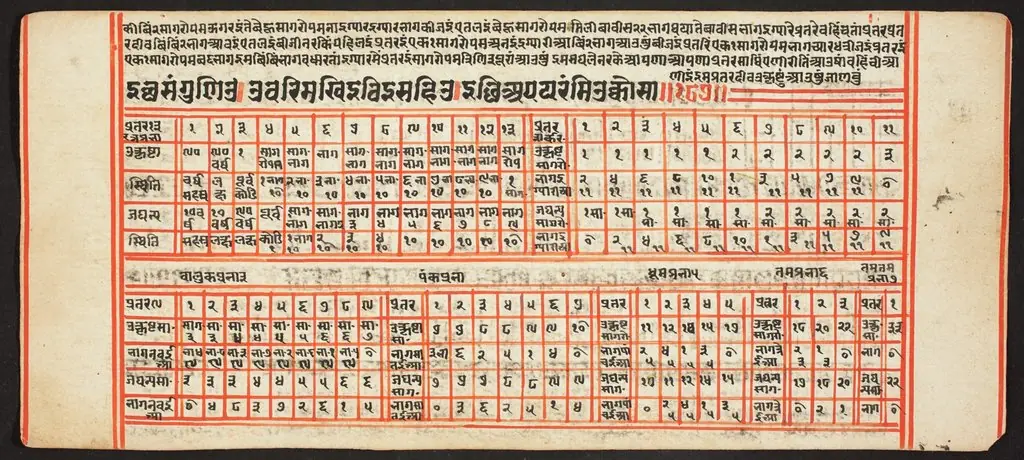
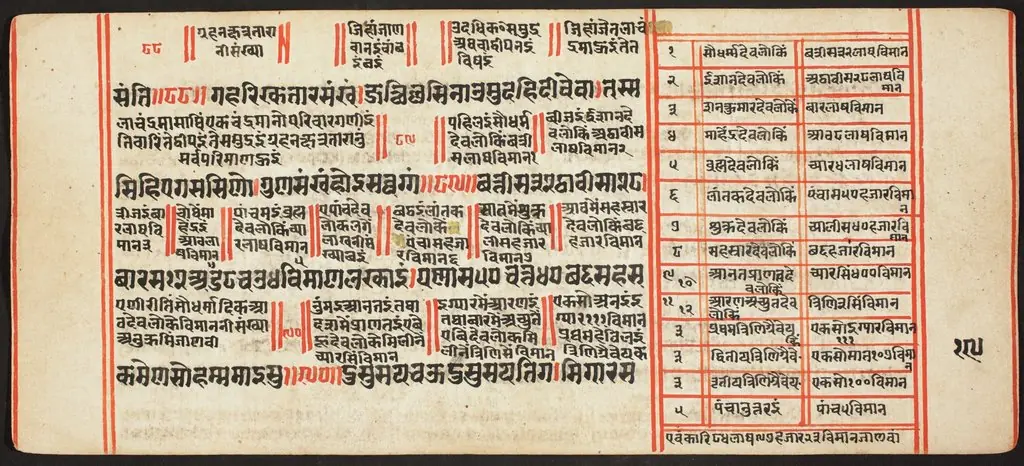
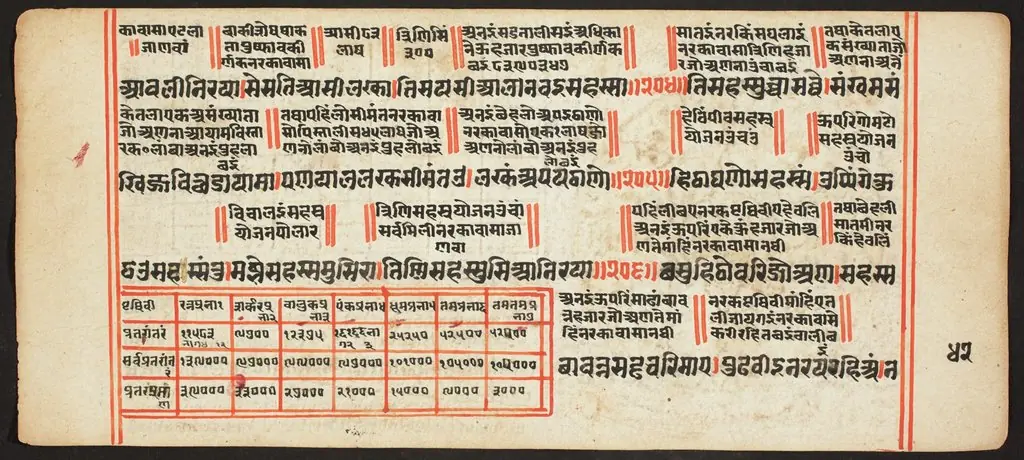
A painted manuscript leaf from the Sangrahani Sutra, produced in medieval India, exemplifies the integration of religious text and visual symbolism in tantric Buddhist practice. Created on palm leaf or paper, it served as a devotional and instructional object, blending scriptural passages with intricate iconography to guide meditative focus and ritual understanding.
Subject & Meaning
The imagery depicts deities and mandalic forms central to tantric cosmology, representing the union of wisdom and method. Figures are arranged in symbolic configurations meant to mirror internal spiritual states, with each gesture, color, and posture encoding esoteric teachings. The visual language functions not as decoration but as a map for consciousness transformation.
Technique & Style
Fine brushwork in mineral pigments defines precise, linear forms against flat, saturated backgrounds. Figures are rendered with stylized proportions and minimal shading, emphasizing symbolic clarity over naturalism. Gold leaf accents highlight sacred elements, while calligraphic script is meticulously integrated into the composition, reinforcing the unity of word and image.
History & Provenance
The manuscript likely originated in eastern India during the Pala period, a center of tantric Buddhist scholarship. It was probably used in monastic settings or by initiated practitioners, passed down through lineages. Its survival suggests careful preservation, though its specific provenance before modern collections remains undocumented.
Context
Produced during a time when tantric Buddhism flourished in monastic universities like Nalanda, such manuscripts were tools for advanced practice, distinct from more widely circulated sutras. They reflect a tradition where visual meditation was essential, and access was restricted to those initiated into specific lineages, reinforcing esoteric transmission.
Legacy
These works influenced later Himalayan art traditions, particularly in Tibet and Nepal, where similar iconographic systems were adopted. Though no longer in active ritual use, they remain critical to scholarly understanding of medieval Indian Buddhism’s visual culture and the role of art in esoteric practice.
Artist & collection

 Domestic Scene
 Giacomo and Cardinal Marco, investing Andrea, Abbot of San Zeno, with his Benefice
 The Nymph of Fontainebleau
 Portrait of a Woman
 Madonna and Child with Saints in the Enclosed Garden
 Venus and Minerva
 Family Group of Four on Sofa
 Wall painting from Room H of the Villa of P. Fannius Synistor at Boscoreale
 Tantric Manuscript, "Sangrahani Sutra"
 Tantric Manuscript, "Sangrahani Sutra"
 Tantric Manuscript, "Sangrahani Sutra"
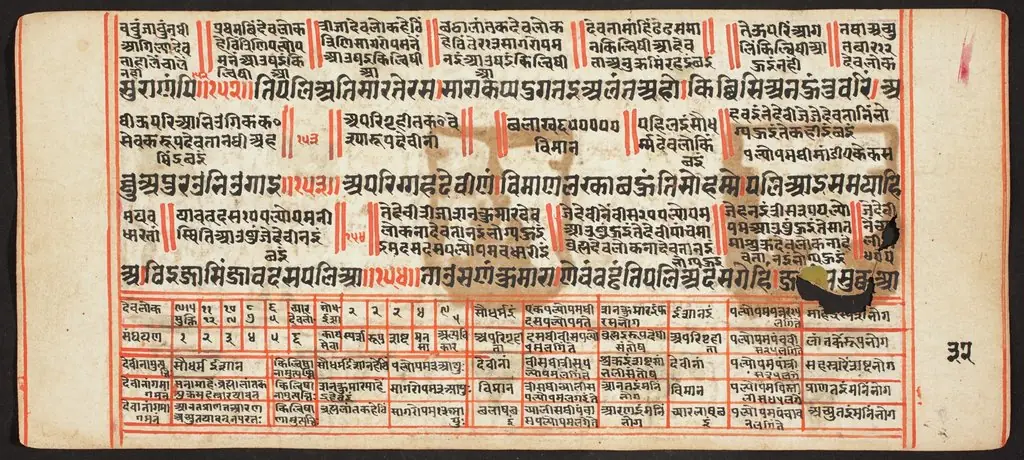 Tantric Manuscript, "Sangrahani Sutra"
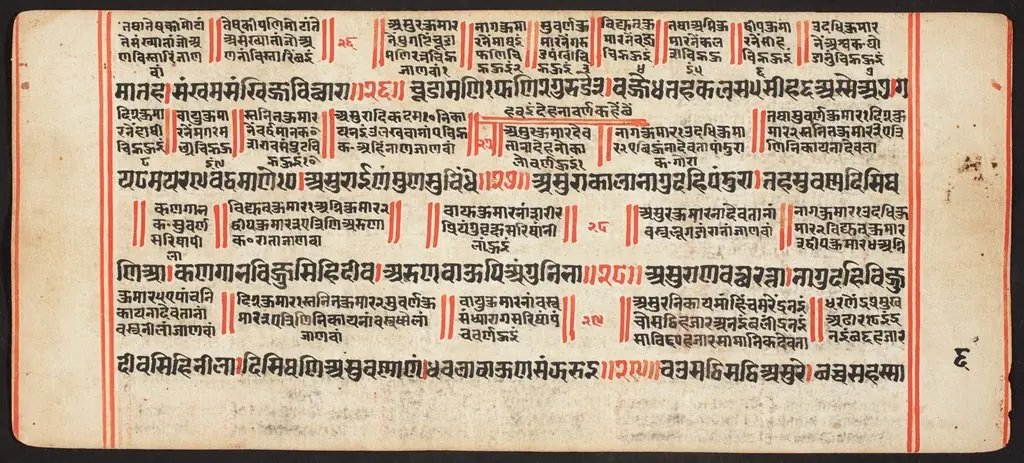 Tantric Manuscript, "Sangrahani Sutra"
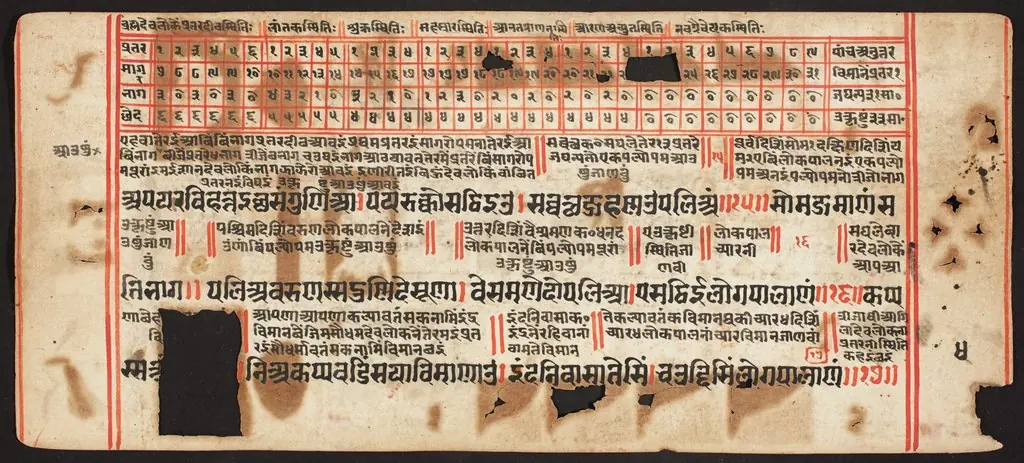 Tantric Manuscript, "Sangrahani Sutra"
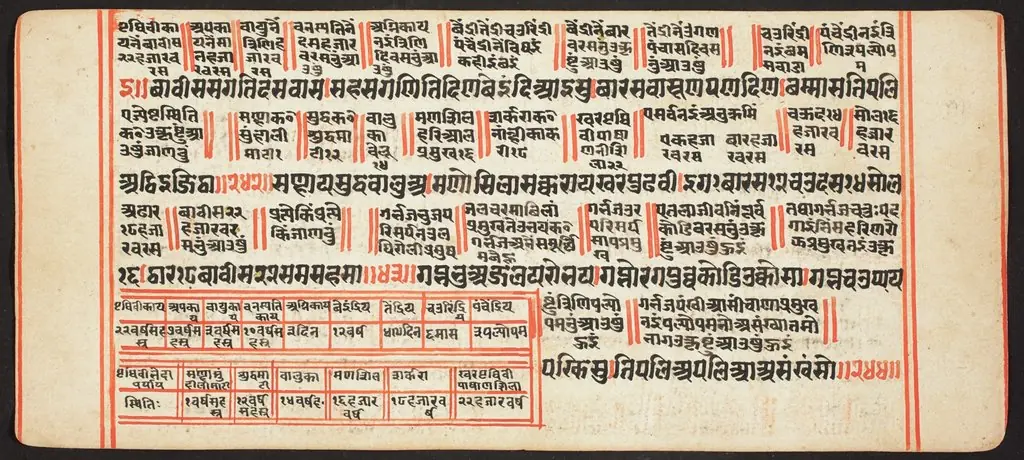 Tantric Manuscript, "Sangrahani Sutra"
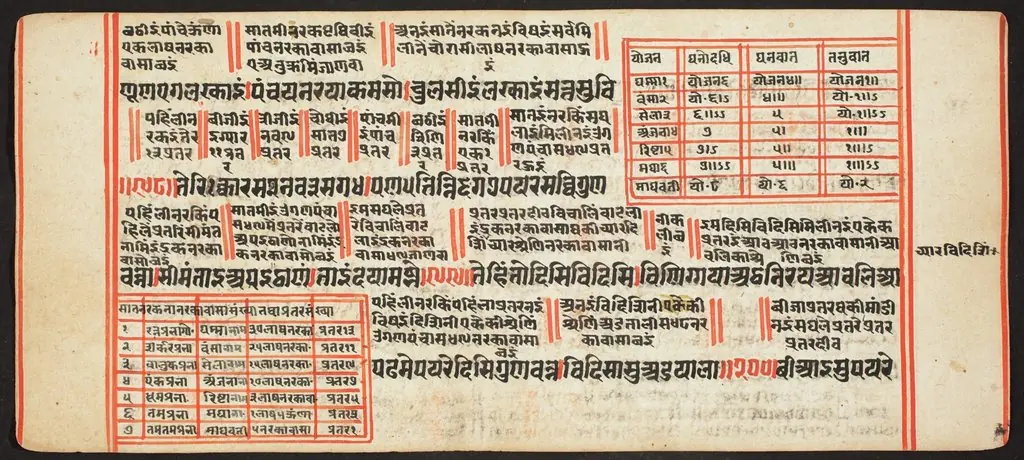 Tantric Manuscript, "Sangrahani Sutra"
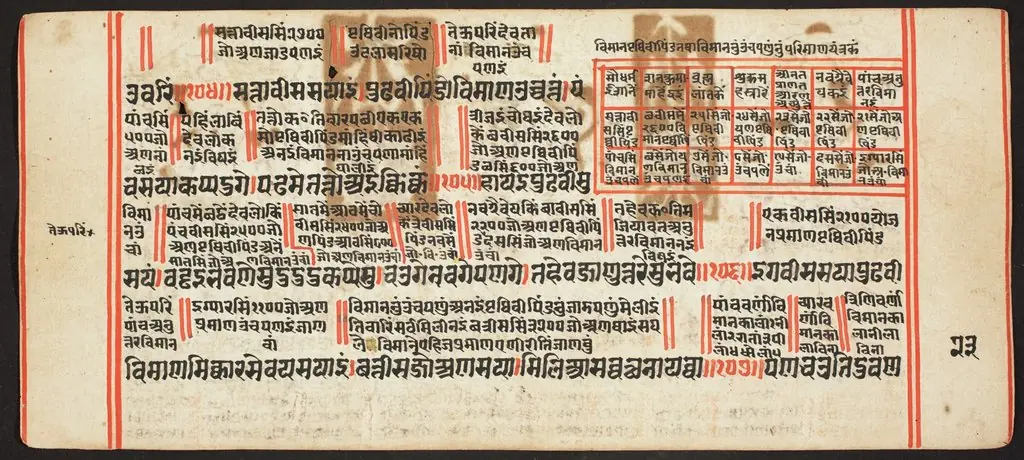 Tantric Manuscript, "Sangrahani Sutra"
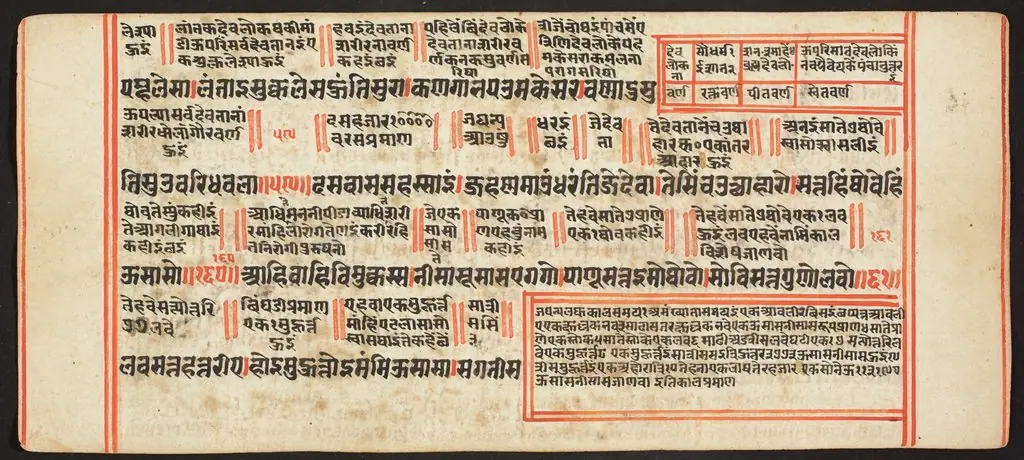 Tantric Manuscript, "Sangrahani Sutra"
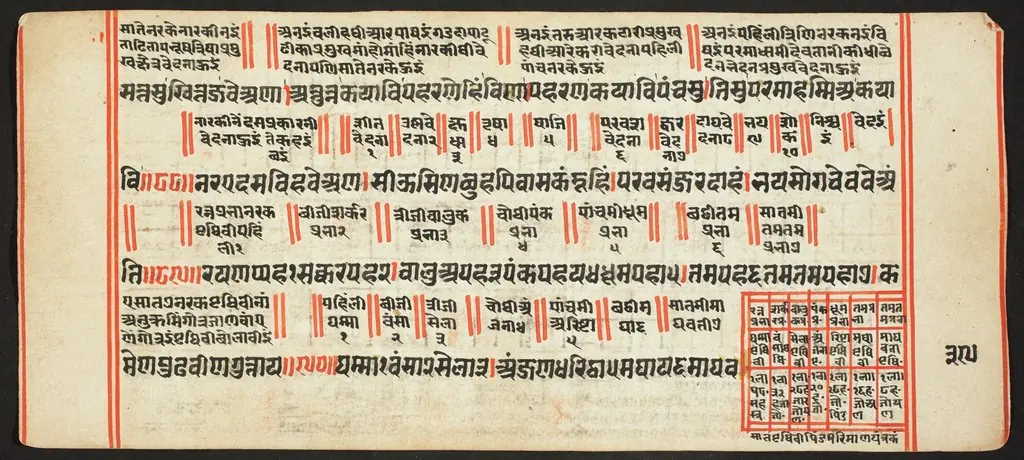 Tantric Manuscript, "Sangrahani Sutra"
 Tantric Manuscript, "Sangrahani Sutra"