Artwork
Tantric Manuscript, "Sangrahani Sutra"
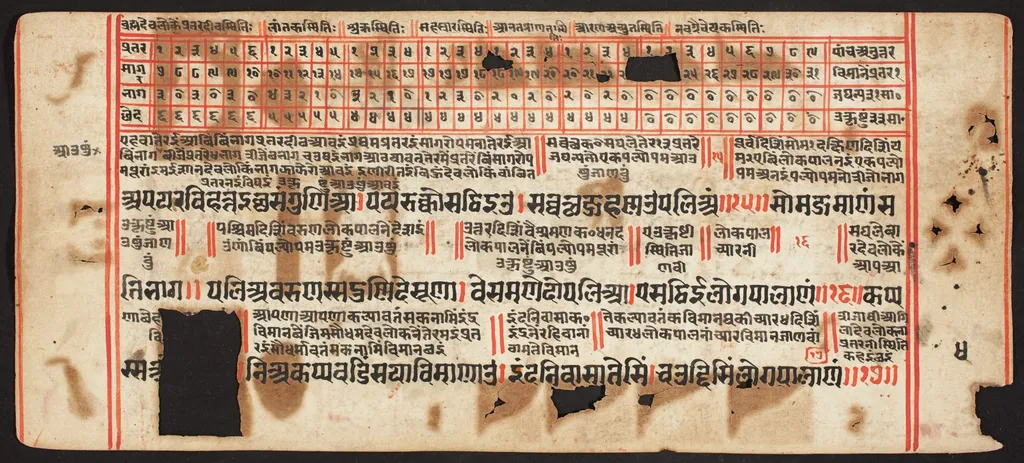
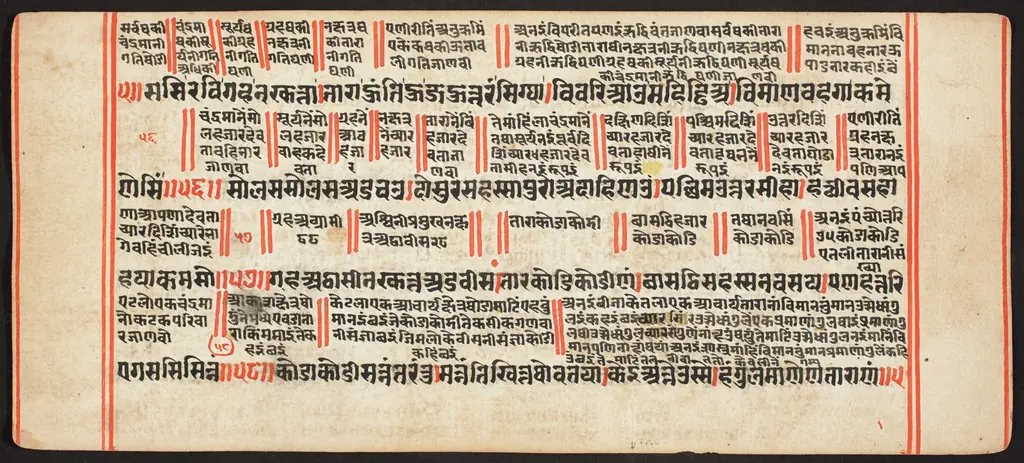
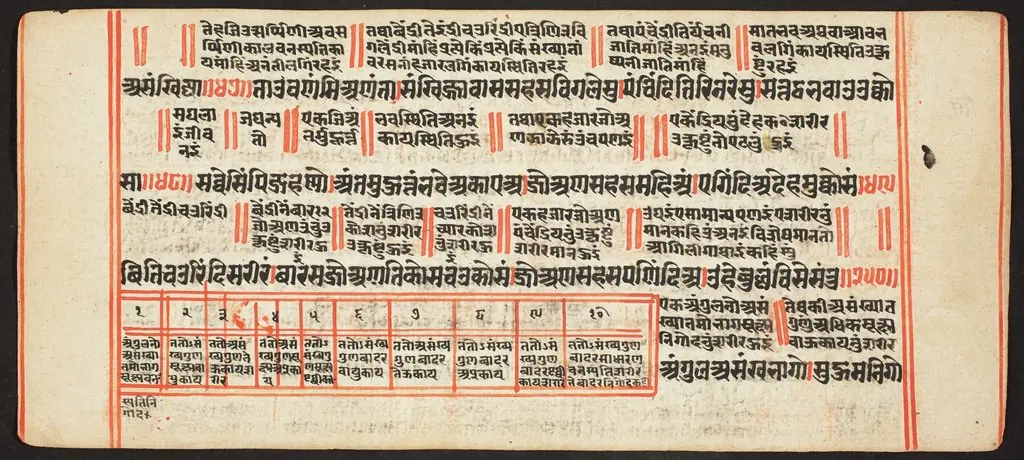
Tantric Manuscript, "Sangrahani Sutra" is an unspecified painting by Unknown. It is held in the collection of the Detroit Institute of Arts. This manuscript fragment, labeled 'Sangrahani Sutra,' is a handwritten religious text from a tantric Buddhist tradition.
About this work
Overview
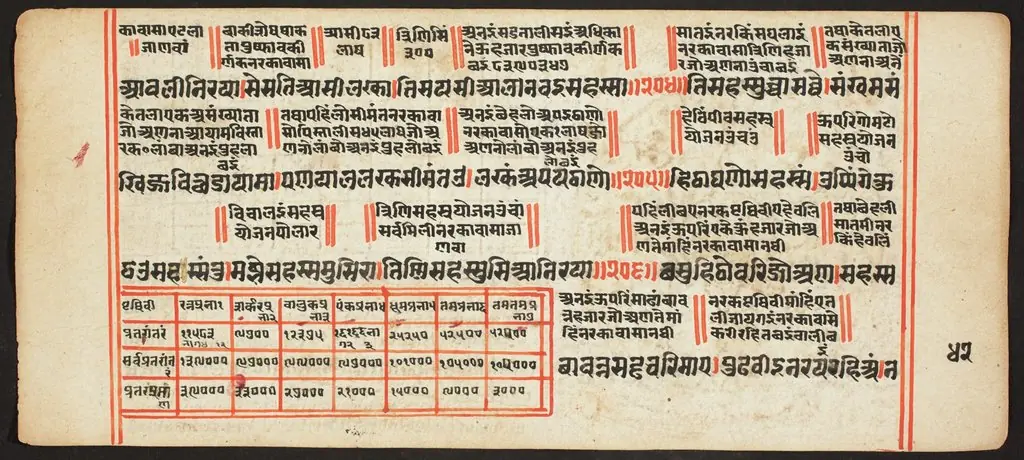
Its layout divides into an upper register of symbolic squares and a lower field of dense script, suggesting a structured ritual or meditative guide.
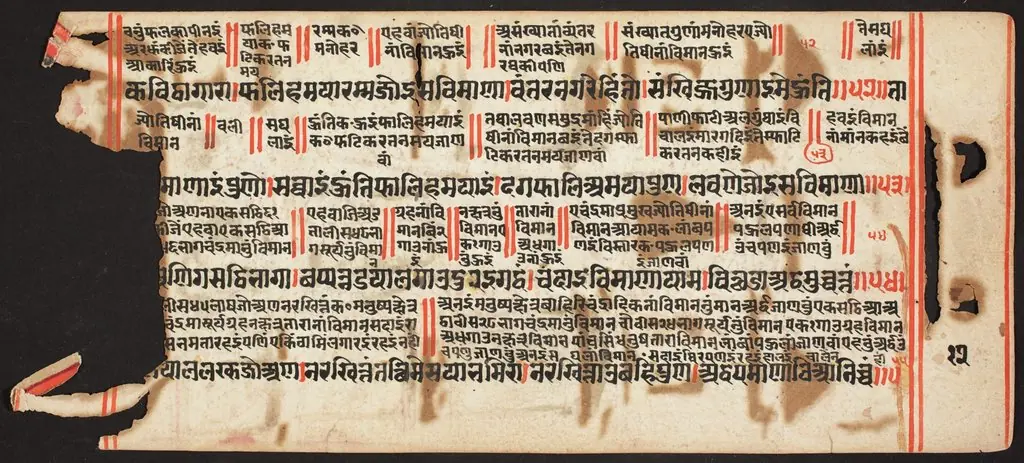
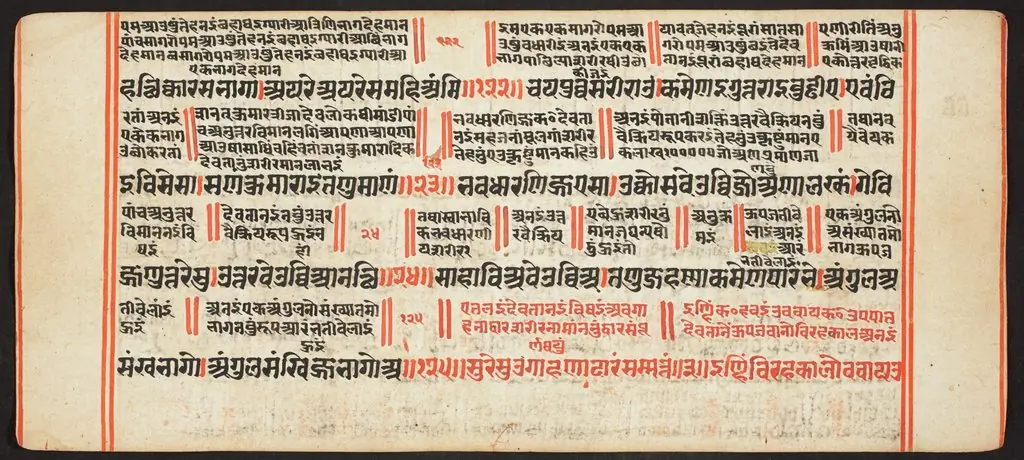
This manuscript fragment, labeled 'Sangrahani Sutra,' is a handwritten religious text from a tantric Buddhist tradition. Made on paper now yellowed and brittle, it bears signs of prolonged use and environmental exposure, including tears, holes, and fading ink. Its layout divides into an upper register of symbolic squares and a lower field of dense script, suggesting a structured ritual or meditative guide. The work reflects the material culture of esoteric Buddhist practice in South or Southeast Asia.
Subject & Meaning
The upper grid contains abstract symbols, likely representing deities, mandalic elements, or esoteric syllables used in tantric visualization. The lower text, written in a regional script, may contain doctrinal summaries or liturgical instructions. Though the exact language remains unidentified, the combination of visual symbols and script implies a functional role in ritual practice—perhaps aiding meditation or transmission of secret teachings within a monastic lineage.
Technique & Style
The script is rendered in black ink, with occasional red highlights used to emphasize key passages or symbols. The handwriting is precise but uneven, indicating hand-copying by a trained scribe rather than mechanical reproduction. The paper shows signs of aging—cracking, staining, and punctures—yet the ink remains legible in places. The absence of figural imagery aligns with aniconic traditions in certain tantric schools, prioritizing symbolic abstraction over representation.
History & Provenance
The manuscript’s exact origin and date are undocumented, but its materials and script suggest production between the 8th and 12th centuries in regions where tantric Buddhism flourished, such as Bengal, Nepal, or parts of Indonesia. Its survival through centuries implies careful preservation, possibly within a temple or monastic archive. The Detroit Institute of Arts acquired it as part of a broader collection of South Asian religious artifacts, though its prior ownership remains unclear.
Context
This fragment belongs to a tradition of handwritten tantric texts, often copied by monks for personal or communal ritual use. Unlike printed books, such manuscripts were intimate tools, handled frequently and sometimes carried into meditation spaces. Their deterioration reflects both the perishable nature of paper in humid climates and the devotional use that prioritized function over preservation. Comparable examples survive in Tibetan, Nepalese, and Southeast Asian collections.
Legacy
Though incomplete and unattributed, the manuscript contributes to scholarly understanding of tantric Buddhist literacy and material practice. Its survival underscores the resilience of oral and scribal traditions in preserving esoteric knowledge across centuries. Modern researchers study its symbols and script to decode regional variations in tantric doctrine, while its physical condition serves as a testament to the lived use of sacred texts in pre-modern religious communities.
Artist & collection

 Domestic Scene
 Giacomo and Cardinal Marco, investing Andrea, Abbot of San Zeno, with his Benefice
 The Nymph of Fontainebleau
 Portrait of a Woman
 Madonna and Child with Saints in the Enclosed Garden
 Venus and Minerva
 Family Group of Four on Sofa
 Wall painting from Room H of the Villa of P. Fannius Synistor at Boscoreale
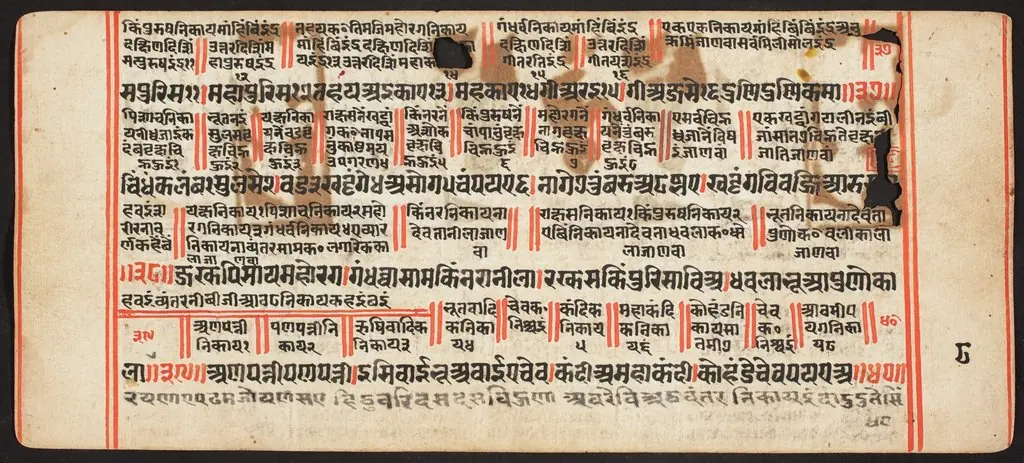 Tantric Manuscript, "Sangrahani Sutra"
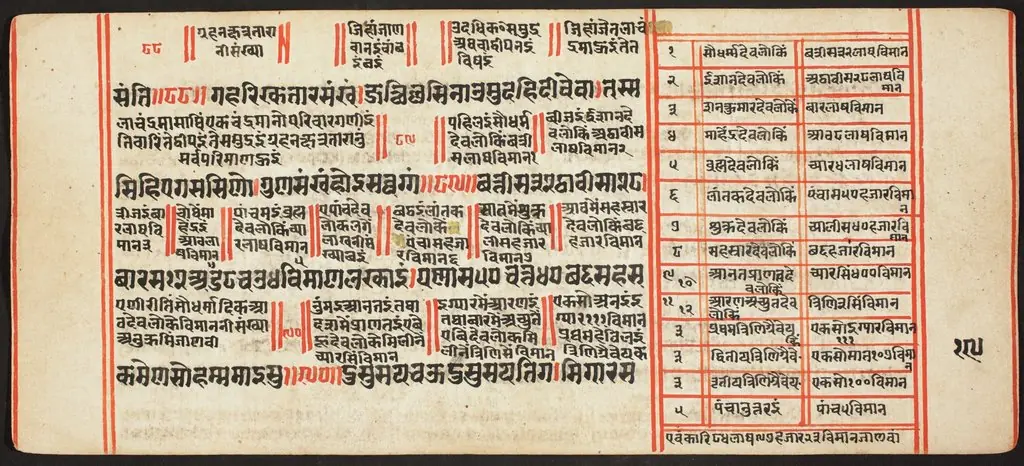 Tantric Manuscript, "Sangrahani Sutra"
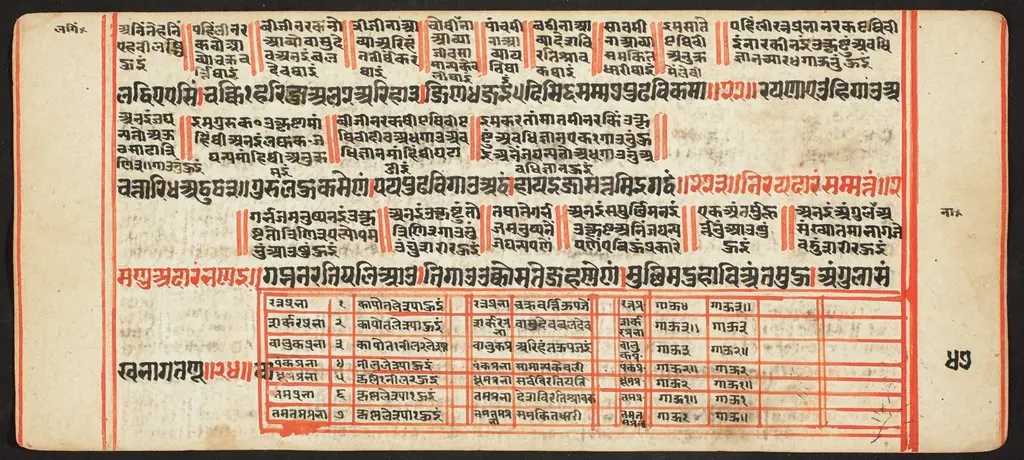 Tantric Manuscript, "Sangrahani Sutra"
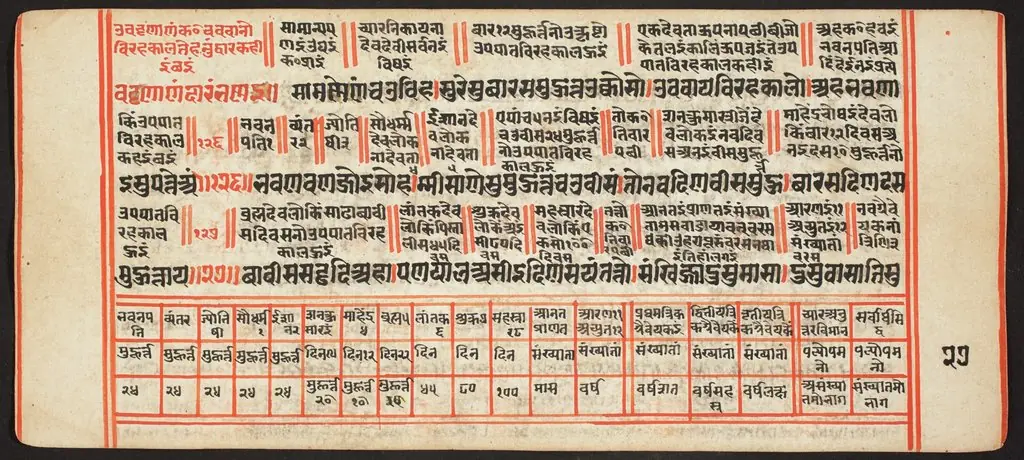 Tantric Manuscript, "Sangrahani Sutra"
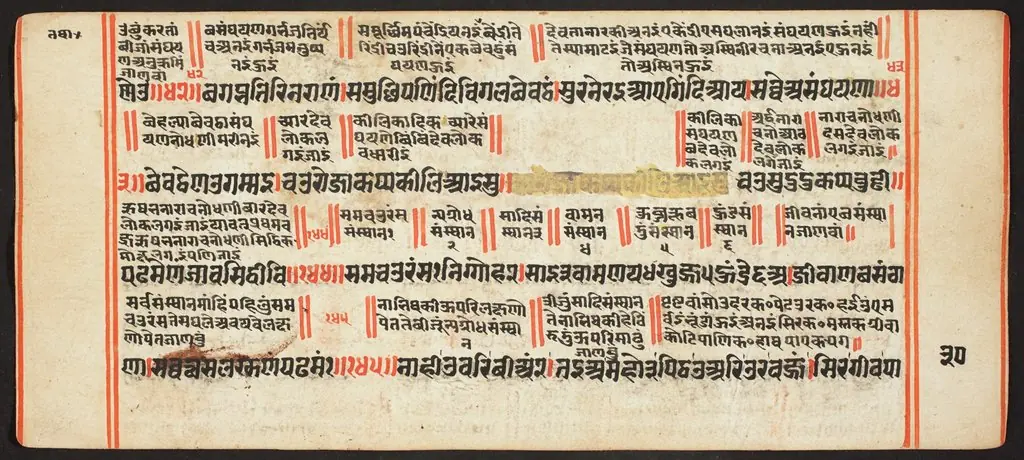 Tantric Manuscript, "Sangrahani Sutra"
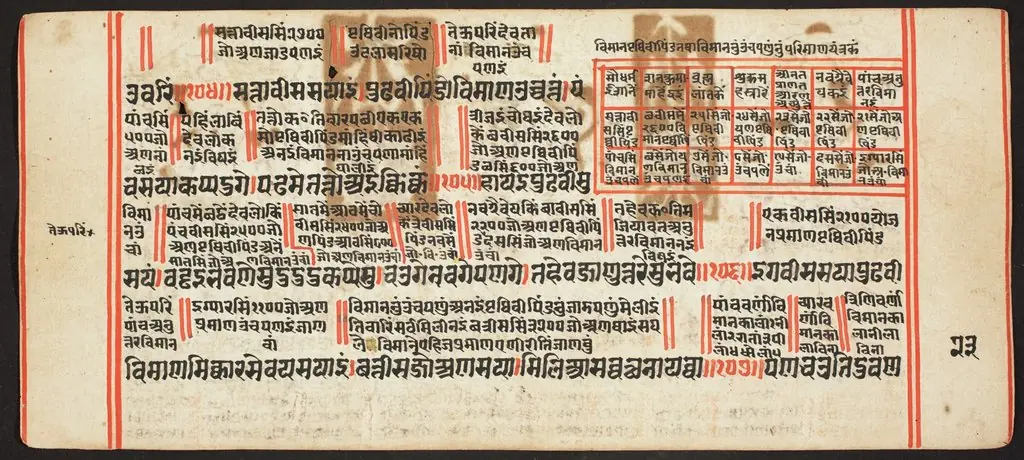 Tantric Manuscript, "Sangrahani Sutra"
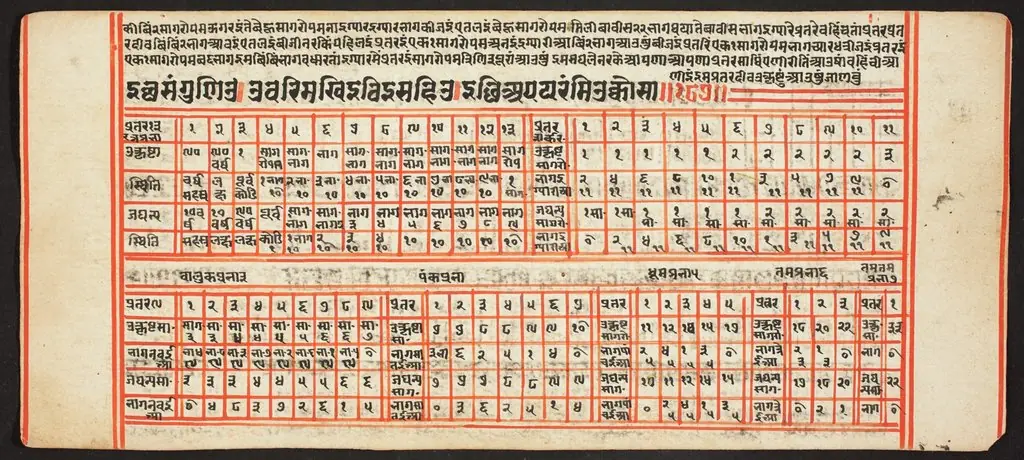 Tantric Manuscript, "Sangrahani Sutra"
 Tantric Manuscript, "Sangrahani Sutra"
 Tantric Manuscript, "Sangrahani Sutra"
 Tantric Manuscript, "Sangrahani Sutra"
 Tantric Manuscript, "Sangrahani Sutra"
 Tantric Manuscript, "Sangrahani Sutra"