Artwork
Tantric Manuscript, "Sangrahani Sutra"
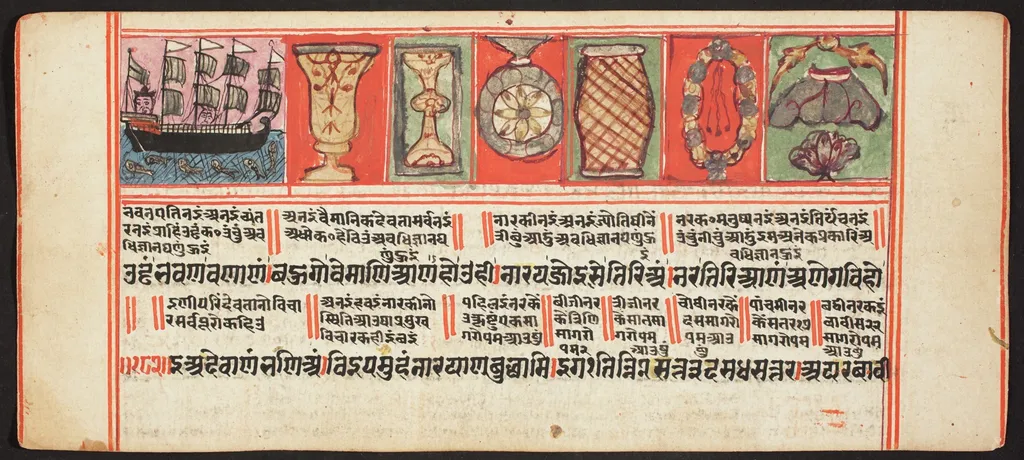
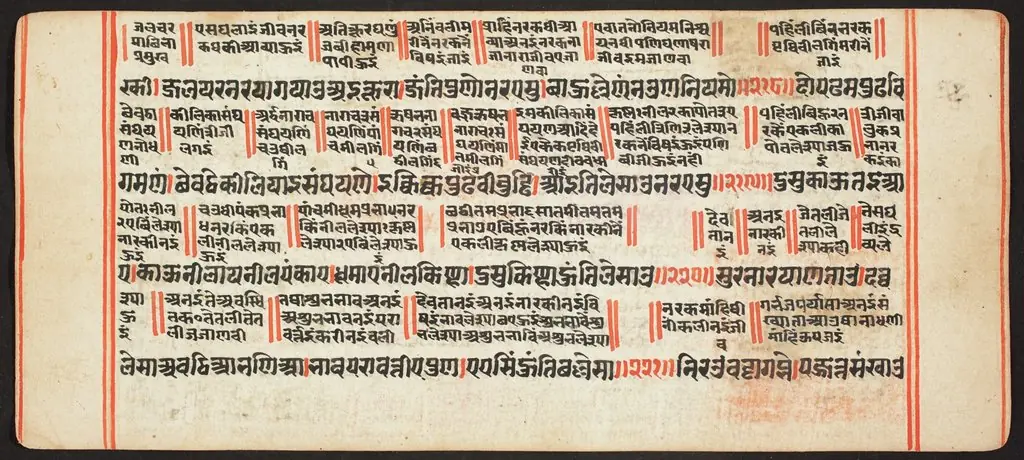
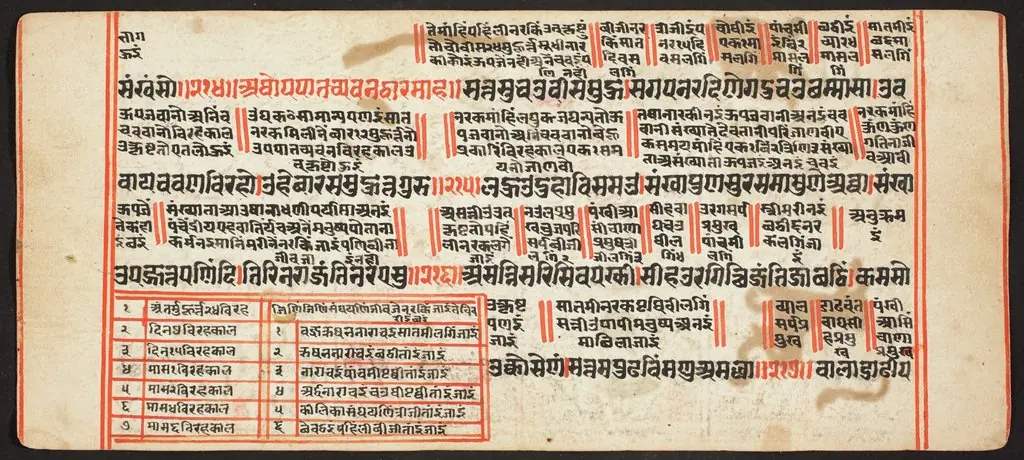
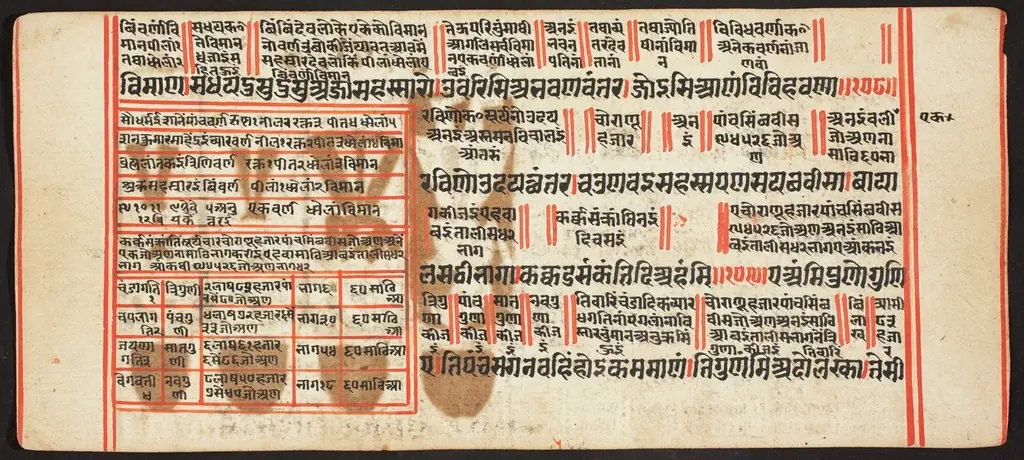
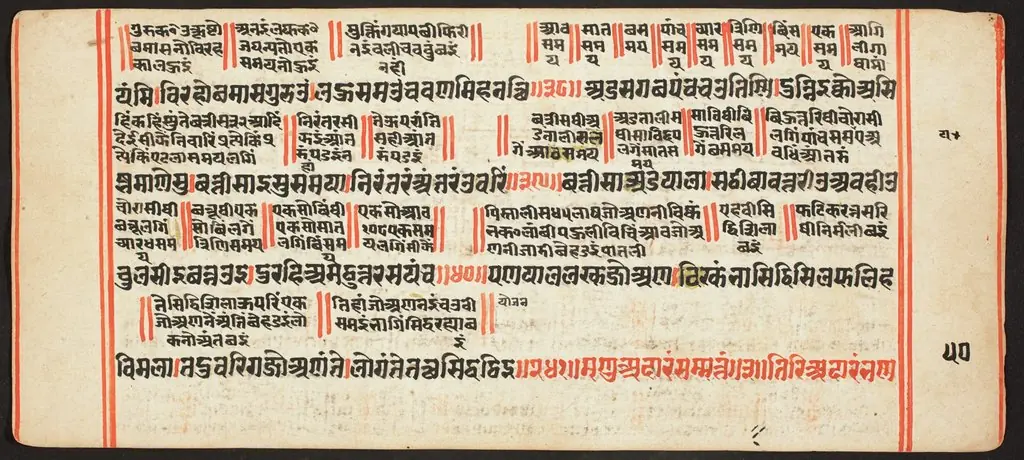
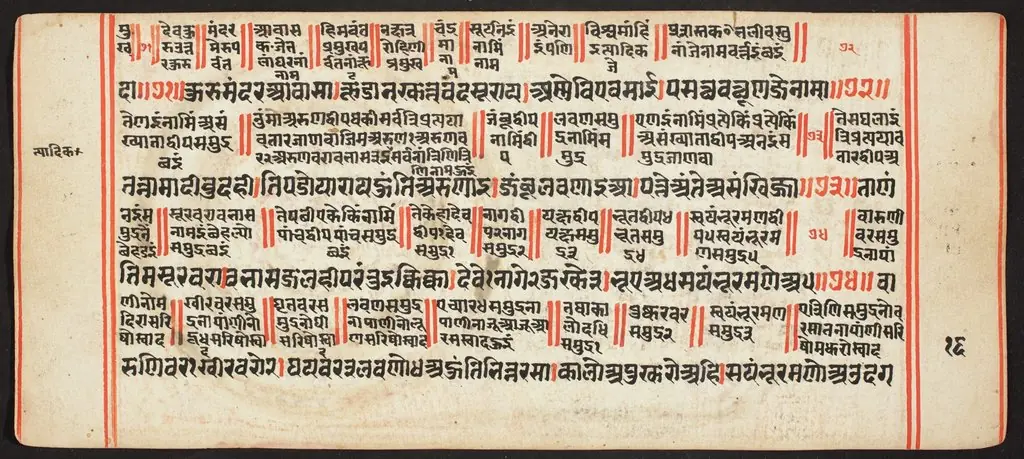
Tantric Manuscript, "Sangrahani Sutra" is an unspecified painting by Unknown. It is held in the collection of the Detroit Institute of Arts. This manuscript page contains a combination of symbolic imagery and script, likely from a tantric Buddhist tradition in India.
About this work
Overview
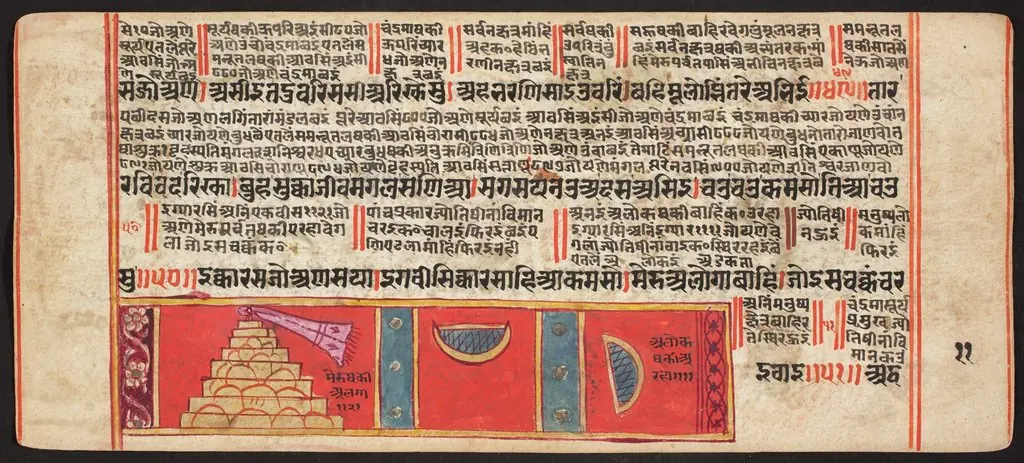
This manuscript page contains a combination of symbolic imagery and script, likely from a tantric Buddhist tradition in India. The upper section features five small painted motifs arranged horizontally, while the lower portion is densely covered in handwritten text. The substrate is aged paper, discolored with time, bearing minor stains and wear consistent with centuries of handling and storage.
Subject & Meaning
Their arrangement suggests a meditative or initiatory sequence, possibly guiding the practitioner through stages of spiritual realization.
The five symbols—boat, vase, circular object, vase with flower, and single flower—may represent tantric cosmological elements or ritual tools, common in esoteric Buddhist iconography. Their arrangement suggests a meditative or initiatory sequence, possibly guiding the practitioner through stages of spiritual realization. The accompanying script, written in an Indic language, likely contains doctrinal passages from the Sangrahani Sutra, reinforcing the visual symbolism with textual authority.
Technique & Style
The imagery is rendered in mineral pigments on paper, with backgrounds in red, green, and pink washes. The forms are simplified, with flat planes and minimal shading, emphasizing symbolic clarity over naturalism. The script is executed in black ink, bordered by thin red lines that frame the text and enhance legibility. The brushwork is precise yet unadorned, reflecting a devotional rather than decorative intent.
History & Provenance
The manuscript likely originated in eastern India or Nepal between the 10th and 14th centuries, a period when tantric Buddhist texts were actively copied and transmitted. Its survival suggests it was preserved in a monastic or ritual context. The paper’s condition indicates prolonged use, possibly in liturgical settings. Its current location at the Detroit Institute of Arts reflects 20th-century acquisition by Western institutions from South Asian collections.
Context
During the medieval period, tantric Buddhist communities produced portable manuscripts for personal meditation and ritual use. These texts often paired visual symbols with sacred verses to aid concentration and transmission of esoteric teachings. The Sangrahani Sutra, part of a broader corpus of Vajrayana literature, was valued for its concise doctrinal summaries, making it suitable for inclusion in such illustrated codices.
Legacy
This manuscript exemplifies the integration of visual and textual traditions in South Asian Buddhist practice. Though not widely known outside scholarly circles, it contributes to understanding how spiritual knowledge was encoded and transmitted through material culture. Its preservation allows ongoing study of tantric iconography and scribal practices in pre-modern India.
Artist & collection

 Domestic Scene
 Giacomo and Cardinal Marco, investing Andrea, Abbot of San Zeno, with his Benefice
 The Nymph of Fontainebleau
 Portrait of a Woman
 Madonna and Child with Saints in the Enclosed Garden
 Venus and Minerva
 Family Group of Four on Sofa
 Wall painting from Room H of the Villa of P. Fannius Synistor at Boscoreale
 Tantric Manuscript, "Sangrahani Sutra"
 Tantric Manuscript, "Sangrahani Sutra"
 Tantric Manuscript, "Sangrahani Sutra"
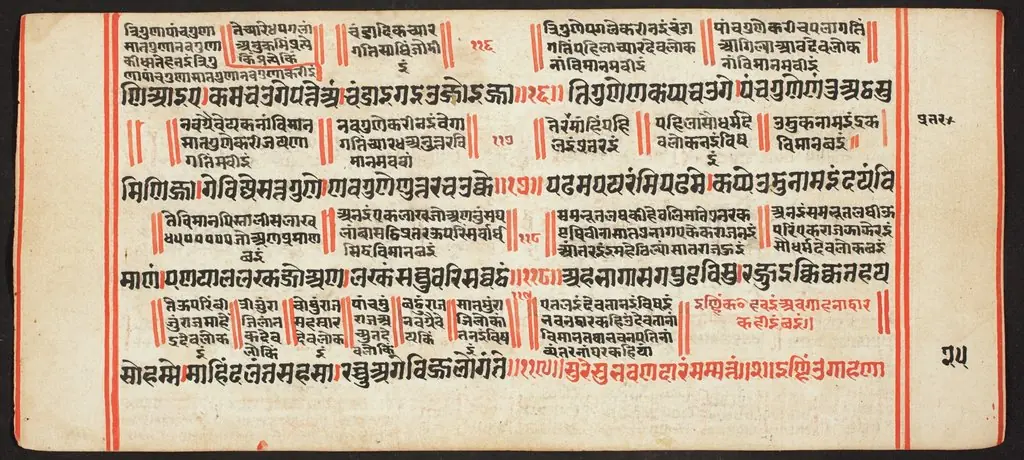 Tantric Manuscript, "Sangrahani Sutra"
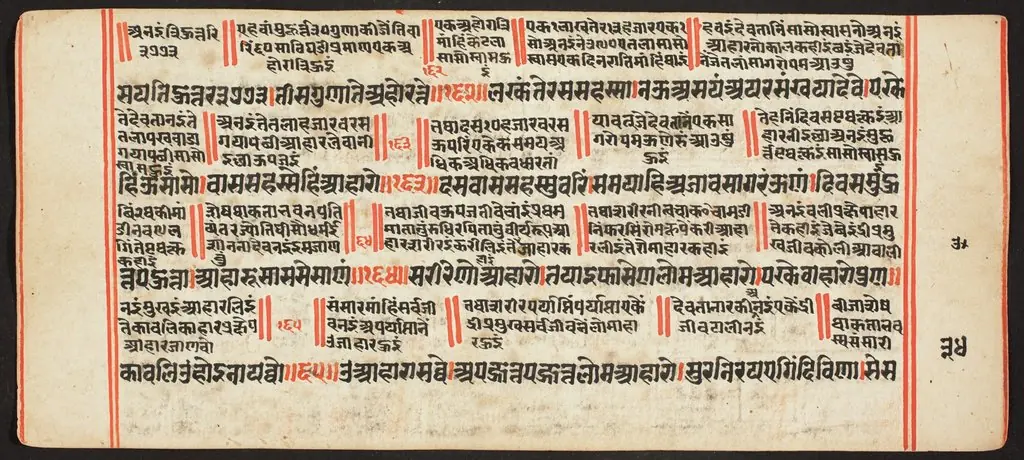 Tantric Manuscript, "Sangrahani Sutra"
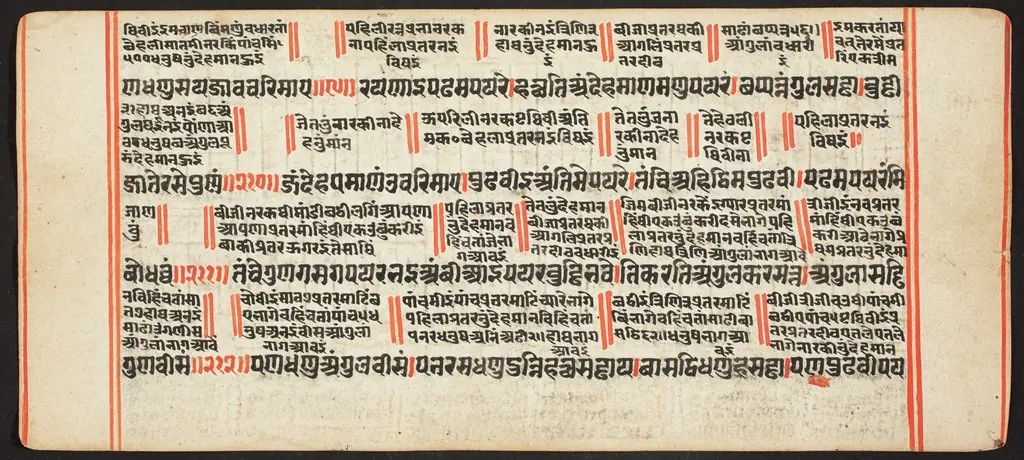 Tantric Manuscript, "Sangrahani Sutra"
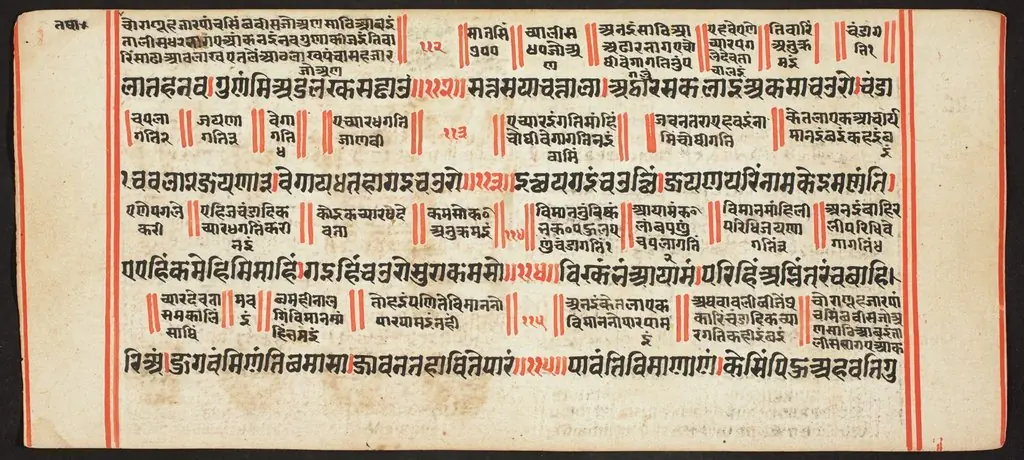 Tantric Manuscript, "Sangrahani Sutra"
 Tantric Manuscript, "Sangrahani Sutra"
 Tantric Manuscript, "Sangrahani Sutra"
 Tantric Manuscript, "Sangrahani Sutra"
 Tantric Manuscript, "Sangrahani Sutra"
 Tantric Manuscript, "Sangrahani Sutra"