Artwork
Tantric Manuscript, "Sangrahani Sutra"
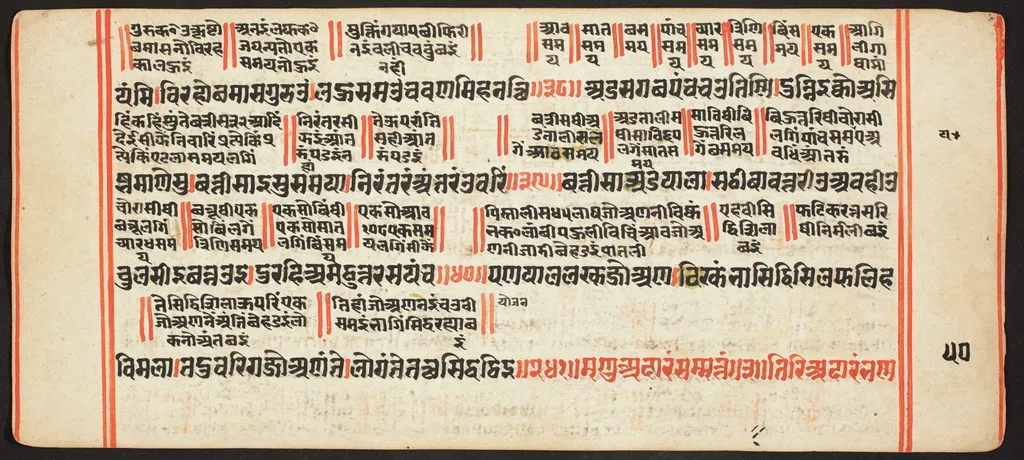
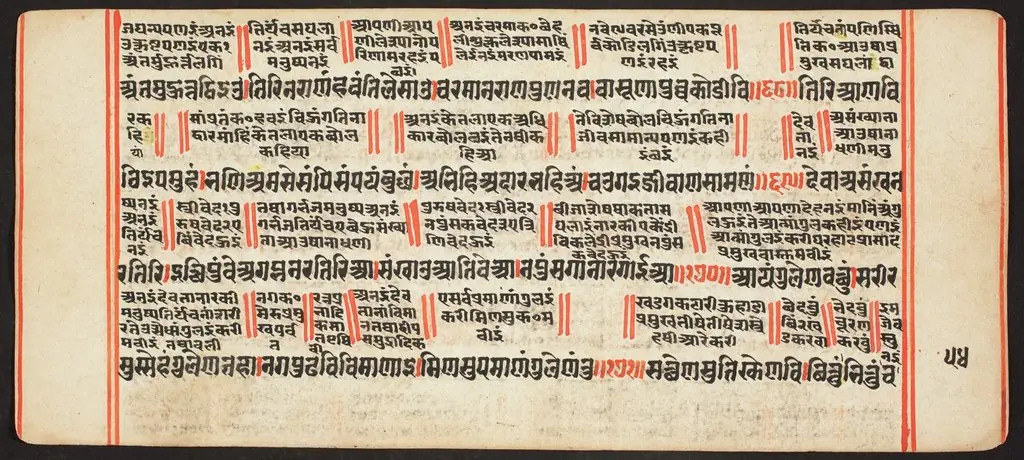
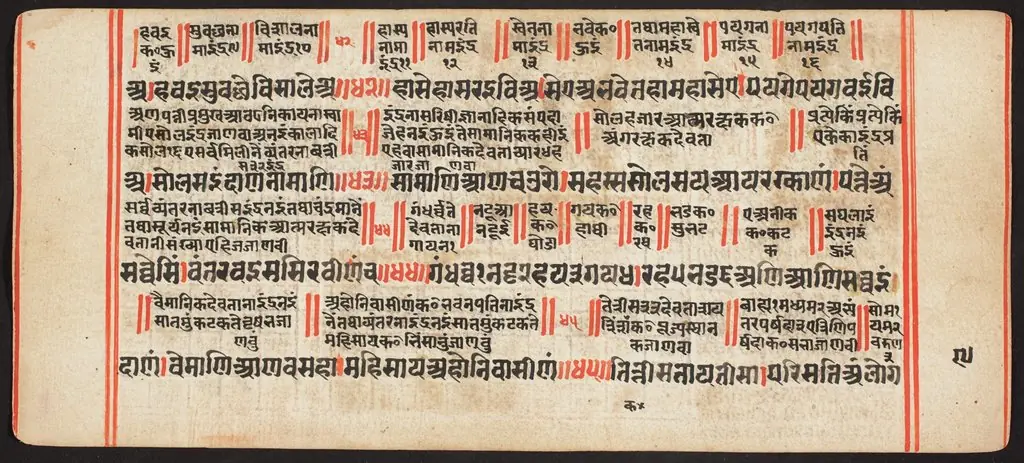
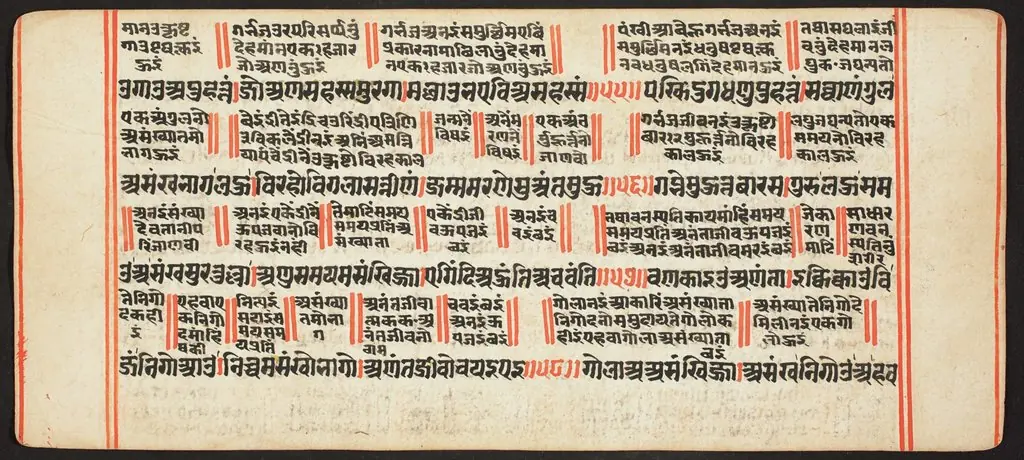
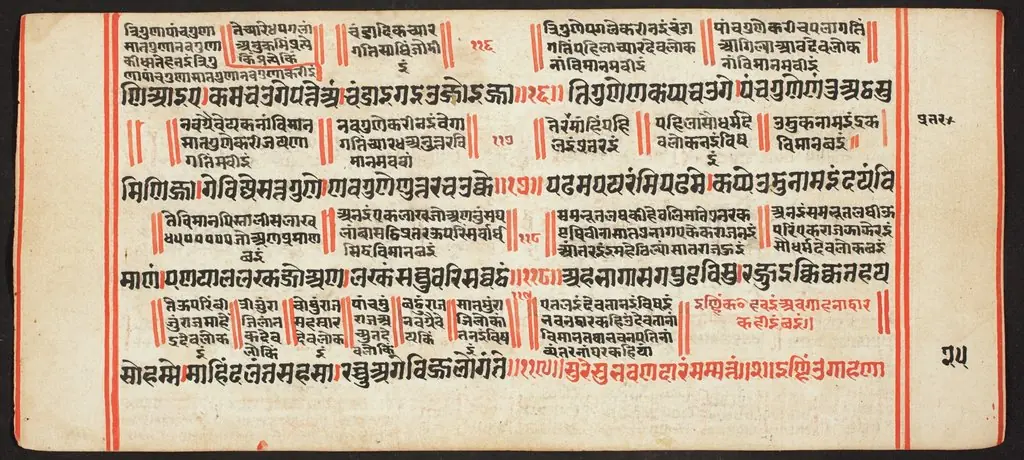
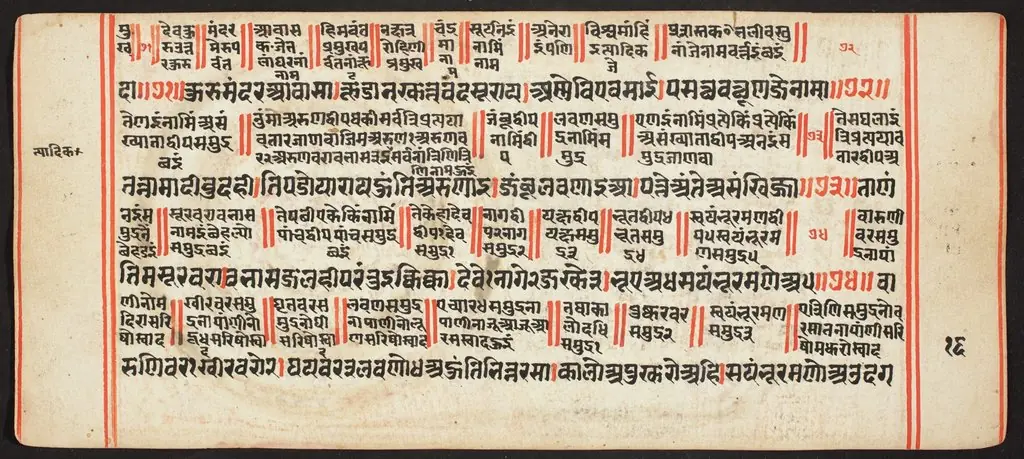
Tantric Manuscript, "Sangrahani Sutra" is an unspecified painting by Unknown. It is held in the collection of the Detroit Institute of Arts. This folio comes from a handwritten manuscript of the Sangrahani Sutra, a Buddhist text composed in Sanskrit.
About this work
Overview
Created on aged paper with a warm, yellowed tone, it features dense calligraphy rendered in black ink, accented with red markings.
This folio comes from a handwritten manuscript of the Sangrahani Sutra, a Buddhist text composed in Sanskrit. Created on aged paper with a warm, yellowed tone, it features dense calligraphy rendered in black ink, accented with red markings. The script is highly stylized, blending functional transcription with ornamental flourishes, suggesting its use in ritual or devotional contexts rather than everyday study.
Subject & Meaning
The Sangrahani Sutra outlines doctrinal summaries and ethical guidelines within early Buddhist tradition. As a liturgical text, its physical form was designed to inspire reverence. The elaborate script and red annotations—possibly indicating sacred syllables, section breaks, or ritual instructions—elevate the written word into a meditative object, where form and content serve spiritual practice.
Technique & Style
The calligraphy employs a range of brushwork, from bold, expansive characters marking key passages to fine, intricate strokes for body text. Red ink, likely derived from cinnabar or vermilion, highlights liturgical markers and decorative elements. The paper, prepared with natural sizing, holds ink without bleeding, preserving the precision of each glyph. The overall aesthetic balances legibility with symbolic ornamentation.
History & Provenance
This manuscript likely originated in medieval India or Nepal, where Buddhist scribal traditions flourished between the 8th and 12th centuries. Hand-copied by monastic scribes, such texts were preserved in temple libraries or carried by traveling monks. Its survival suggests careful handling and ritual veneration, though its specific provenance prior to modern collection remains undocumented.
Context
In pre-print Buddhist cultures, sacred texts were reproduced by hand as acts of merit. The decorative treatment of this folio reflects the belief that the physical form of scripture held spiritual power. Similar manuscripts from the same period appear across the Himalayan region, sharing stylistic traits that indicate shared scribal networks and liturgical practices among monastic communities.
Legacy
Though no longer in active liturgical use, this folio stands as a testament to the enduring value placed on handwritten scripture in Buddhist practice. It informs contemporary studies of paleography, religious material culture, and the intersection of art and devotion. Its preservation allows scholars to trace the transmission of doctrinal texts across centuries and regions.
Artist & collection

 Domestic Scene
 Giacomo and Cardinal Marco, investing Andrea, Abbot of San Zeno, with his Benefice
 The Nymph of Fontainebleau
 Portrait of a Woman
 Madonna and Child with Saints in the Enclosed Garden
 Venus and Minerva
 Family Group of Four on Sofa
 Wall painting from Room H of the Villa of P. Fannius Synistor at Boscoreale
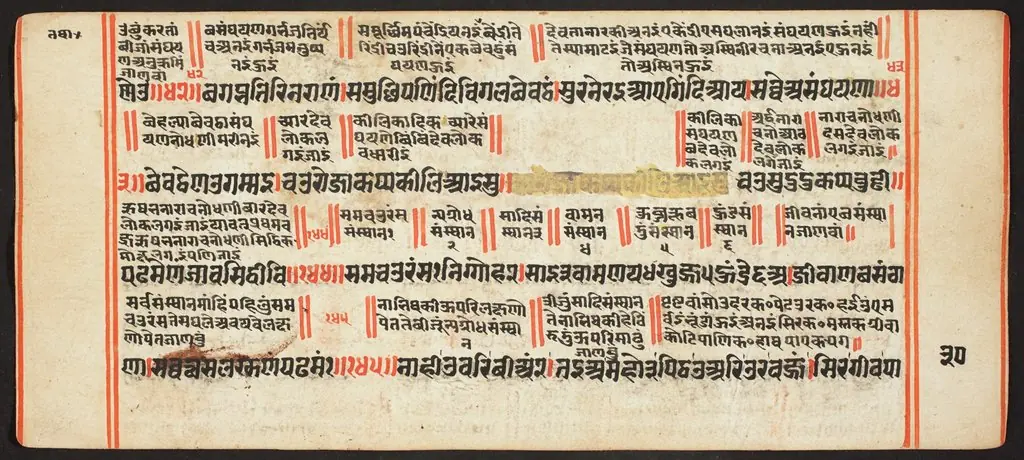 Tantric Manuscript, "Sangrahani Sutra"
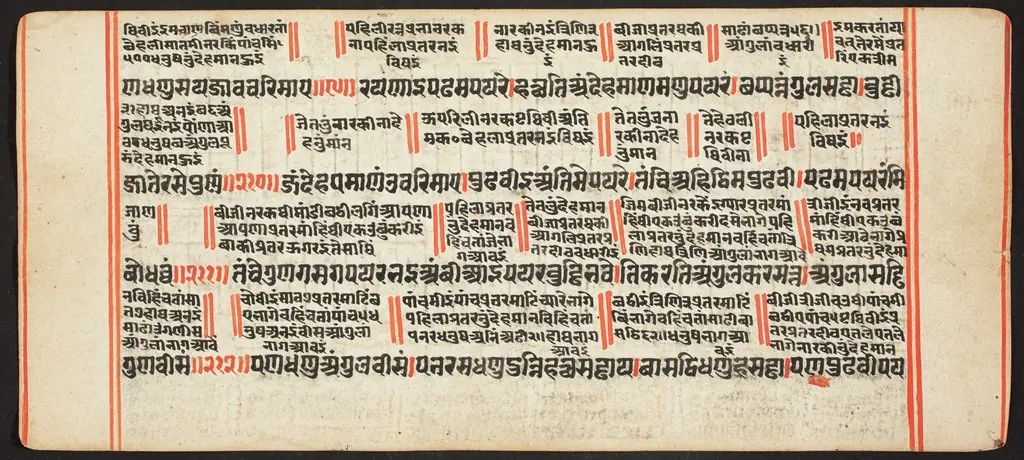 Tantric Manuscript, "Sangrahani Sutra"
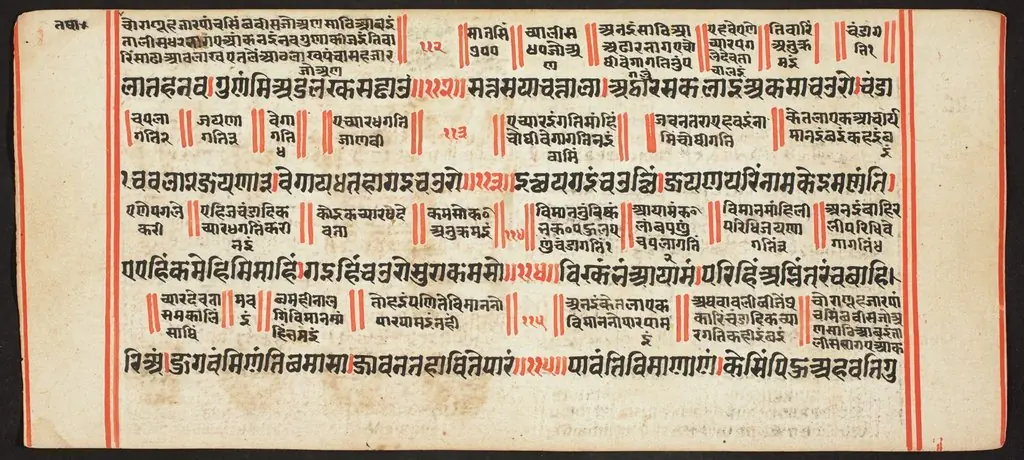 Tantric Manuscript, "Sangrahani Sutra"
 Tantric Manuscript, "Sangrahani Sutra"
 Tantric Manuscript, "Sangrahani Sutra"
 Tantric Manuscript, "Sangrahani Sutra"
 Tantric Manuscript, "Sangrahani Sutra"
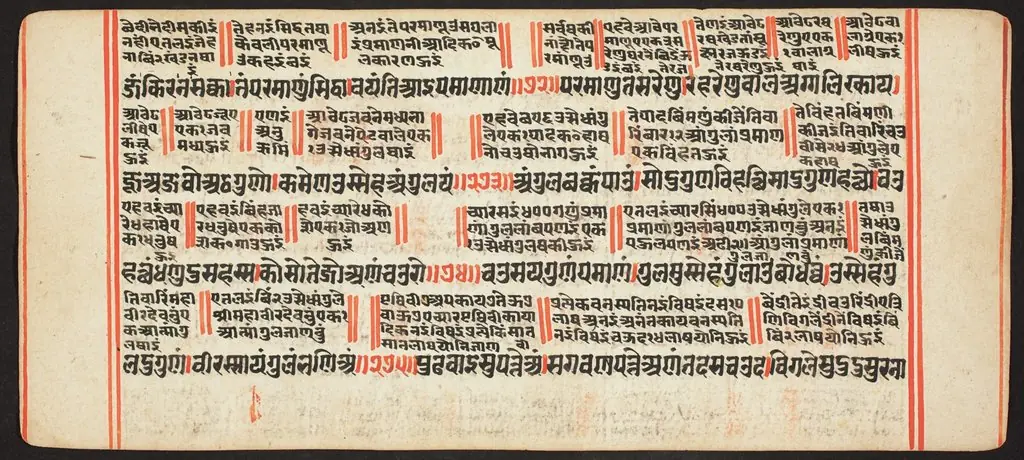 Tantric Manuscript, "Sangrahani Sutra"
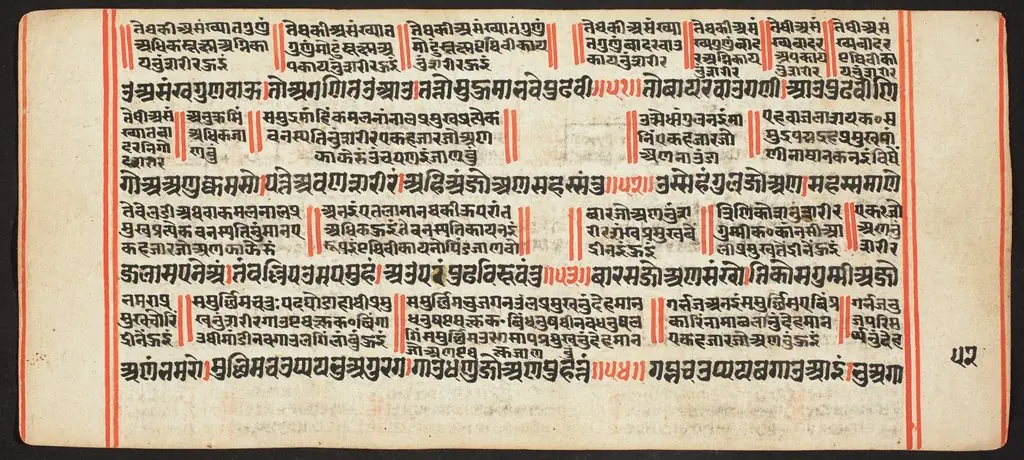 Tantric Manuscript, "Sangrahani Sutra"
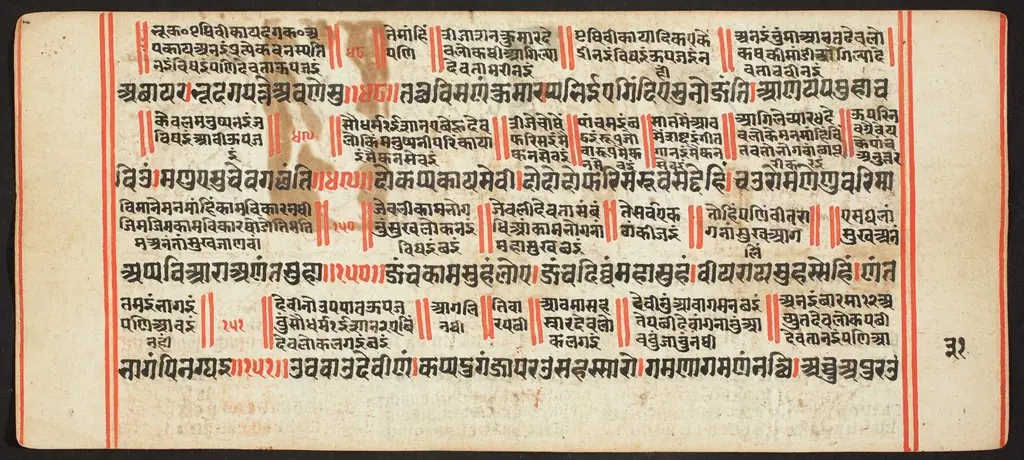 Tantric Manuscript, "Sangrahani Sutra"
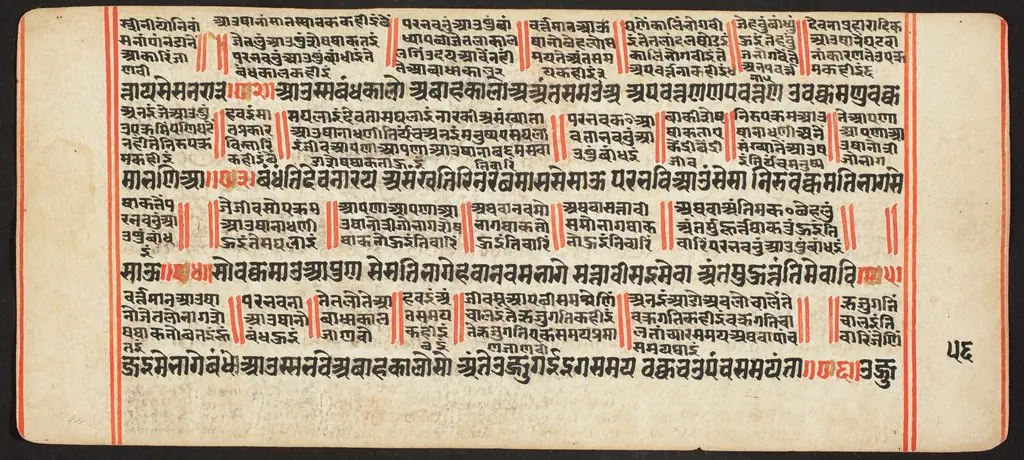 Tantric Manuscript, "Sangrahani Sutra"
 Tantric Manuscript, "Sangrahani Sutra"