Artwork
Coffin portrait of Krzysztof Unrug (1633–1689), starosta of Gniezno
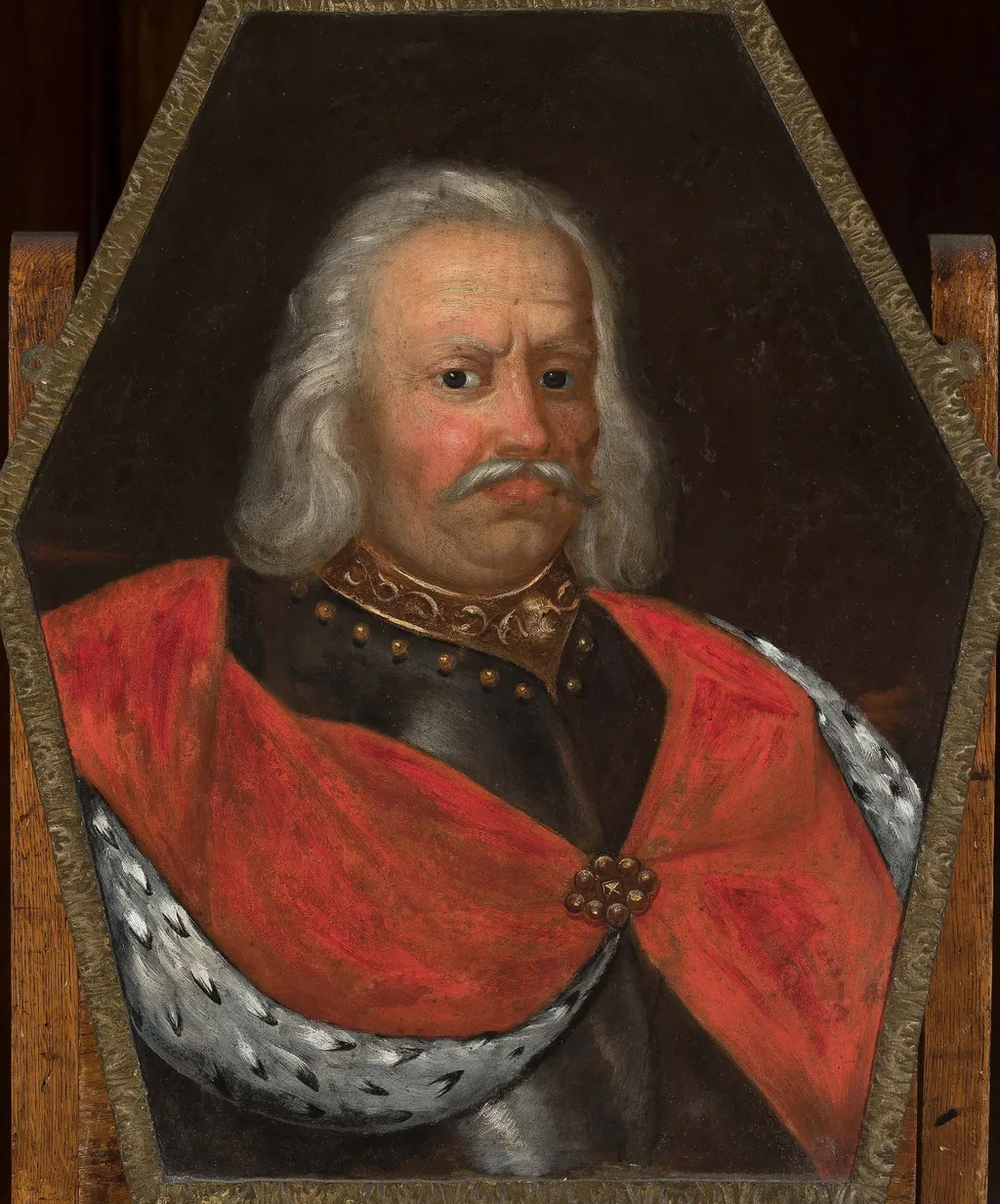
Coffin portrait of Krzysztof Unrug (1633–1689), starosta of Gniezno is an unspecified painting by Unknown. It dates from 1695 and is held in the collection of the National Museum in Warsaw. This 17th-century coffin portrait depicts Krzysztof Unrug, a starosta (royal administrator) of Gniezno, in a characteristic Baroque style.
About this work
This painting shows a man with long white hair and a mustache, wearing a red and black robe with a white fur trim. He has a gold necklace around his neck. The background is dark. The man's face is serious, and he looks straight ahead. The painting is framed in a coffin shape, which was a common style for portraits in the 17th century.
Overview
This 17th-century coffin portrait depicts Krzysztof Unrug, a starosta (royal administrator) of Gniezno, in a characteristic Baroque style. The subject is framed in a coffin-shaped border, a common practice for portraits of the deceased during this period.
Subject & Meaning
Krzysztof Unrug (1633–1689) is portrayed in attire reflecting his status: a red and black robe with white fur trim, and a gold necklace. His serious expression and direct gaze convey dignity and authority, typical of noble representations.
Technique & Style
The painting features a dark background, which contrasts with the vibrant colors of Unrug's robe, drawing focus to the subject. The use of bold colors and the coffin-shaped frame are hallmarks of 17th-century Baroque portraiture in Europe.
History & Provenance
While the artist remains unspecified, the portrait's style suggests it was painted posthumously or near the end of Unrug's life, given the tradition of coffin portraits being created for funerary purposes. Exact provenance details are not provided.
Context
Created within the broader European Baroque tradition, this portrait also reflects local Polish noble customs of the time, where such artworks served both as memorials and symbols of familial lineage and status.
Artist & collection

 Domestic Scene
 Giacomo and Cardinal Marco, investing Andrea, Abbot of San Zeno, with his Benefice
 The Nymph of Fontainebleau
 Portrait of a Woman
 Madonna and Child with Saints in the Enclosed Garden
 Venus and Minerva
 Family Group of Four on Sofa
 Wall painting from Room H of the Villa of P. Fannius Synistor at Boscoreale
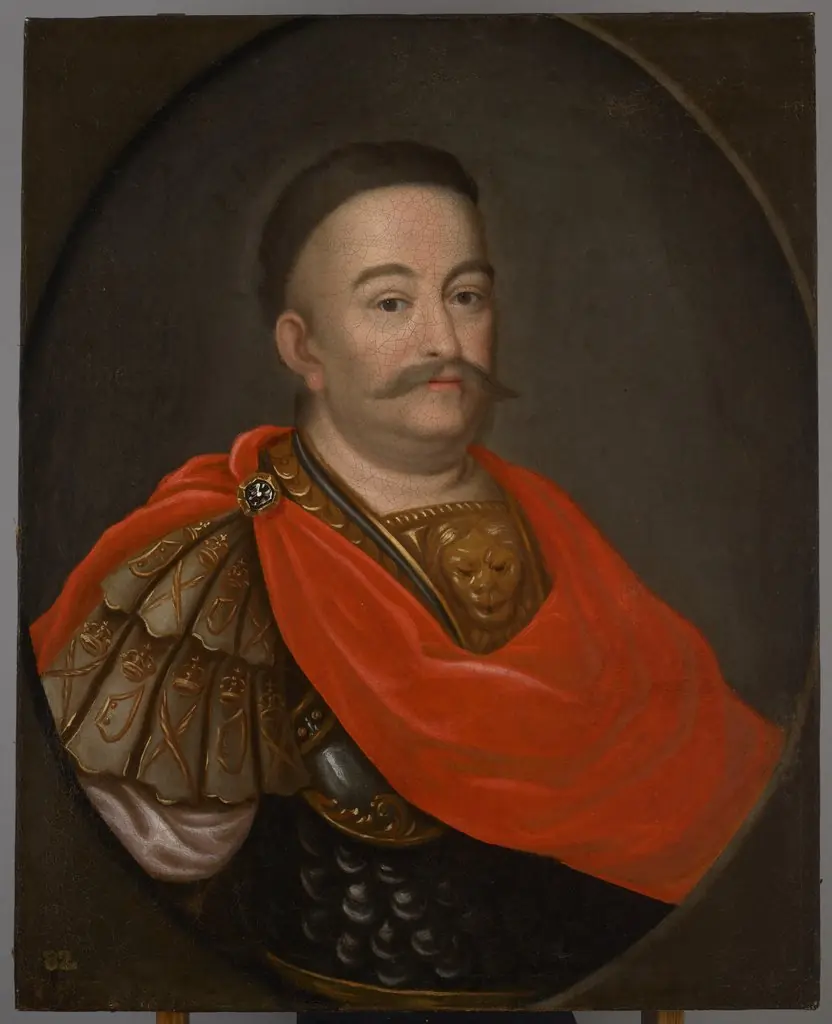 Portrait of John III Sobieski (1624–1696) in Karacena Scale Armour
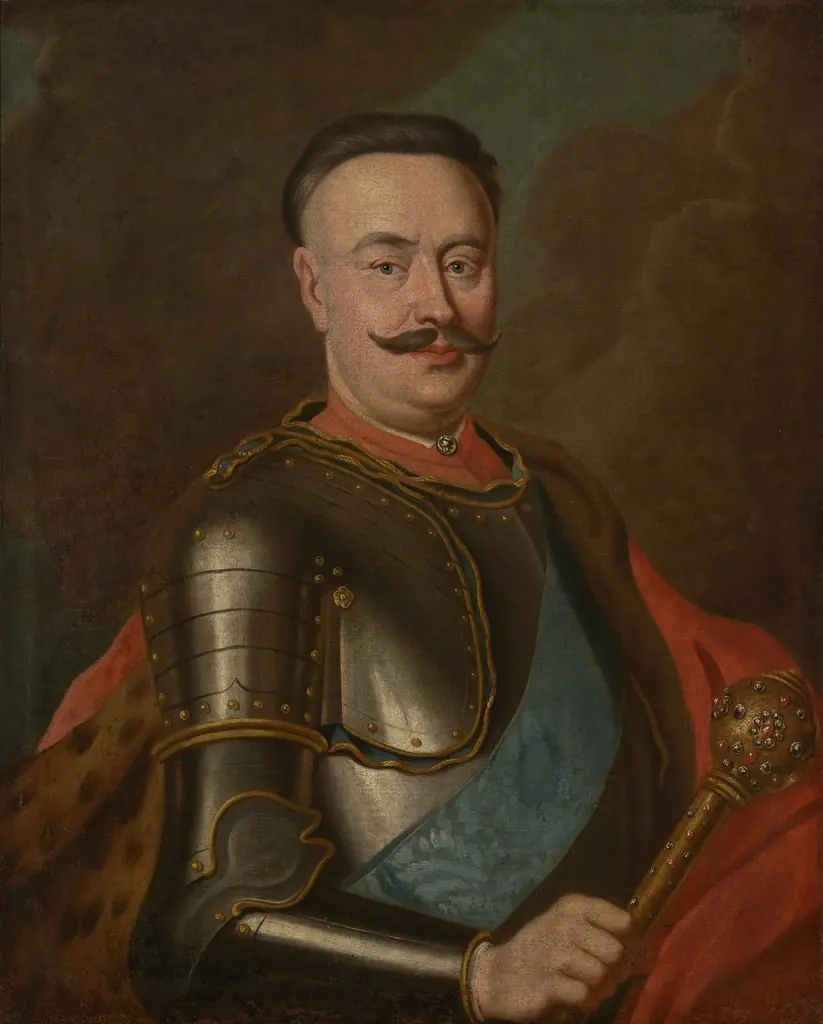 Portrait of Jan Klemens Branicki (1689–1771)
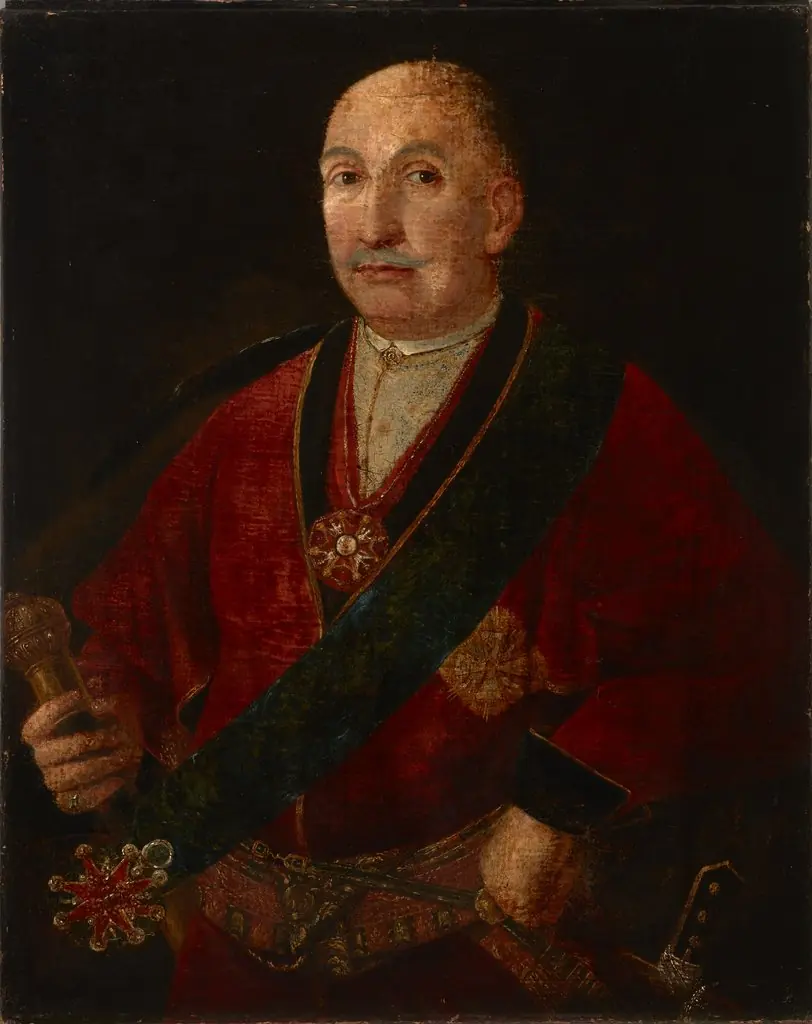 Portrait of Stanislaw Kostka Dembinski, Castellan of Wojnice (1708-1781)
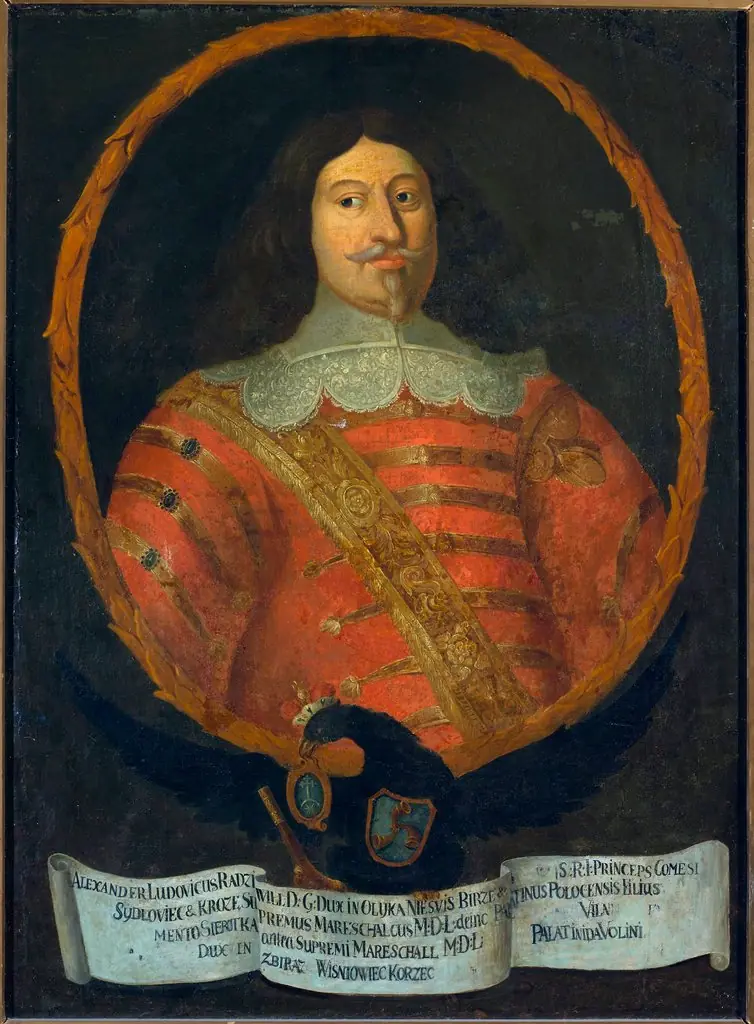 Portrait of Aleksander Ludwik Radziwiłł (1594–1654)
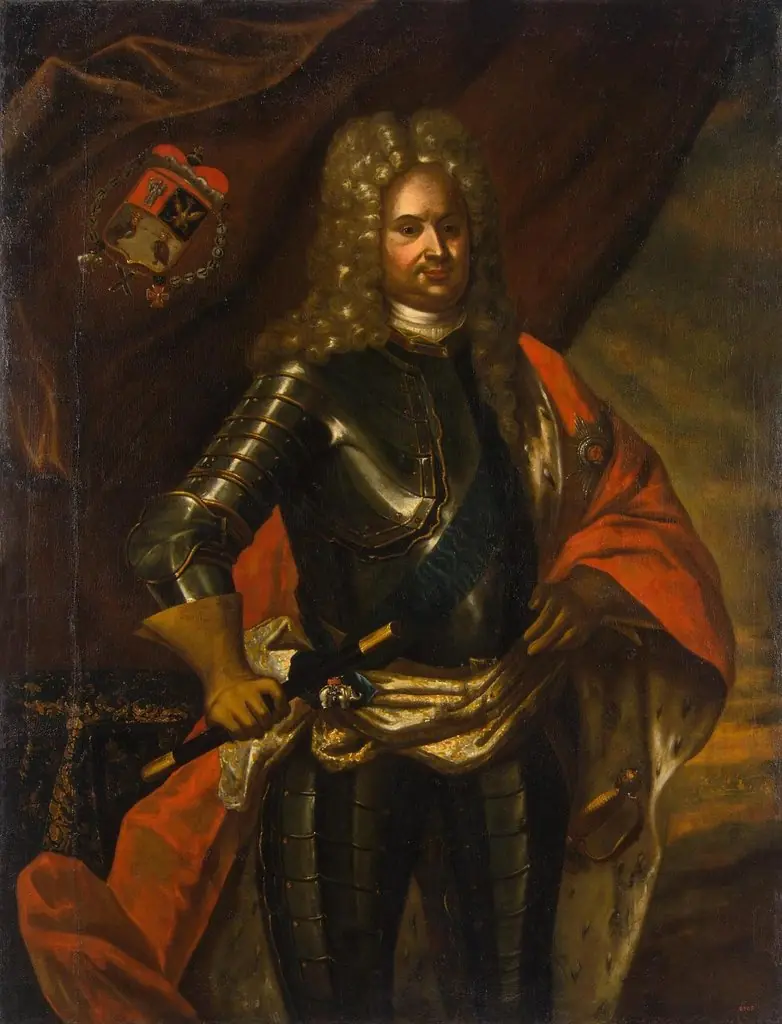 Portrait of General Prince Nikita Repnin
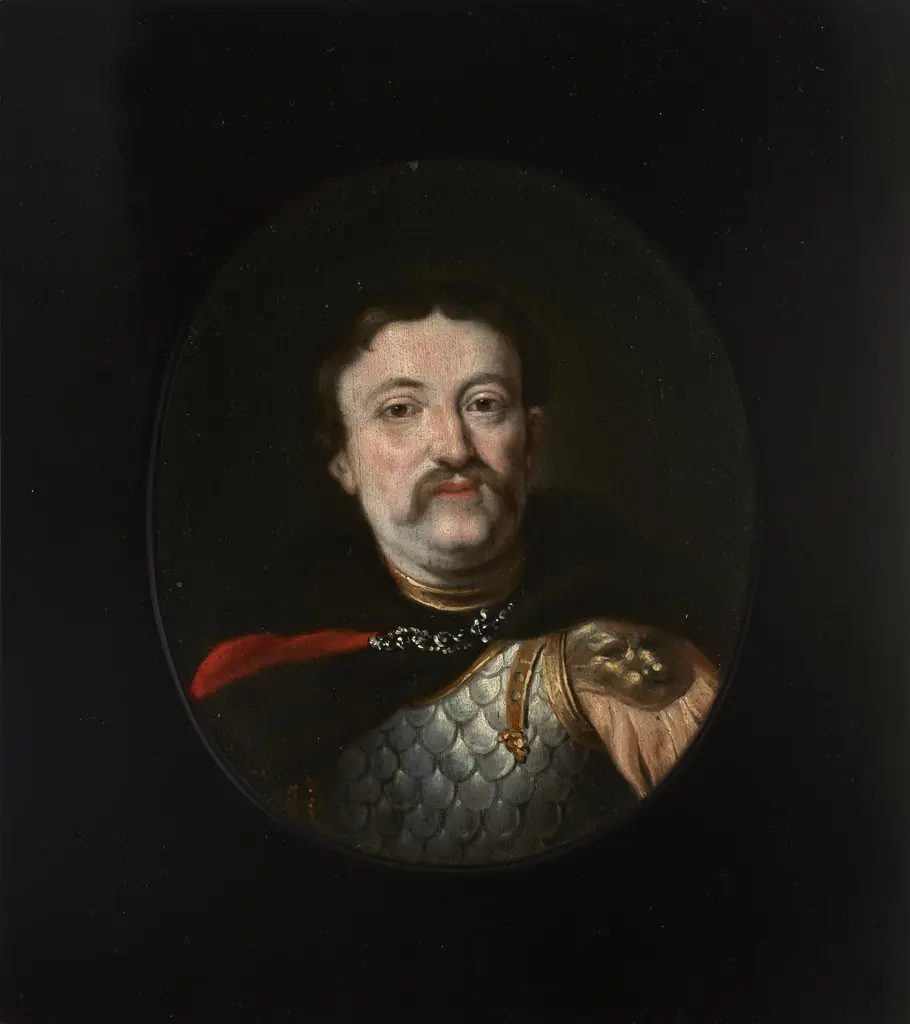 Portret Jana III Sobieskiego (1629-1696), króla Polski
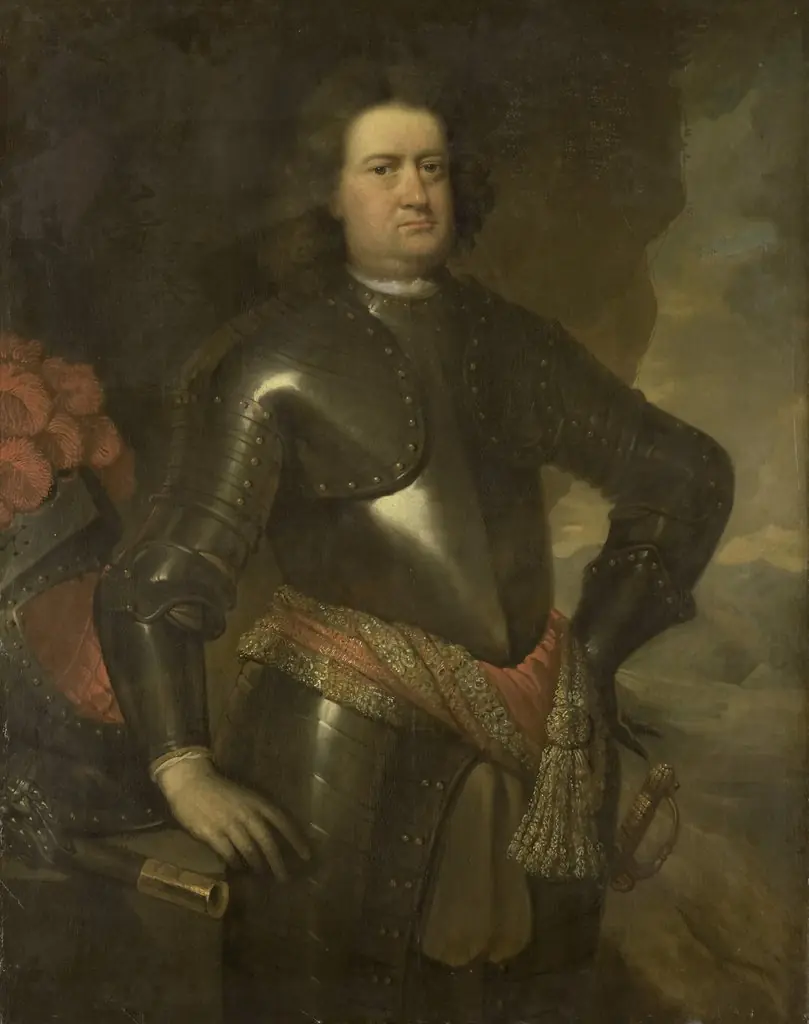 Portrait of an army officer
 Portrait of Dominik I Mikołaj Radziwiłł (1643–1697)
 Portrait of Mikołaj Wybranowski