Artwork
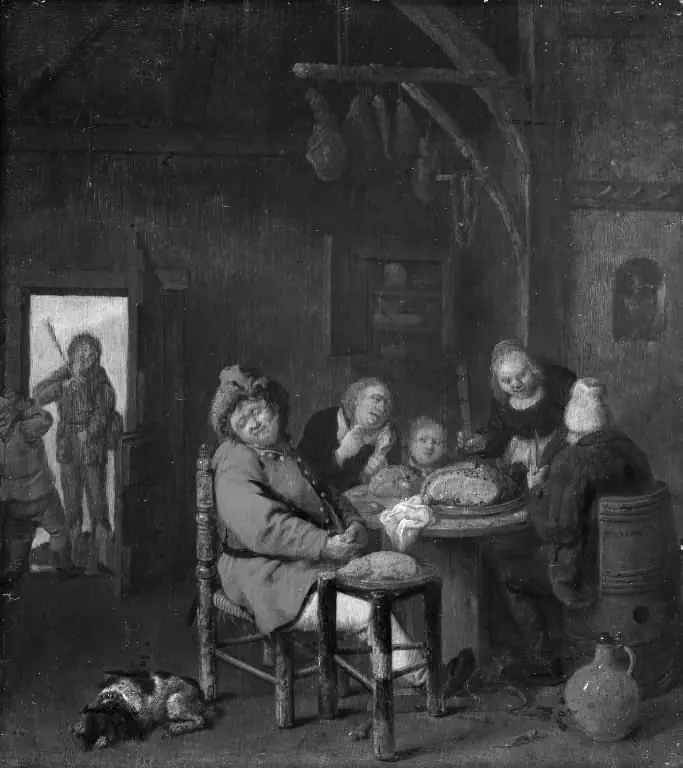
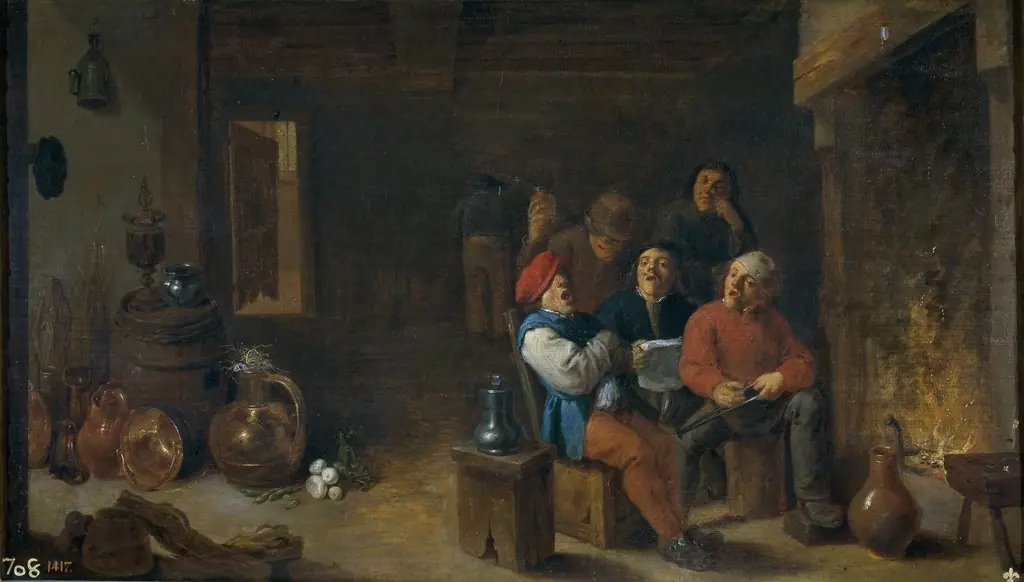
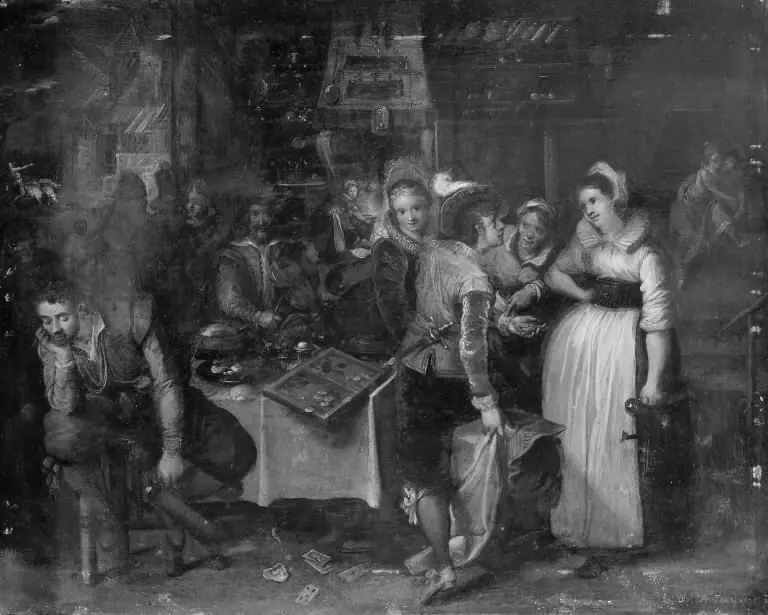
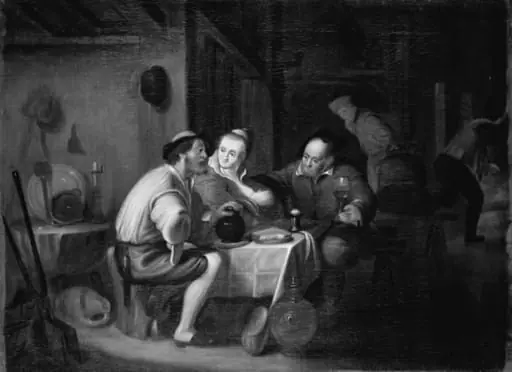
Tre personer ved et bord
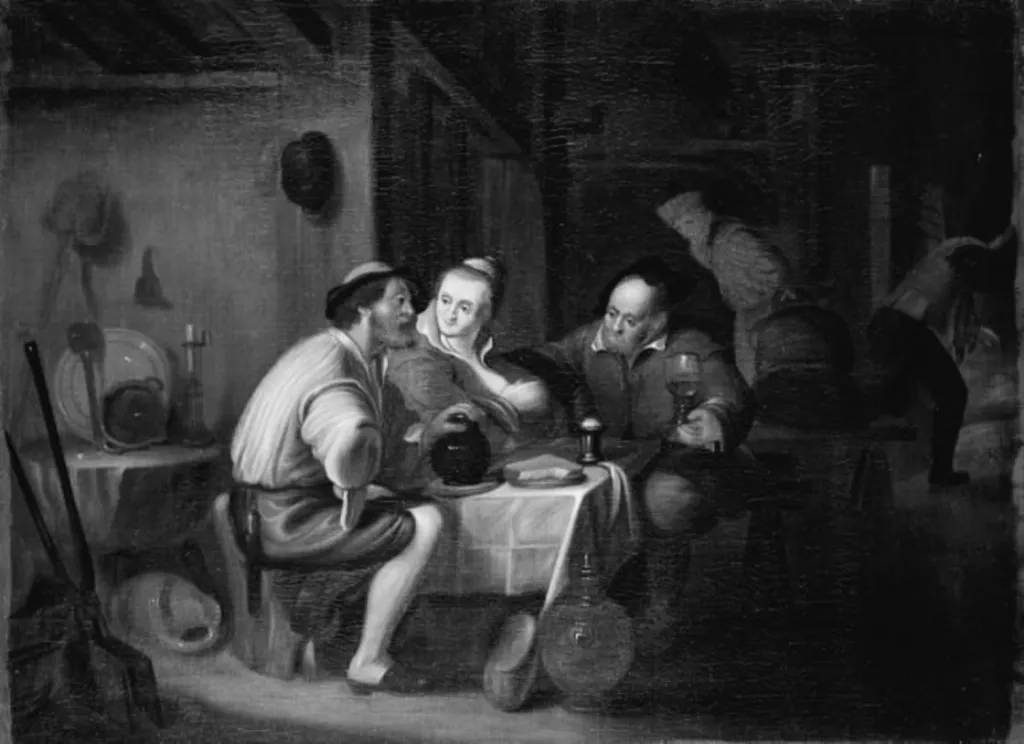
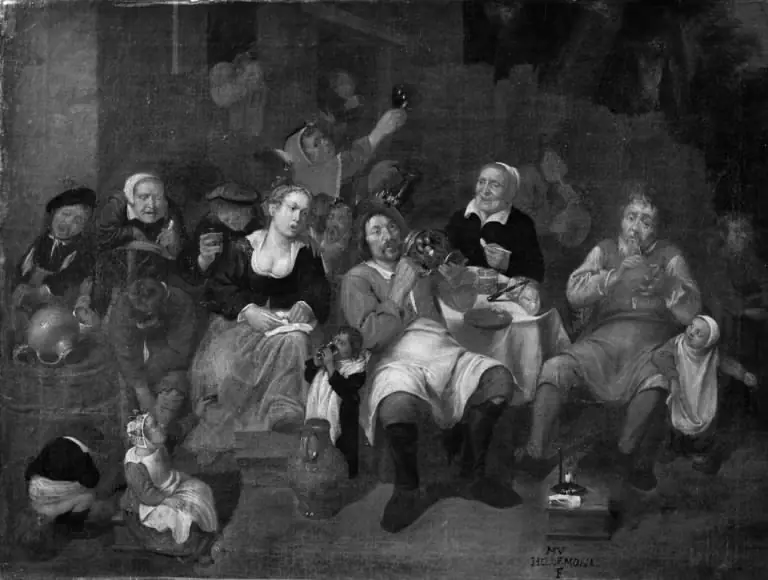
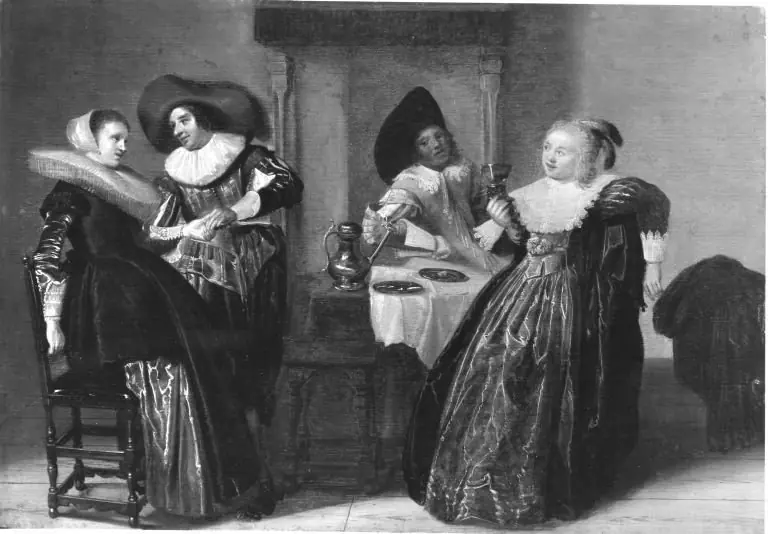
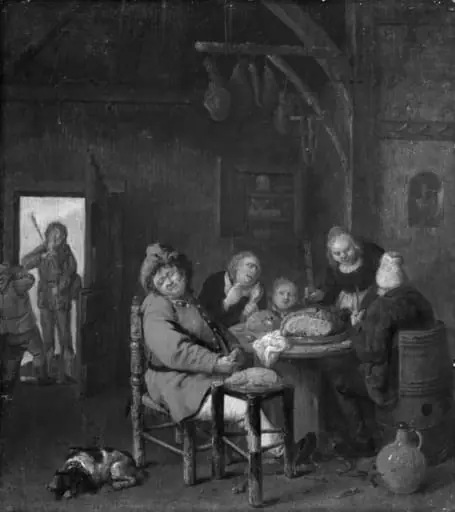
Tre personer ved et bord is an oil painting by the Rococo painting artist Unknown. It dates from 1769 and is held in the collection of the Statens Museum for Kunst.
About this work
The painting is titled Tre personer ved et bord and was made in 1769.
It's an oil paint work, which was a common medium back then. The fact that it's from the 18th century makes it interesting, as it can provide insight into the art and culture of that time.
To learn more about similar art, you can look into the technique of chiaroscuro.
Overview
Painted in 1769, Tre personer ved et bord is an oil-on-canvas work from the 18th century, reflecting the period’s domestic scene conventions.
Painted in 1769, Tre personer ved et bord is an oil-on-canvas work from the 18th century, reflecting the period’s domestic scene conventions. The use of oil paint, standard for the era, allowed for nuanced tonal transitions and surface detail. Its modest scale and intimate subject align with emerging trends in Northern European painting that favored quiet, everyday moments over grand historical narratives.
Subject & Meaning
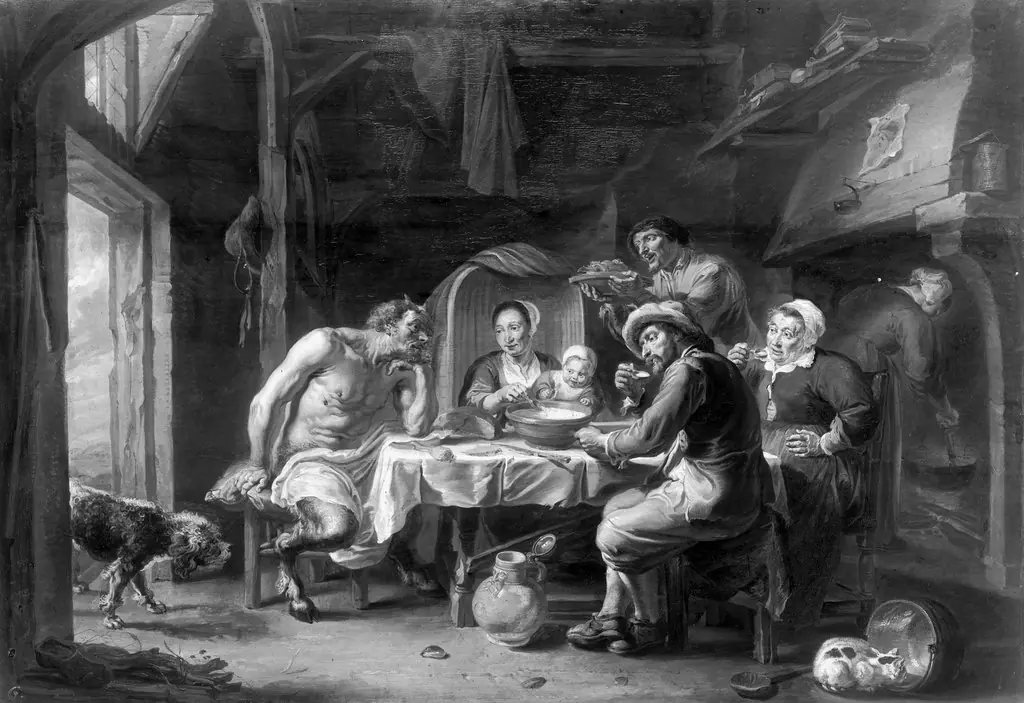
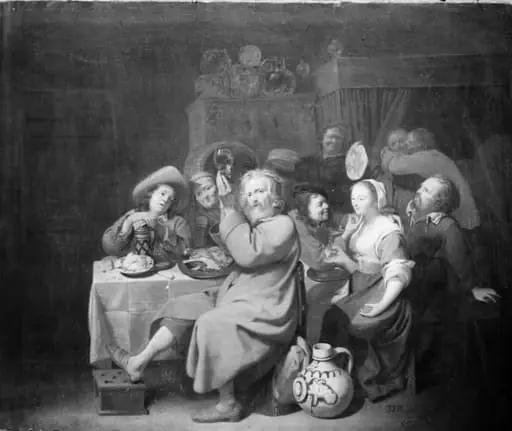
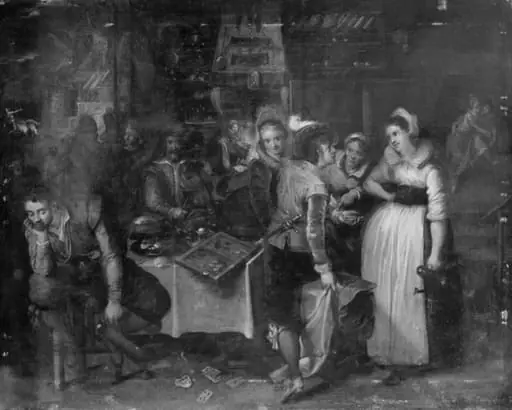
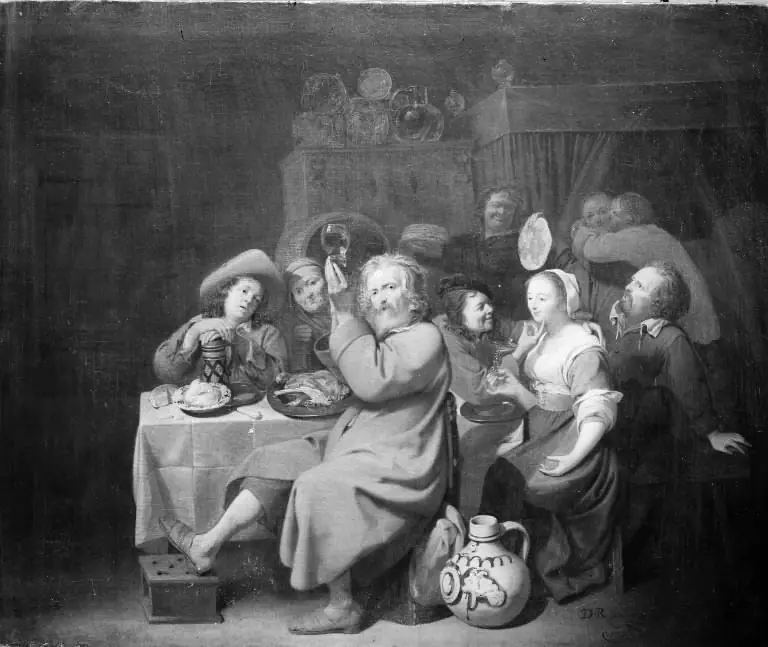
The painting depicts three individuals seated at a table, their interaction subtly implied rather than dramatized. No clear narrative or symbolic elements are evident, suggesting a focus on presence and routine rather than storytelling. The composition invites contemplation of social dynamics in private life, characteristic of 18th-century genre painting that valued observation over allegory.
Technique & Style
The work employs oil paint with restrained brushwork, emphasizing naturalistic lighting and muted color harmonies. While not overtly dramatic, the handling of light suggests an awareness of chiaroscuro principles, subtly modeling forms to create depth. The figures are rendered with quiet realism, avoiding theatricality in favor of understated presence and spatial coherence.
History & Provenance
The painting’s early history is undocumented in public records, and its ownership prior to modern institutional custody remains unclear. It has not been widely exhibited or published, indicating it was likely a private commission or lesser-known work within its time. Its survival into the present reflects its endurance as a quiet artifact of domestic life in 18th-century Europe.
Context
Created during a period when genre painting gained traction across Scandinavia and the Low Countries, the work aligns with a broader shift toward depicting ordinary life. Artists increasingly turned away from religious or aristocratic themes to capture the rhythms of middle-class existence. This painting fits within that trend, offering a glimpse into the unadorned routines of its time.
Legacy
Though not influential in the broader art historical canon, Tre personer ved et bord contributes to the understanding of regional painting practices in 18th-century Northern Europe. Its preservation allows scholars to study how everyday scenes were rendered without idealization, offering a counterpoint to more celebrated works of the period that emphasized grandeur or moral instruction.
Artist & collection

 Domestic Scene
 Giacomo and Cardinal Marco, investing Andrea, Abbot of San Zeno, with his Benefice
 The Nymph of Fontainebleau
 Portrait of a Woman
 Madonna and Child with Saints in the Enclosed Garden
 Venus and Minerva
 Family Group of Four on Sofa
 Wall painting from Room H of the Villa of P. Fannius Synistor at Boscoreale