Artwork
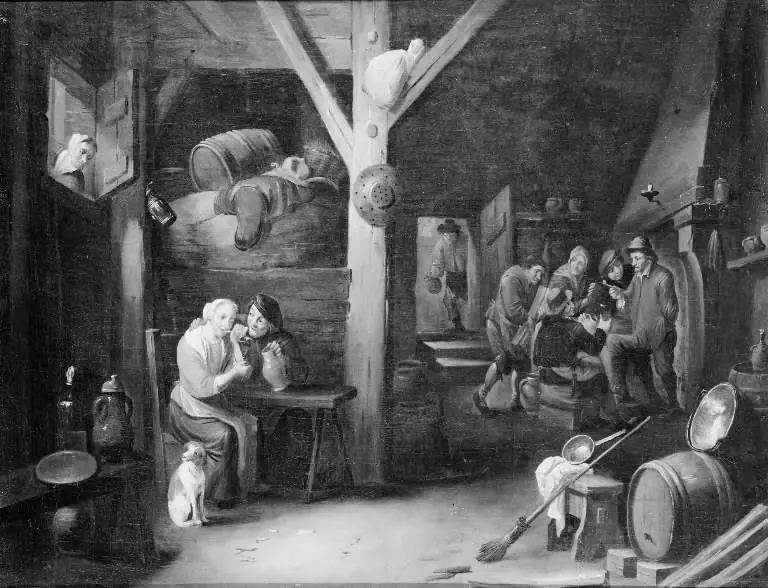
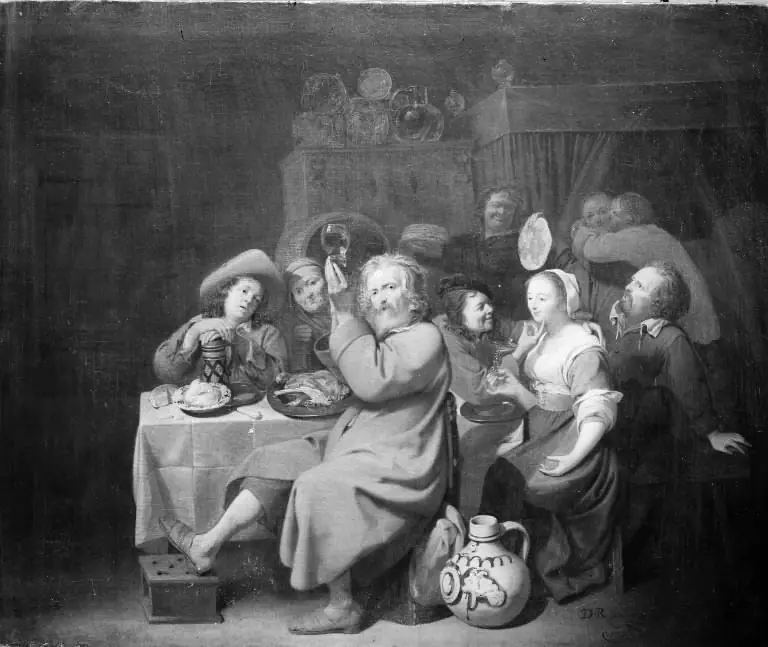
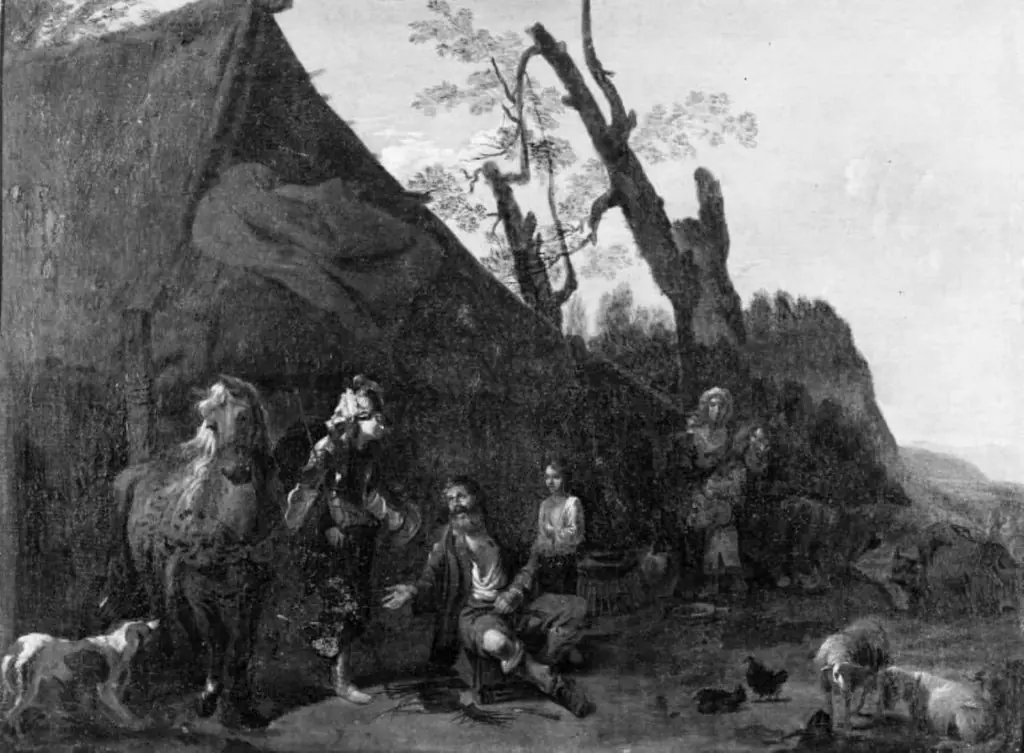
The satyr with the peasant family
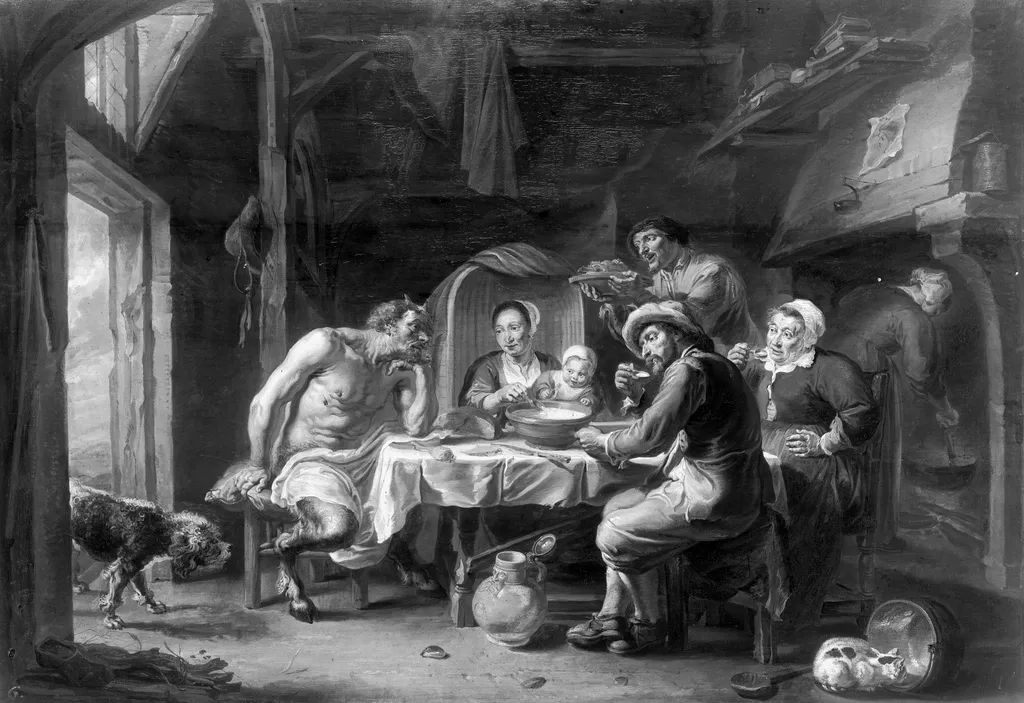
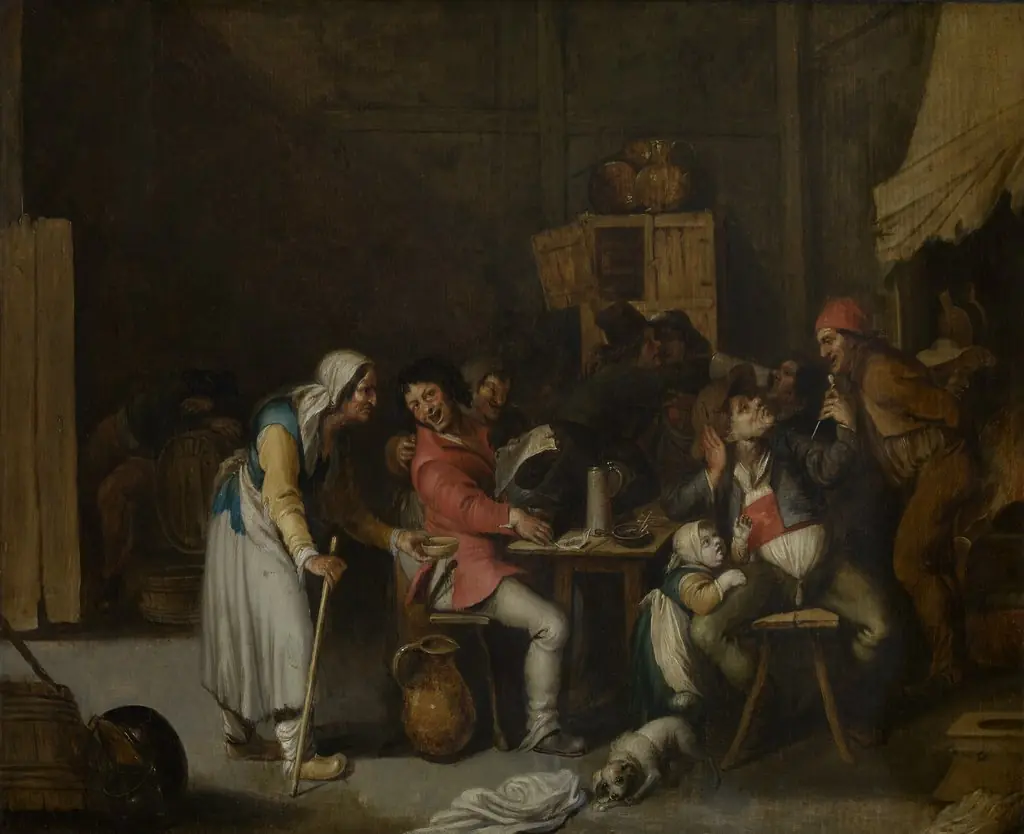
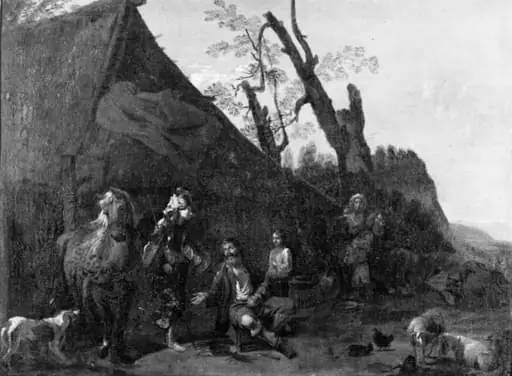
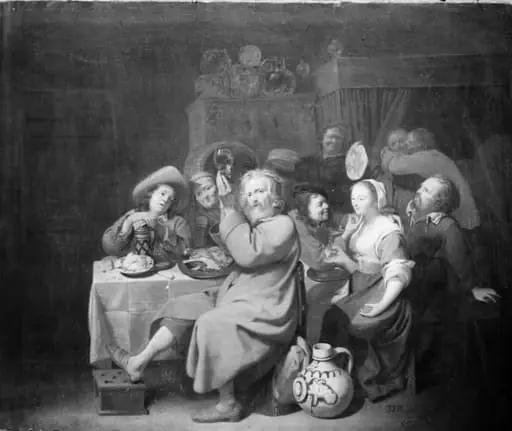
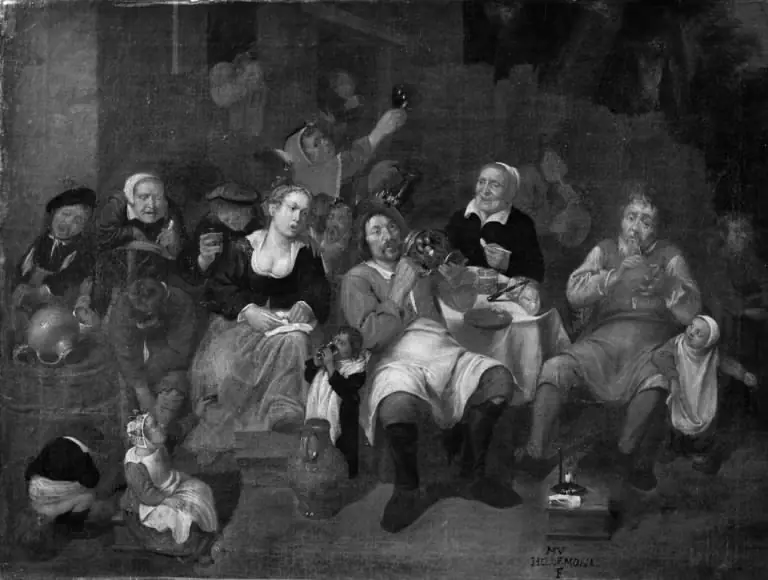
The satyr with the peasant family is a paint painting by the Flemish Baroque painting artist Willem van Herp. It is held in the collection of the Gemäldegalerie Berlin.
About this work
Overview
Painted around 1700 by Willem van Herp, a Flemish artist based in Antwerp, this small-scale work merges mythological imagery with domestic realism.
Painted around 1700 by Willem van Herp, a Flemish artist based in Antwerp, this small-scale work merges mythological imagery with domestic realism. Van Herp, known for religious subjects and intimate genre scenes, produced numerous works through a busy workshop that helped disseminate Flemish Baroque aesthetics. The painting’s unusual subject—a satyr among peasants—reflects a broader trend of blending classical mythology with rural life in early 18th-century Northern Europe.
Subject & Meaning
A satyr, identified by horns, beard, and a draped loincloth, shares a meal with a peasant family in a modest interior. The figure, traditionally associated with wildness and the untamed, is depicted not as a threat but as a calm, accepted presence. The family’s relaxed posture and shared food suggest harmony between the mythical and the mundane, possibly symbolizing the coexistence of nature and civilization, or the universality of human connection beyond mythological boundaries.
Technique & Style
Van Herp employs a muted palette and soft, diffused lighting to create a sense of quiet intimacy. The dim room is gently illuminated by a window on the left, casting subtle highlights on faces and tableware. Brushwork is precise yet unobtrusive, emphasizing texture in fabrics, pottery, and fur without overt drama. The composition centers on the child at the table, drawing attention to the family’s domestic rhythm while the satyr observes from the periphery, anchoring the scene in quiet narrative tension.
History & Provenance
The painting has been part of the Gemäldegalerie Berlin’s collection since at least the 19th century, though its earlier ownership remains undocumented. It likely entered the museum through acquisitions of Flemish works during the period when German institutions actively expanded their holdings of Northern Baroque art. Its survival in good condition suggests consistent care, though no records detail its commission or initial display context.
Context
In early 1700s Flanders, mythological figures were frequently inserted into peasant interiors as a form of allegorical or humorous contrast. Van Herp’s work aligns with a tradition seen in artists like Adriaen Brouwer and David Teniers the Younger, who used rustic settings to explore human behavior. The satyr’s inclusion may have appealed to collectors’ fascination with classical antiquity while offering a relatable, earthy narrative grounded in daily life.
Legacy
Though not widely exhibited today, the painting exemplifies the Flemish Baroque’s capacity to fuse the fantastical with the ordinary. Van Herp’s workshop model helped standardize such hybrid scenes across Northern Europe. This work remains a quiet testament to how myth could be domesticated—not as spectacle, but as a subtle, almost unremarkable presence within the rhythms of ordinary existence.
Own this work as a print
Artist & collection
Artist
Willem van Herp (I) or Willem van Herp the Elder (variations on first name: 'Guilliam', 'Gilliam' and 'Guillaume') (c.