Artwork
Mary Duchess of Burgundy
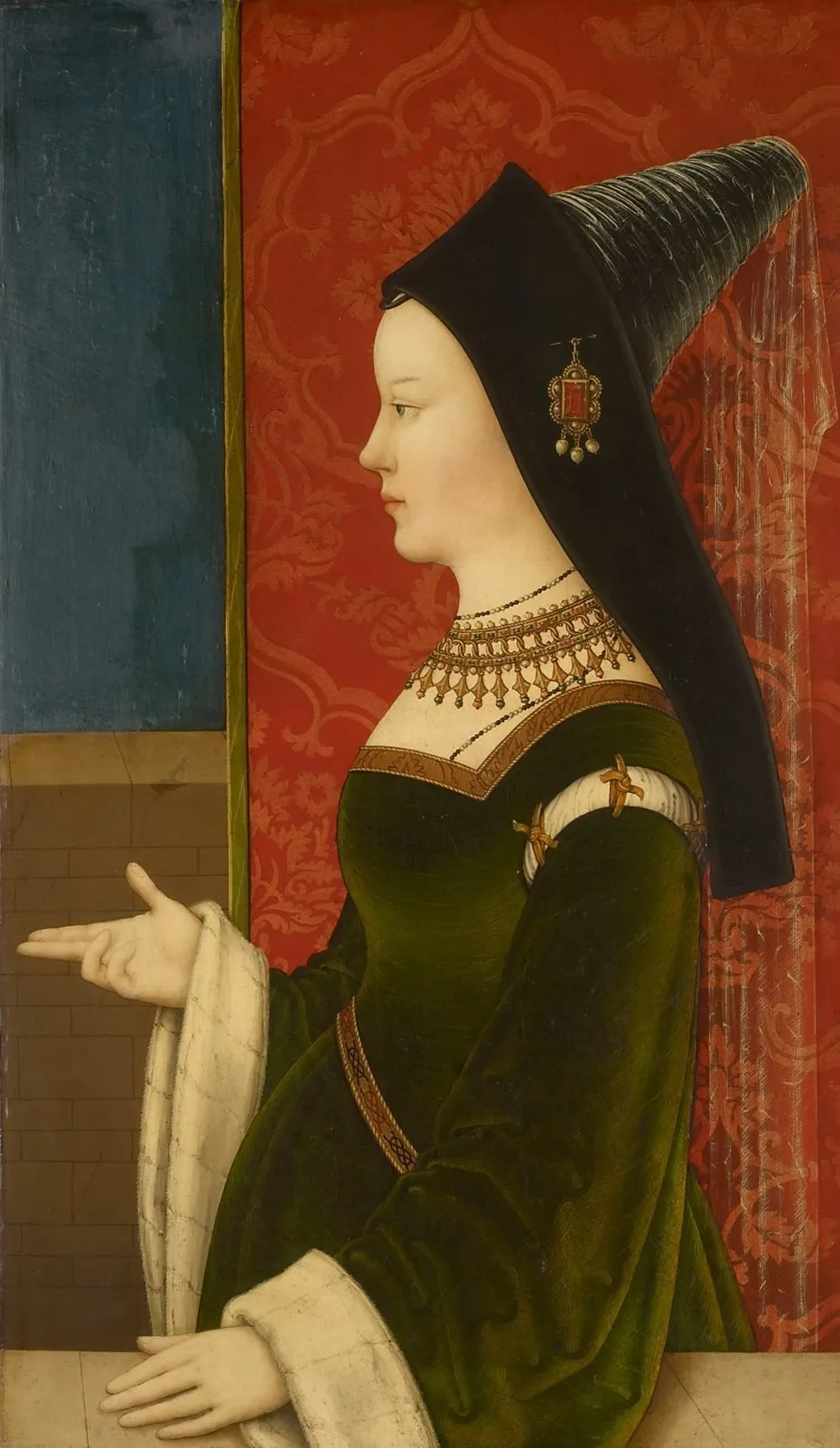
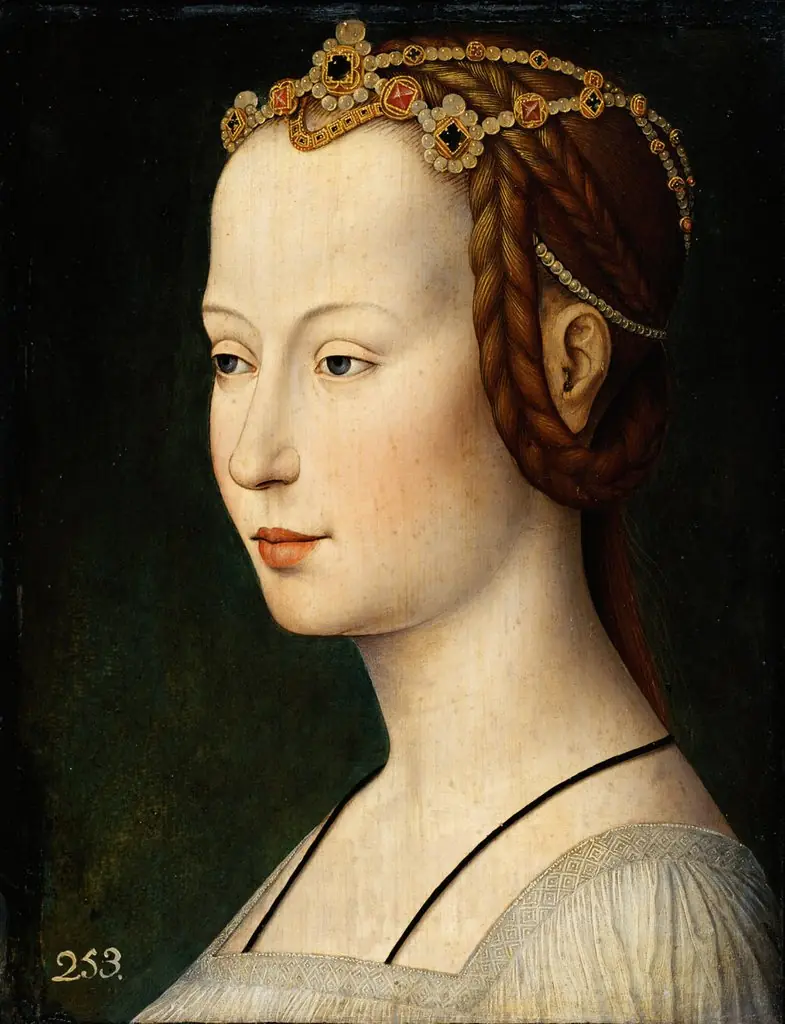
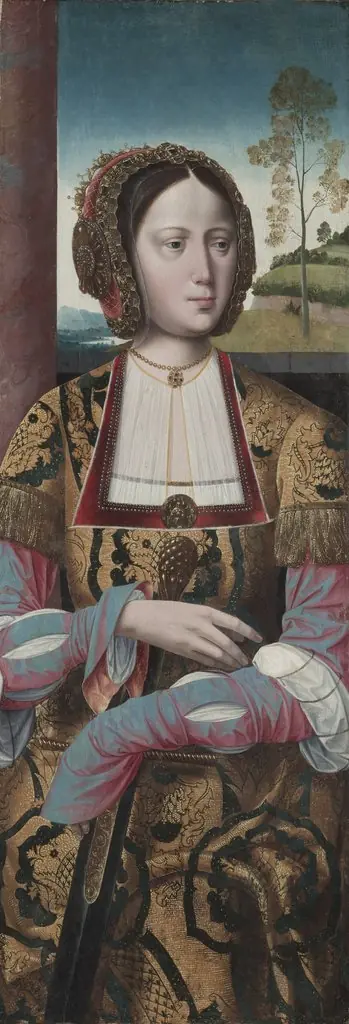
Mary Duchess of Burgundy is an oil painting by the Northern Renaissance artist Unknown. It dates from 1500 and is held in the collection of the Kunsthistorisches Museum. This panel depicts Mary of Burgundy, heiress to the Valois-Burgundian territories, rendered in oil on wood.
About this work
Overview
This panel depicts Mary of Burgundy, heiress to the Valois-Burgundian territories, rendered in oil on wood. The painting dates to the late fifteenth century, a period marked by the refinement of Northern European portraiture. The sitter’s attire and surroundings reflect the opulence of her court, while her composed gesture suggests a formal commission intended for private or dynastic display.
Subject & Meaning
The portrait captures Mary as Duchess of Burgundy, likely commemorating her status following her marriage or accession. Her pointed finger may direct attention to a personal emblem or devotional object, reinforcing piety alongside aristocratic identity. The white cloth and jewelry signify both purity and wealth, aligning with contemporary ideals of noble femininity and political legitimacy.
Technique & Style
Executed in layered oil glazes, the painting achieves luminous depth, particularly in the velvet’s folds and the gold embroidery’s sheen.
Executed in layered oil glazes, the painting achieves luminous depth, particularly in the velvet’s folds and the gold embroidery’s sheen. Linear precision defines the textiles and jewelry, while subtle chiaroscuro models the face. The patterned background and spatial recession demonstrate the influence of early Netherlandish masters, emphasizing meticulous detail and symbolic richness over idealized form.
History & Provenance
The work’s early history remains unconfirmed, though stylistic evidence links it to the circle of artists active in the Burgundian Netherlands. It entered public collections in the nineteenth century, following dispersal from aristocratic holdings. Conservation records indicate minor restorations to the background, though the figure’s face and garments retain their original glazing.
Context
Portraits of Mary of Burgundy emerged amid political instability following her father’s death in 1477. As a contested heiress, her image served propaganda purposes, asserting her authority to both Burgundian elites and rival European courts. The painting’s intimate scale suggests it was meant for close viewing, possibly within a domestic or diplomatic setting.
Legacy
The portrait exemplifies the transition from medieval iconography to Renaissance individualism in Northern European art. Its technical mastery influenced later generations of portraitists, while its dynastic focus prefigures the rise of state portraiture. Today, it offers insight into the visual culture of Burgundy’s court and the role of women in late medieval power structures.
Artist & collection

 Domestic Scene
 Giacomo and Cardinal Marco, investing Andrea, Abbot of San Zeno, with his Benefice
 The Nymph of Fontainebleau
 Portrait of a Woman
 Madonna and Child with Saints in the Enclosed Garden
 Venus and Minerva
 Family Group of Four on Sofa
 Wall painting from Room H of the Villa of P. Fannius Synistor at Boscoreale
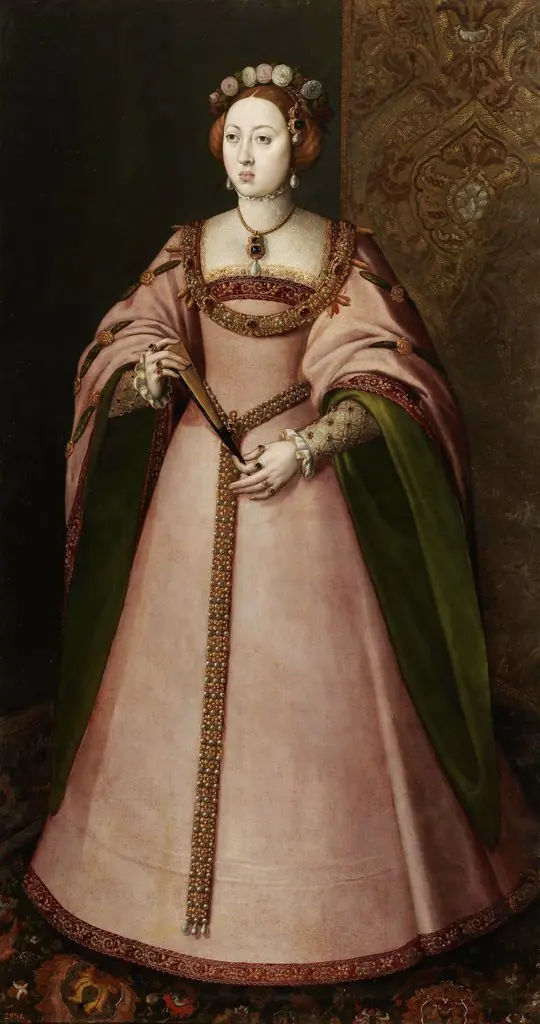 Mary of Portugal (1527–1545)
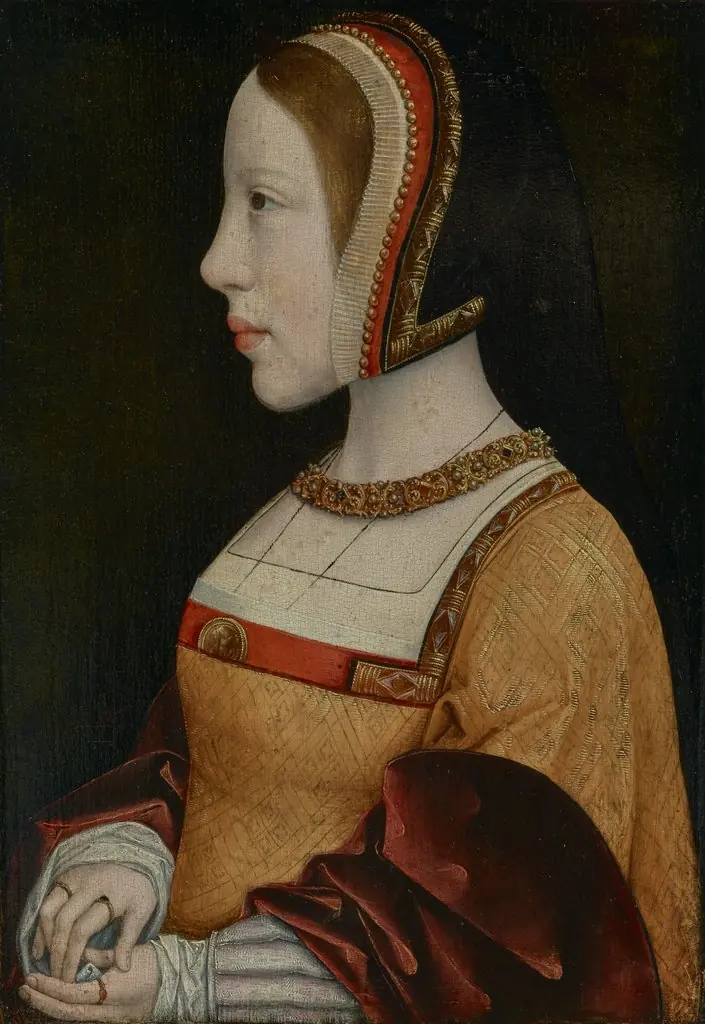 Portrait of Isabella of Austria (1501–1526)
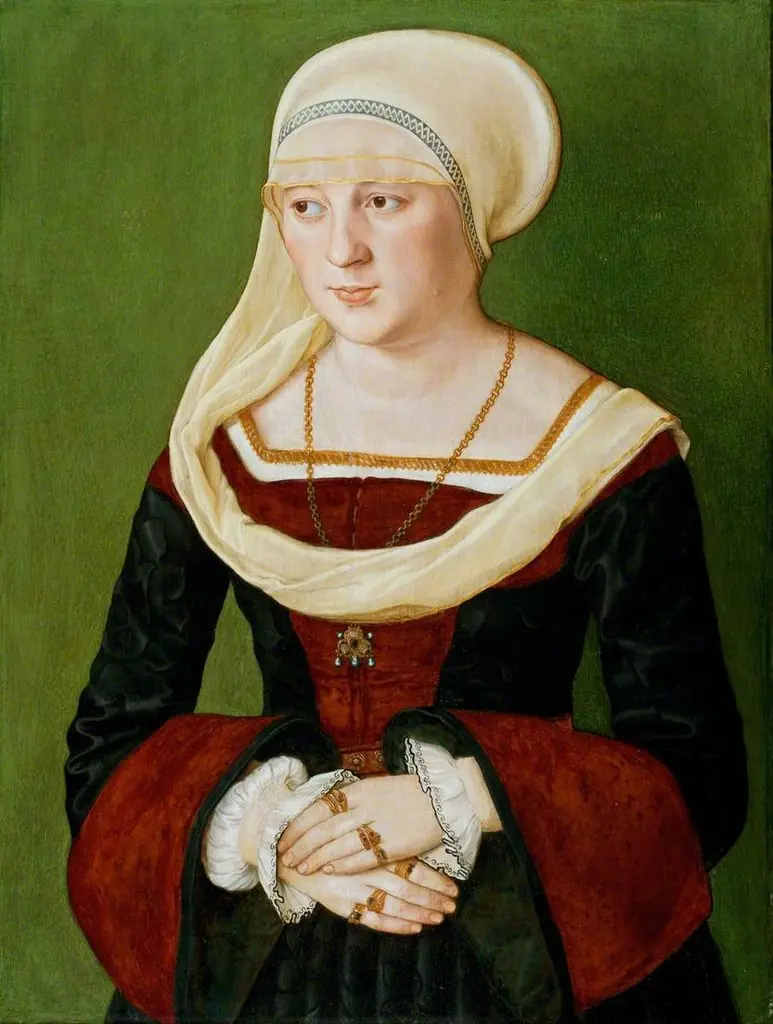 Portrait of Anna Scheit, née Mem(m)inger
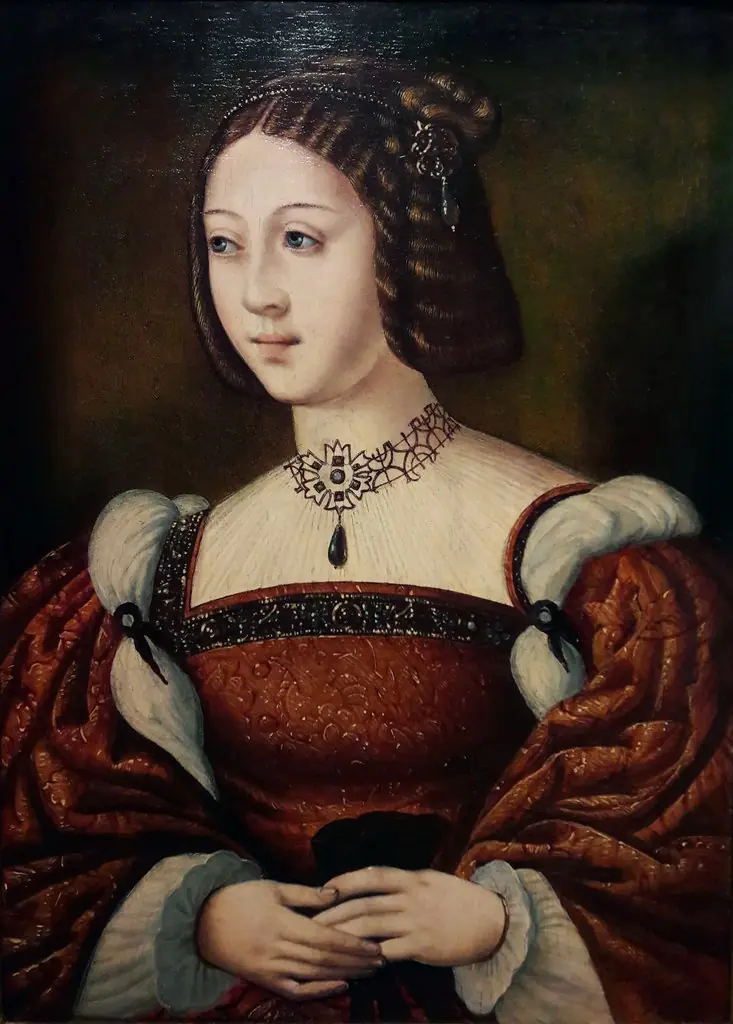 Portrait of Isabella of Portugal (1503-1539).
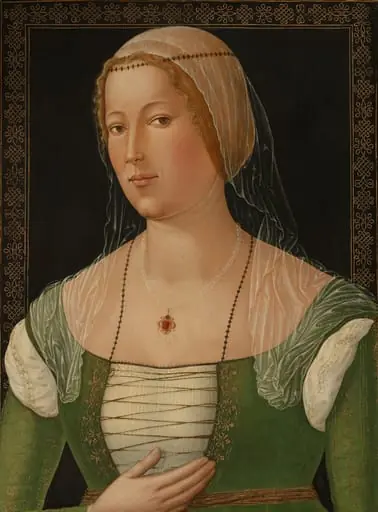 Portrait of a Young Woman
 Mädchenkopf
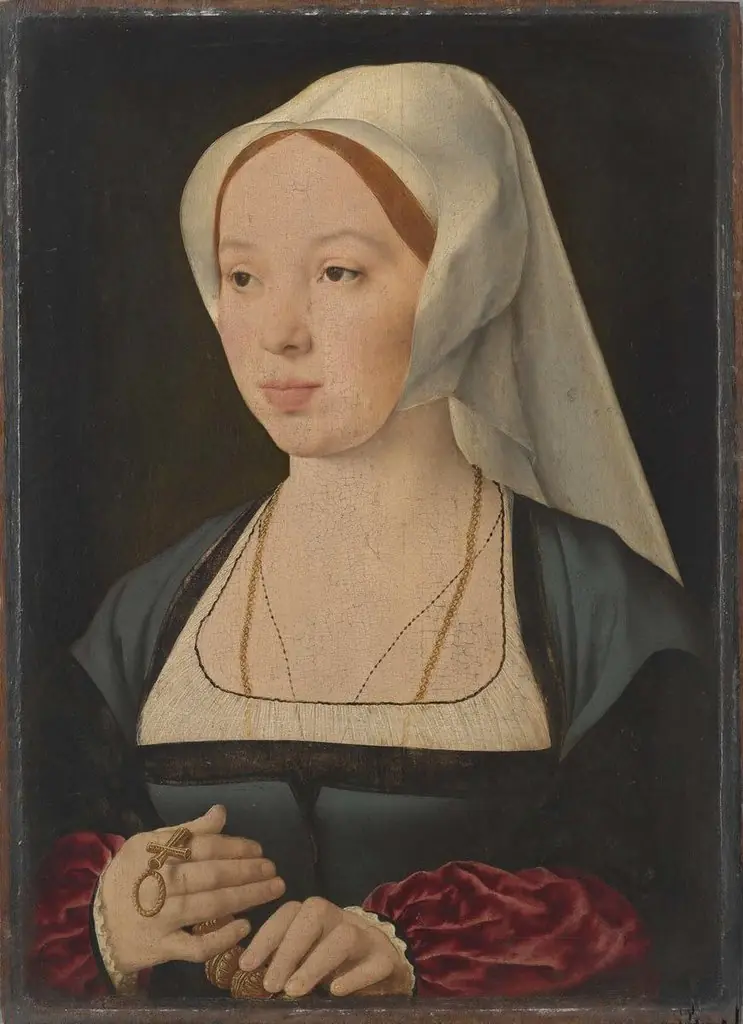 Portrait of a Lady
 Saint Catherine
 Portrait of Margaretha von Mochau, wife of Gerhard von Westerburg
 Portrait of Eleanor of Austria, Archduchess of Austria