Artwork
Portrait of a Lady
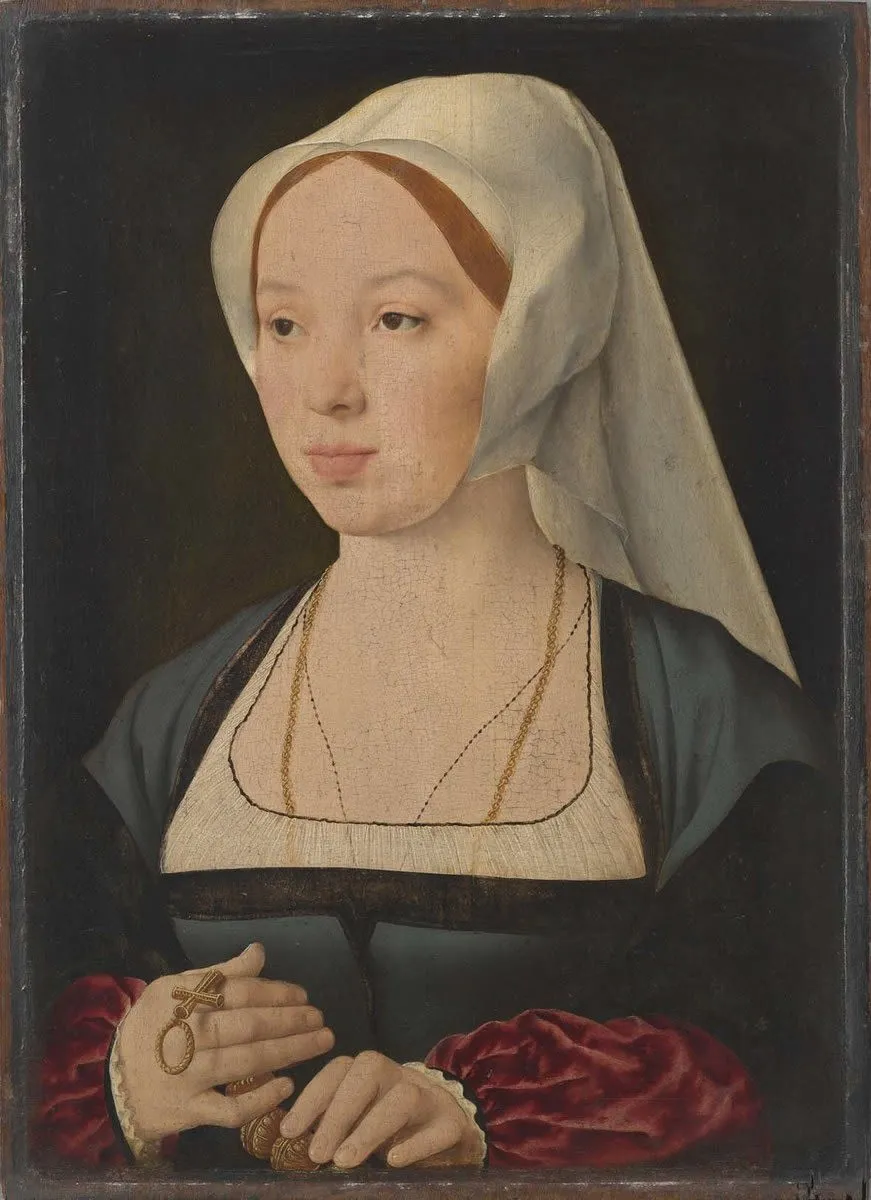
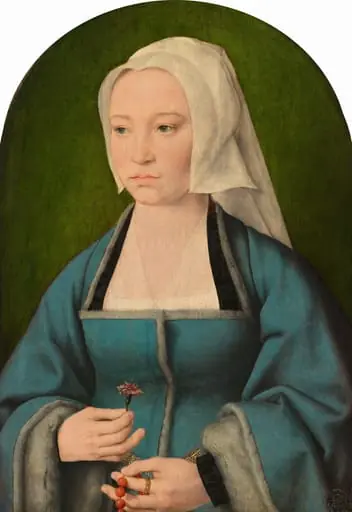
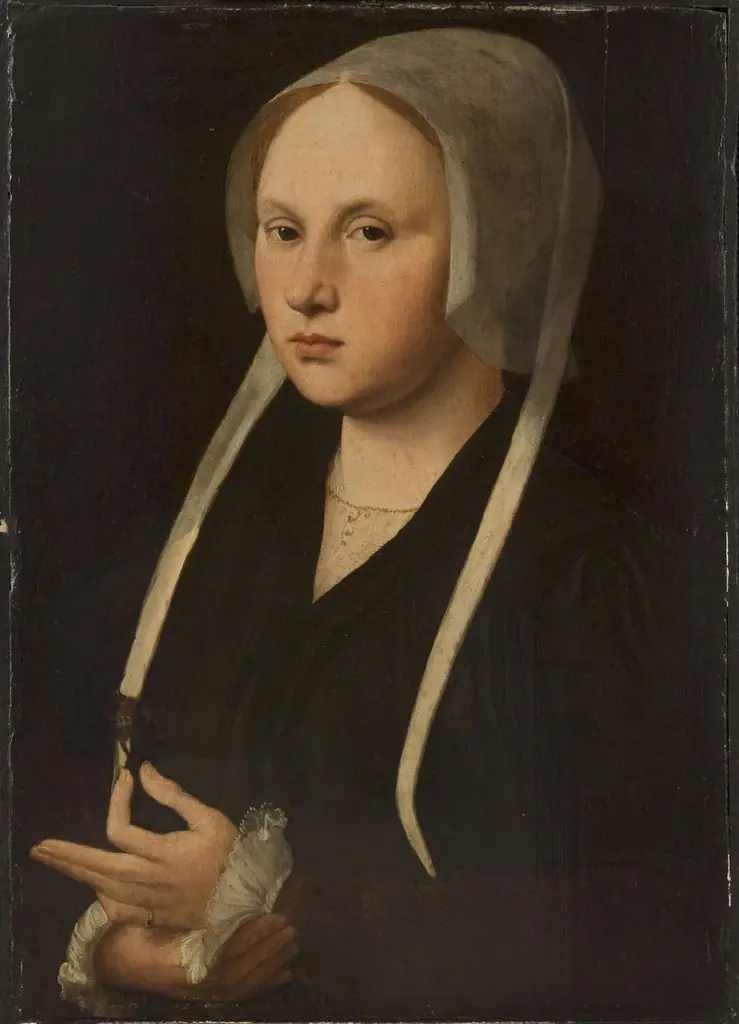
Portrait of a Lady is an oil painting by the Northern Renaissance artist Joos van Cleve. It dates from 1522 and is held in the collection of the Bavarian State Painting Collections.
About this work
Overview
Portrait of a Lady, an oil on panel painting created in 1522 by Joos van Cleve, exemplifies the Northern Renaissance style, blending traditional Early Netherlandish techniques with Renaissance influences.
Subject & Meaning
The subject is a woman, portrayed with symbolic elements: a red flower (often associated with love or devotion) in one hand and a small cross necklace (indicating piety) in the other. Her attire, including a white cap and dark dress, suggests modesty and potentially, marital status or social standing.
Technique & Style
Van Cleve employed a meticulous, detailed approach to render the subject's clothing, jewelry, and facial features. The use of glazing techniques (applying thin, translucent paint layers) achieves depth, notably in the smooth, three-dimensional appearance of her skin against a dark background.
History & Provenance
Created during Van Cleve's active period in Antwerp (1511-1540/1541), the painting is now part of the Alte Pinakothek's collection. As a prominent Guild of Saint Luke member, Van Cleve was known for both religious works and portraits of nobility.
Context
Within the Northern Renaissance, this portrait reflects the era's emphasis on individualism and detailed realism. Van Cleve's blend of traditional and contemporary styles situates the work at the intersection of Netherlandish and broader European artistic trends.
Legacy
While specific impact on later artists is not detailed here, Portrait of a Lady contributes to the broader legacy of Northern Renaissance portraiture, influencing subsequent generations in capturing subtlety and depth in subject representation.
Artist & collection
Artist
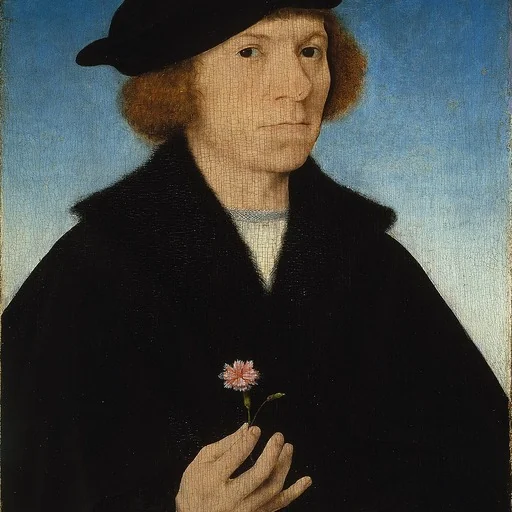
Joos van Cleve (; also Joos van der Beke; c. 1485–1490 – 1540/1541) was a leading painter active in Antwerp from his arrival there around 1511 until his death in 1540 or 1541. Within Dutch and Flemish Renaissance…

 Portrait of a Lady
 Portrait of a Lady
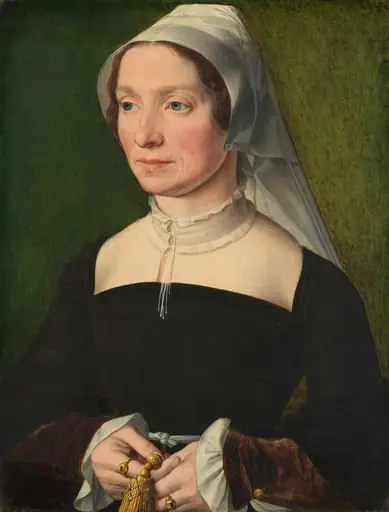 Wife of a Member of the de Hondecoeter Family
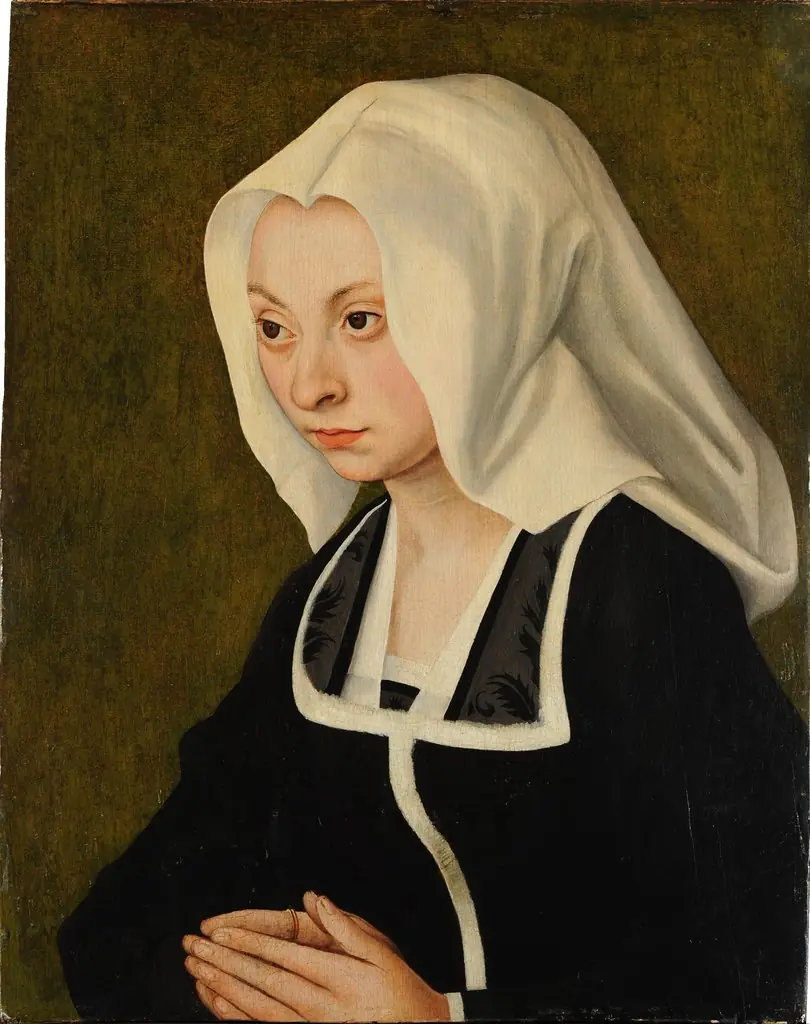 Portrait of a Woman
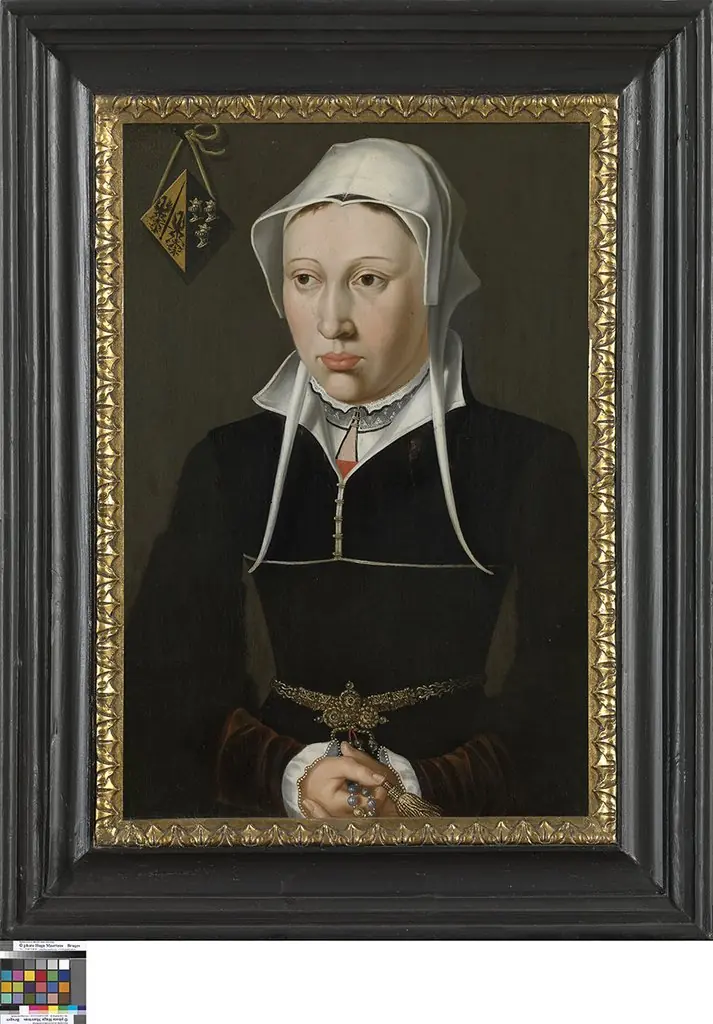 Portrait of the wife of Jan de Fevere
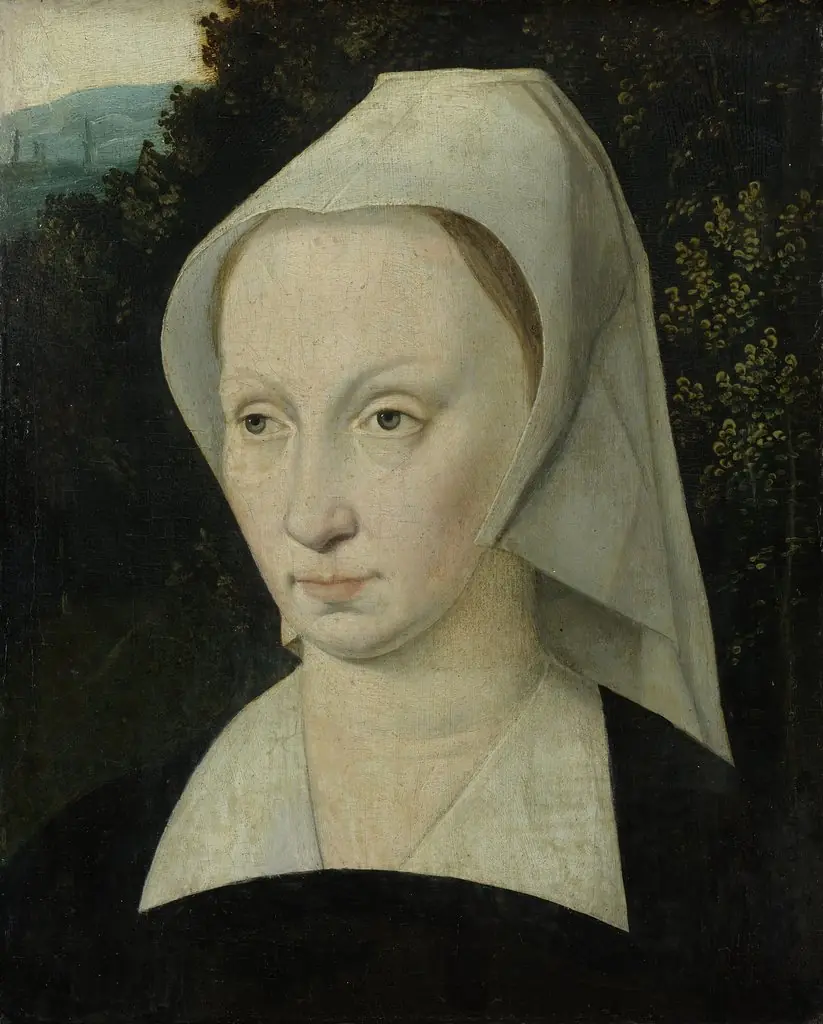 Portrait of a woman
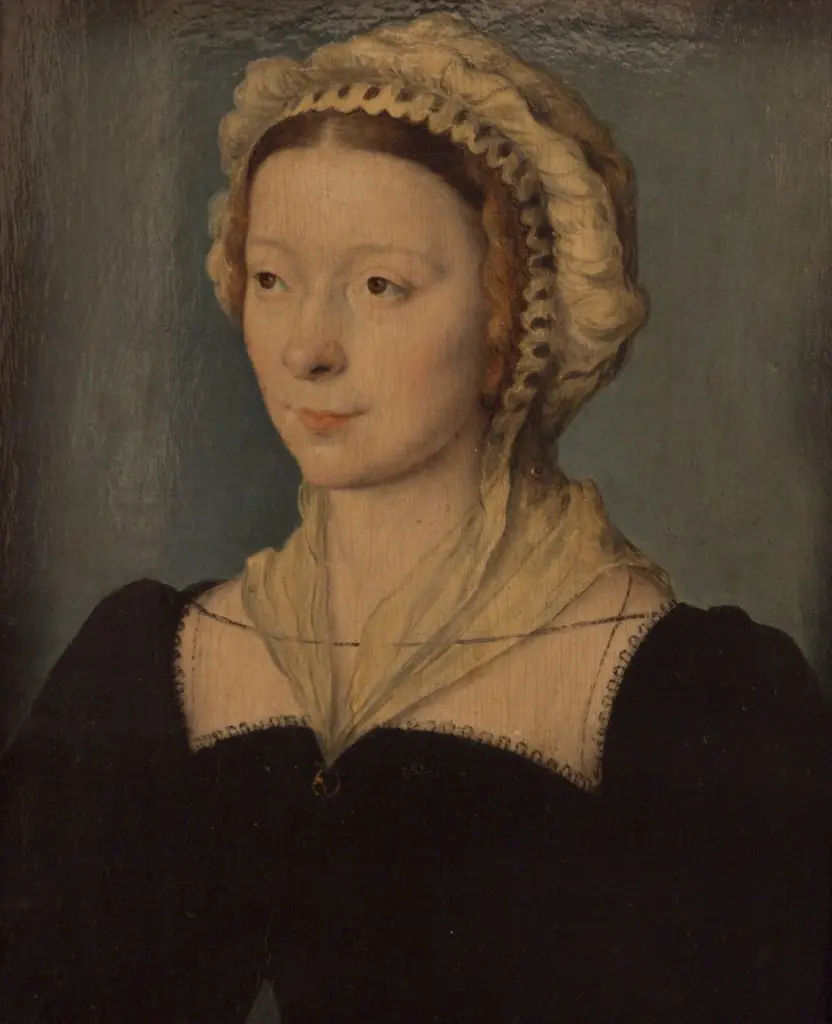 Beatrix Pacheco d'Ascalona
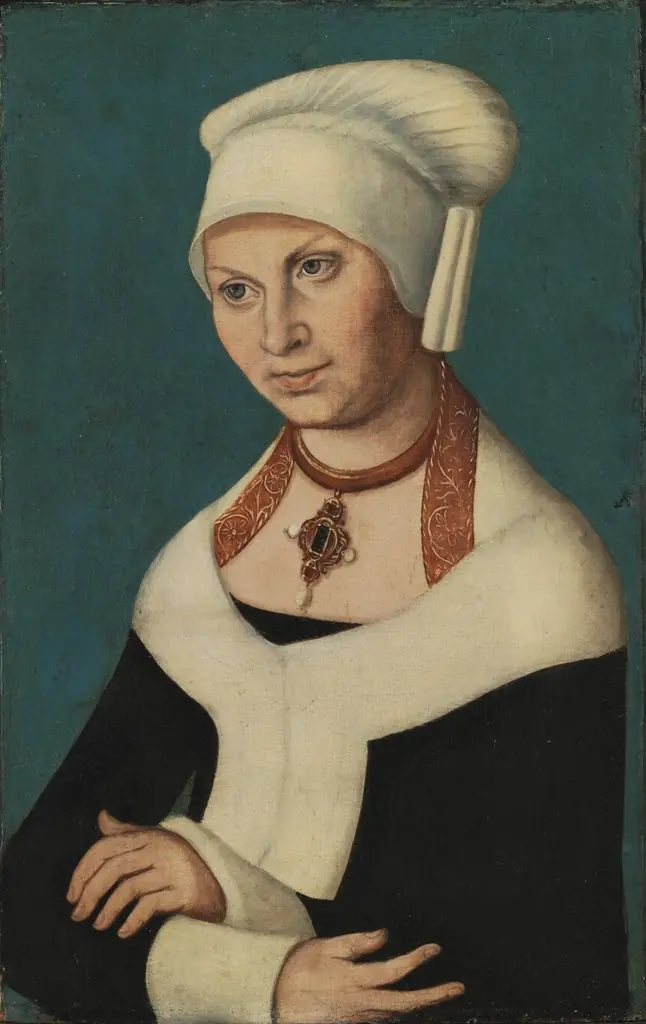 Portrait of the Duchess Barbara of Saxony, 1478-1534 (wife of George the Bearded)
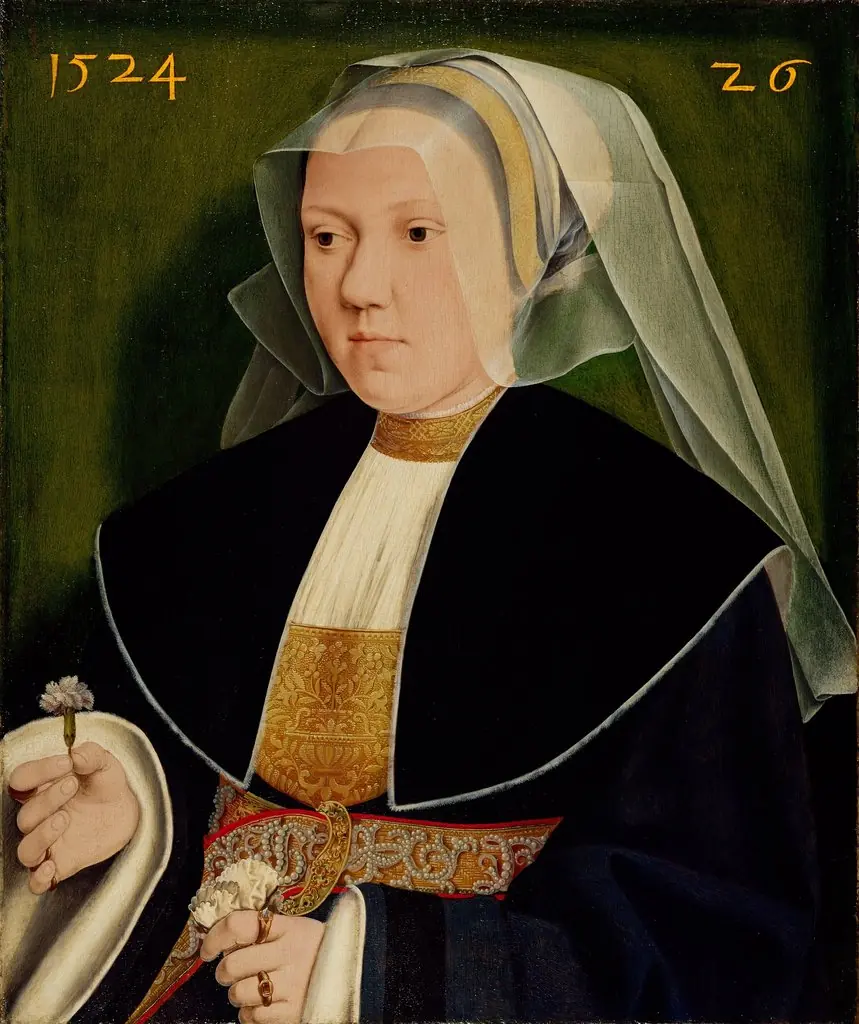 Portrait of Margaretha von Mochau, wife of Gerhard von Westerburg
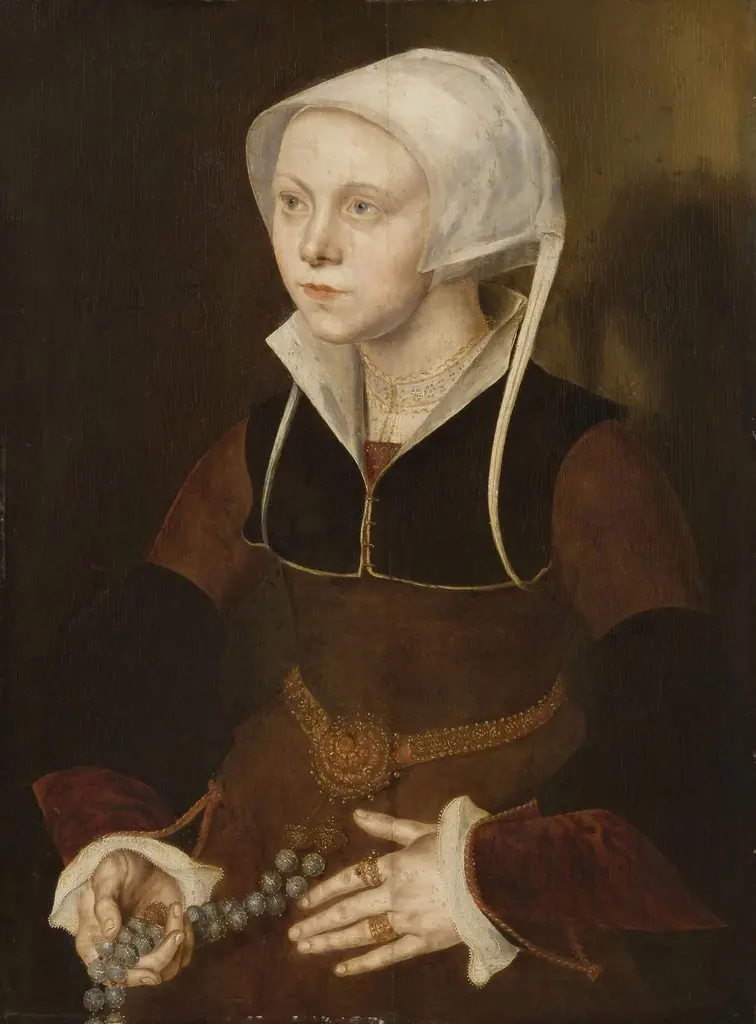 Portrait of a Nineteen-Year-Old Woman
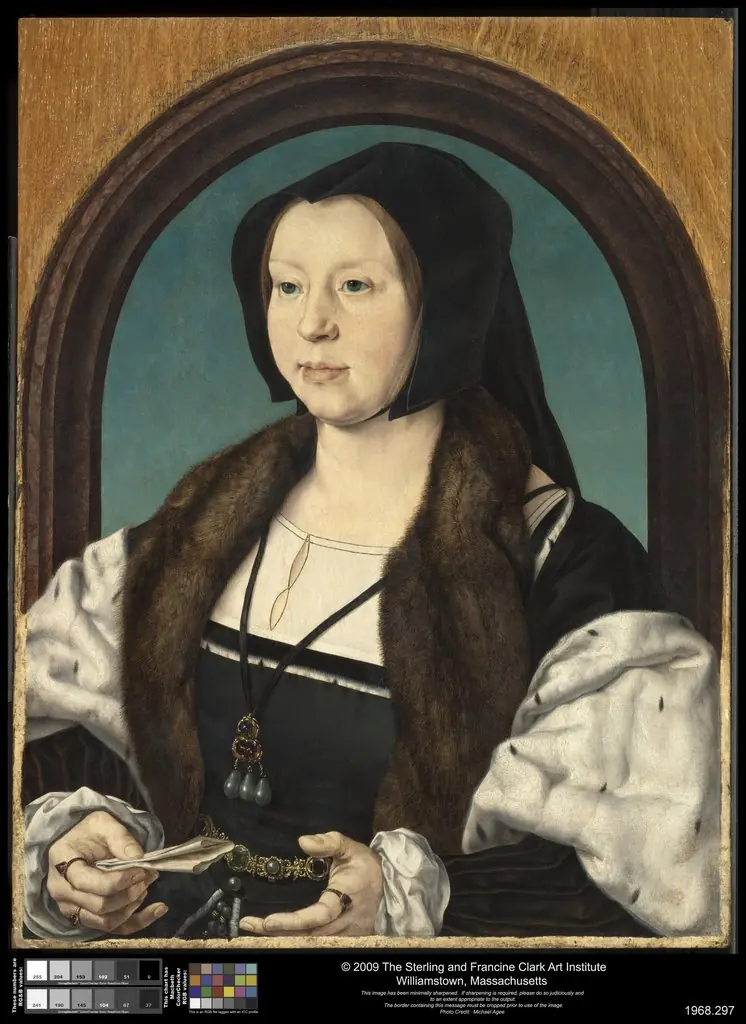 Anna van Bergen
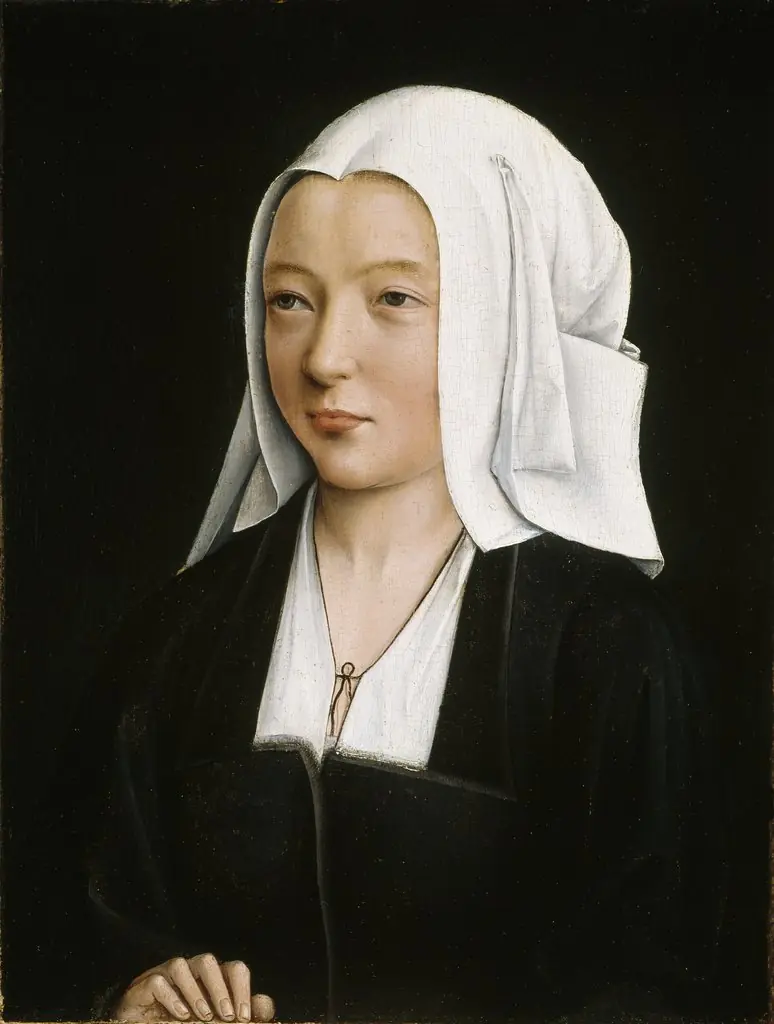 Portrait of a Young Woman