Artwork
Hiram Ervin
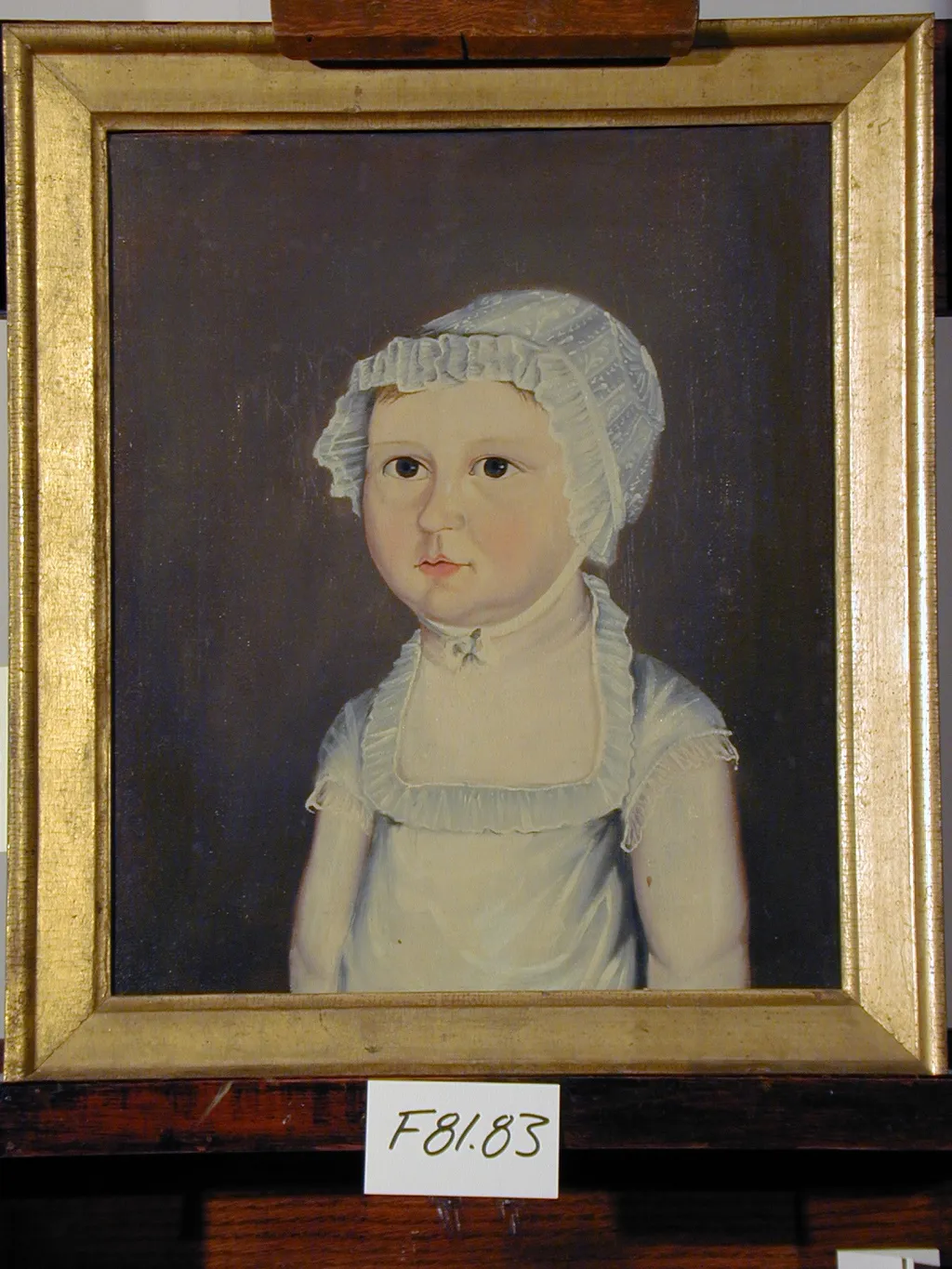
Hiram Ervin is an oil painting by the Realist artist Unknown. It dates from 1820 and is held in the collection of the Detroit Institute of Arts.
About this work
Overview
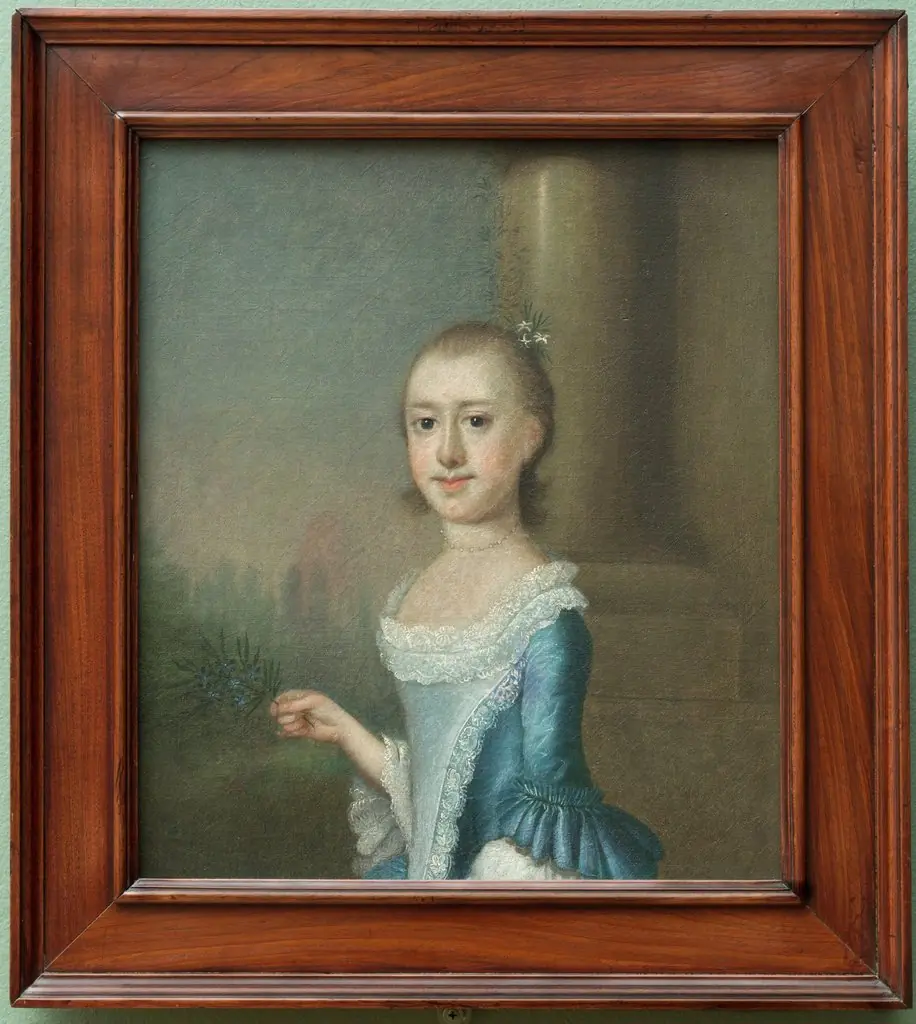
Hiram Ervin’s oil painting depicts a young child, possibly a girl, dressed in white attire with a bonnet. Set against a deep, unmodulated background, the figure is rendered with quiet precision. The medium allows for subtle transitions in tone, emphasizing the child’s form without distraction. The composition is intimate and restrained, focusing attention entirely on the subject’s presence.
Subject & Meaning
The plain white clothing and bonnet suggest modesty or formality, possibly indicating a portrait commissioned for familial remembrance.
The child faces the viewer directly, expressionless yet attentive. The plain white clothing and bonnet suggest modesty or formality, possibly indicating a portrait commissioned for familial remembrance. There is no narrative context or symbolic object to guide interpretation; the work’s power lies in its stillness and the quiet dignity of the subject, inviting contemplation rather than storytelling.
Technique & Style
Ervin employs chiaroscuro to model the child’s face and dress, using sharp contrasts between light and shadow to create volume. The smooth application of oil paint enhances realism, particularly in the soft rendering of skin and fabric. The dark background eliminates environmental detail, isolating the figure and heightening the sense of three-dimensionality through light alone.
History & Provenance
The painting resides in the collection of the Detroit Institute of Arts, though little is publicly documented about its acquisition or prior ownership. Its date and commissioning context remain unclear. As a work by Hiram Ervin—a lesser-known 19th-century American artist—it likely originated in regional portraiture circles, preserved over time through private or institutional care.
Context
Created during a period when portrait painting was common among middle- and upper-class families, this work reflects a tradition of domestic commemoration. Ervin’s approach aligns with regional American artists who favored simplicity and directness over elaborate settings. The absence of props or background details signals a shift toward psychological presence over social display.
Legacy
Though not widely exhibited or studied, the painting contributes to the broader understanding of 19th-century American portraiture outside major urban centers. Its preservation in a major museum underscores its value as a quiet, well-executed example of regional artistic practice. It remains a modest but enduring record of an individual’s likeness, preserved through careful technique and restrained composition.
Artist & collection

 Domestic Scene
 Giacomo and Cardinal Marco, investing Andrea, Abbot of San Zeno, with his Benefice
 The Nymph of Fontainebleau
 Portrait of a Woman
 Madonna and Child with Saints in the Enclosed Garden
 Venus and Minerva
 Family Group of Four on Sofa
 Wall painting from Room H of the Villa of P. Fannius Synistor at Boscoreale
 Portrait of a Boy
 Child with a Peach
 Portrait of a Girl with Blue Eyes and Blue Dress
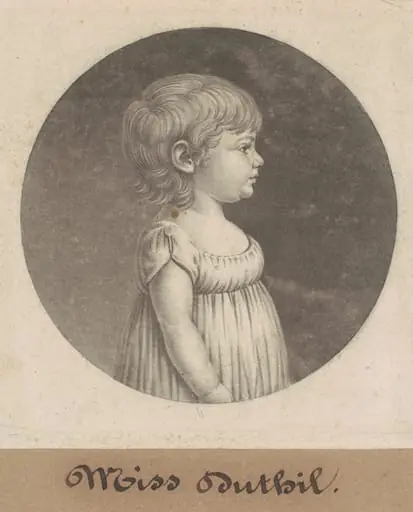 Miss Dutilh
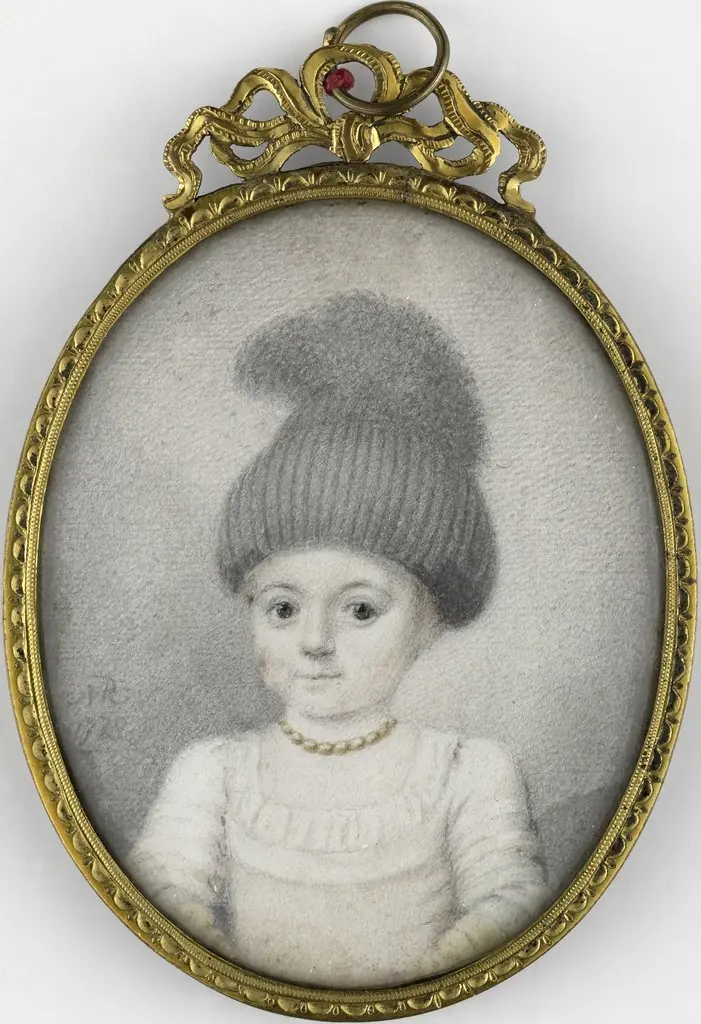 Portret van een meisje met een 'valhoedje'
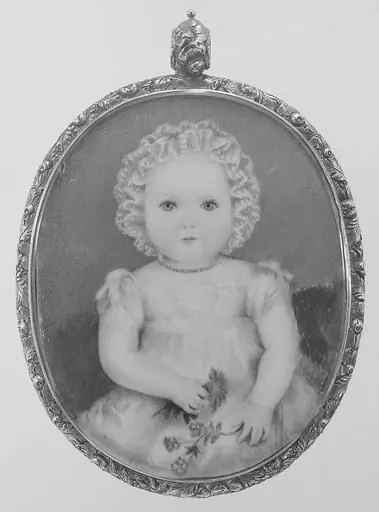 Portrait of a Baby
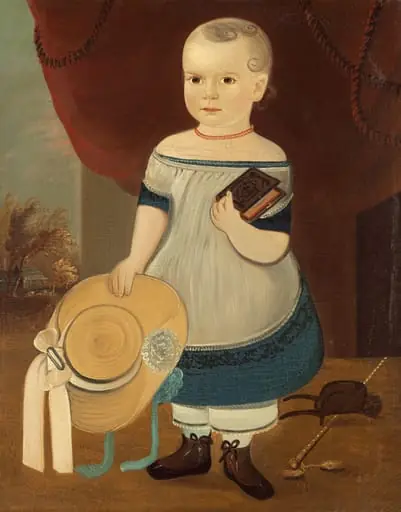 Child with Straw Hat
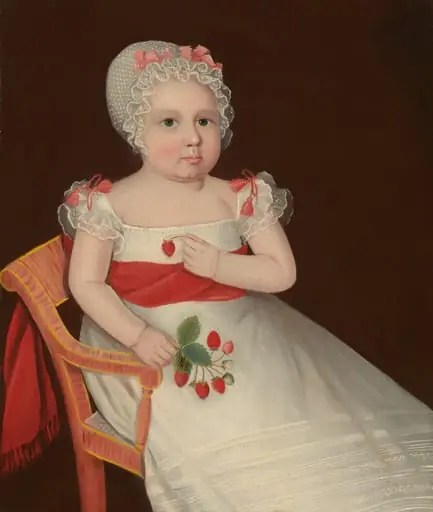 The Strawberry Girl
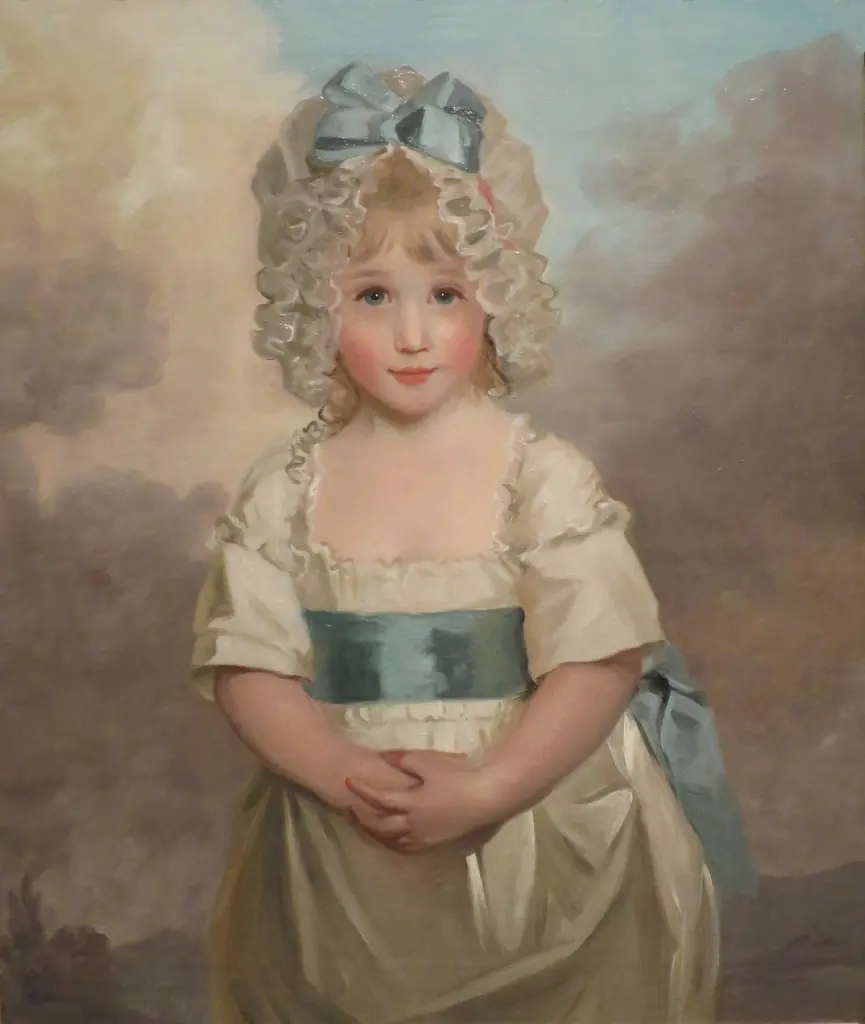 Miss Charlotte Papendick as a Child
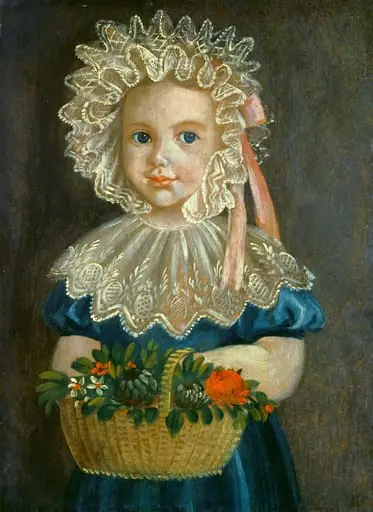 Little Girl with Flower Basket
 Portrait of a Boy
 Portrait of Amarinthia Elliott