Artwork
Miss Dutilh
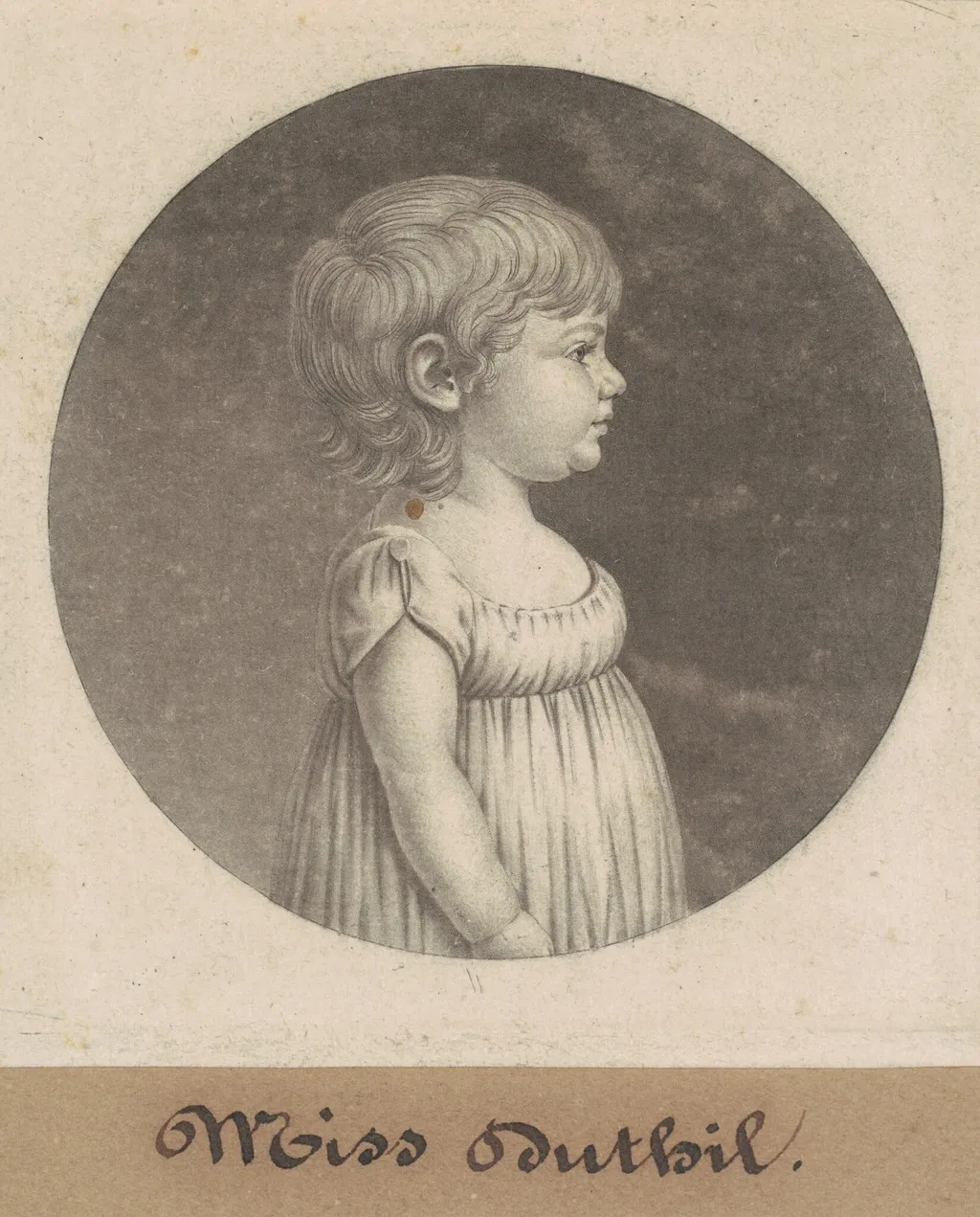
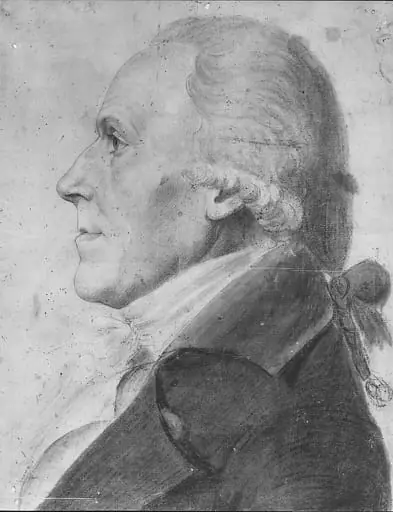
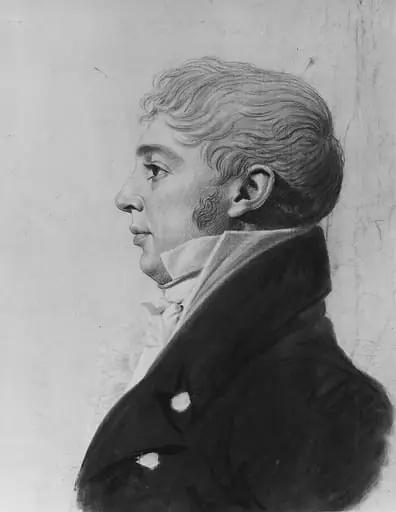
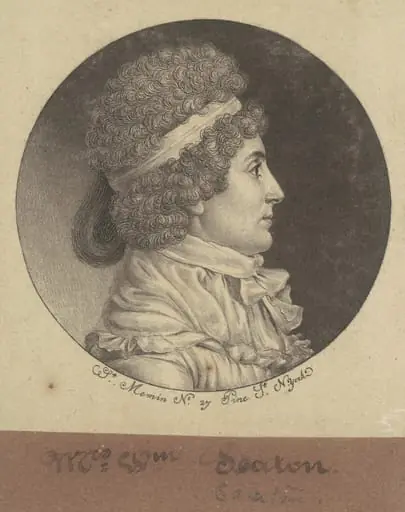
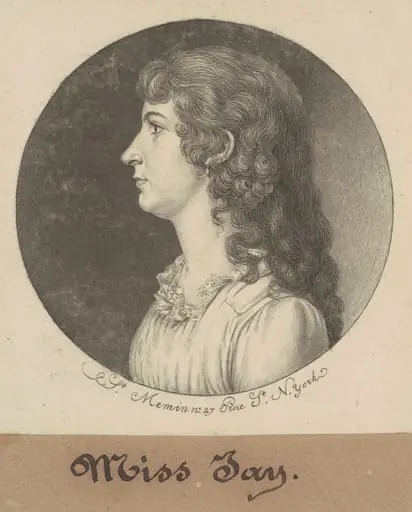
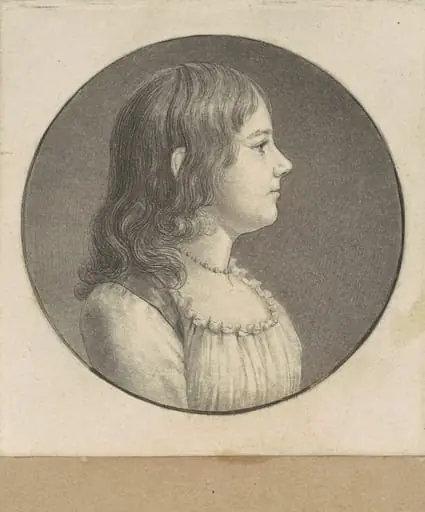
Miss Dutilh is an ink print by the Romanticist artist Charles Balthazar Julien Févret de Saint-Mémin. It dates from 1801 and is held in the collection of the National Gallery of Art. Created in 1801 by Charles B.
About this work
Overview
The work exemplifies the precision of 19th-century American portraiture, where miniature scale and technical finesse converged to convey personal presence.
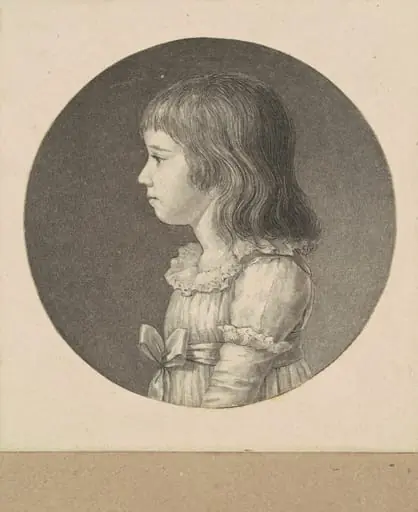
Created in 1801 by Charles B. J. Févret de Saint-Mémin, this small portrait is a mezzotint and engraving on wove paper, mounted to a brown wove support. Measuring just over five and a half centimeters square, it captures a young girl in quiet repose. The work exemplifies the precision of 19th-century American portraiture, where miniature scale and technical finesse converged to convey personal presence.
Subject & Meaning
The sitter, identified as Miss Dutilh, is rendered with solemn composure, her gaze steady and unsmiling. Her formal attire suggests a moment of ceremonial importance, perhaps a portrait commissioned for family records. The absence of embellishment or background directs focus entirely to her expression, emphasizing dignity and inner stillness rather than narrative or social status.
Technique & Style
Saint-Mémin employed mezzotint and engraving to achieve subtle tonal gradations and fine linear detail. The texture of her lace collar and the softness of her skin are rendered through meticulously incised lines and controlled dot work. The monochrome palette enhances the intimacy, allowing light and shadow to model form with quiet realism, characteristic of the artist’s refined approach to miniature portraiture.
History & Provenance
The print was made during Saint-Mémin’s time in the United States, where he produced numerous likenesses of prominent figures and their families. Miss Dutilh likely belonged to a well-connected household in New York or Philadelphia. Its survival in original mounting suggests it was carefully preserved, possibly within the sitter’s family, before entering institutional collections.
Context
In early 19th-century America, engraved portraits served as affordable alternatives to oil paintings, particularly among the urban middle class. Saint-Mémin’s technique, derived from French academic traditions, brought a level of refinement uncommon in domestic portraiture. This work reflects a cultural moment when personal identity was increasingly documented through precise, reproducible imagery.
Legacy
Though not widely exhibited, Miss Dutilh remains a representative example of Saint-Mémin’s contribution to American printmaking. Its technical discipline and emotional restraint influenced later generations of portrait engravers. The work endures as a quiet testament to the value placed on individual likeness in a society shaping its own visual language.
Artist & collection

Artist
Charles Balthazar Julien Févret de Saint-Mémin
Charles Balthazar Julien Févret de Saint-Mémin (French pronunciation: ; 1770–1852) was a French portrait painter and museum director.