Artwork
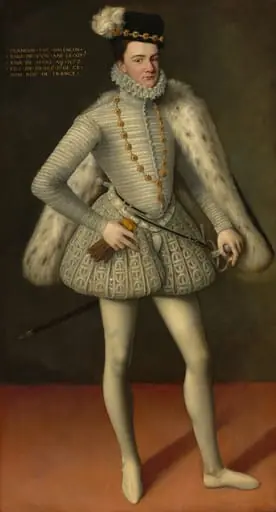
Herzog Francois von Alencon und Anjou (1555-1584)
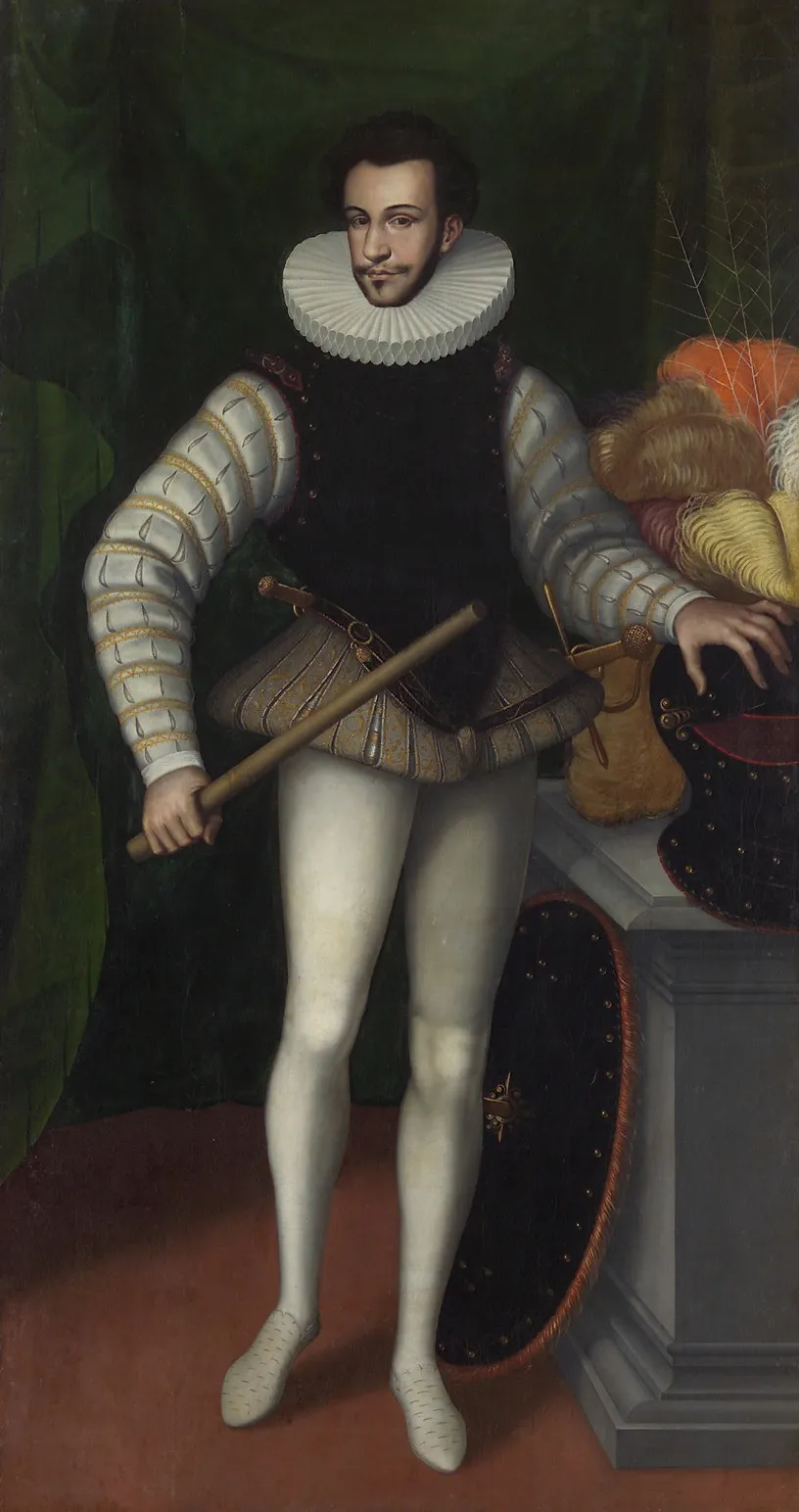
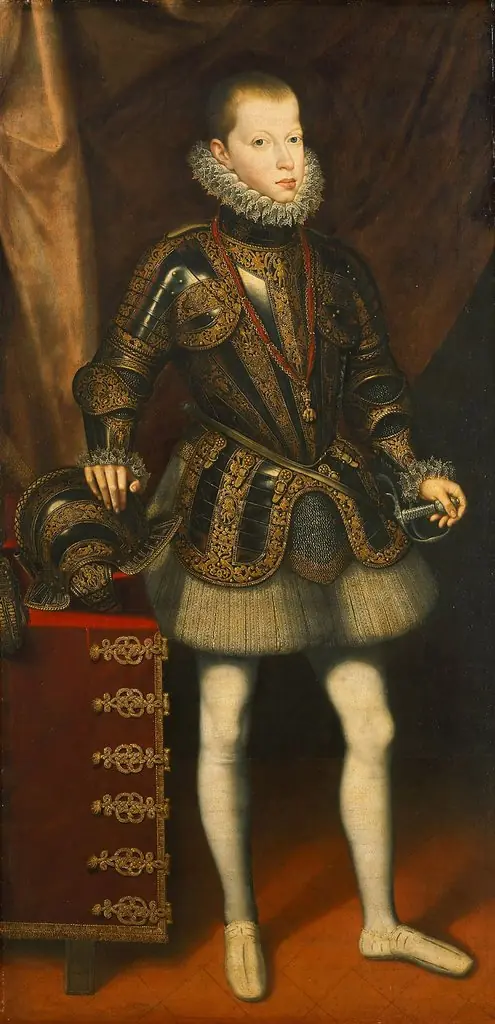
Herzog Francois von Alencon und Anjou (1555-1584) is an unspecified painting by the Mannerist artist Unknown. It dates from 1590 and is held in the collection of the Kunsthistorisches Museum. This portrait depicts François, Duke of Alençon and Anjou, rendered in oil on panel during the late 16th century.
About this work
Overview
This portrait depicts François, Duke of Alençon and Anjou, rendered in oil on panel during the late 16th century. The subject is presented in full-length view, clad in ceremonial armor that reflects both martial authority and courtly elegance. The composition balances meticulous detail with controlled lighting, emphasizing the dual role of warrior and nobleman.
Subject & Meaning
François de France, the youngest son of Henry II and Catherine de’ Medici, is portrayed here in his prime, shortly before his death at age 29. The armor and baton signify military command, while the restrained posture and faint smile convey the measured demeanor expected of a royal prince. The inclusion of a helmet suggests readiness for battle, though the setting remains distinctly aristocratic.
Technique & Style
The artist employs chiaroscuro to model the figure, using strong contrasts between illuminated surfaces—such as the gleaming armor—and the deep shadows of the background. Fine brushwork delineates textures, from the gold embroidery on the gloves to the crisp pleats of the ruff. The dark curtain and pedestal anchor the composition, directing focus toward the subject’s face and torso.
History & Provenance
The painting’s origins lie within French court circles, likely commissioned to document the duke’s appearance for diplomatic or dynastic purposes. Its early ownership remains unrecorded, but it entered public collections in the 19th century, where it has since been preserved as an example of late Renaissance portraiture. Restoration efforts have maintained its original tonal balance.
Context
François’s life unfolded during the French Wars of Religion, a period marked by factional strife and shifting alliances. As a potential heir to the throne and a suitor to Elizabeth I of England, his image carried political weight. This portrait aligns with the era’s emphasis on individual likeness as a tool of statecraft, blending personal identity with dynastic ambition.
Legacy
The work exemplifies the Northern European tradition of armored portraiture, where sitter and symbol merge to convey status. Its technical precision influenced later court painters, while its depiction of François—often overshadowed by his siblings—preserves a nuanced record of a figure caught between war and diplomacy. The painting remains a study in the rhetoric of power.
Artist & collection

 Domestic Scene
 Giacomo and Cardinal Marco, investing Andrea, Abbot of San Zeno, with his Benefice
 The Nymph of Fontainebleau
 Portrait of a Woman
 Madonna and Child with Saints in the Enclosed Garden
 Venus and Minerva
 Family Group of Four on Sofa
 Wall painting from Room H of the Villa of P. Fannius Synistor at Boscoreale
 Portrait of Matthias II of Habsburg (1557-1619), the future Holy Roman Emperor
 Don Juan de Austria
 A Nobleman of the Valois Court
 Emperor Maximilian II
 Philip of Asturias, later Philip III of Spain
 Prince Hercule-François, Duc d'Alençon
 Herzog Wilhelm V. (1516-1592) von Jülich-Cleve-Berg, in ganzer Figur
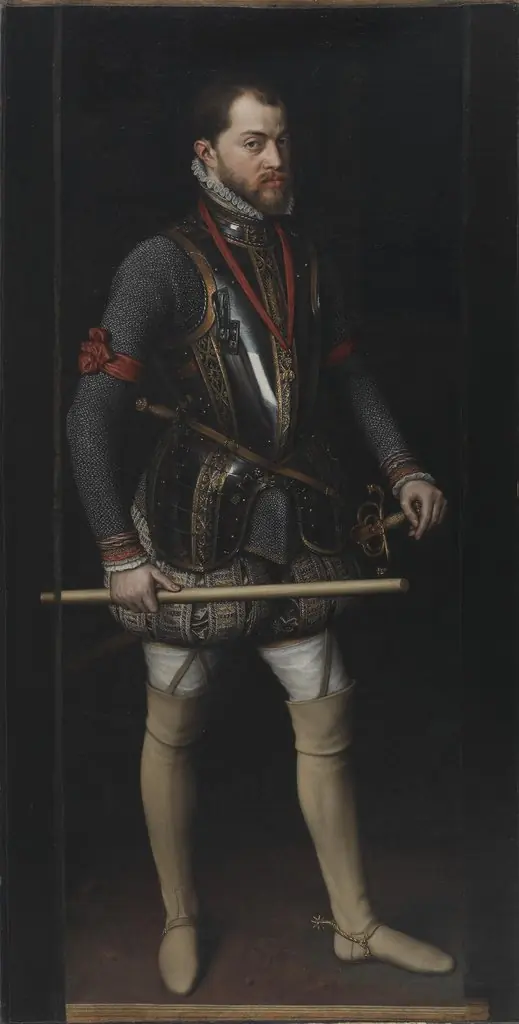 Philip II of Spain
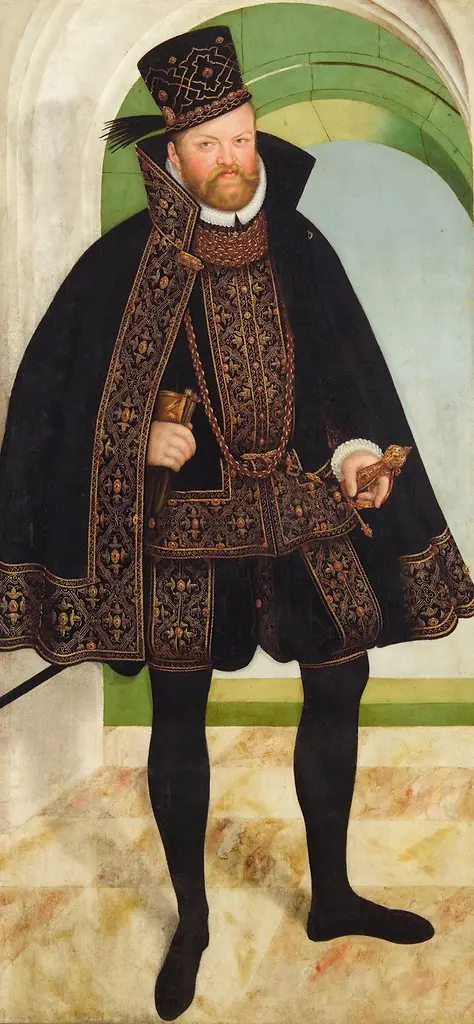 Augustus, Elector of Saxony (1526-1586)
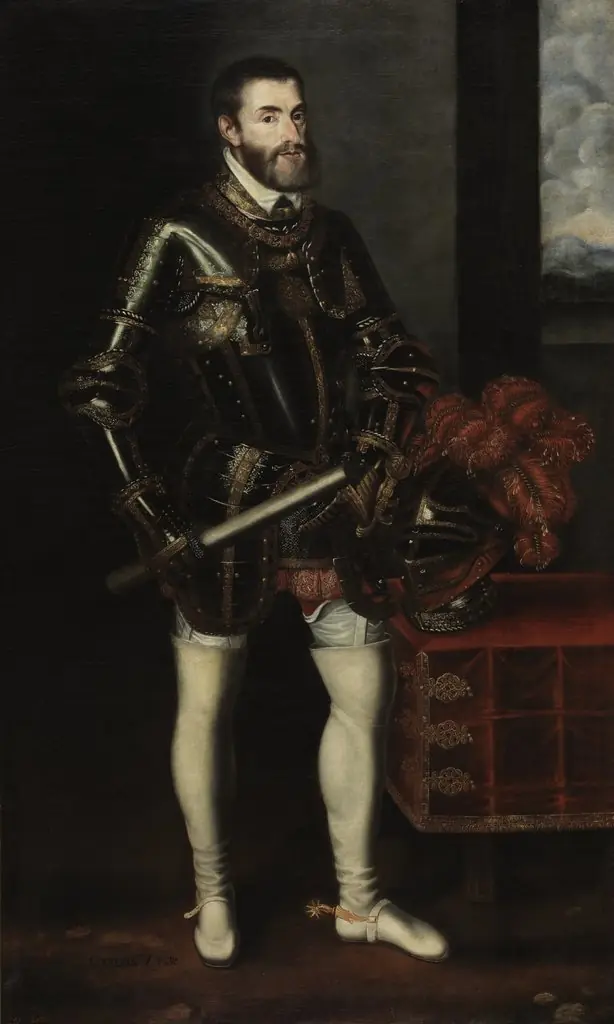 Charles V in Armour
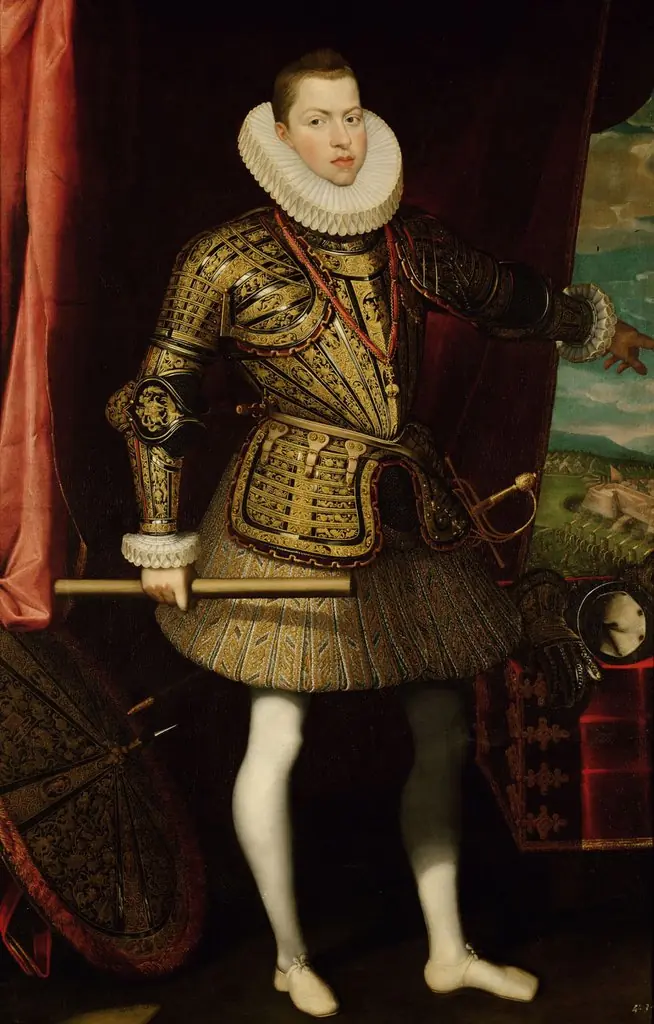 König Philipp III.(1578-1621) von Spanien, Bildnis in ganzer Figur als General der Infanterie (Im Hintergrund: Die Belagerung von Ostende 1601-1604)
 Infant Philipp in einem Harnisch